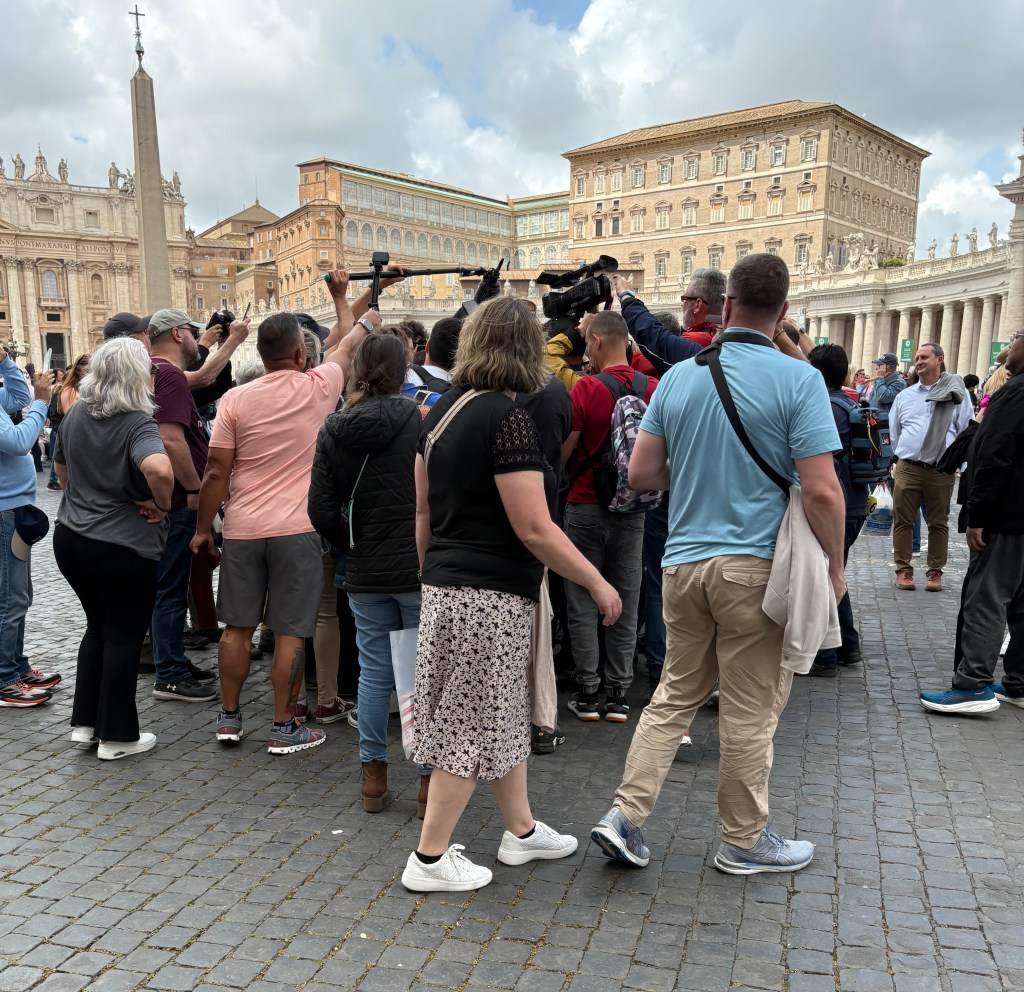
Ahh, Spring, Italy and the death of a pope. But you’ll have to wait and yes, we’ll be tackling the intrigue and commotion in Rome as seen below.

Delightfully, springy-weather ! For those of you who are not interested in what kind of toothpaste we’re currently choosing or my incessant whining about cold weather – THIS is a month of travel with a 15 day land tour of Italy !!! Feel free to skip this month if you aren’t interested in Italy or if you’re Stanley Tucci and already know everything there is to know.
But first, on our way out of France, we stopped overnight in Paris to meet with a long-time Denver friend and previous colleague of G’s for dinner. We’d arranged to meet at a restaurant near where she and her three daughters were staying in the 9th arrondissement – a seven minute walk from their hotel. Marlu had been whisked to a French cruise vacation by her daughters to celebrate her 88th birthday. We had originally planned to train to Naples, Italy but switched it out for quick airline flights so that we could meet with her for the one night. No other changes to our plans would work.
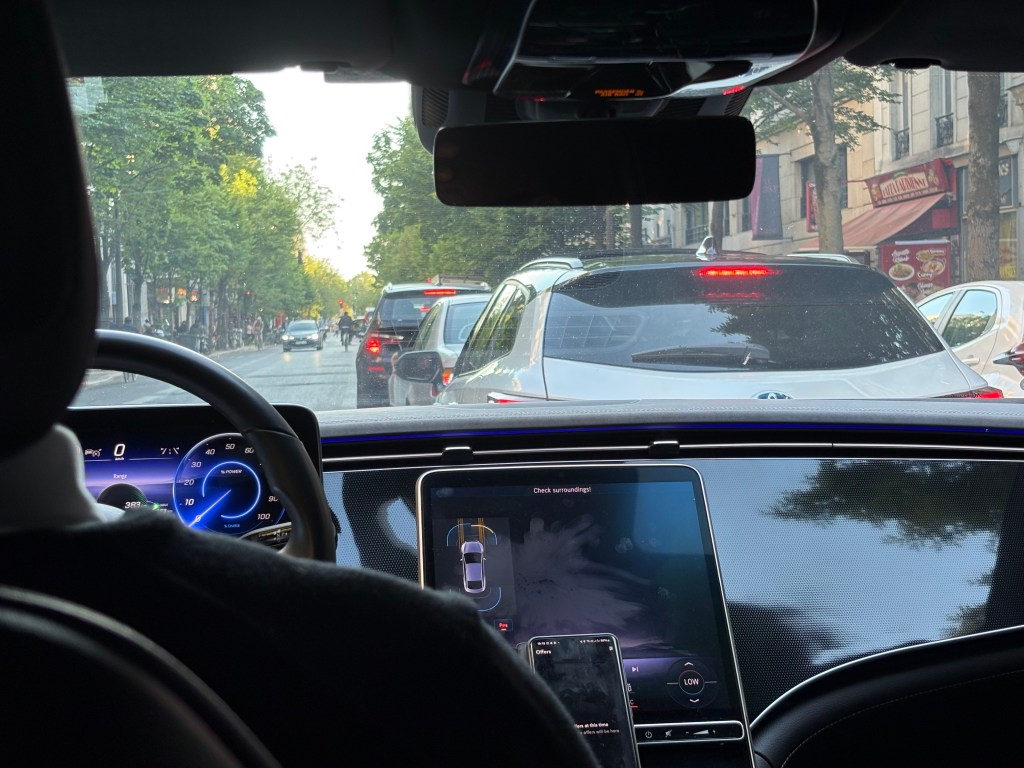
The train to Paris was uneventful per usual and we checked into the hotel at the airport for ease of departure the next day. Leaving the hotel for the restaurant by driver was arranged with plenty of time but an accident on the motorway and the subsequent traffic snarls in the city stretched the 45-minute ride into a 2-hour ride. We texted the group to start with appetizers but it was distressing that our short meeting was made even more brief by our late arrival.
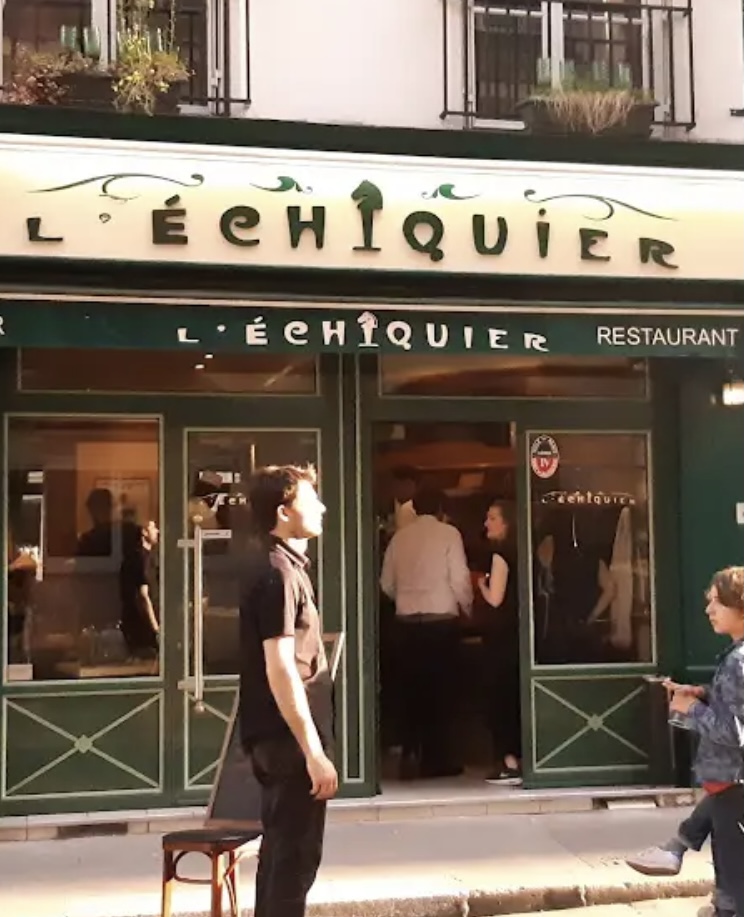
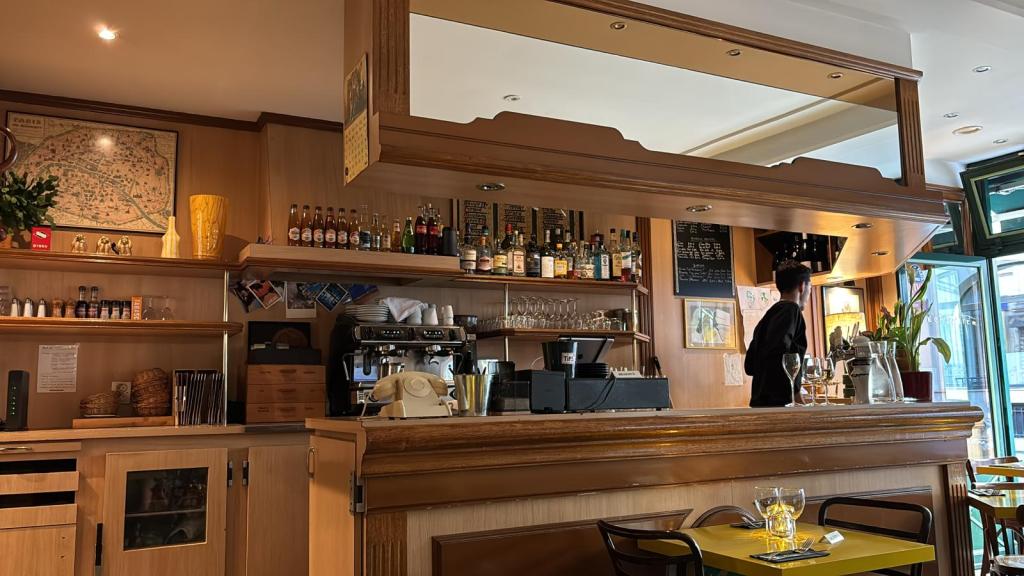
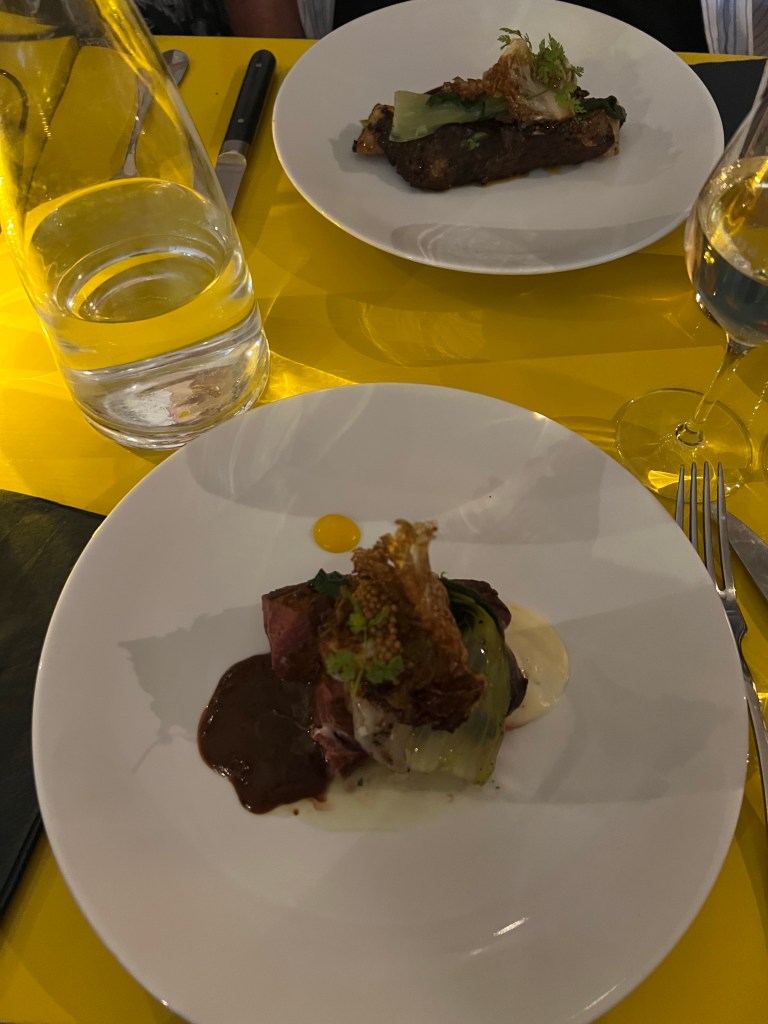
Despite our very late arrival, all four greeted us warmly. After introducing her daughters, Marlu was as sharp and stunning as she was 30 years ago when G worked with her. Conversation was fun and interesting all night long, so much that it was a shame to part ways. However, even though the restaurant we had chosen had high ratings, we’d never eaten there before and it proved to be a total mistake. The service was great, presentation was done well, but it was without a doubt the worst meal we’ve ever had in Paris. A stunning array of fabulous places to eat and we were unfortunate to find this one on the only night we had to introduce them to French fare. At L’échiquier, the portions were abysmal, over cooked and dry. ‘Ribs’ were actually one slice of beef on a bone and the beef could have been mistaken for a bone as well. A small bowl of mushrooms as a side was the only thing with flavor. After fond farewell’s and leaving for our hotel, we texted them our apologies, sad that we would never get the chance to rectify that experience. They were to leave on their cruise the next morning, taking in the French coast to Normandy. Hopefully they got a chance to experience the French cuisine at its best, on the trip.
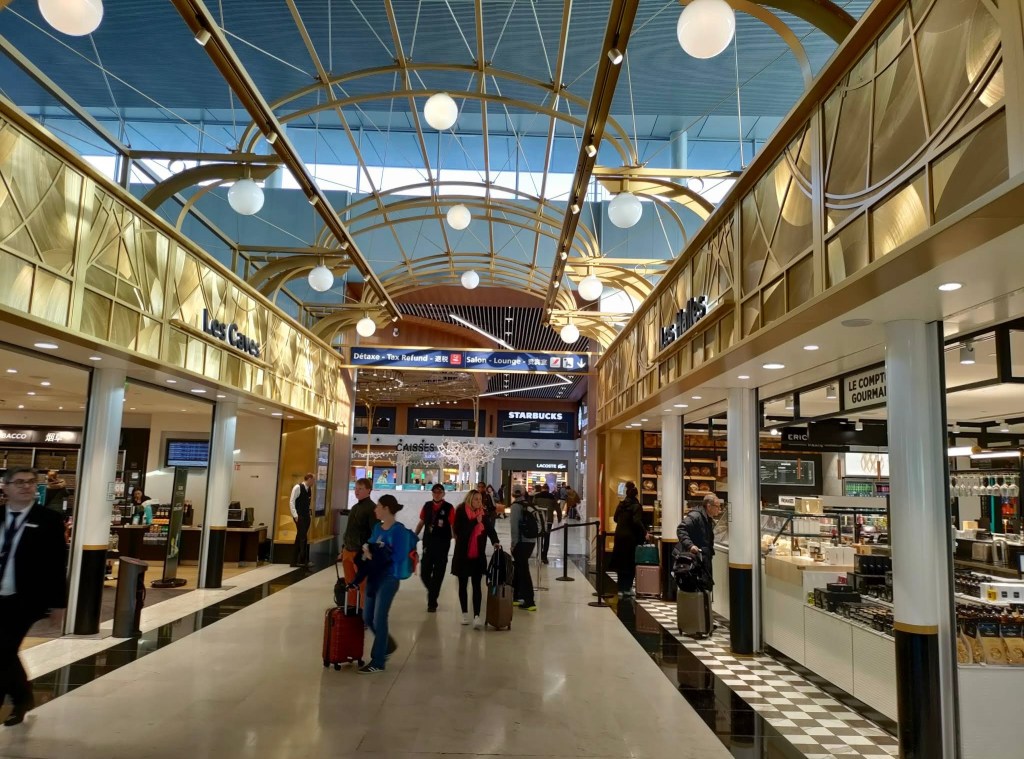
The next morning we hustled to the Air France gate in Terminal 2 and relaxed in the lounge before take off. Getting to the gate itself was quite the experience as they had built in a maze we were required to slough through in order just to get there. It was new to us, as we have been through the Charles de Gaulle airport many times without this mandatory walk. The maze served no purpose other than to march us through a gauntlet of duty free high-end designer vendors touting everything from perfumes to leather bags, eyewear, scarves, jewelry and liquors. A ridiculous march for easily 15 minutes for what should have been a quick 5-minute trek. And while I’m kvetching, don’t get me started on airline travel versus train travel. It makes me want to scream with the amount of people trying to shove their way in front of you and pressing behind you to get on the plane – where we are ALL headed anyway, just to make sure they don’t have to worry about taking up more space in the overhead luggage compartments than they should, with their oversized, overstuffed bags. It’s a total nightmare with an extra dose of rudeness thrown in. There. Got it out of my system. Don’t leave yet – we had a great trip to tell you about.
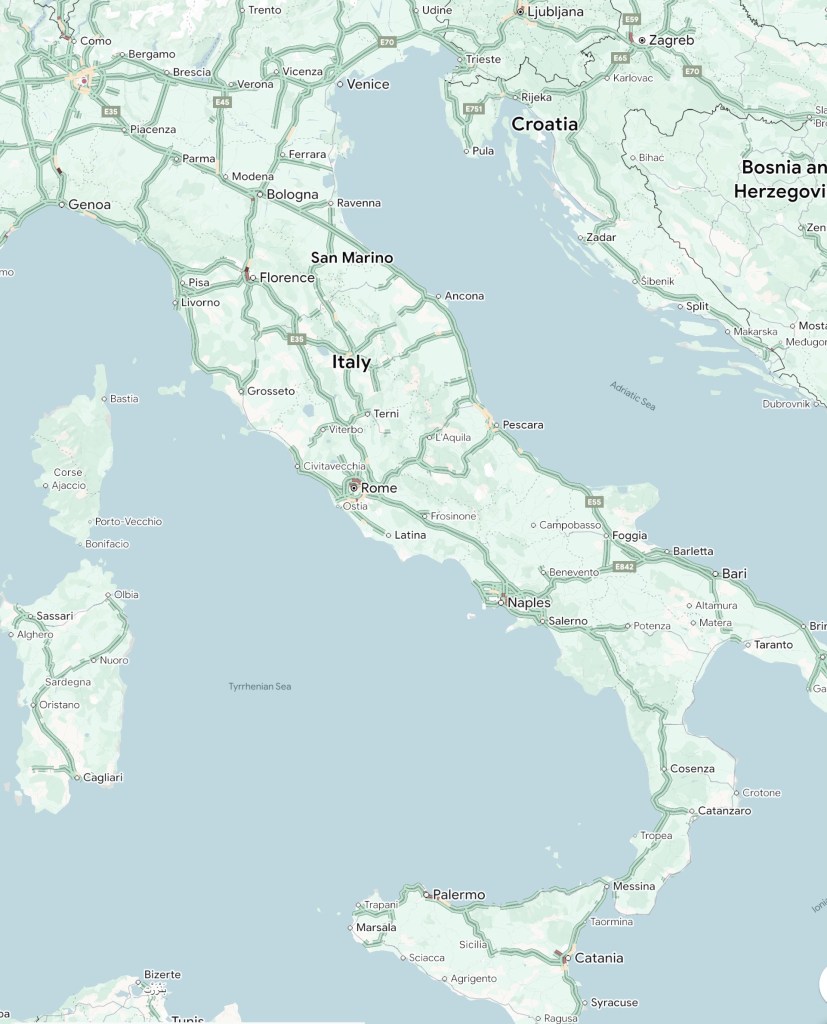
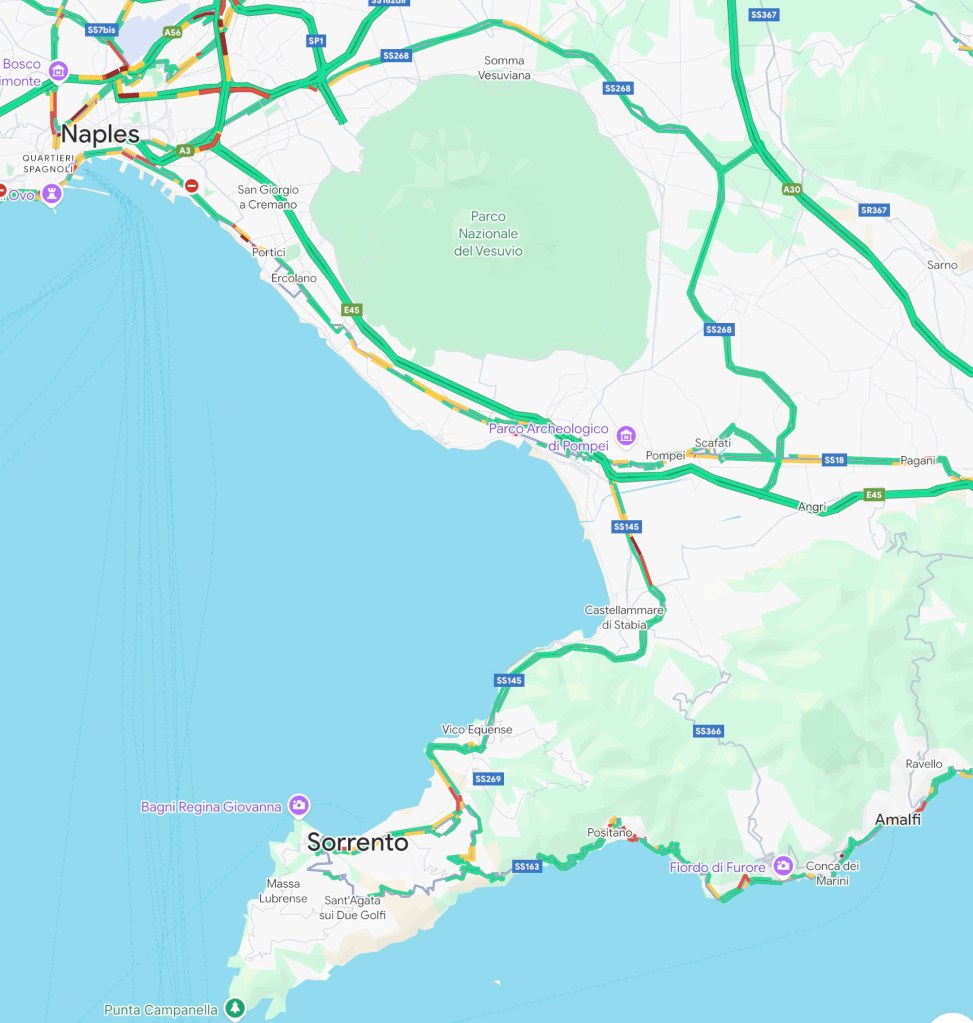
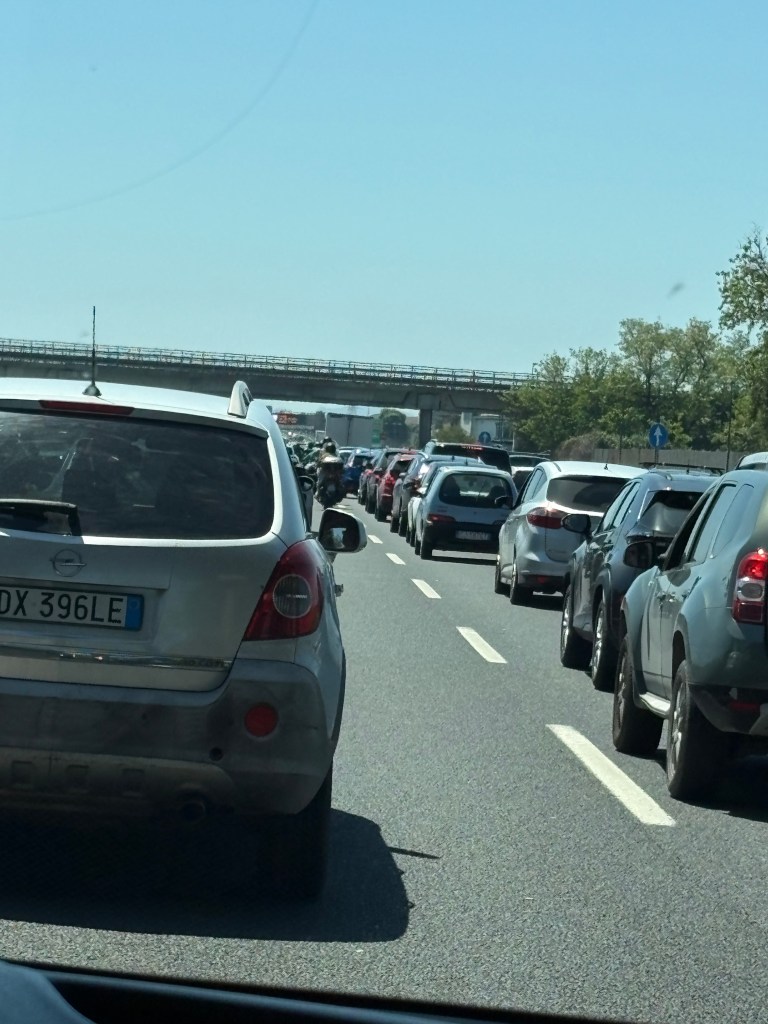
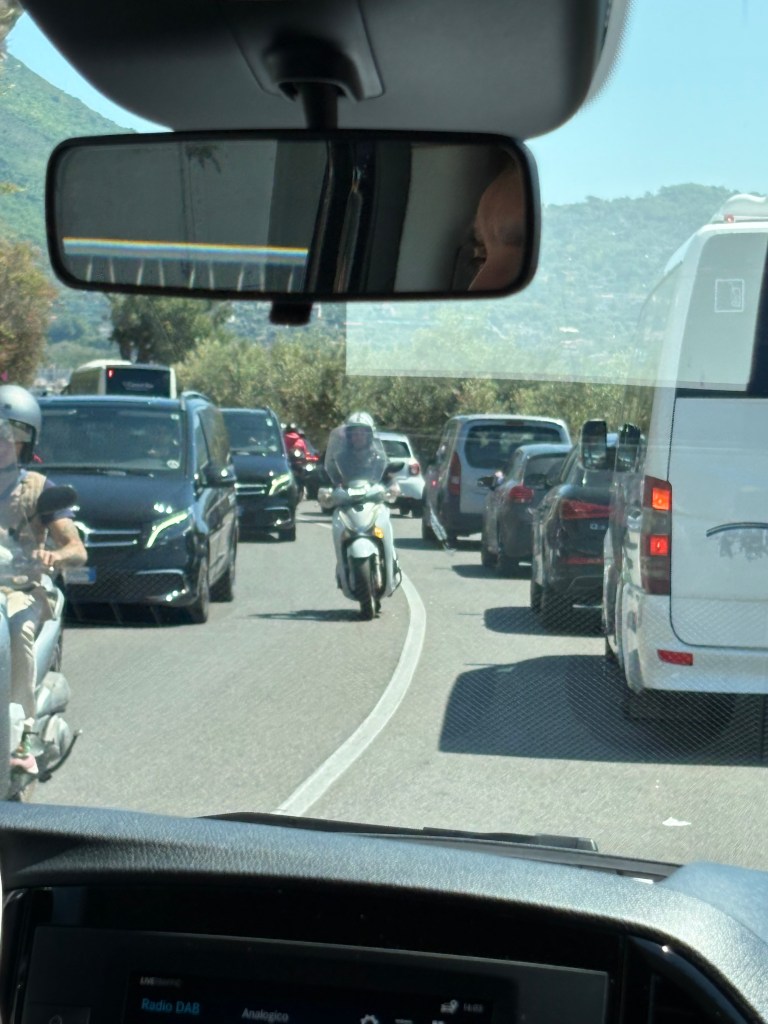
On day 1, we flew into Naples and were driven to Sorrento, which, after the motorway, included an incredible winding (and at sometimes very narrow) road. Traffic is so heavy that in the summer (where most of Italy and a good portion of France heads for their getaways) local cars are allowed to drive only every other day: even-numbered license plates one day, odd the next. Buses drive apparently at their own peril.
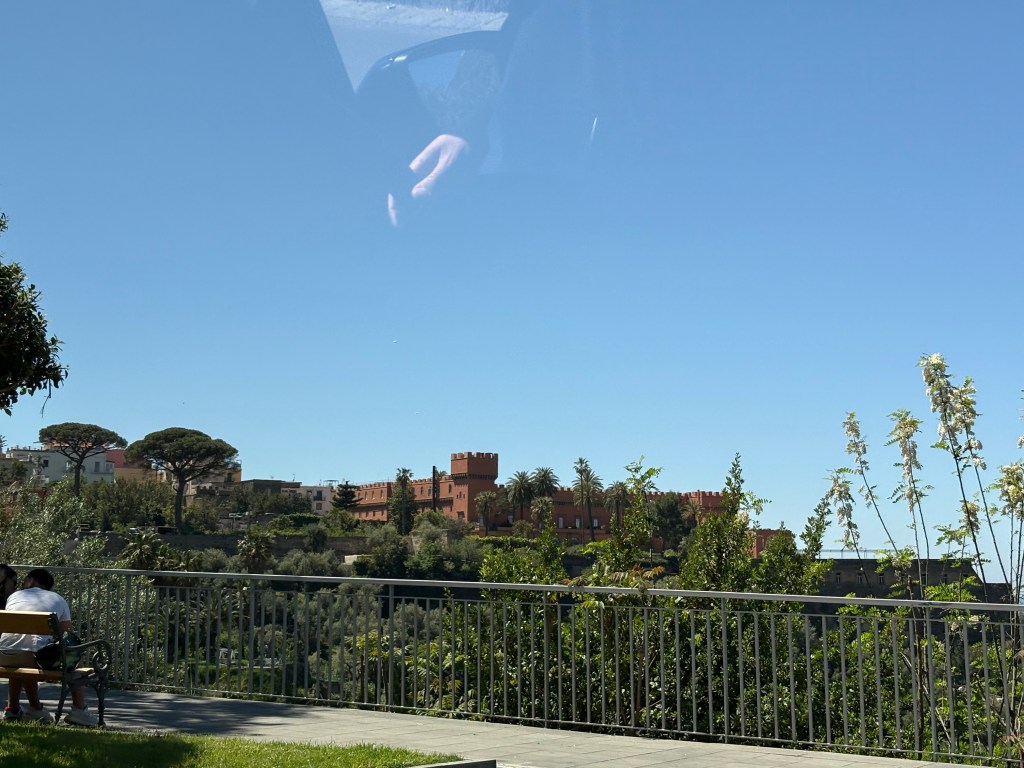
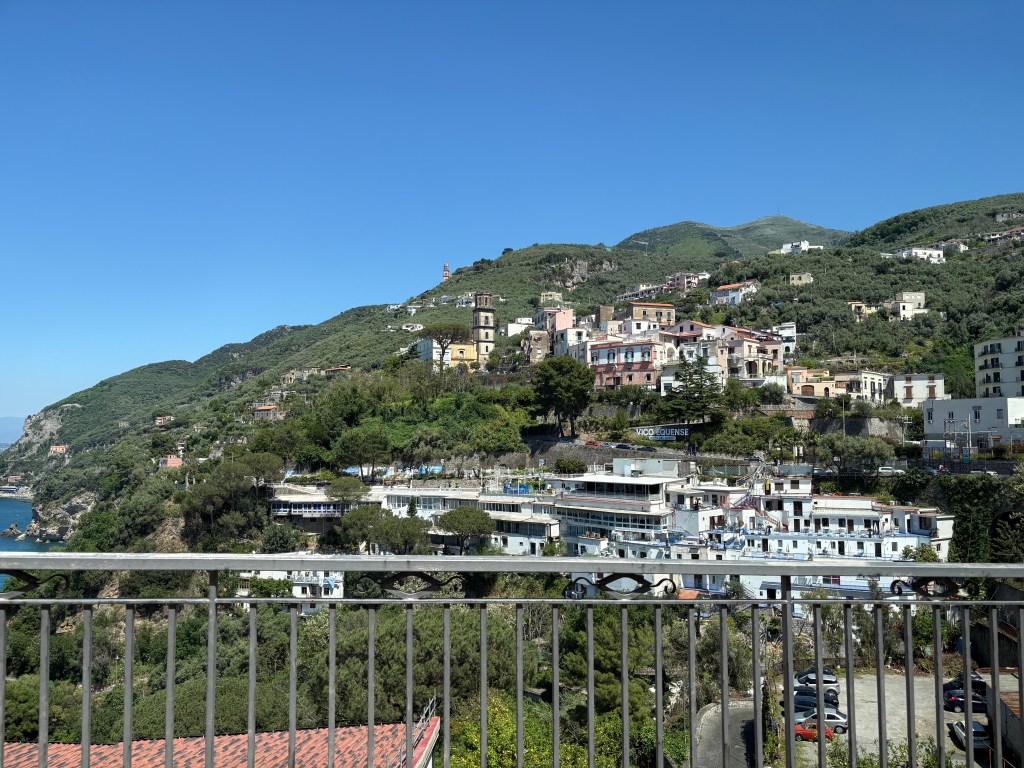
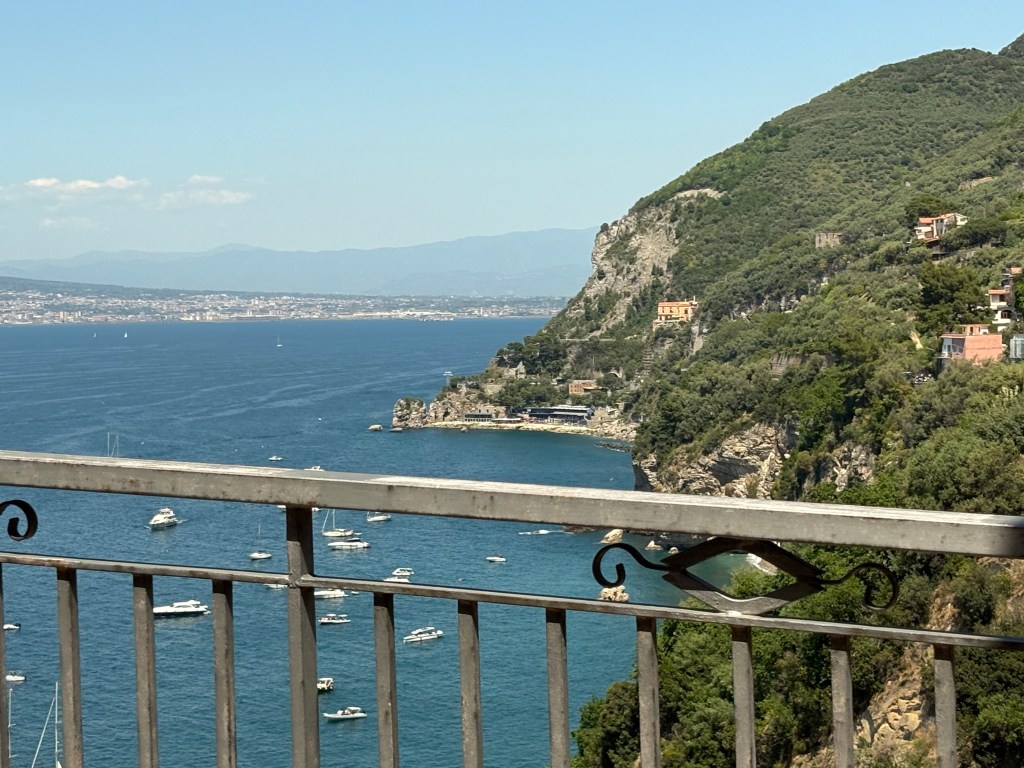
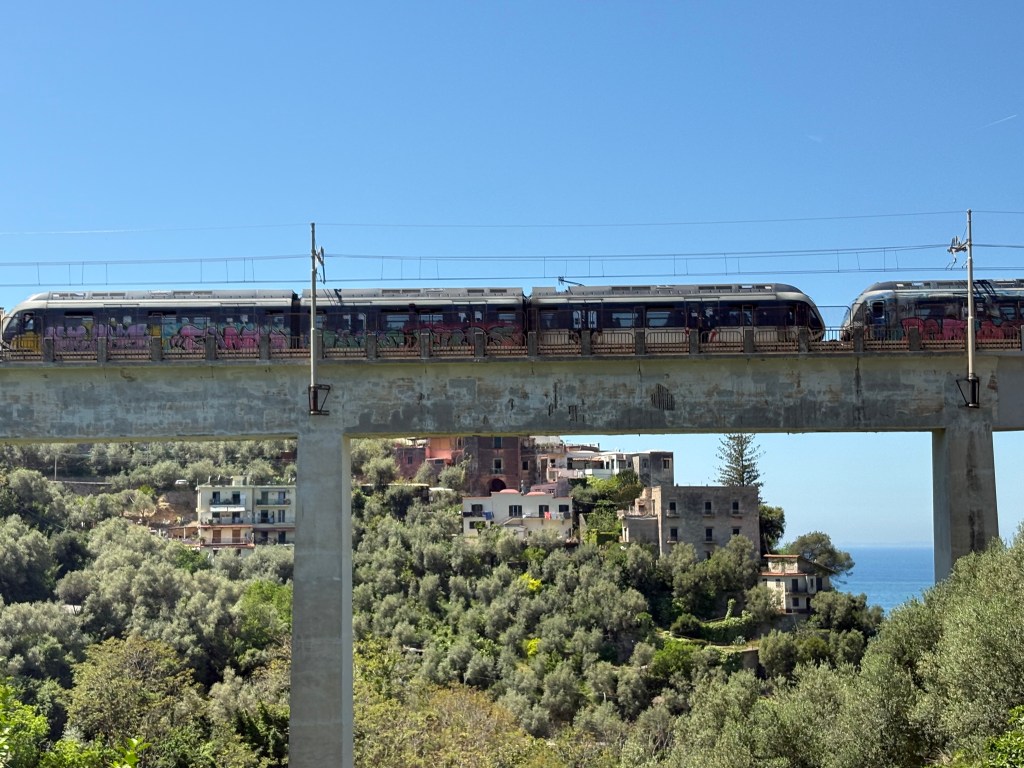
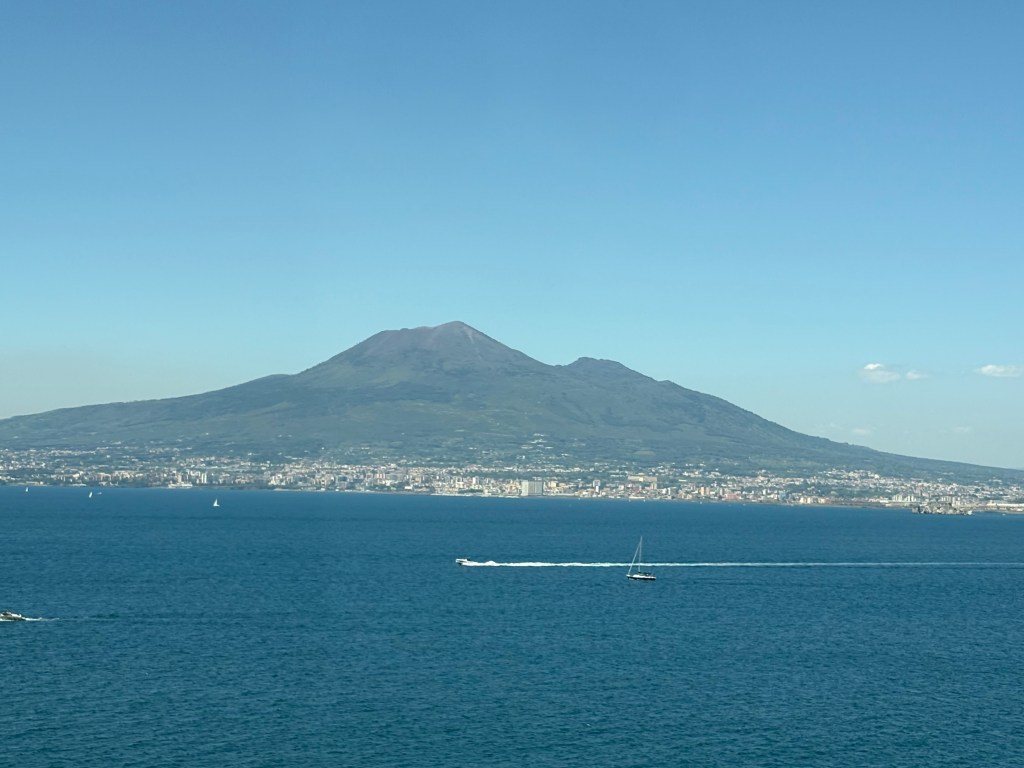
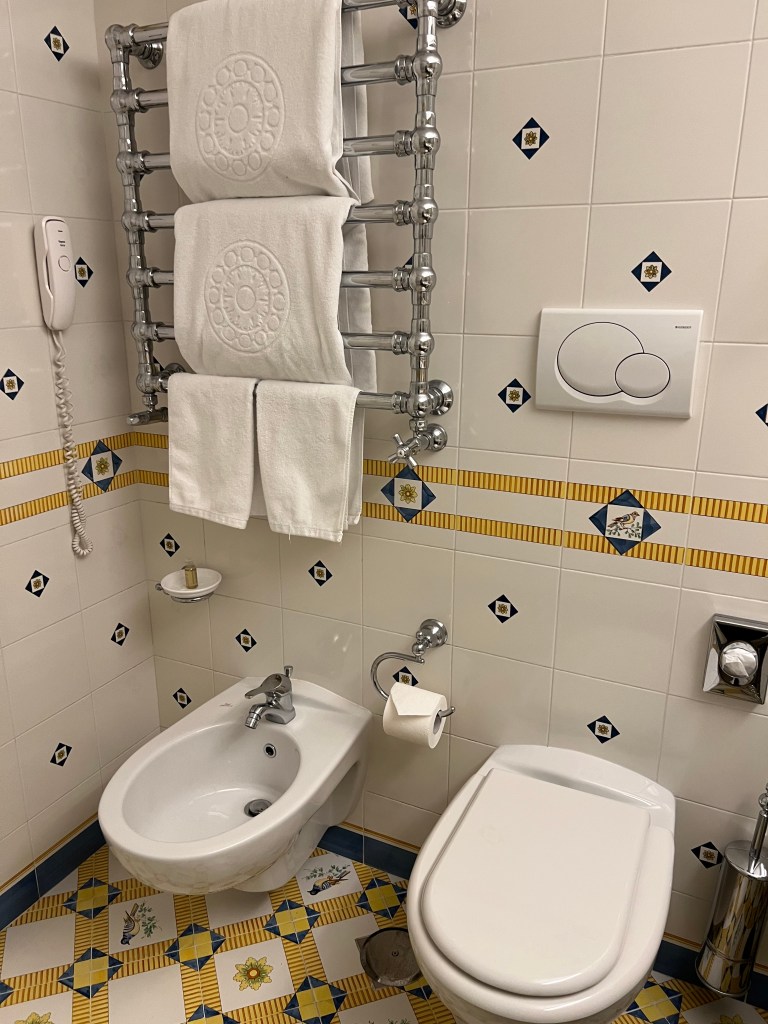
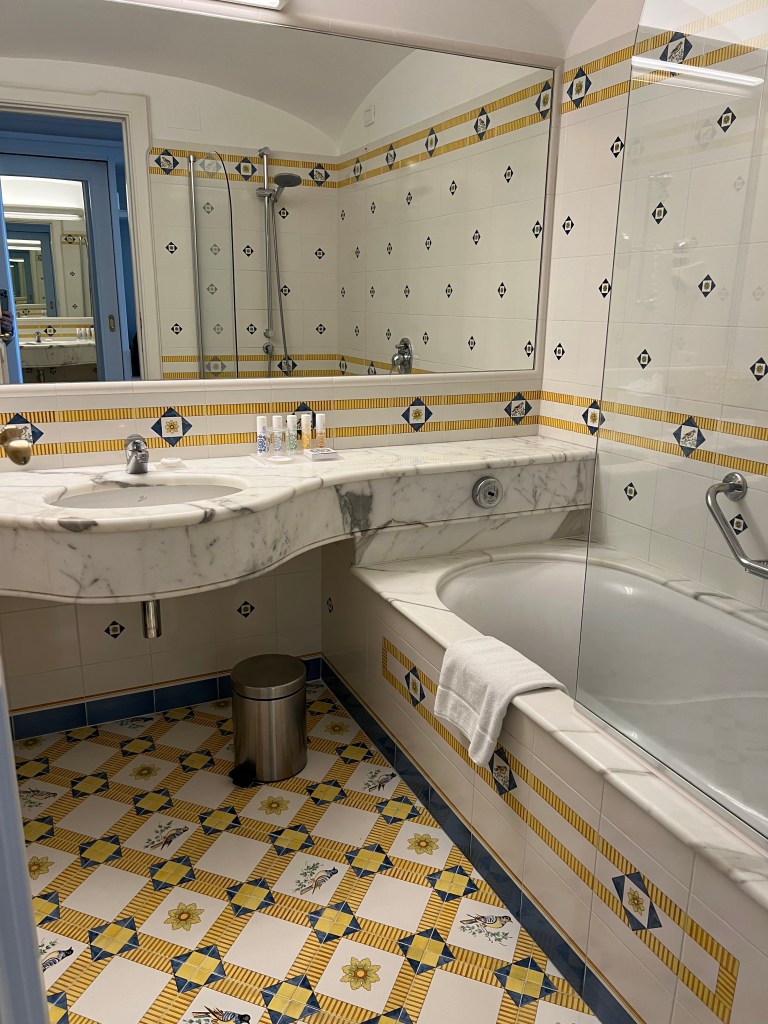
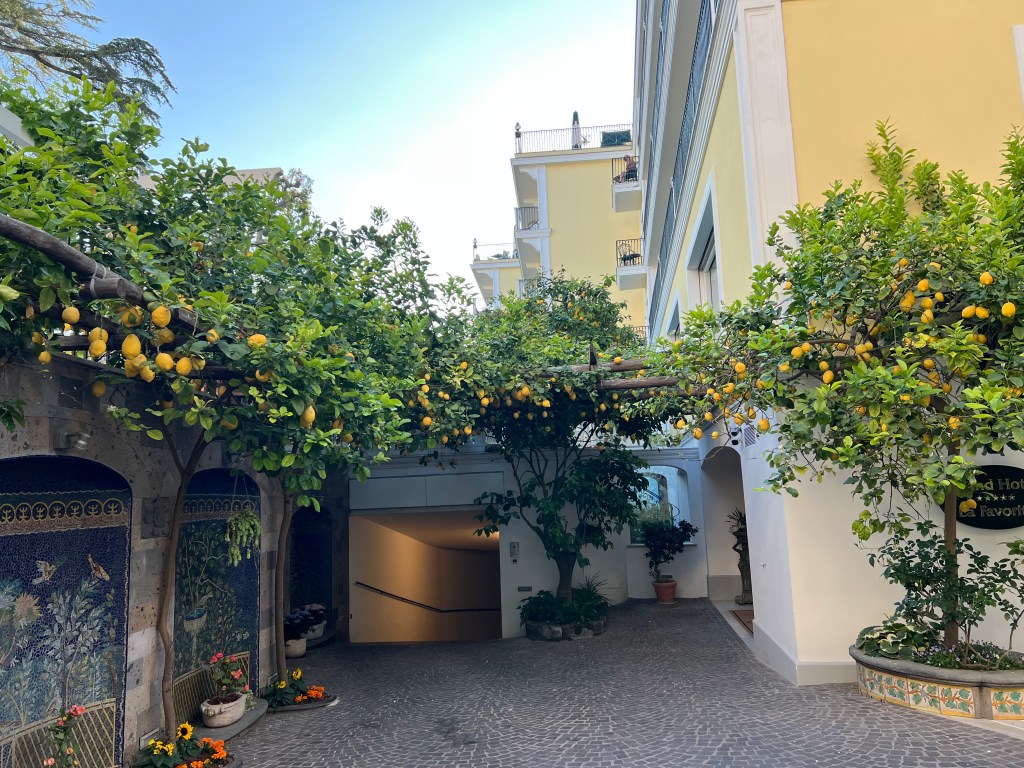
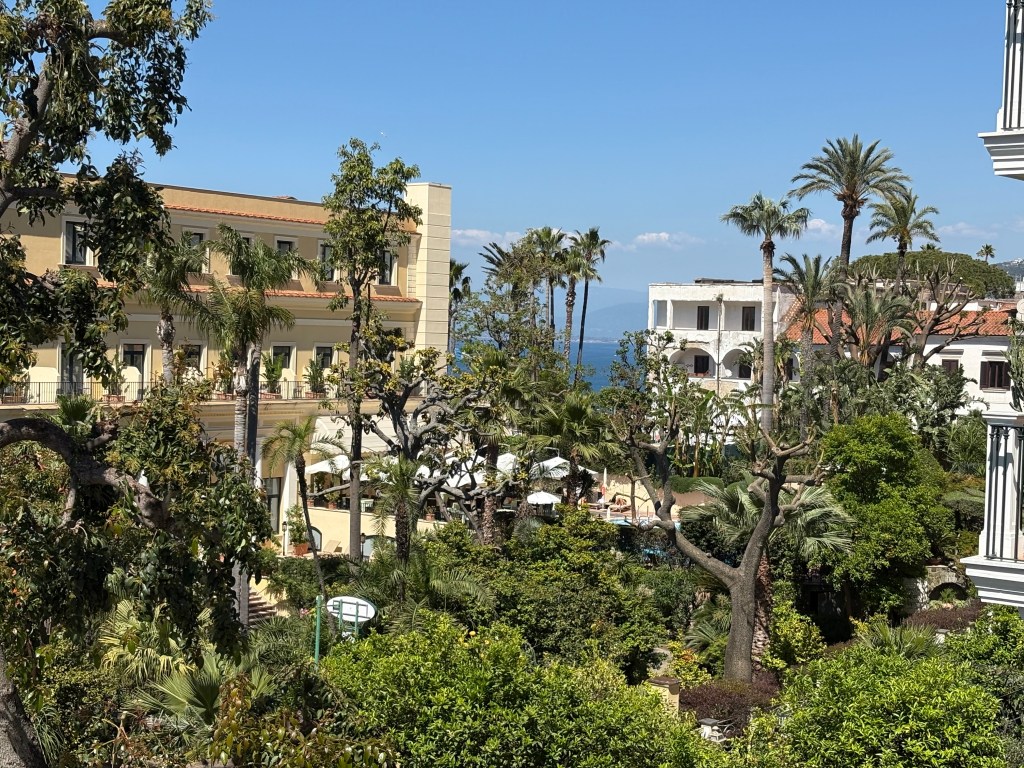
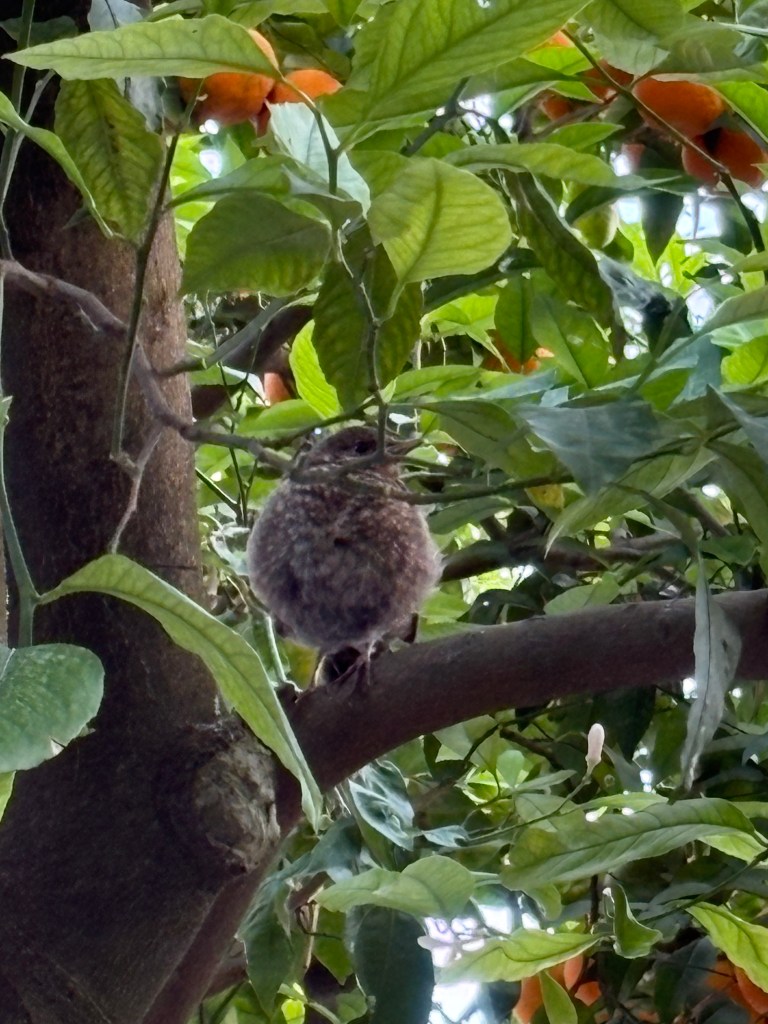
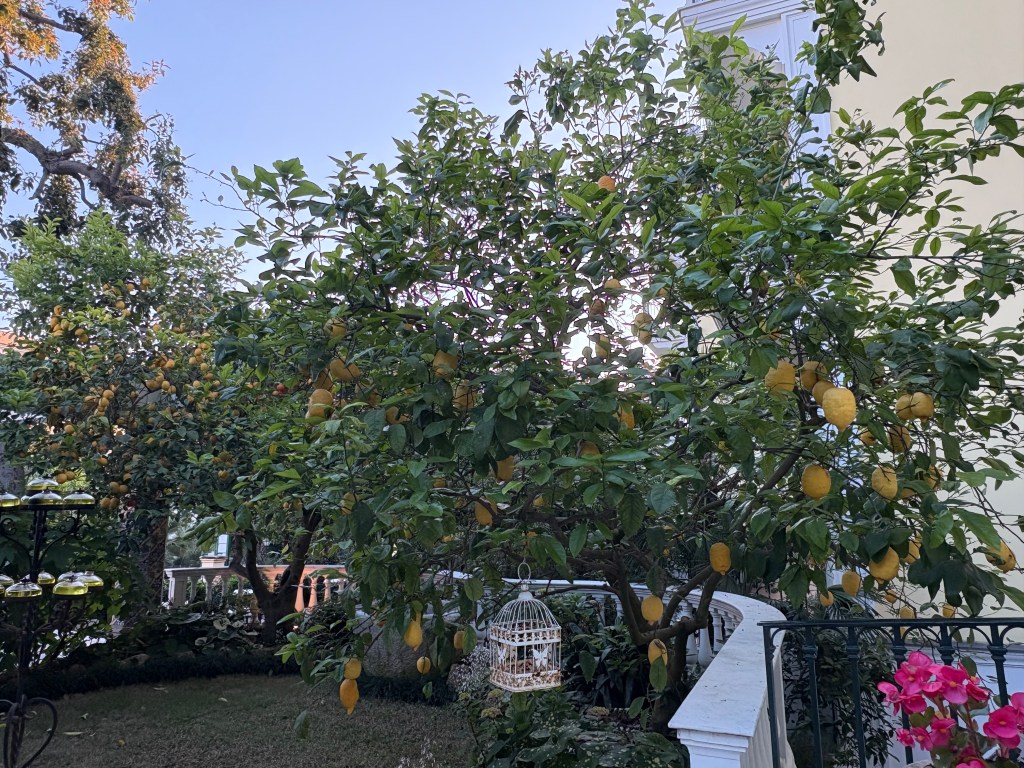
The Amalfi coast was stunning, with steep hills and drop off cliffs and the driver pointed out a few highlights along the way; Mount Vesuvius, a string of islands, the Capris and the town of Agerola which he said was the birthplace of Mozzarella. We arrived, after passing the Sorrento historic center, at the Grand Hotel La Favorita, which was surrounded by a plethora of lemon trees, literally dripping with an abundance of the fruit. They were everywhere you looked in Sorrento and bear fruit, year long. Once we checked in. we were escorted to a very luxurious suite, equipped with a balcony showing a lovely view of a lush courtyard and a slice of the mediterranean sea. At 6 pm, we met the rest of the group (12 in all) and our tour director, Heidi, at a cocktail reception before moving on to dinner at a local restaurant. It was the beginning of getting to know our companions for our two-week trip duration. We were even given a slip of paper with everyone’s names, which we leaned on heavily during the first few days since our memories aren’t very reliable. There were four from Texas, six from New Jersey and ourselves. The couples, even from the same states, were not acquainted with each other. It would have made for a great murder mystery scenario except that we all got along amazingly well and of course, no one got killed.




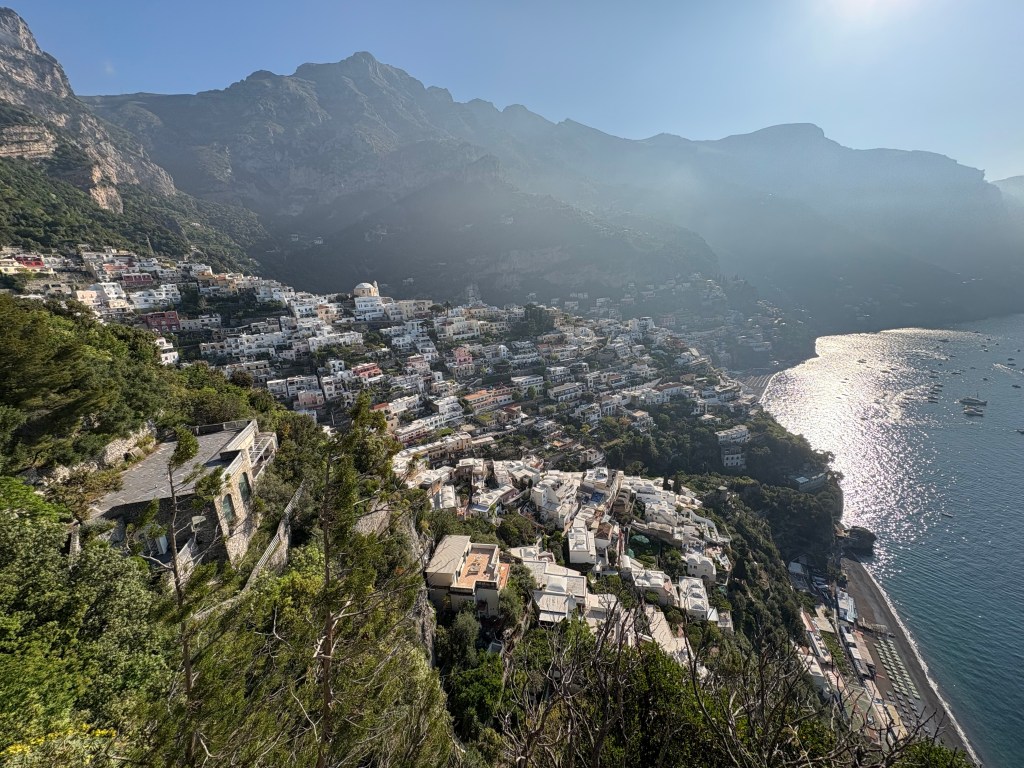
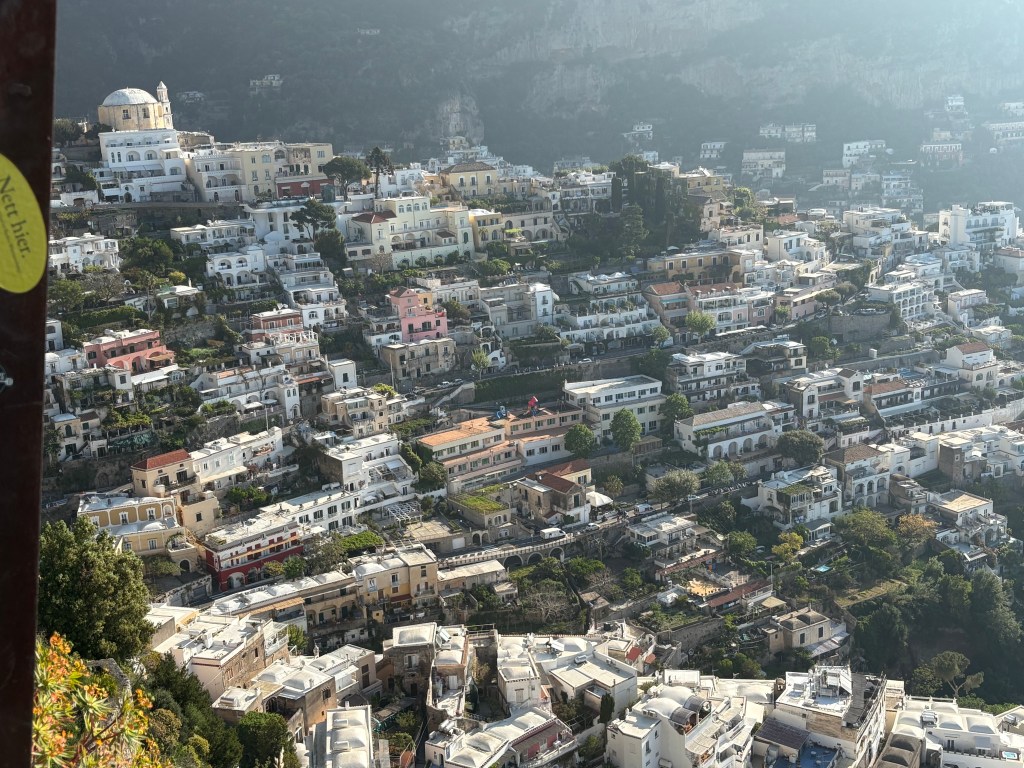
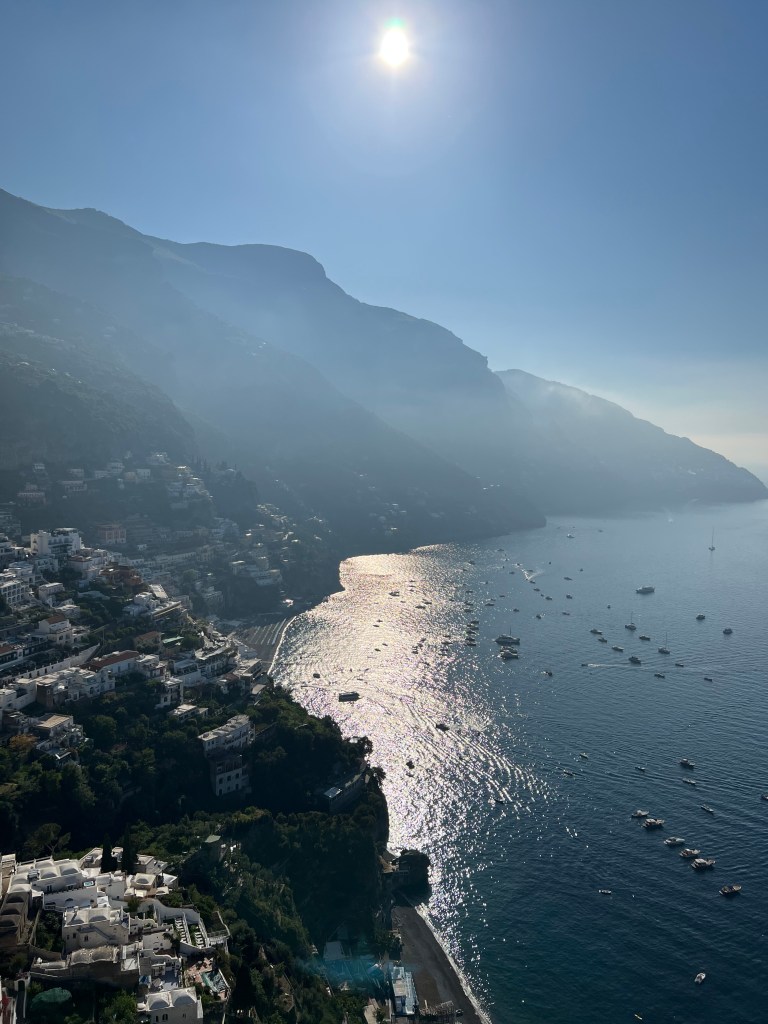
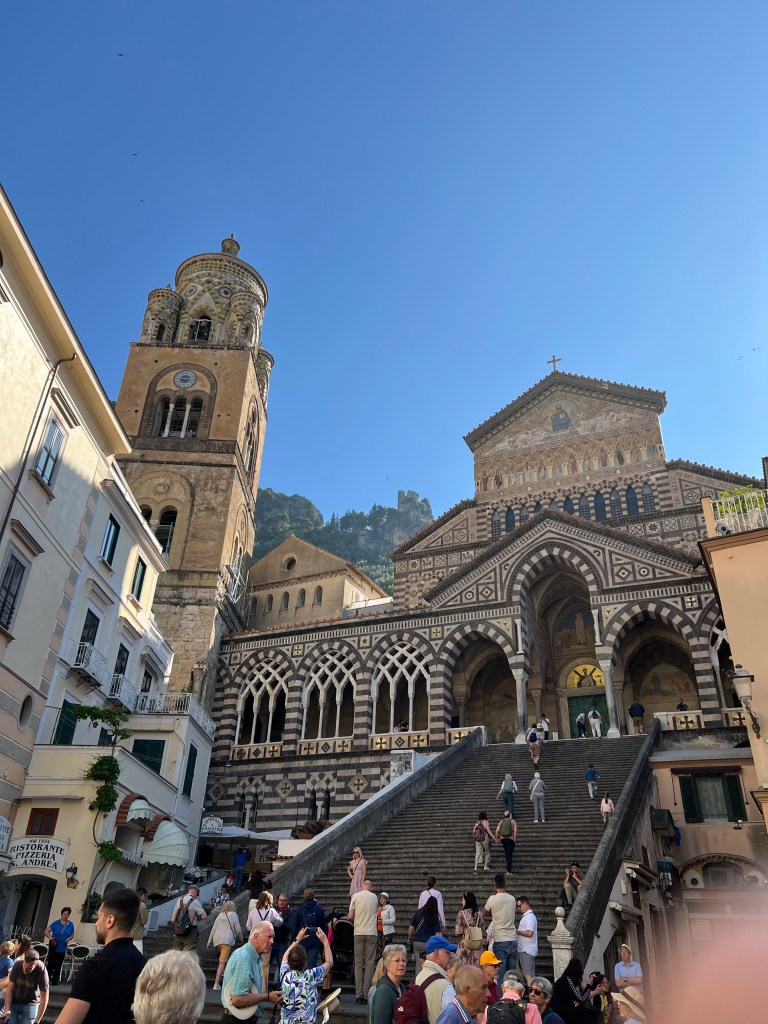
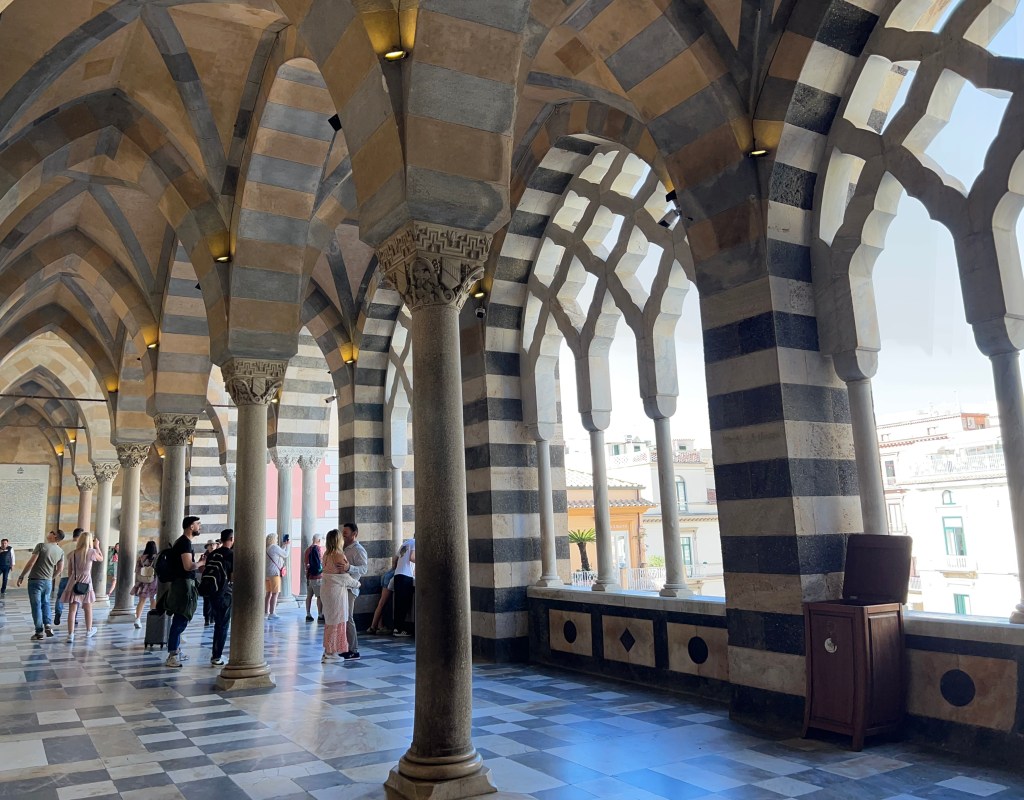
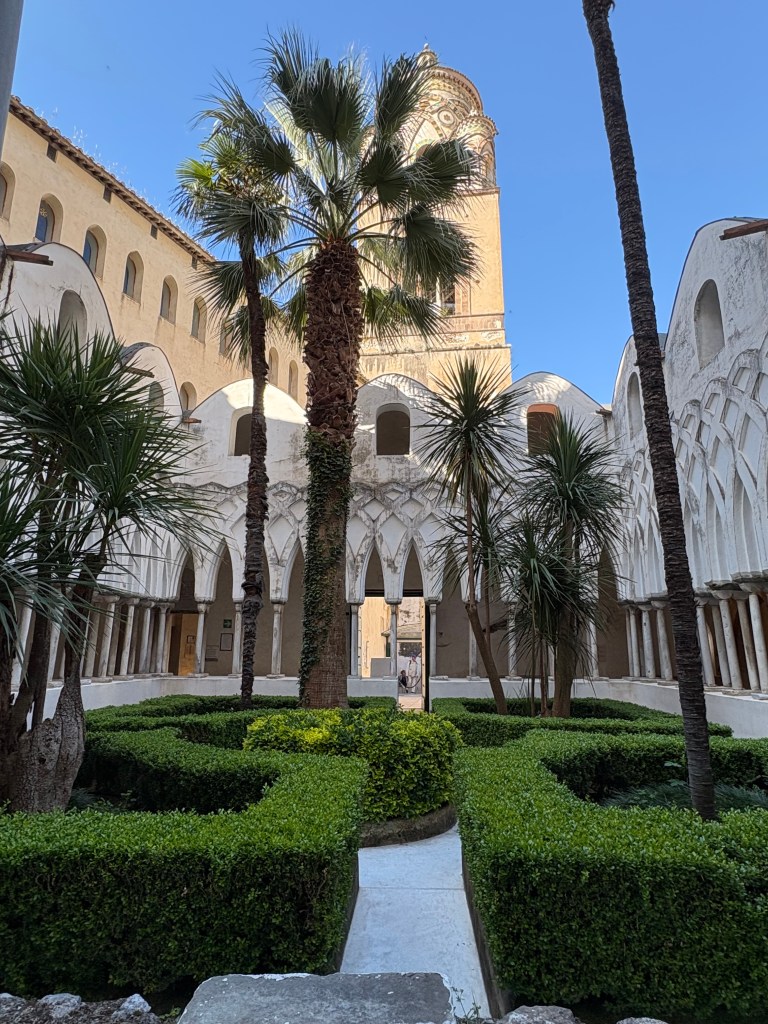
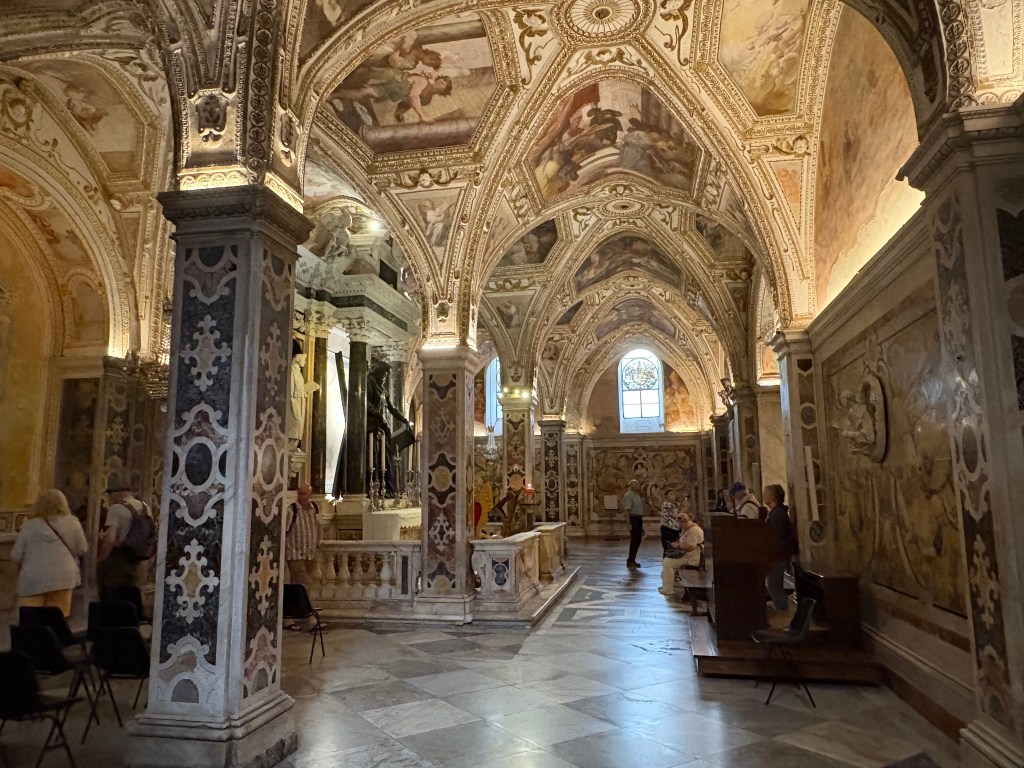
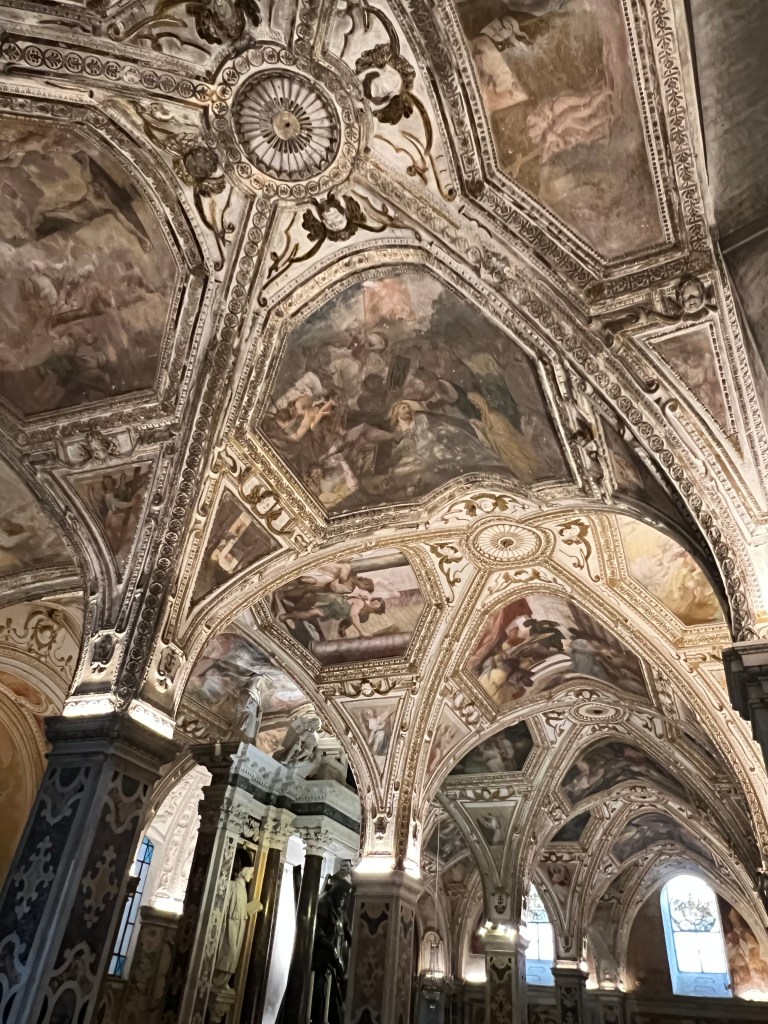
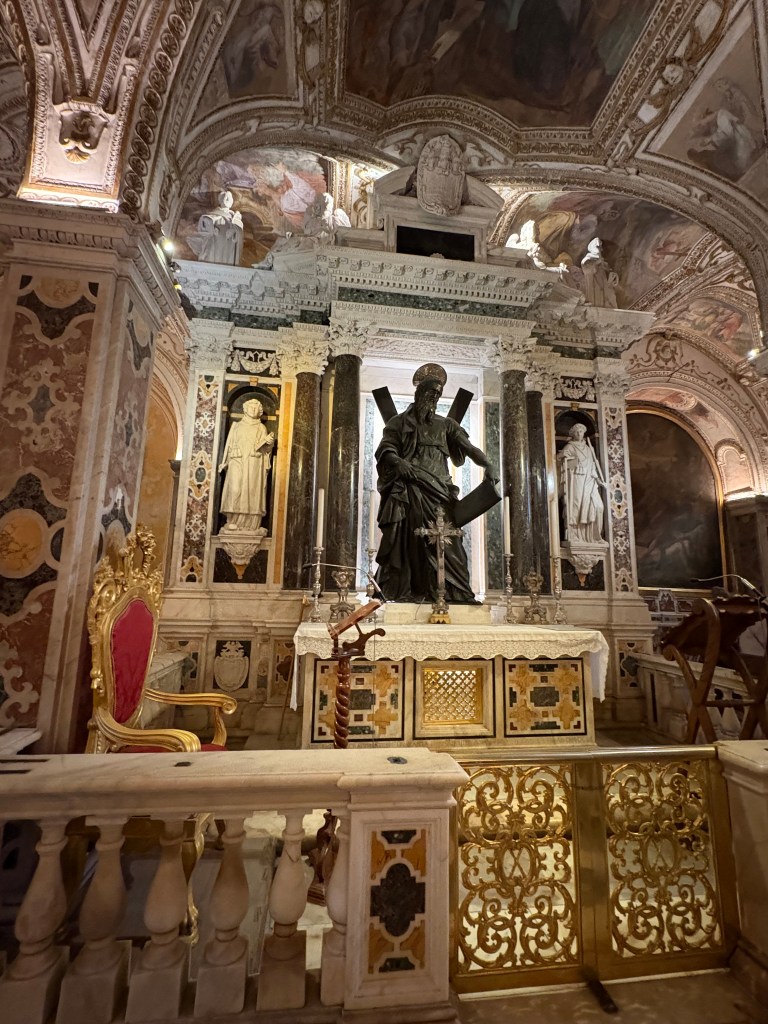
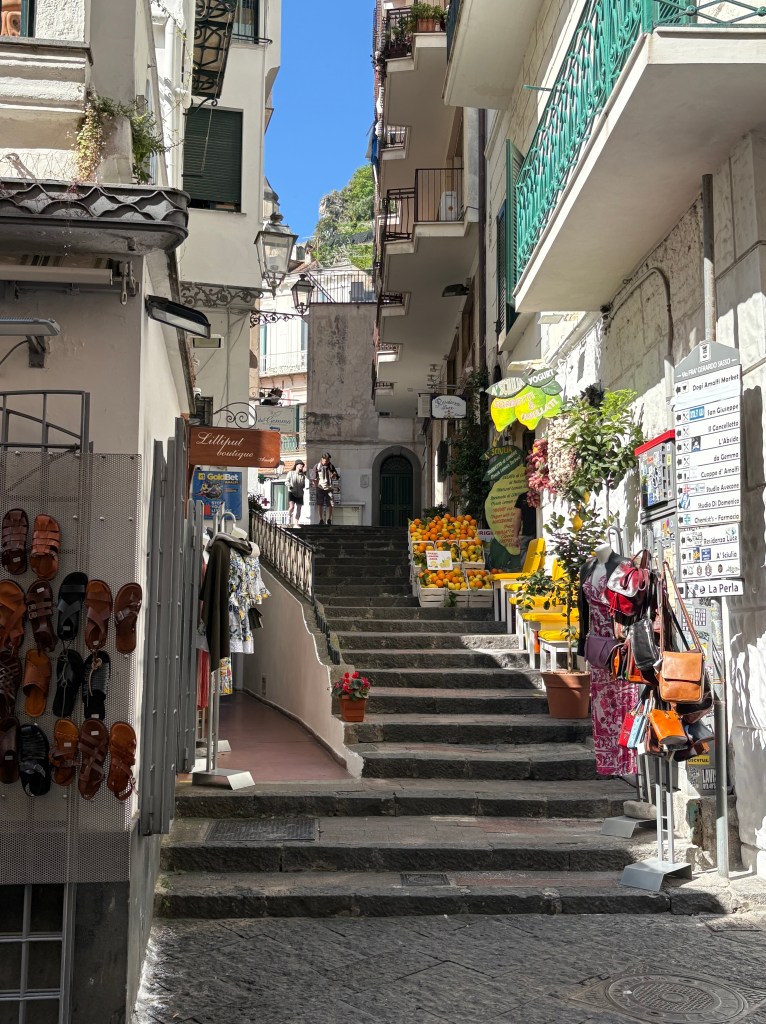
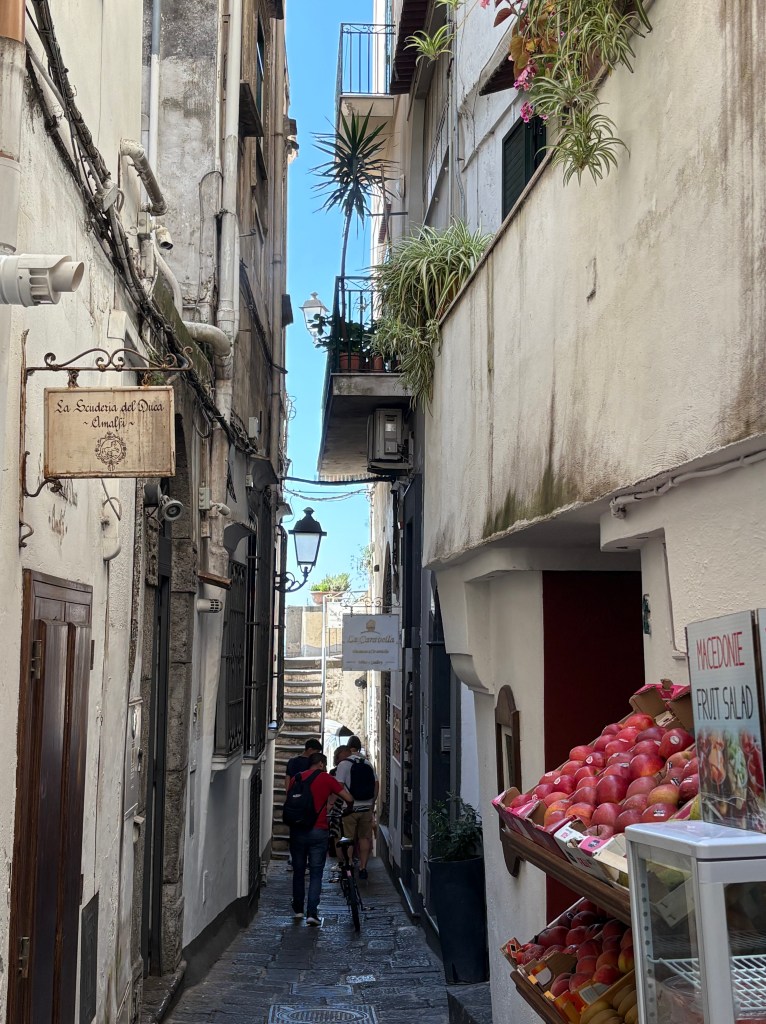
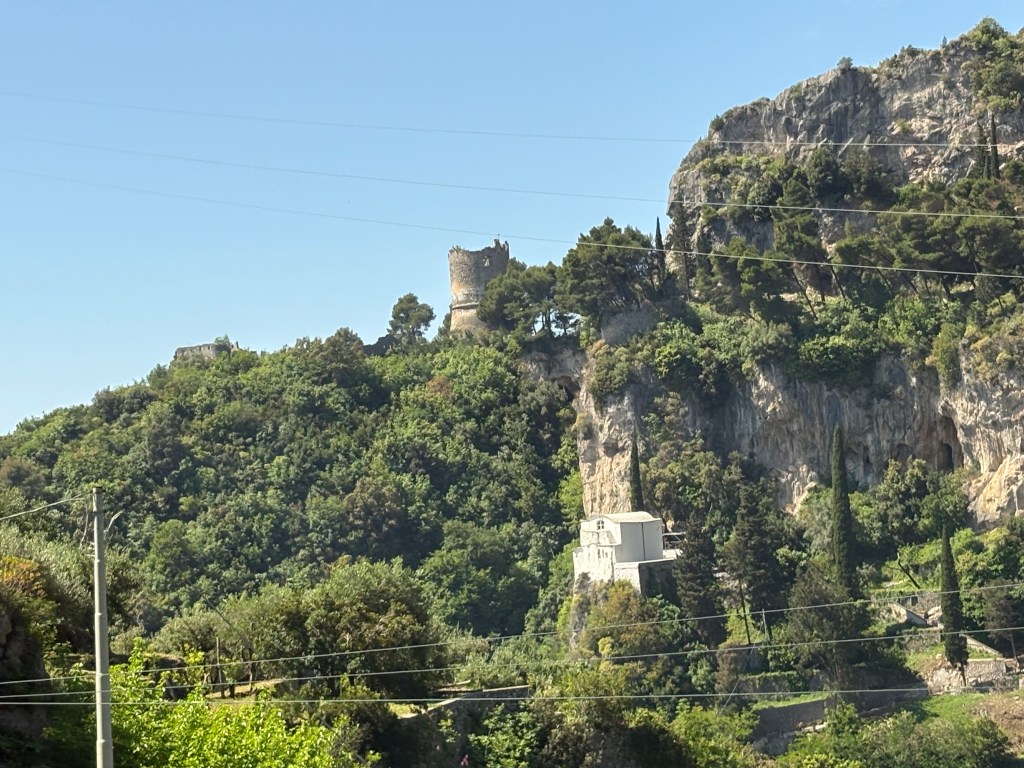
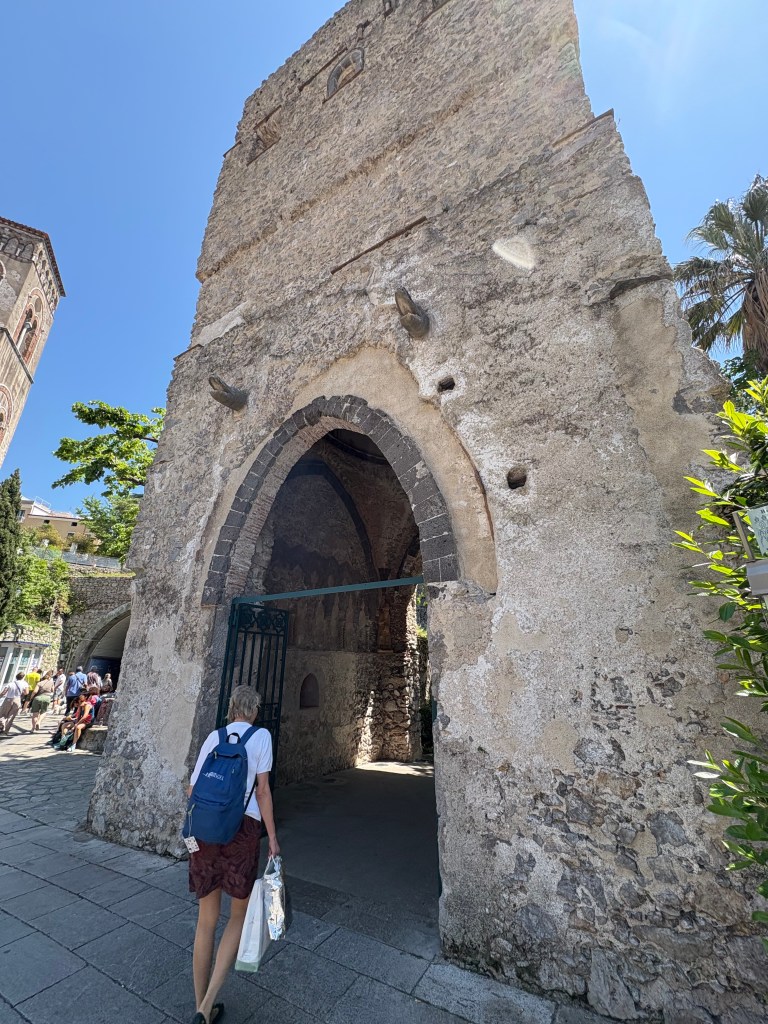
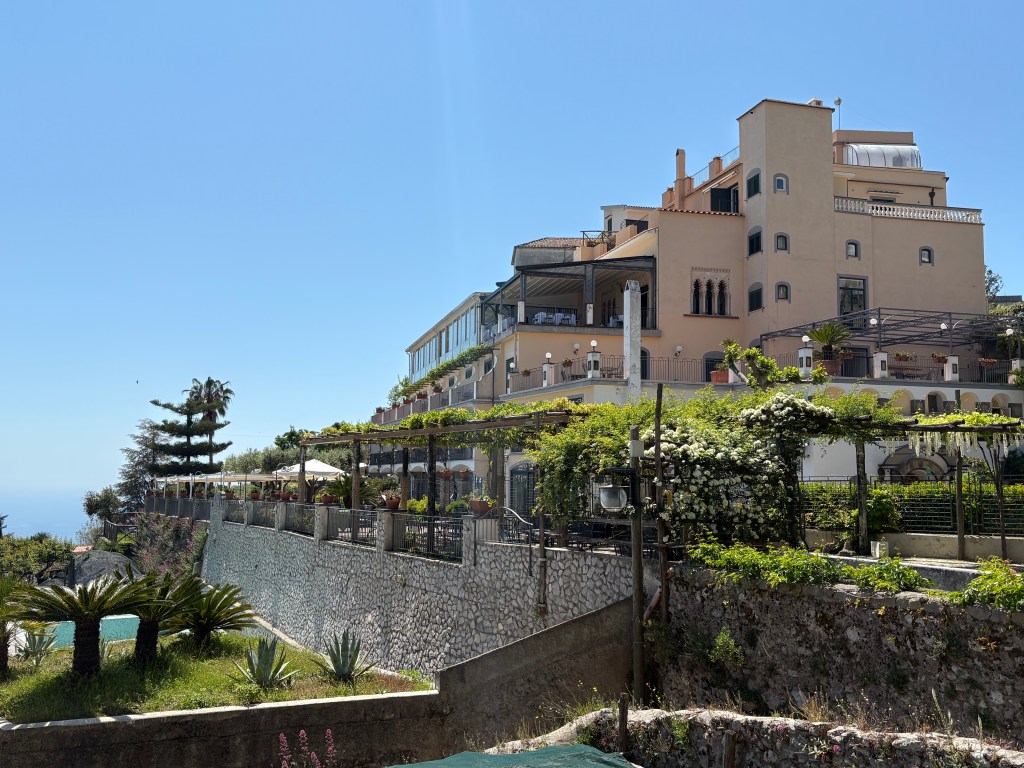
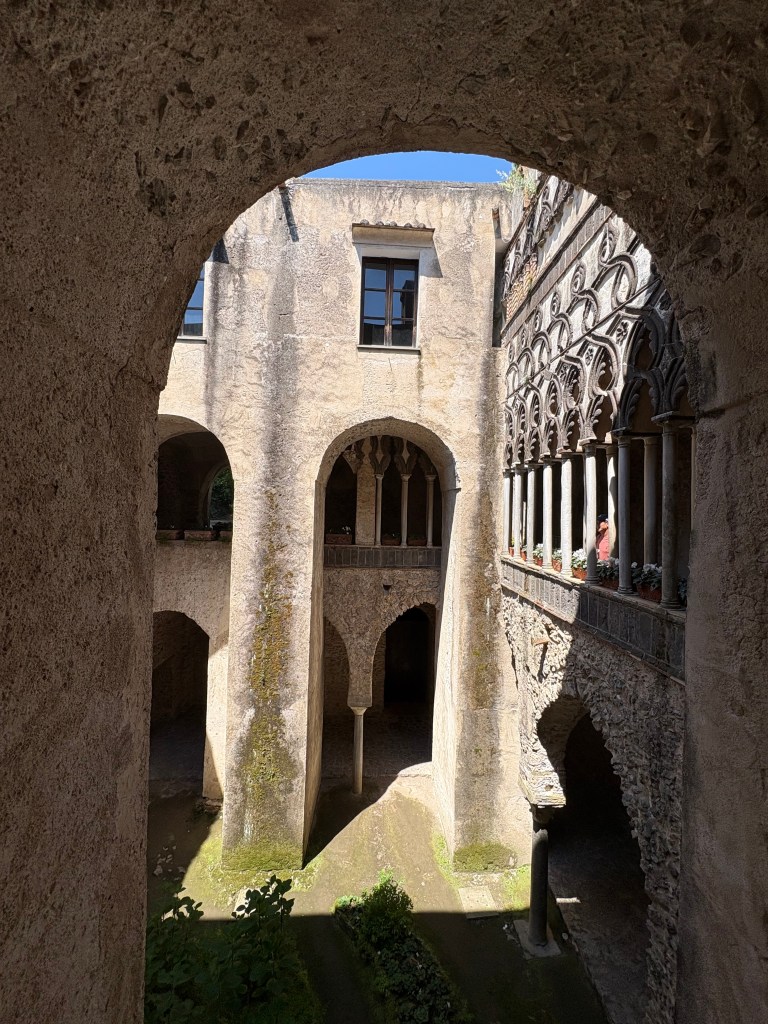
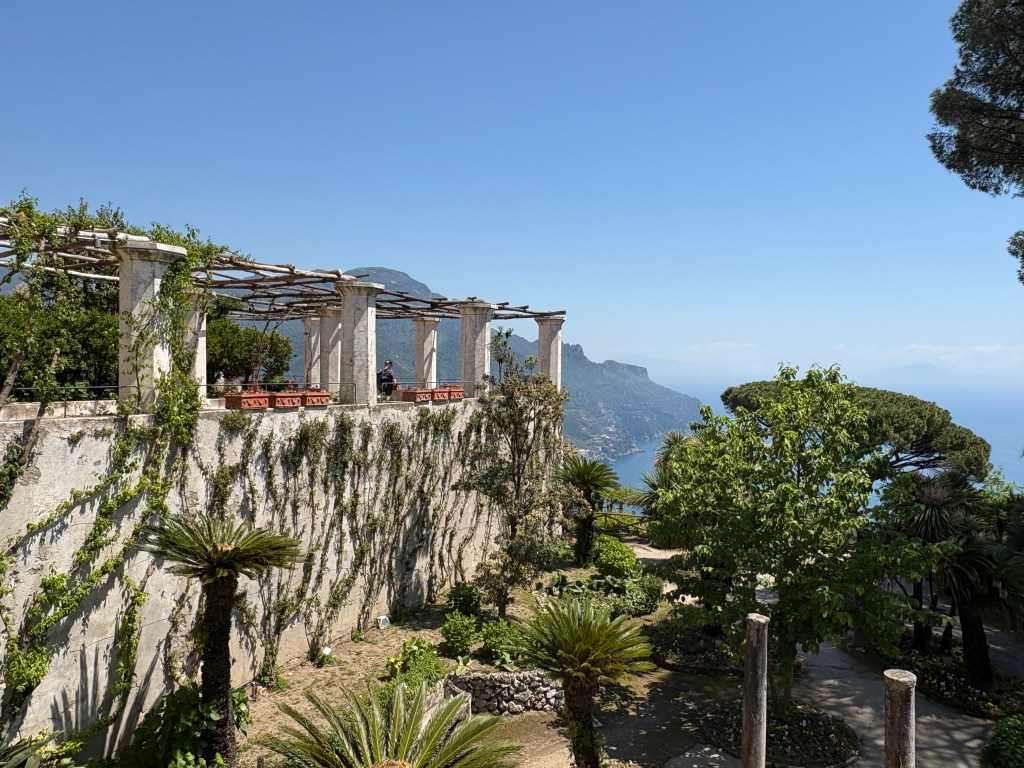
Day 2. After breakfast downstairs, we took a bus ride along the incredible Amalfi coast, with its lush vegetation, spectacular rock formations, and viewing dizzying heights and shear drops into the sea in Positano. We stopped in Amalfi and toured the streets and shops and the Duomo of St. Andrew (Sant’Andrea), with its striped Byzantine facade and dating from the 9th century. We also went through its fascinating museum. At the bay of Salerno, we stopped in Ravello, to take in the panoramic views, see the shops on the winding streets and lunch before returning to Sorrento.





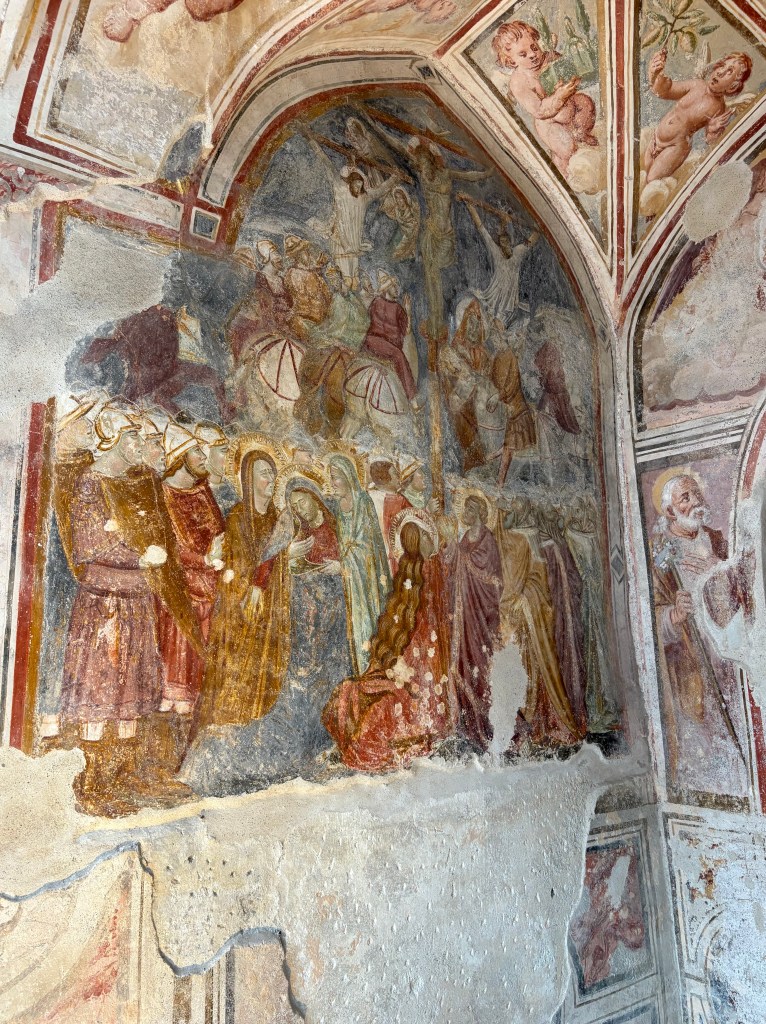
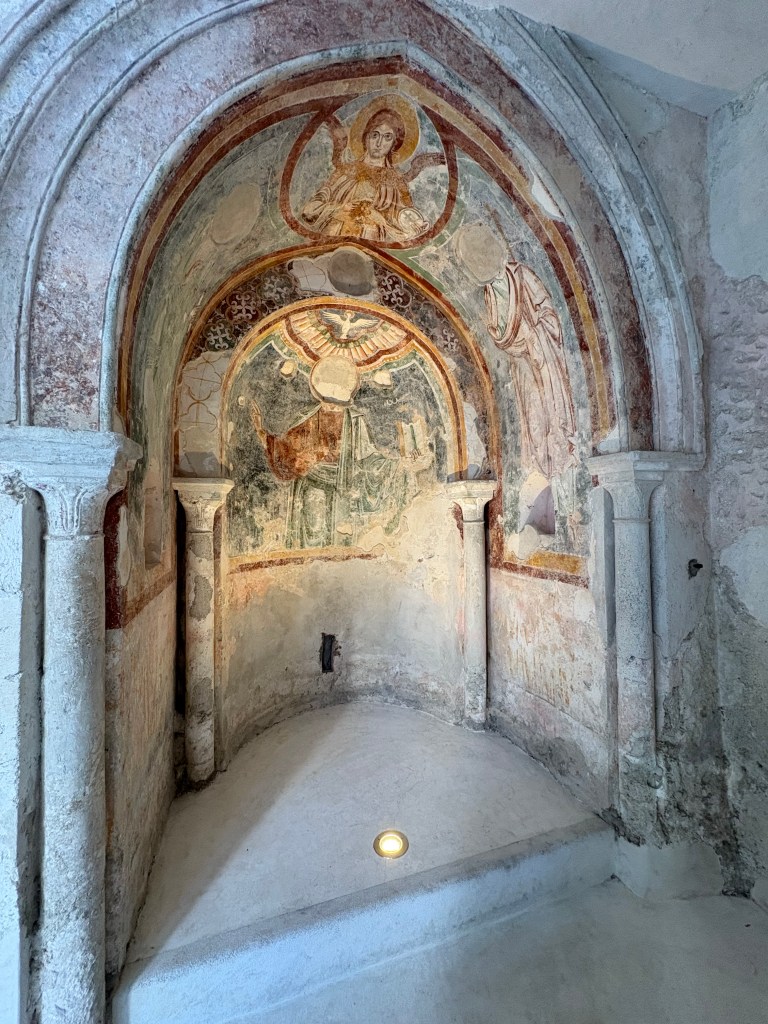
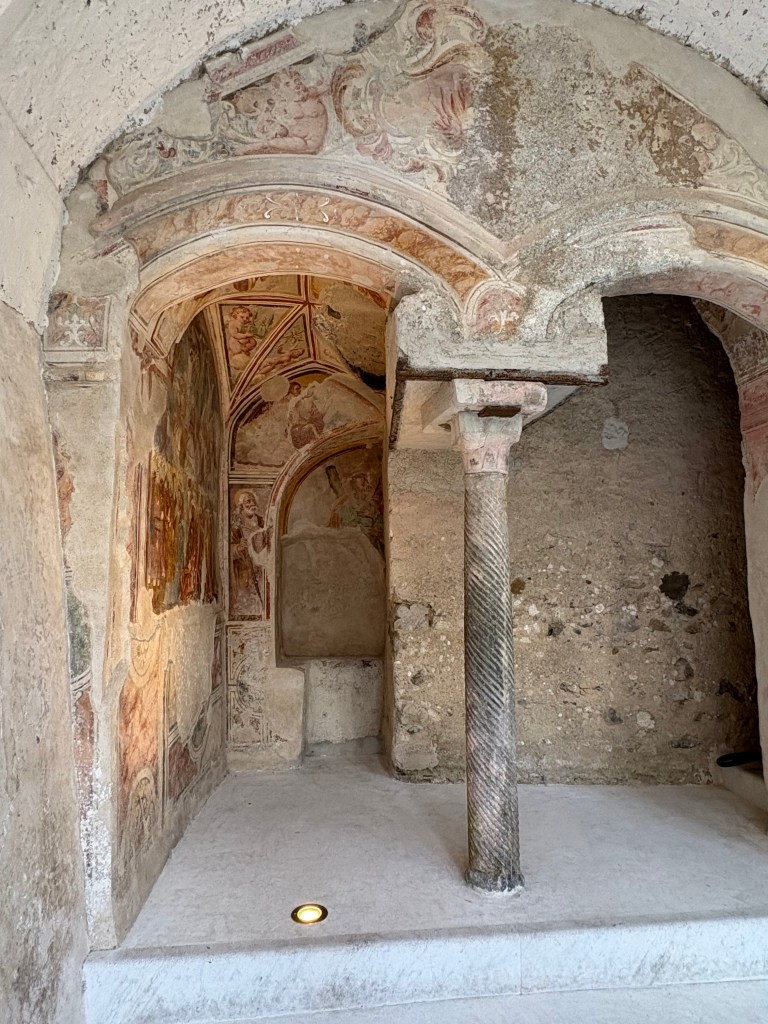
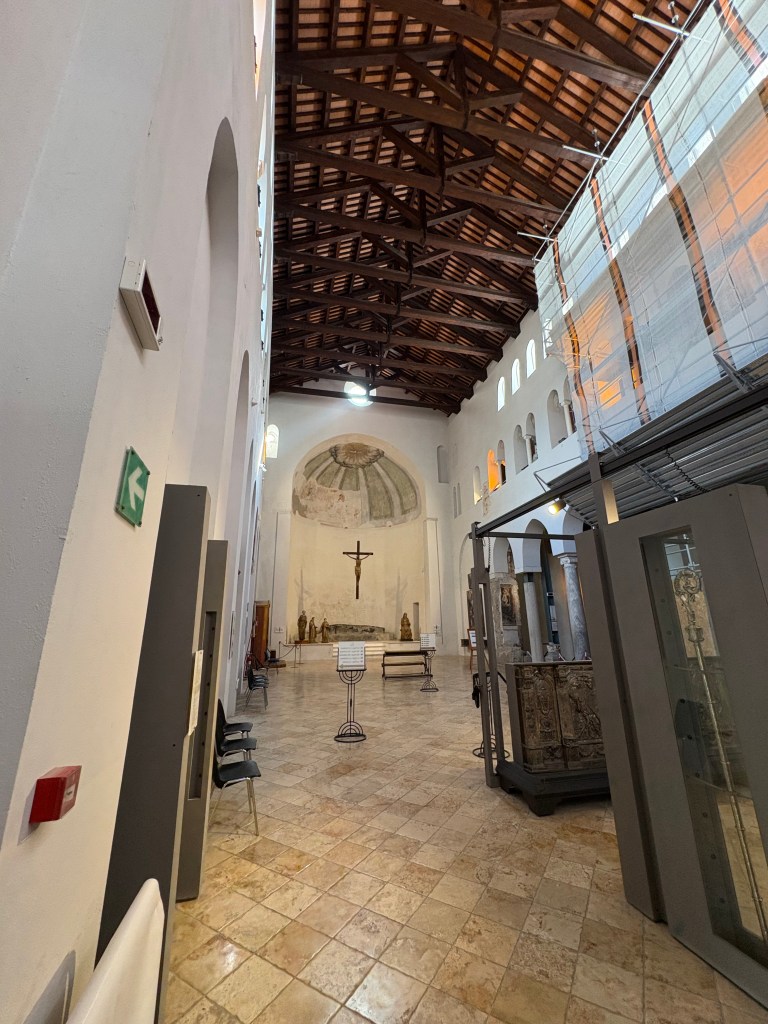





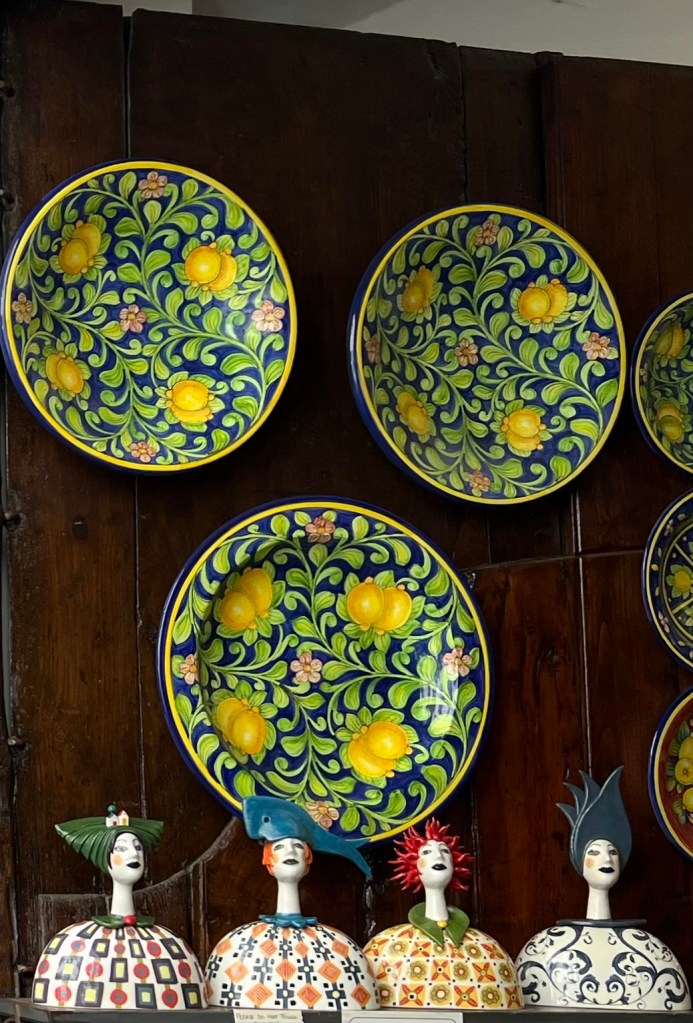

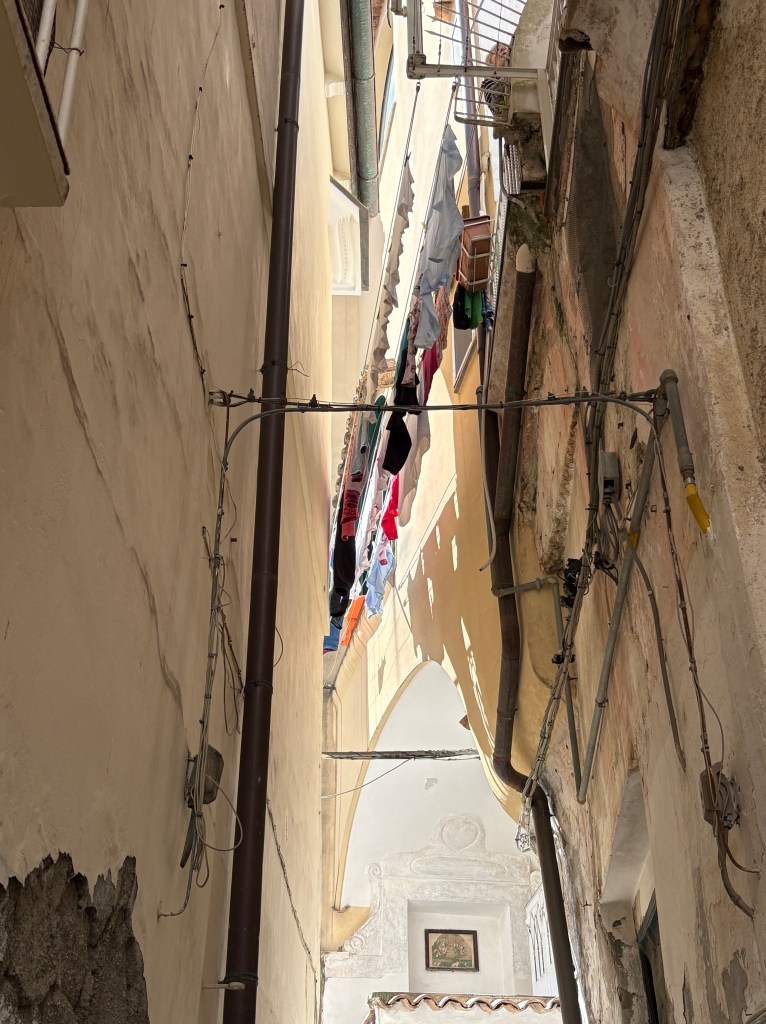
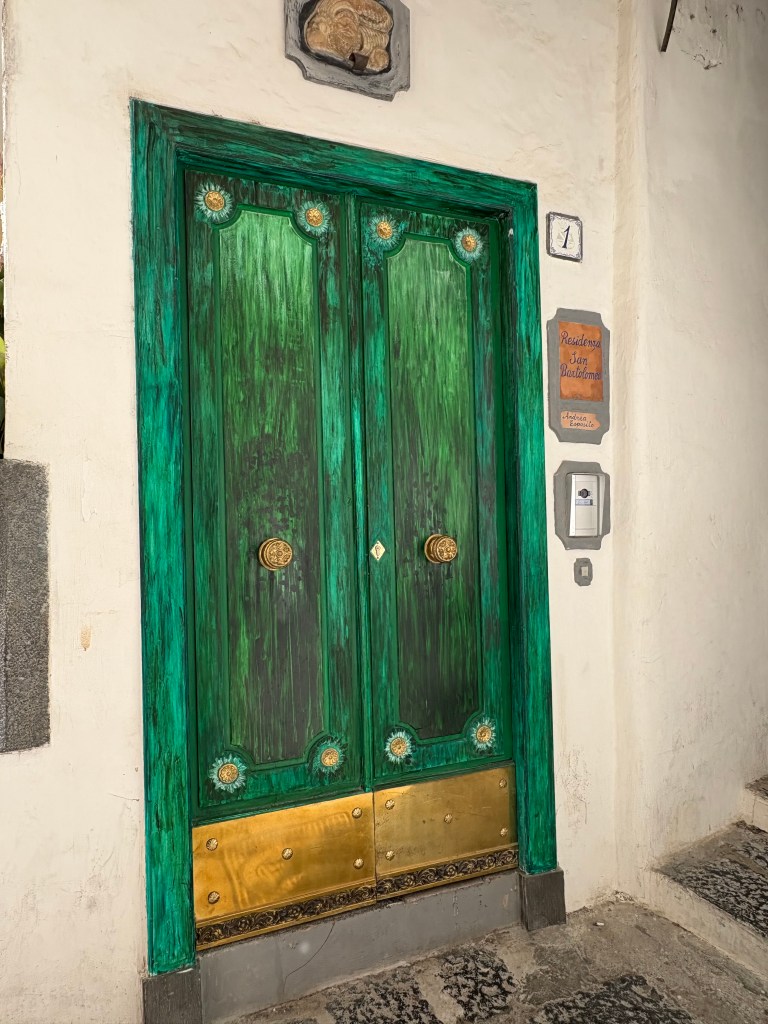
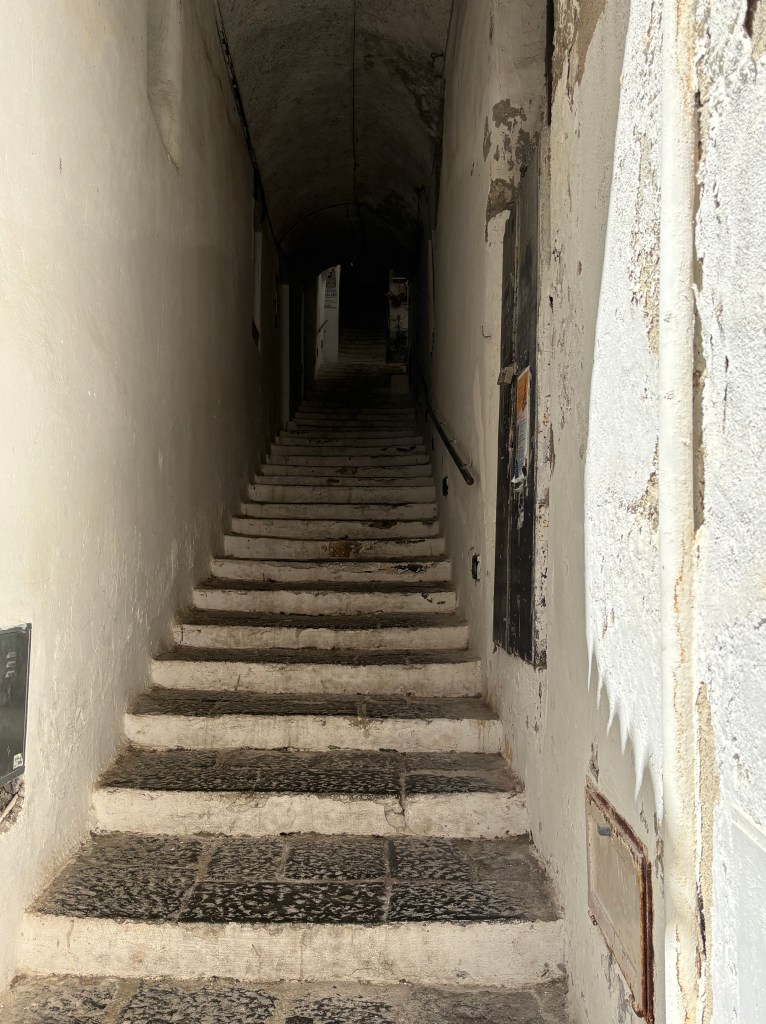




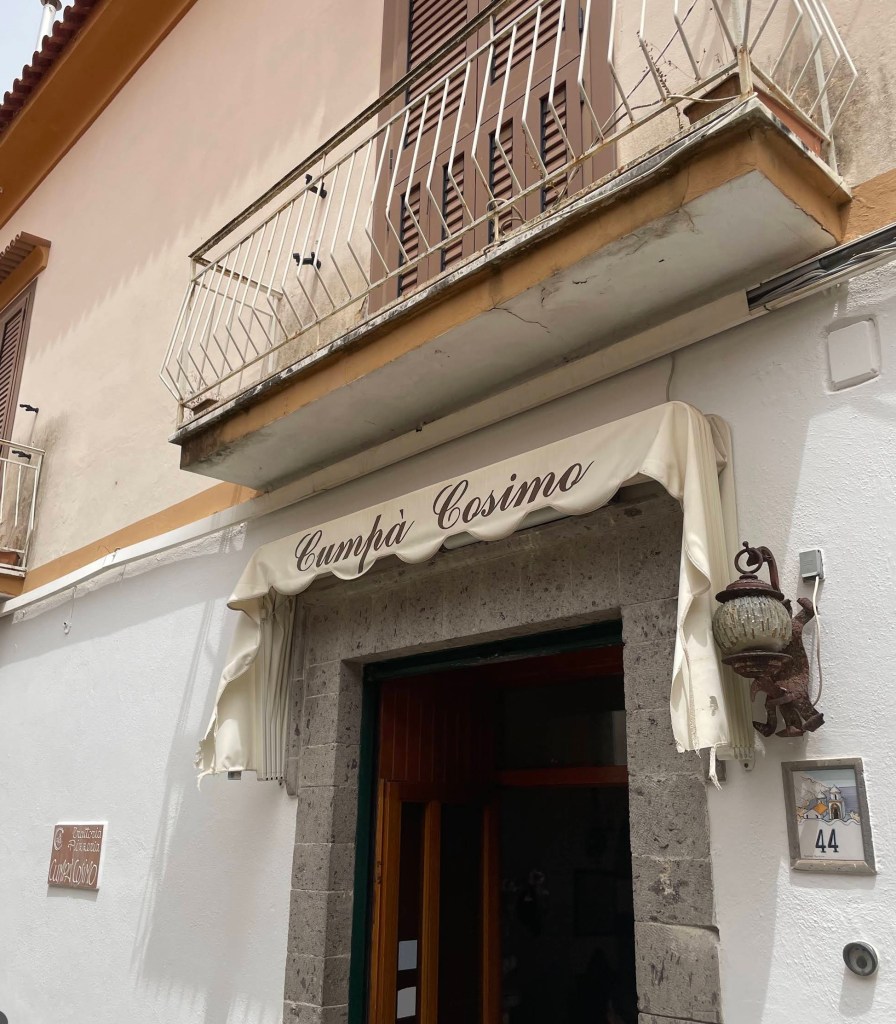
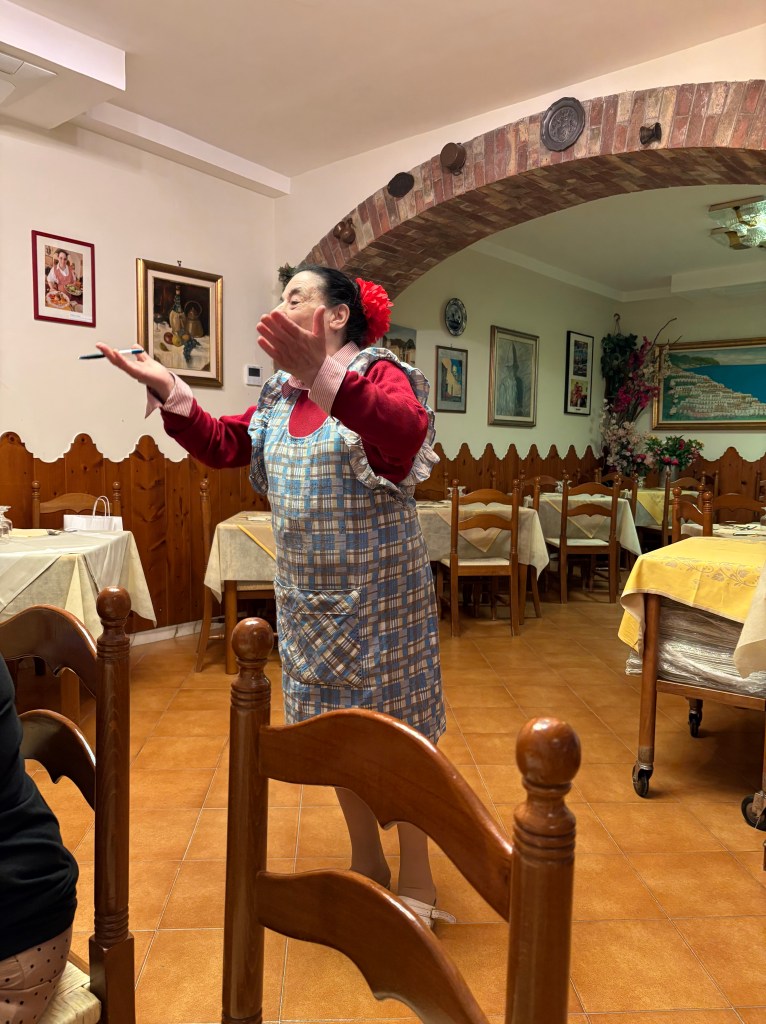
Lunch was at a well-known restaurant – Cumpa Cosimo – whose owner, Antonieta, has gained infamy as a cranky lady (think Seinfeld’s ‘Soup Nazi’). She was lovely and entertained us all; she especially took a liking to G and one of the other men in our group and brought out seconds for them. We had the afternoon and evening to ourselves, spending it walking the lovely town and then enjoyed the view from the hotel rooftop terrace with wine.
A small personal warning on taking adventures; Never change your medications to an unknown one before a lengthy trip. I did and suffered from gastritis for most of the trip, which I very much preferred over any problems surrounding bowel issues. One can always hide the fact that you are losing your meals behind bushes but can rarely hide the other issue when bathrooms are not plentiful. I’m just saying that you should take some travel complications into consideration as you age. Lesson learned. And having to deal with that, adding in winding narrow roads in a huge cliff-dangling bus – I’m grateful for the pressure point wrist bands I pack for motion sickness. They really work. The upside of the entire adventure? I was the only one in the bunch not complaining about the weight I was gaining on this very pasta heavy trip. My only adjustment was to stop carrying anything heavy in my pockets as my pants would slide down further each day as the tour continued and I was damn near de-pants by our second-to-last stop in Venice, when I had reached a total loss of 7 pounds. But still, the pasta was utterly delicious. And Italy has over 350 kinds of pasta.
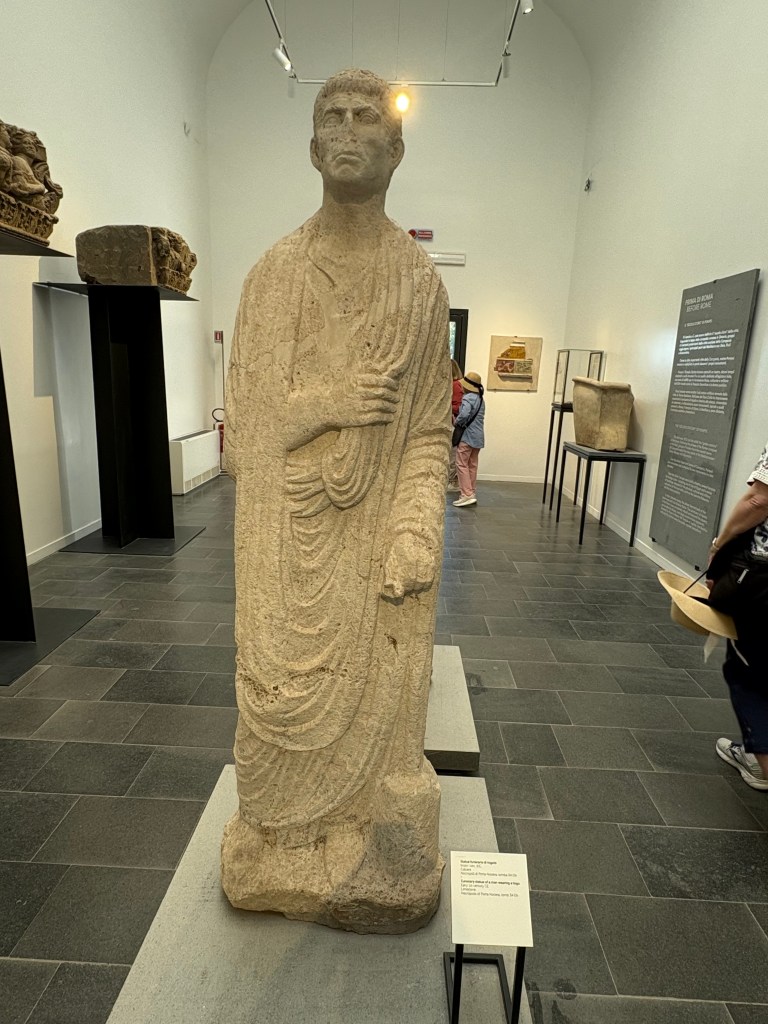
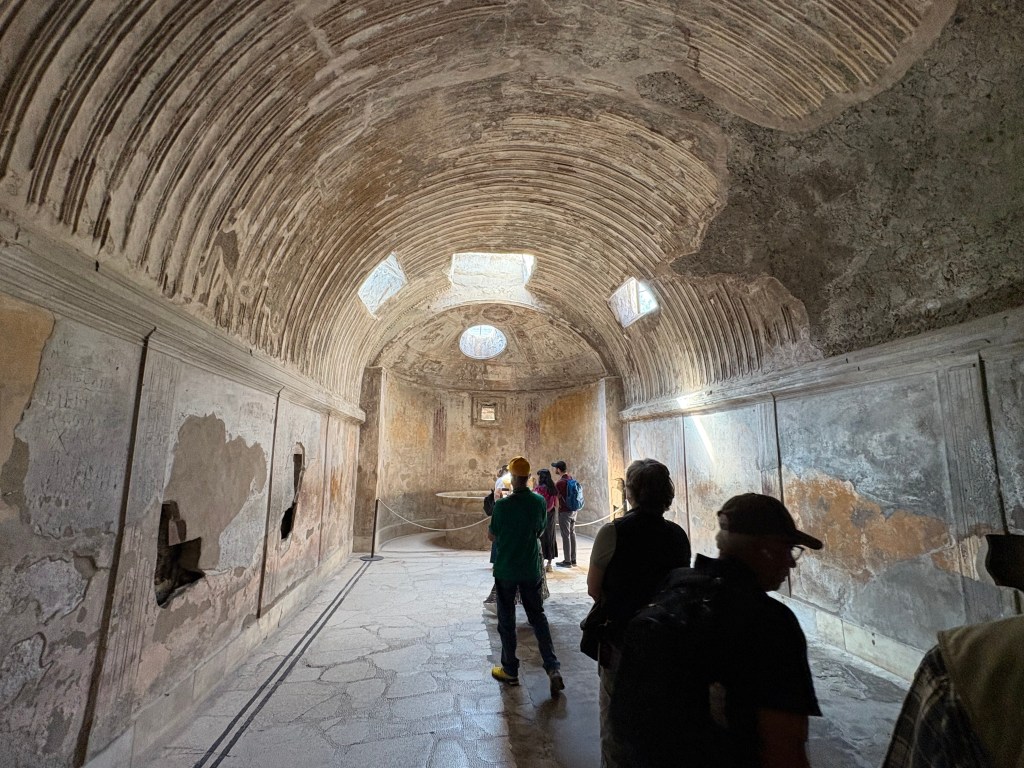
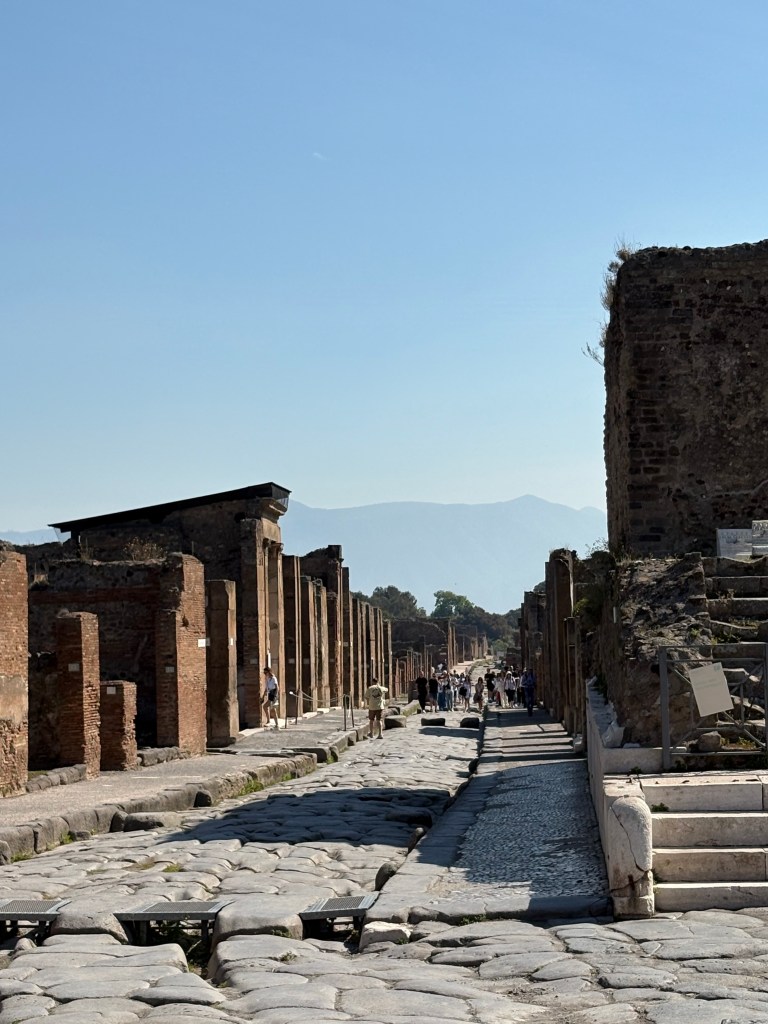
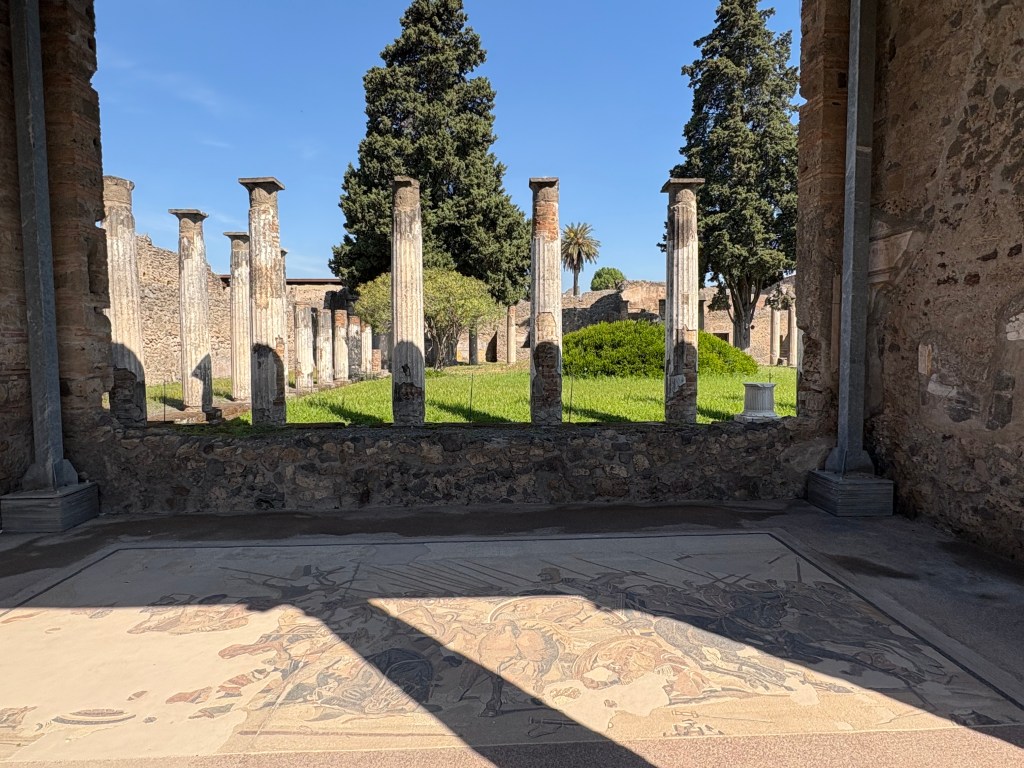
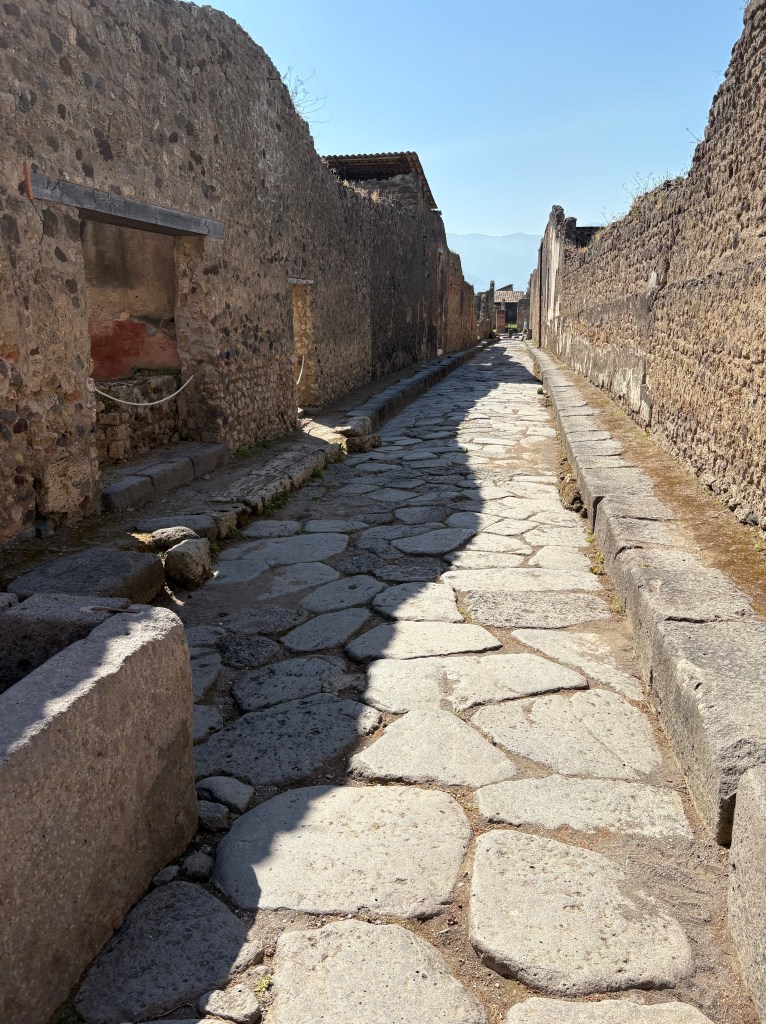
So Day 3. We bussed from Sorrento to Pompeii, a town of 27,000 people until it was buried by the Mt. Vesuvius eruption in 79 AD. The excavations, which began in the 18th century, continue to today. Our wonderful tour director, Heidi – who truly was wonderful – was not allowed (by Italian law) to give the tours on sites. Even (if caught by the scouts who are everywhere) to give directions to the toilets would net her a huge fine and a court visit. They require local guides to be used for everything and as a result, each new site we visited was led by a different guide. Tatiana, our Pompeii guide, was thorough and very pleasant to follow. Interestingly enough, having taken the trip to Egypt last fall, we noticed she had a very classic face, a startling similarity to the images of pharoah’s. She began our tour in the Antiquarium or museum since it would be packed with tourists soon. The tour of the Pompeii ruins afterwards was a fascinating explanation of what life was like during that time and in that city.
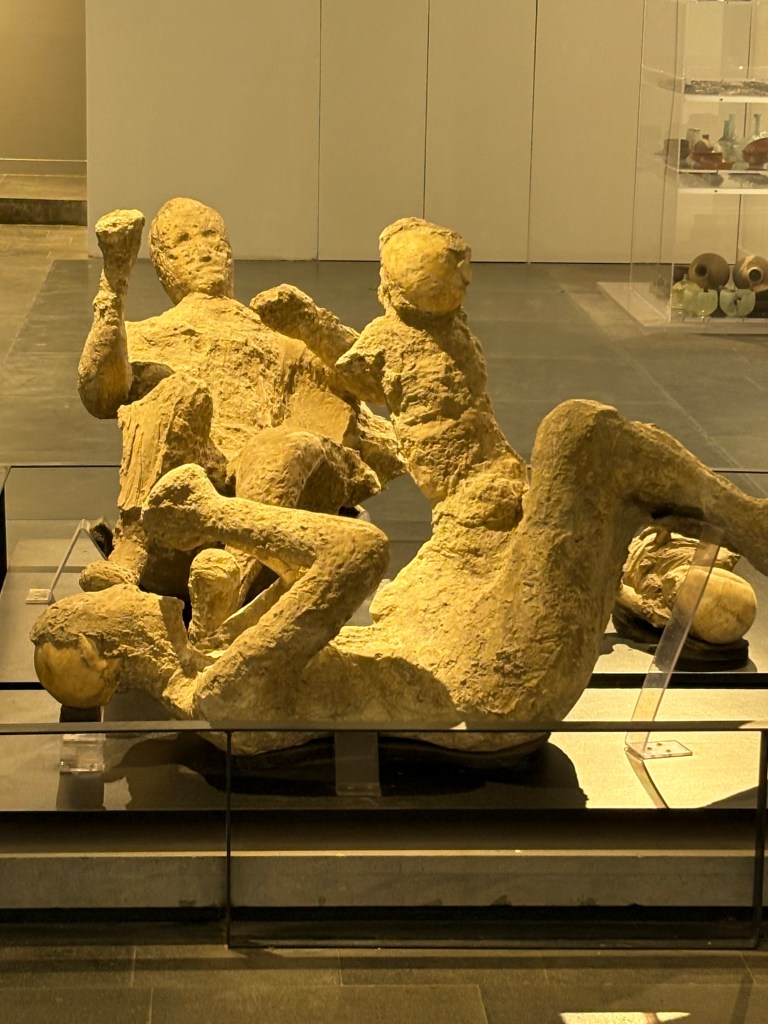

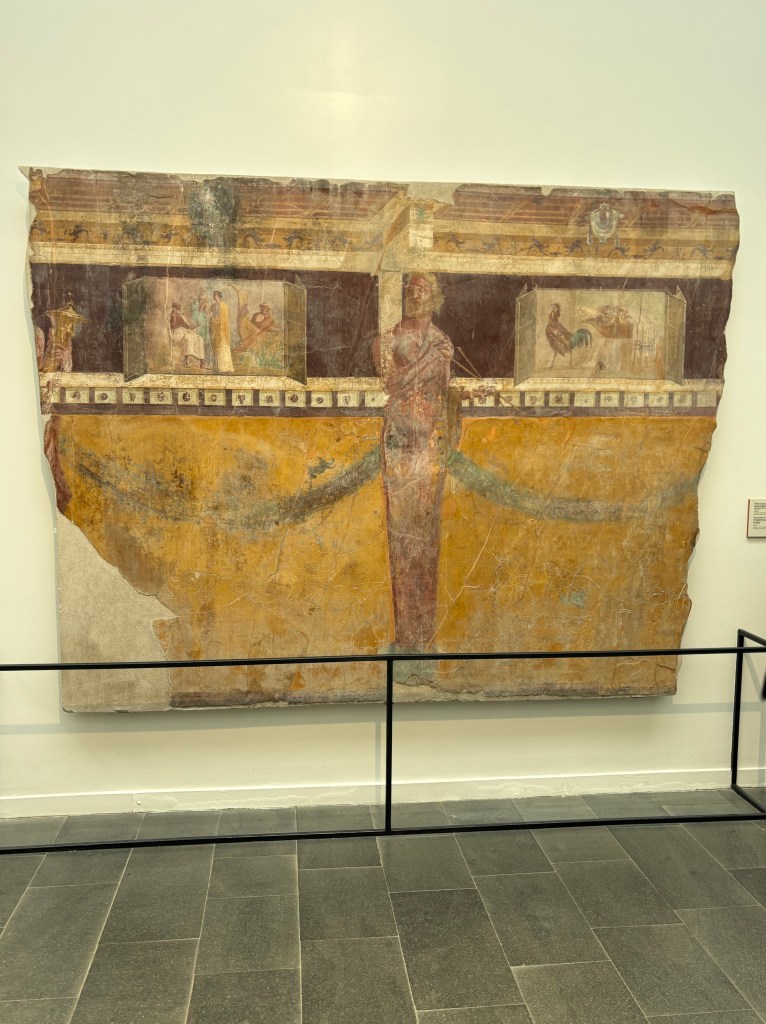
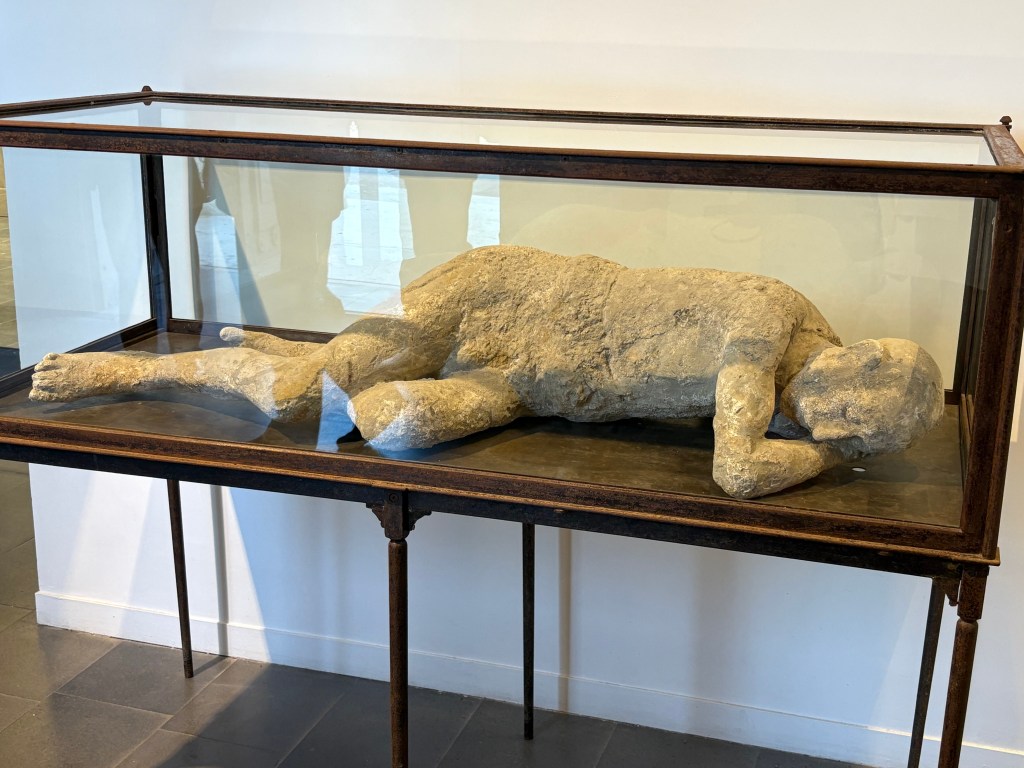


We were surprised to learn that it wasn’t the lava flow or the ash which killed the inhabitants but was rather due to the superheated tephra and gases they inhaled, instantly fatal. The frescos, pavings, mosaics, evidence of early inventions like sliding doors, crosswalks (pavers) and early fast food vendors – were all incredible to see.
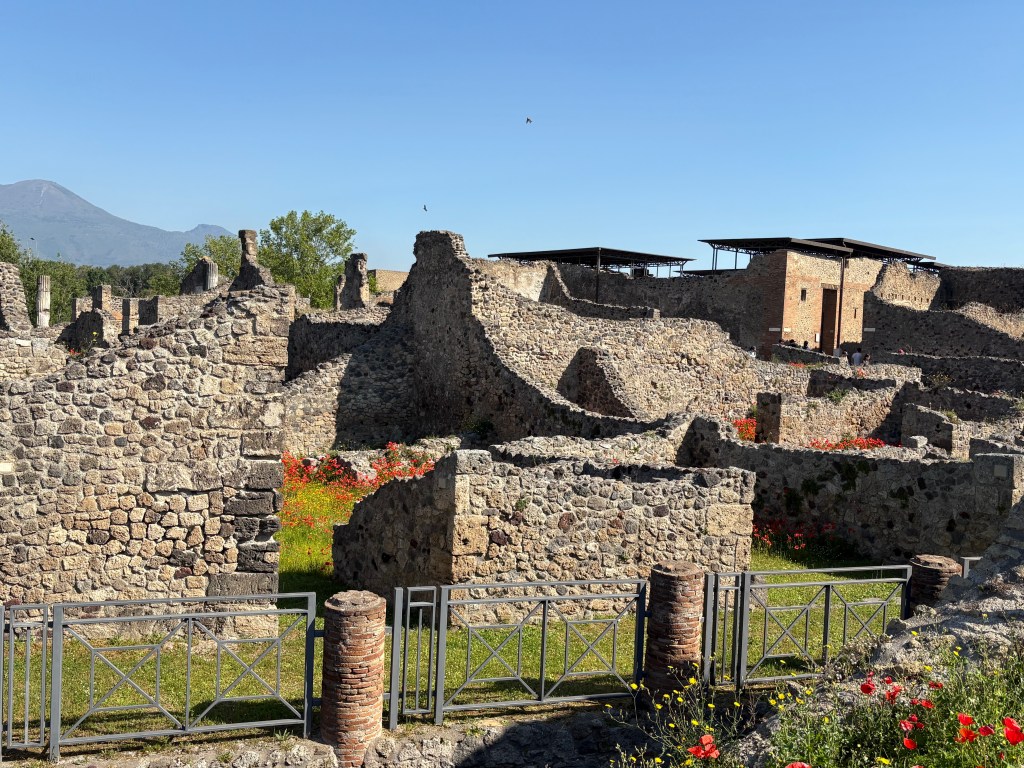


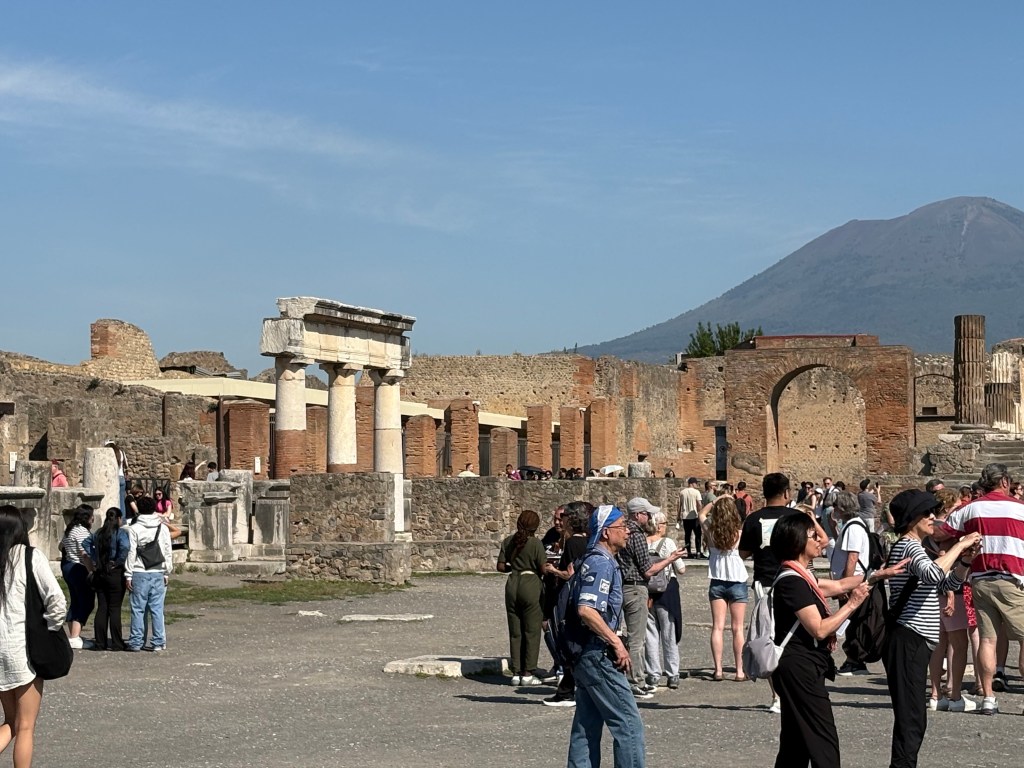
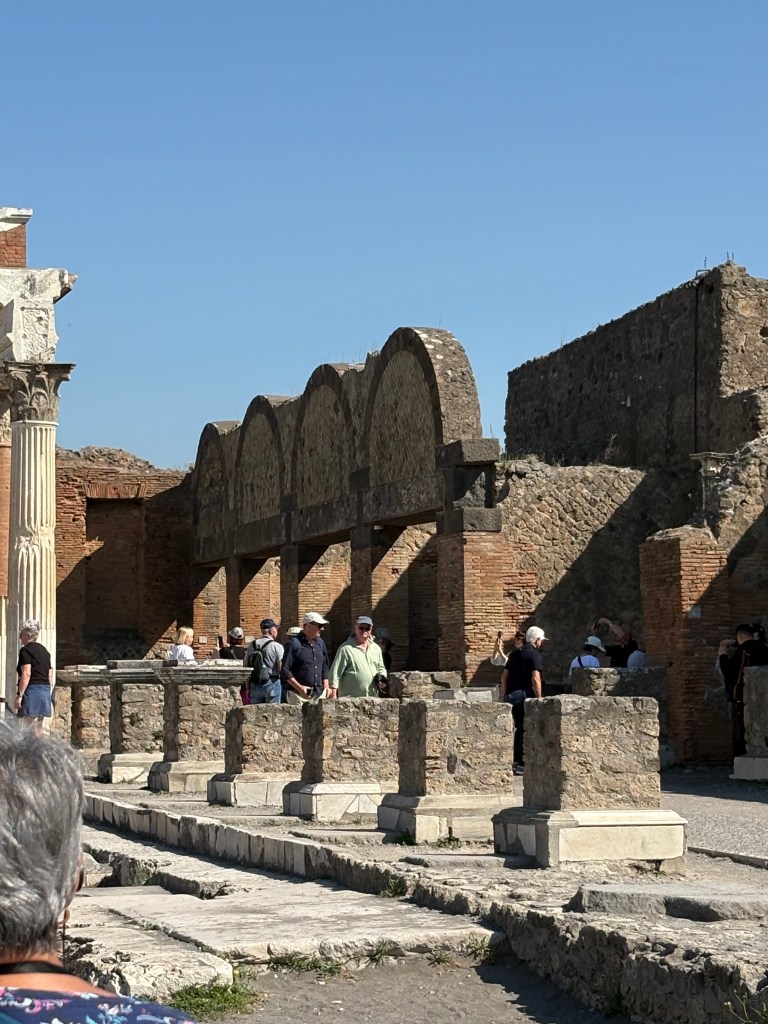
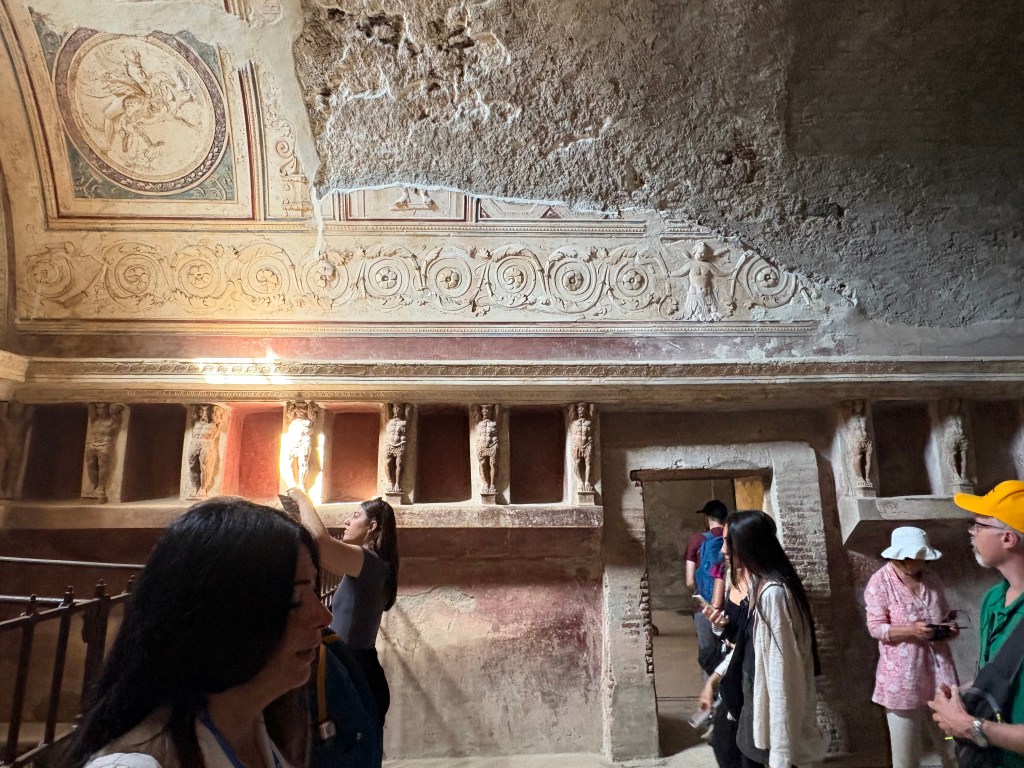


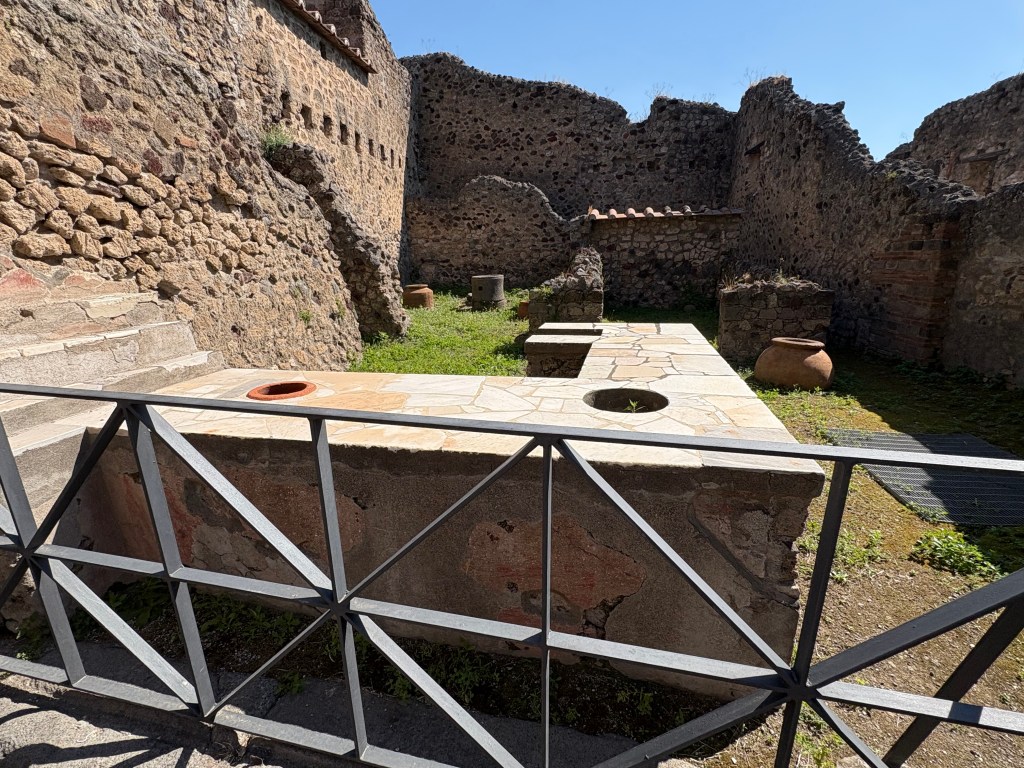

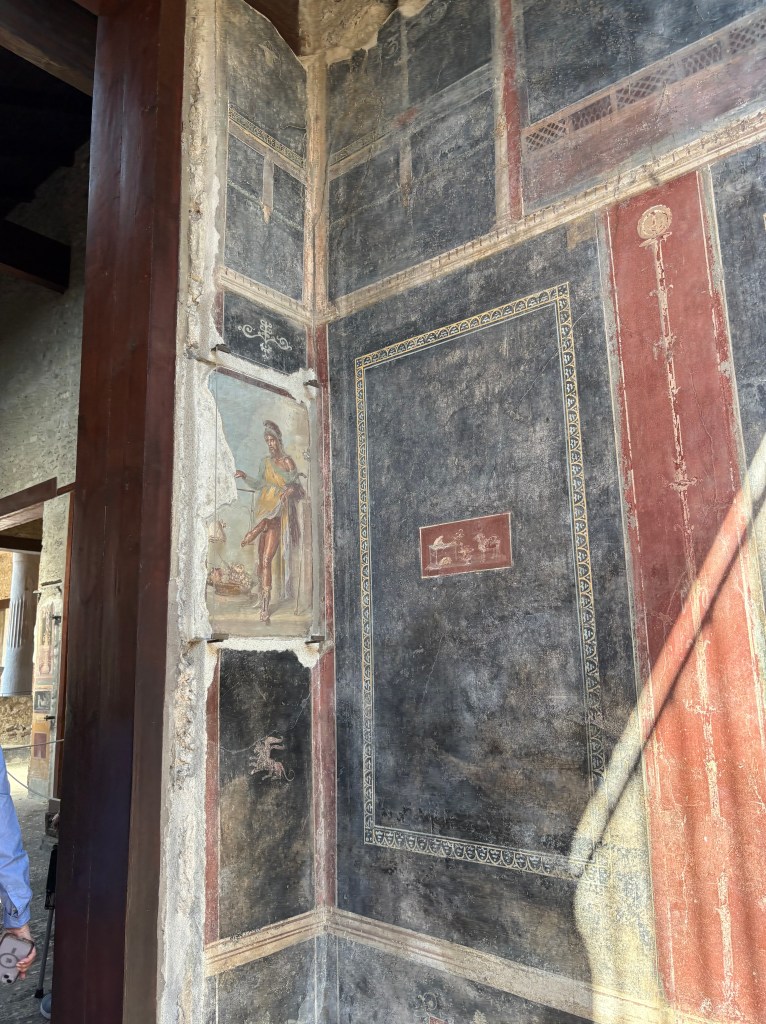
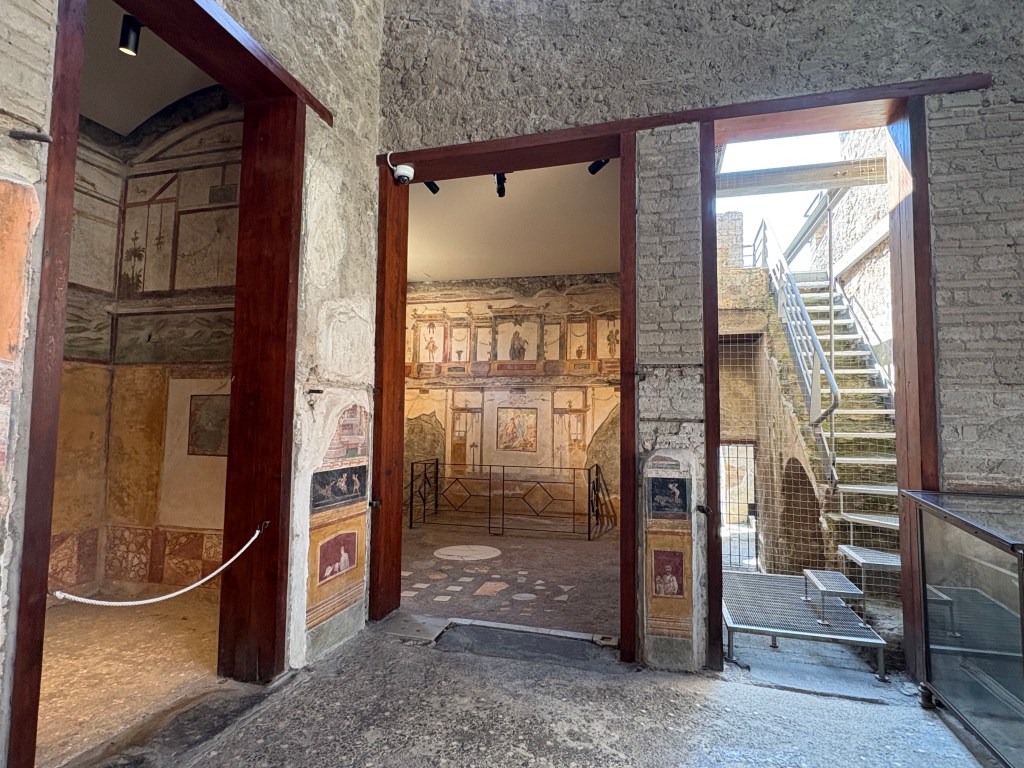
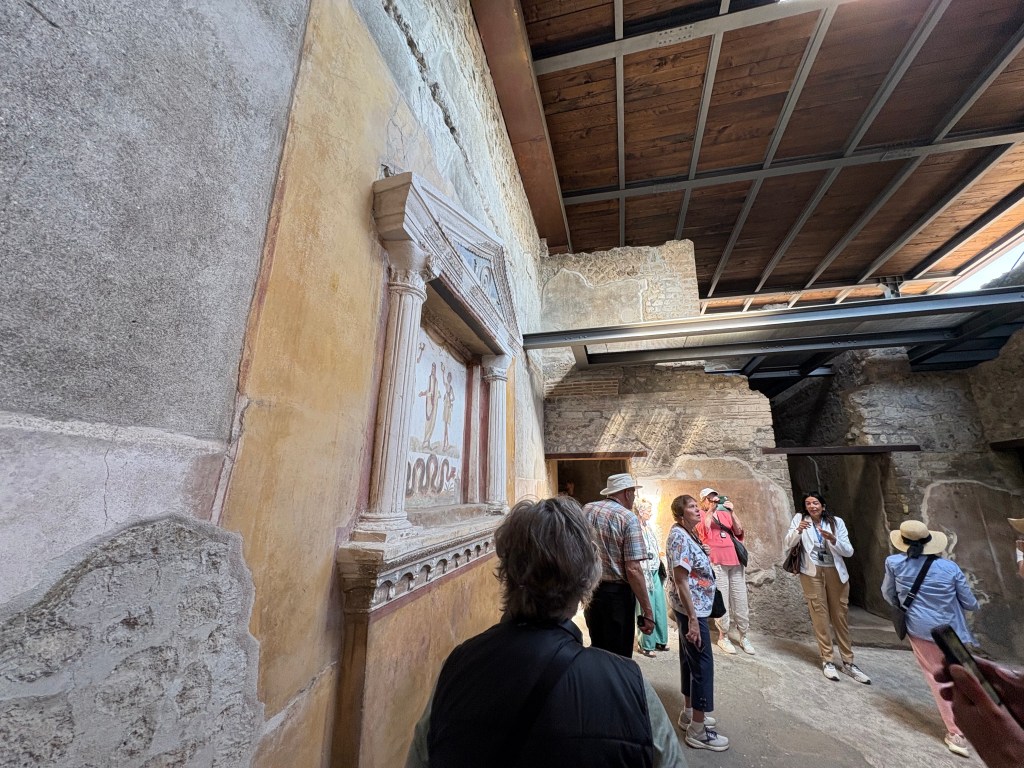
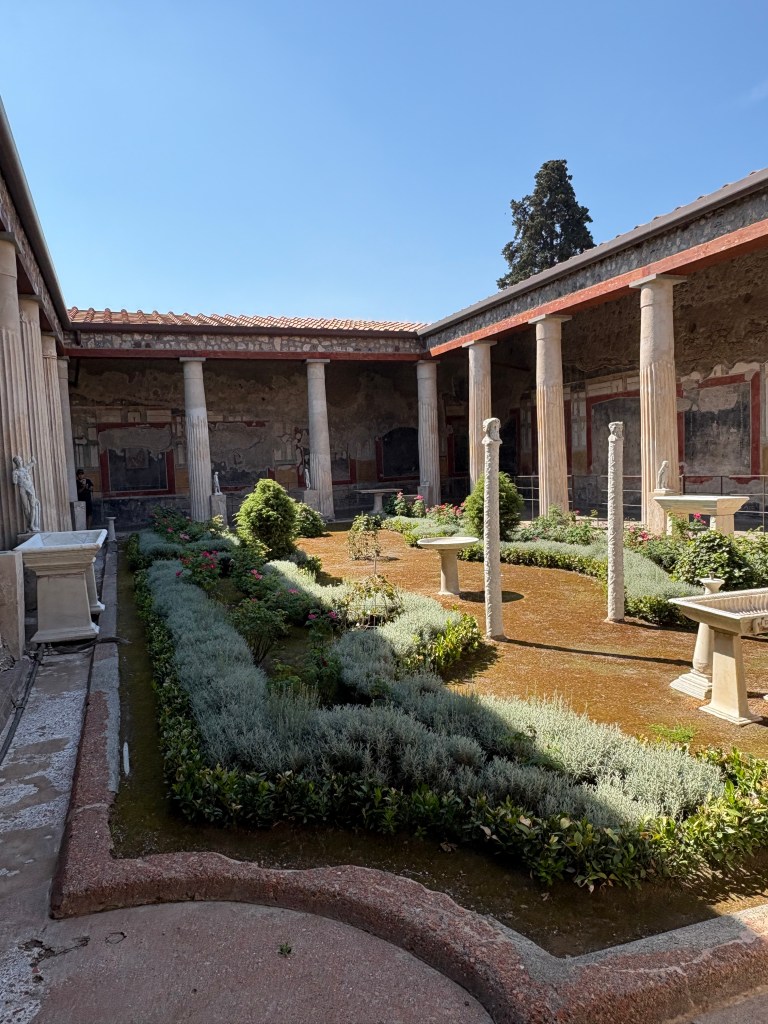
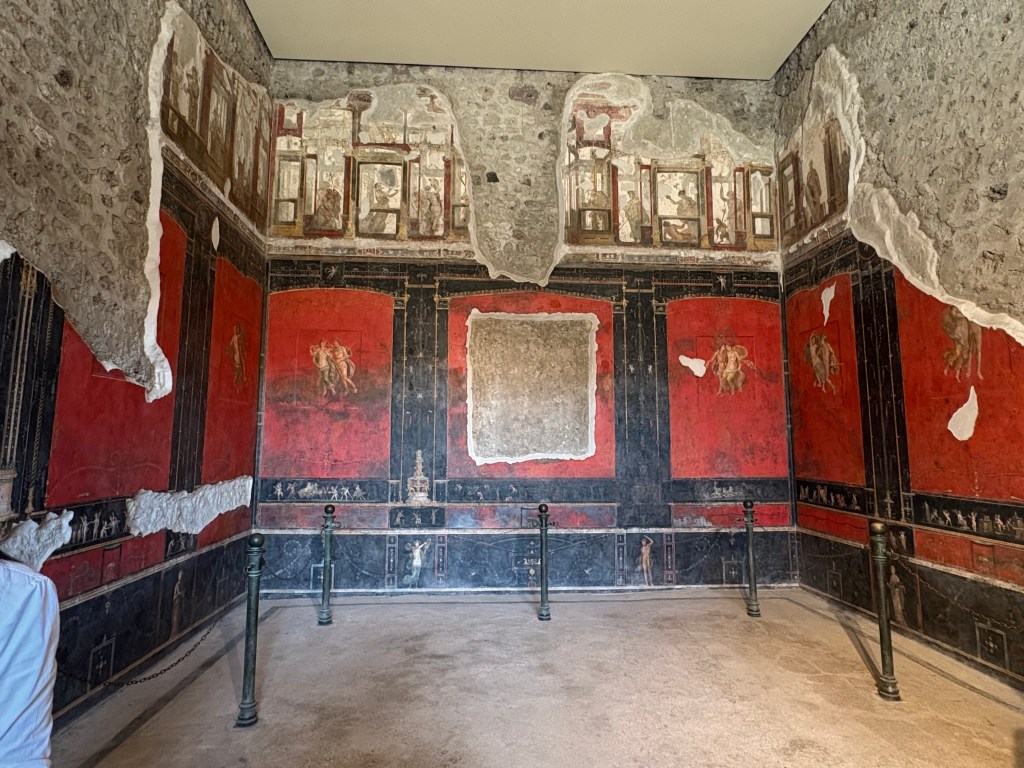
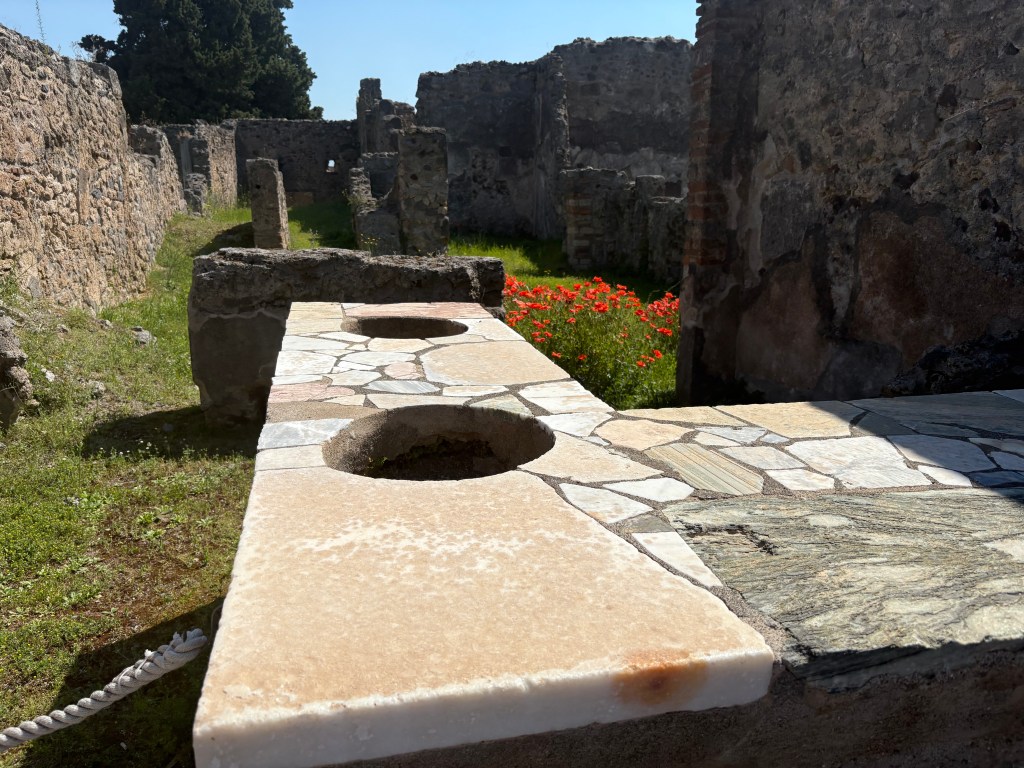
Behind the scenes, Heidi worked tirelessly to line up tickets and speedy entrances to everything that was on our agenda. At Pompeii, when one couple left their medication in the hotel room minibar, she frantically arranged for a taxi driver to pick it up at the hotel since we were not returning to that hotel, then drive two towns over to meet her and hand deliver it while we toured the ruins. Another incident required the retrieval of a hat, left on a bus we were also not to return to. She was absolutely unshaken. After a lunch at a place called Tiberius Pompei, we were bussed to a boutique hotel called The W Hotel in Rome. Much smaller and quirkier than our other accommodations but very comfortable none the less. A quick rest and then all met for dinner at Angelo dell’ Aurora before turning in.
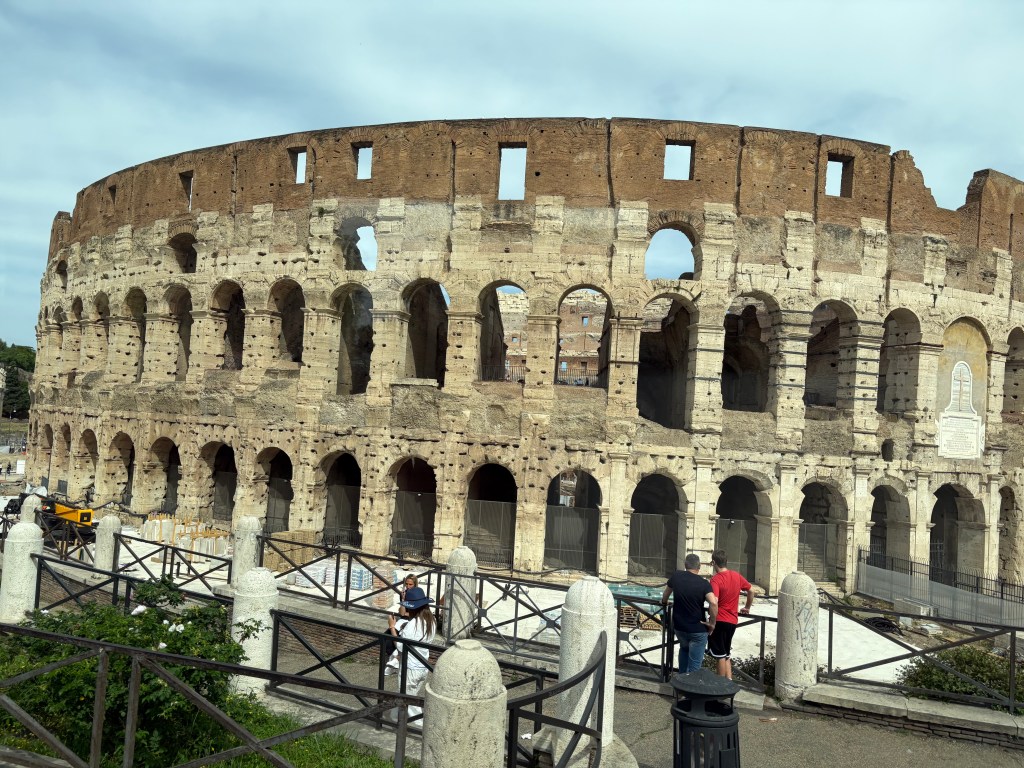
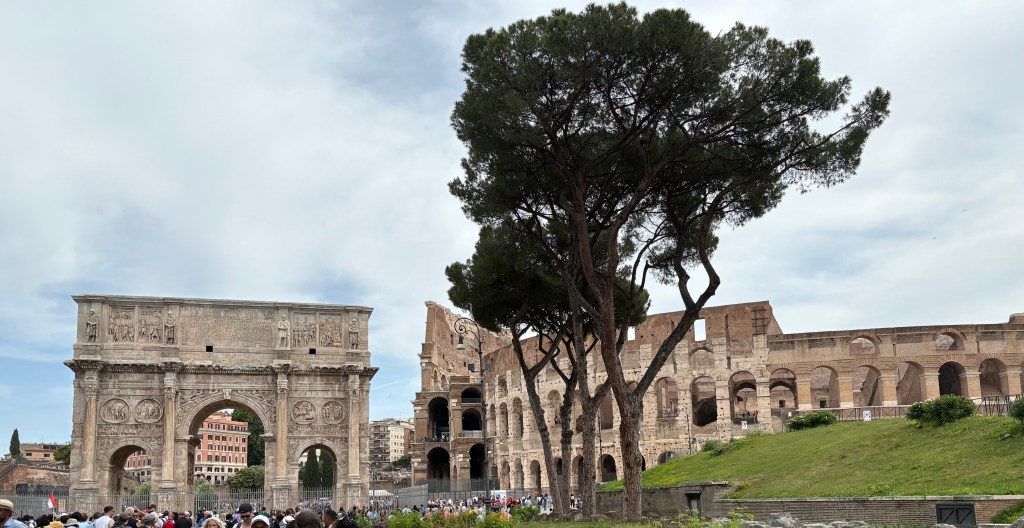
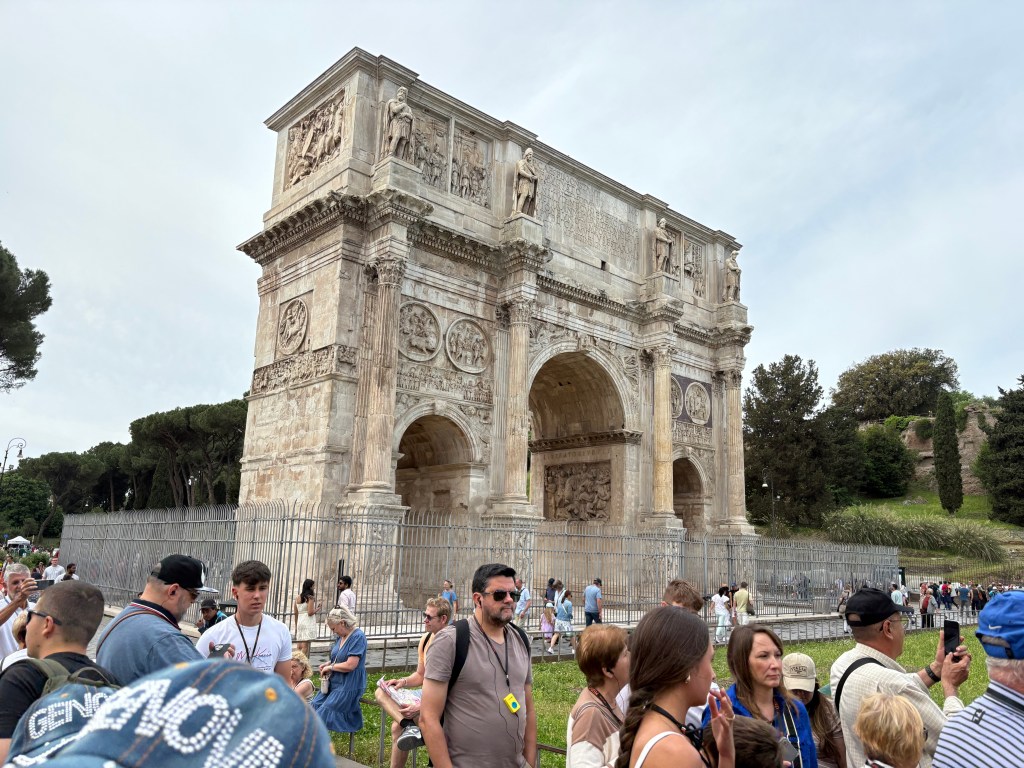
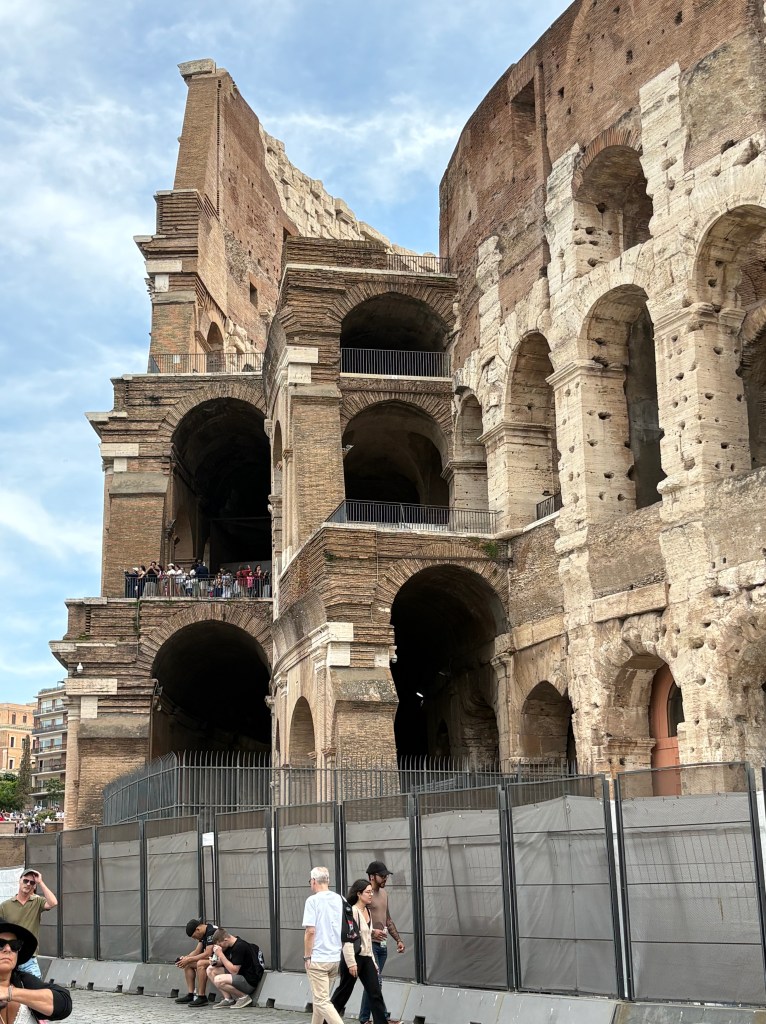
Day 4. Rome was an overwhelming city of about 3 million, with its incredible architecture and history (and 150 monumental fountains). After breakfast, we met Paola, our guide, for a walking tour of the city in a comprehensive explanation of the ancient marble, the dizzying amount of churches (or what our friends refer to as the ABC’s – Another Beautiful Church), Renaissance buildings, Baroque fountains and 19th century apartments. As with the Egyptian pharaoh’s, I lost track of what saints or popes were buried or where. We viewed the seven hills, the Arch of Constantine, the Arch basilica of St. John, Roman Aqueducts, the Roman Forum, the Colosseum, Circus Maximus and after a lunch at Enoteca e Taverna Capranica in the heart of Rome, we had the afternoon free.
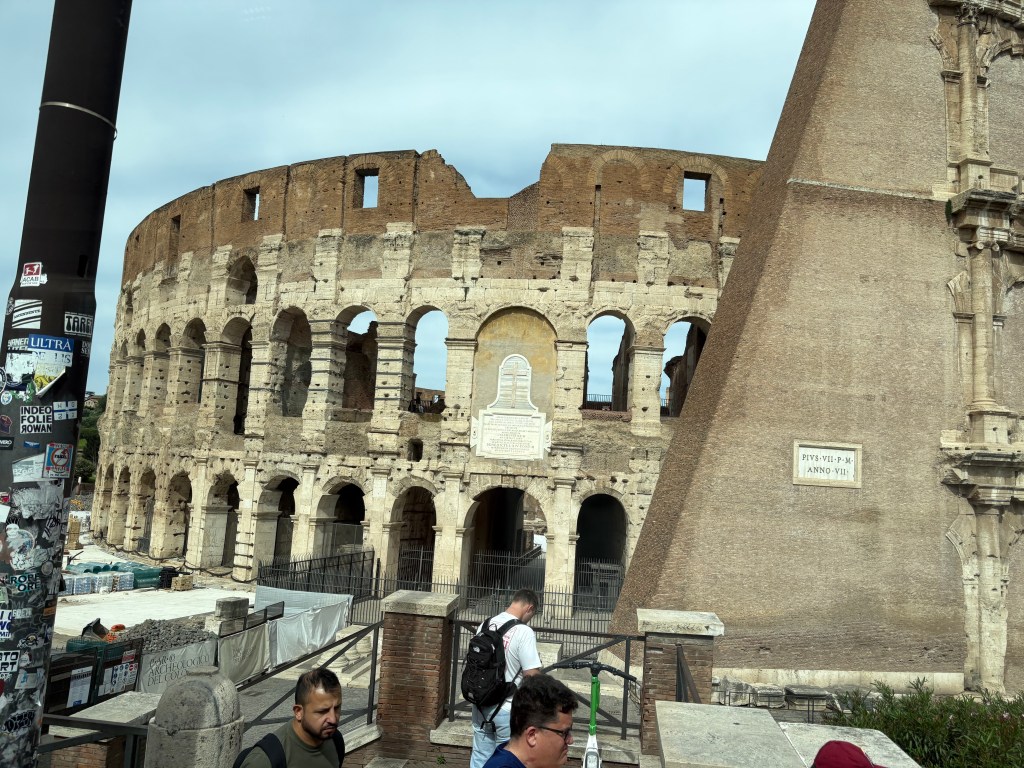

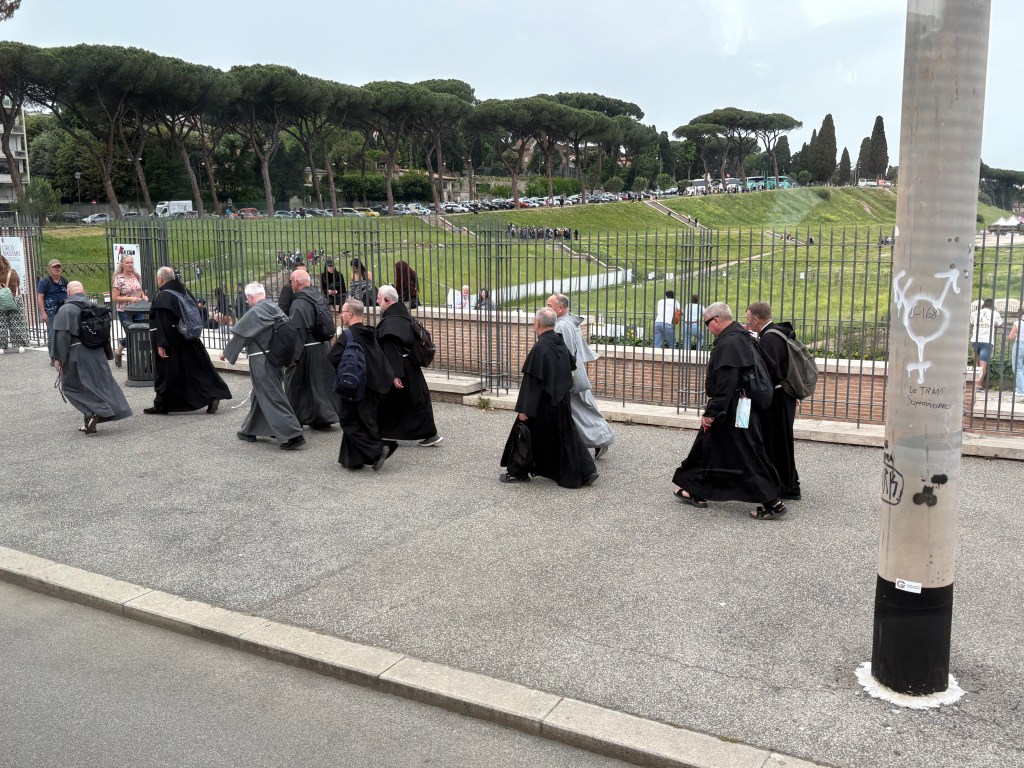

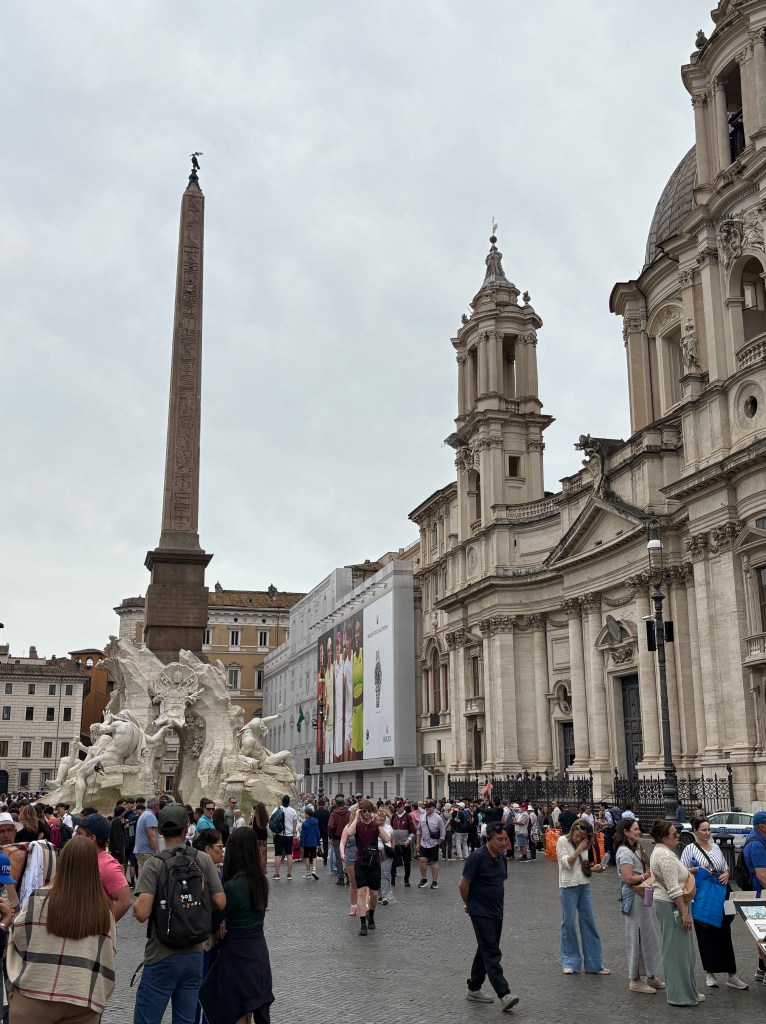
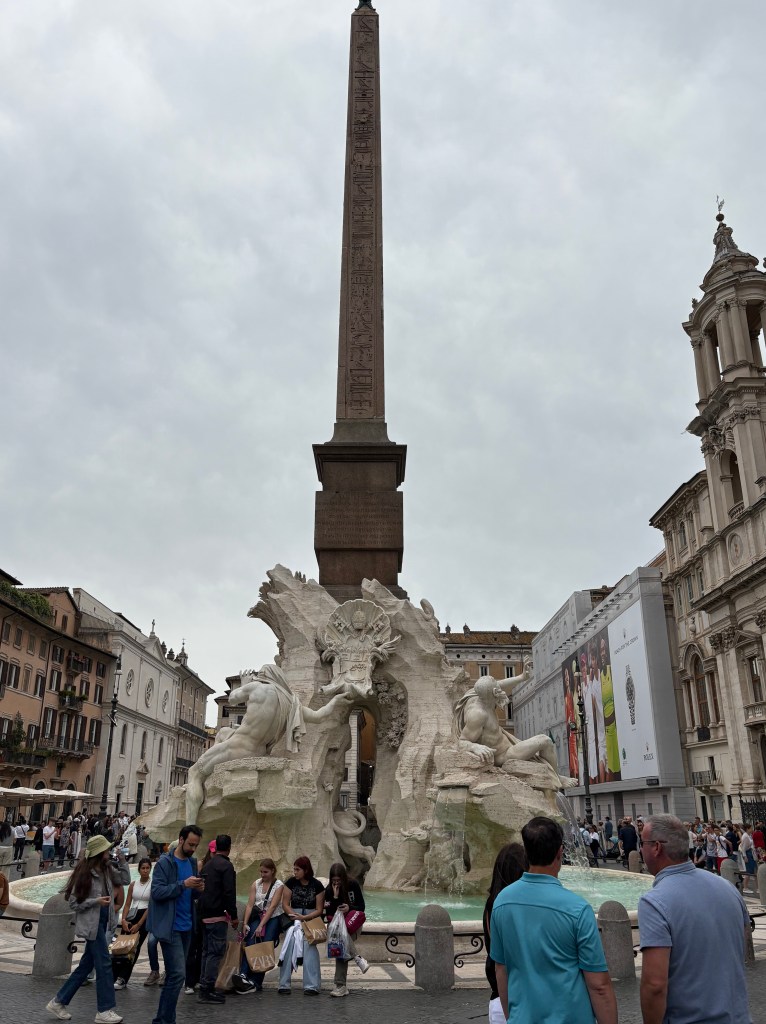

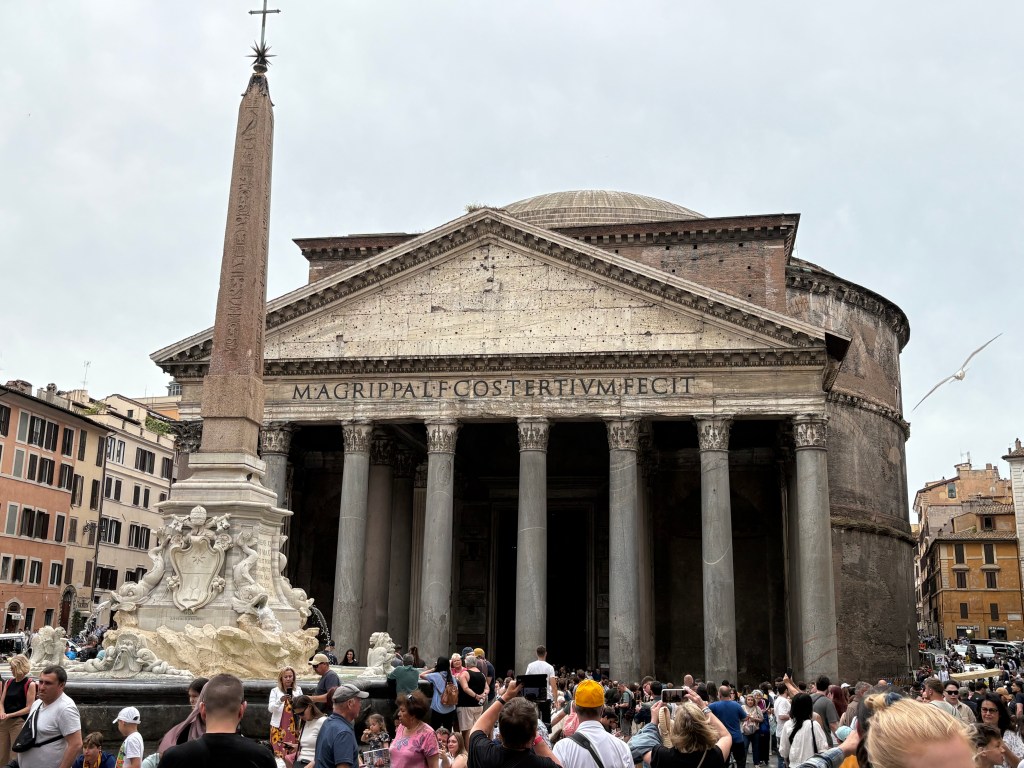

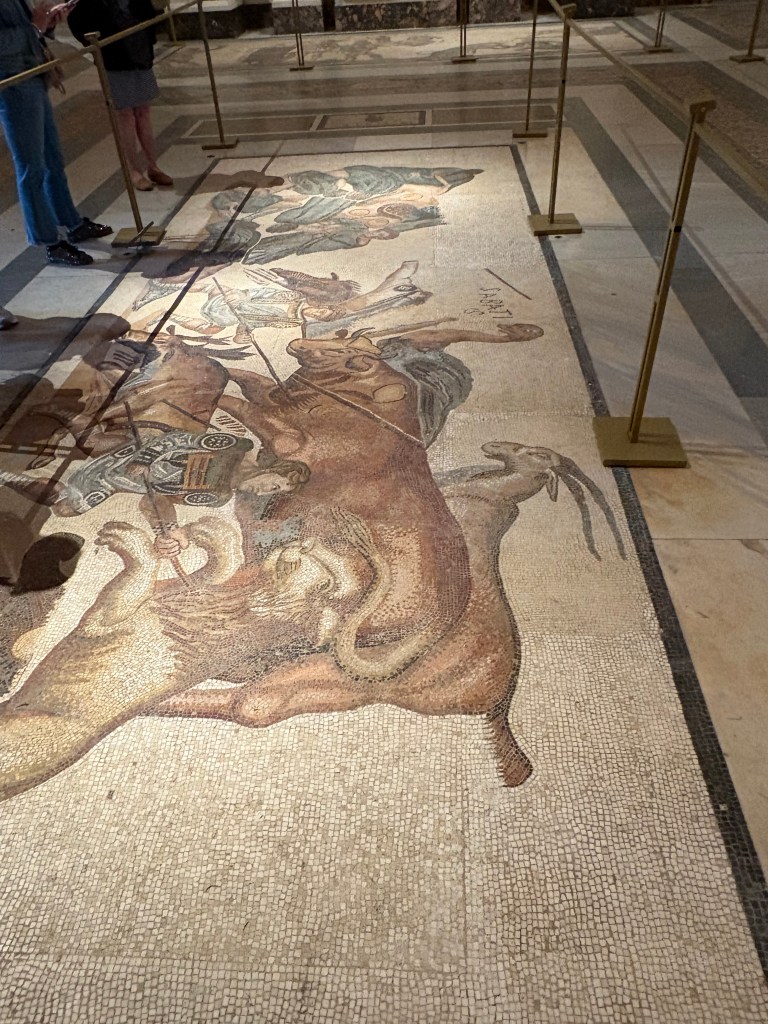
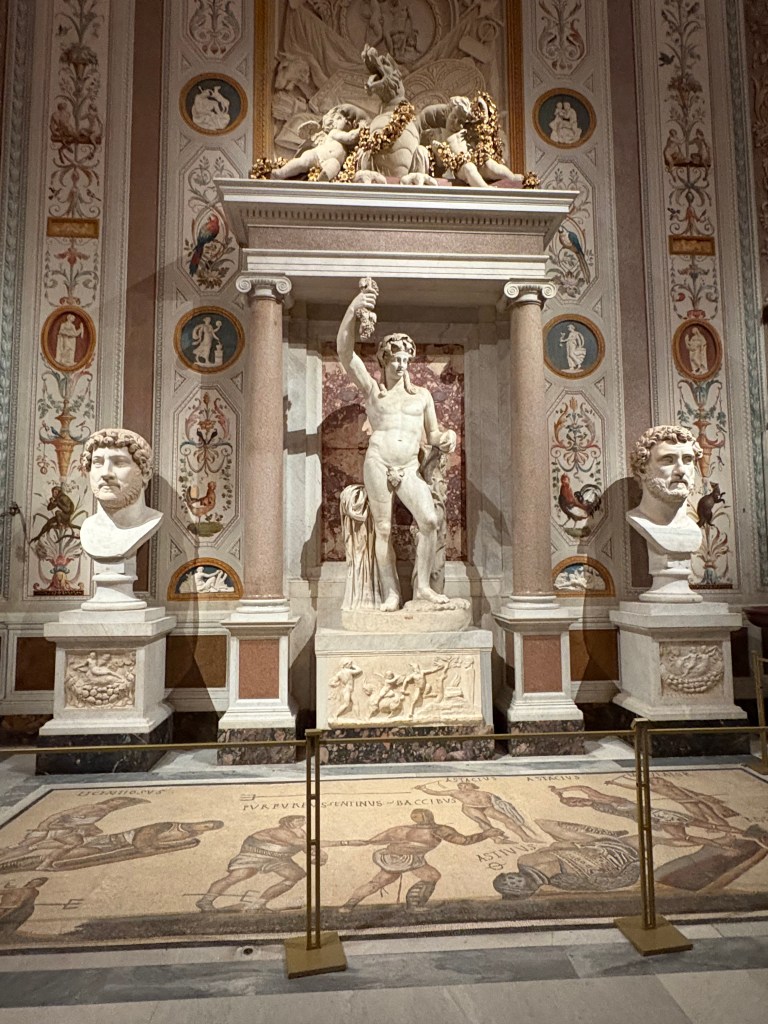
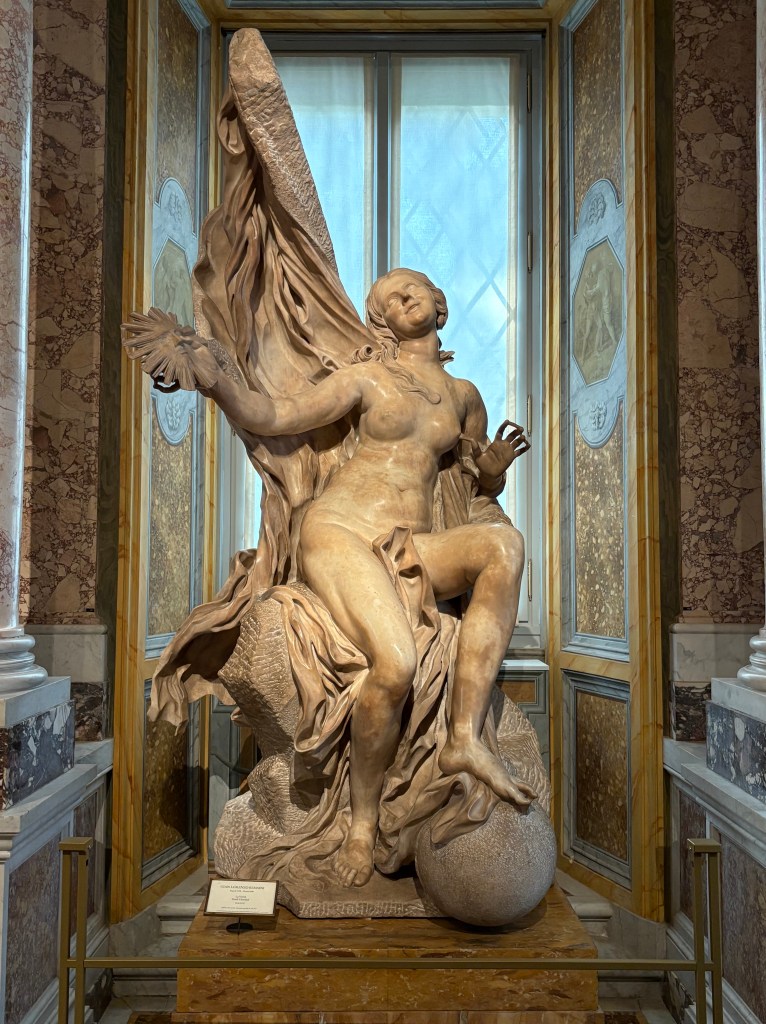
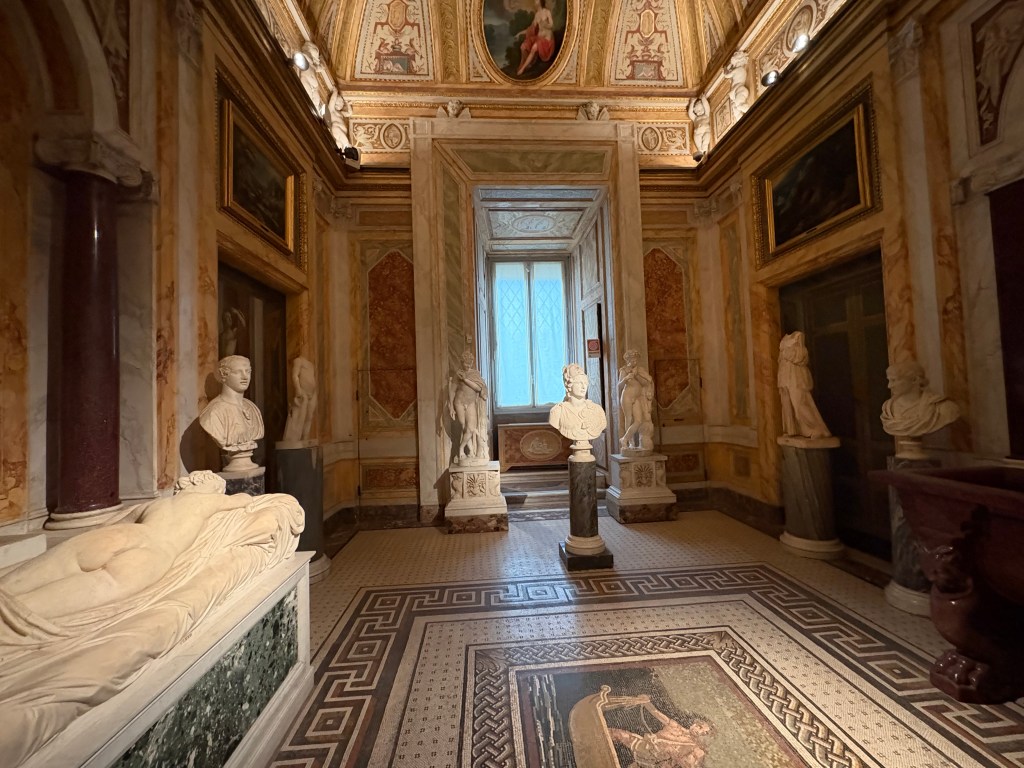
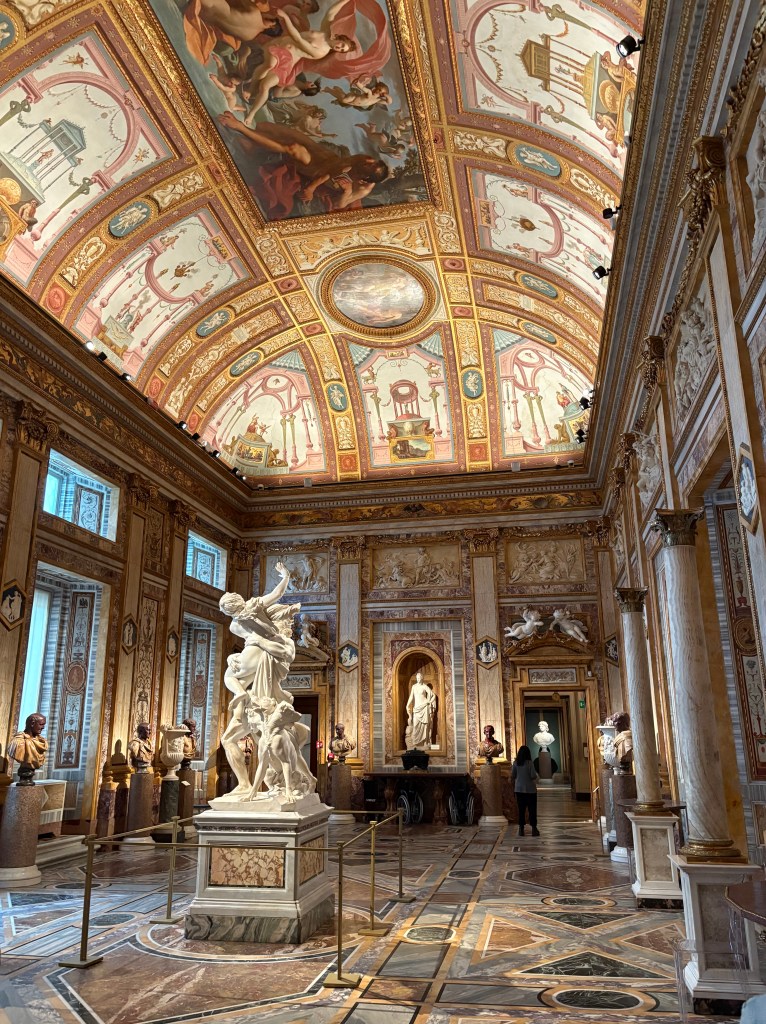
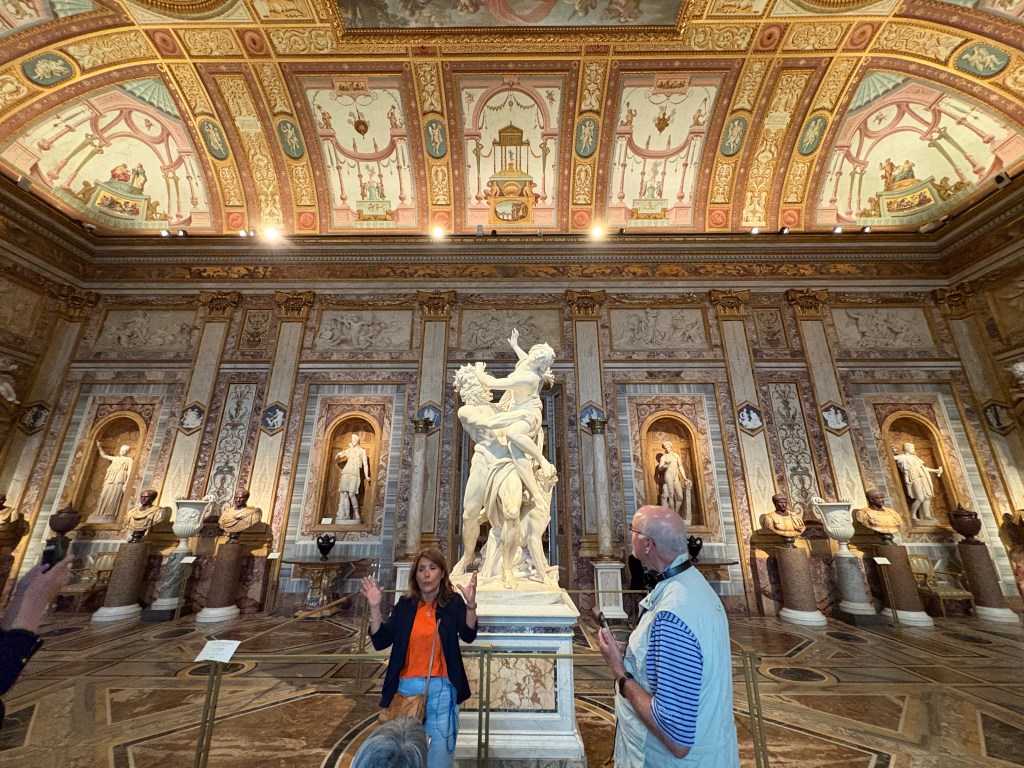
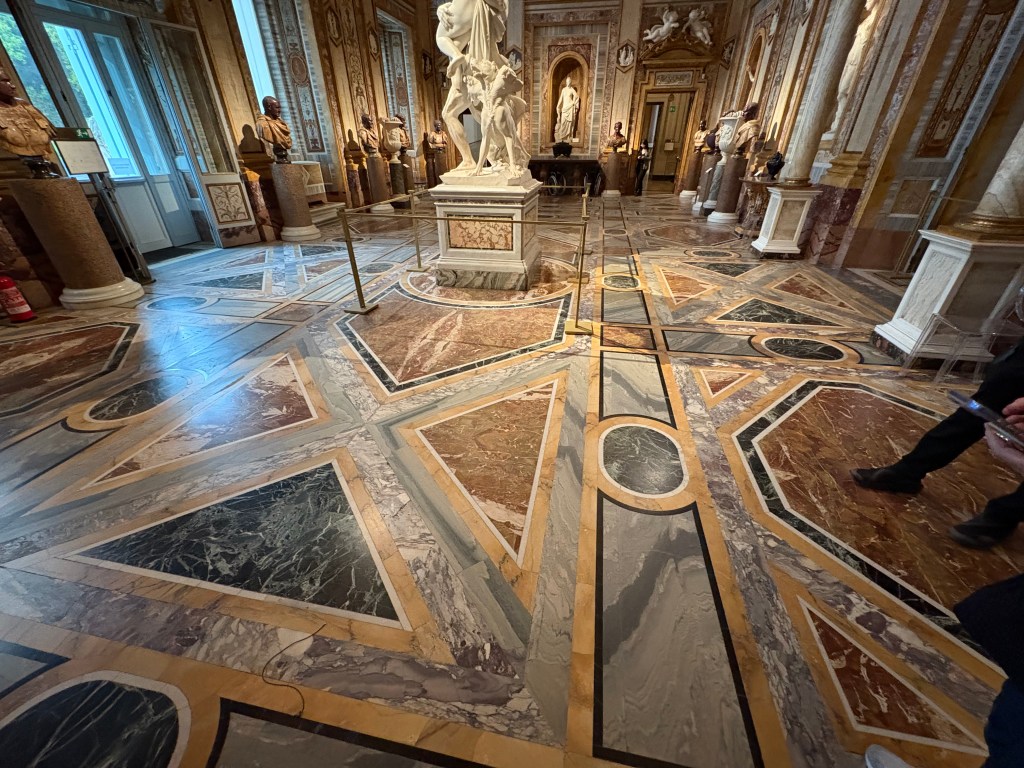
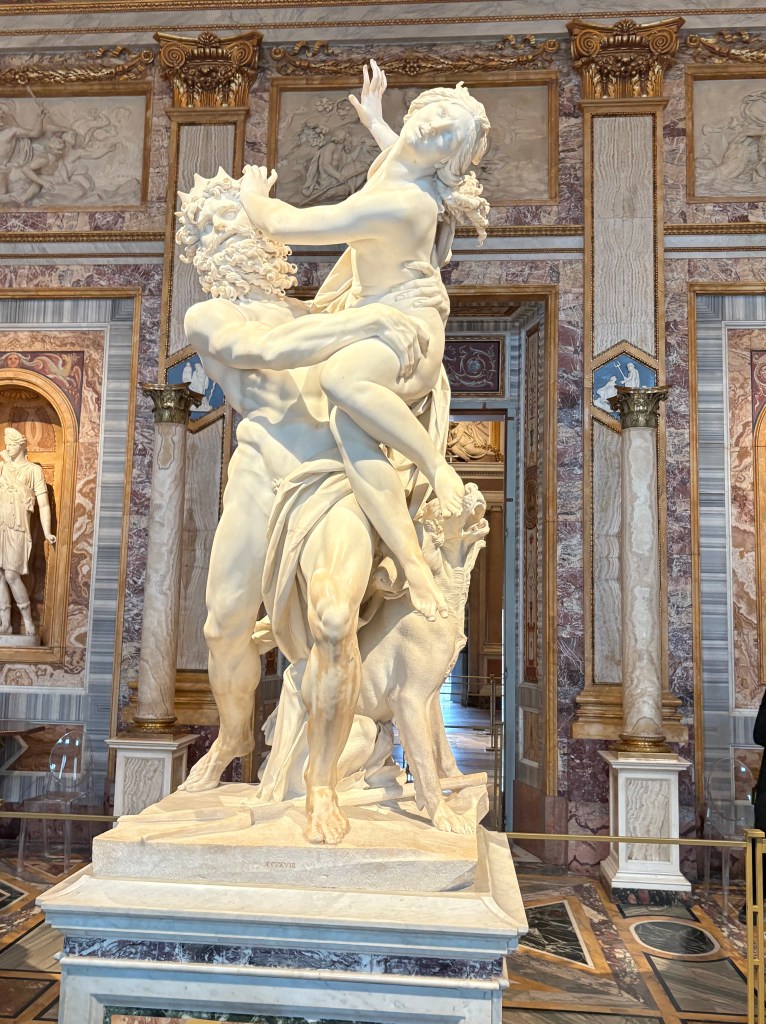
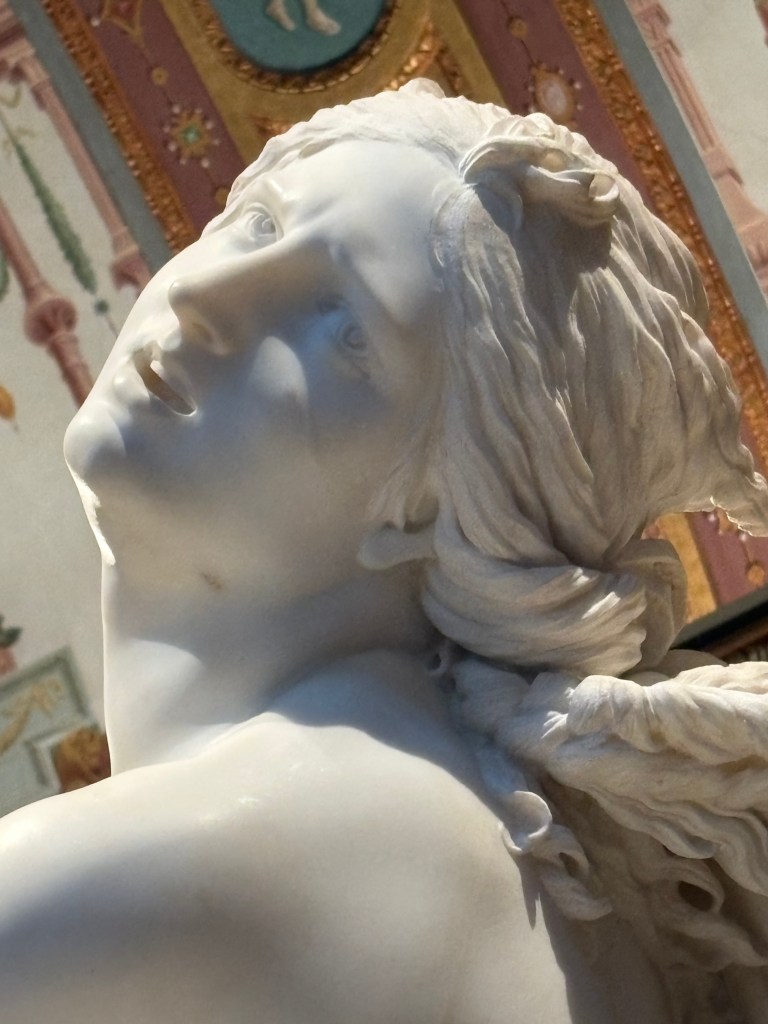
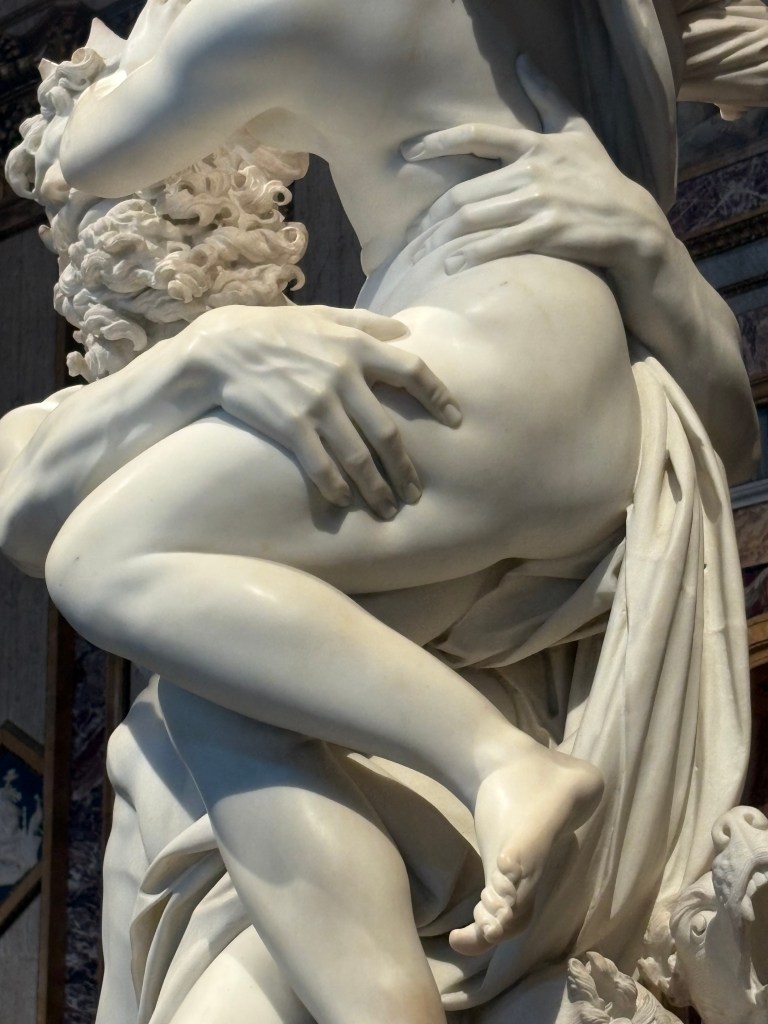
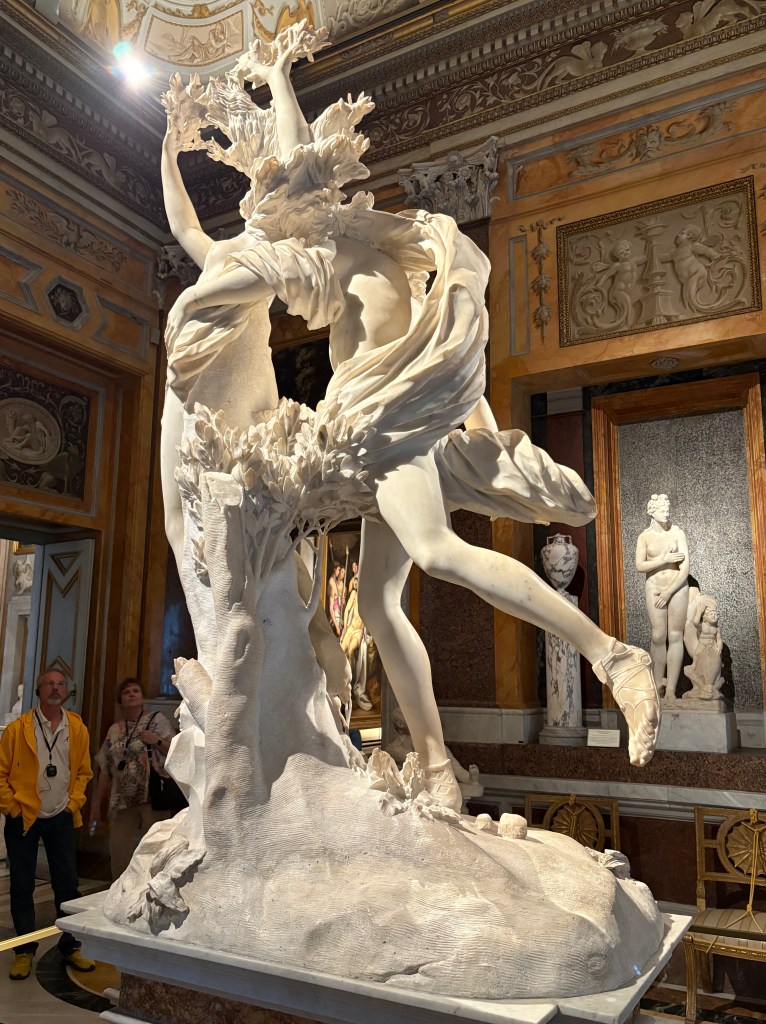
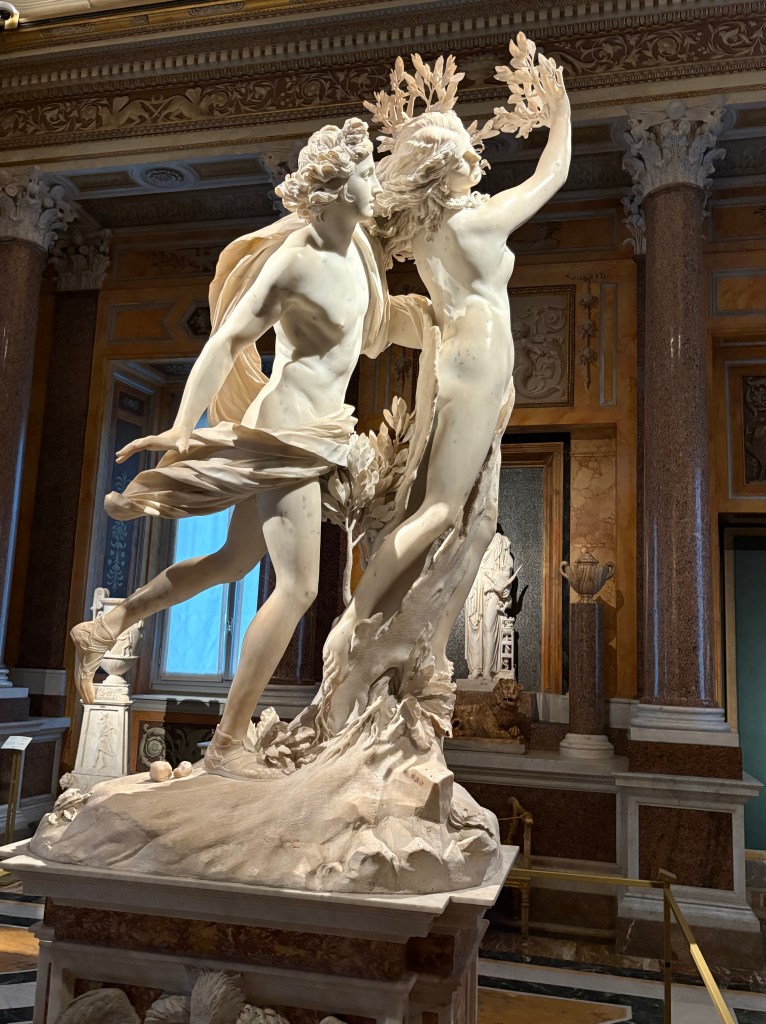
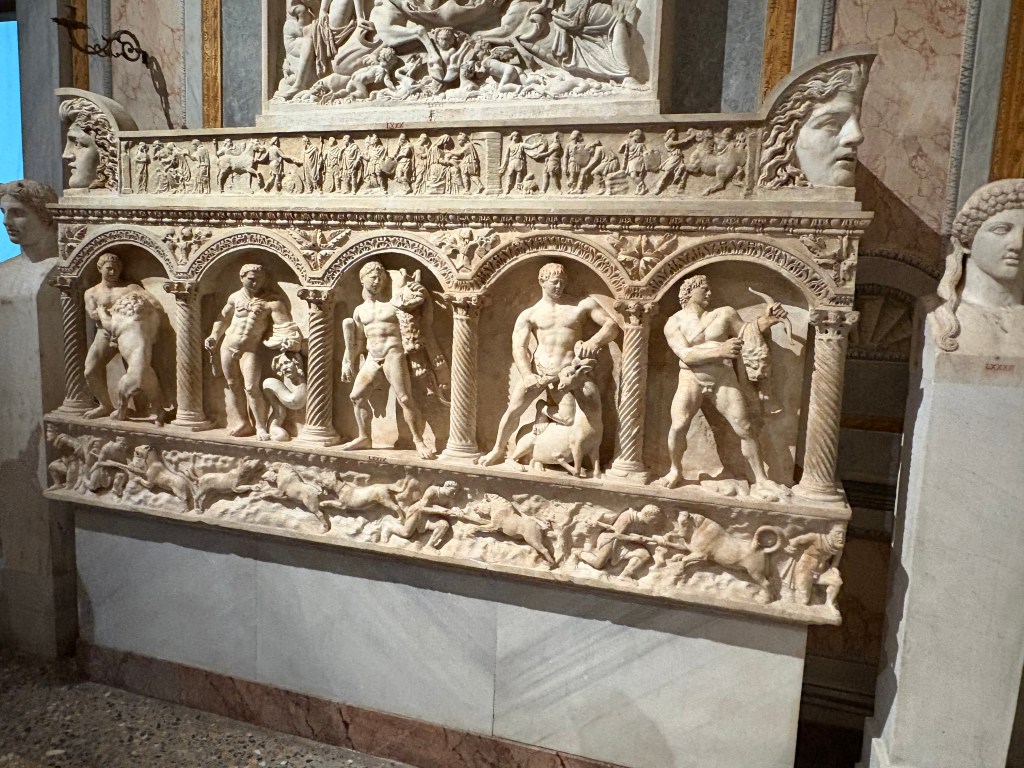
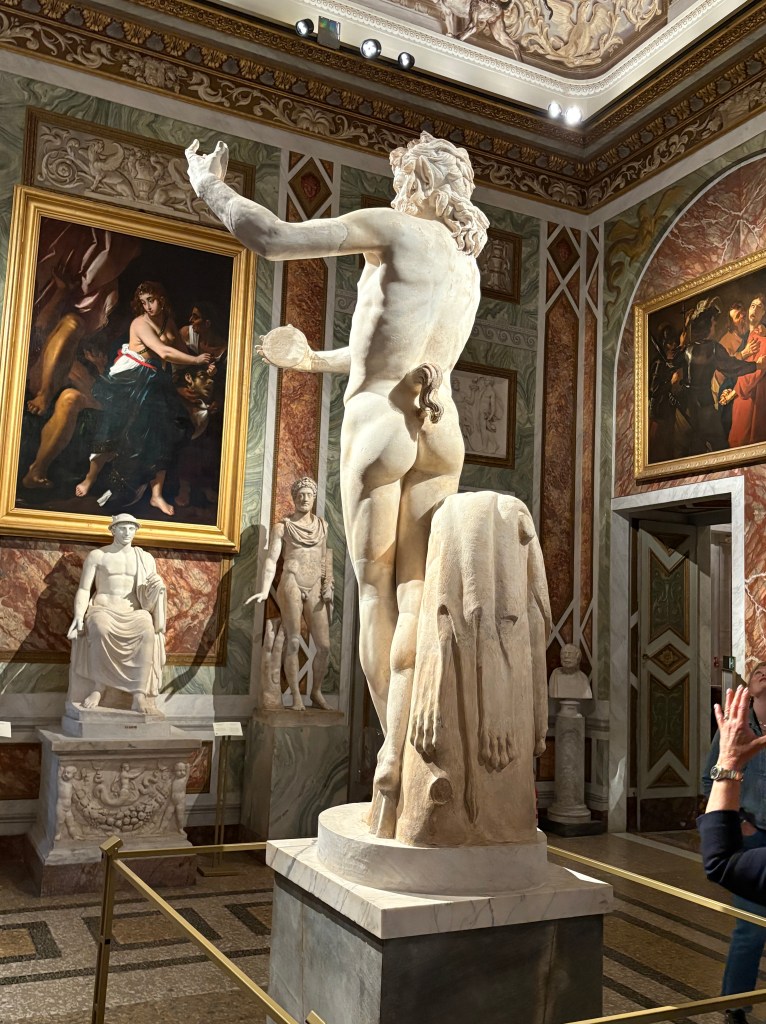
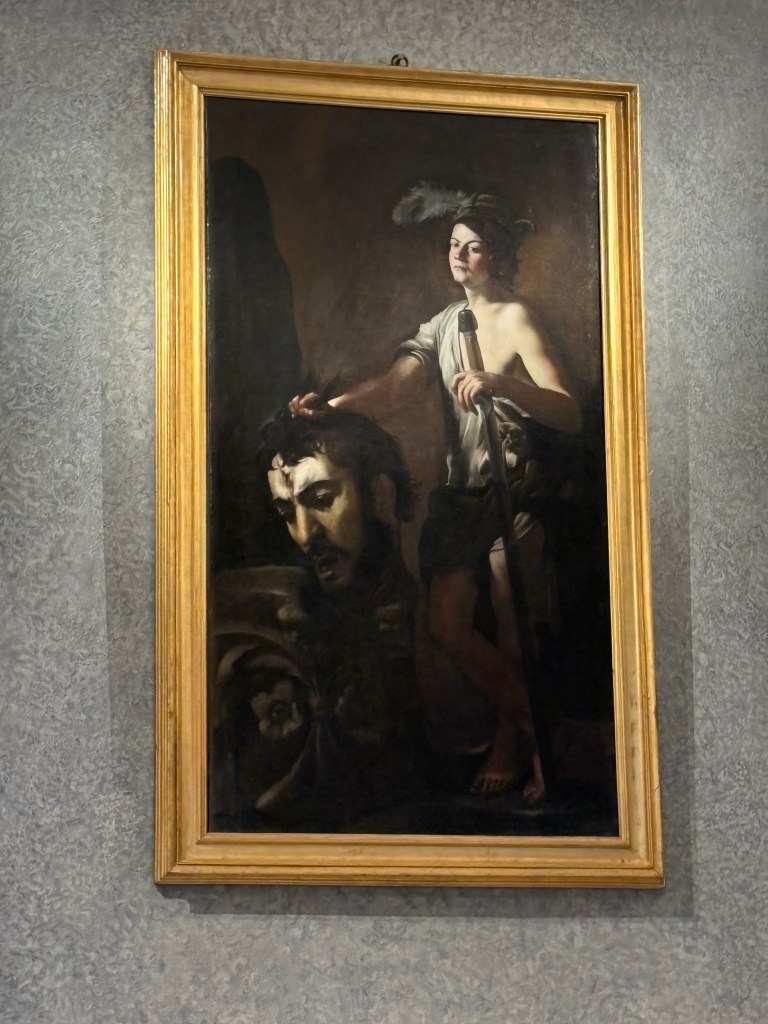
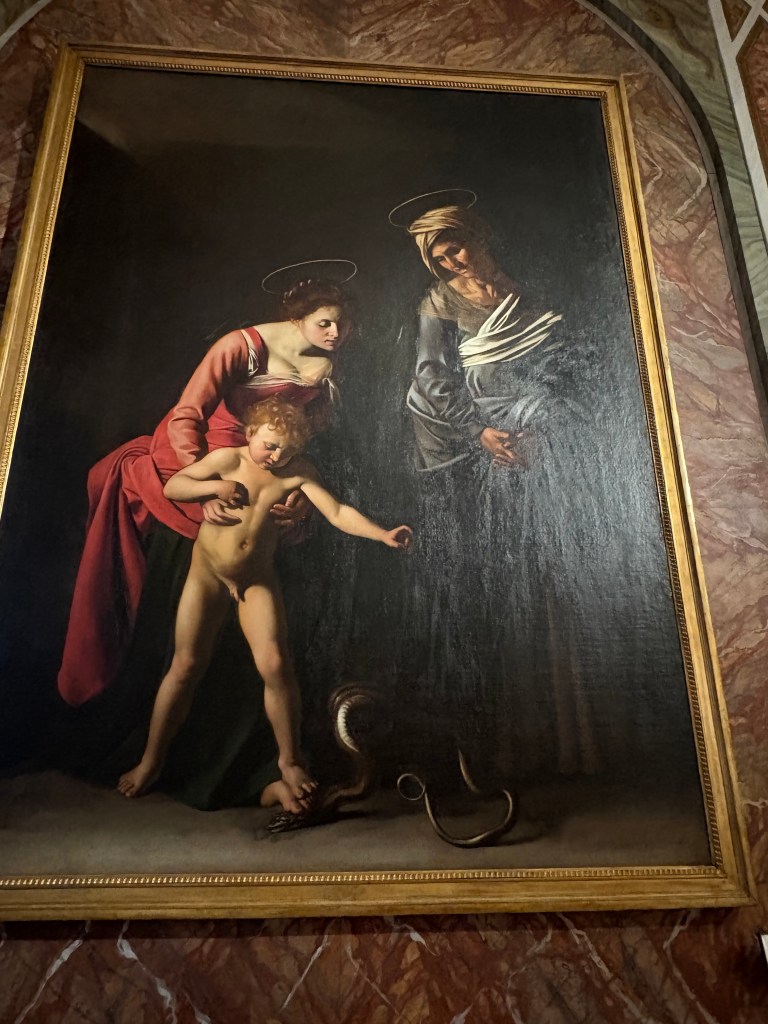
Since we don’t really shop and are usually spent from overstimulation, we either nap on our alone time or find a nice place to enjoy a wine and people watch. We did not go to the Trevi Fountain and were told that most people do not know the significance of tossing three coins in the fountain. The first is to insure that you will return to Rome (not sure on that since there are so many other places still to see), the second is to attain true love ( got that, thank you) and the last coin is to get a divorce (no thank you). So, we didn’t make the trek, especially since our hotel was on the top of a hill and not easy for several trips by foot. After dinner, our last tour was of the Borghese Gallery, which was nothing short of magnificent. It was the only time we saw Heidi on edge, as we were denied entrance for a private after-hours showing, as promised. Her voice raised an octave and only her persistence caused the guard to re-check and then allow our entrance. It was a beautiful interaction to watch. No harsh words or ugly exchange, just tenacity. Then the artwork, paintings, including several Caravaggio, and sculptures were just breathtaking. Paola’s explanation of the marble statues’ meanings and nuances were fabulous and created, for us, a lasting memory.






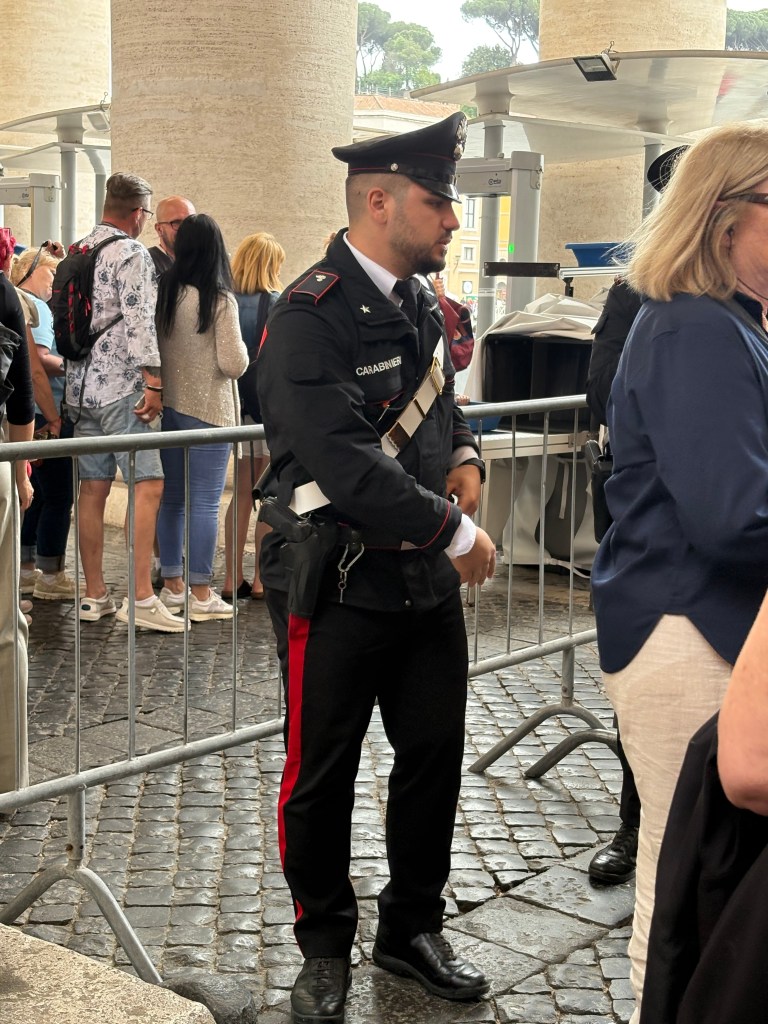
Day 5. After breakfast, we met for a visit to the Vatican. Originally we were slated to see the Sistine Chapel as part of the Vatican City tour. However, two weeks previous, Pope Francis had passed and the Sistine Chapel was shut down for the Conclave (pronounced ‘Cone – Claugh – Ve’ in Italian). We entered Vatican City and the museums and later passed by the entry doors to the Sistine Chapel which were locked shut and the windows were blocked for the seclusion. And of course, for G, we passed by the entry to the enormous Vatican Library.
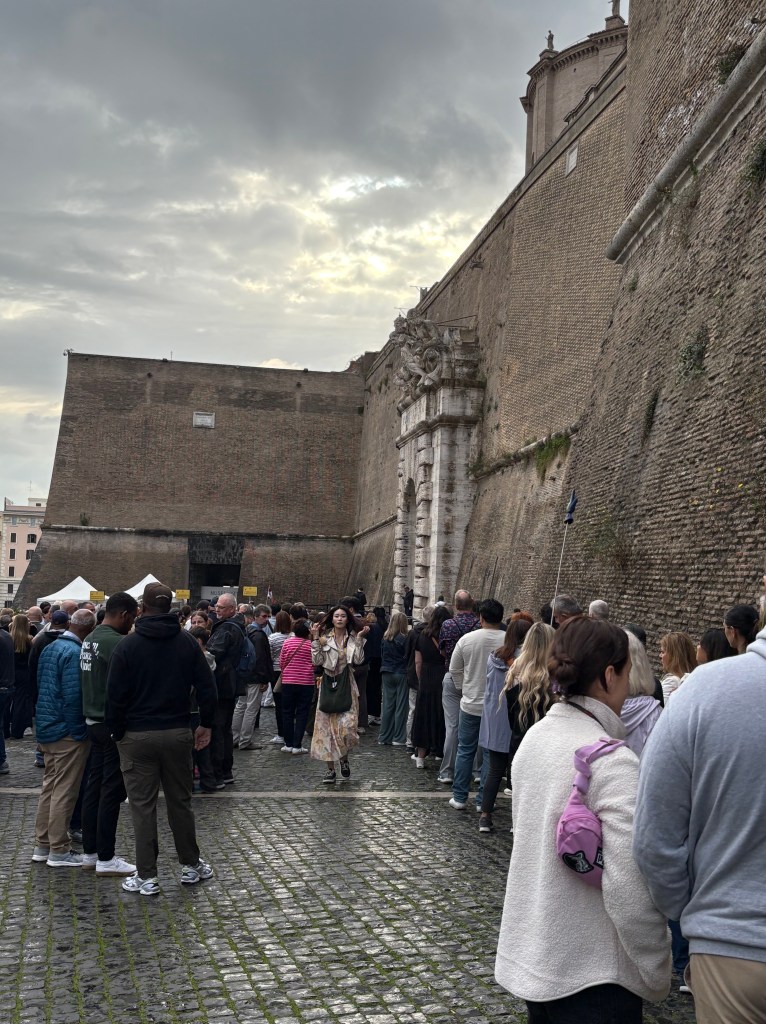


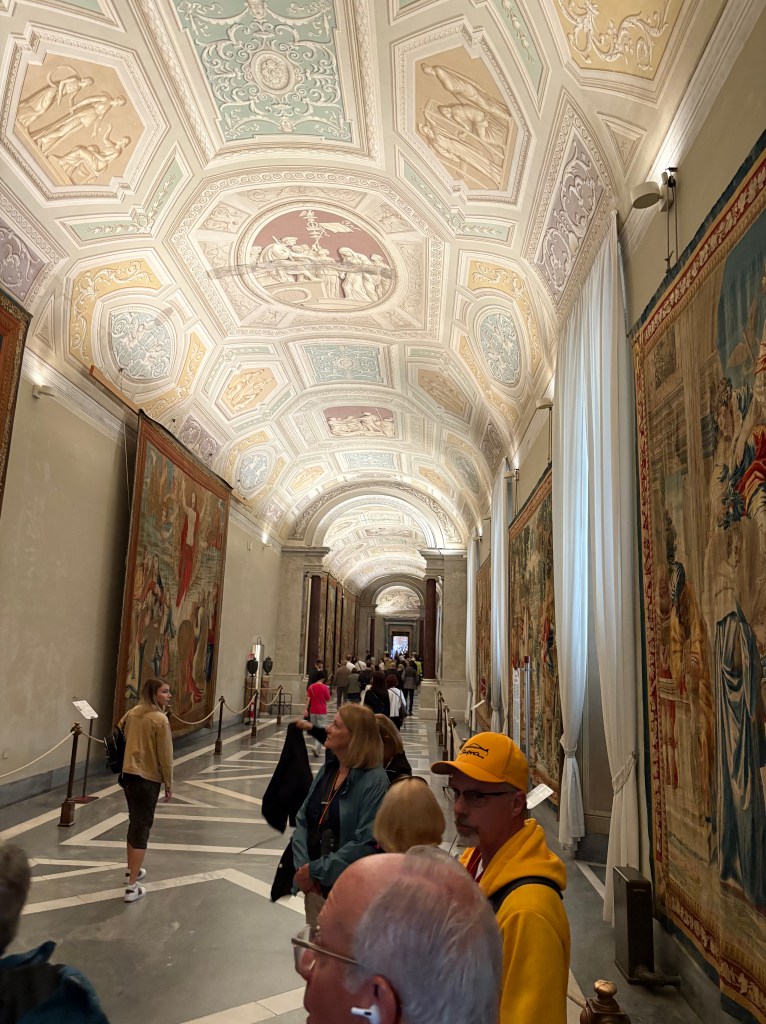
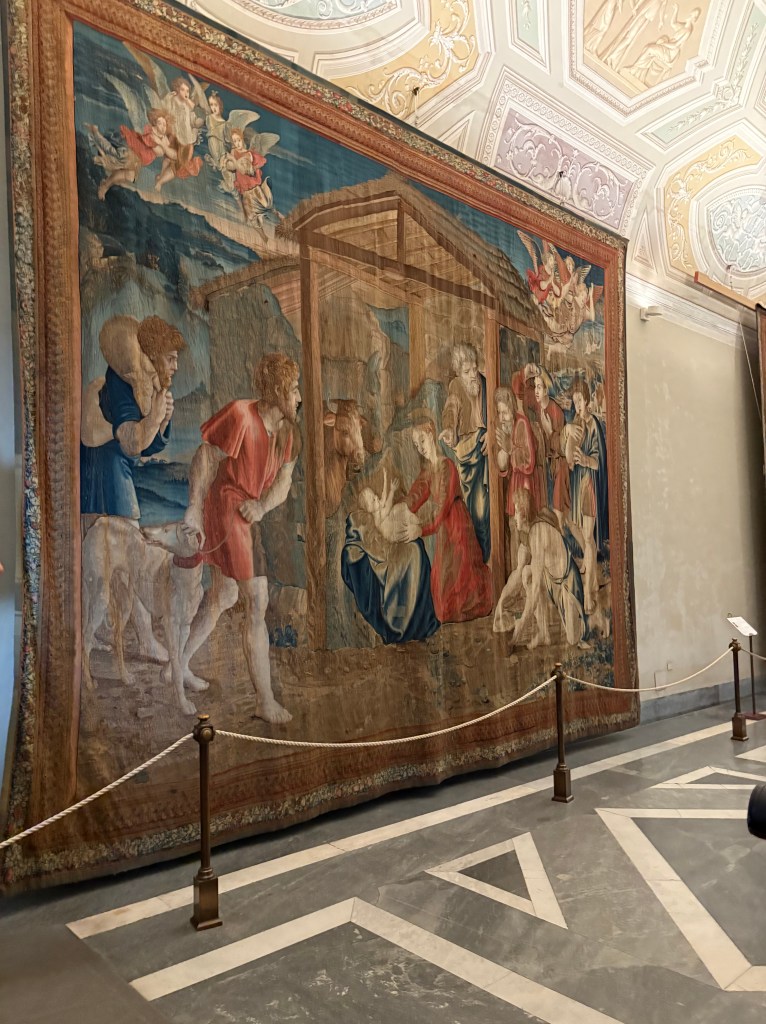
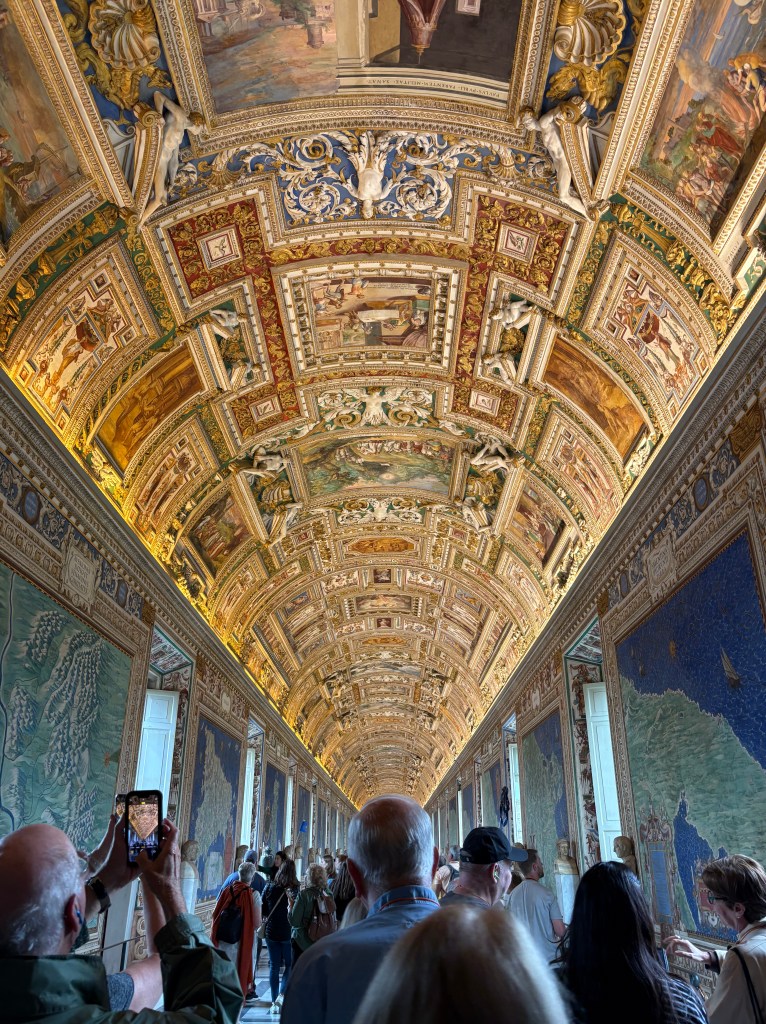
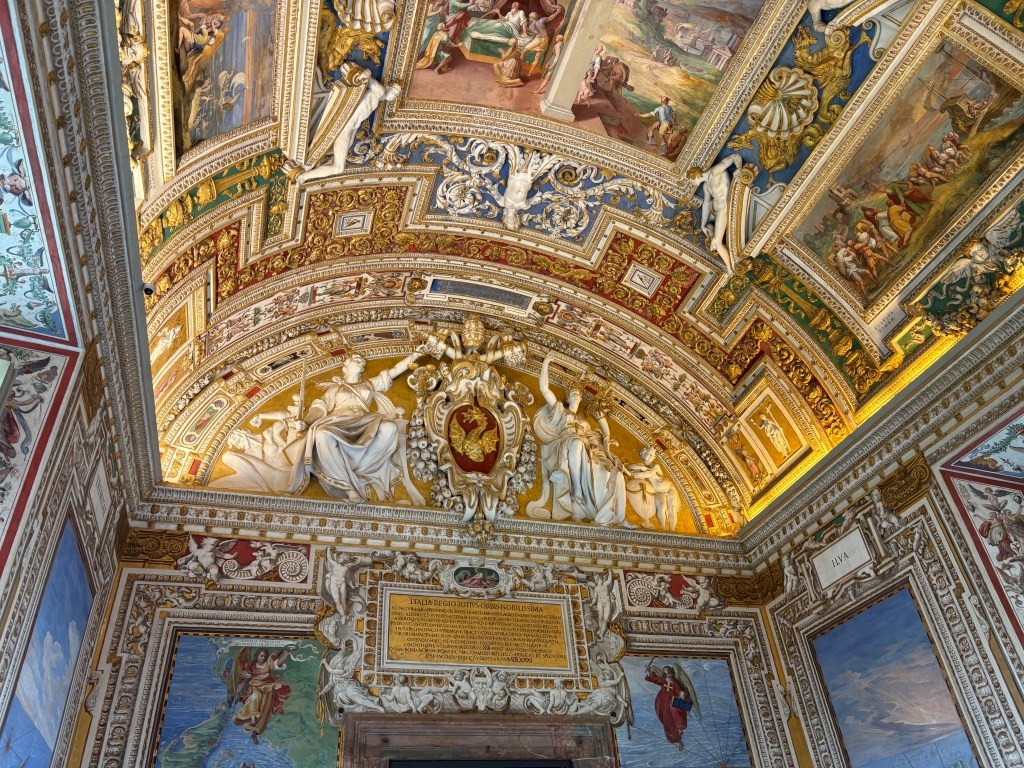
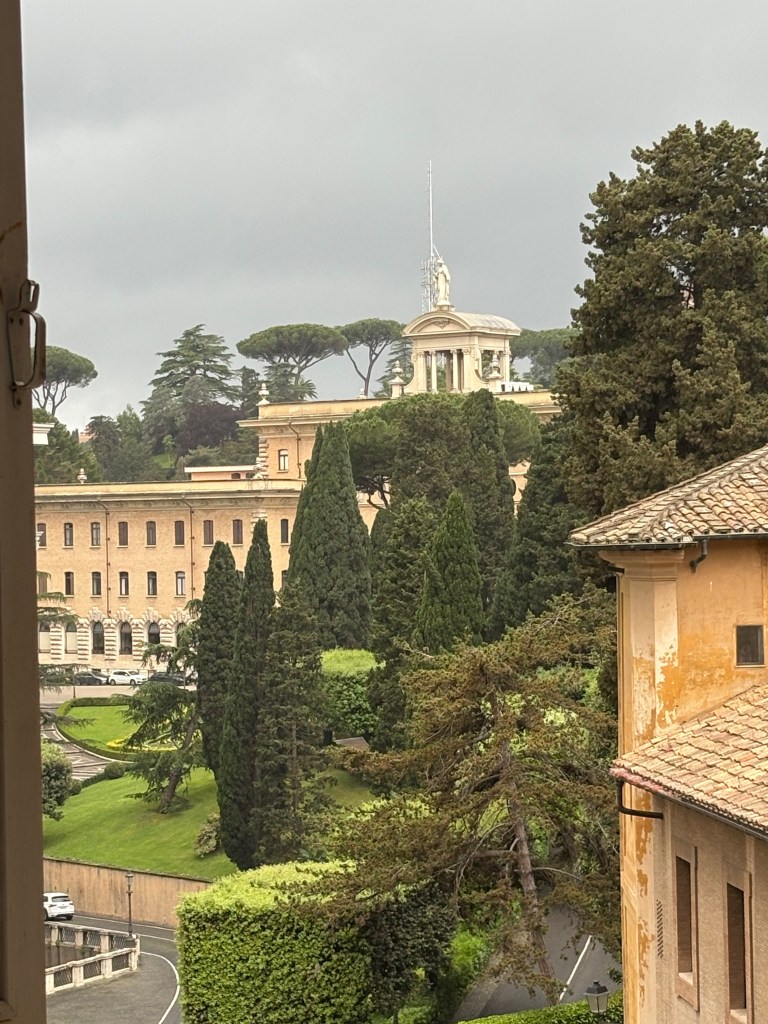


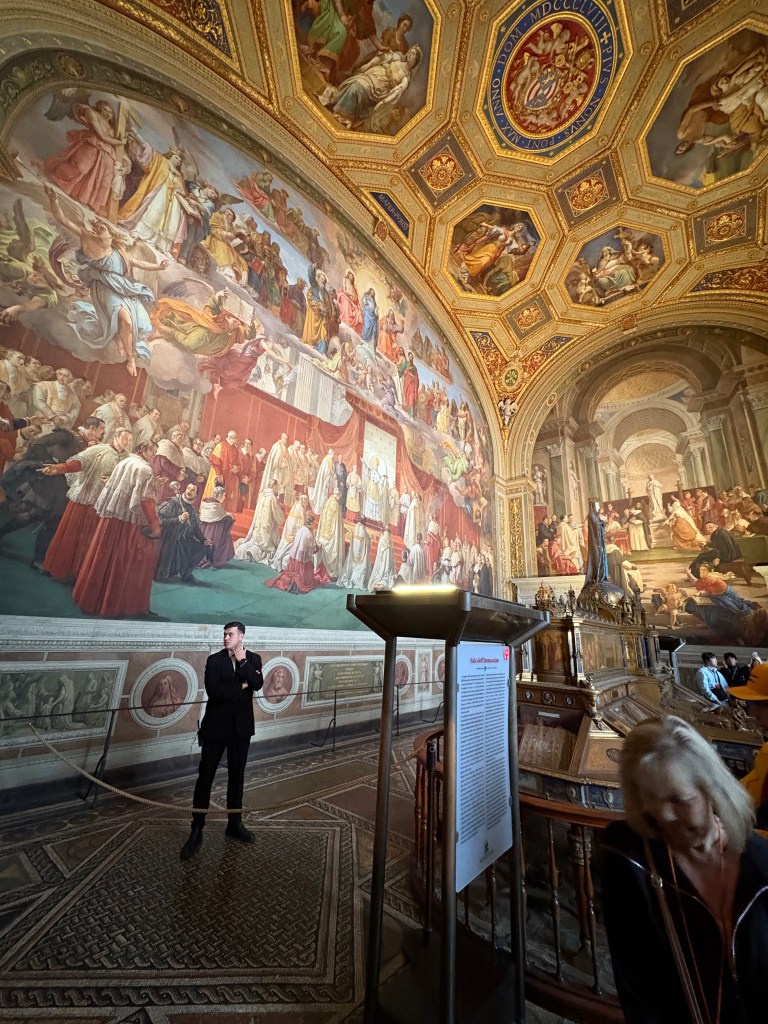


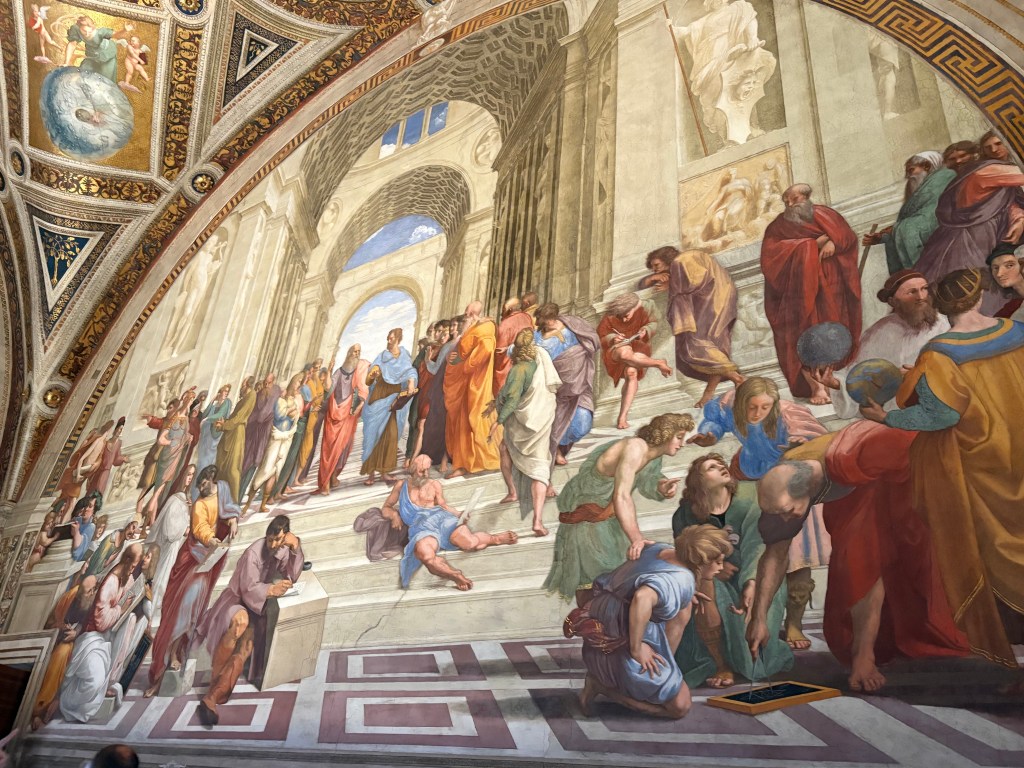
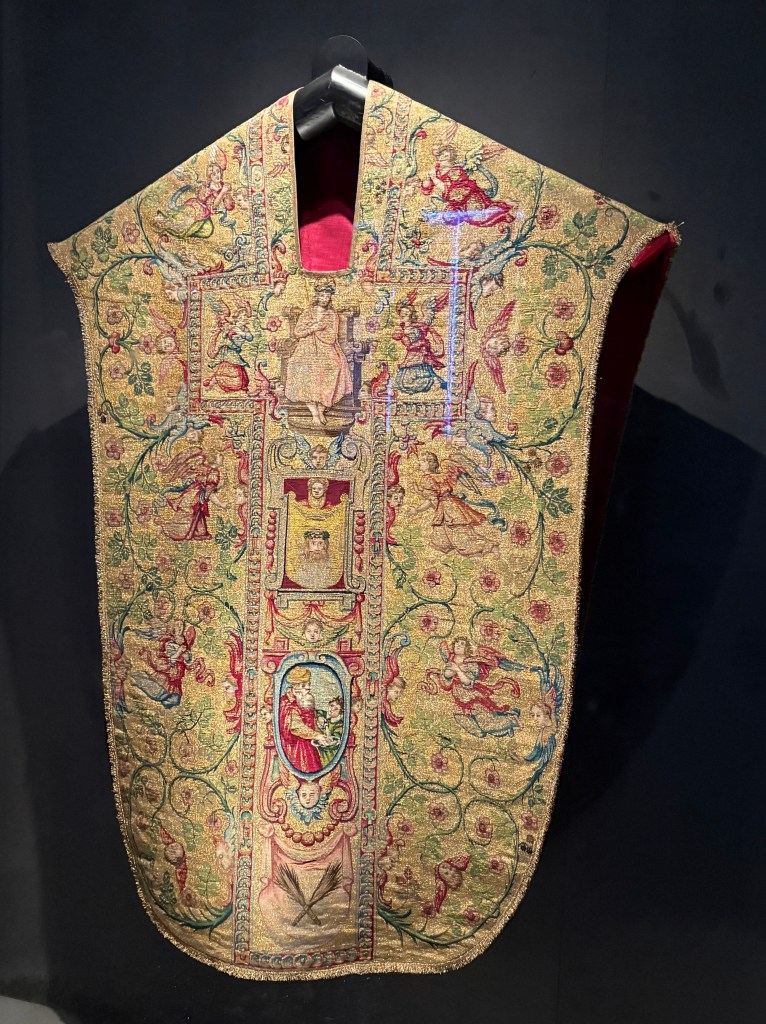


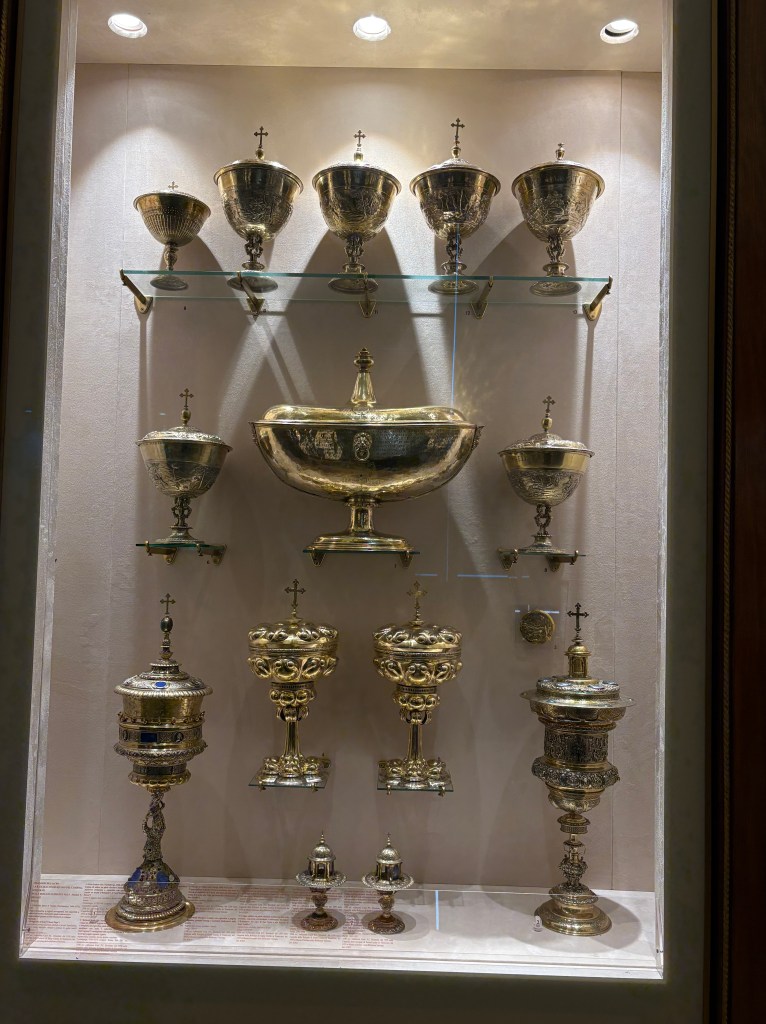

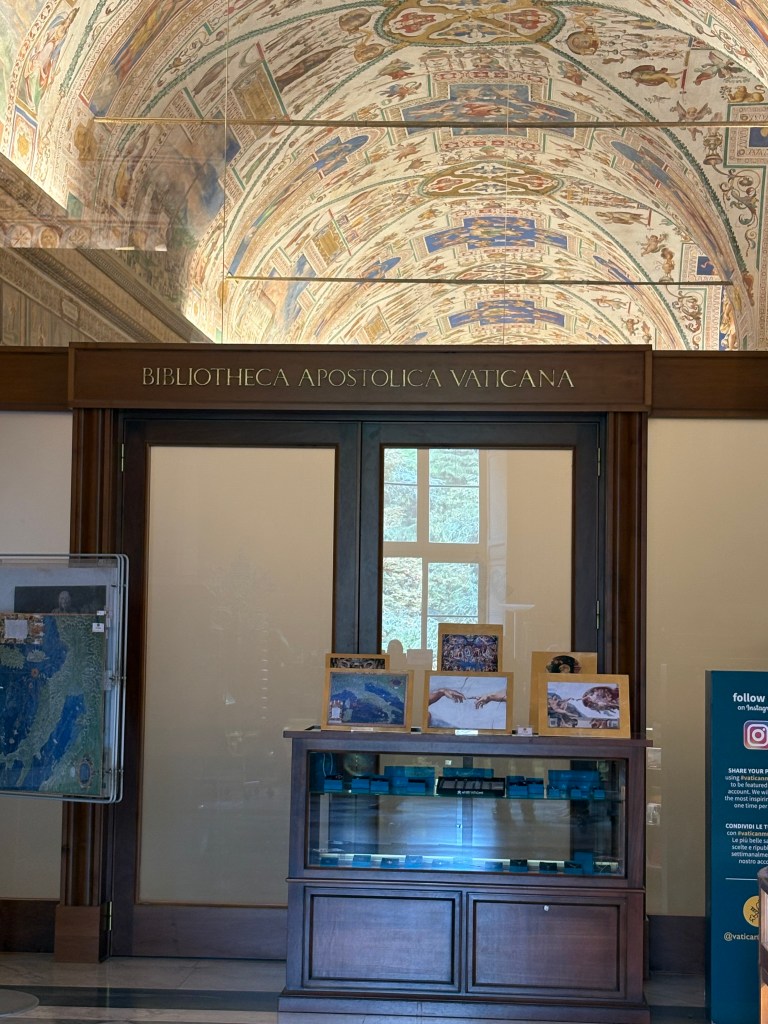
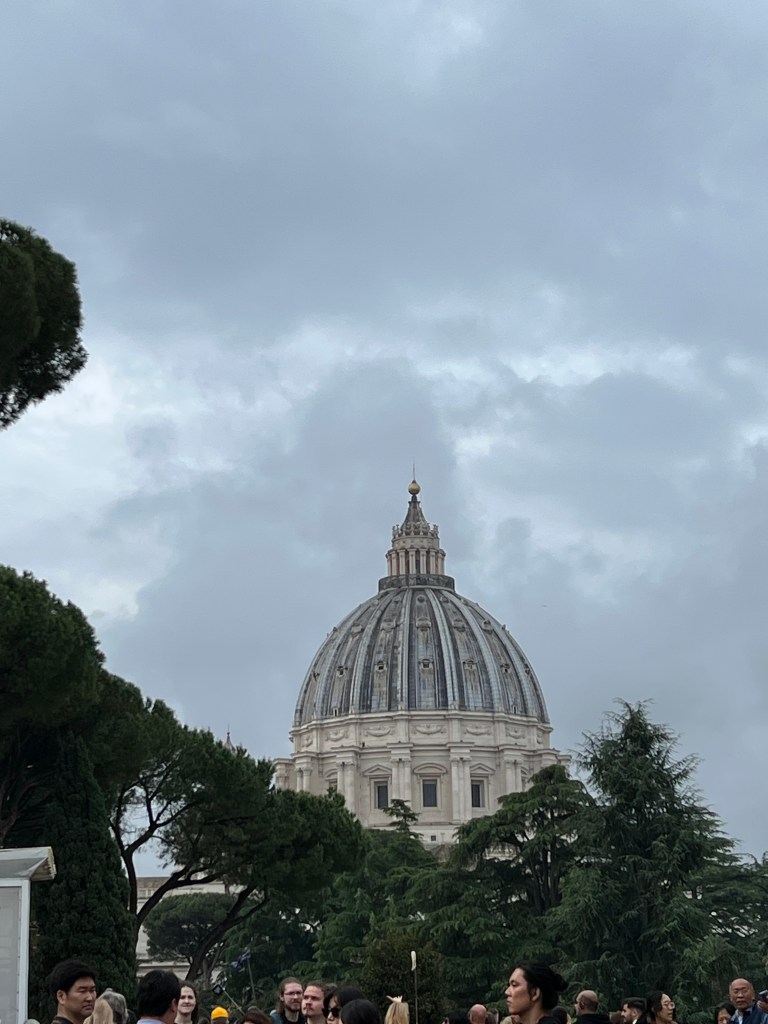
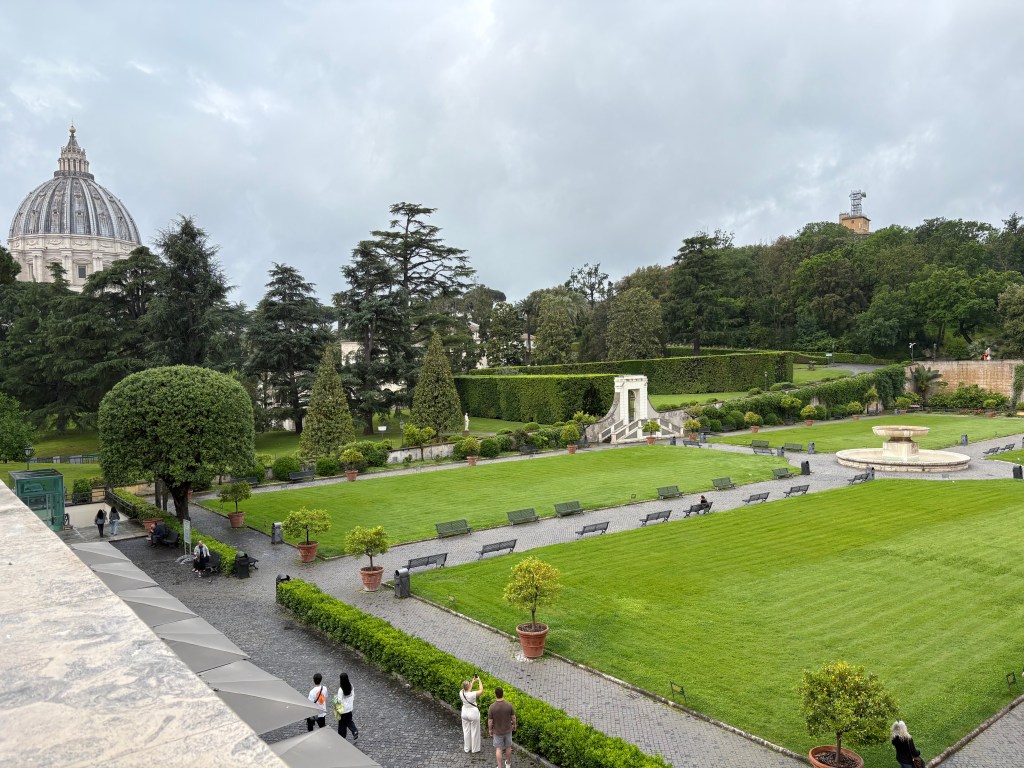
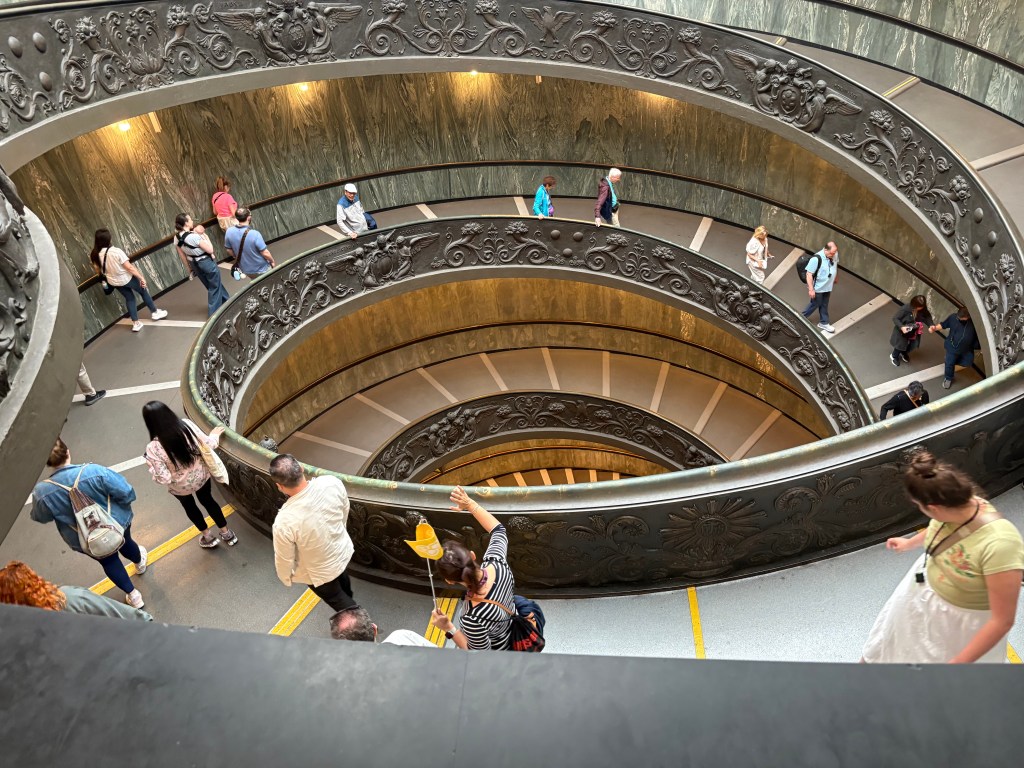
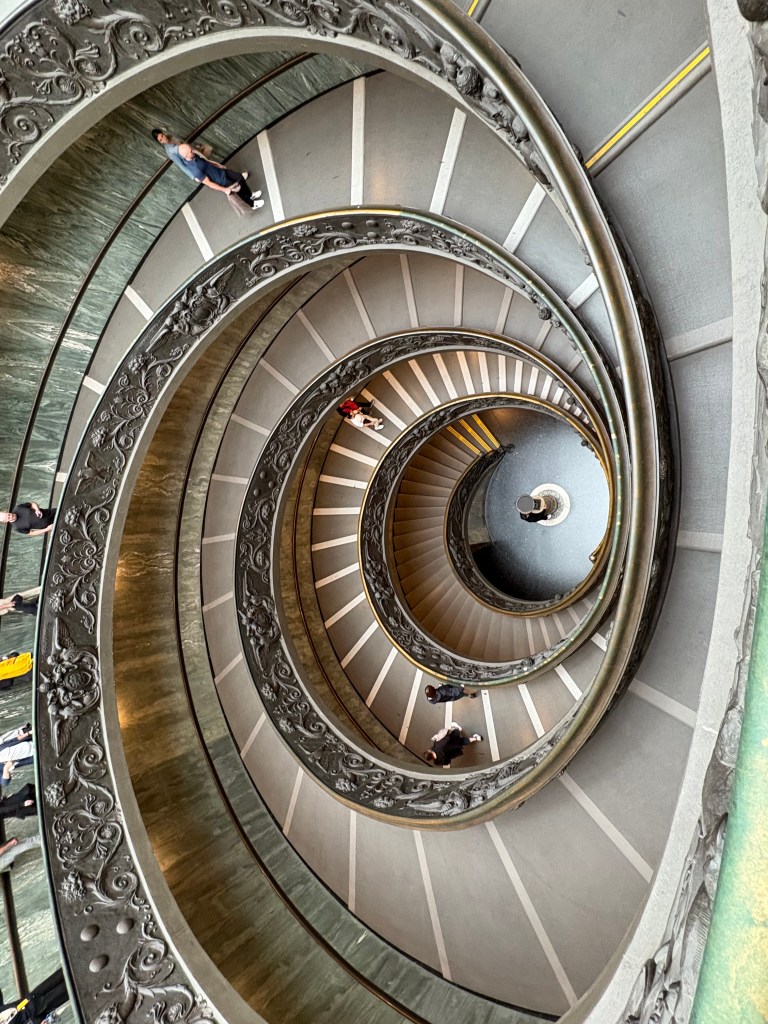

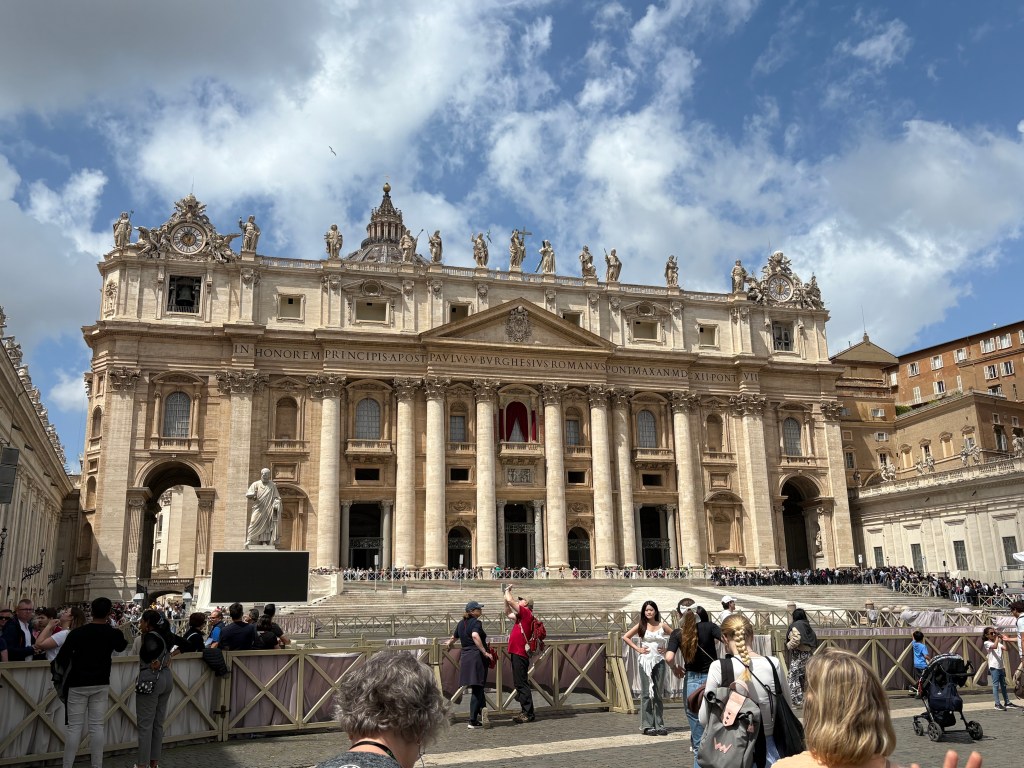
St. Peter’s Square was filled with barriers for the throng of people expected to arrive as the conclave began. A bit of history: from 1656 to 1667, Pope Alexander XII oversaw Gian Lorenzo Bernini’s project of creating this lasting piece of history. Though Bernini’s work on the square-ended in 1667, his pupils continued, adding the 140 statues to the columns in 1670. The Royal staircase was also constructed at a similar time, with these stairs linking the square to the Vatican Palaces.
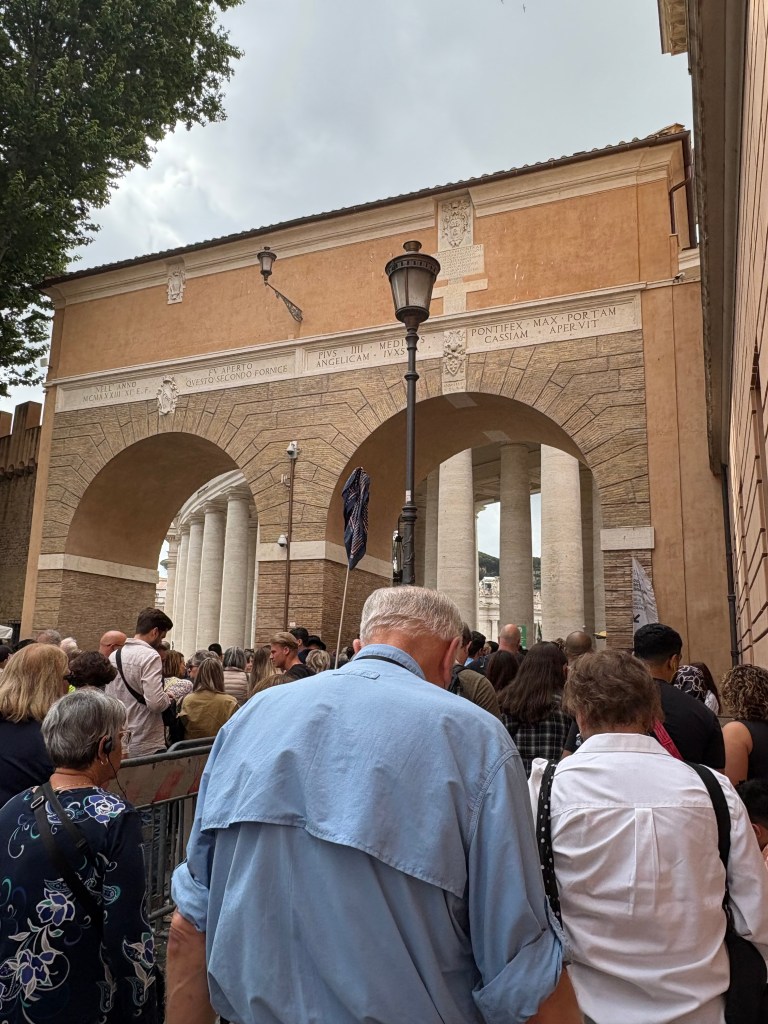
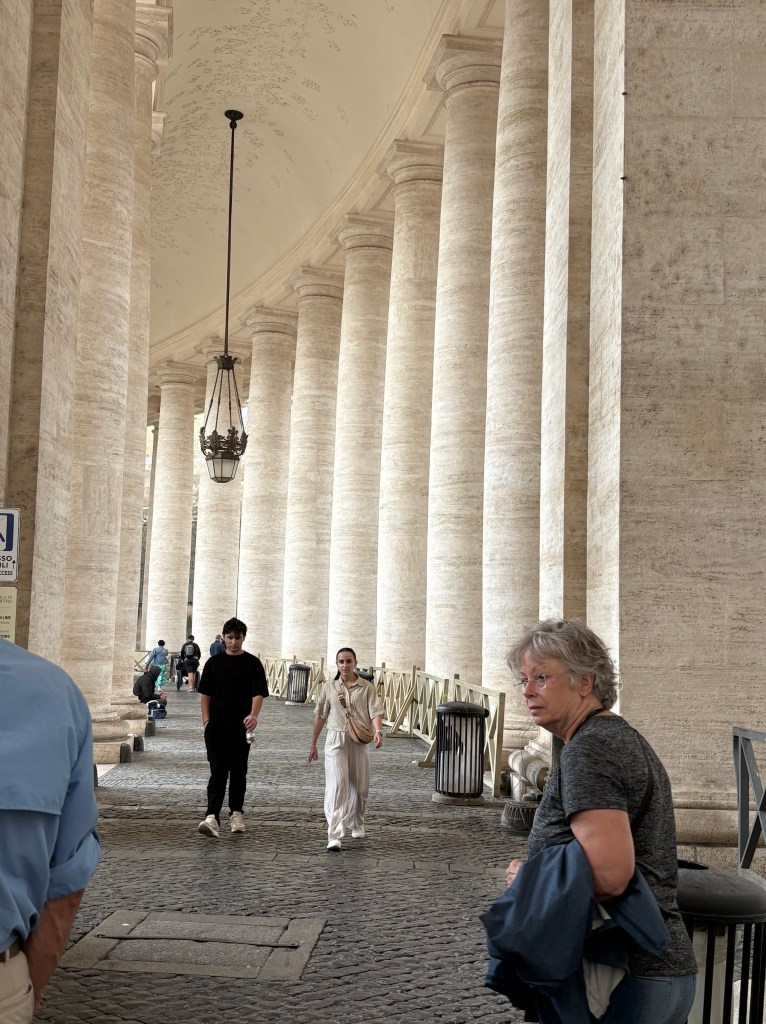
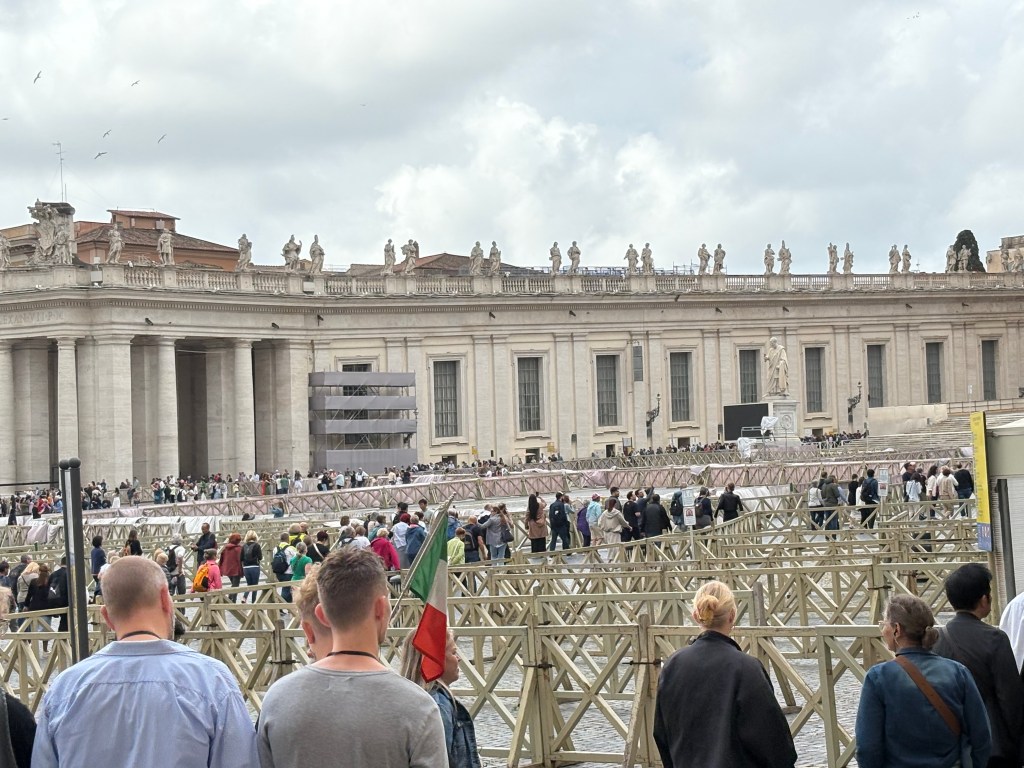
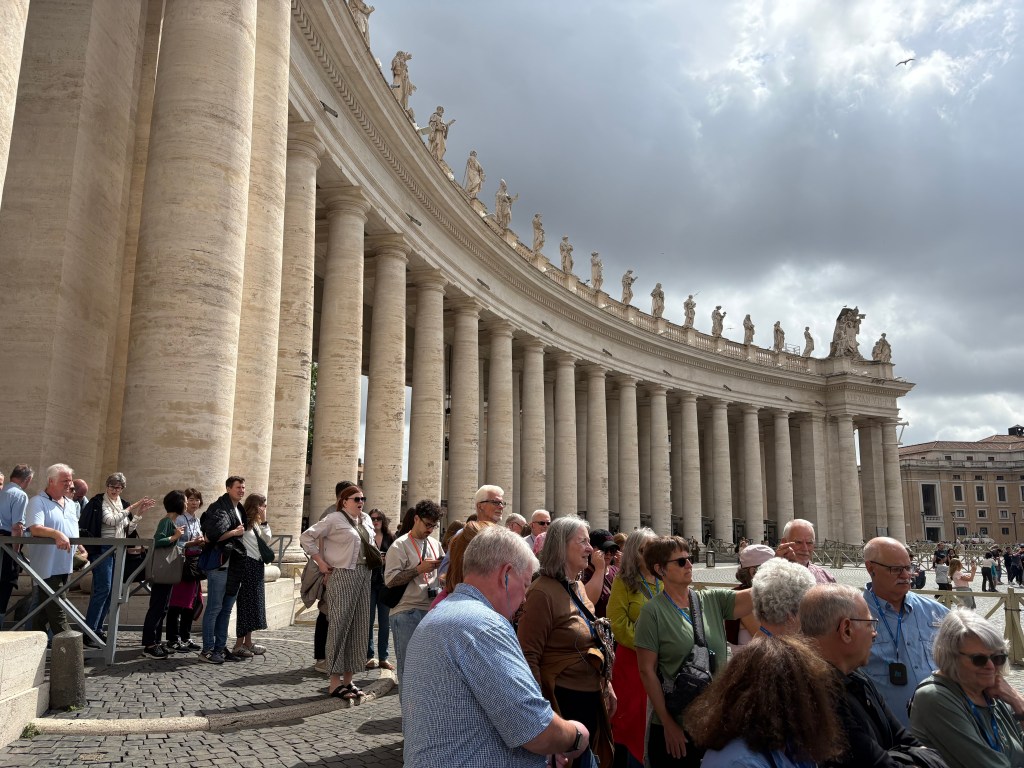


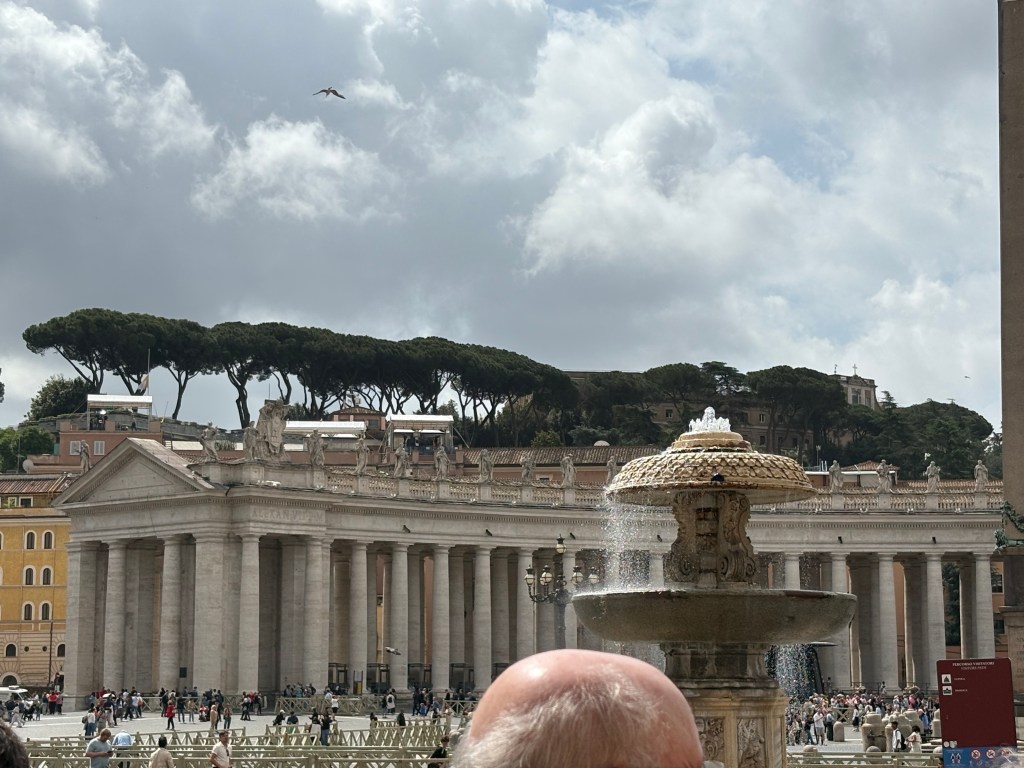
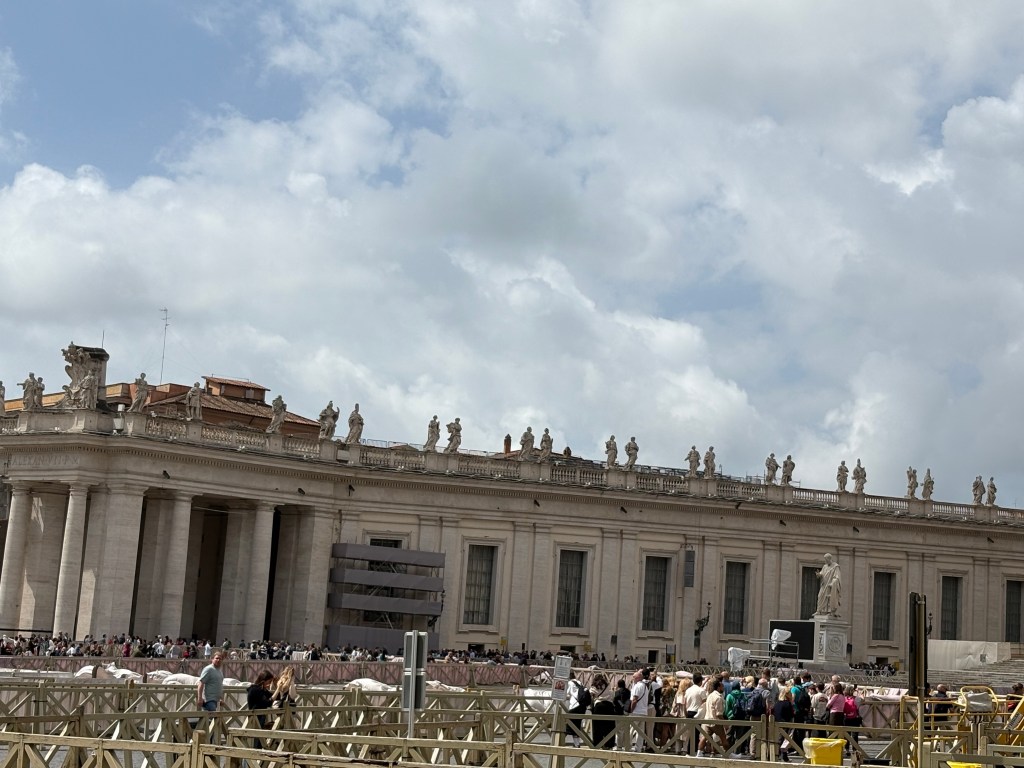
The entire square is a work of art, stretching 320 meters (1,050 feet) long and 240 meters (787 feet) wide. It is so large, St. Peter’s Square can hold more than 300,000 people. One of the most impressive features of the square is its artistic features, with 284 columns and 88 pilasters that edge along the square. The columns are simple pieces created this way to direct your eyes to the front of the basilica. Above the row of columns, there are 140 statues, said to watch over the square and its occupants.
In the centre of the square lie two fountains, one built by Carlo Maderno and the other, by Gian Lorenzo Bernini. Both of these fountains were constructed to create a beautiful and relaxing atmosphere within the square. The Maderno fountain on the north side of the square is located on the site of an earlier fountain, built in 1490 during the time of Pope Innocent VIIII. It was rebuilt in 1612 by Pope Paul V to its modern day appearance. The Bernini Fountain was created during the years he created the square – 1667 to 1677.

However, arguably the greatest installation is the obelisk, nestled in the very heart of the square within the two fountains. This spectacular piece stands at 25 meters (82 feet) high and travelled from Egypt to Rome in 37 AD by Emperor Caligula. When it first stood in Rome, it was not a religious symbol, but instead a feature to the Roman Emperor. Only travelling to the square in 1586.

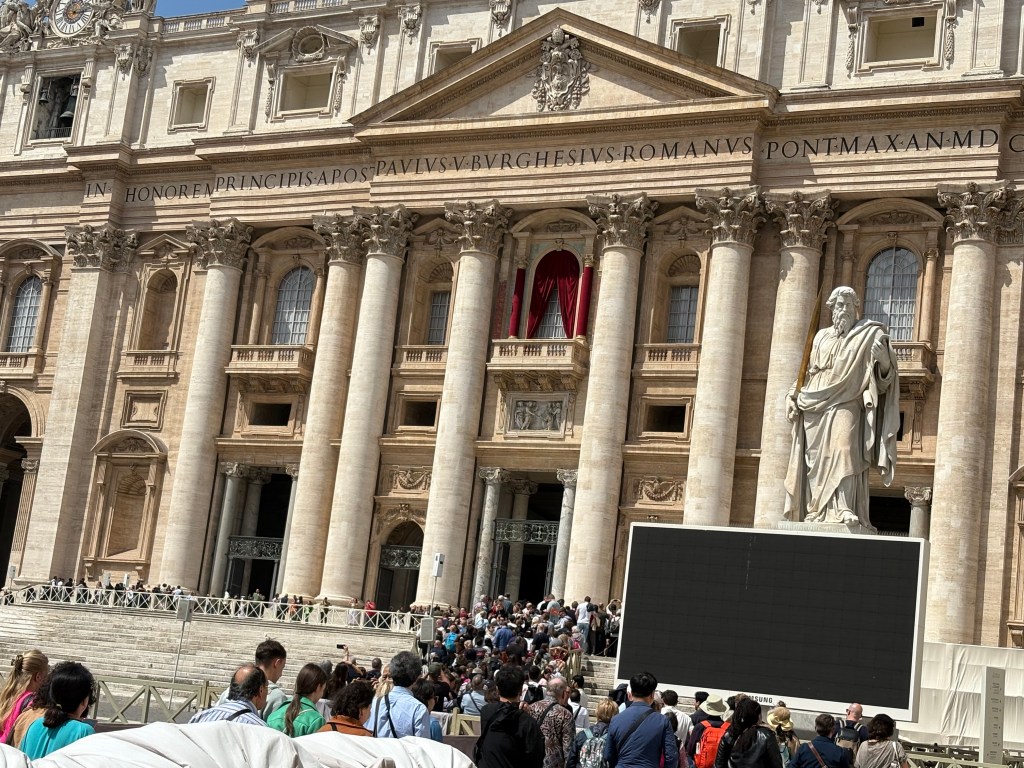

St. Peter’s Basilica is the largest Christian church in Europe and is considered to be one of the grandest cathedrals in the world. What’s more, it took more than a century to build and it displays the unparalleled works of great Renaissance’s architects. It is considered one of the Catholic churches’ holiest temples that’s widely visited by thousands of pilgrims each year and is also the destination preferred by travellers because of its imposing architecture. It has the world’s largest dome that was flawlessly designed by Michelangelo, one of the greatest Italian Renaissance artists. The church is beautifully surrounded by an elliptical colonnade with two pairs of Doric columns, each with ionic entablatures. The stunning travertine front façade with impressive order of colossal Corinthian columns of the church enhances the magnificence of the monument. These 27-meter (ninety foot) columns are topped by statues of Christ flanked by the apostles.
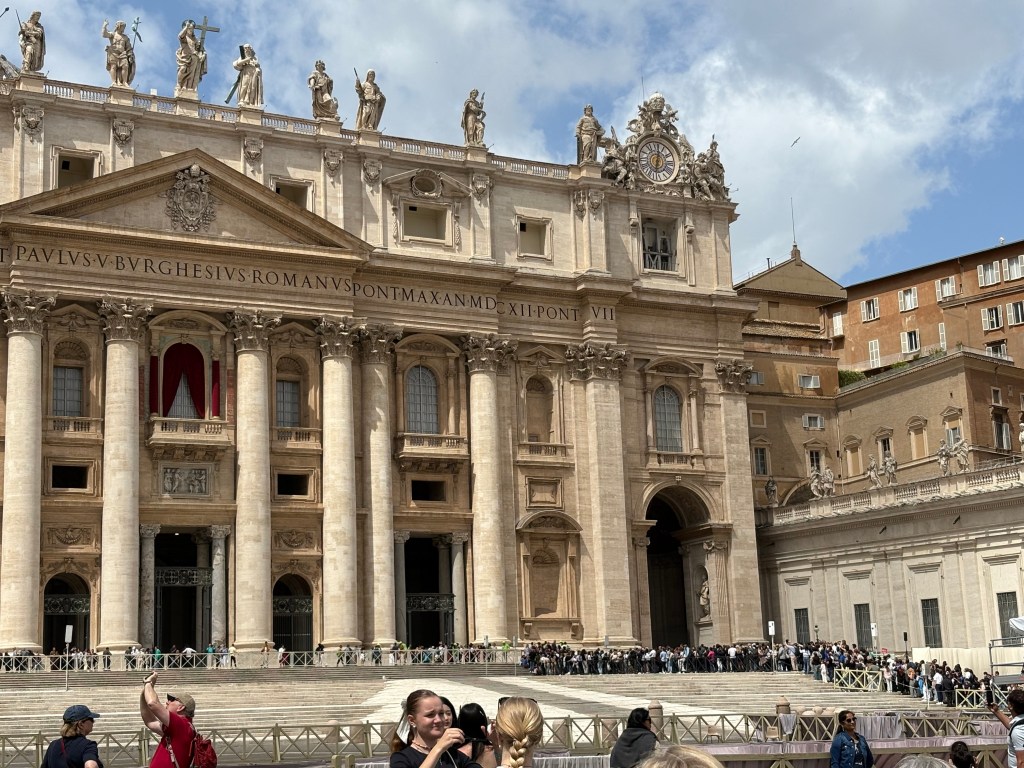
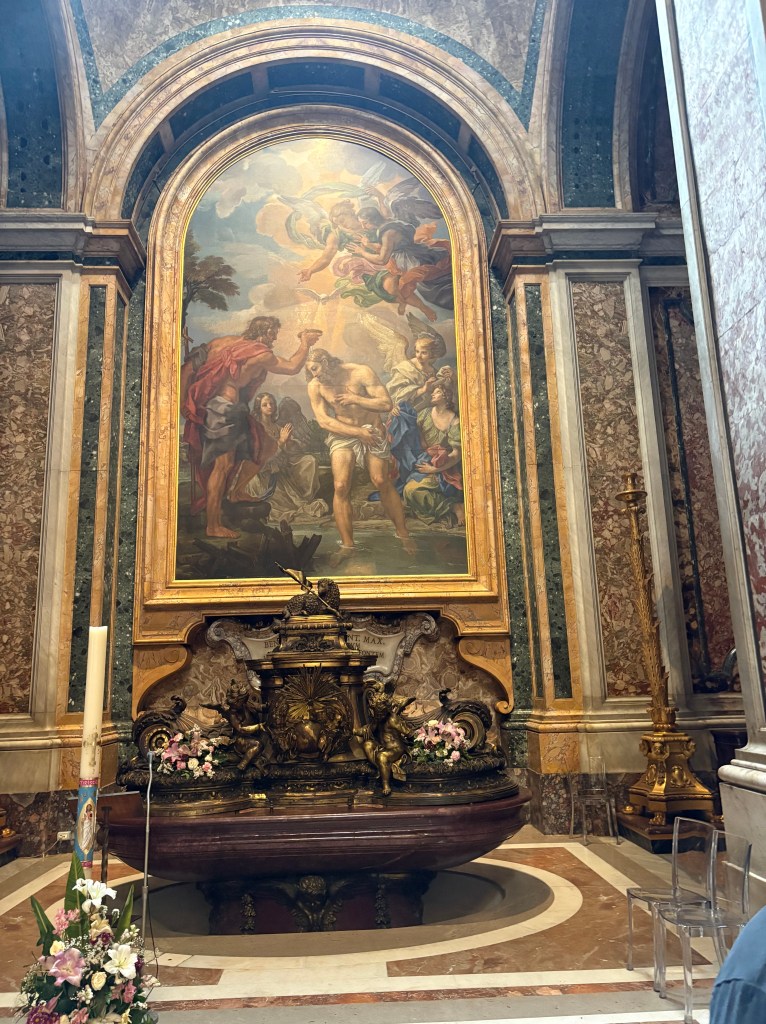

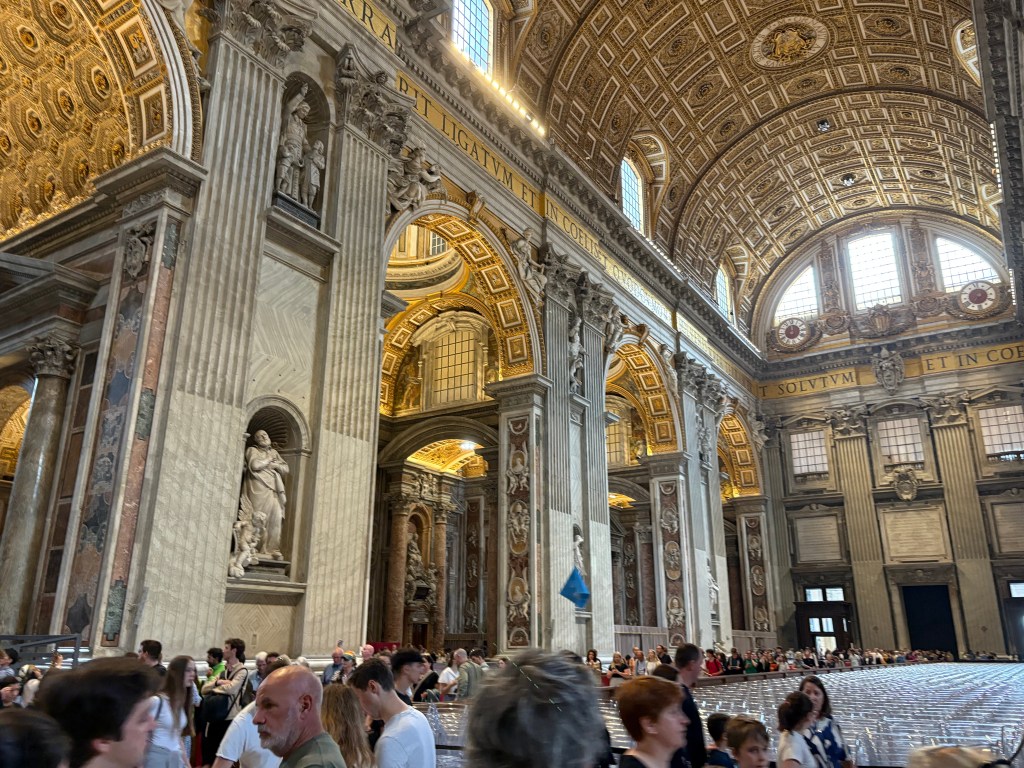
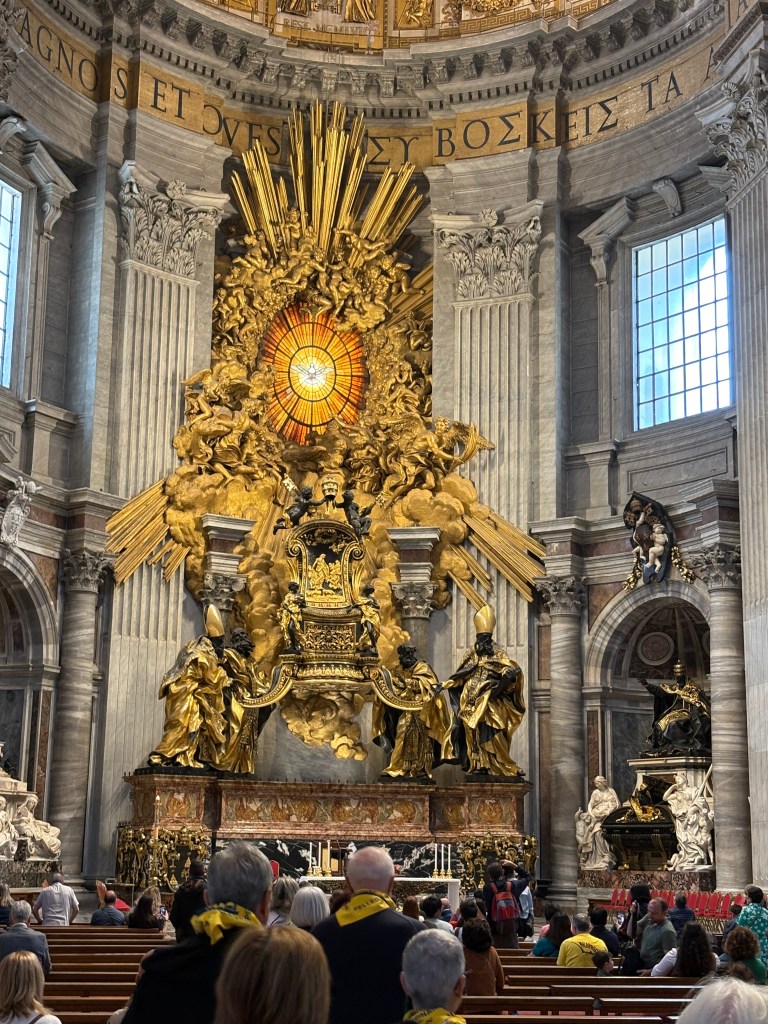
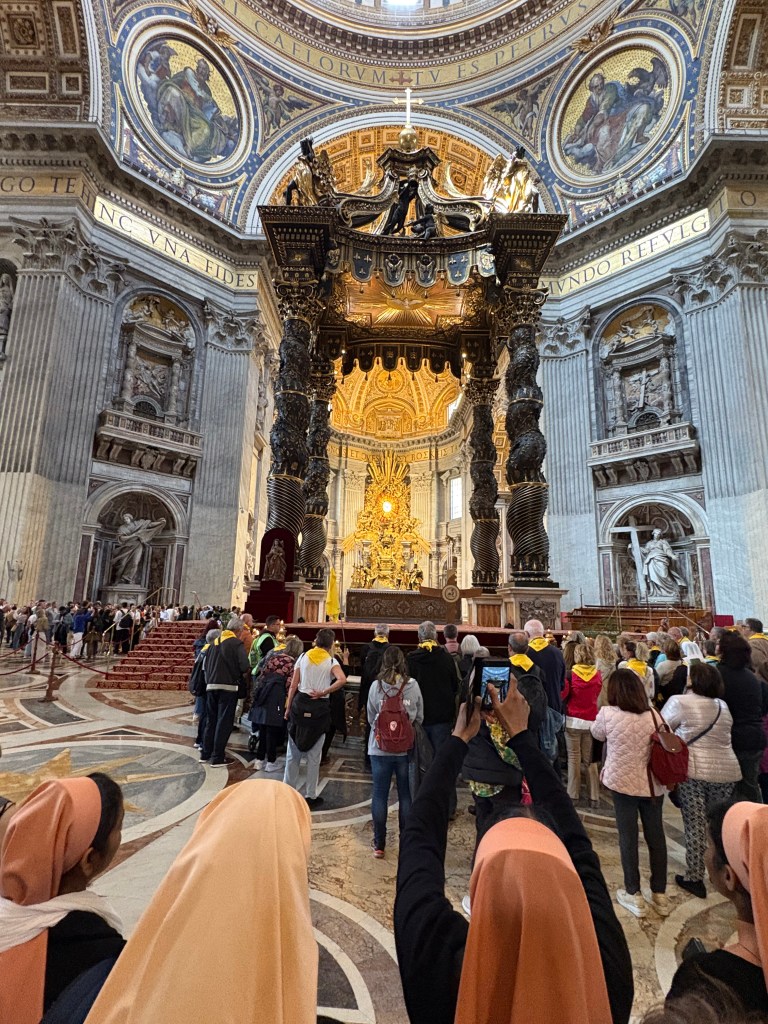

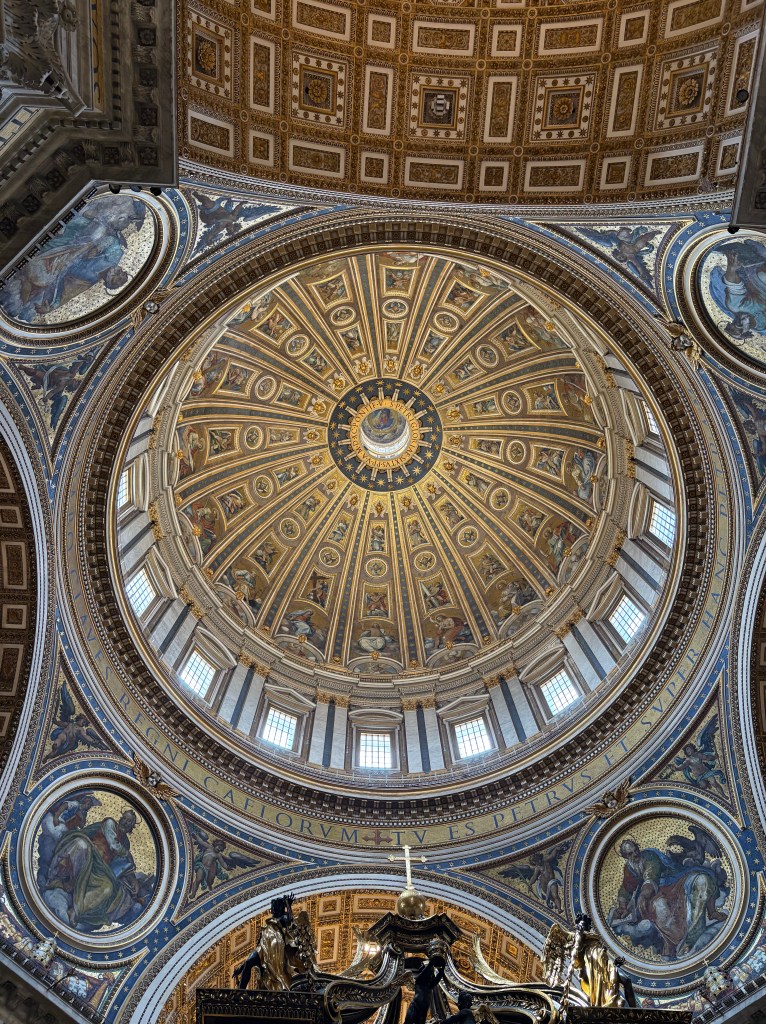
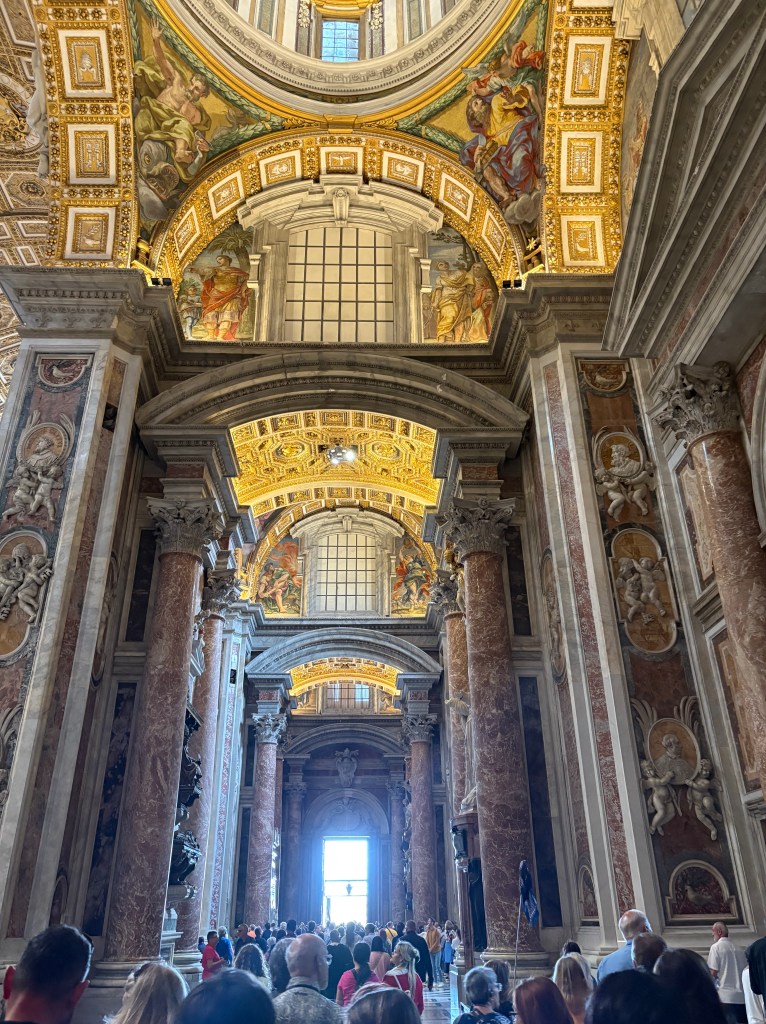
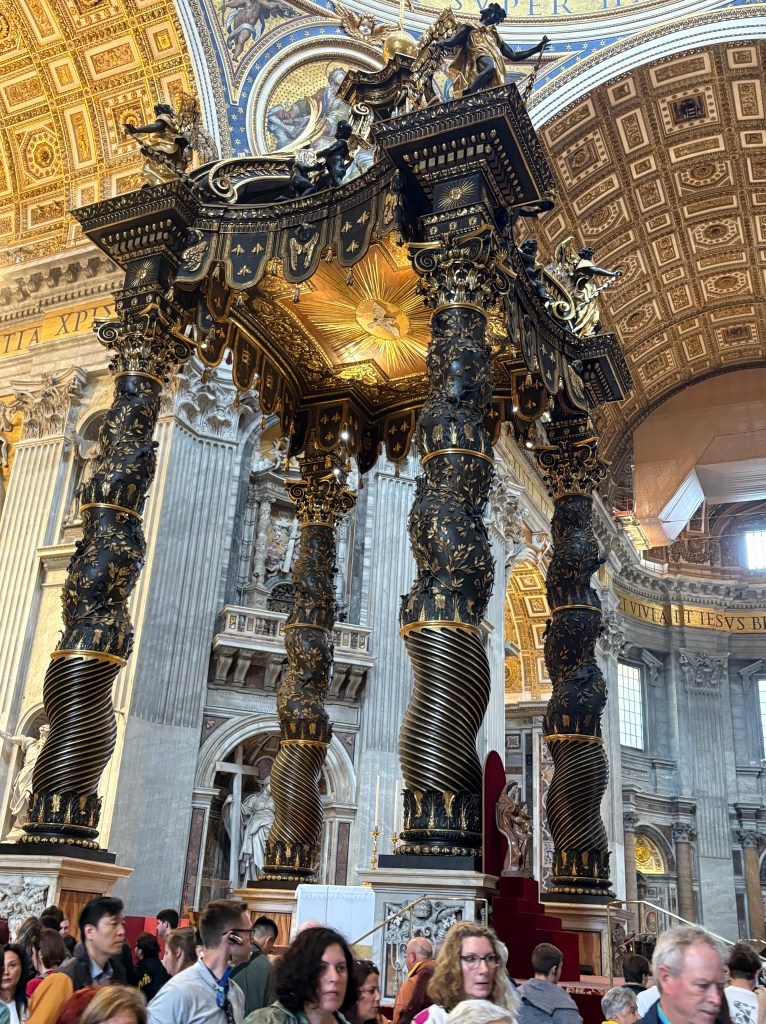

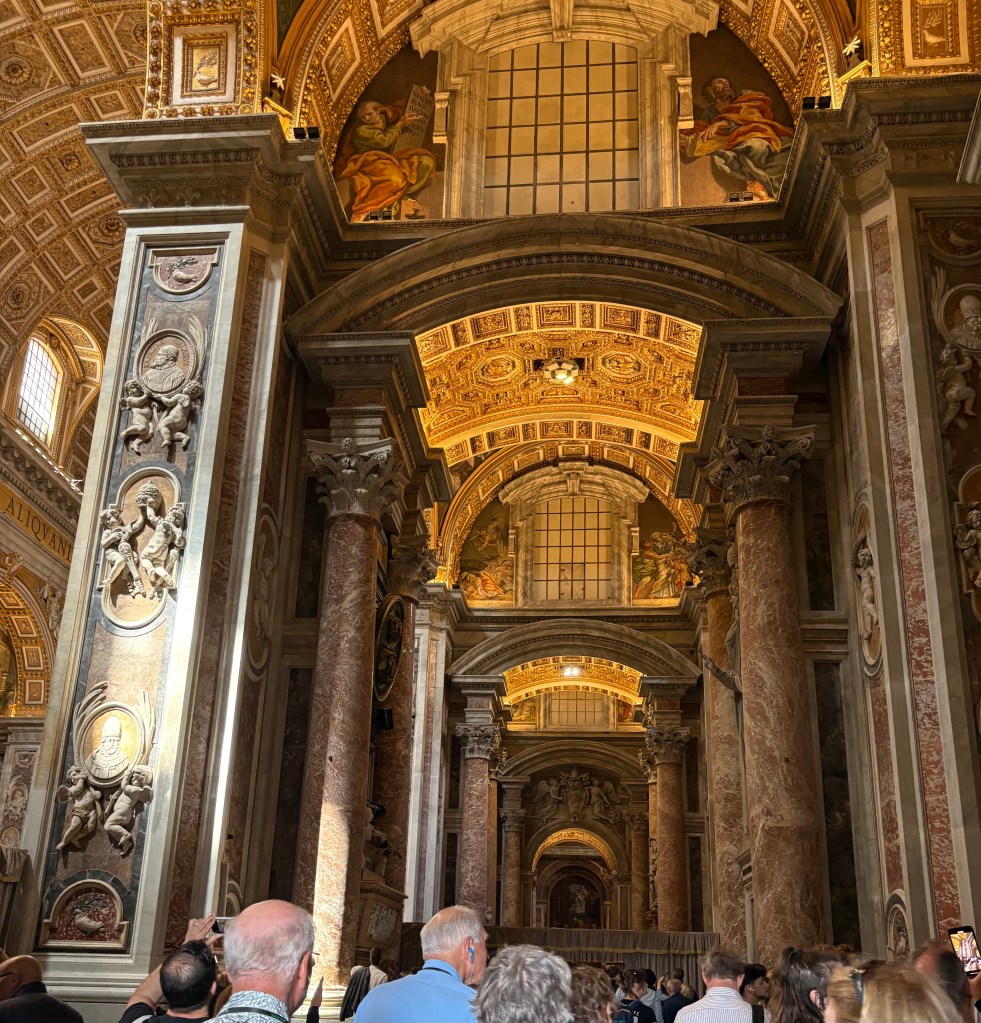
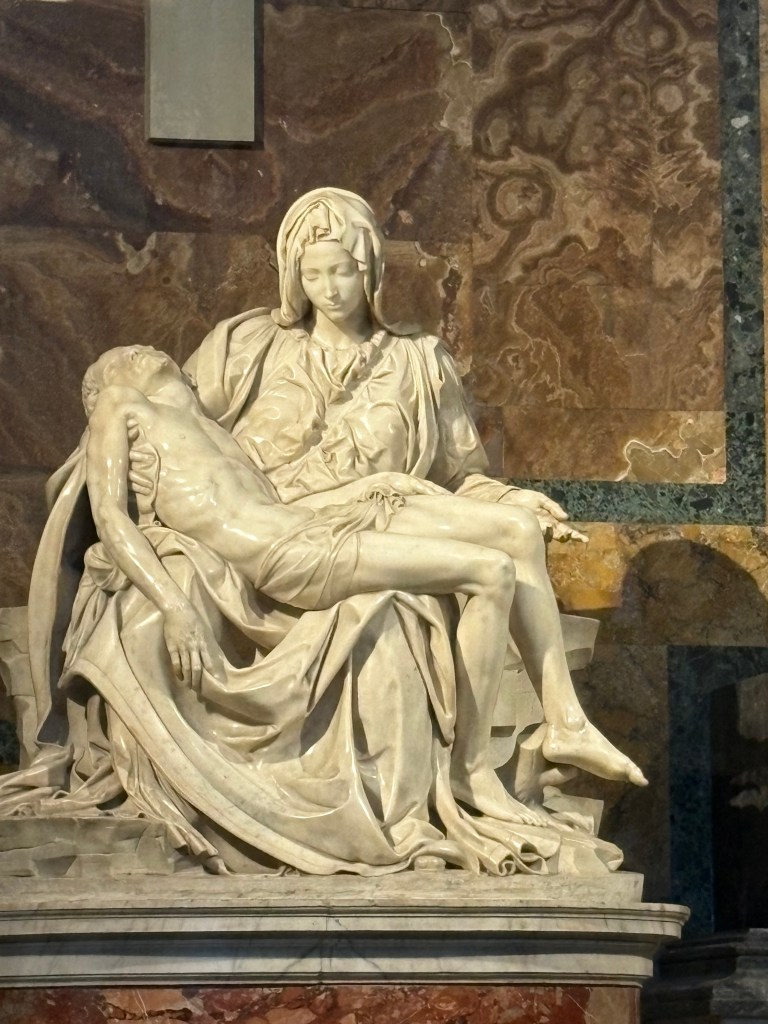
Once inside the church, the Baroque architecture is totally overwhelming to experience. The interior of the Basilica is also elaborately decorated with intricate mosaics that give an illusion of beautiful, lavish paintings. Additionally, the 26-meter (85 foot) high bronze canopy over the main altar and right beneath the dome is a marvellous magnum opus in itself. With coloured marble incrustations, mosaic decorations and stucco figures, St. Peter’s Basilica boasts of some incredible artistic ingenuity like the gorgeous sculpture of the Pietà carved by Michelangelo. The sheer enormity of this building is hard to imagine, however, in one of the photos below with lettering including “O Petre…” is 9 feet tall in order to be read from the floor. Also located in the basilica is the body of Pope John XXIII. On June 6, 1963, John XXIII was buried in a sarcophagus of travertine marble in the Vatican Grottoes where many popes are buried, however, since June 4, 2001, his body has been laid out in a glass sarcophagus under the altar of St. Jerome in the Basilica.

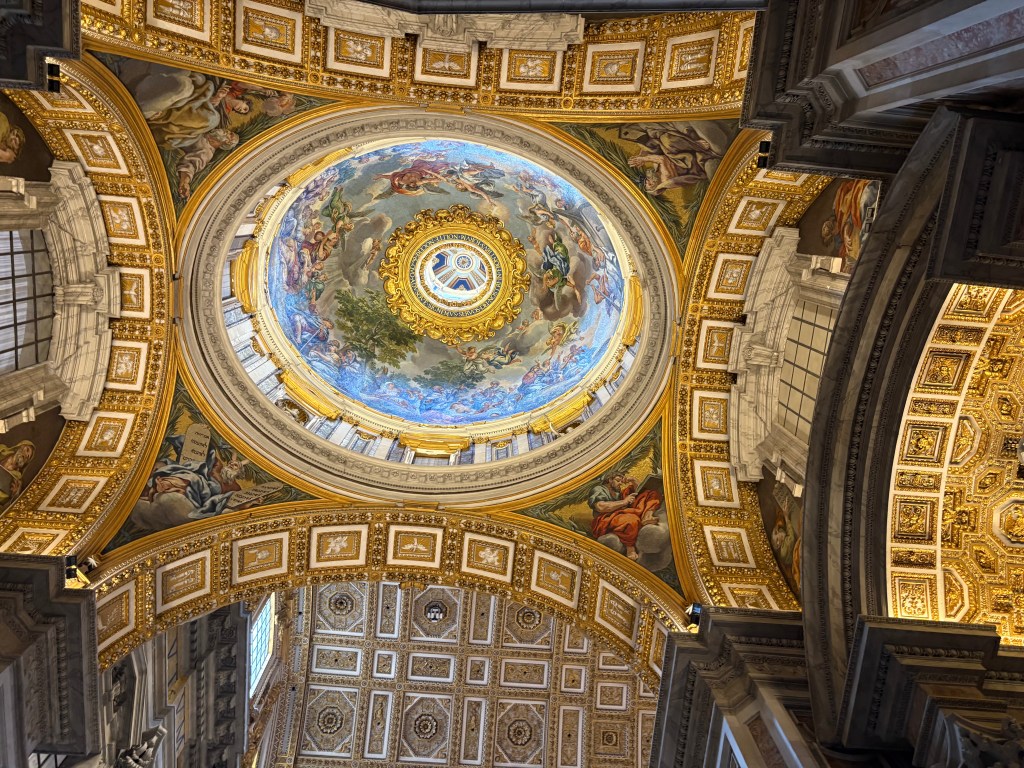
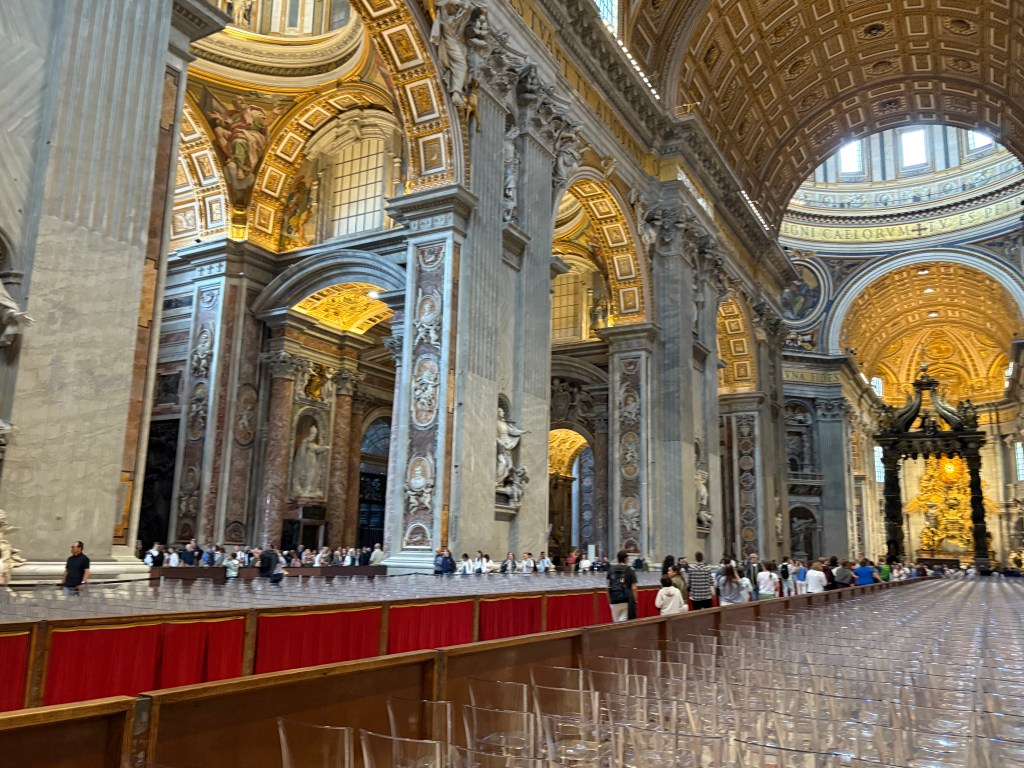


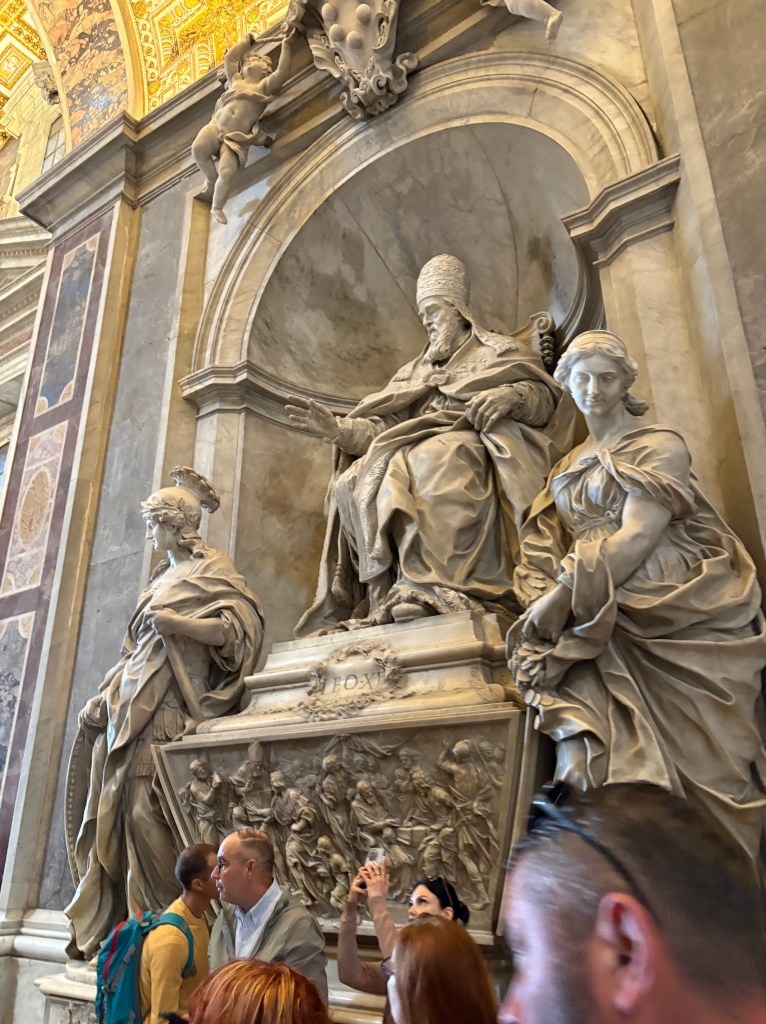

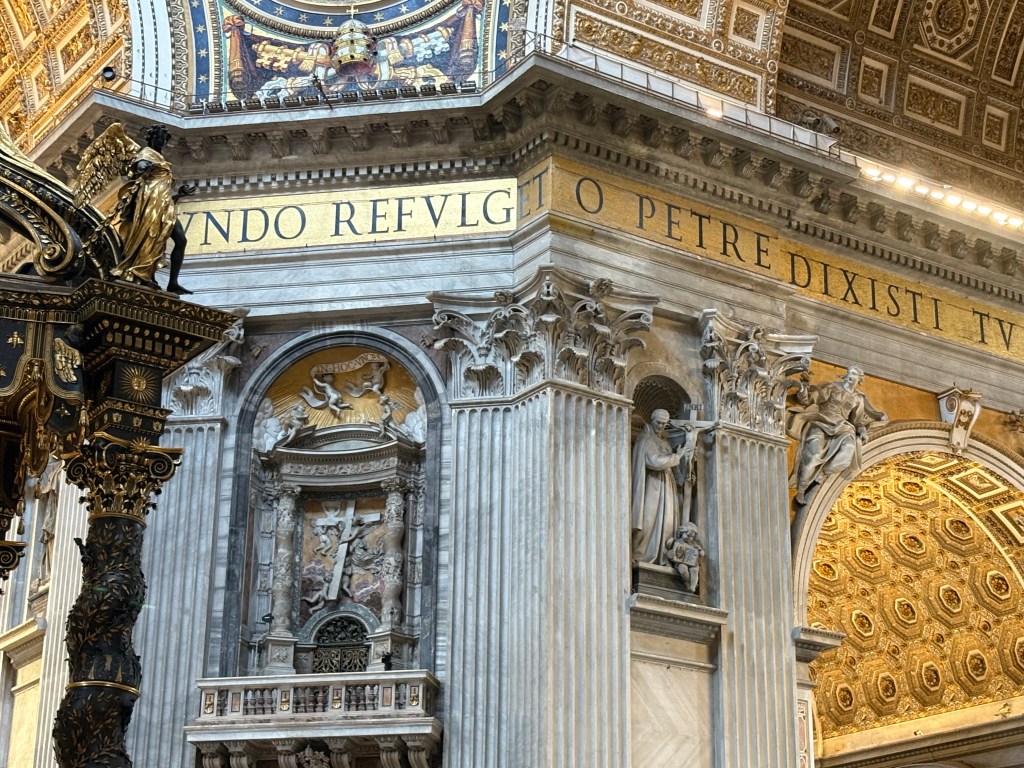

As you can imagine, there was a lot of activity surrounding Vatican City and the Square with lots of press and media, lots of cardinals, tons of clergy and religious and generally, an air of urgency, sadness and anticipation. The newly installed chimney stack was pointed out to us, the windows blocked out in the Sistine Chapel and the secure news media areas in the Square.
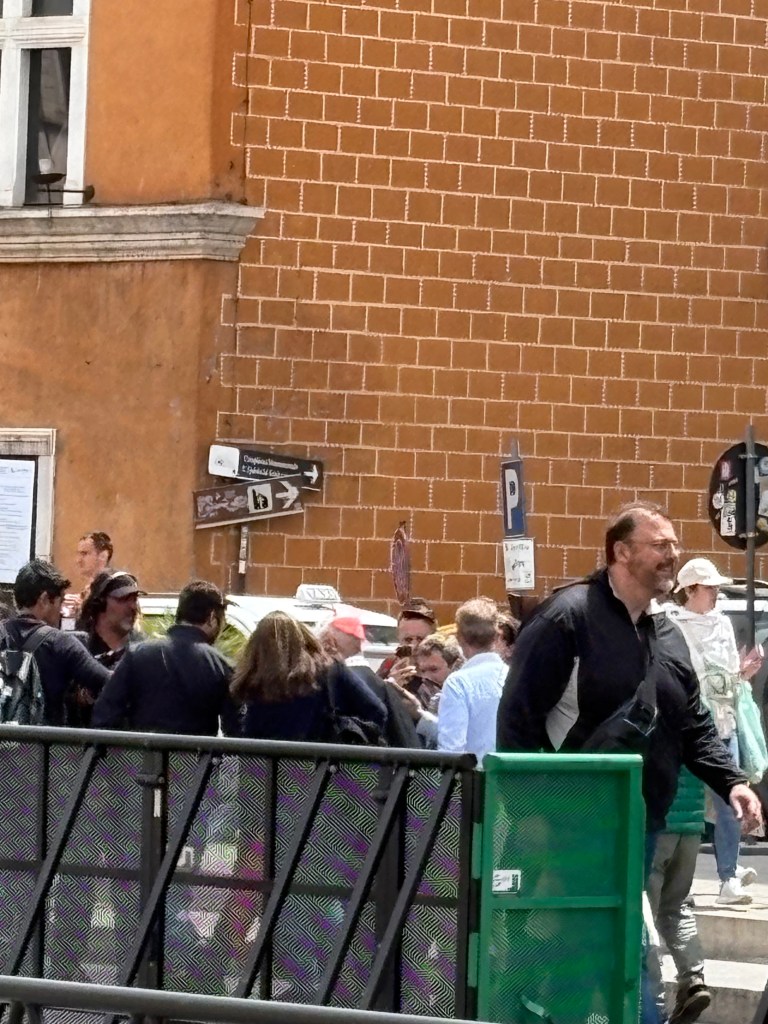
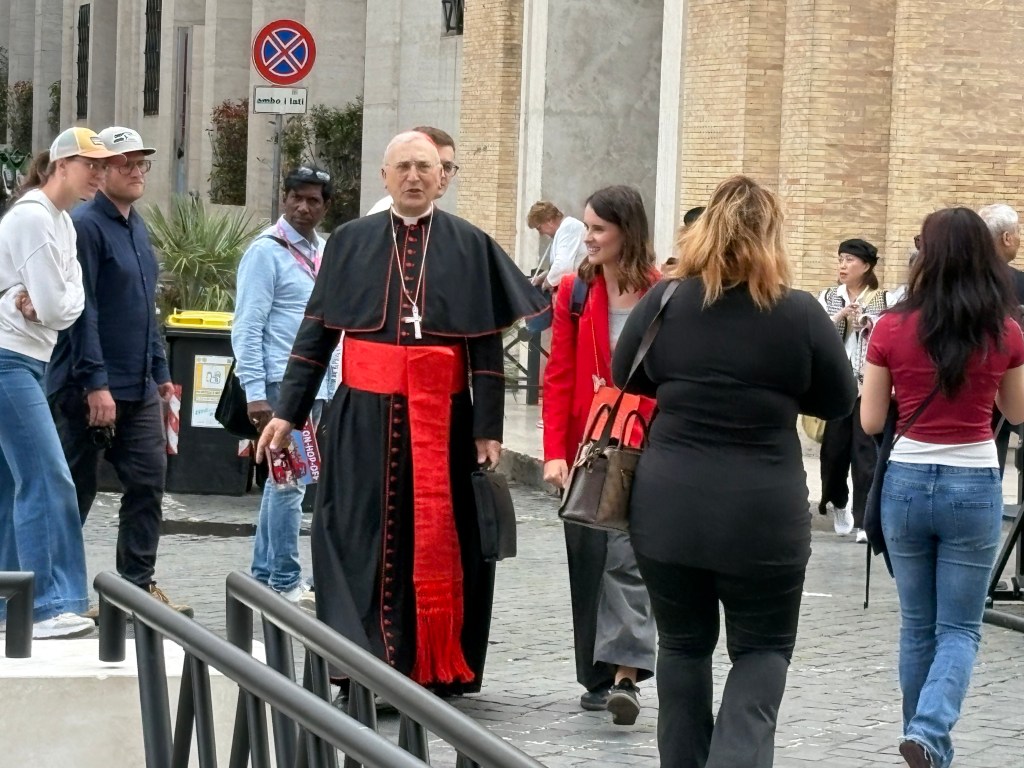
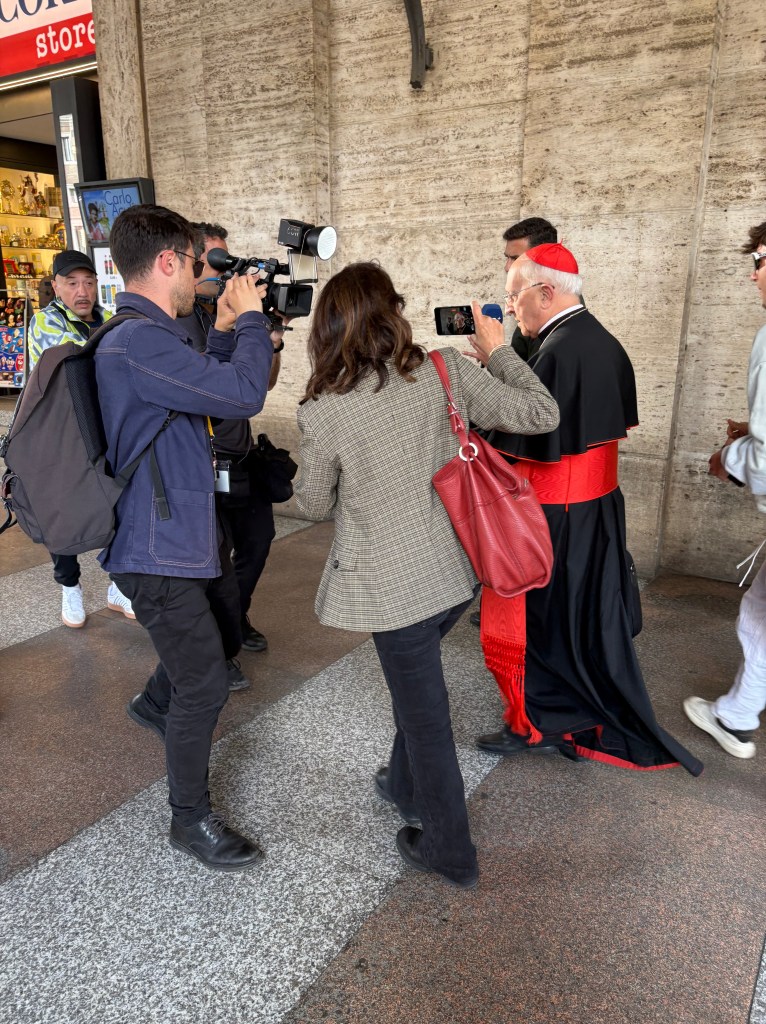
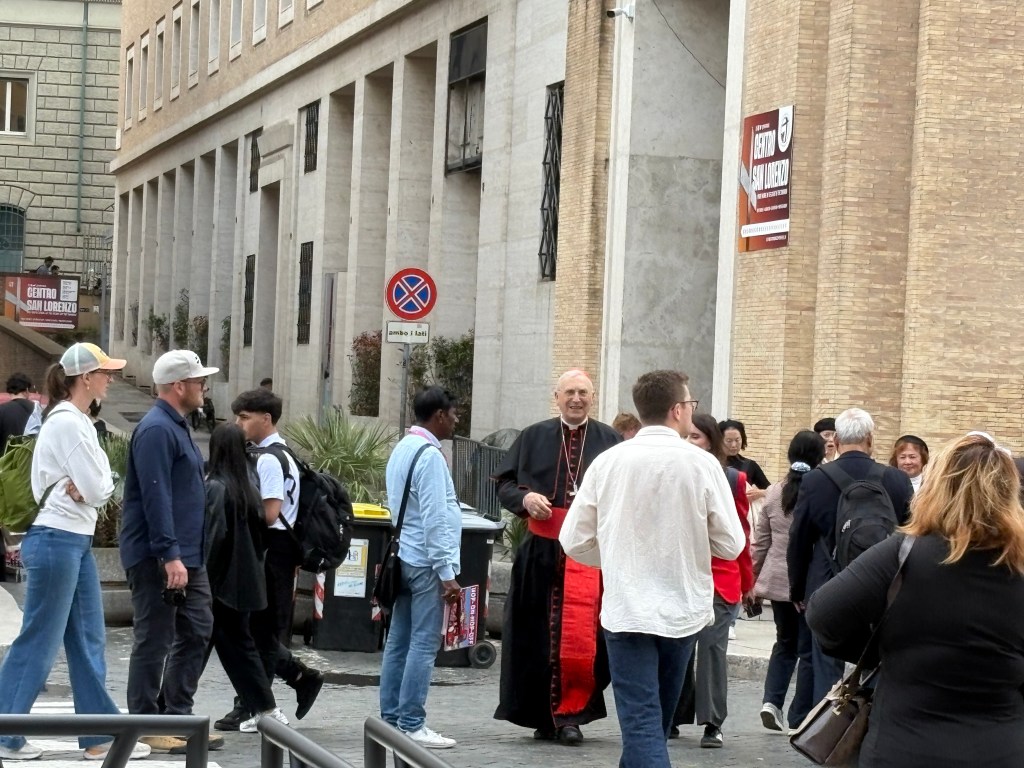
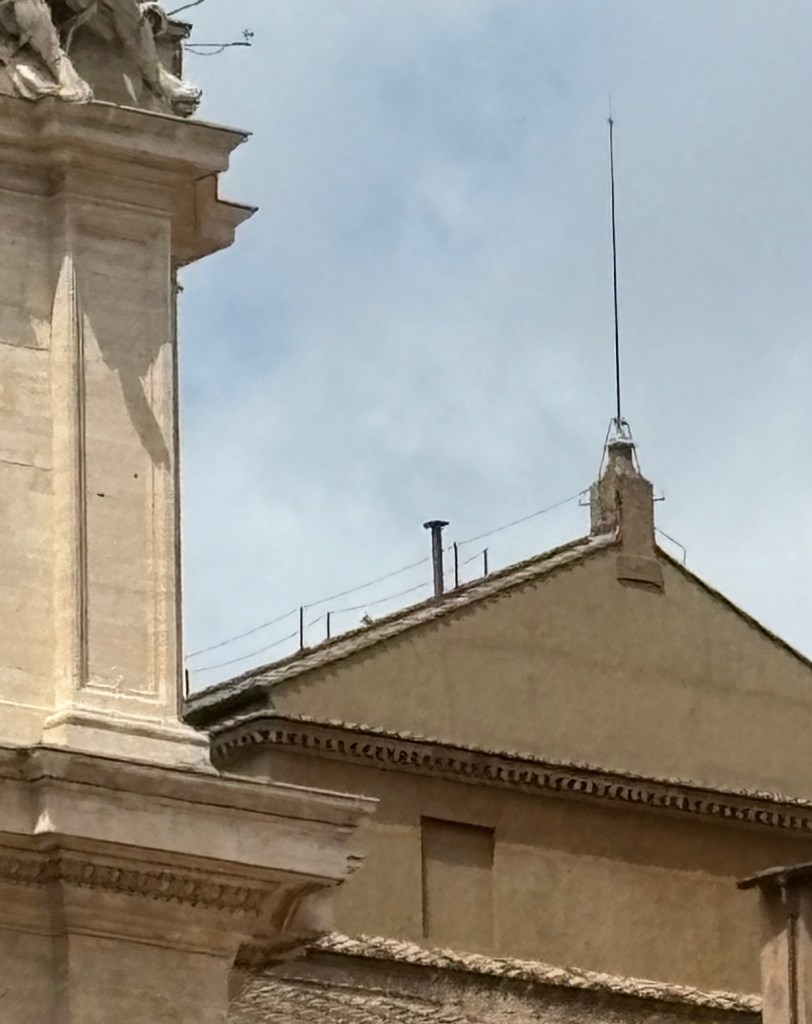
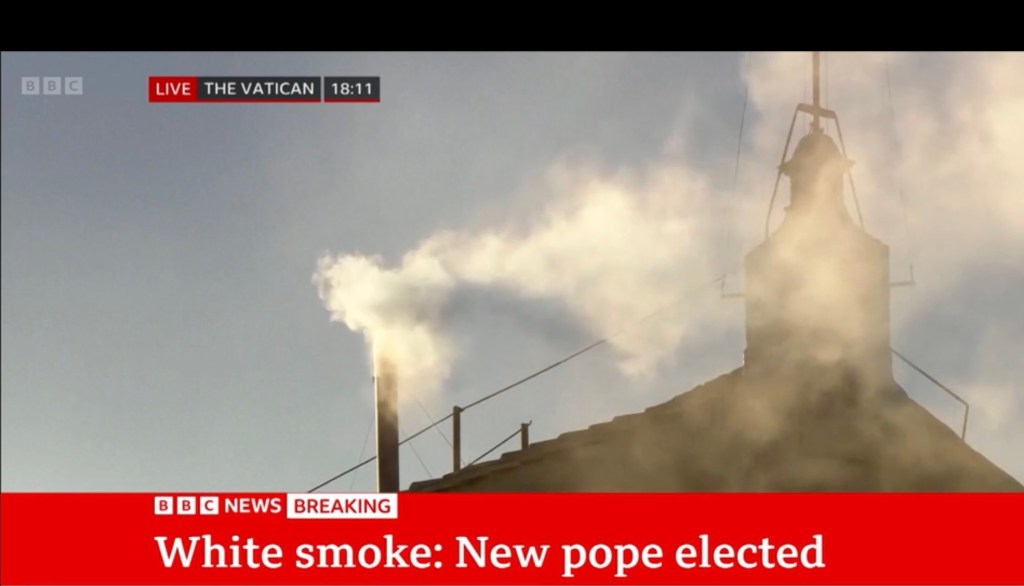
As an aside, we did not get to witness the white smoke on May 8 signaling that the choice of the next pope had been made since we had already continued on our travels to Lucca. Meanwhile, while still in Rome after our Vatican tour, we were returned to the hotel for the remainder of the day. We napped, walked and joined another couple from the tour for dinner. A nice quiet decompression was earned.
Day 6. We met in the lobby after breakfast and bussed to Orvieto, set on a 984 foot high plateau in the Umbrian countryside, overlooking an amazing amount of vineyards. We met yet another tour guide for a Orvieto Duomo tour. A symbol of the city itself, the Duomo is one of the most beautiful in Italy. Its construction began in 1290, with the support of both the Catholic Church and the city. The intent was to create one large cathedral for the city, to replace two decaying churches that existed there before. The question of why was this incredible work built in this small village.
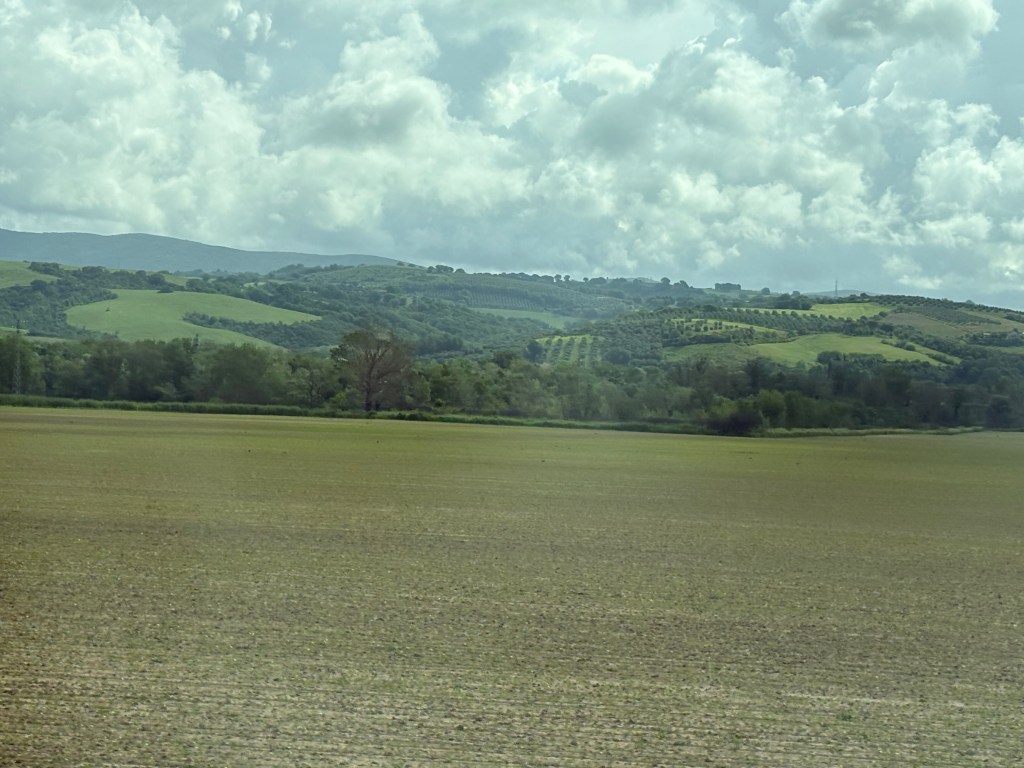
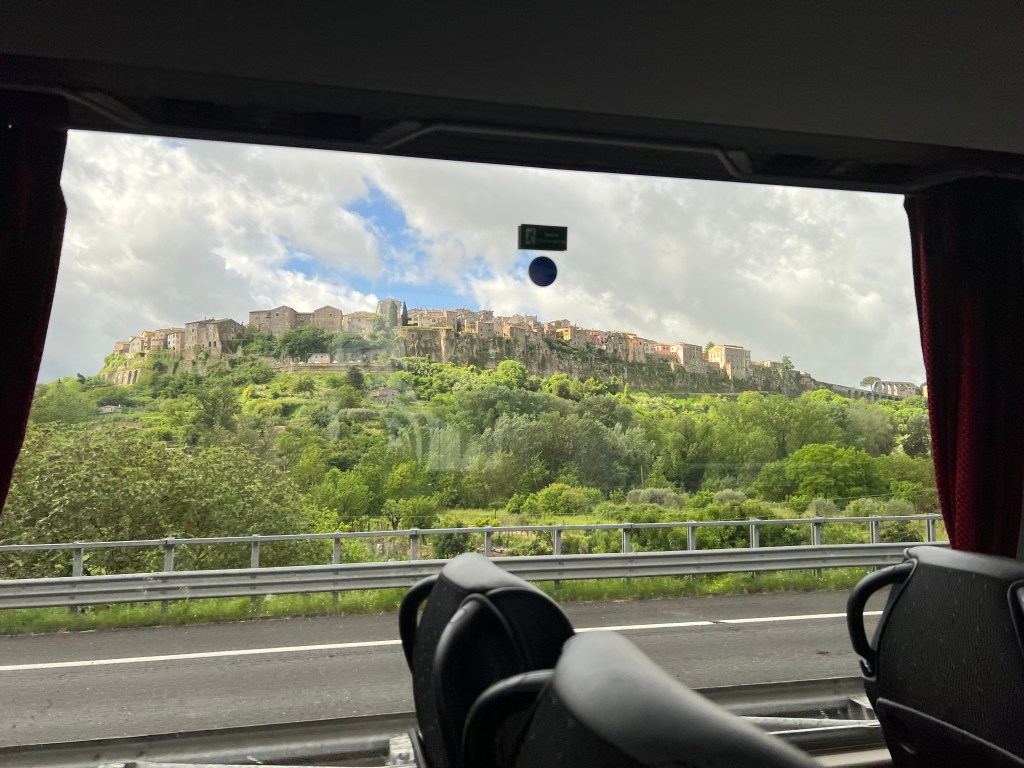

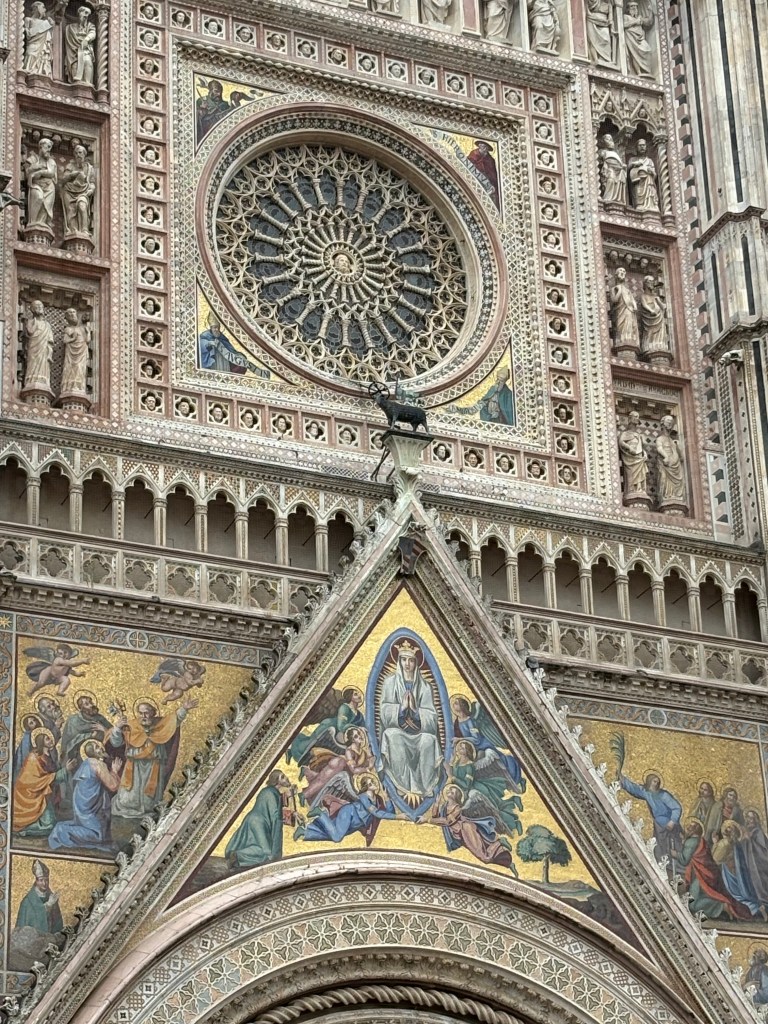
The answer is as simple as the architecture of the Duomo is complex. Just a few decades before it was commissioned to be built, Pope Urban IV had made the city his home. This was clearly because Orvieto was in an enviable position, built on a steep hill of volcanic rock and controlling the road between Rome and Florence.
There was also another, more fascinating reason for the choice of Orvieto. Just a few decades before Pope Nicholas IV blessed the foundation, a miracle was said to have taken place in a town just to the southwest called Bolsena. A German priest named Peter of Prague had been passing through the town in 1263 and stopped at the Church of St. Cristina before he continued his pilgrimage to Rome. What may have made the miracle that followed more moving, if the descriptions of the priest are accurate, is that while he was pious, he may have found it difficult to believe that Christ inhabited the consecrated Host. While Peter of Prague was celebrating Holy Mass above the martyr St. Cristina’s tomb, blood began to trickle from the Host and dripped on the altar and corporal (the linen altar cloth).
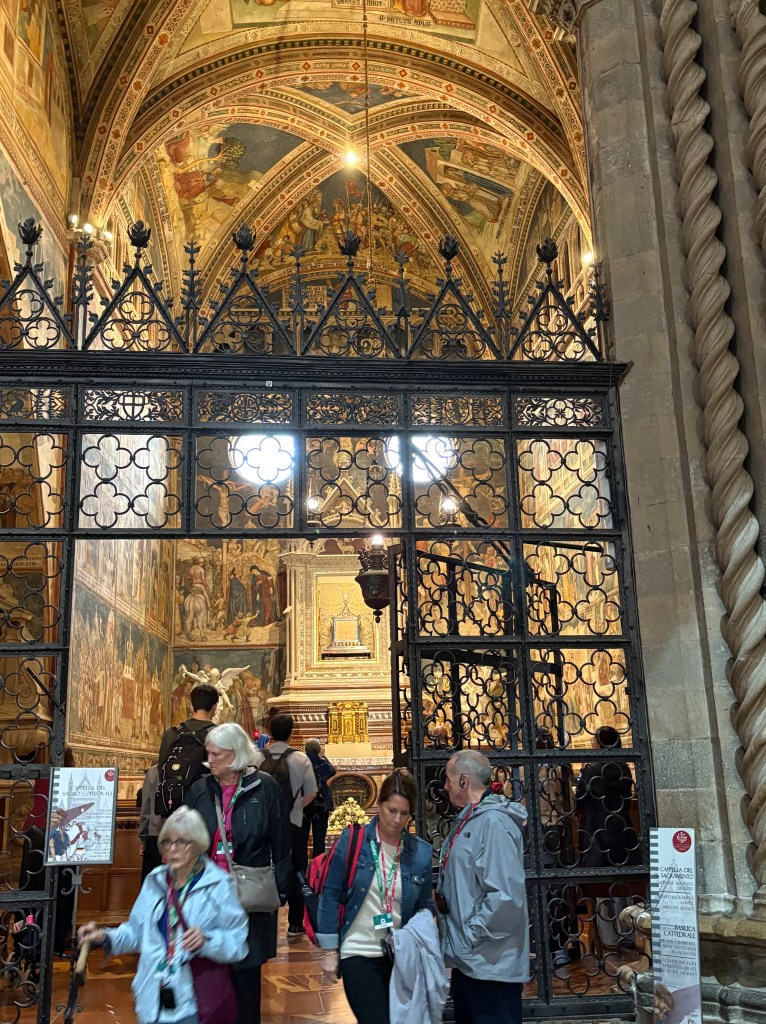
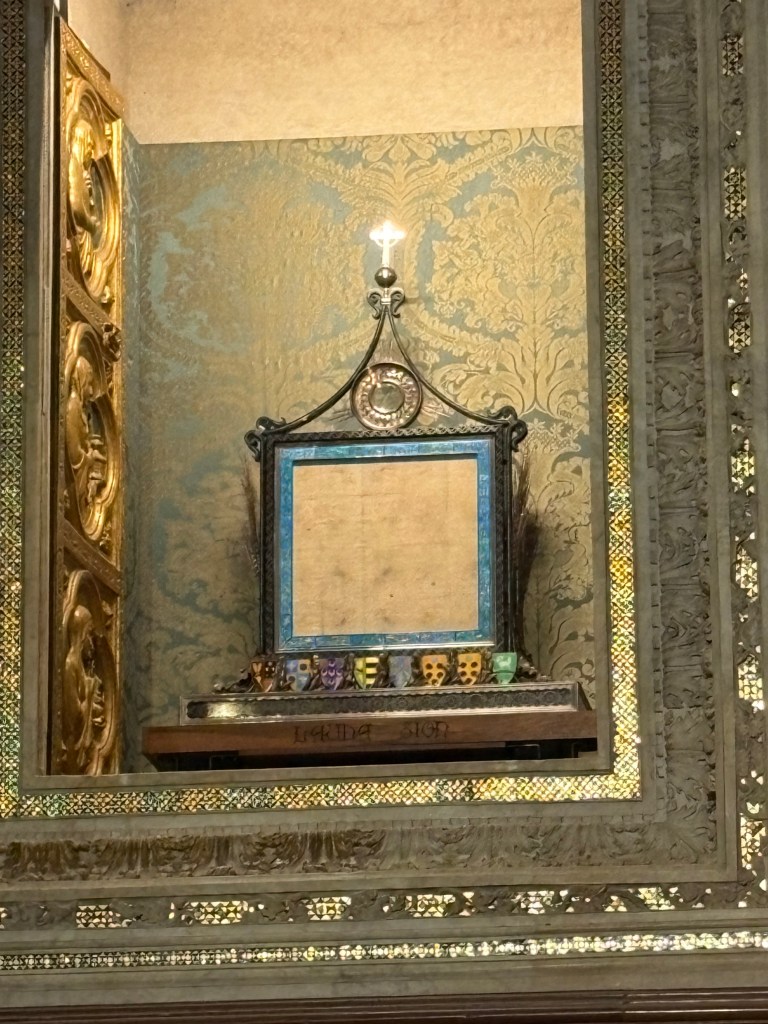


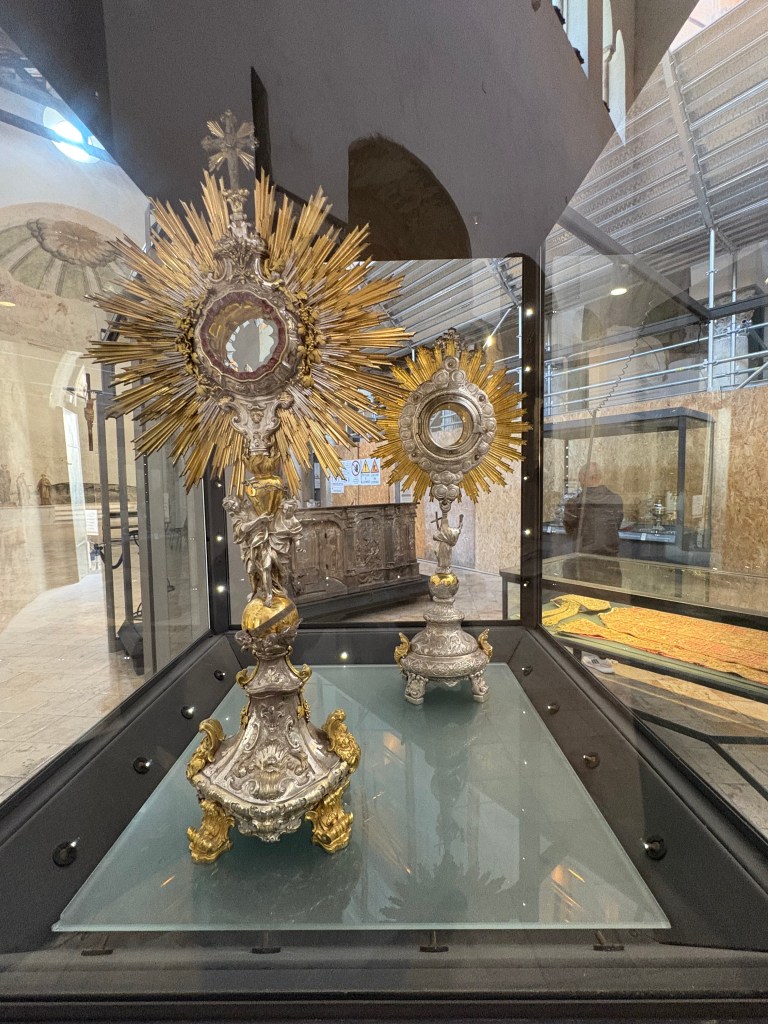
Frightened, the priest interrupted Mass and was brought to Orvieto to see Pope Urban IV. The rest is history. The Pope sent an investigator to Bolsena and had the blood-stained linen cloth as well as the Host brought to him. Today, the corporal is preserved in the large silver shrine in the Capella del Corporale inside the Duomo.
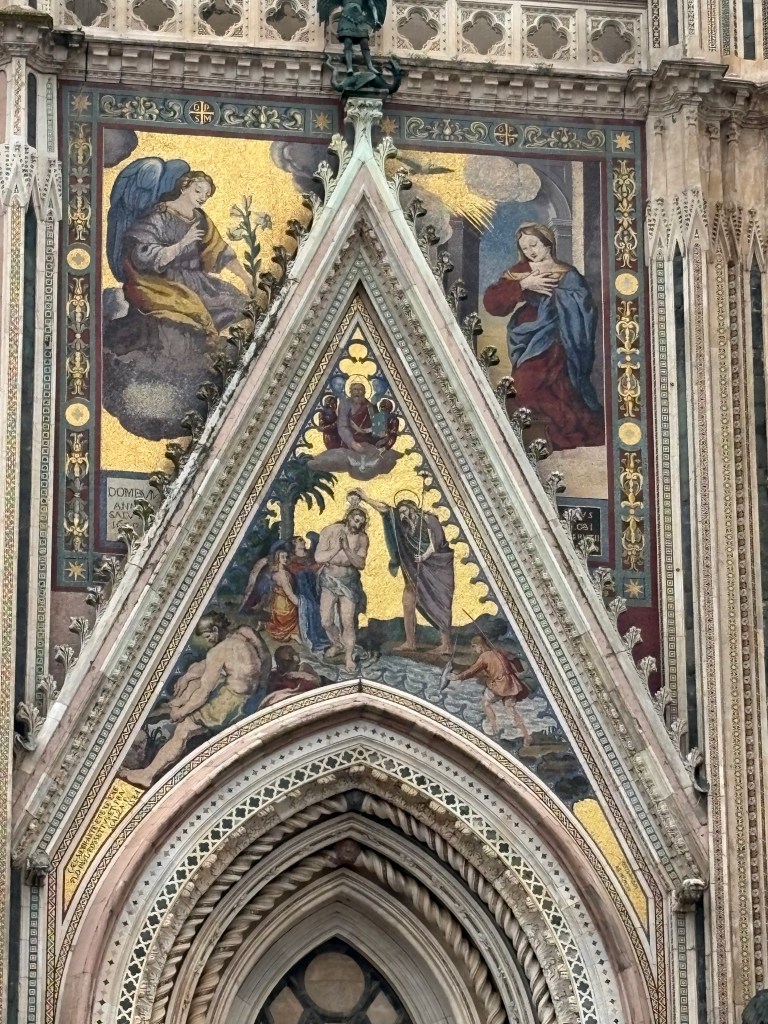
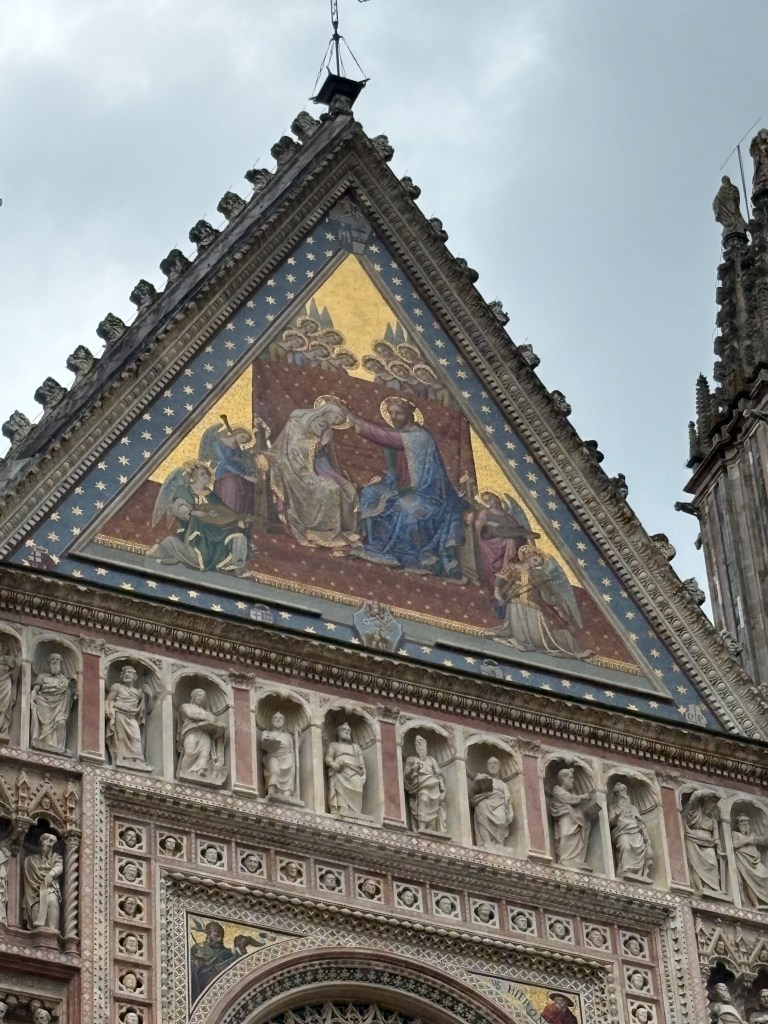

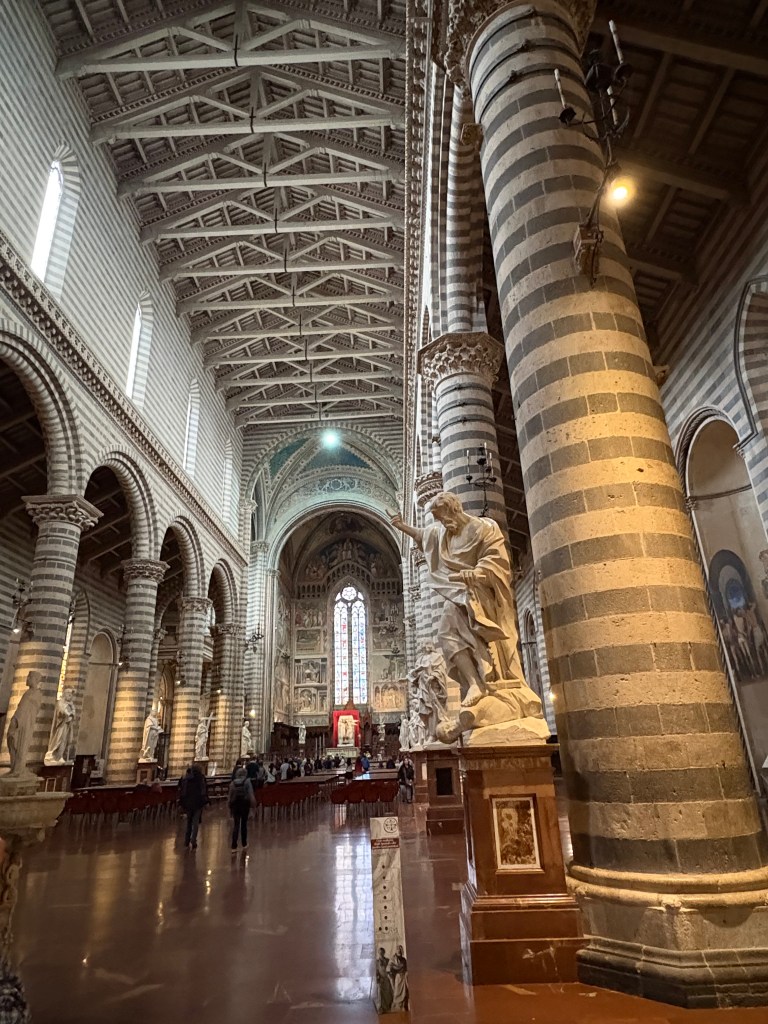
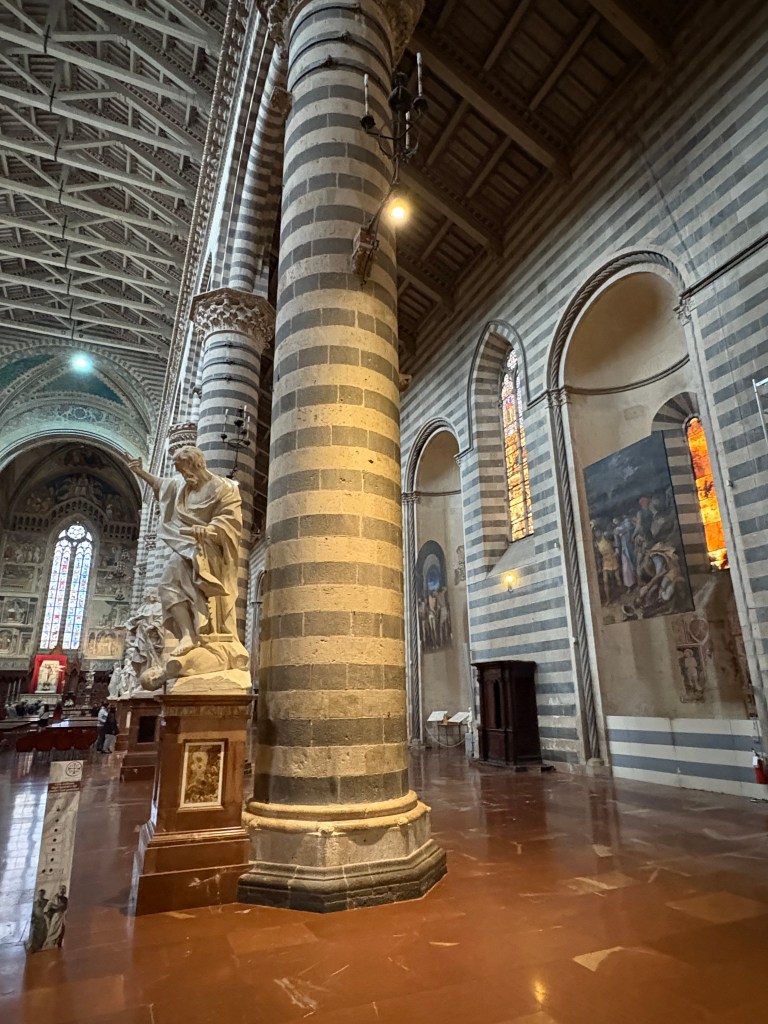
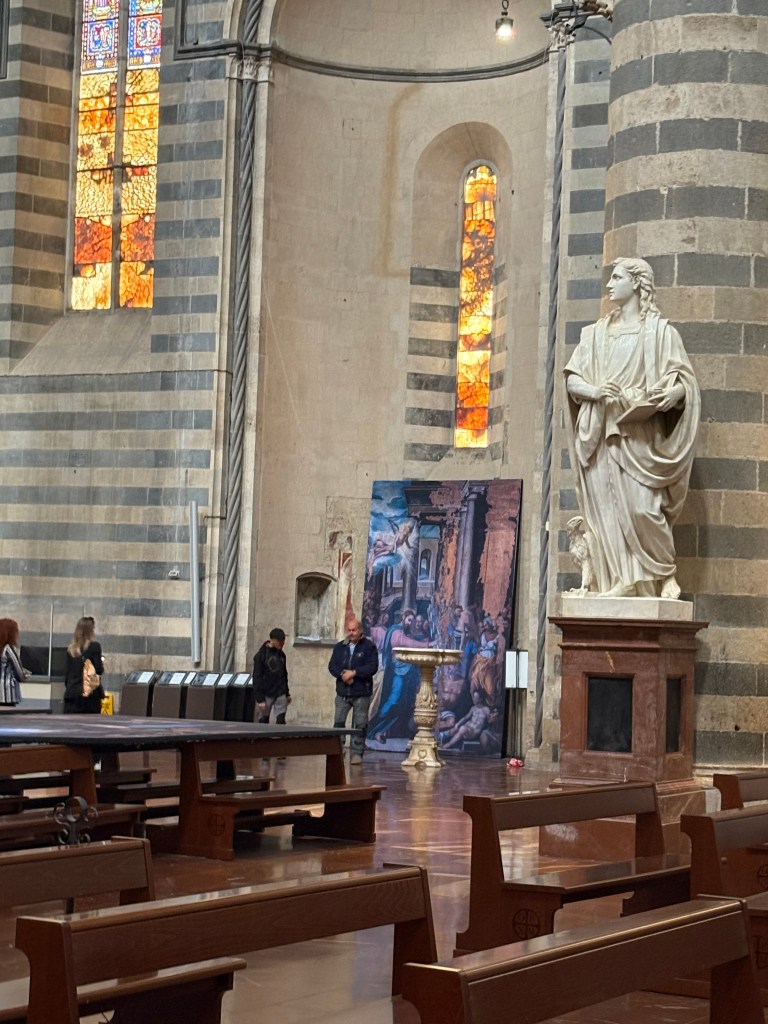


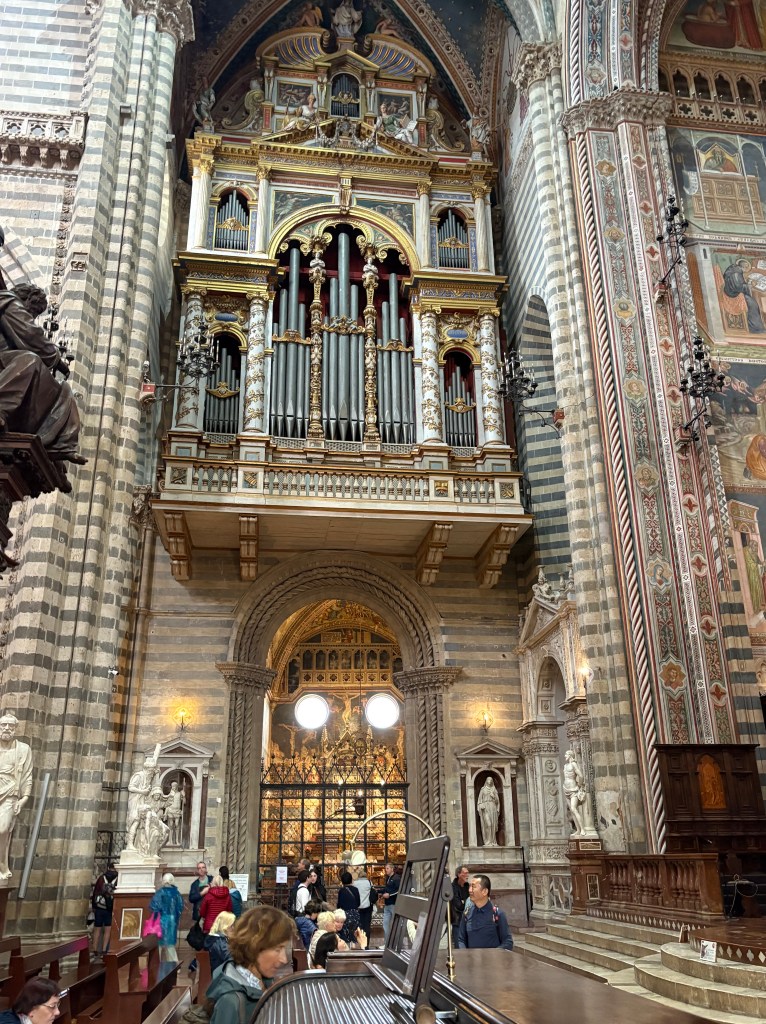
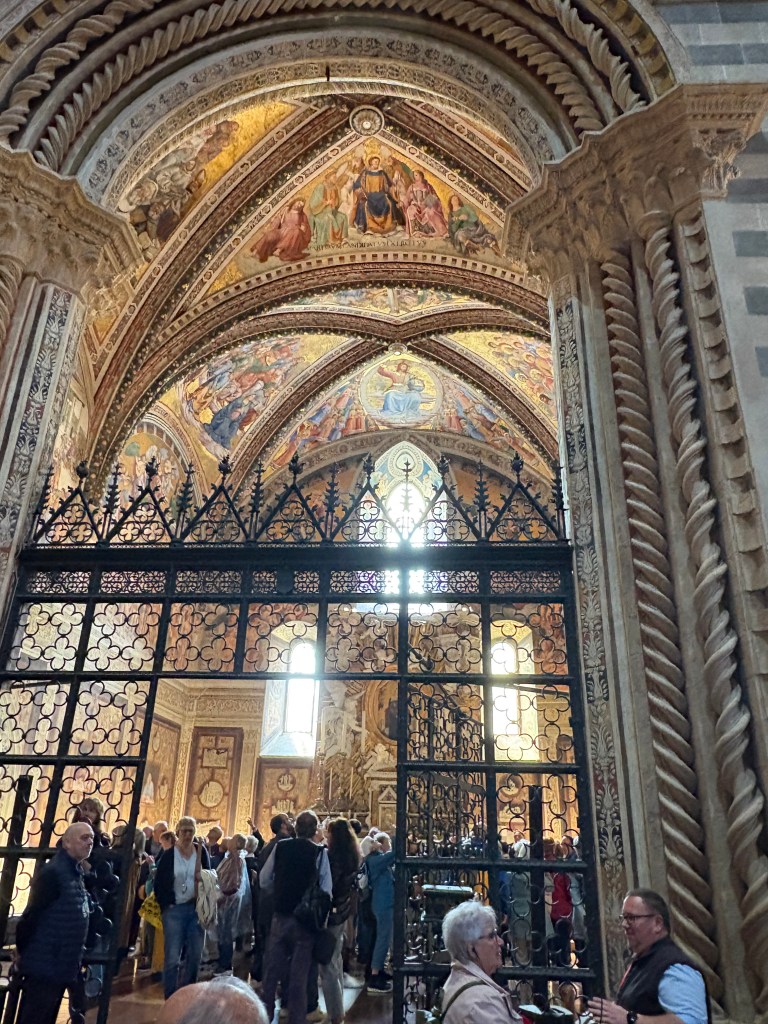
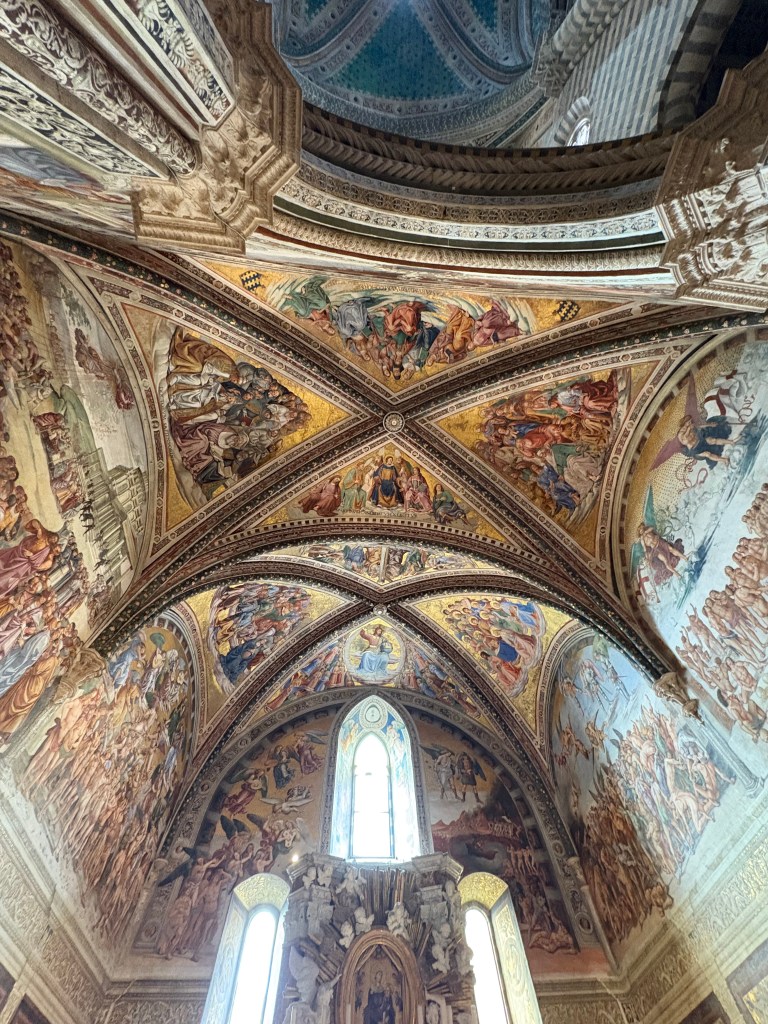
The Duomo is a magnificent building that brings together different architectural styles. In particular we can define a fine example and balance of Gothic and Romanesque styles. There were many people who participated in the various phases of design and construction that spanned over 300 years. The façade is a blend of sculpture and mosaic with magnificent bronze doors. Inside are incredible frescoes
by a variety renowned artists.
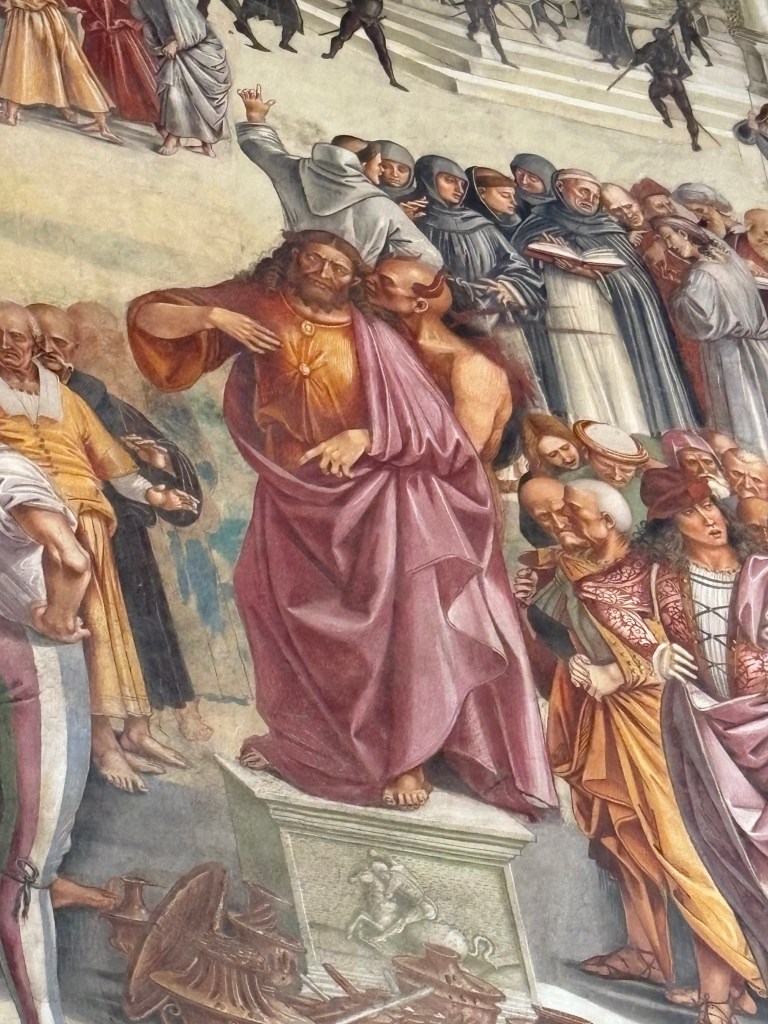
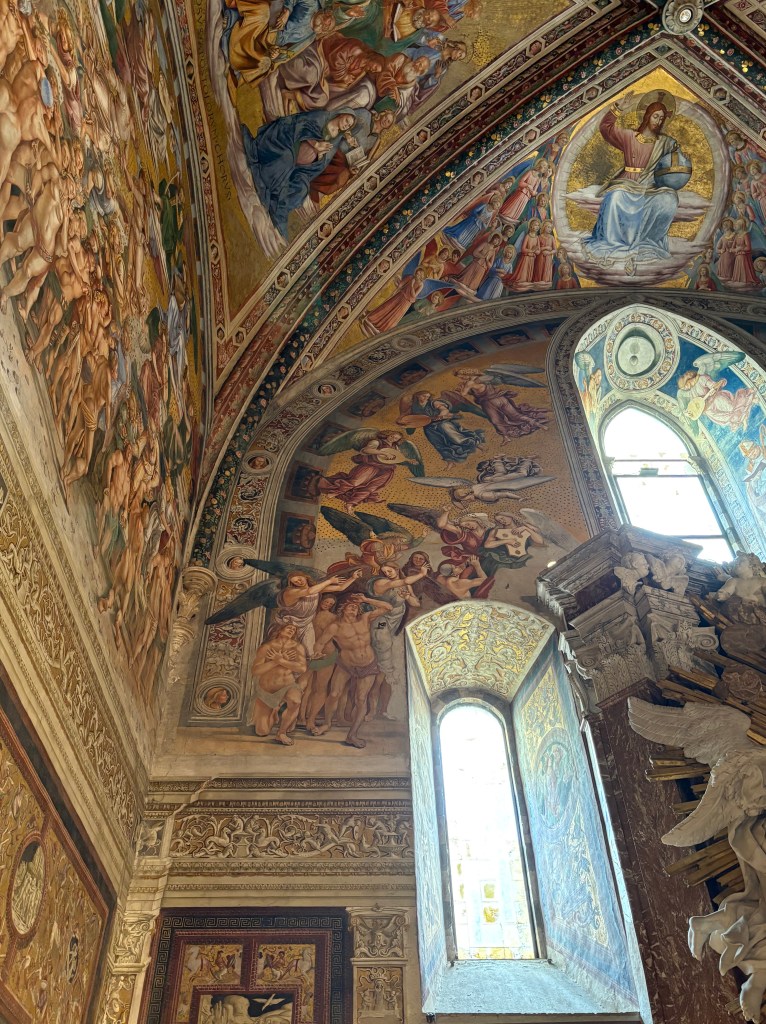
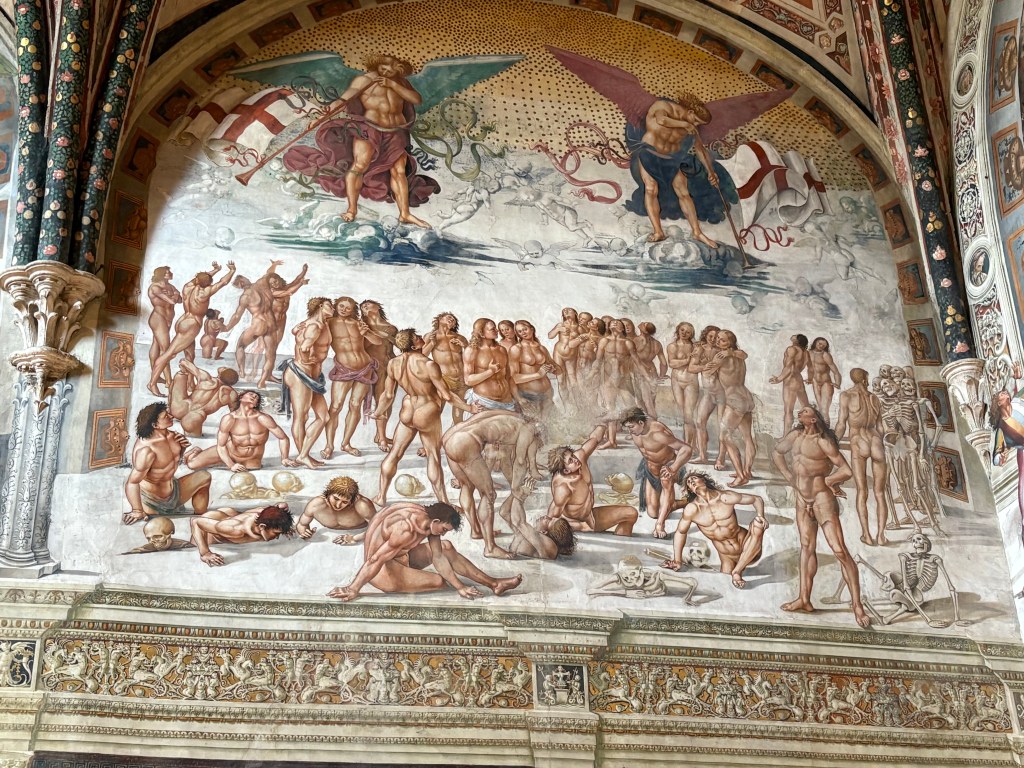
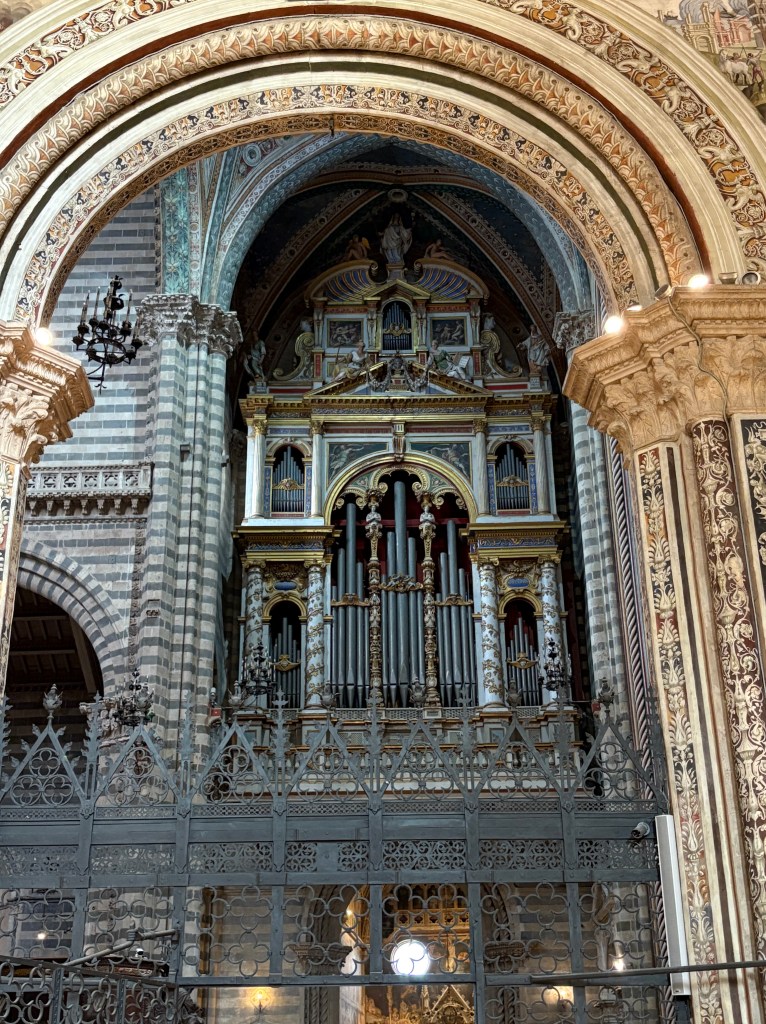
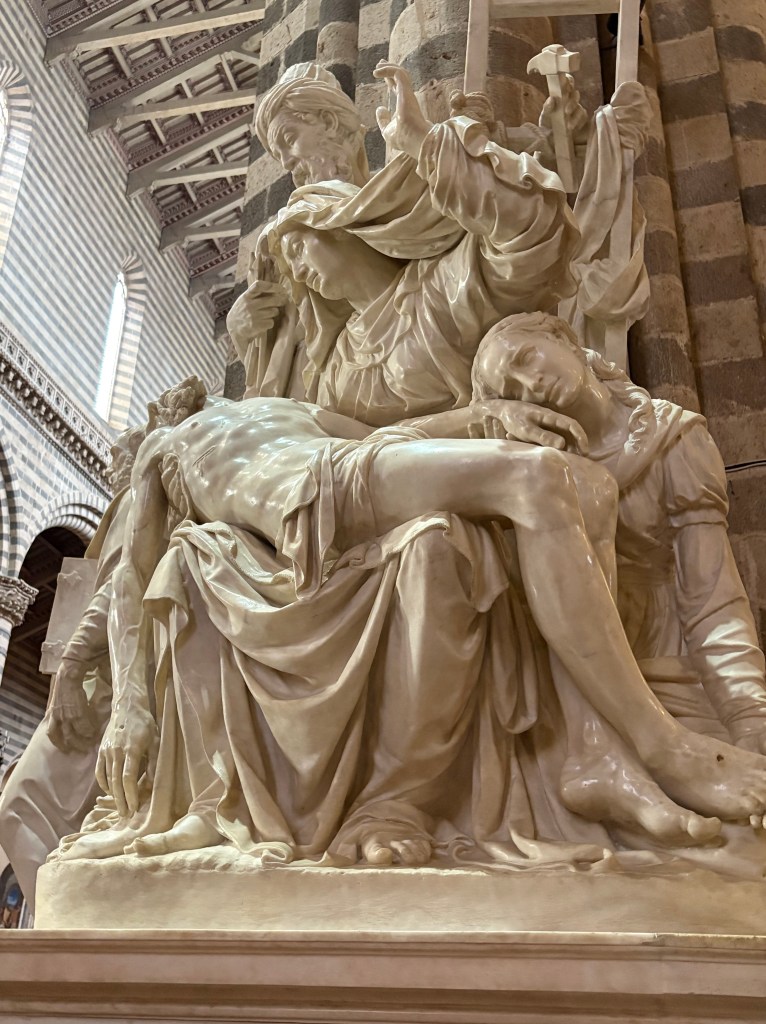
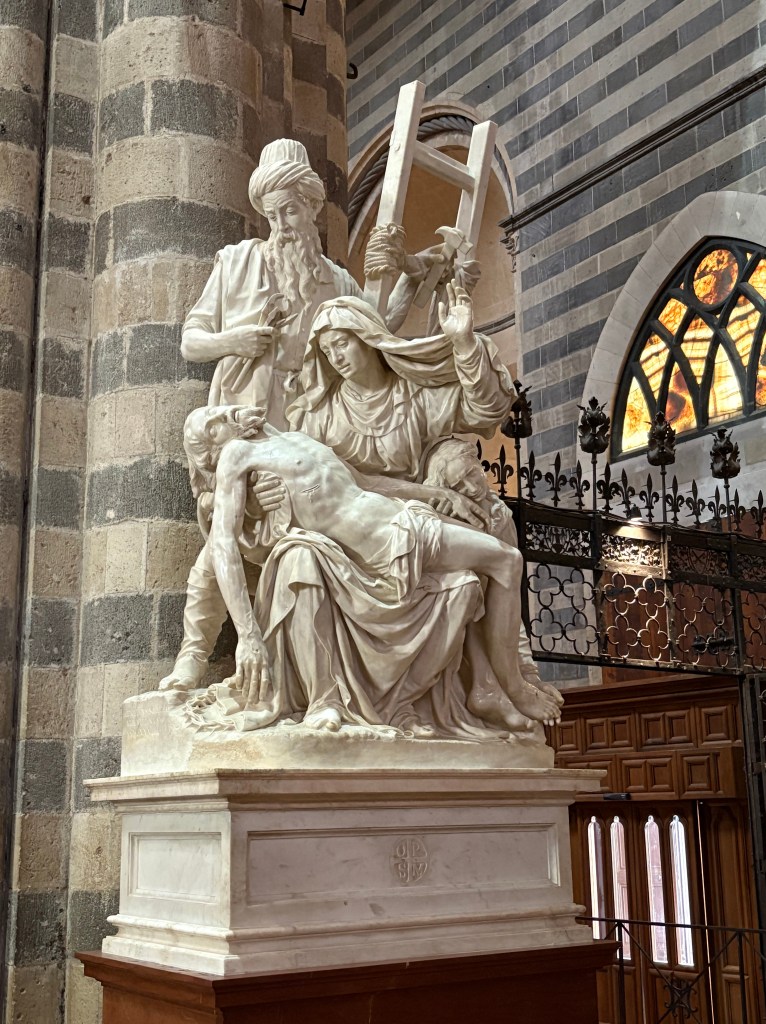
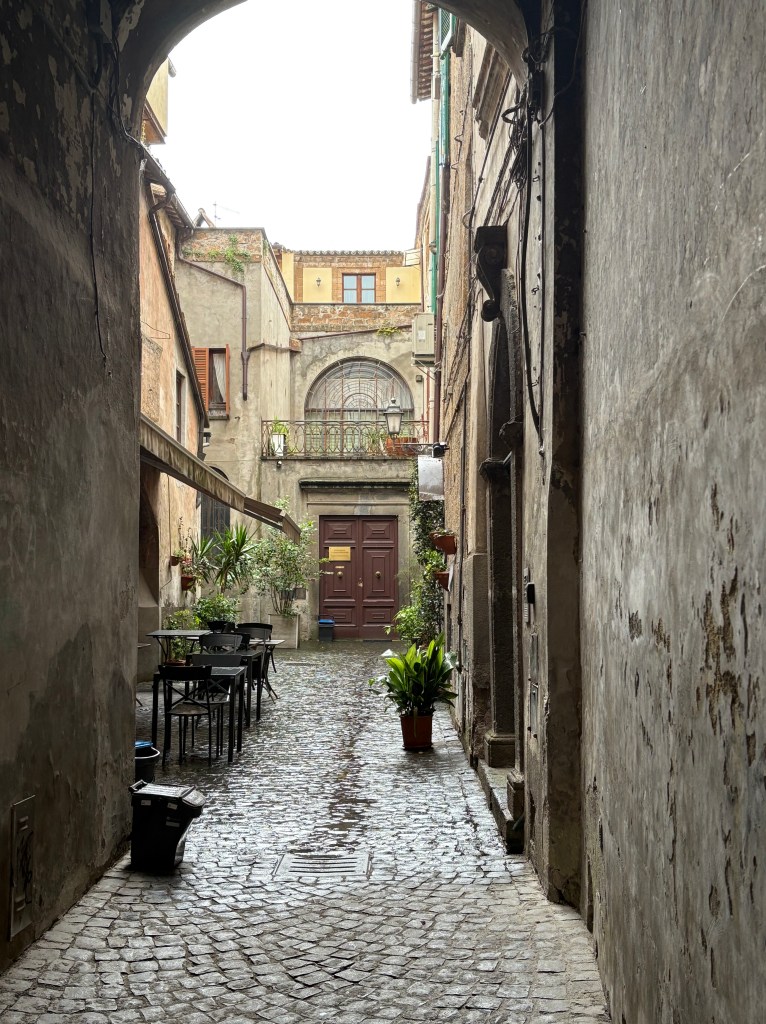
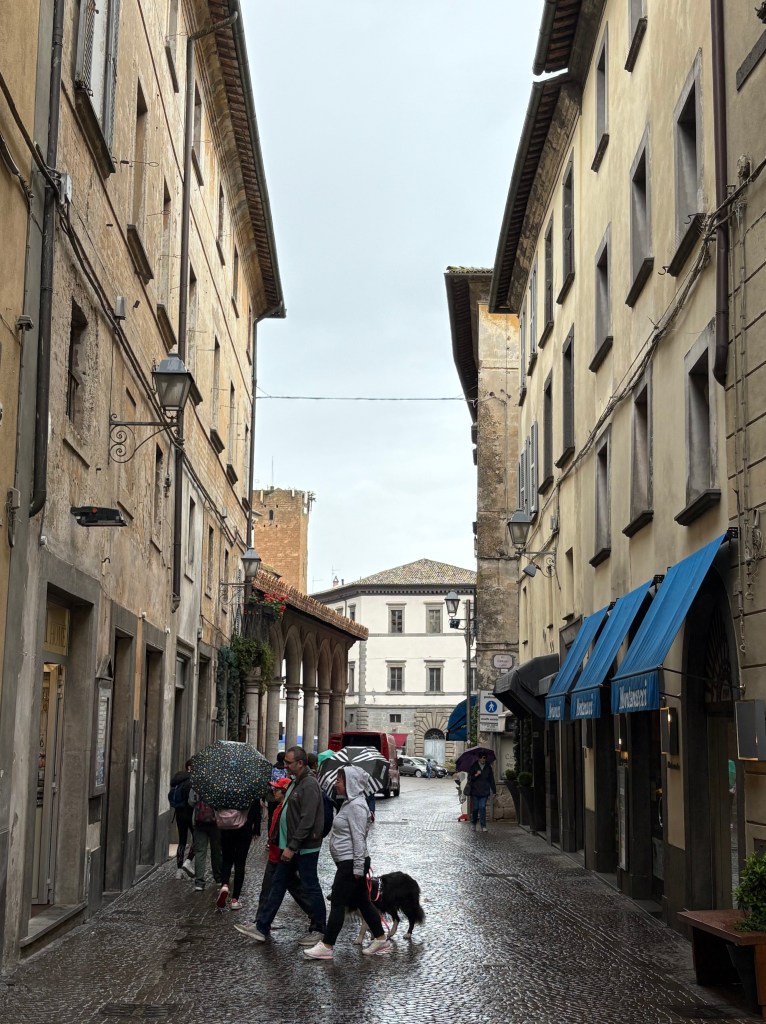
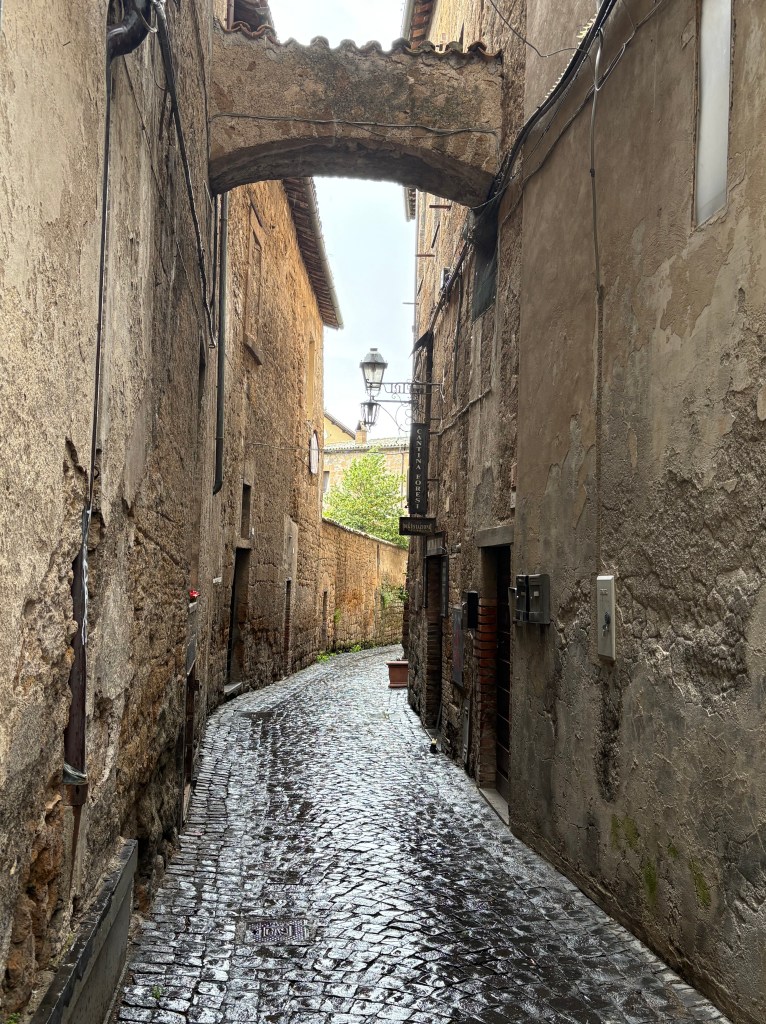
Next was a trattoria lunch near the Piazza del Duomo, then we were given some free time to wander the small town of Orvieto. Because of the Cathedral, it is quite a tourist spot.
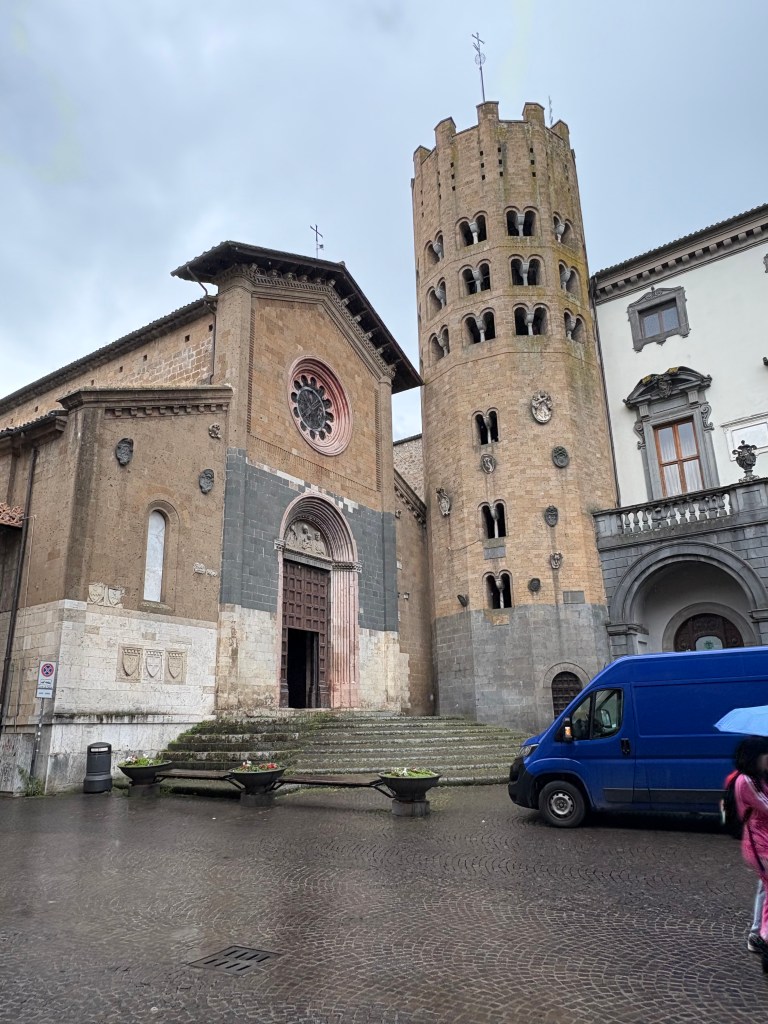


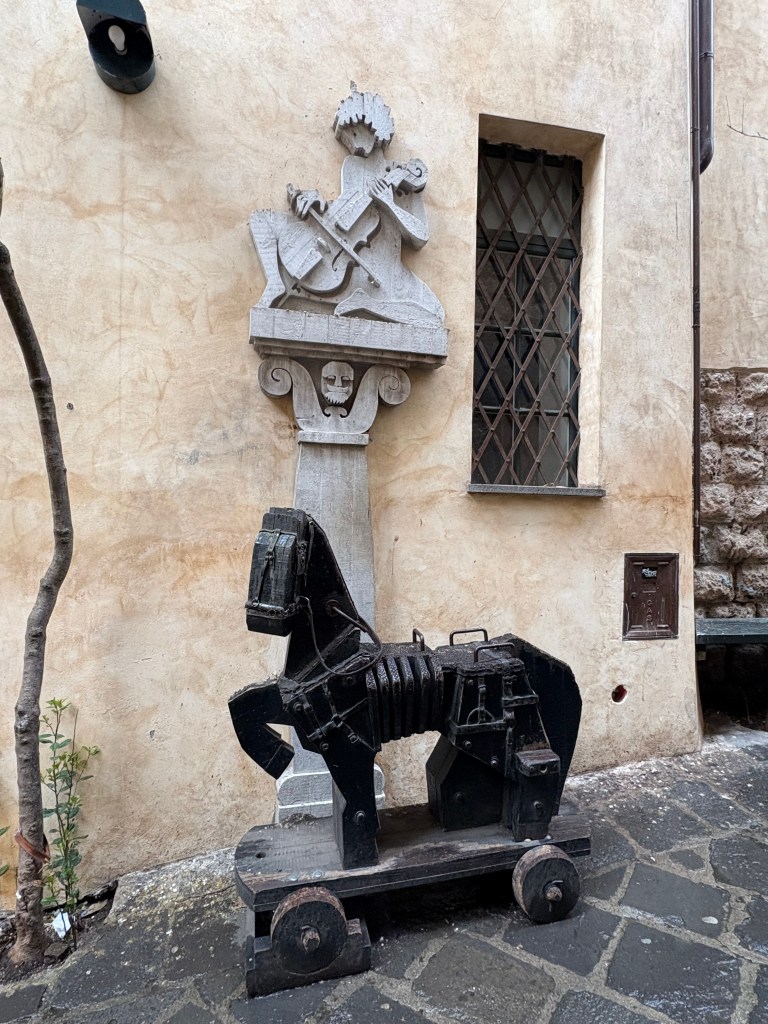

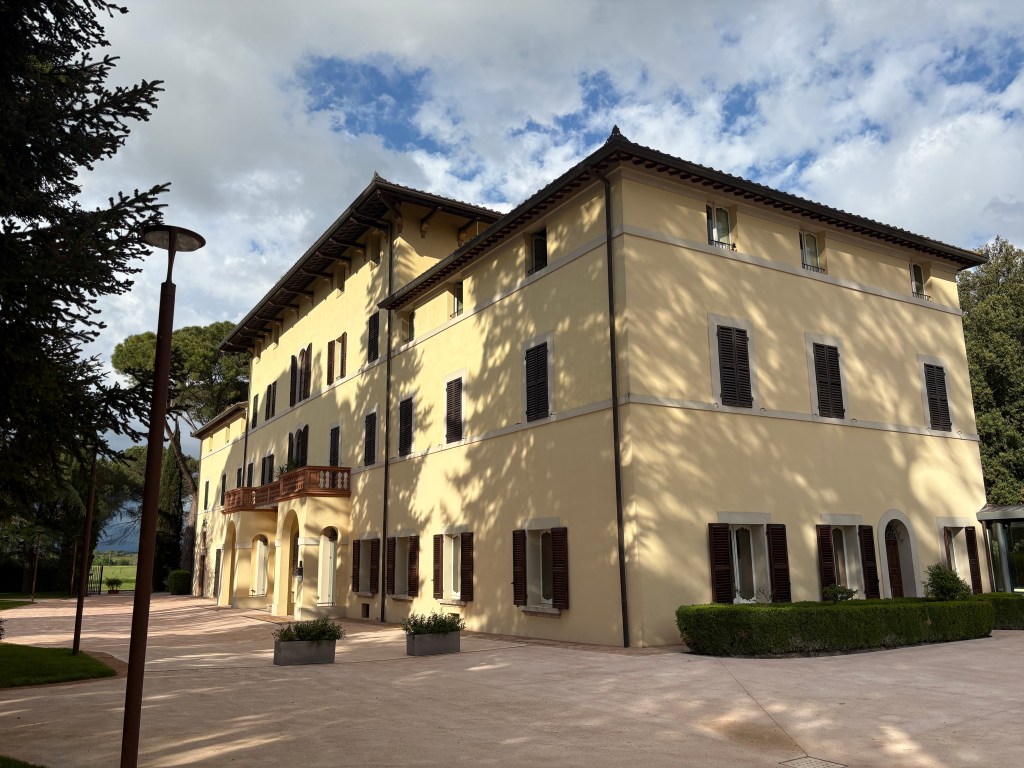
We continued through the wine-producing regions of Umbria, arriving in the little town of San Martino in Campo – just outside of Umbria’s capital city, Perugia. The hotel we were staying at was the Posta Del Donini in San Martino en Campo, a hotel created from two renovated villas dating to the 17th century. The villas were the former homes to the Donini counts and the guest rooms featured wood-beamed ceilings, canopy beds, period furniture, frescoes, drapery and exquisite fabrics. Before dinner, we were treated to a lovely recital in a frescoed music room of the Donini family, by a wonderful trio, featuring a violinist, pianist and singer. They played about 3 Ennio Marricone pieces and a few opera pieces as well. After a short break, we enjoyed yet another lovely dinner at the hotel before turning in.
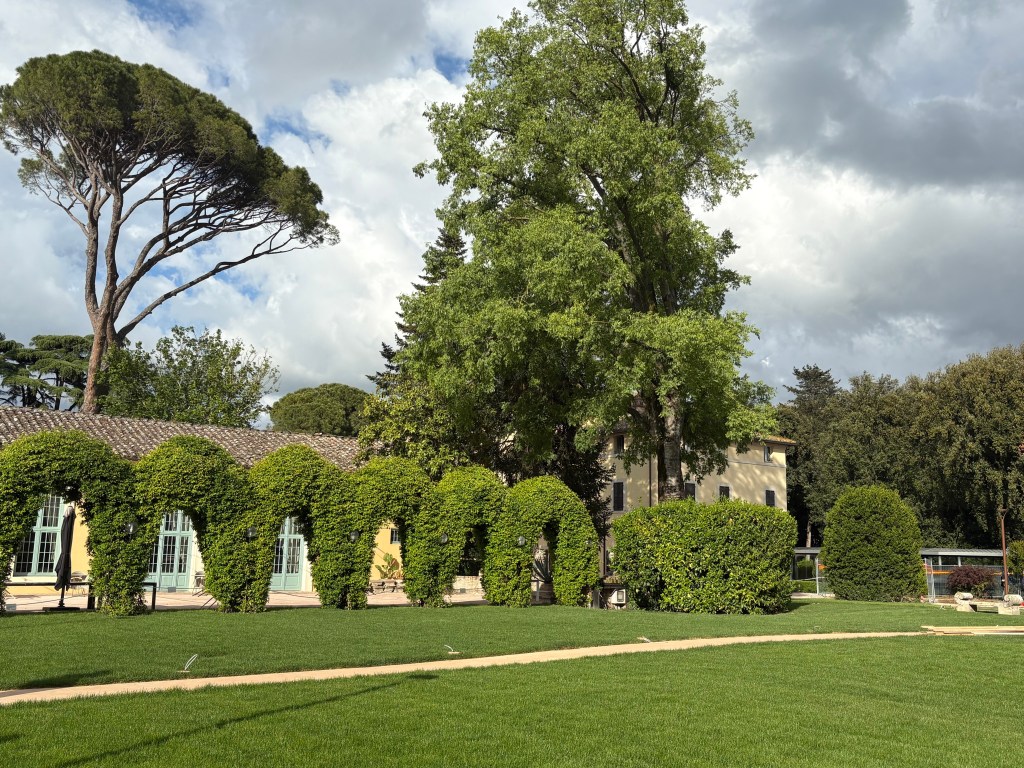


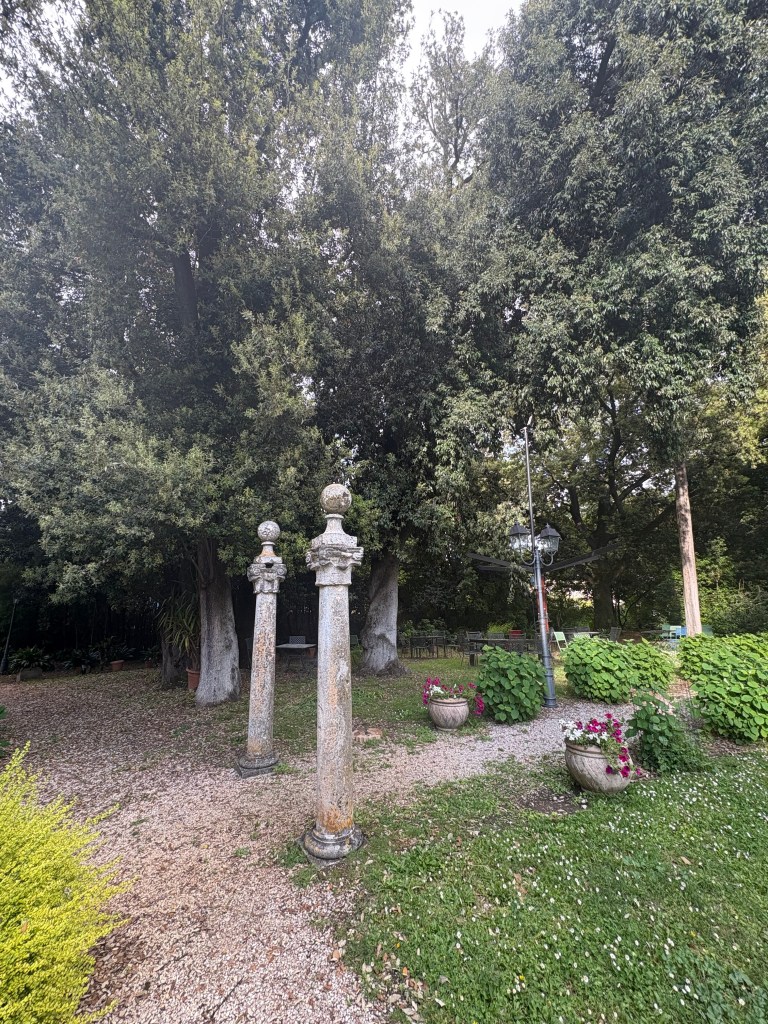
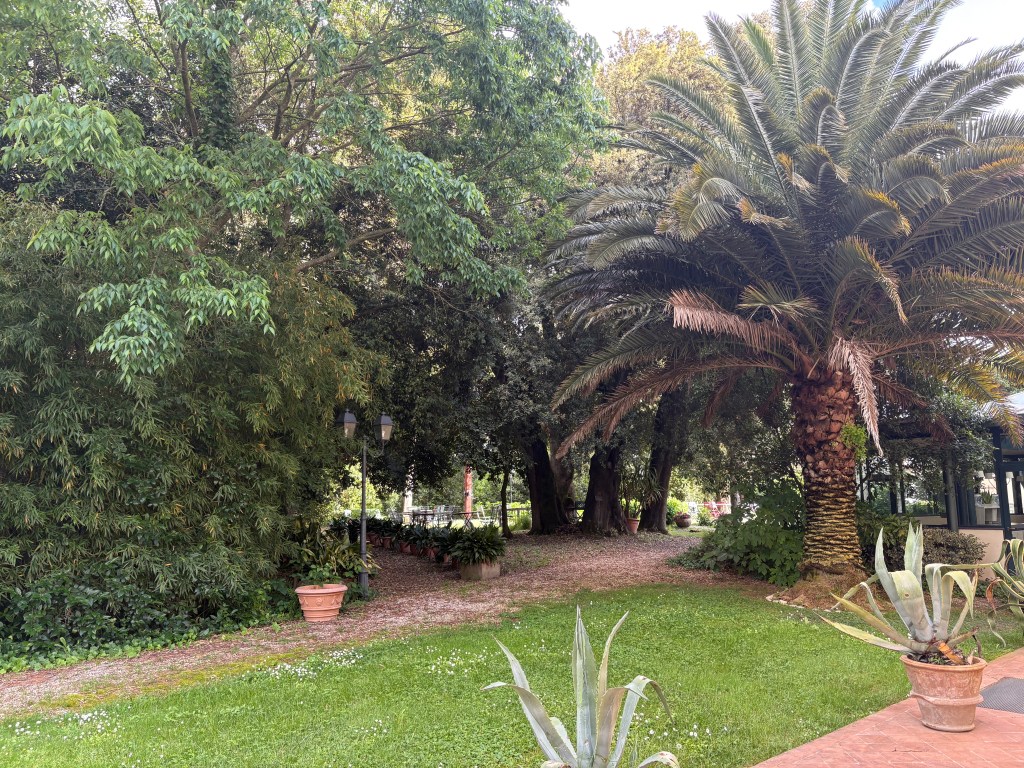

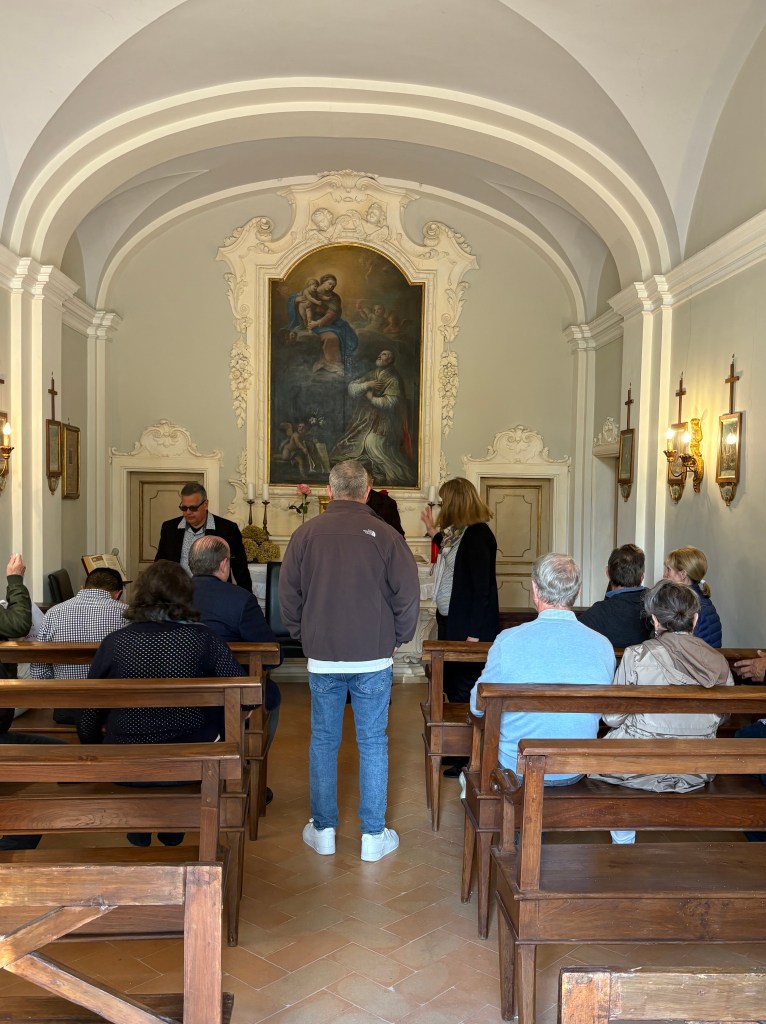

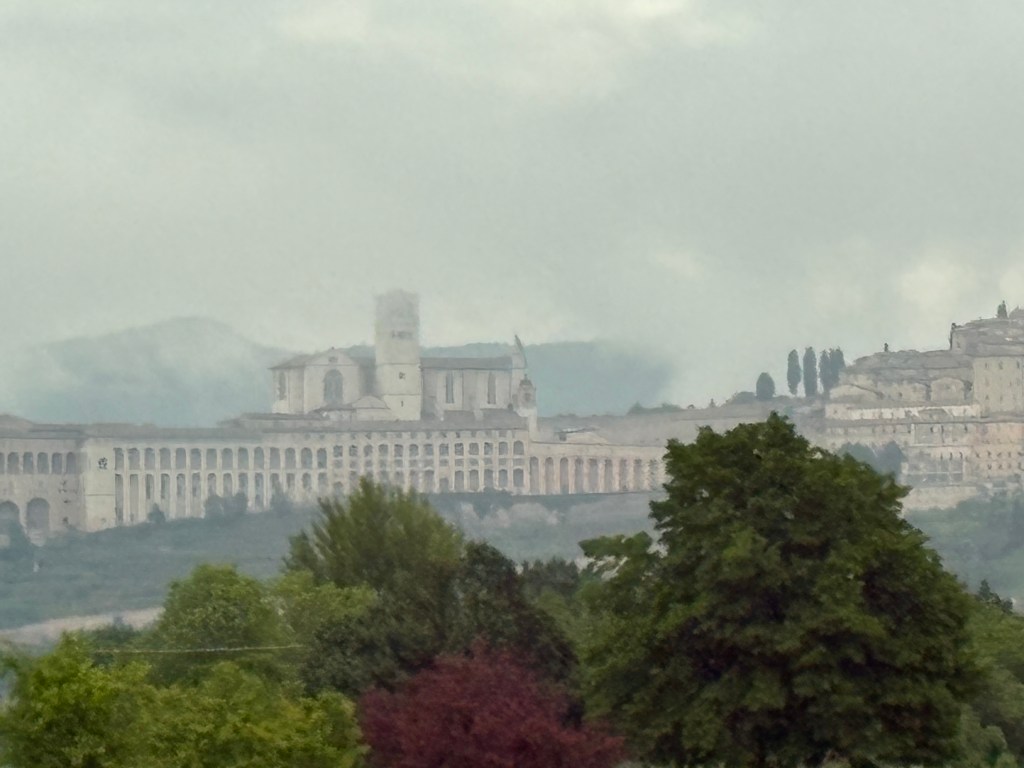
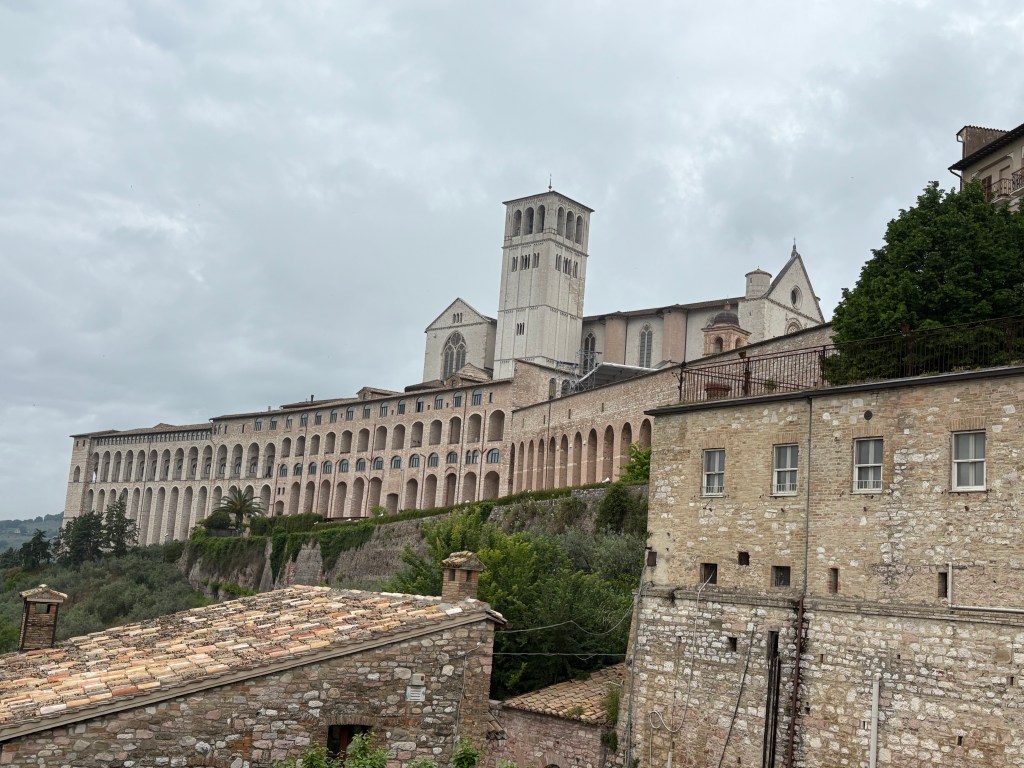
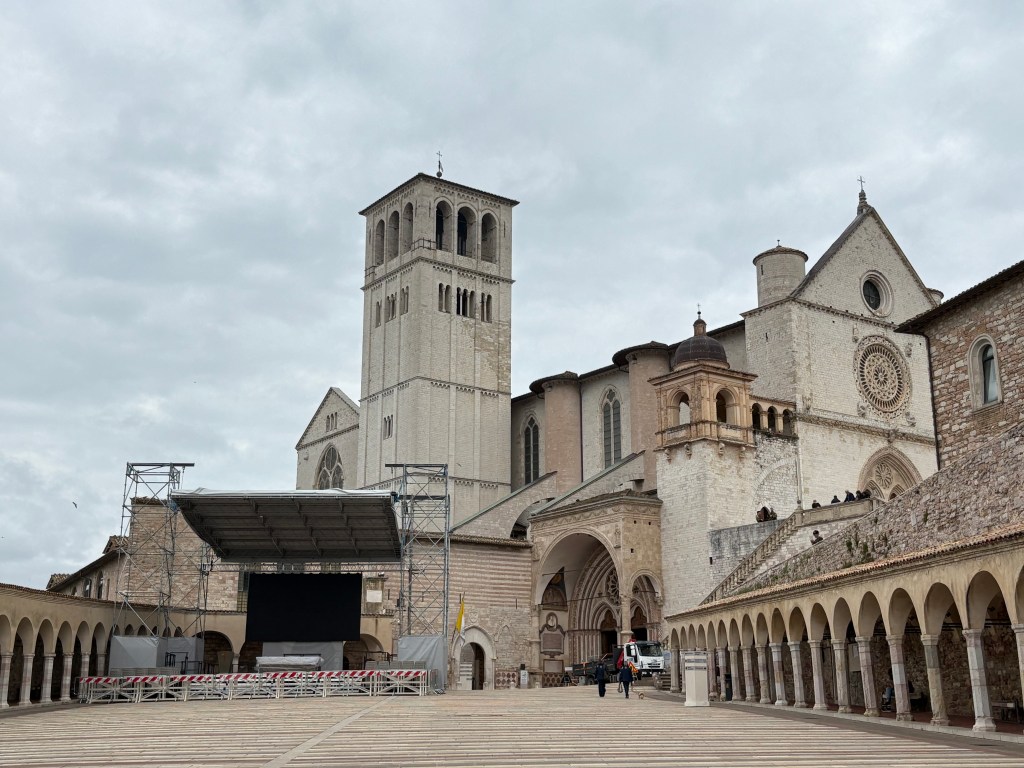
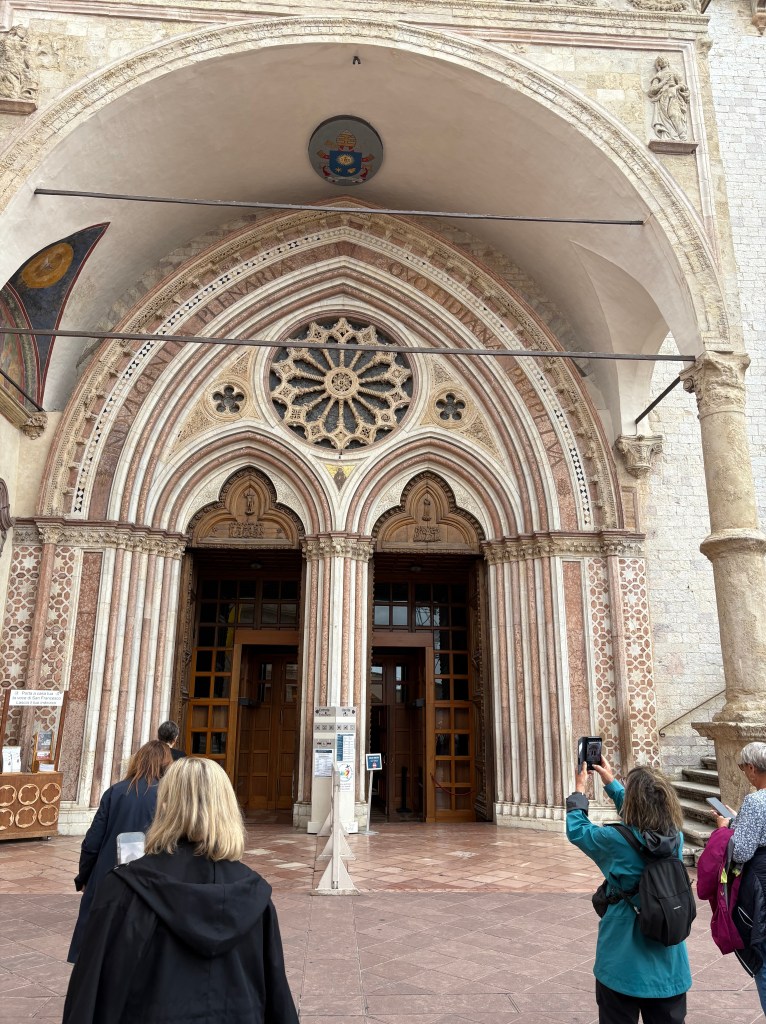
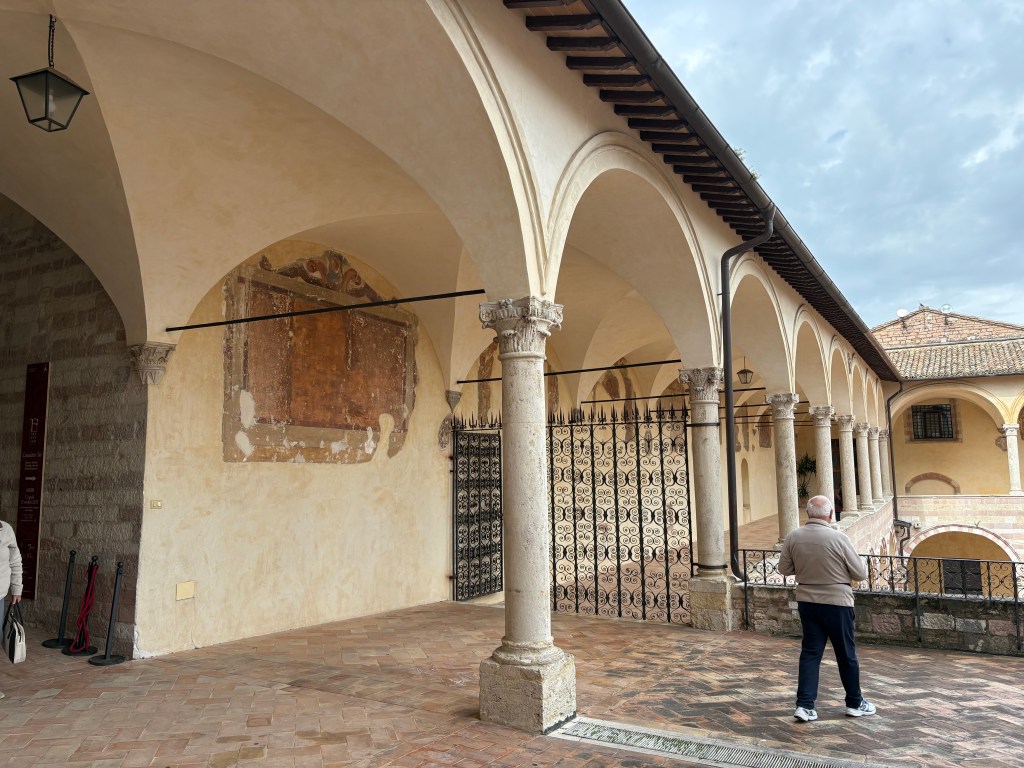
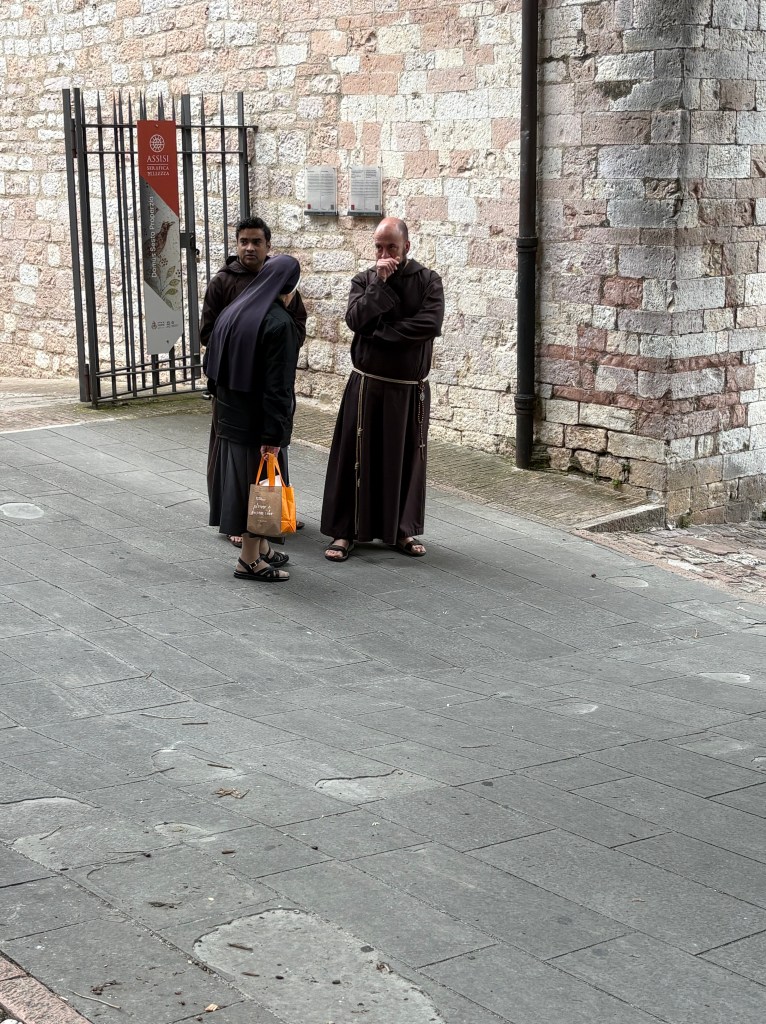
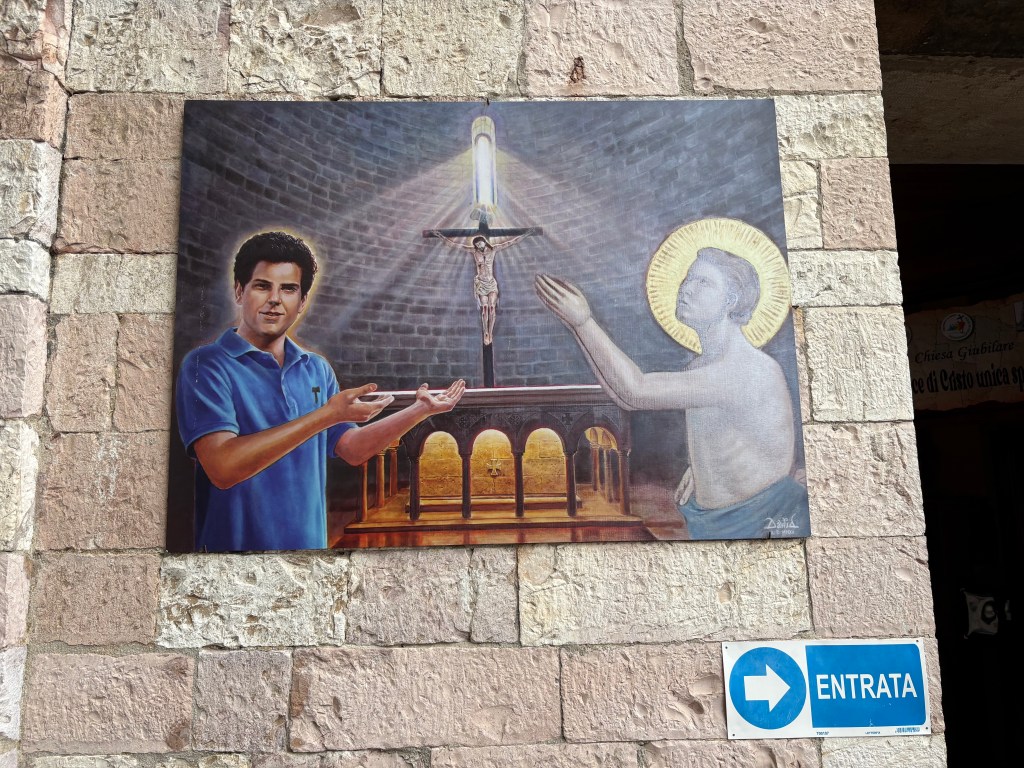
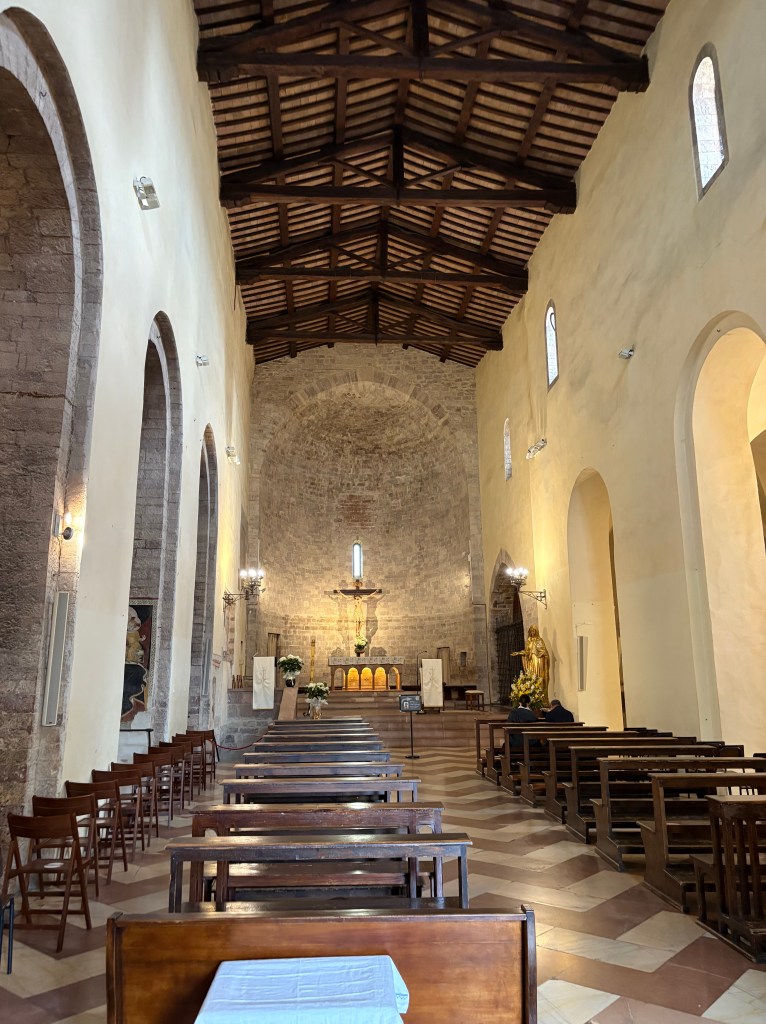
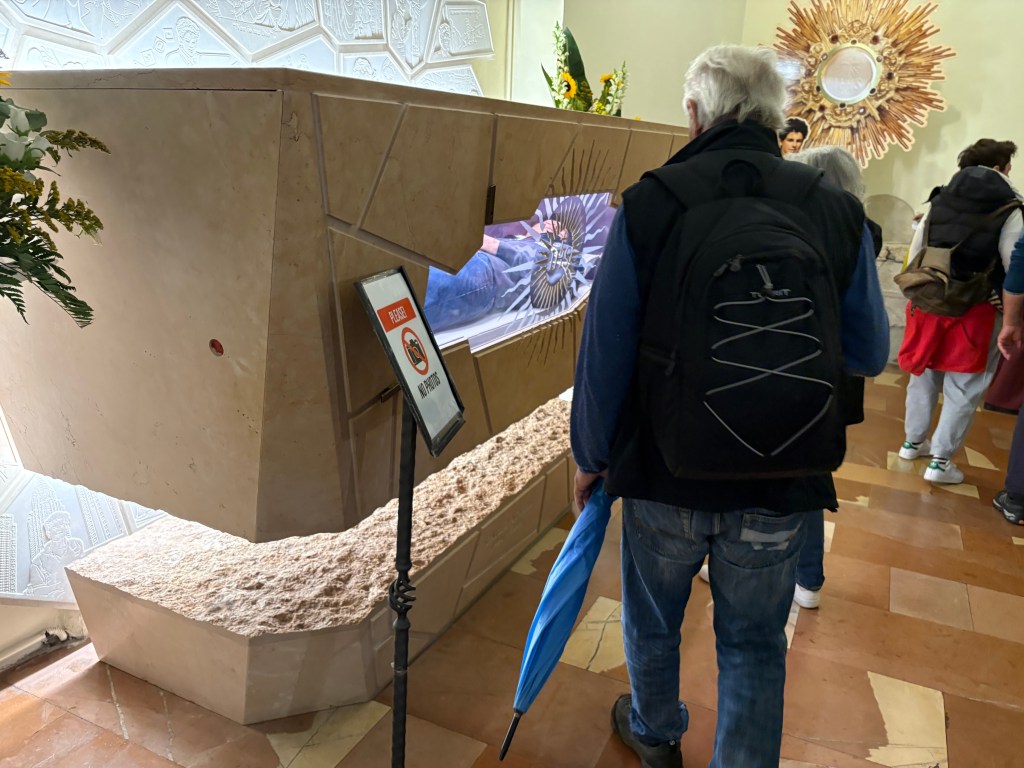
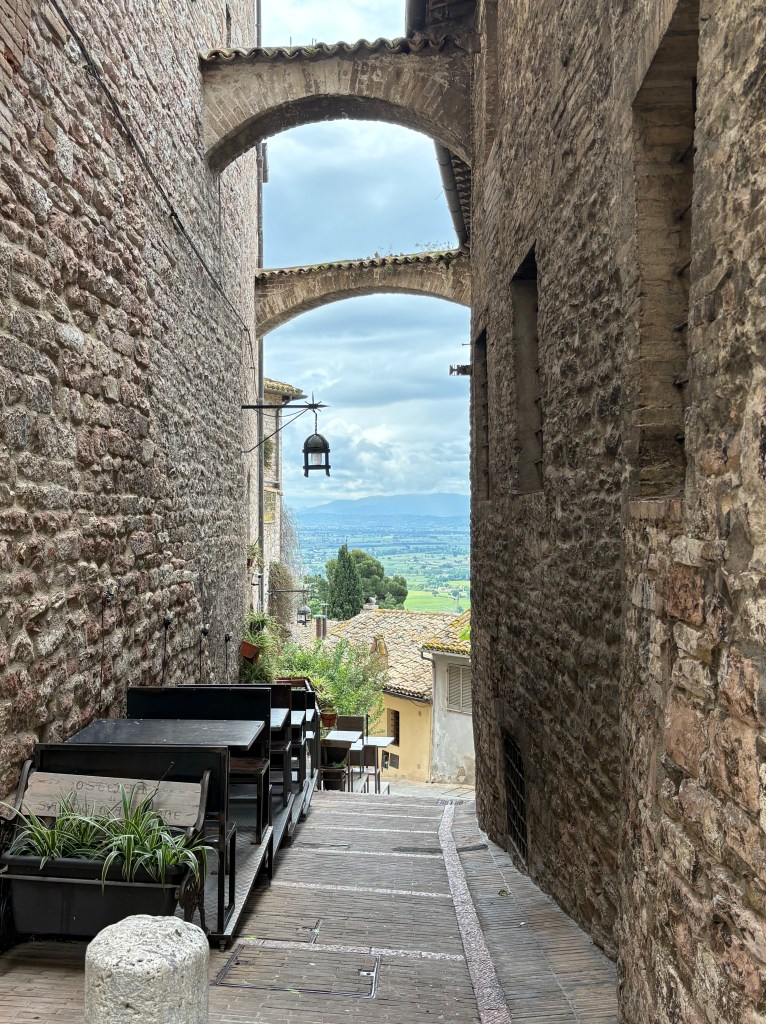
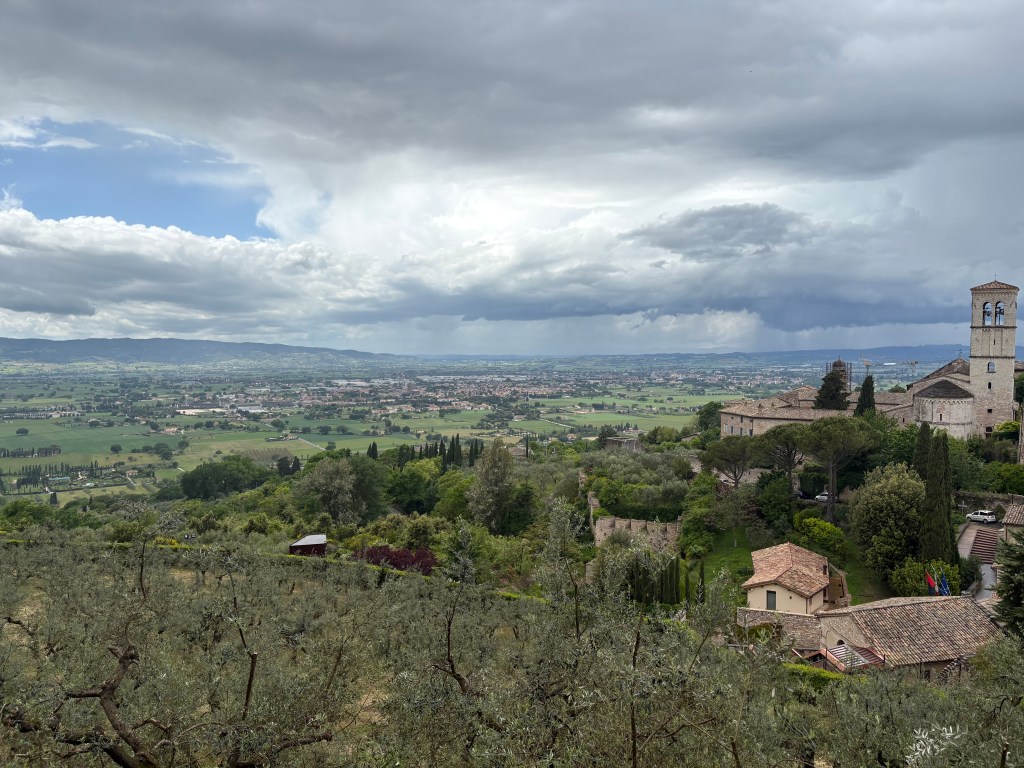
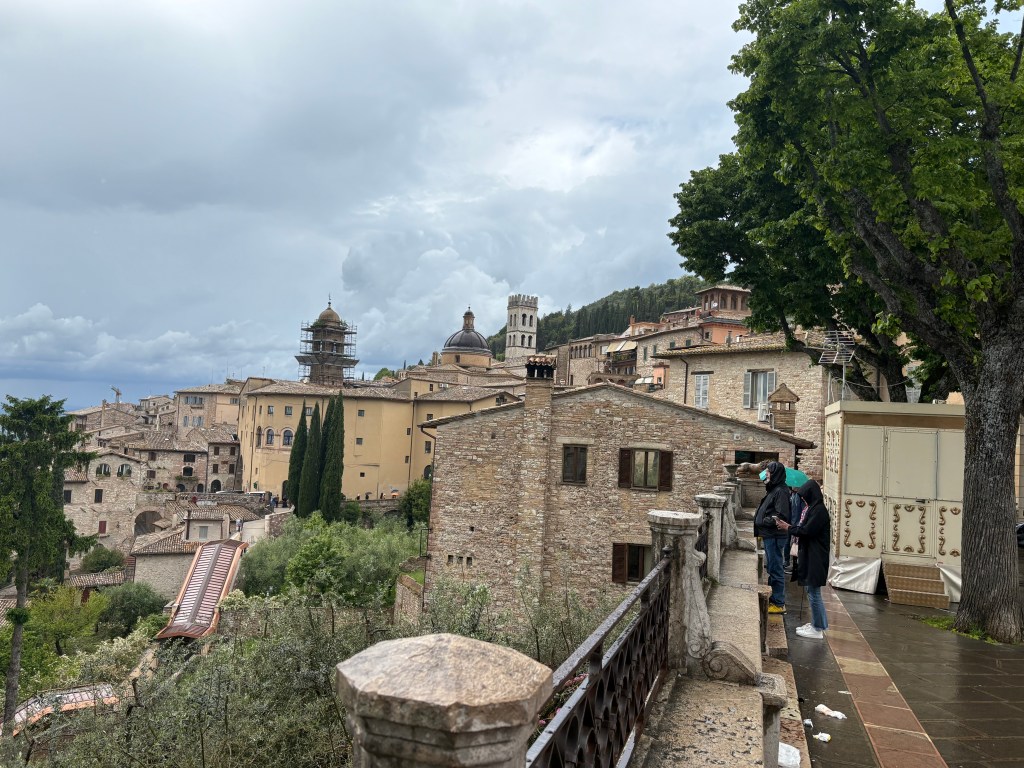
Day 7. After breakfast, we were bussed to Assisi and the Rocca Maggiore, a medieval hillside town and fortress at the top of the hill above the city, which has been designated a UNESCO World Heritage sight for it’s art and architecture. This day was probably the roughest weather on our trip with a steady pouring of rain with strong winds throughout our walk. Our tour guide led us through the Assisi Basilica with the tomb of St. Francis. We had a bit of free time and G went to the tomb of Carlo Acutis, the first millennial to be beatified and was awaiting sainthood in April but which was postponed when Pope Francis died. Afterwards, we stopped at a chocolatier that was known to make a certain batch of chocolates only in the spring, making no more after the supply was depleted, until the following spring. It made for a great souvenir to give to our friends and neighbors. We then enjoyed a lunch with a couple from the tour before bussing back to the hotel. Before dinner, we were treated to a private wine tasting in the basement.









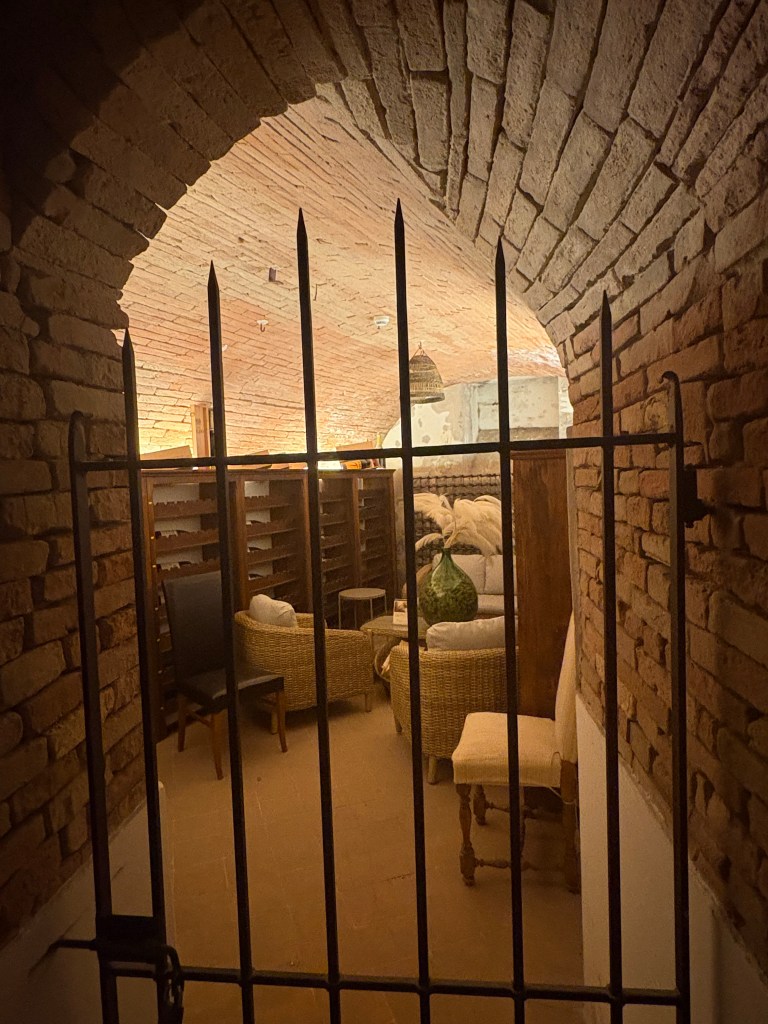


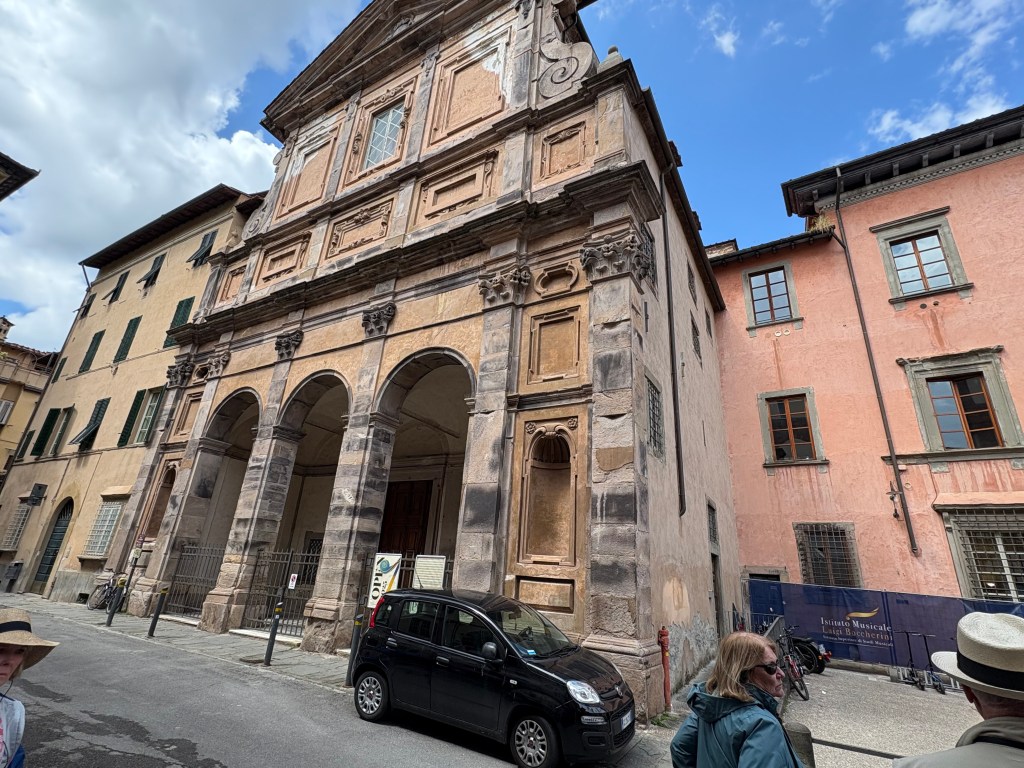
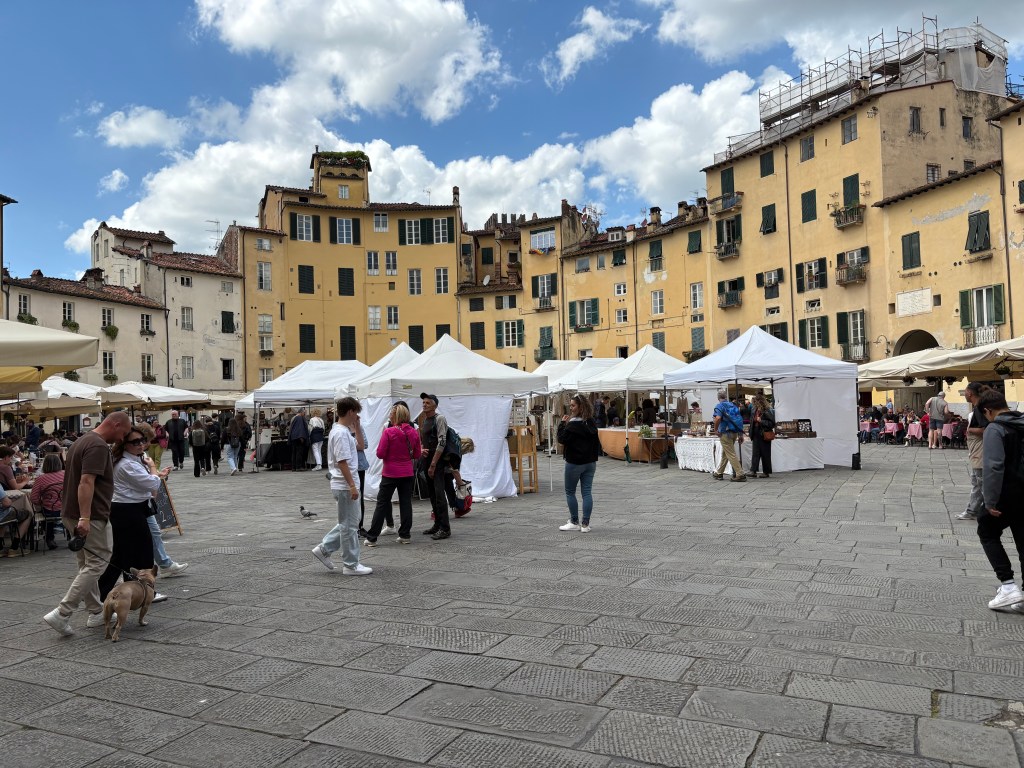
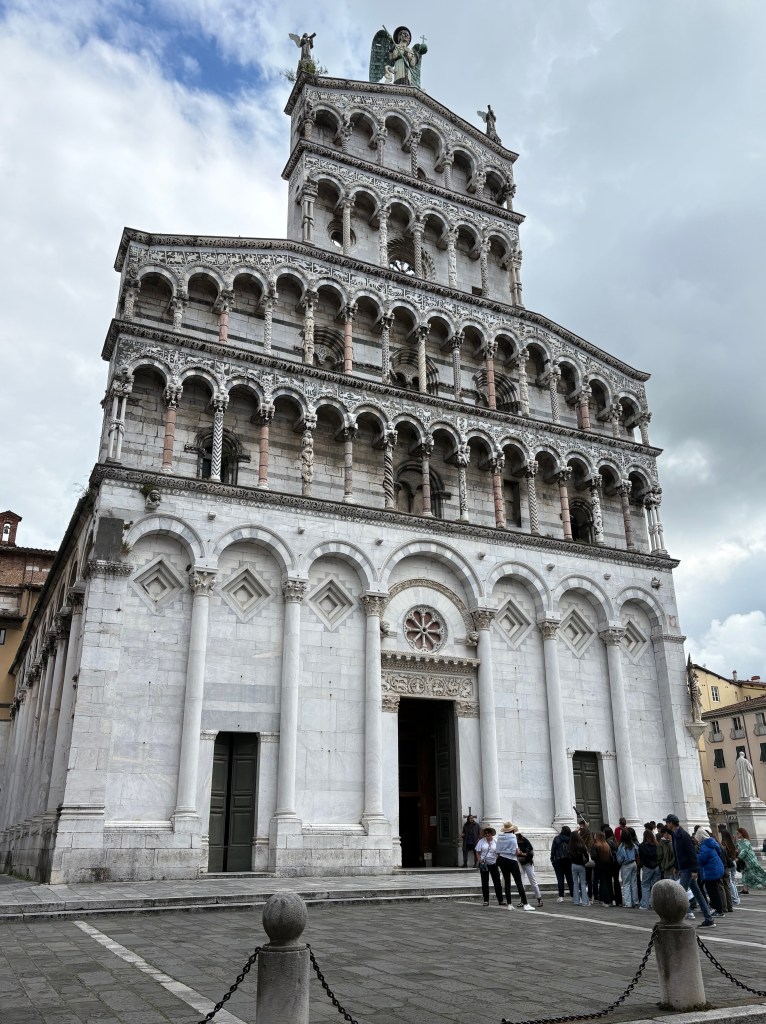
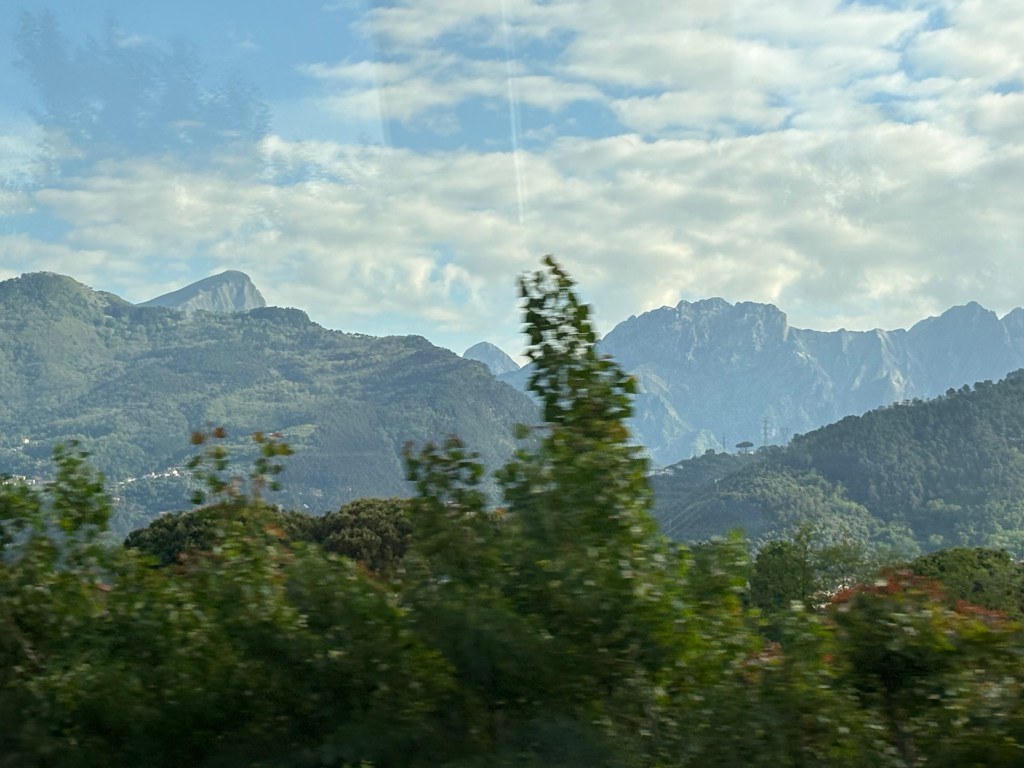
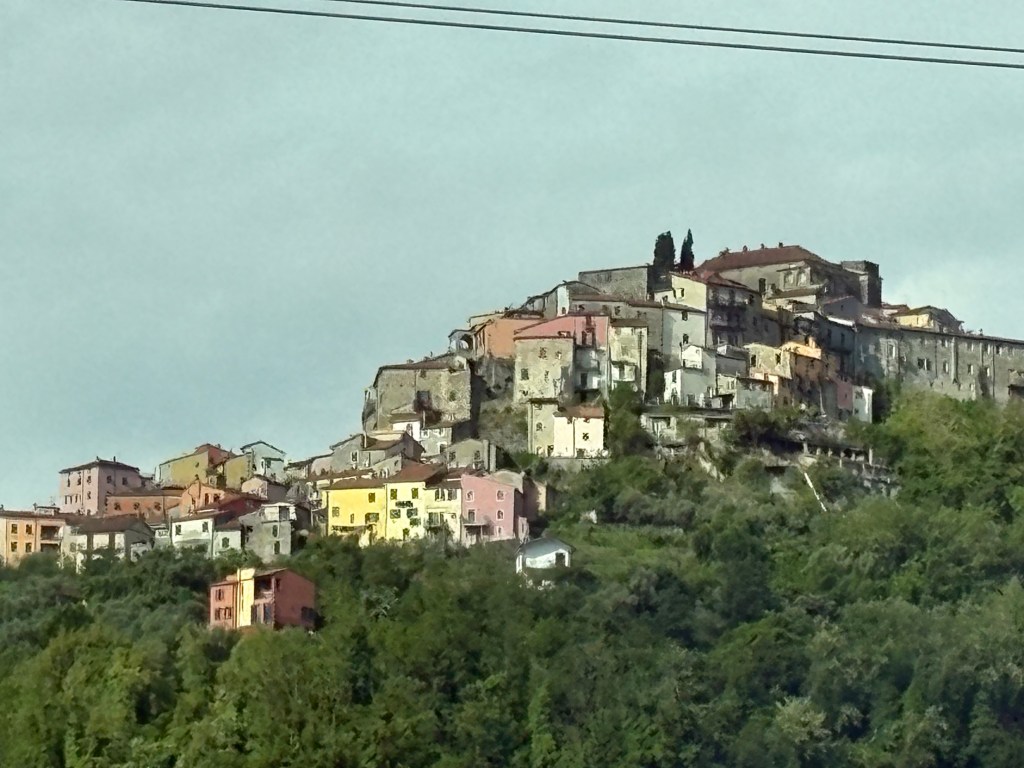
Day 8. We left Posta Del Donini and Umbria, through Tuscany’s landscapes, dotted with olive and fig trees. In the late afternoon, we arrived in Lucca, a former Roman fortification before being released in time to find lunch. After our free time, we met a tour guide for a walking tour of Lucca before returning to the Grand Universe hotel. Dinner was a quick walk to Antica Locanda dell Angelo where, during dinner, G kept everyone updated on the selection of the new pope. Most of us had been watching BBC before heading to dinner so we were keen to stay on this story.




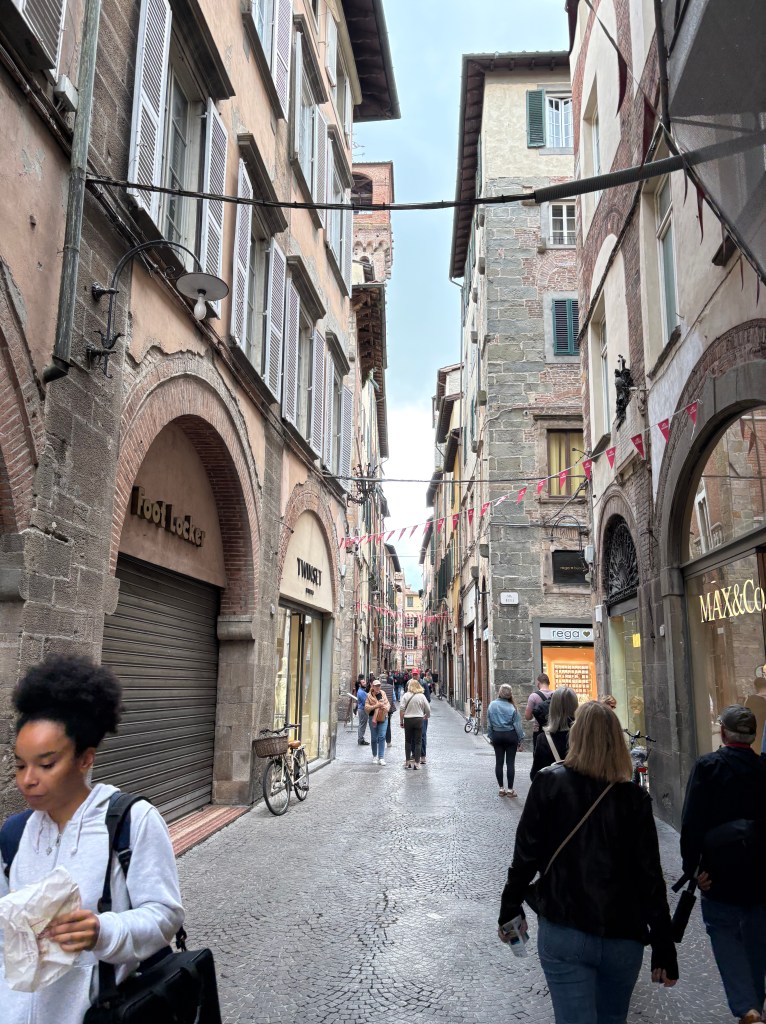

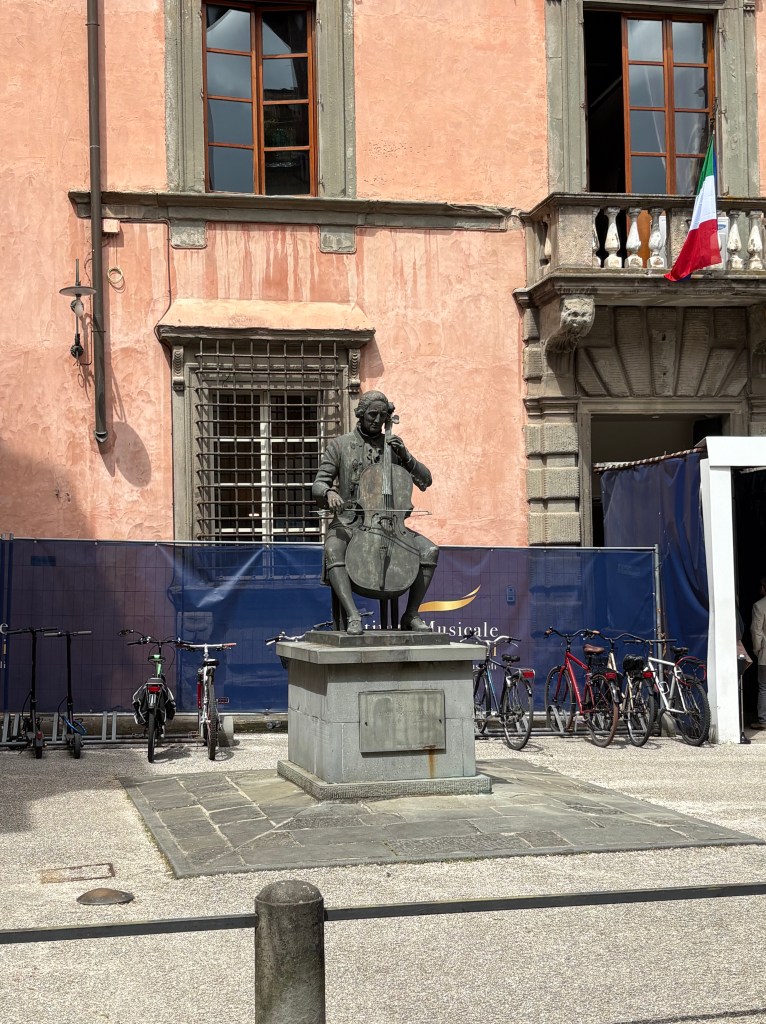

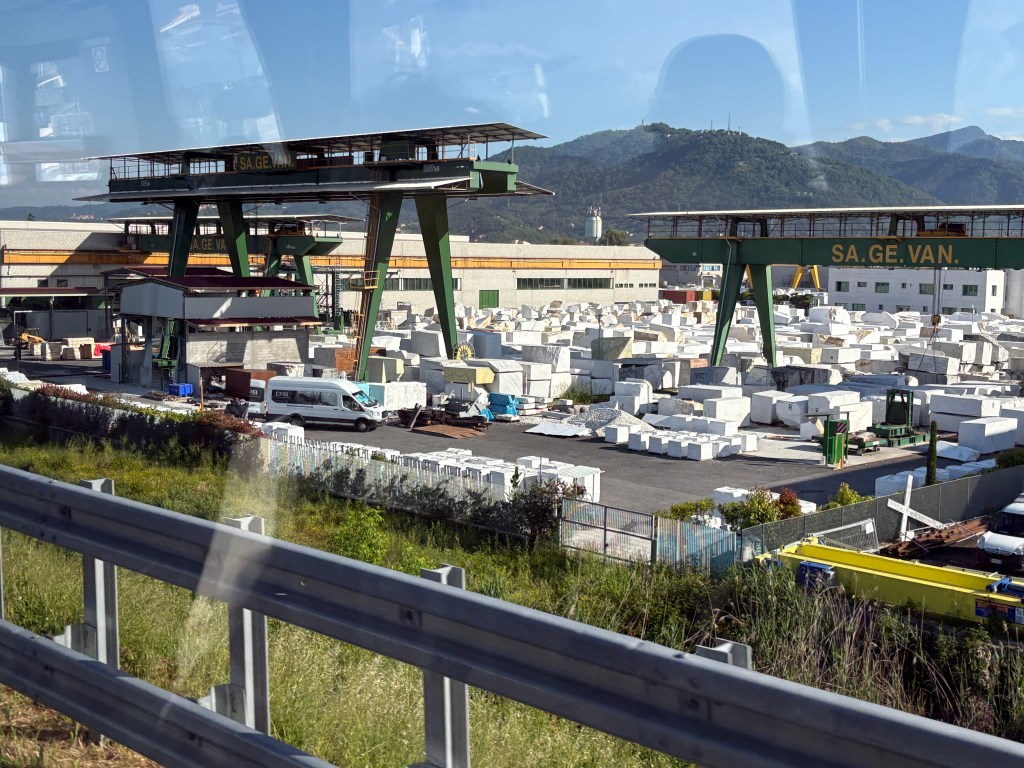
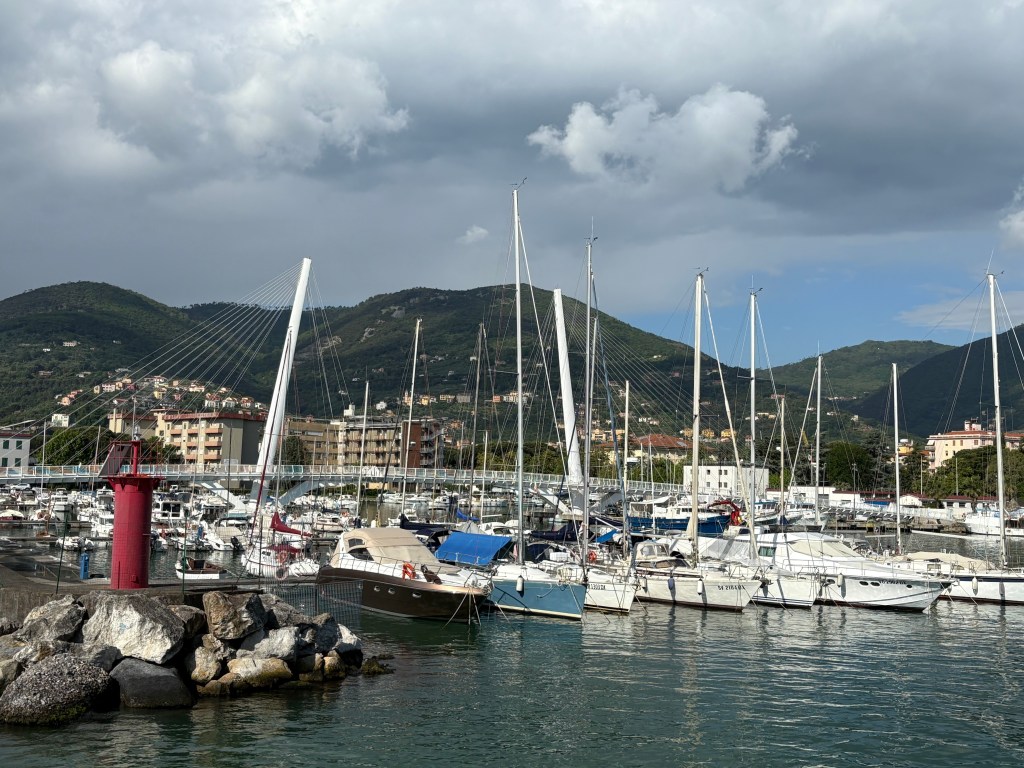
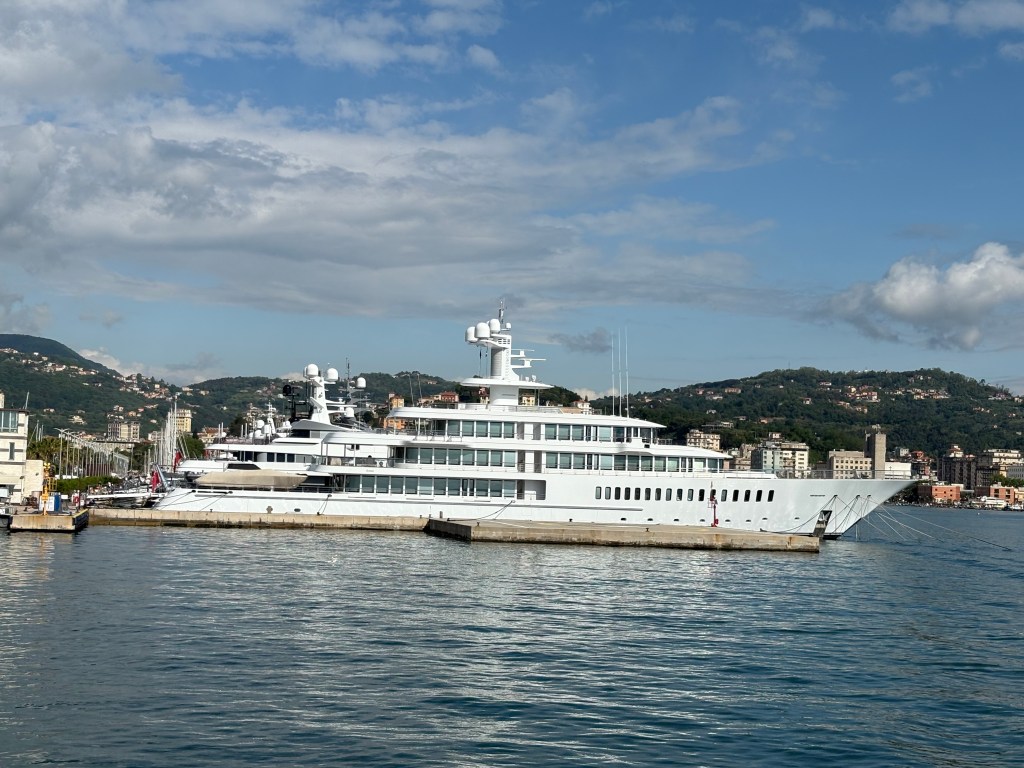
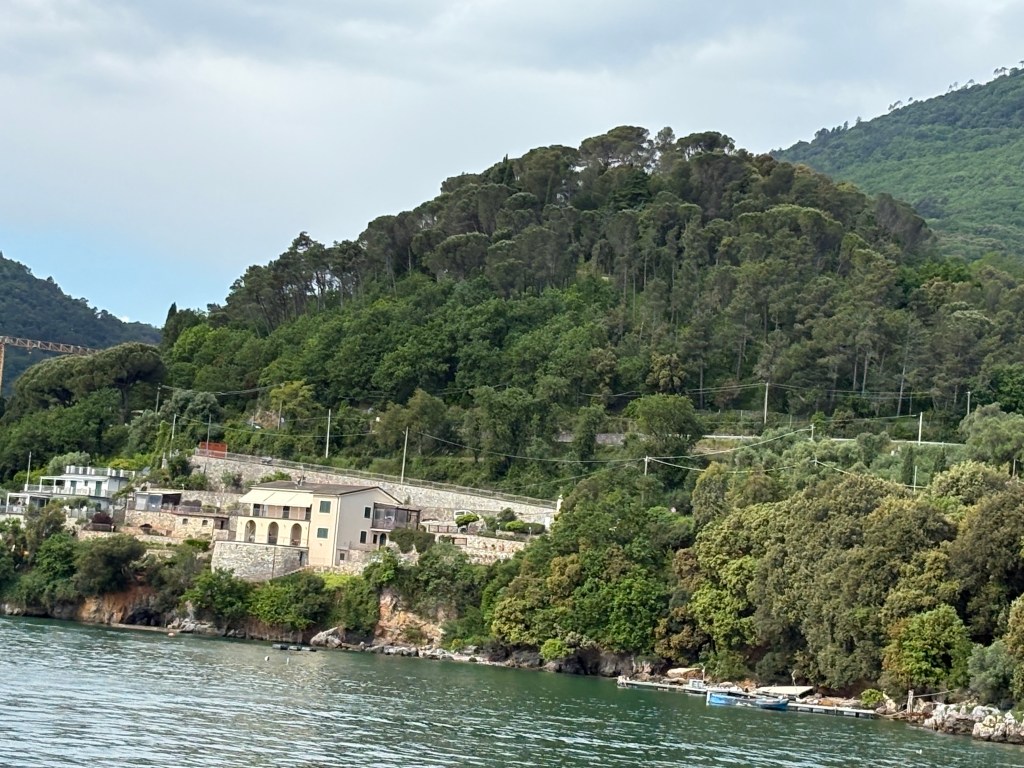
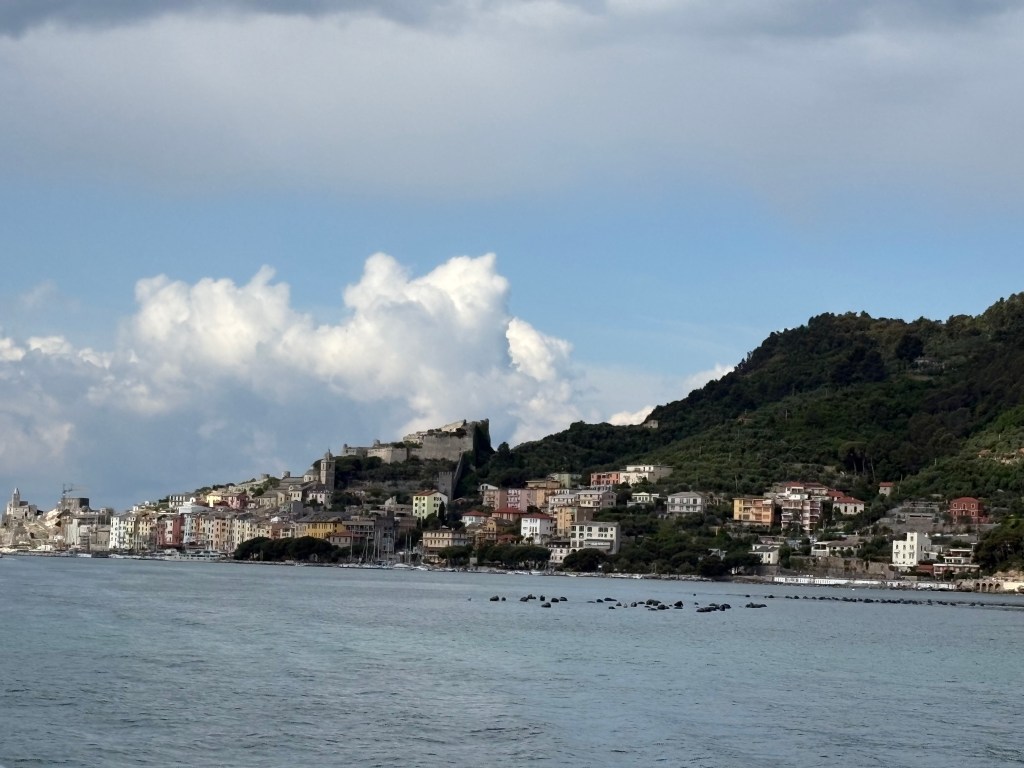
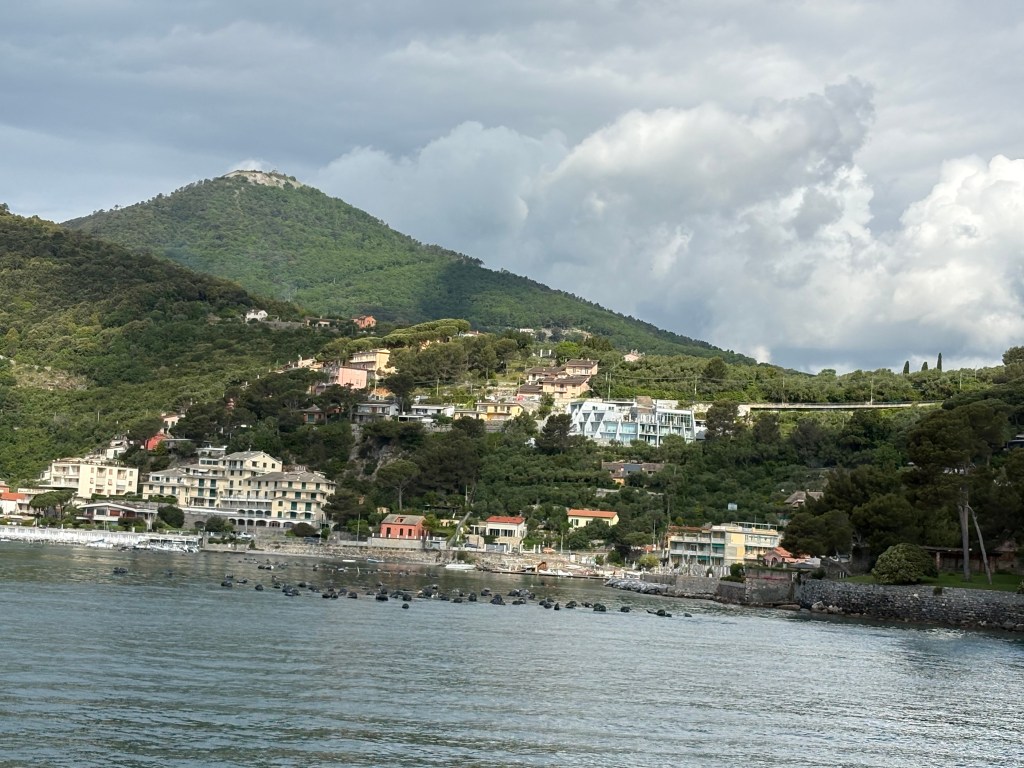
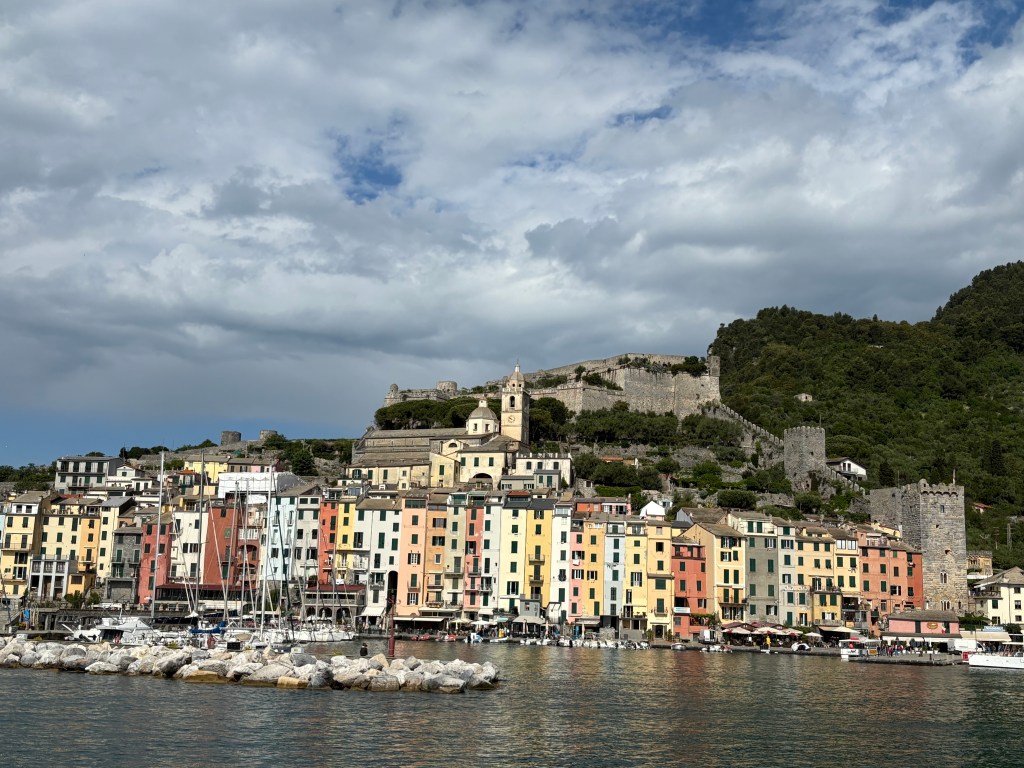
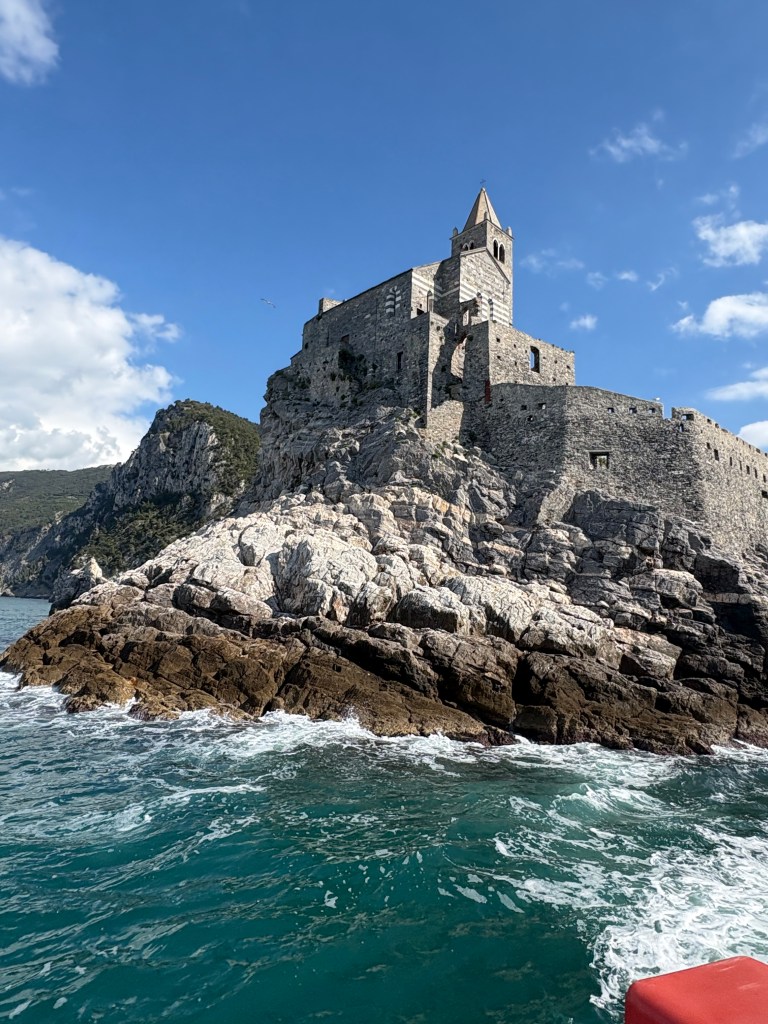
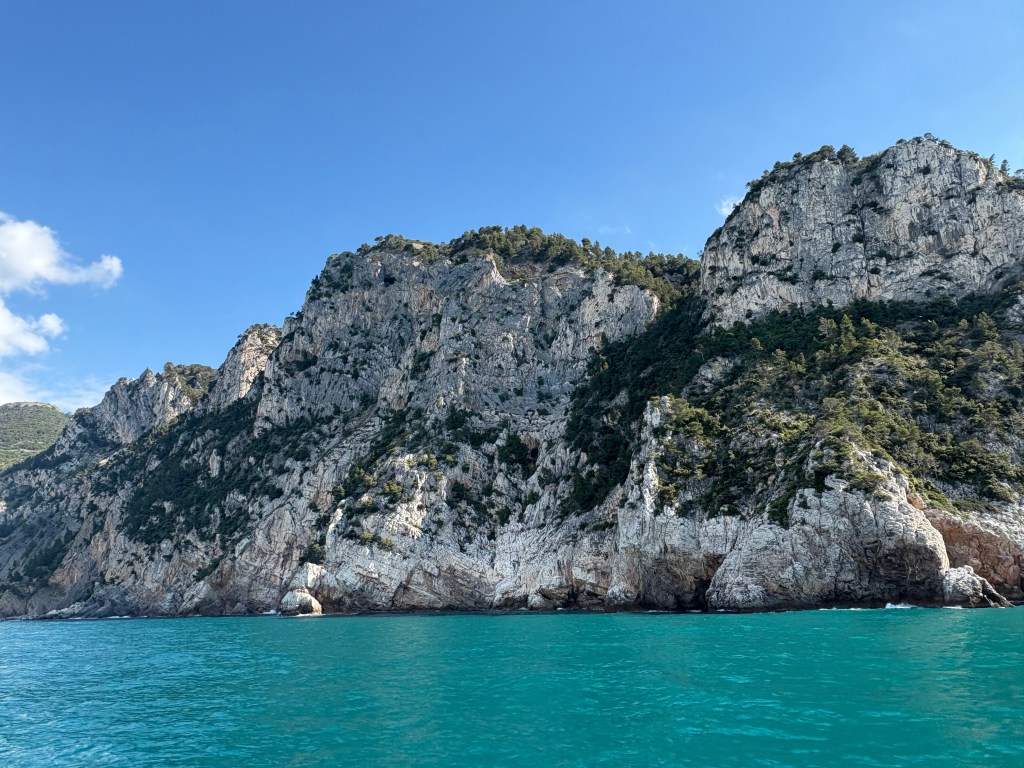
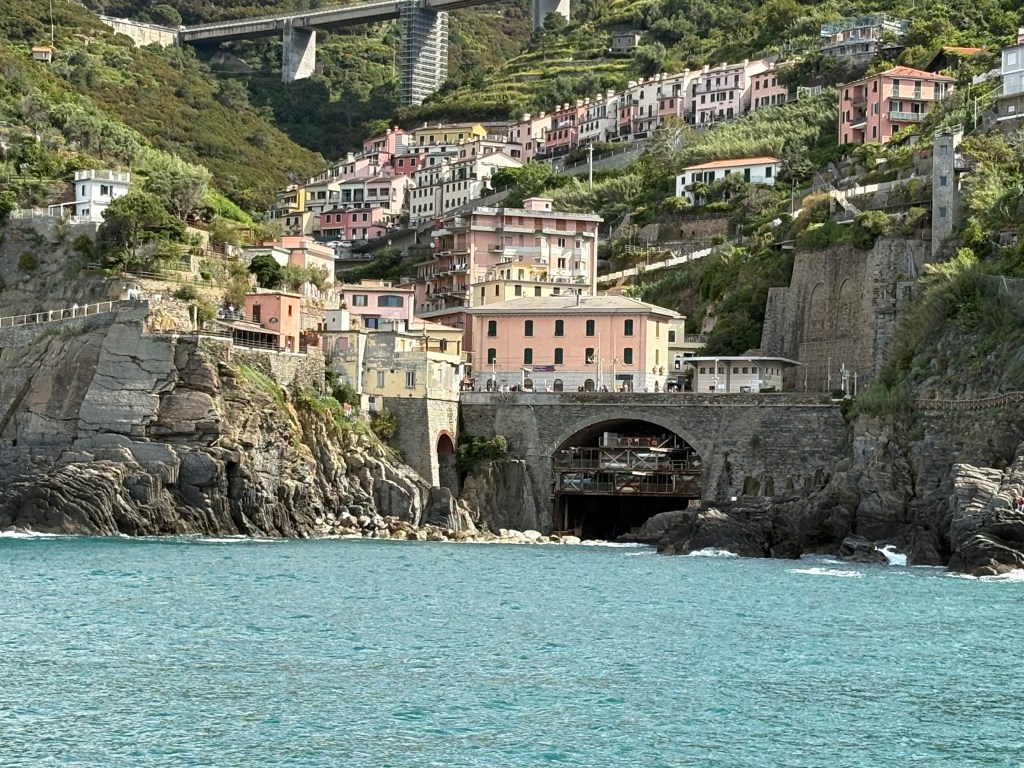
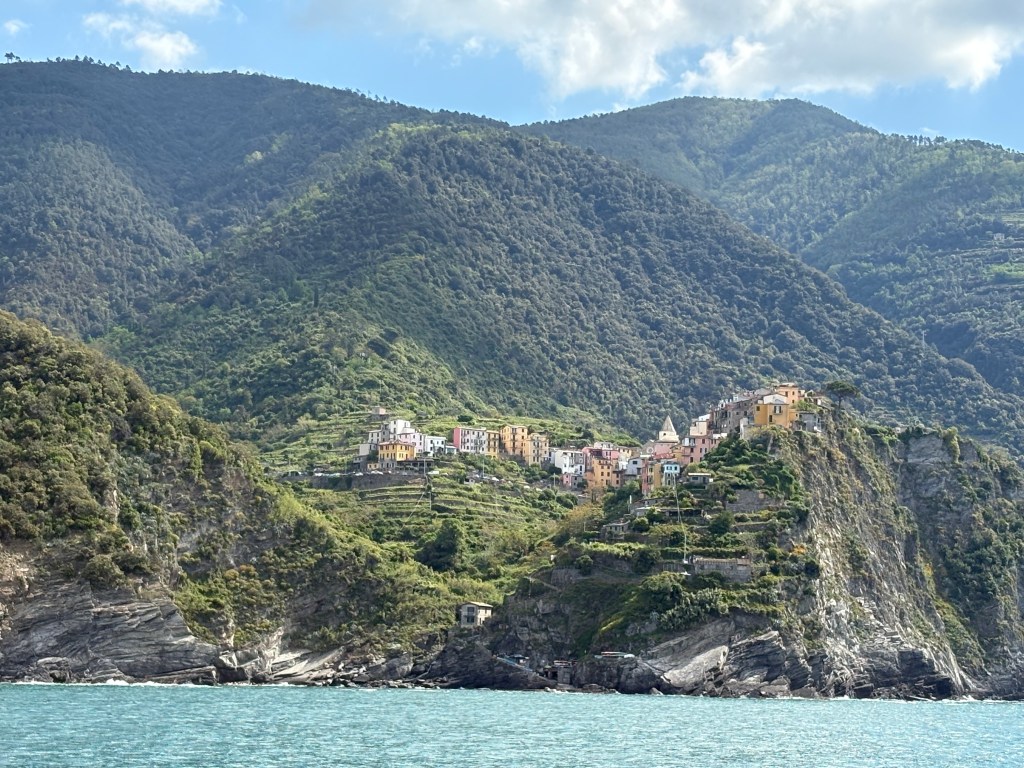
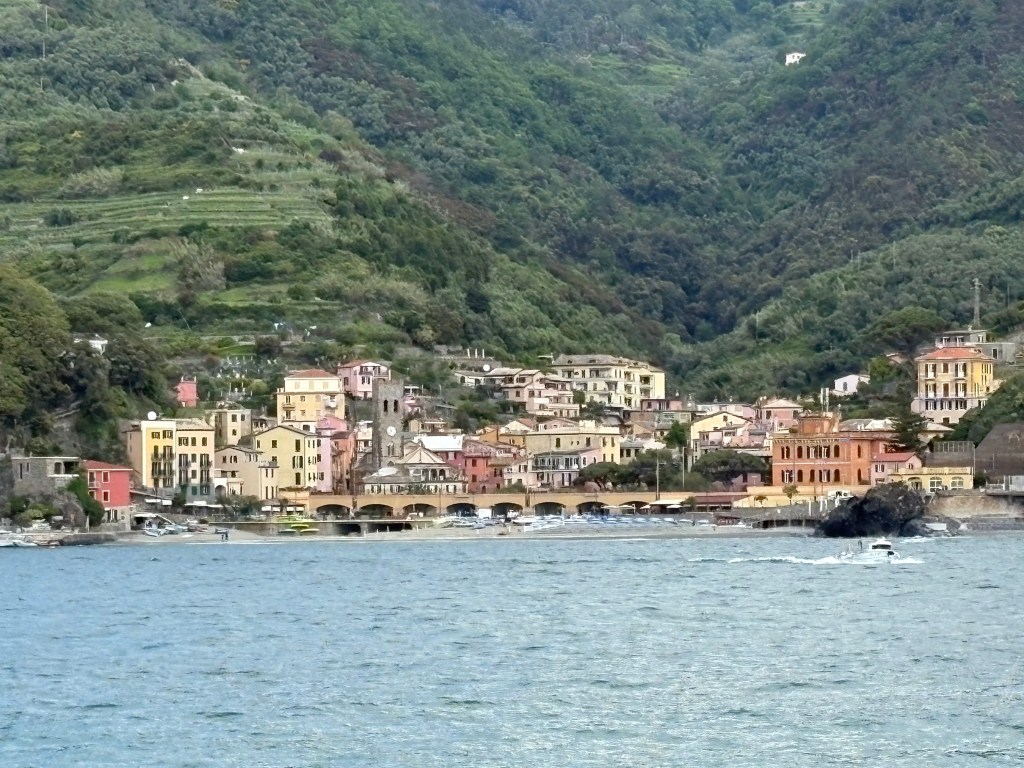
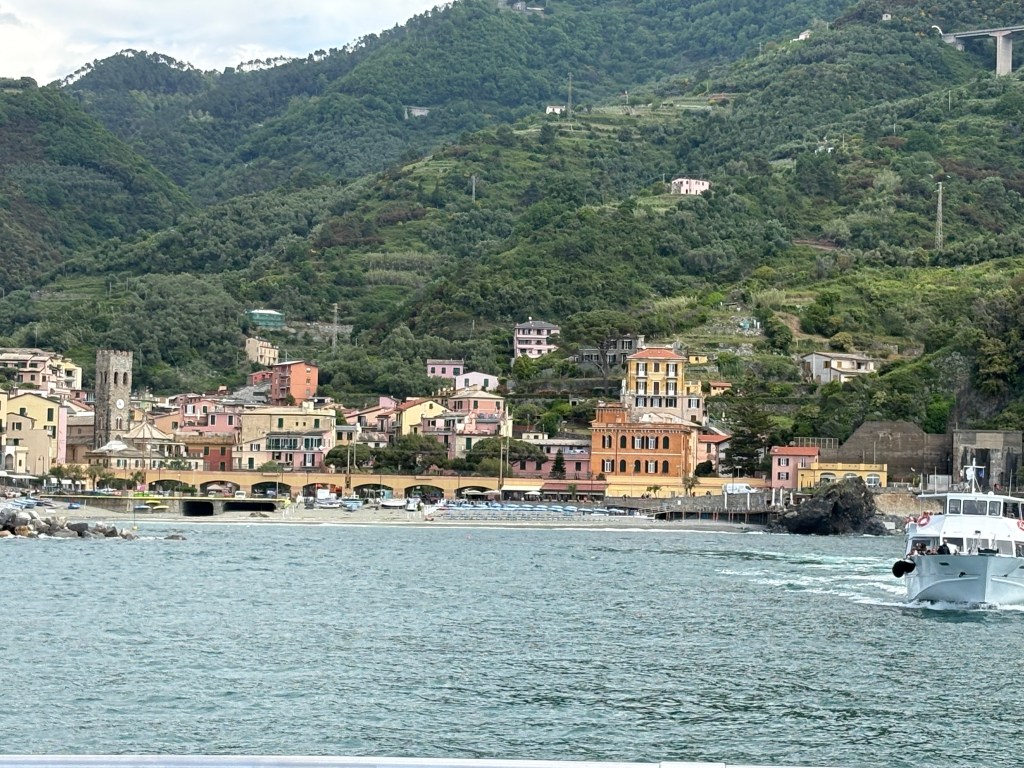
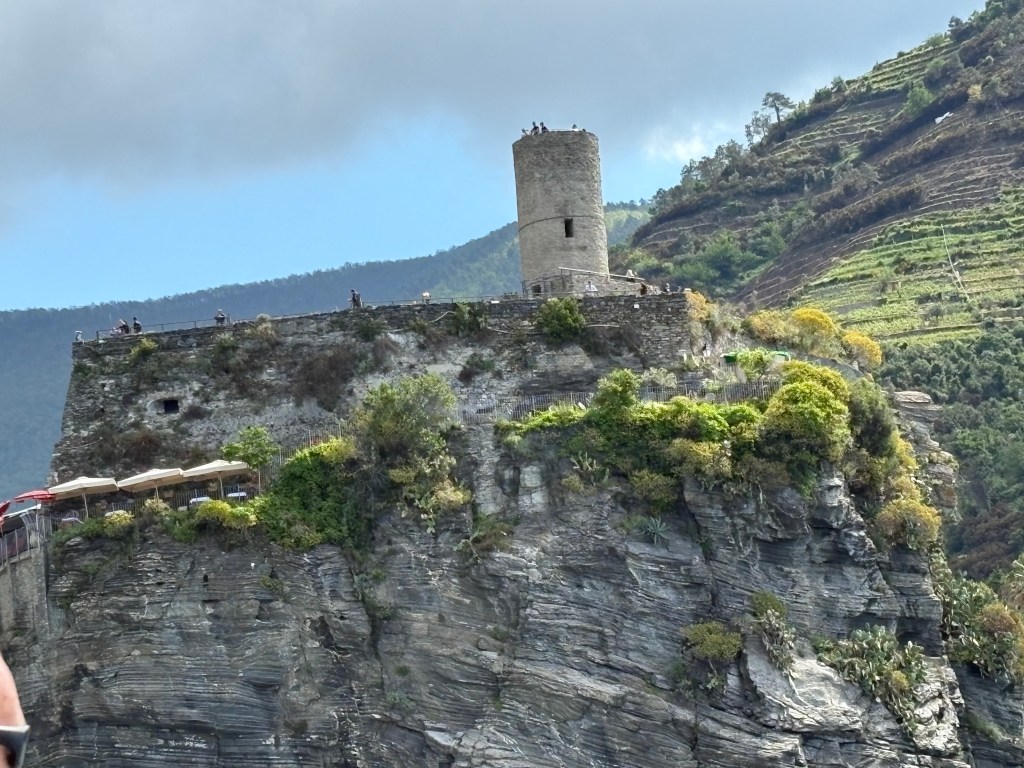
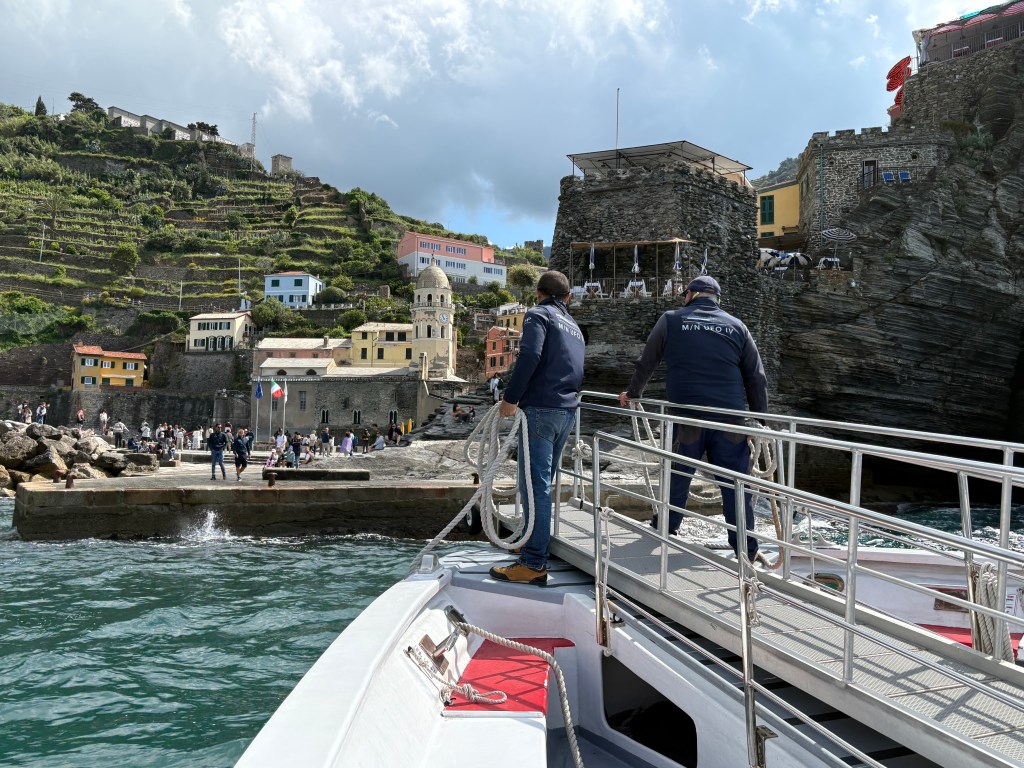
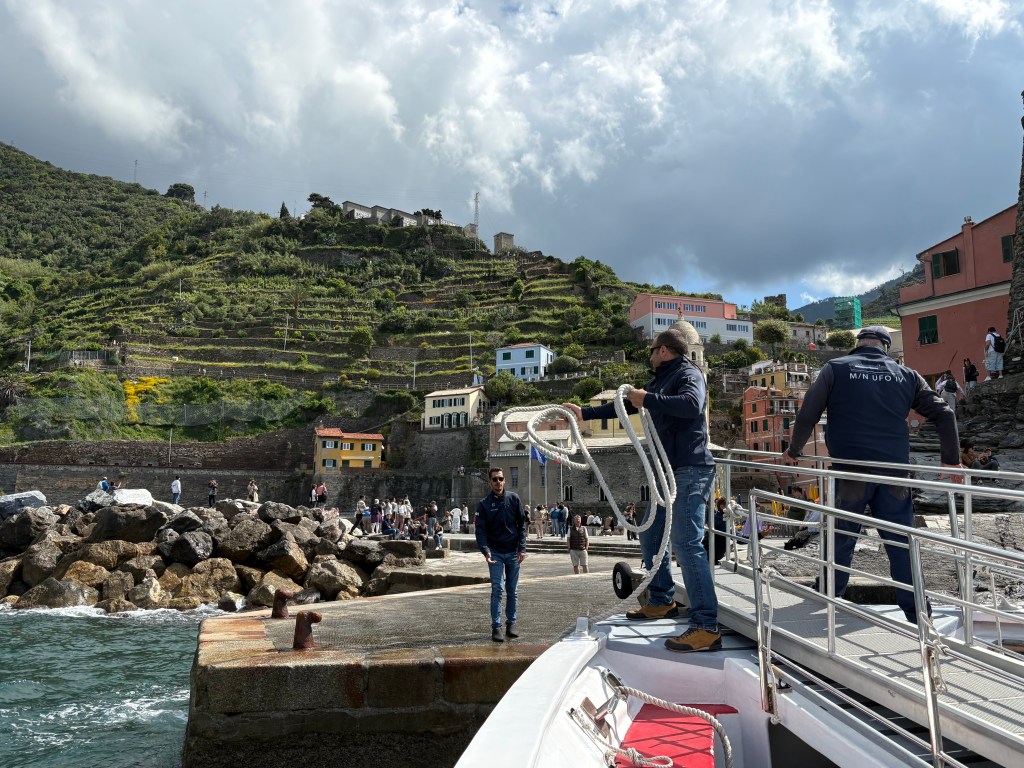
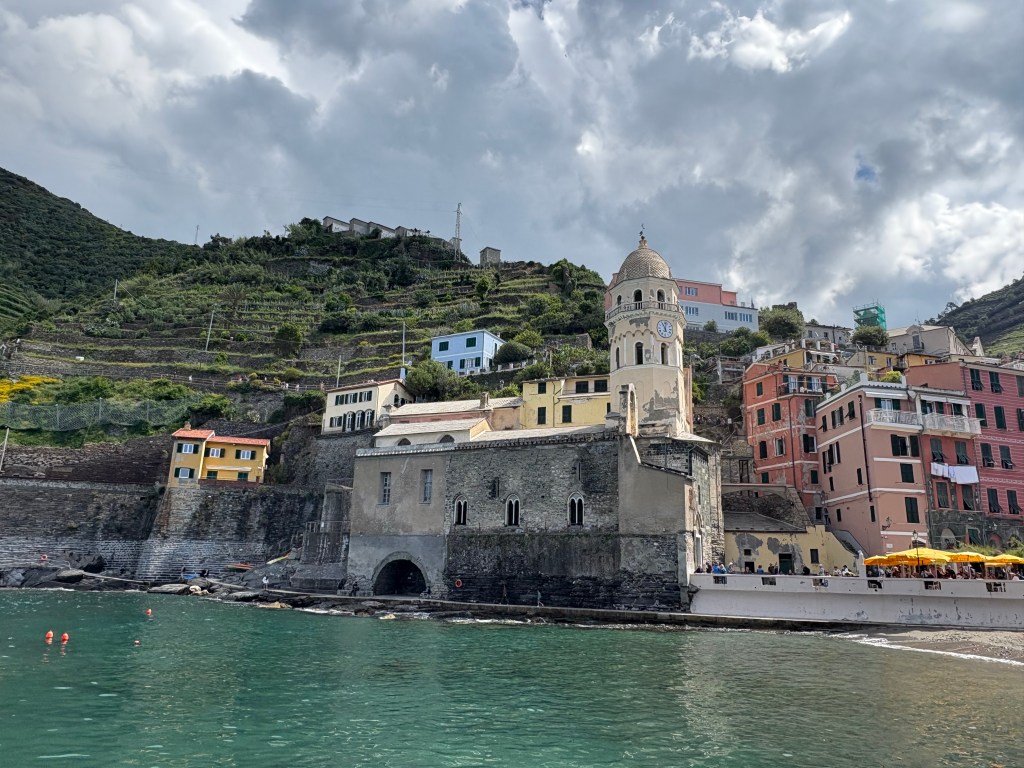
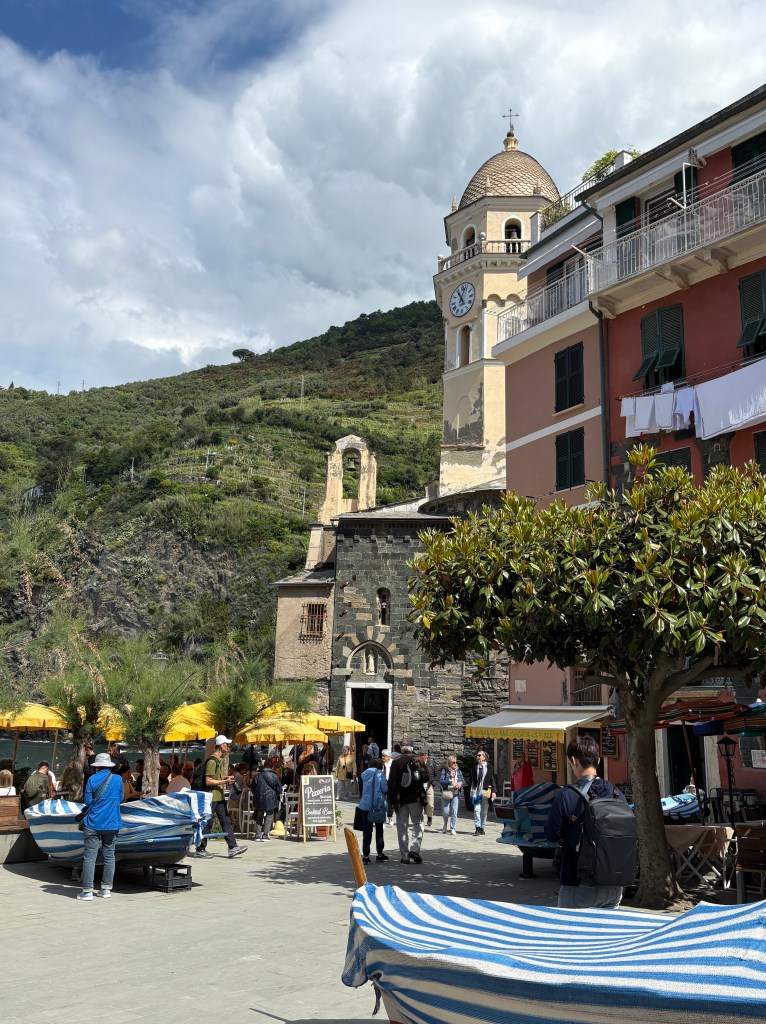
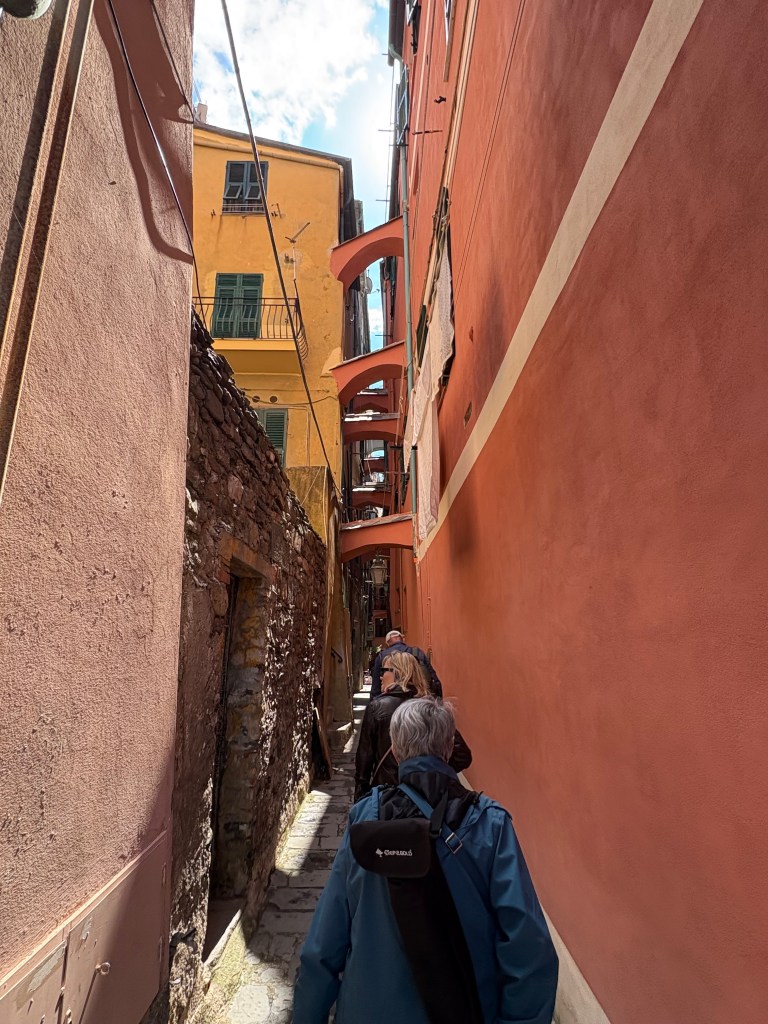
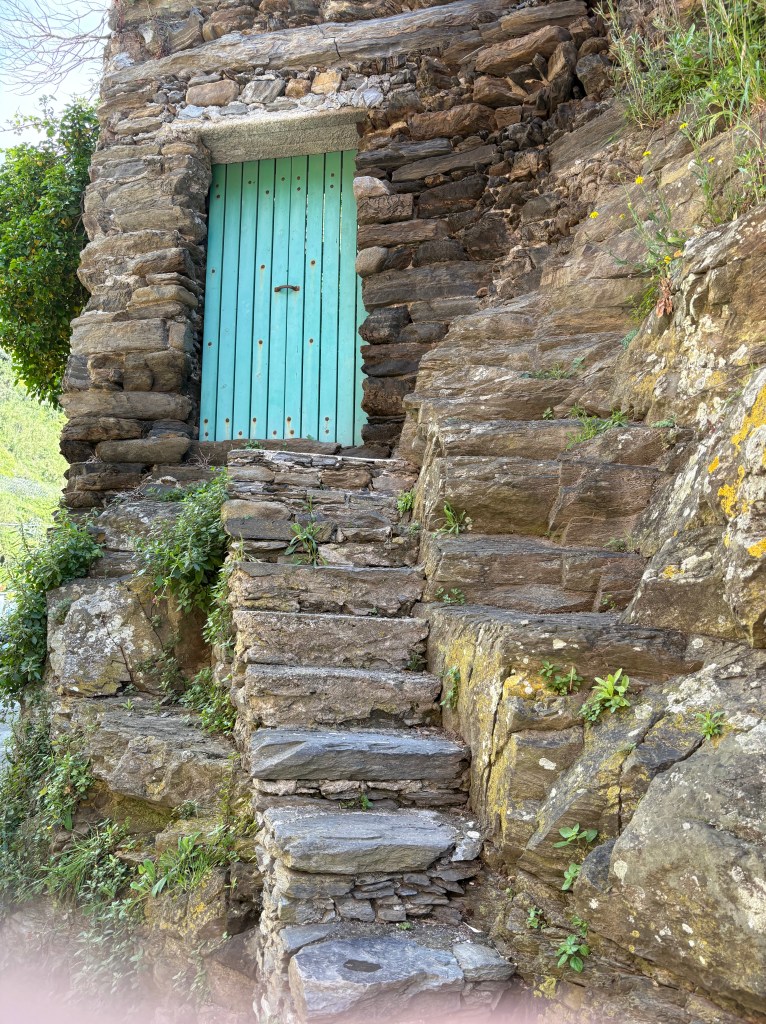
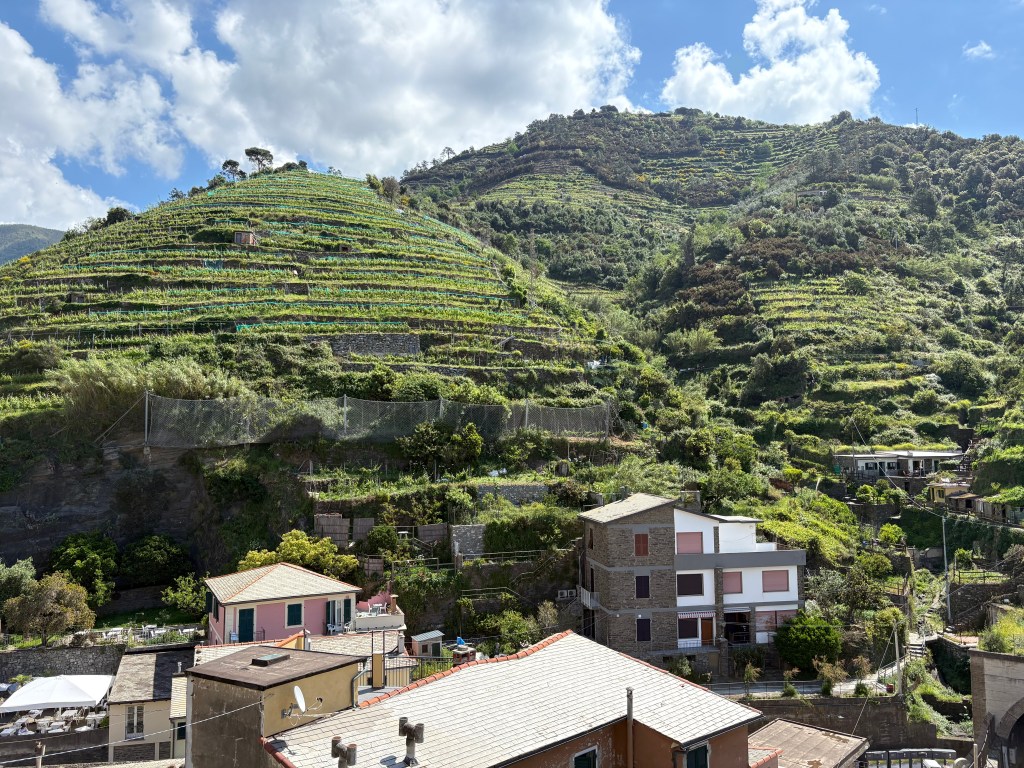
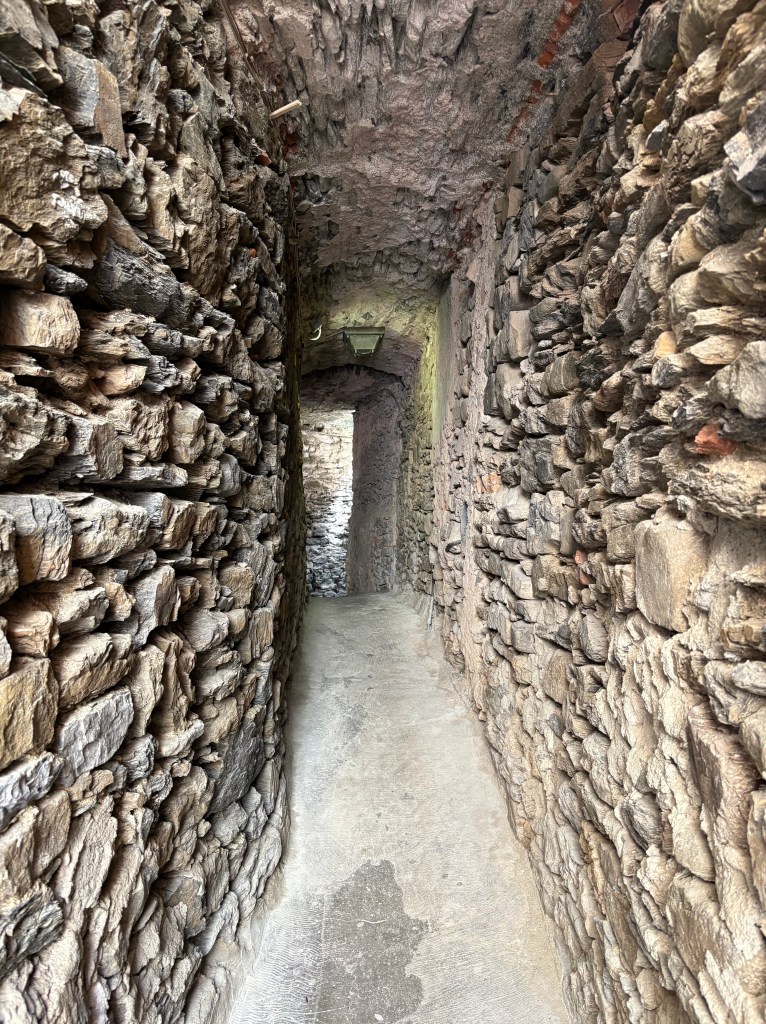
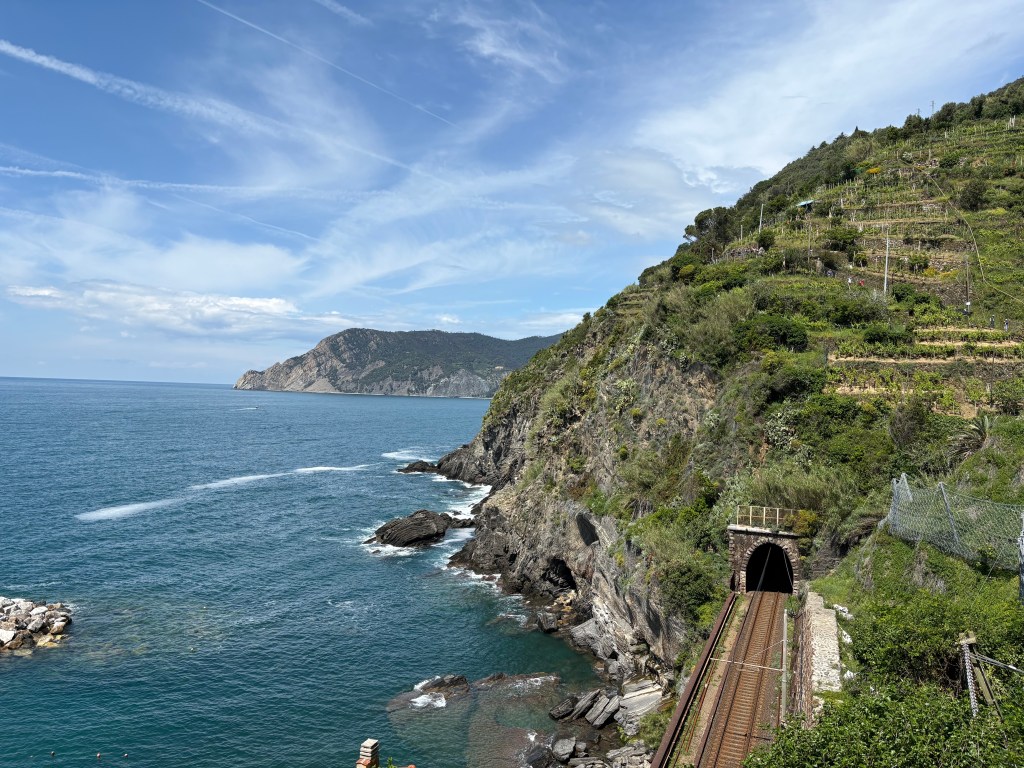
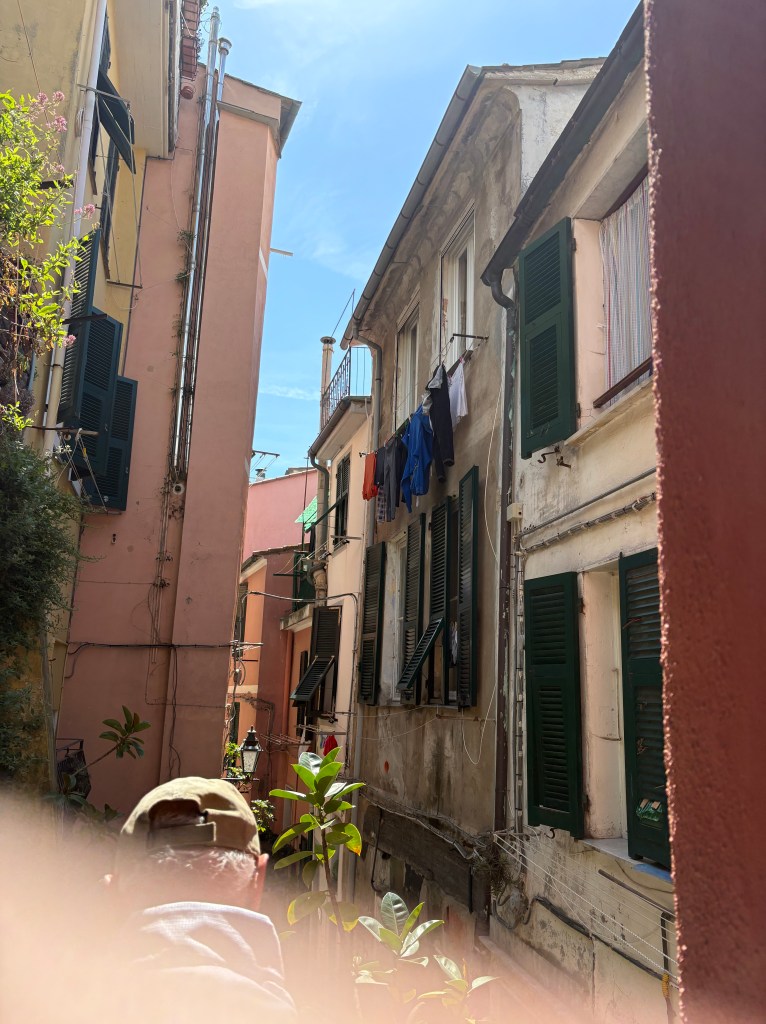
Day 9. We traveled in the morning to the port of Carrara where we passed by the many distributors of the valued white marble and where we would board to see lovely Cinque Terre. For hundreds of years, Cinque Terre – five picture-book fishing villages nestled between the Mediterranean’s blue waters and the rugged coastal mountains – was accessible only by sea. We were ushered onto a boat to cruise along the Italian Riviera views of the dramatic coast. As we were leaving the dock, pointed out were the many yachts and one specifically, the largest, owned by a Russian oligarch. We disembarked at the village of Vernazza for a walking tour of the incredibly steeped terrain, with outstanding landscaping. On our free time afterward G and I grabbed a table to enjoy a beer and the ambiance. Before we met the group again at the train station, we picked up pesto, which is a main export for the area and a small variety of olive oils, also pressed in the village. We planned to give them to a couple of friends we know in Milan, later on our trip. The scenery was once again fabulous on our train trip to La Spezia, Florence. Arriving at Hotel Brunelleschi and after a rest, we were whisked to dinner at the Osteria la Pagiazza.












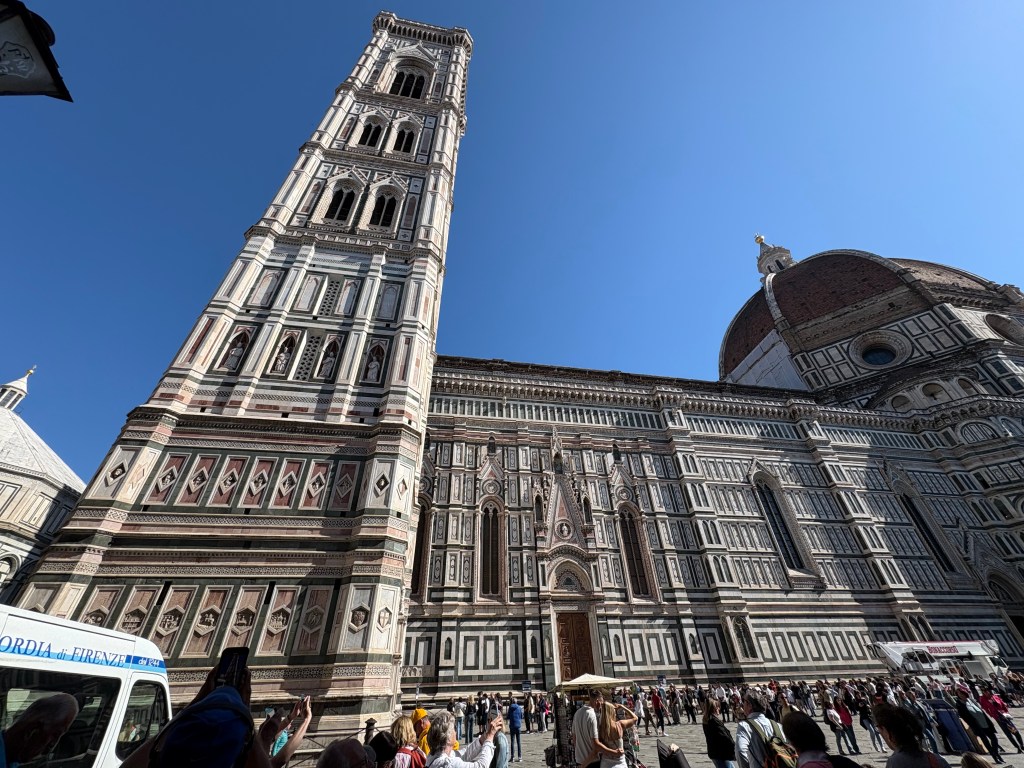
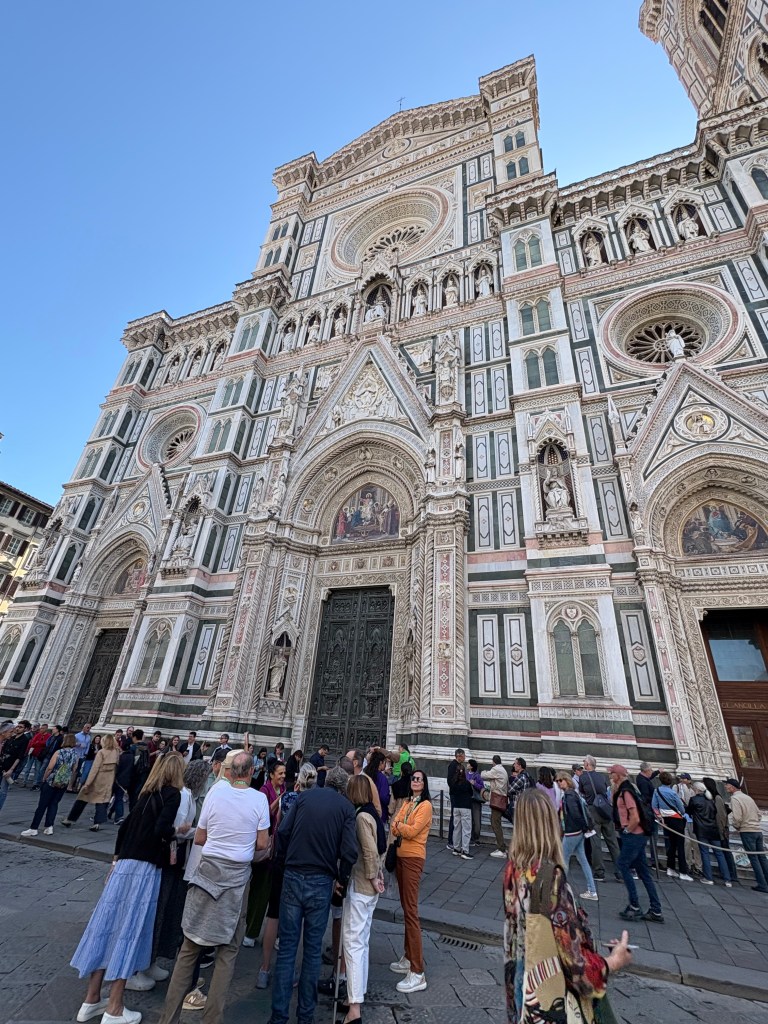
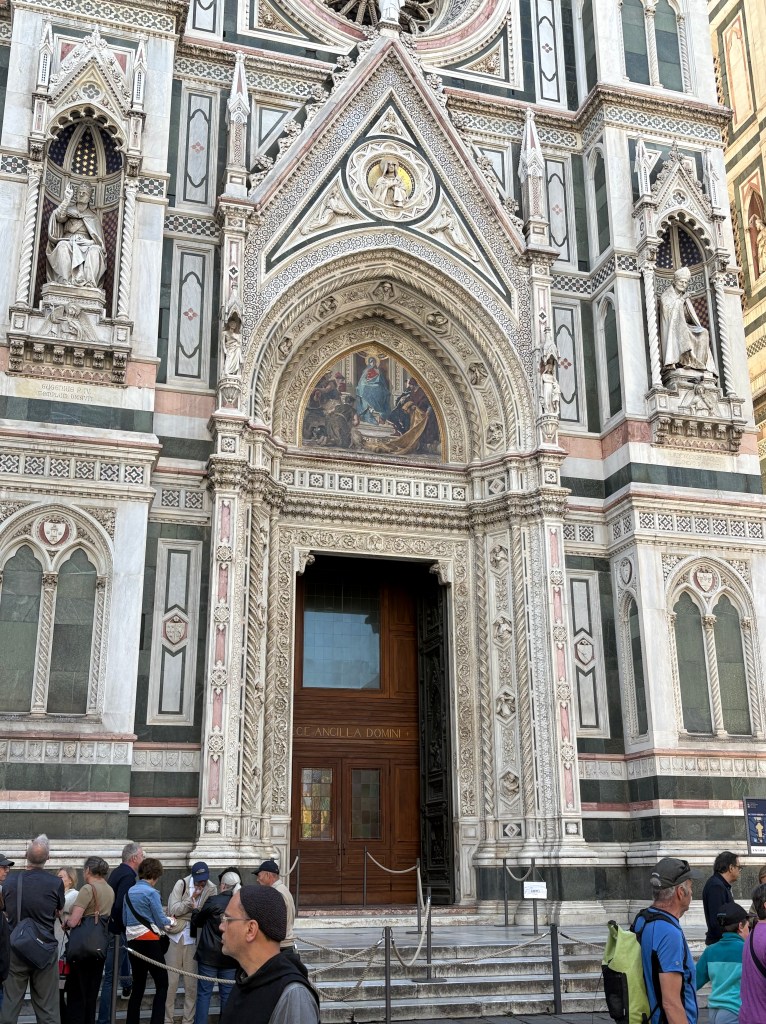
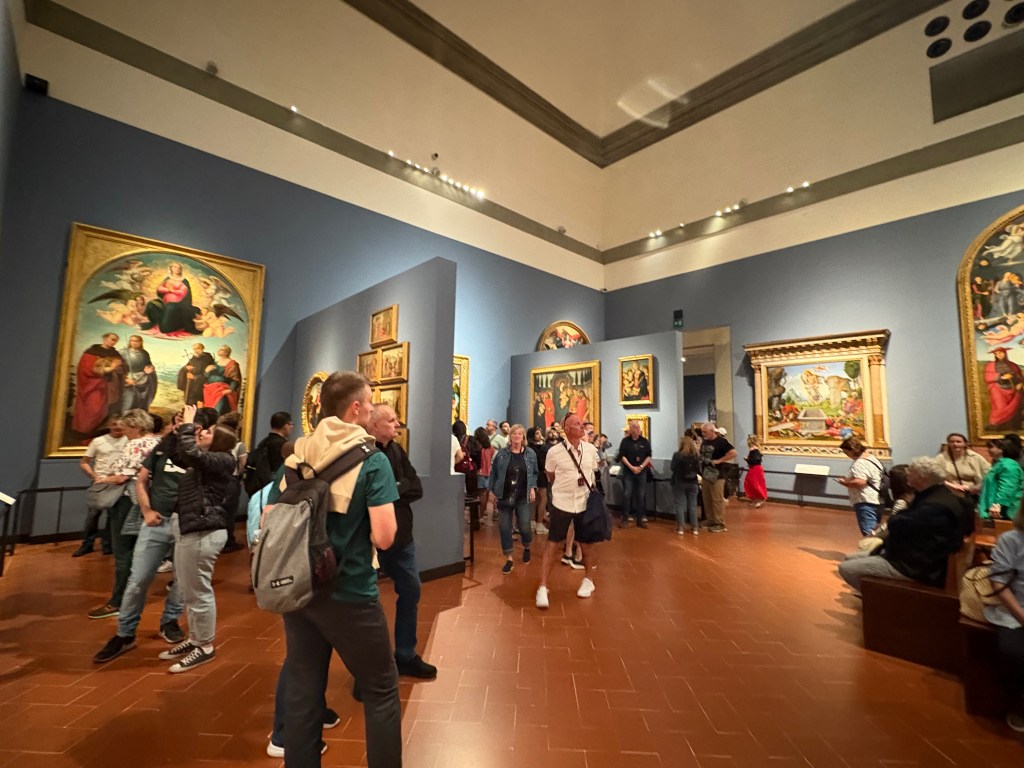
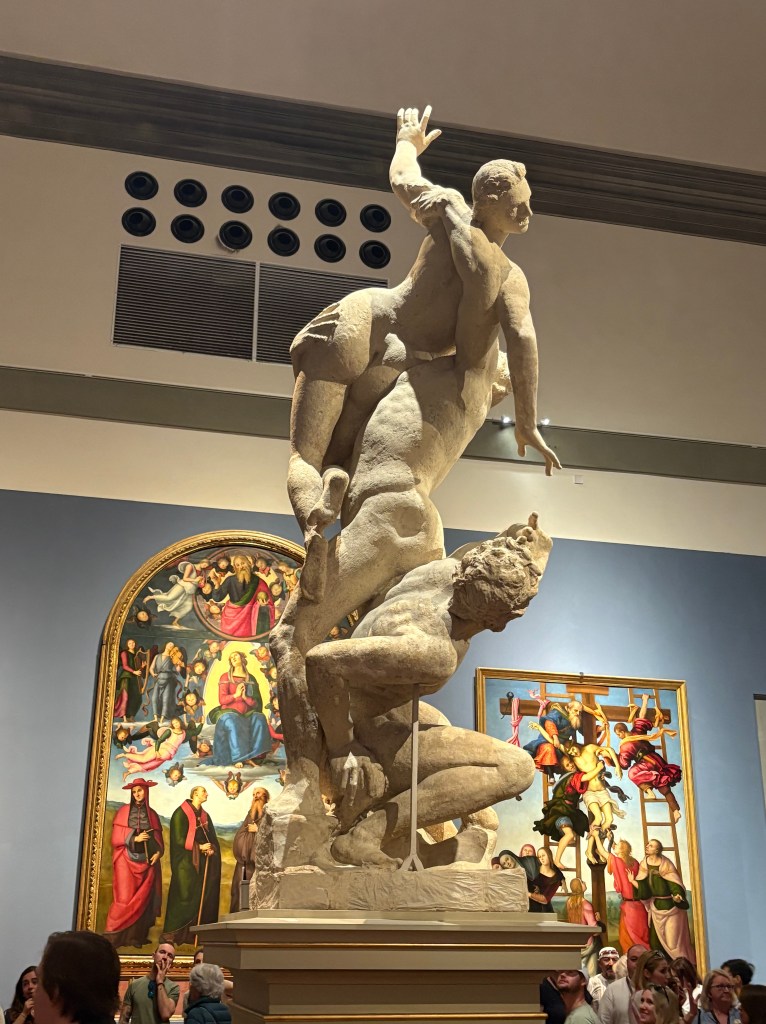
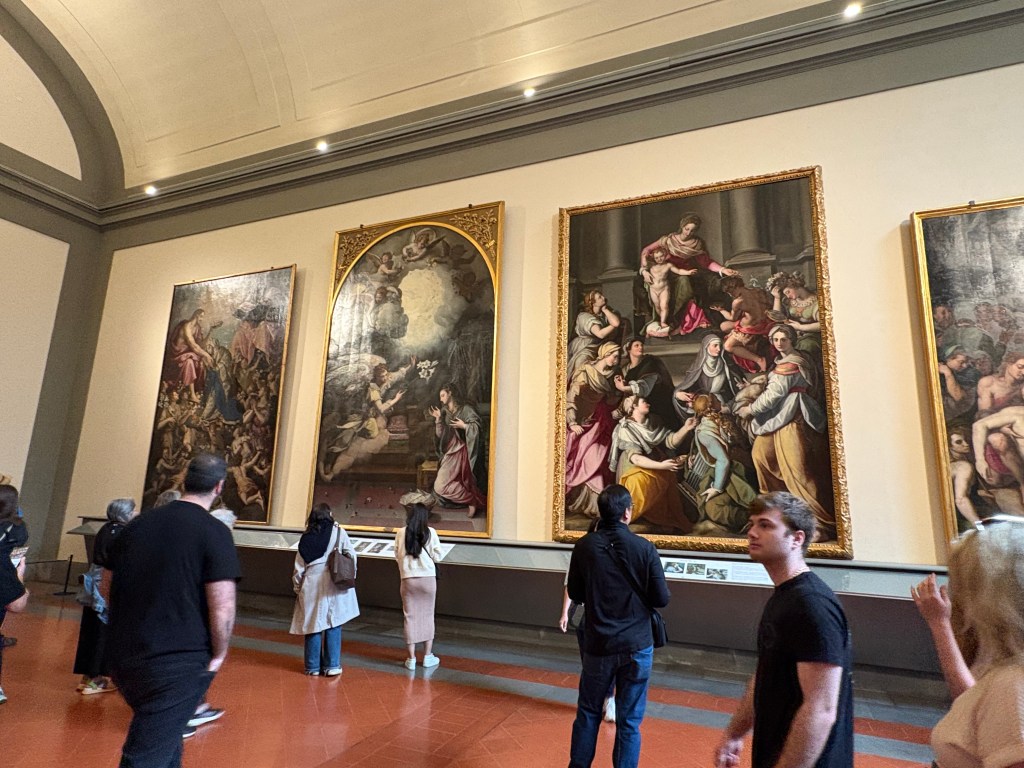
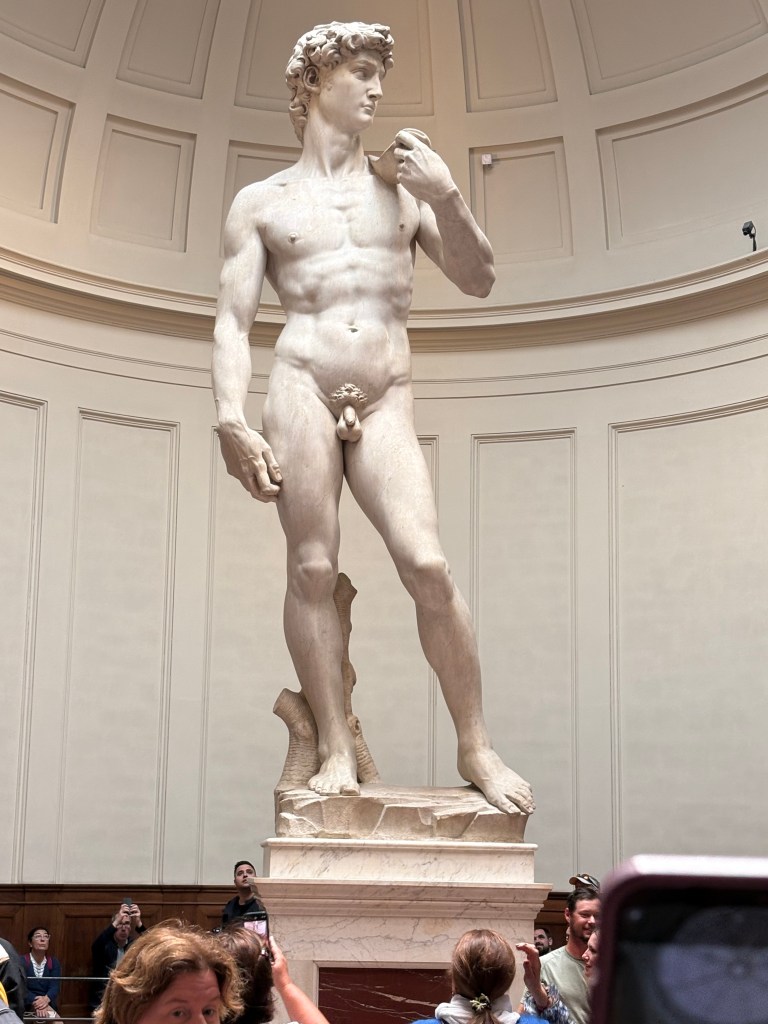
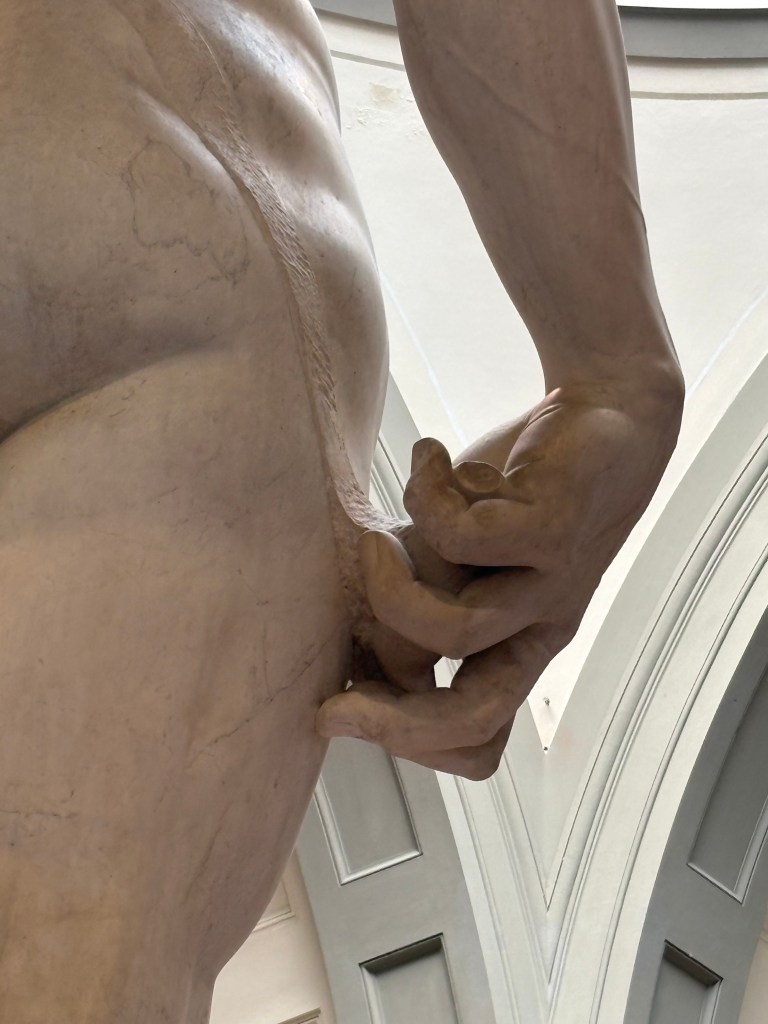
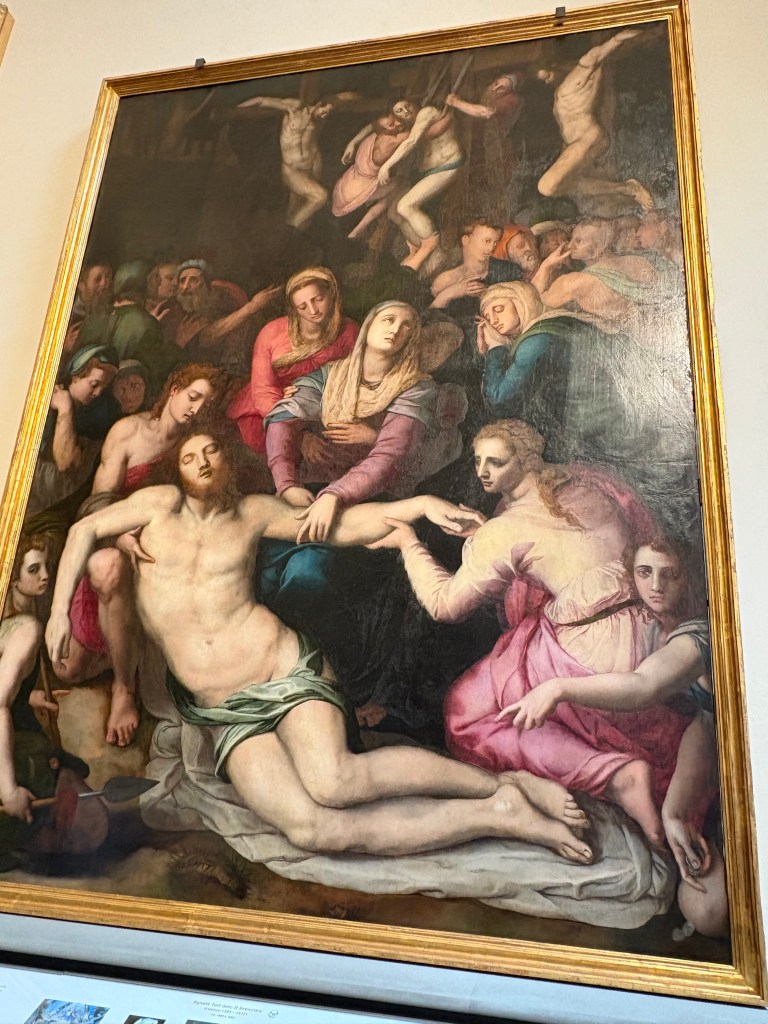
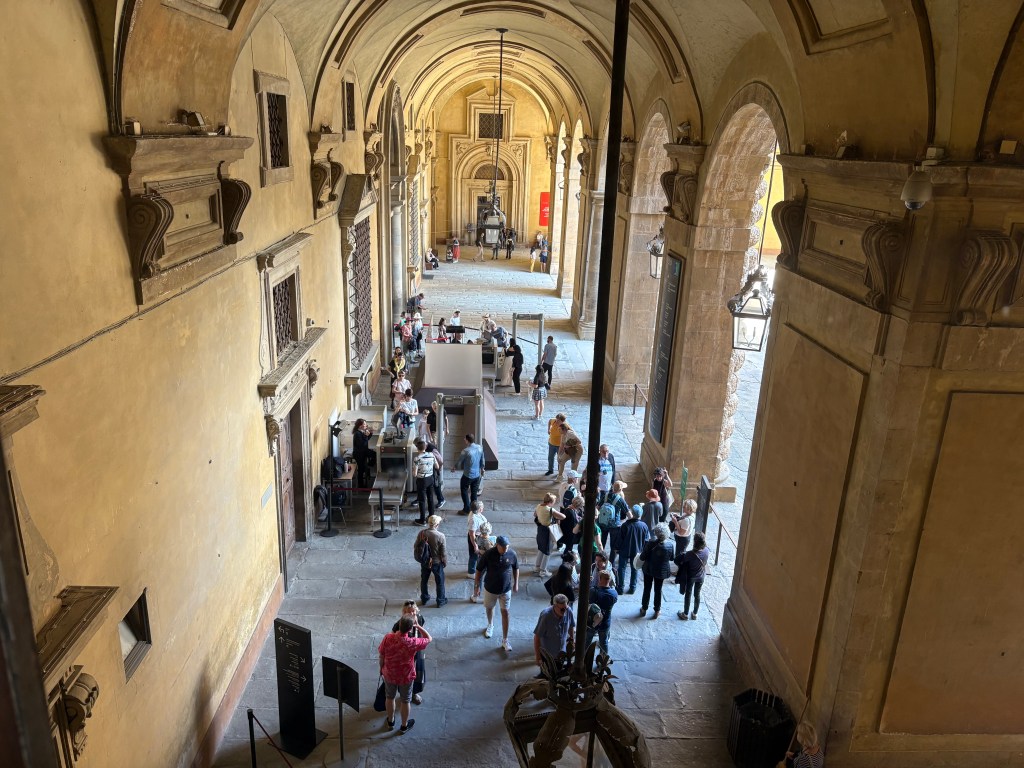
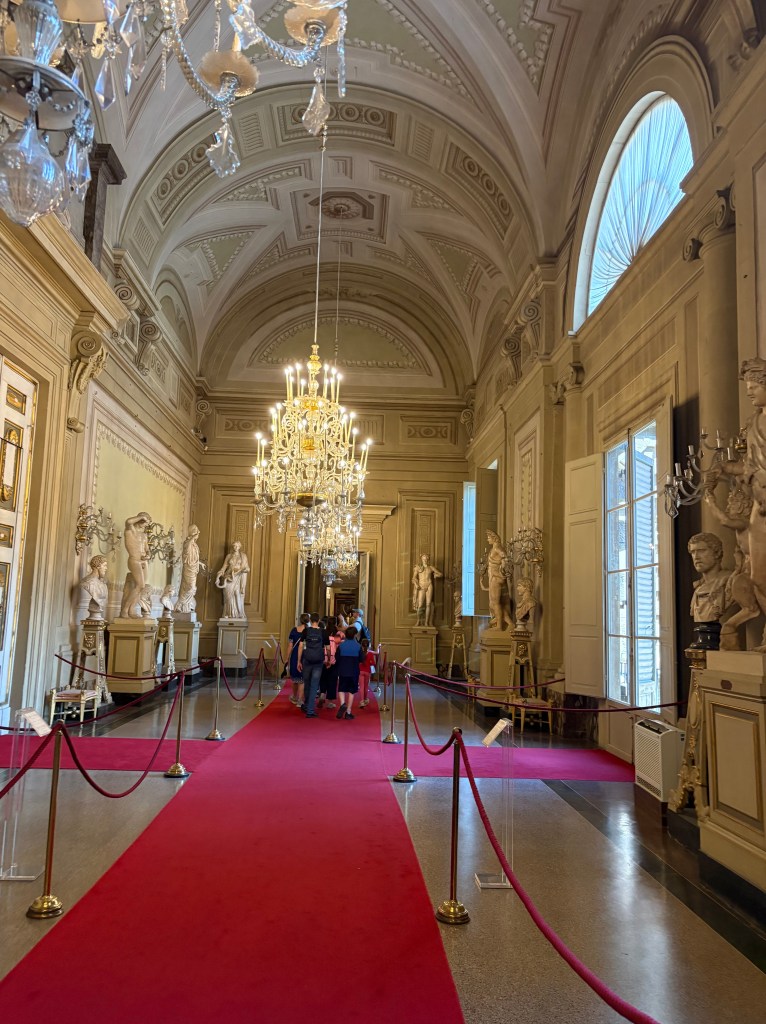
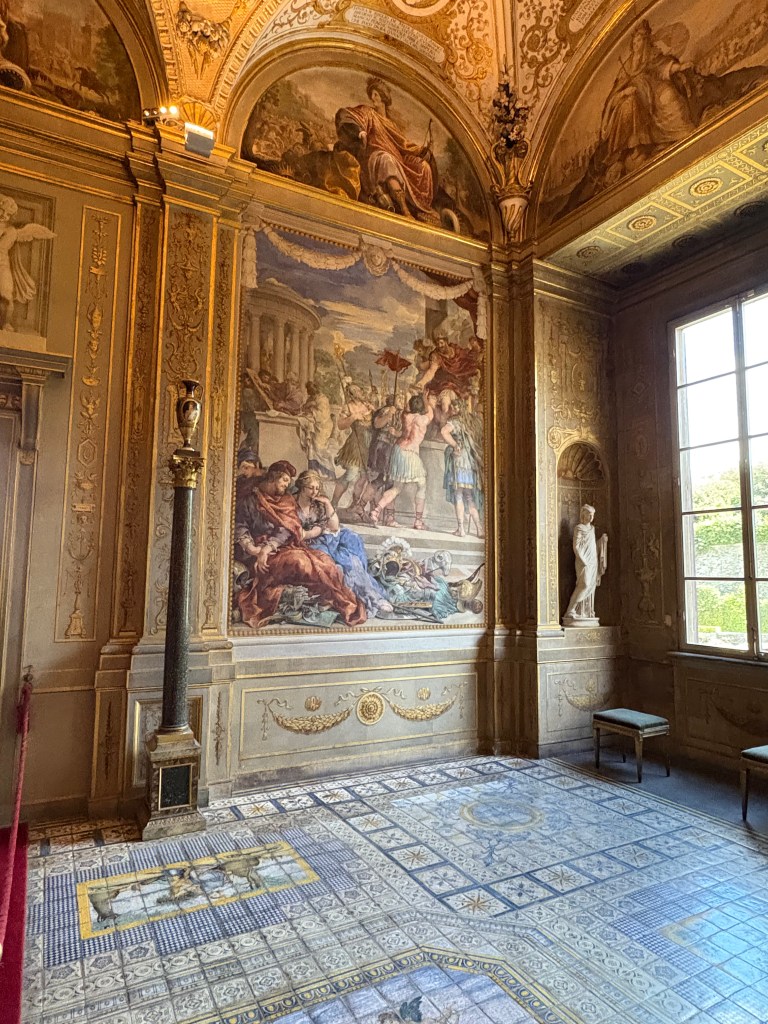
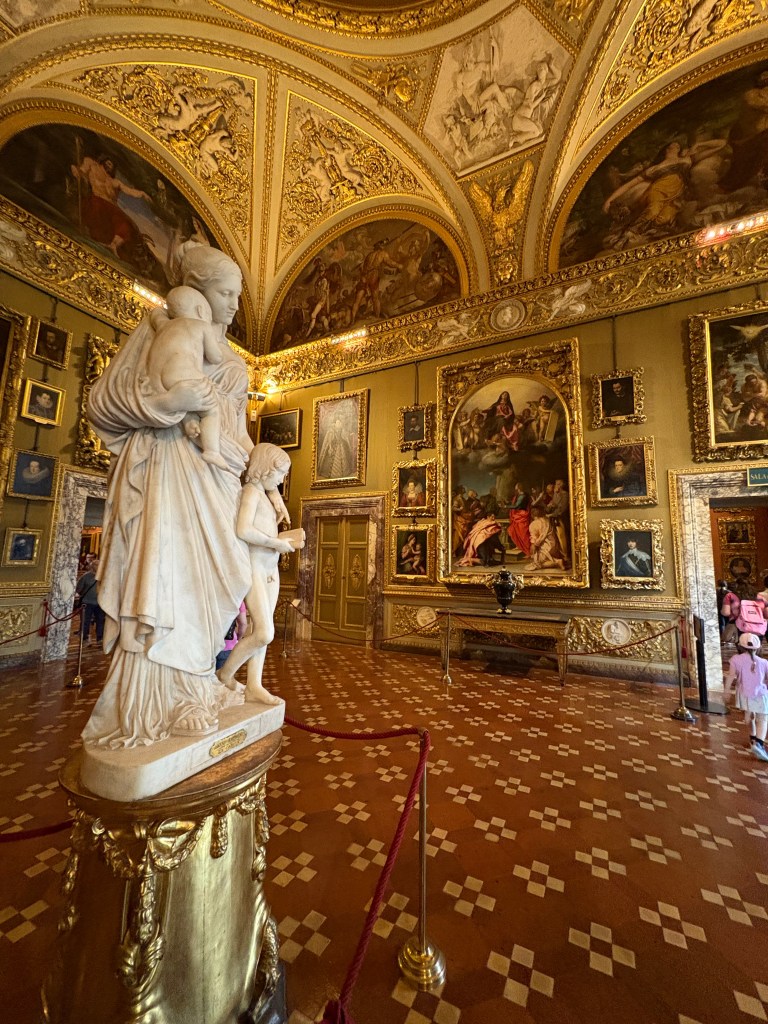
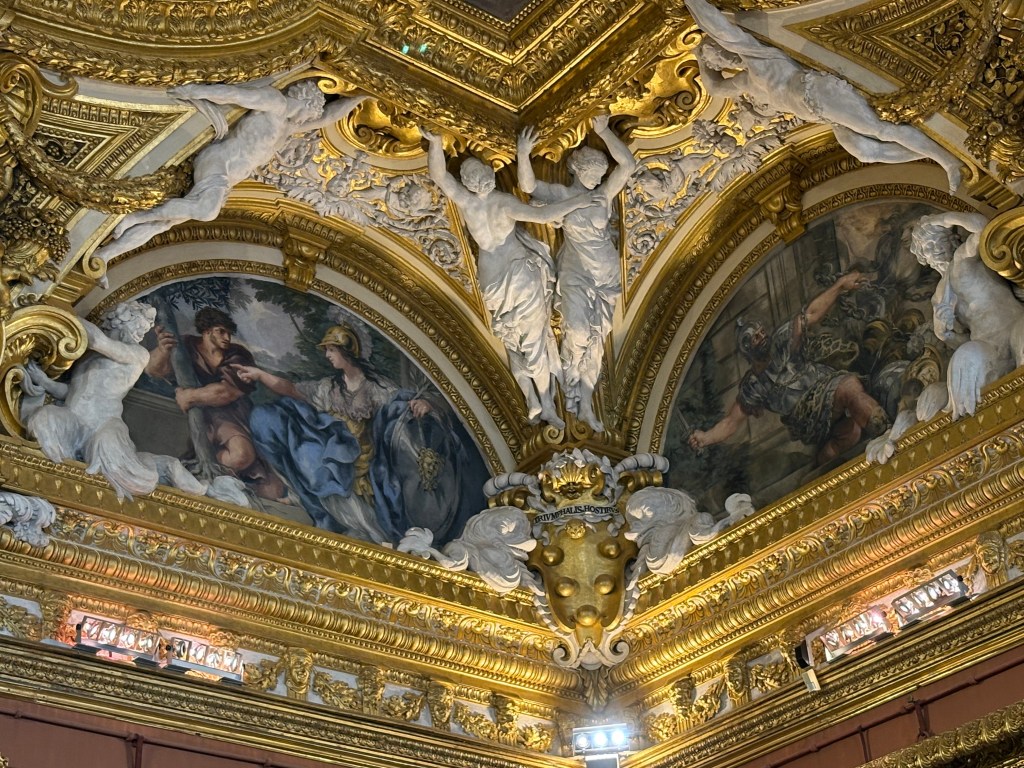
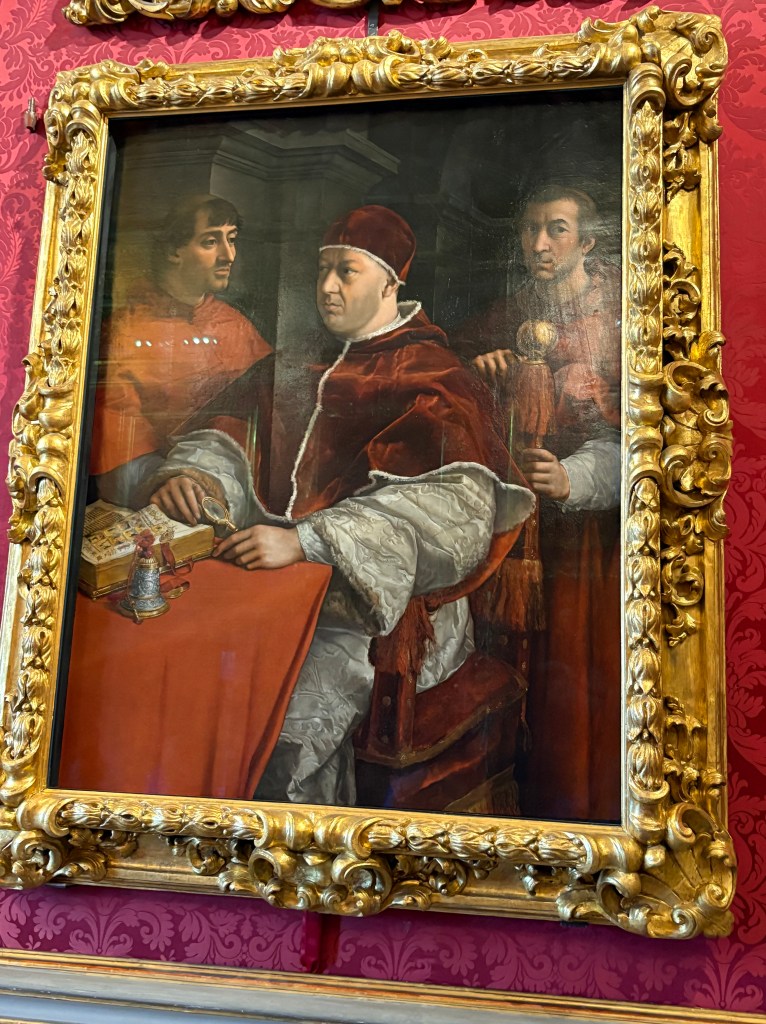
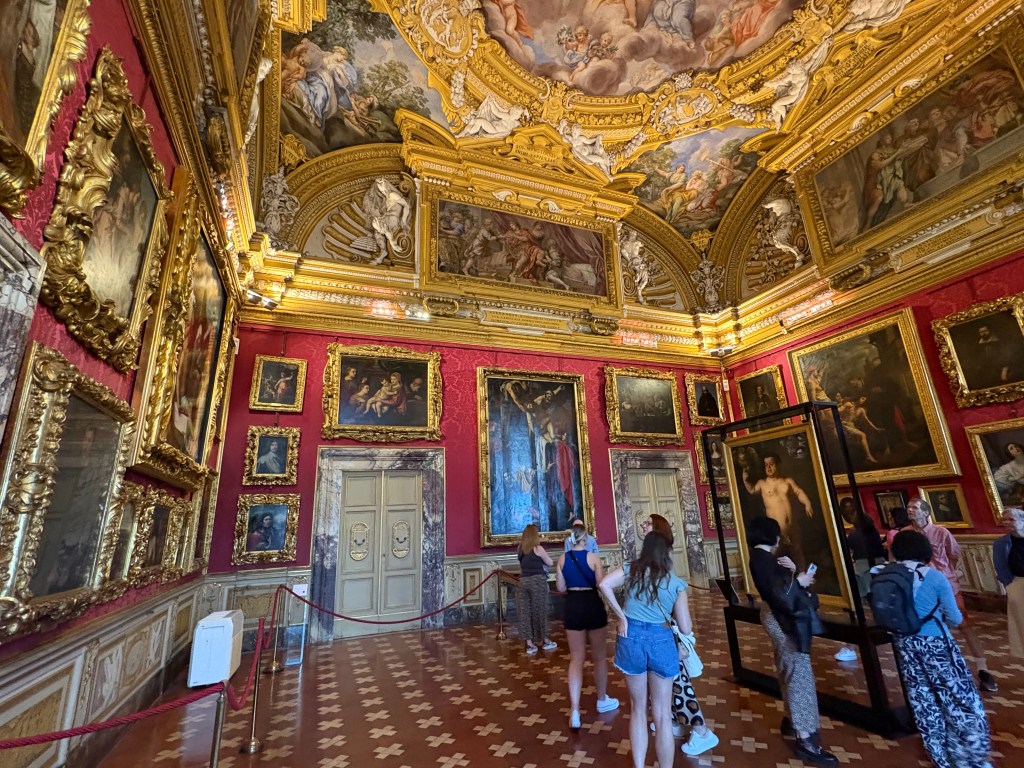
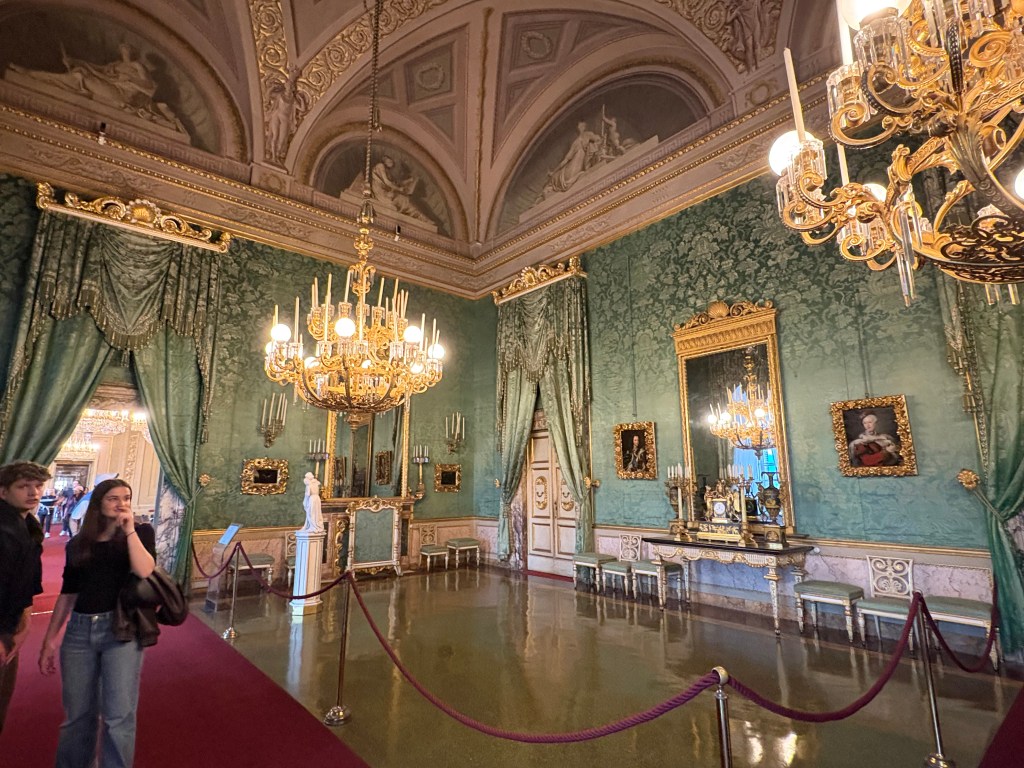
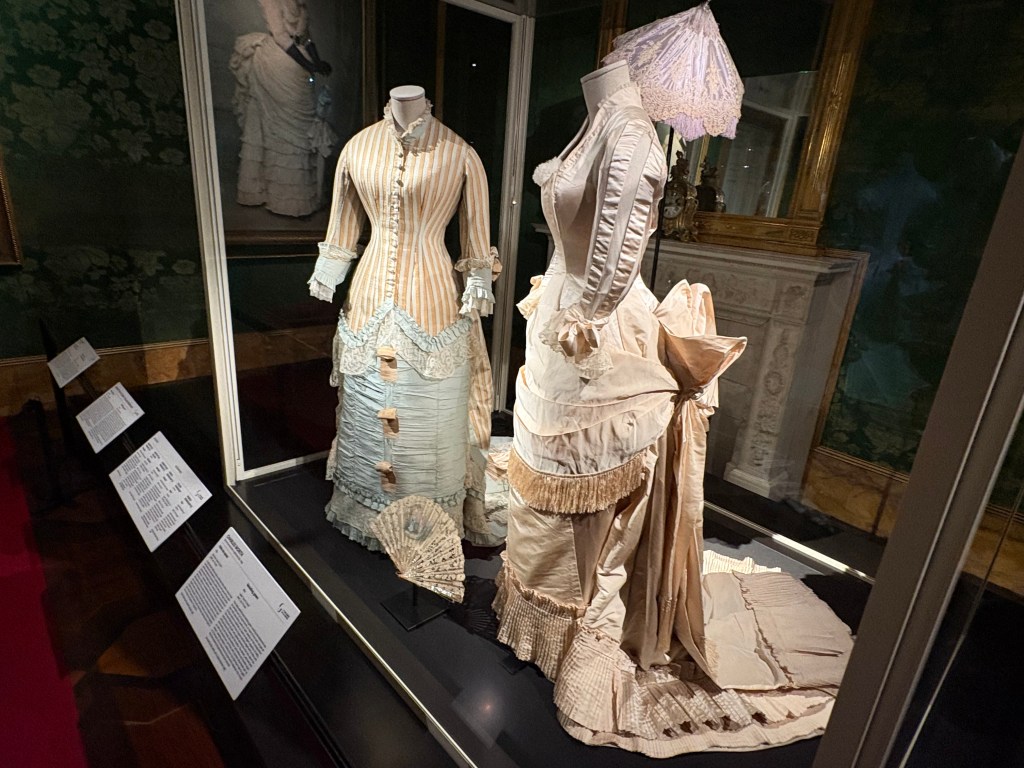
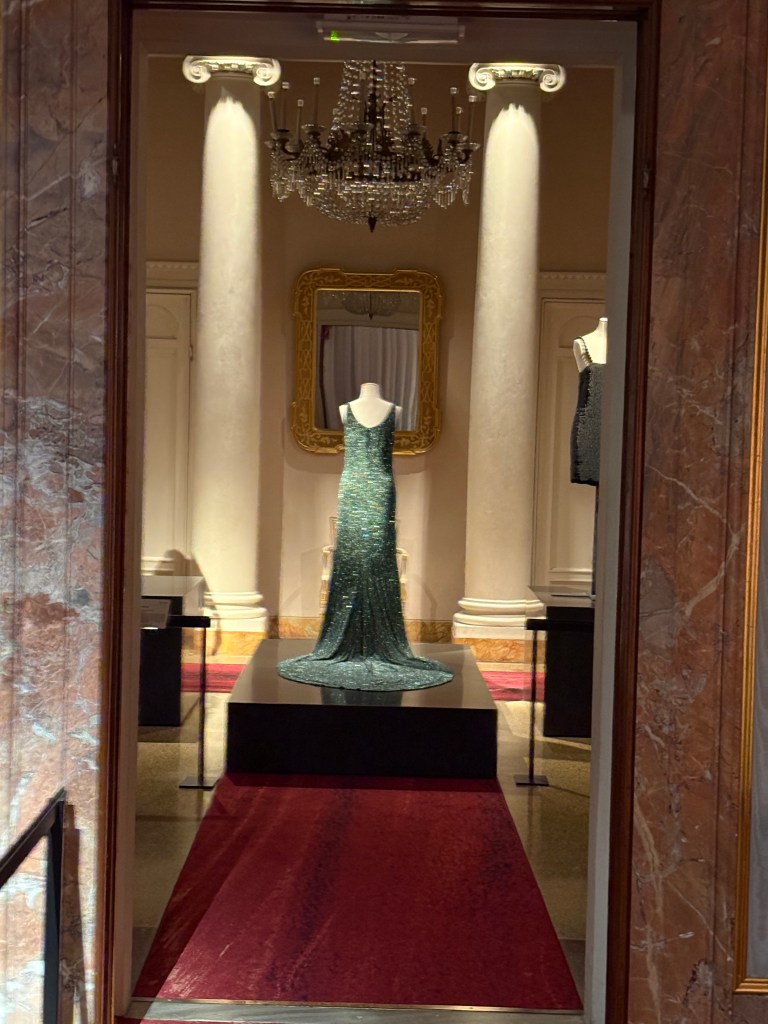
Day 10. We started our Florence exploration with a briefing by an art history lecturer named Brenda, on a guided walking tour. We arrived at the Galleria dell’ Accademia, a world-renowned institution which was established in 1563 as the first art school in Europe. We saw the collections of works by some of the greatest artists of the 14th and 15th centuries – including Michelangelo’s famous sculpture of David, which Brenda spent no less than 45 minutes dissecting. Only by discreetly splitting off of the tour, was I able to thoroughly enjoy paintings by Botticelli, Uccello, Ghirlandaio, del Sarto and others. I found this an effective bypass if a tour guide is fixated on one work to the detriment of being able to see other works. After completing the guided walking tour, we lunched at Finisterrae, a local restaurant in the Piazza Santa Croce, before enjoying the rest of the day and evening walking the streets of Florence. G and I decided to take in the Pitti Palace where I misunderstood that there were additional Caravaggio’s but, alas, they were either lent out or in storage. Nonetheless, it was a remarkable Palace with incredible works of art. Florence is my favorite of all the cities we visited on this trip, for the arts, architecture and fashion in the many shops we passed. We saw more stunning fashion in our window shopping than we see in Paris shops, which says quite a lot.







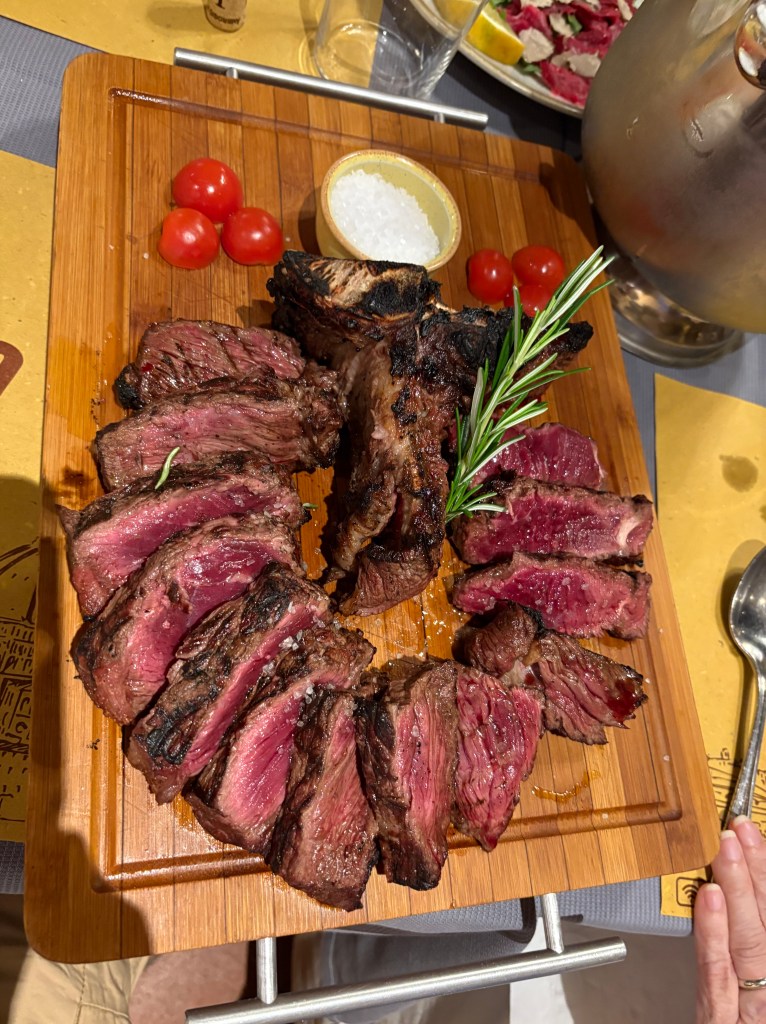
In the evening we went to dinner with another couple from the tour at a restaurant recommended by Heidi, our tour guide. The restaurant, Paoli, dating to 1827, is known for its Tuscan and meat specialties, especially the Bistecca Florentina, which is what G and Steve ordered. G had leftovers to take back to the hotel for lunch the next day and it was delicious!
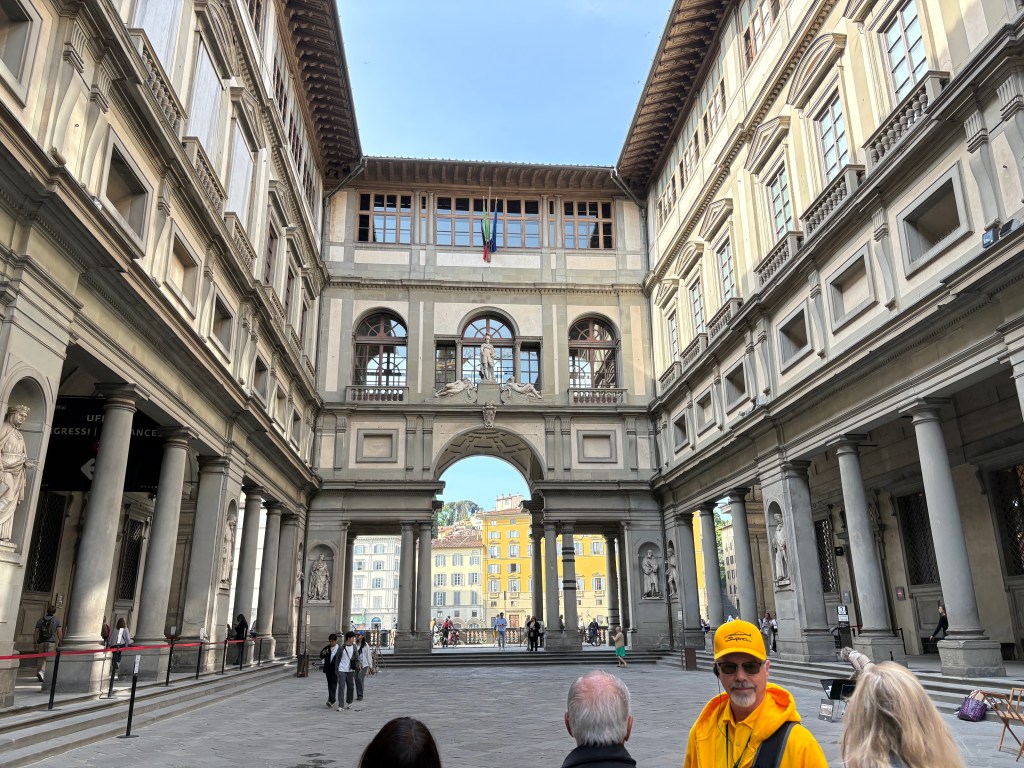
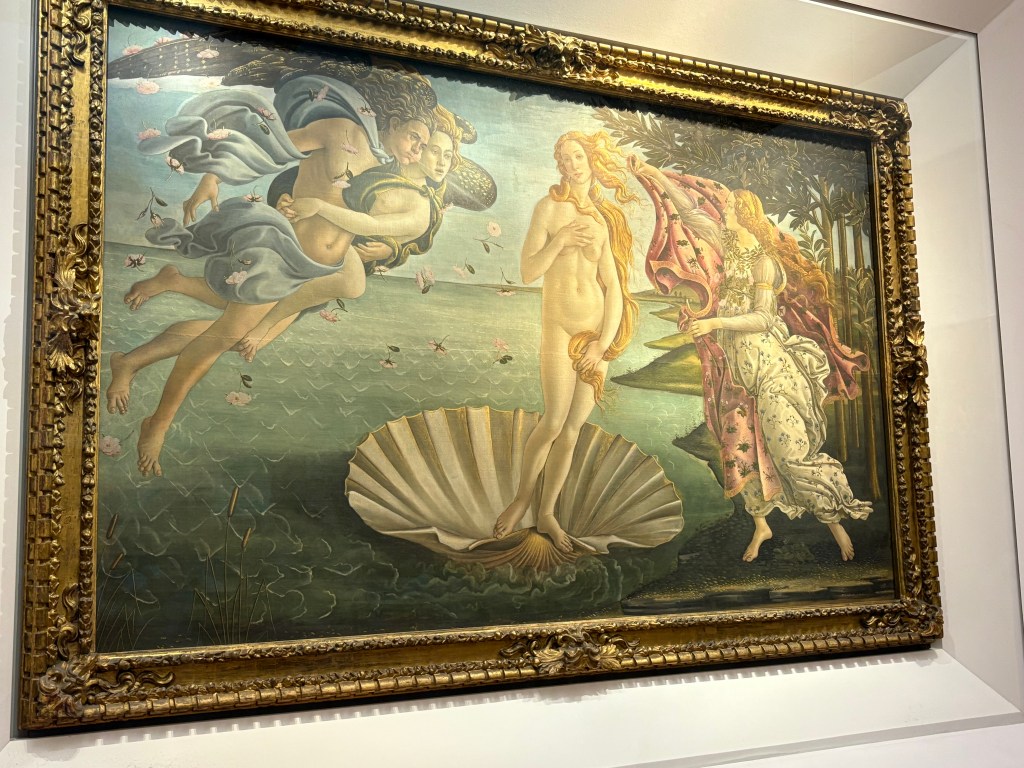
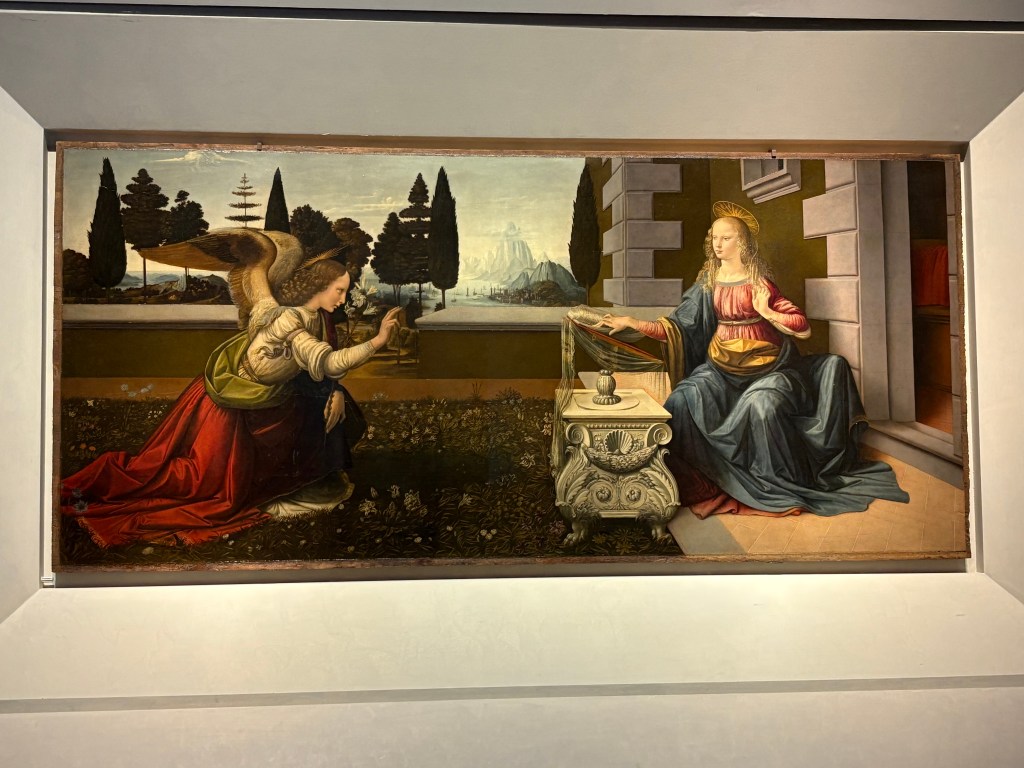
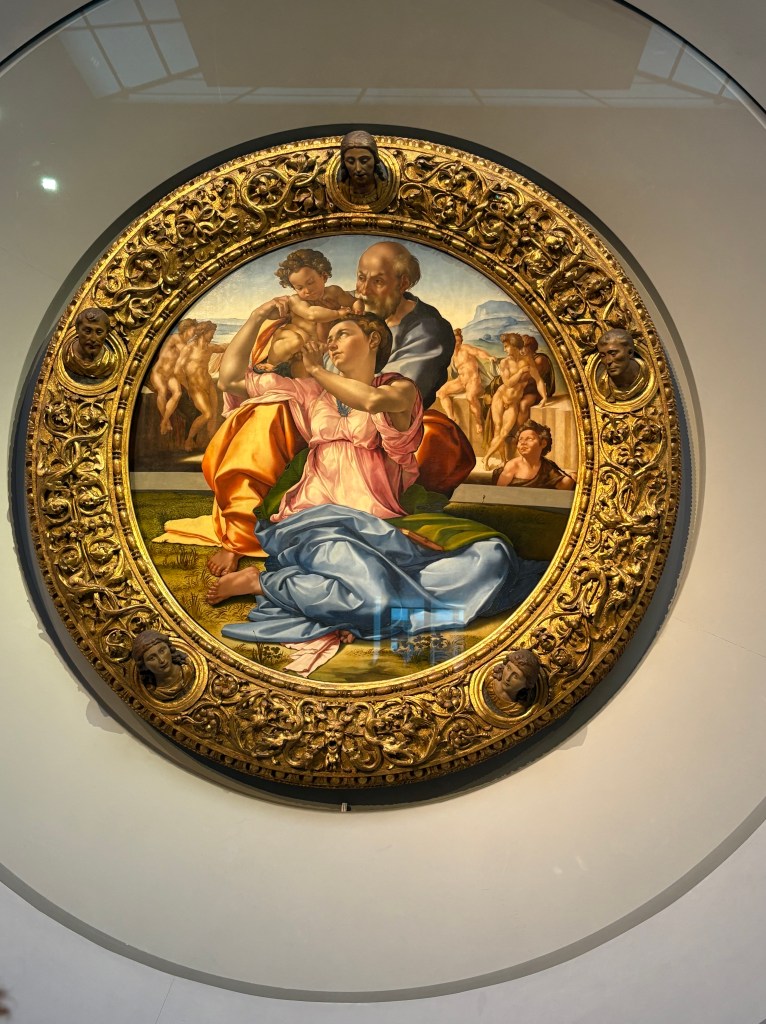
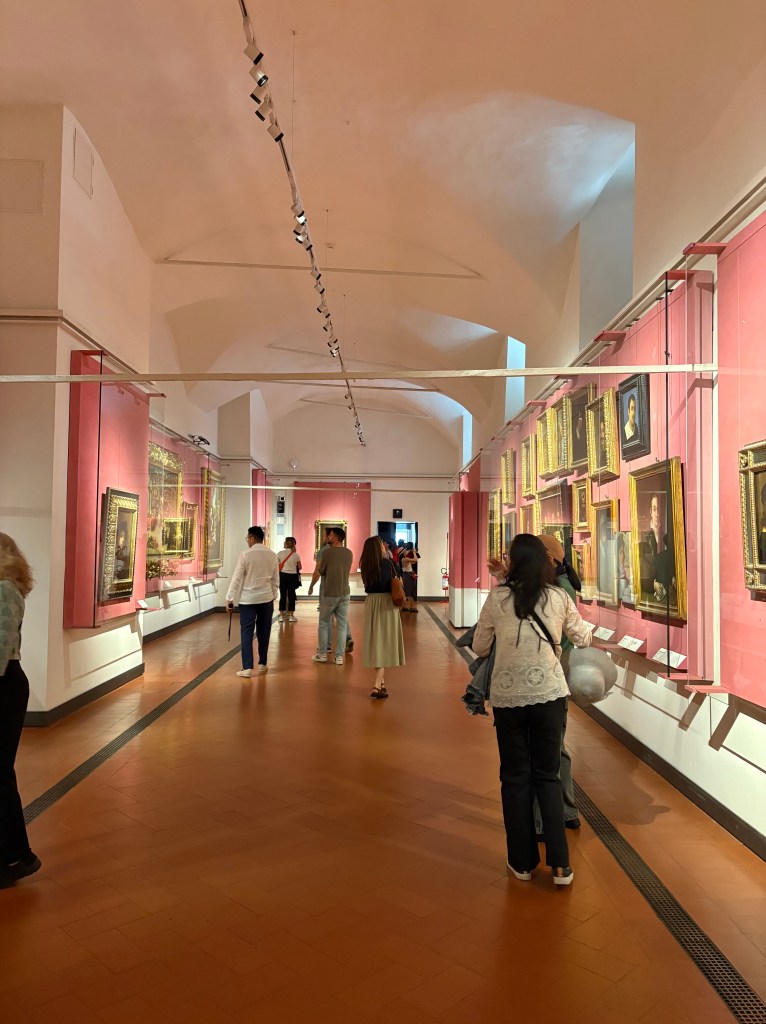
Day 11. After breakfast we walked to the Uffizi Gallery the oldest art gallery in the world, again with our tour guide Brenda. It was a clear highlight of our trip. Originally a suite of offices, it was first used to display the Medici family’s private art treasures in 1581, including some of the most revered works of the Italian Renaissance, such as Botticelli’s The Birth of Venus, Michelangelo’s The Holy Family, da Vinci’s unfinished Adoration of the Magi, Bellini’s Allegory and Raphael’s Madonna of the Goldfinch. The rest of the day and evening were ours to enjoy – naturally including a nap, a wine in the piazza and a delicious dinner. The others went on to take in an after hours guided tour of the Santa Croce church, the resting place of Michelangelo and Da Vinci.
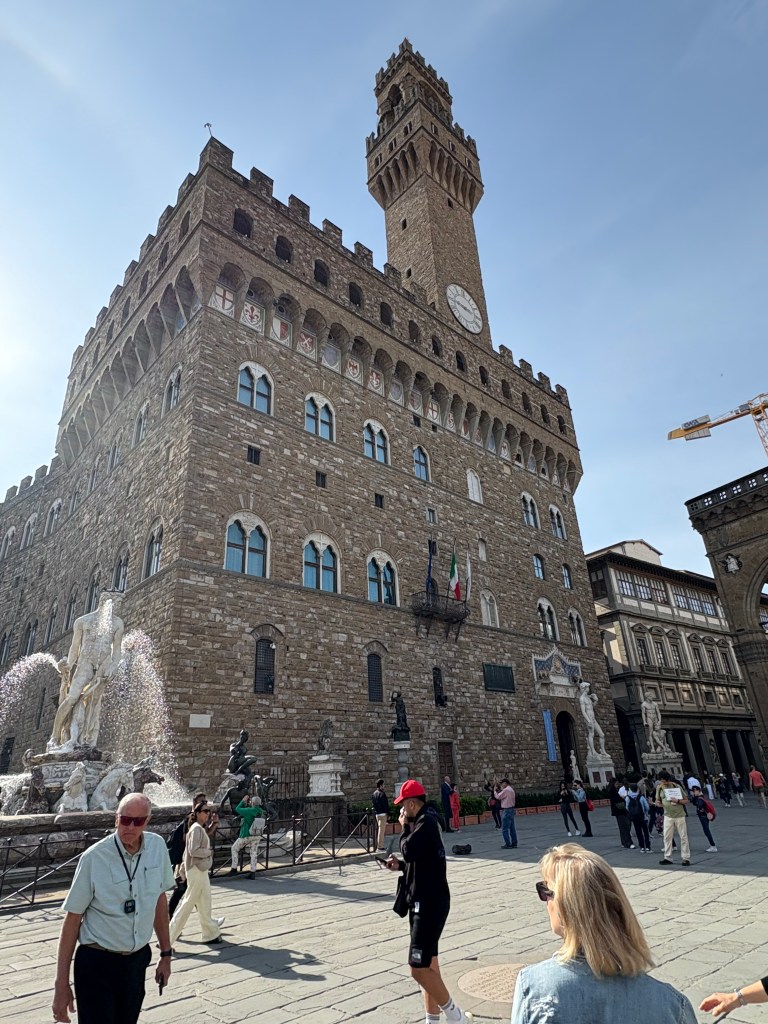


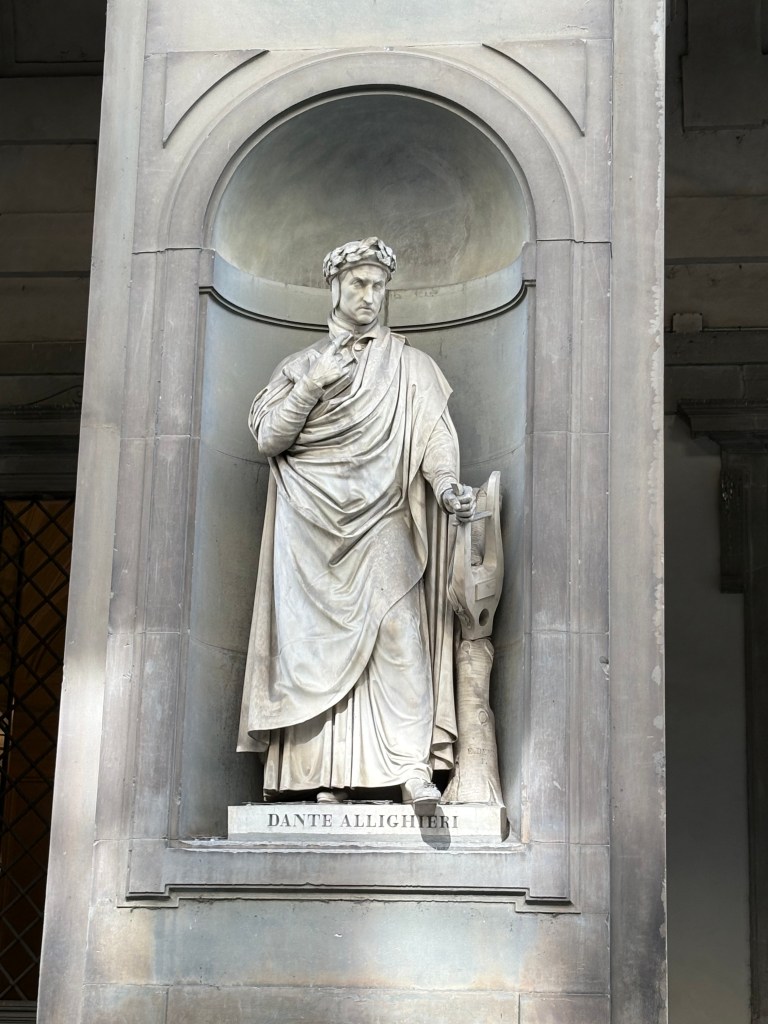


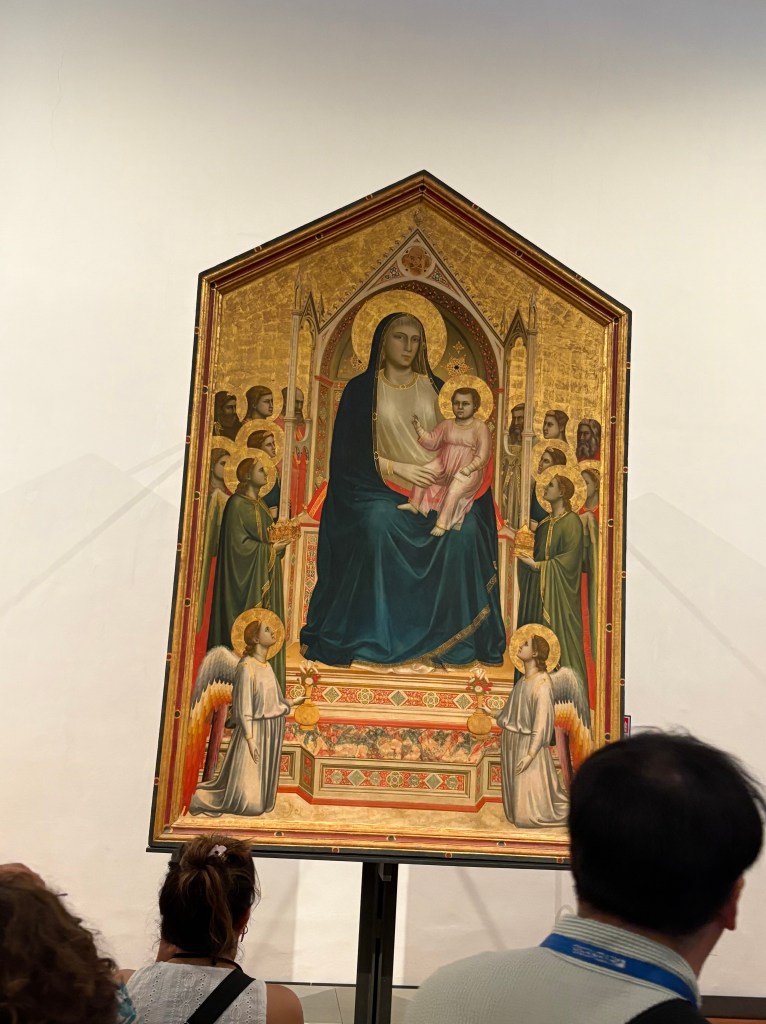


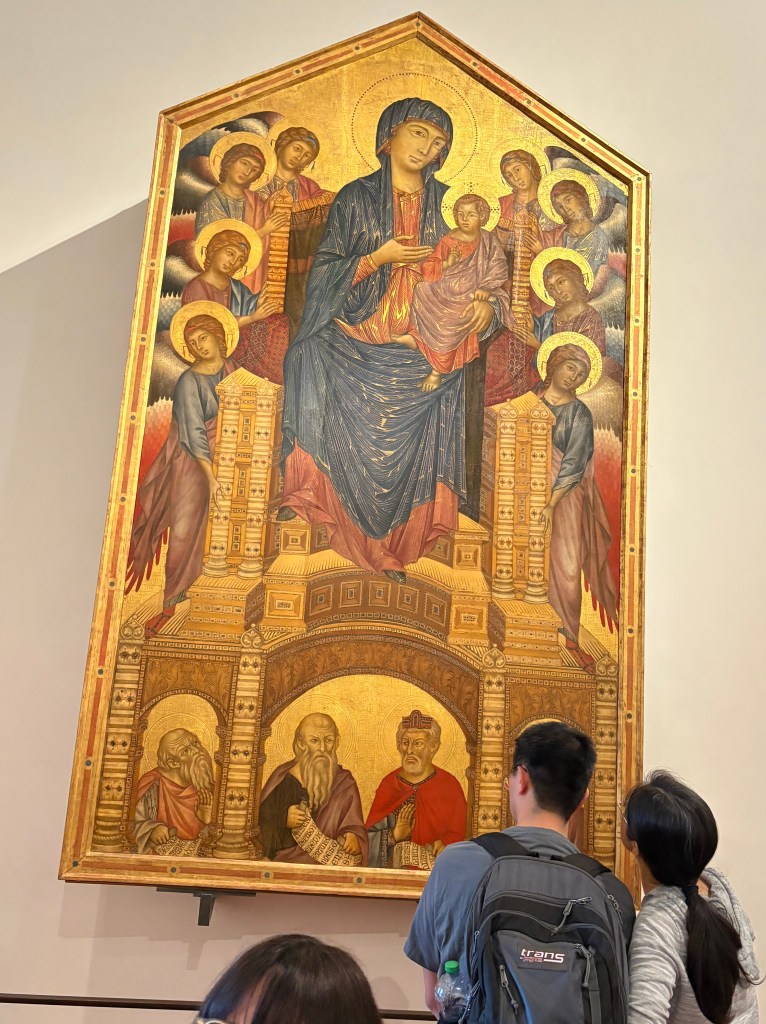
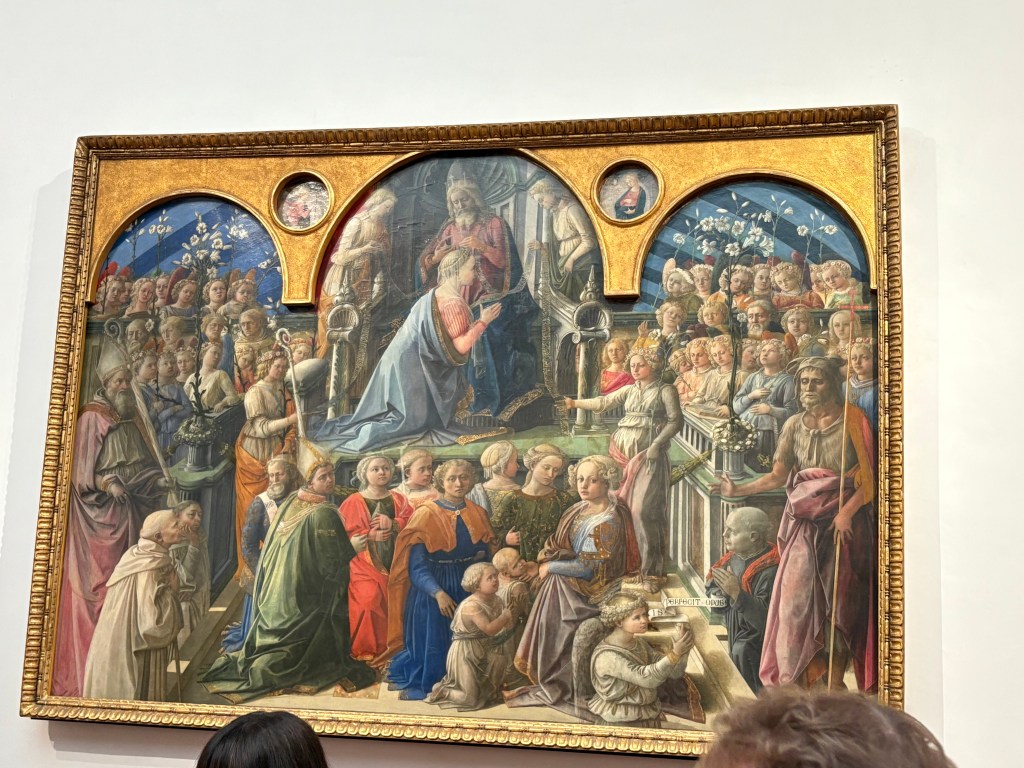
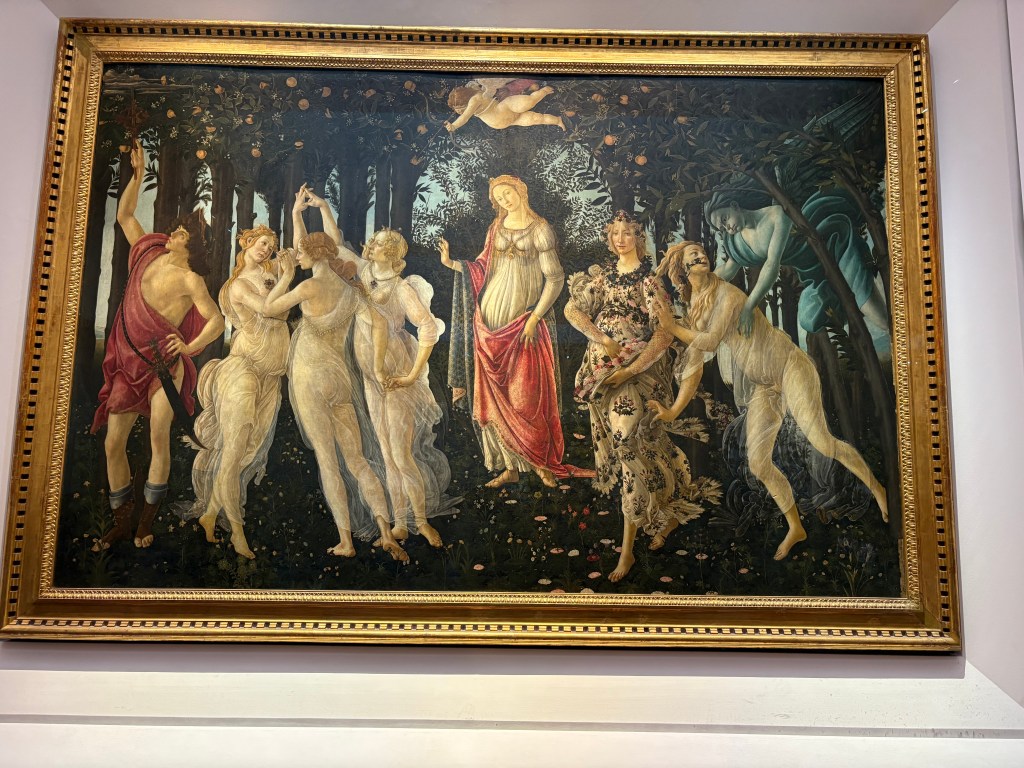
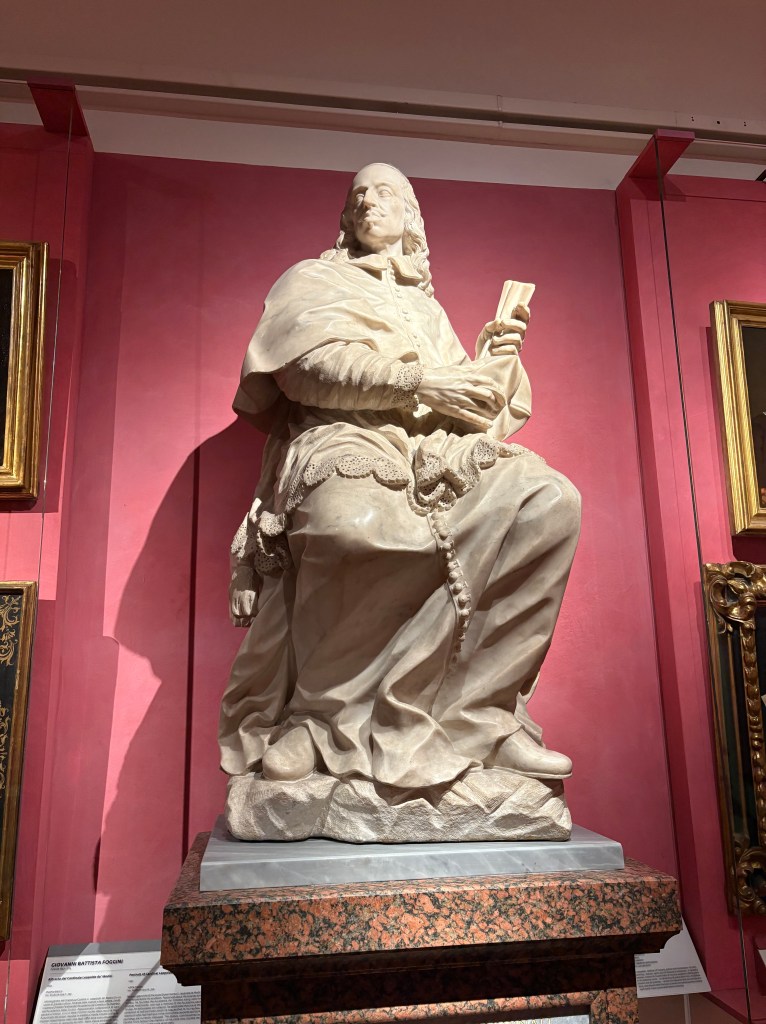


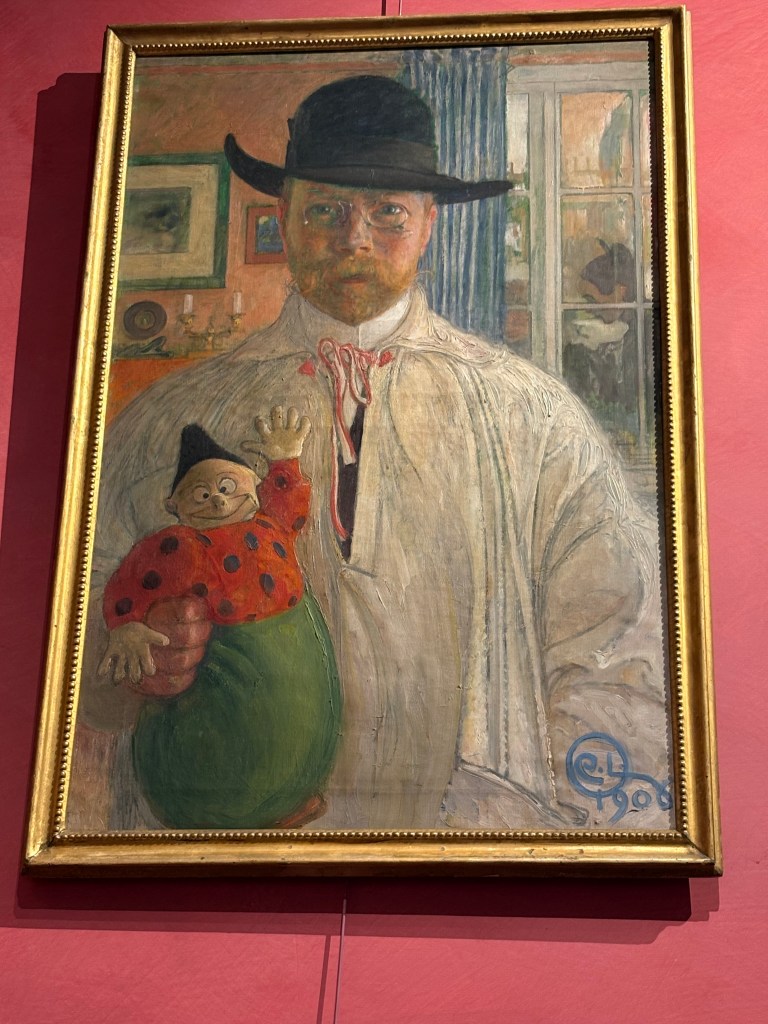

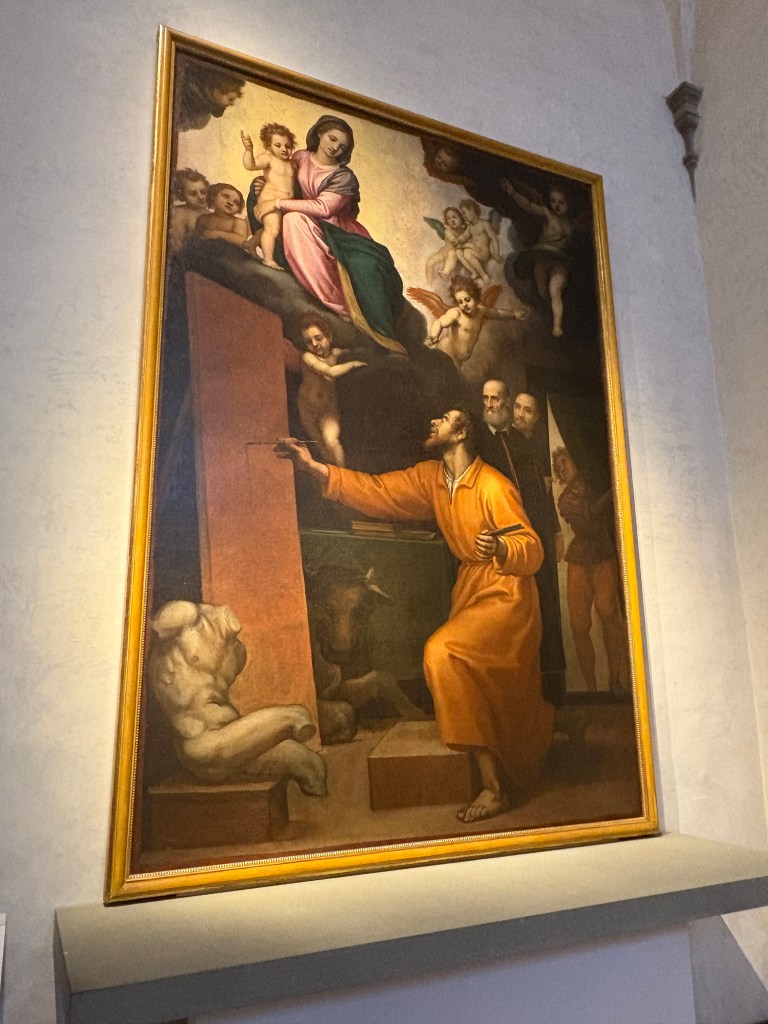


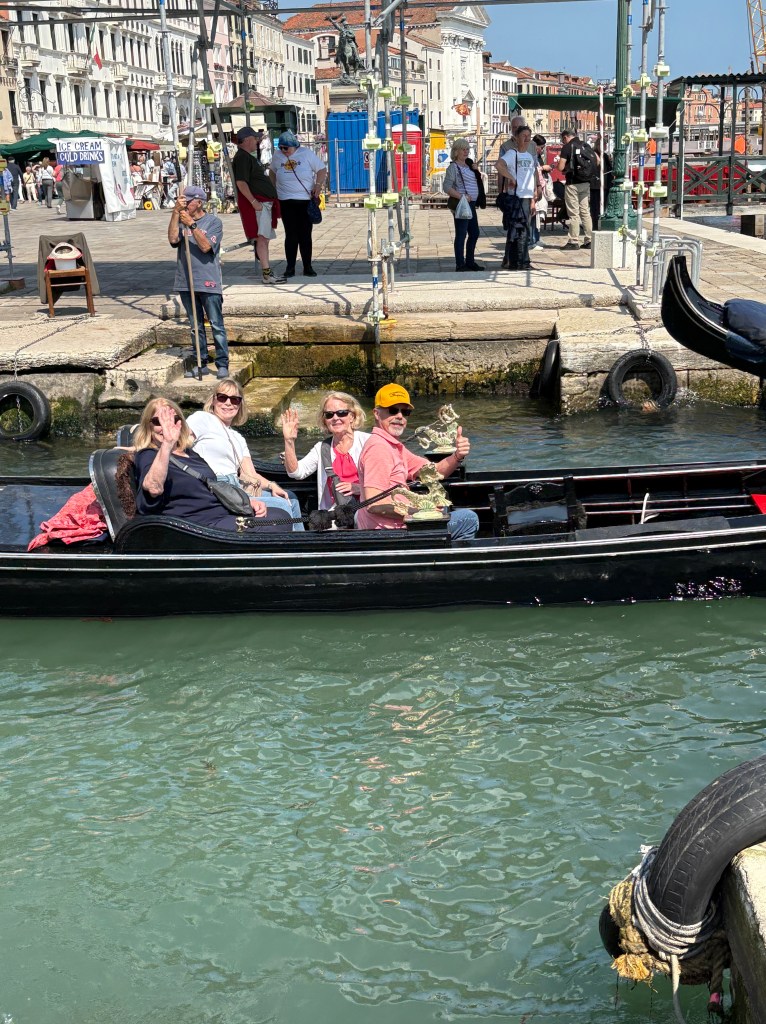
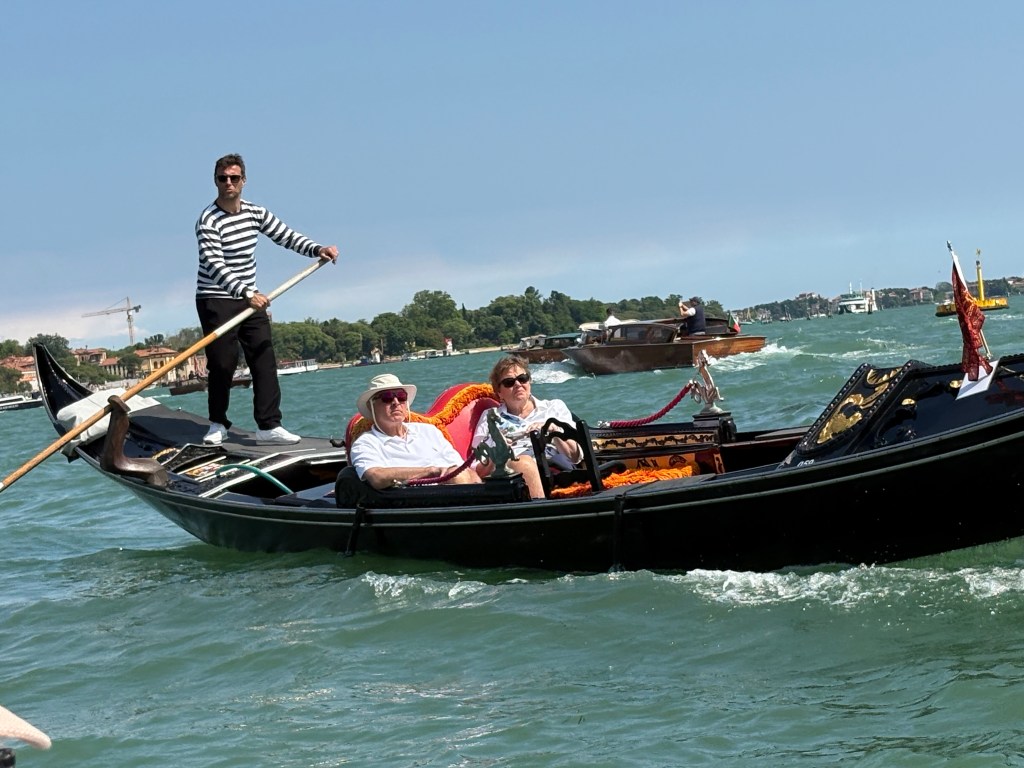
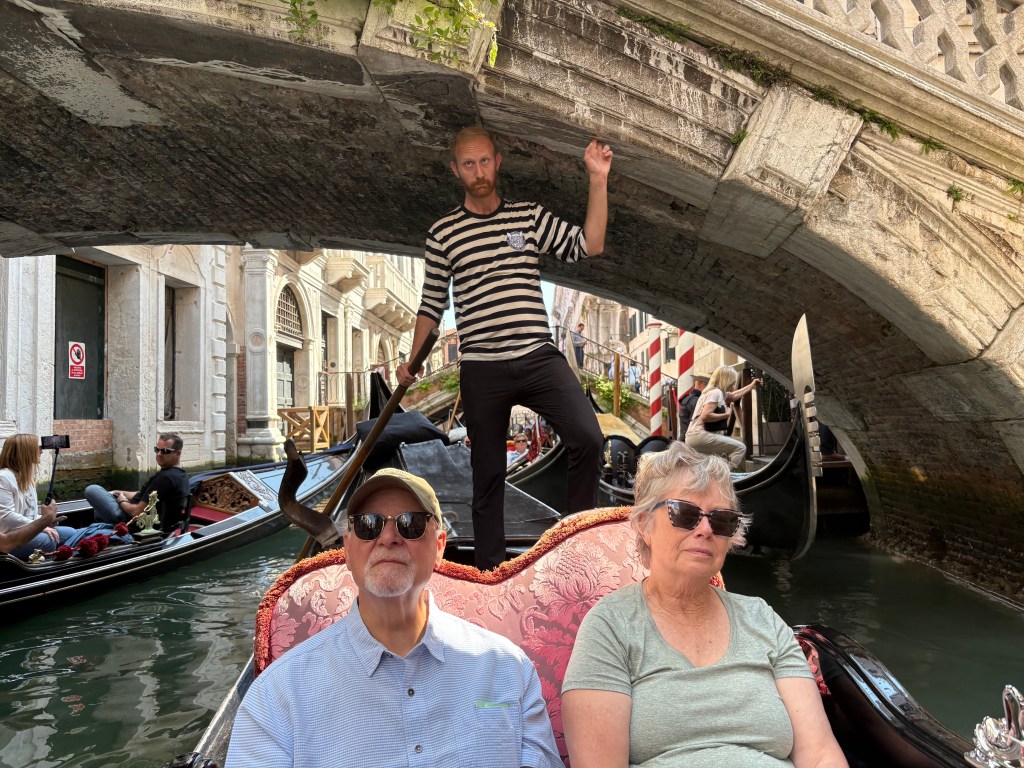
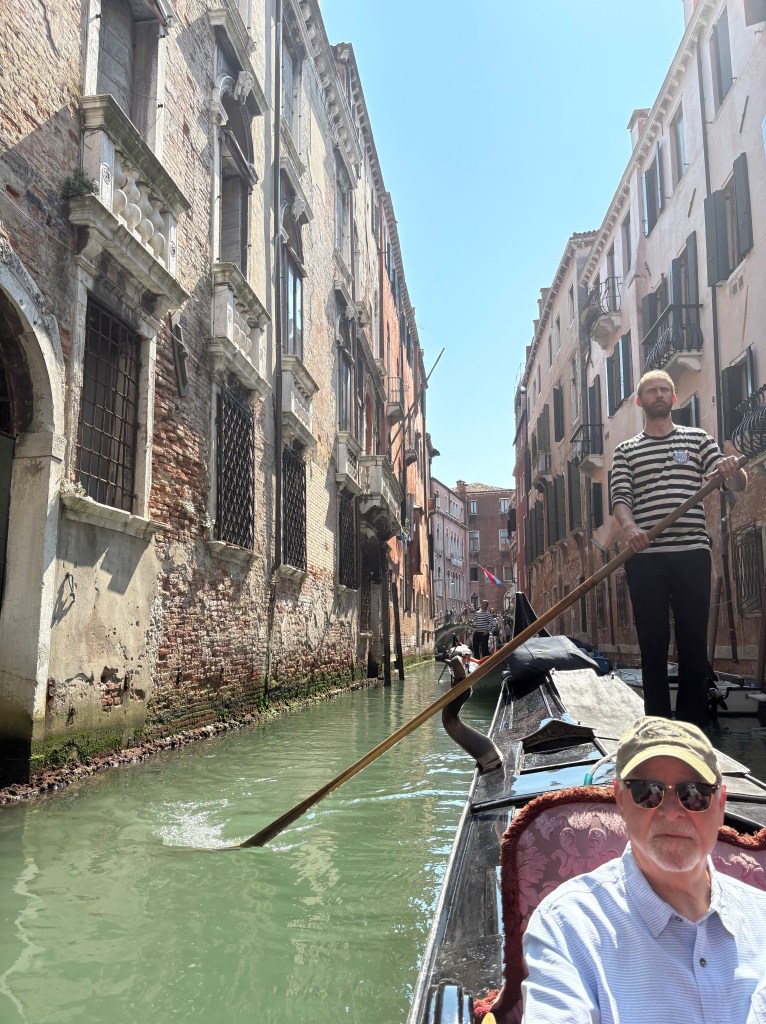
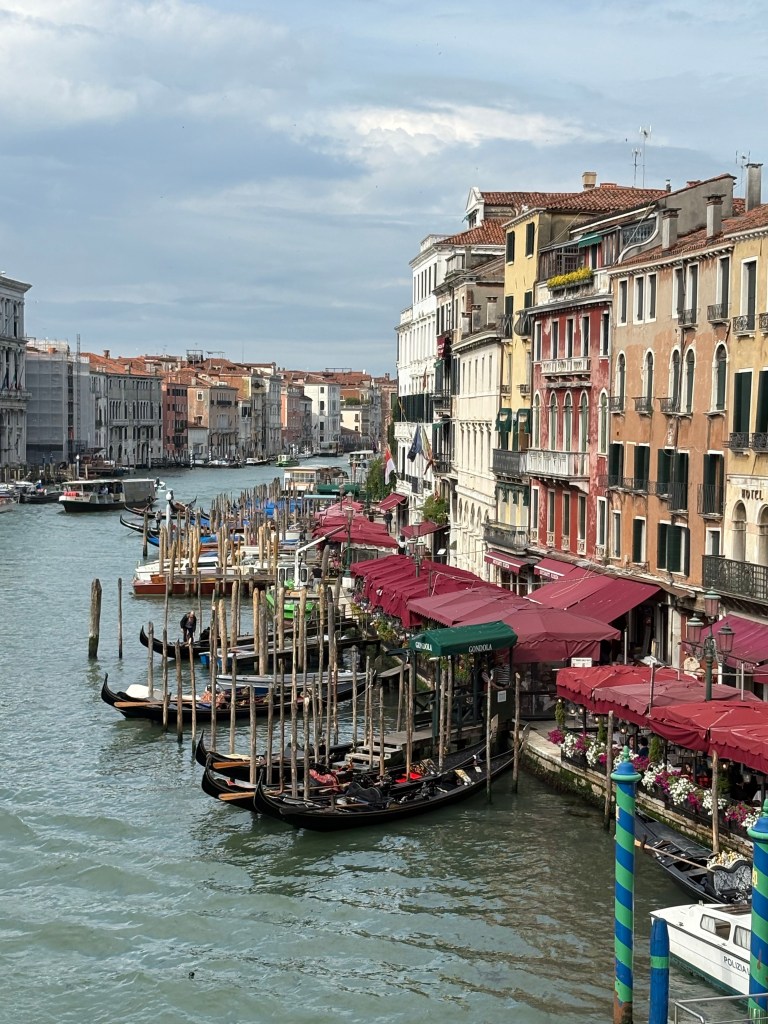
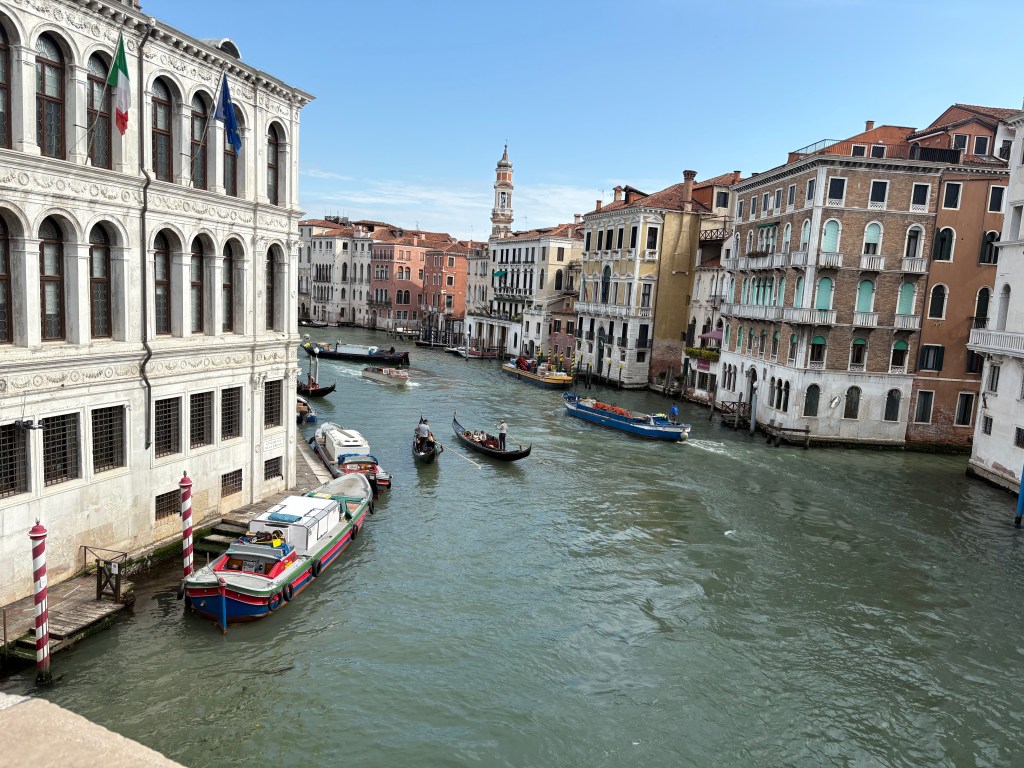
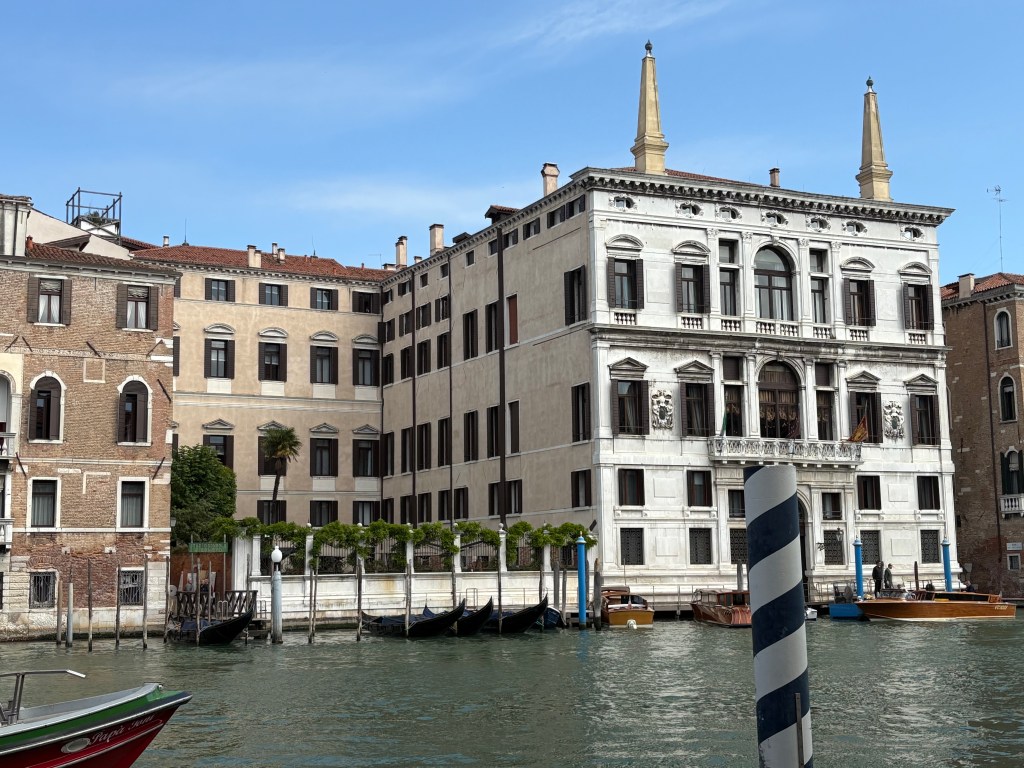
Day 12. It was time to move on again and after breakfast we took a train to Venice, built on 118 small islands supported by stanchions, traversed by a canal network, this extraordinary city is a protected UNESCO World Heritage Site. Departing the station, we were then ferried by water taxi to the Hotel Splendid located near the Rialto Bridge and St. Mark’s Square (Piazza San Marco), where we left our hand carrys before being serenaded on a gondola ride along the Venice canals. We returned to check in to the hotel and later all met at the Antico Martini restaurant for a group farewell dinner.
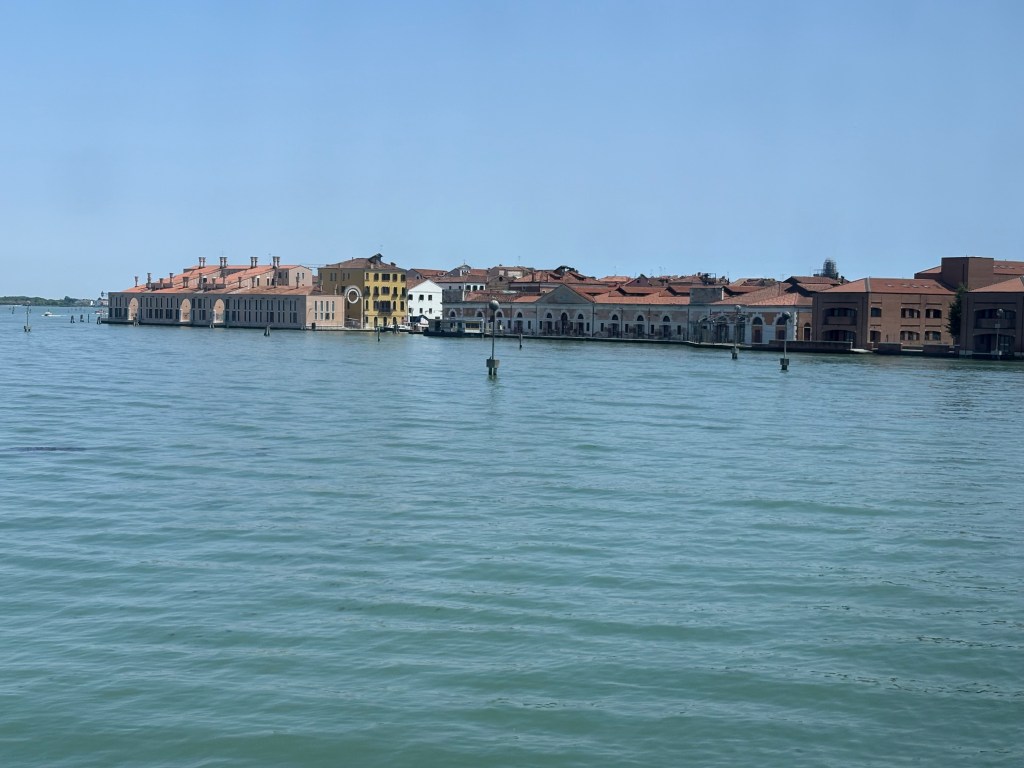
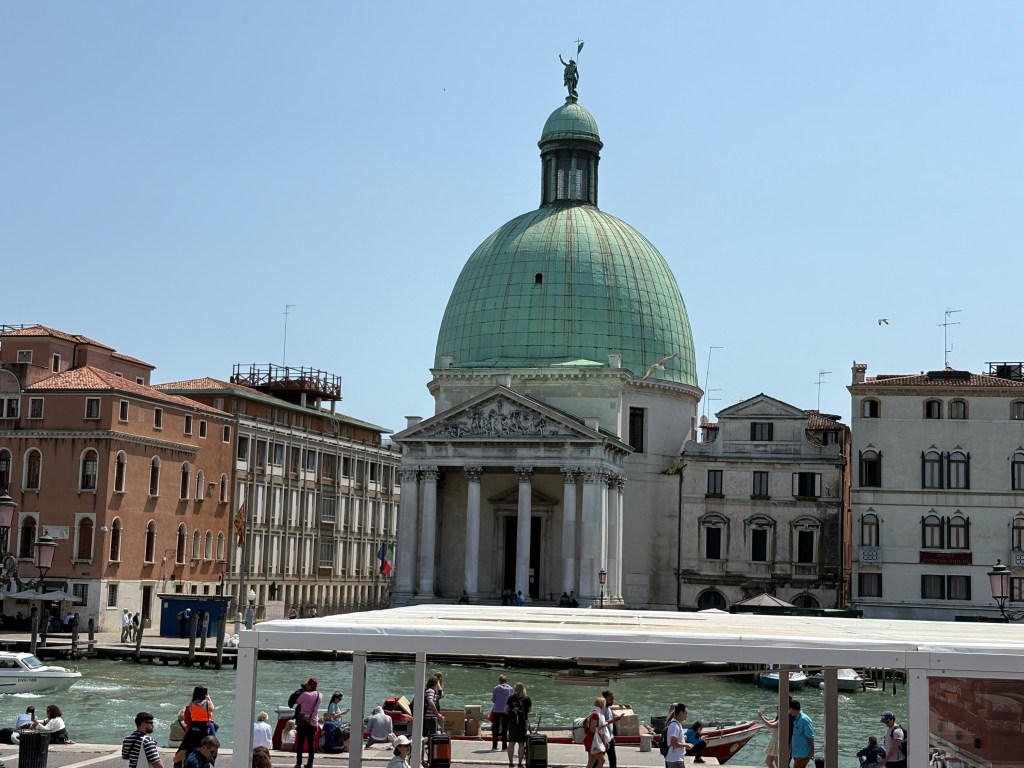
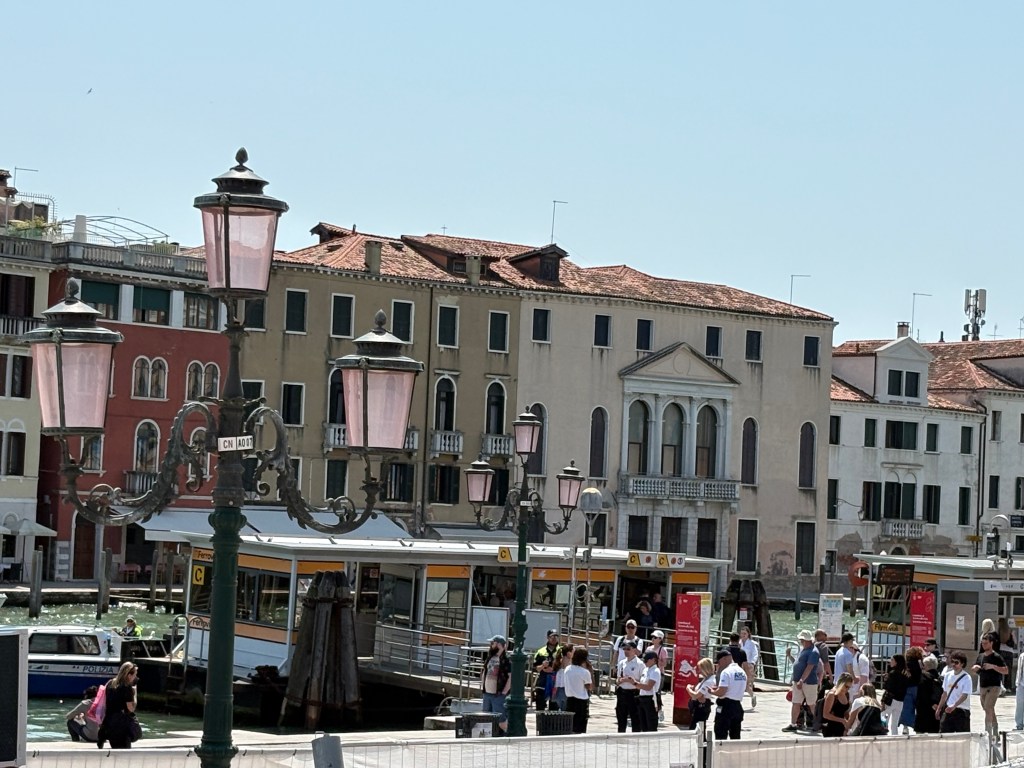
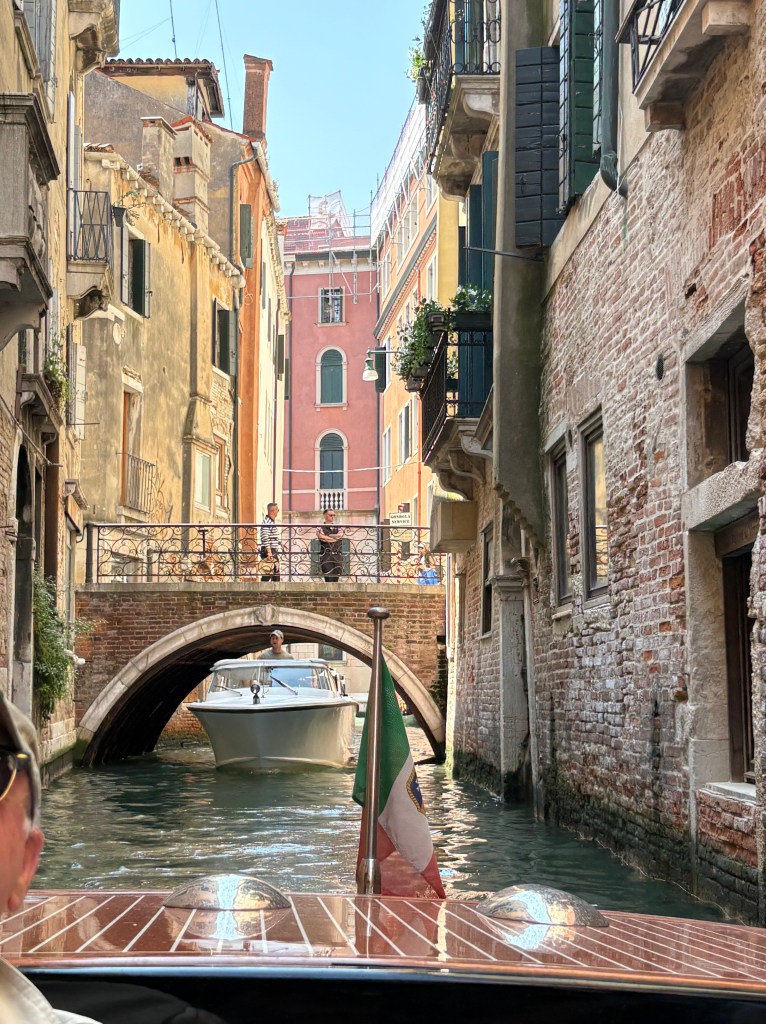

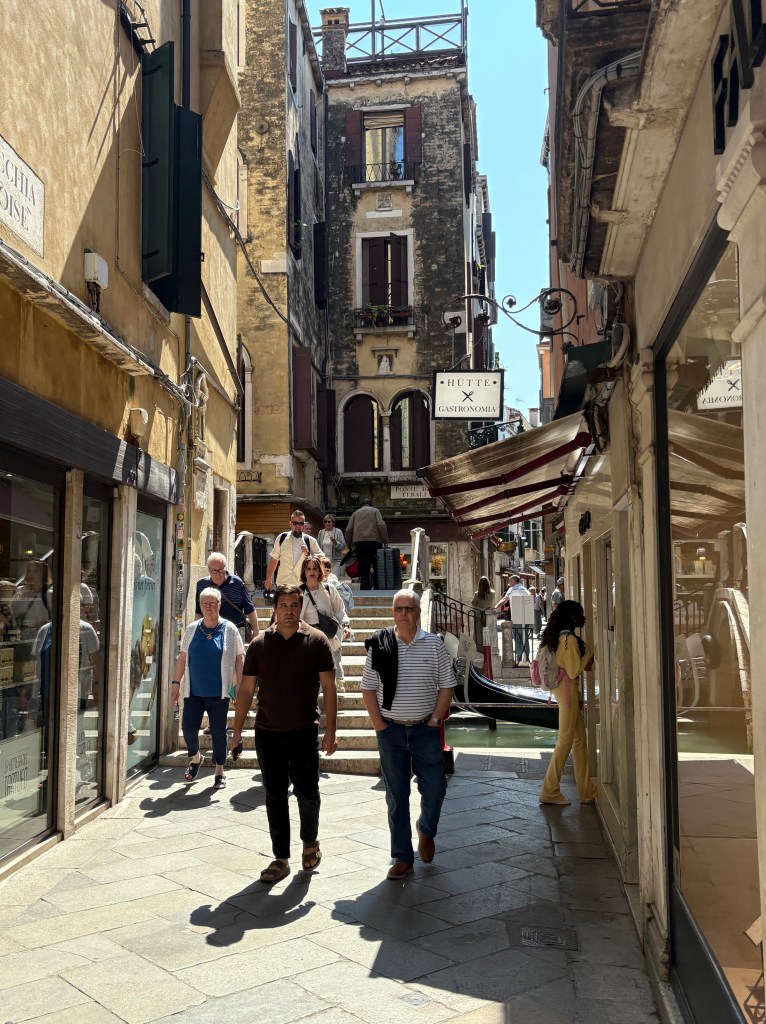
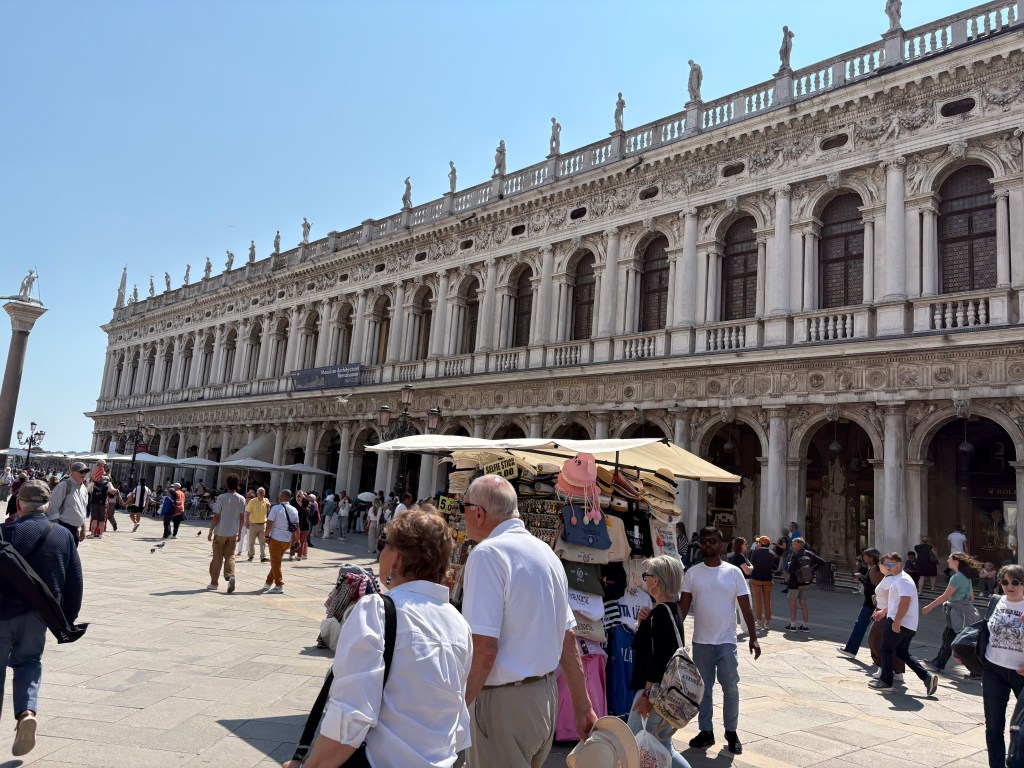



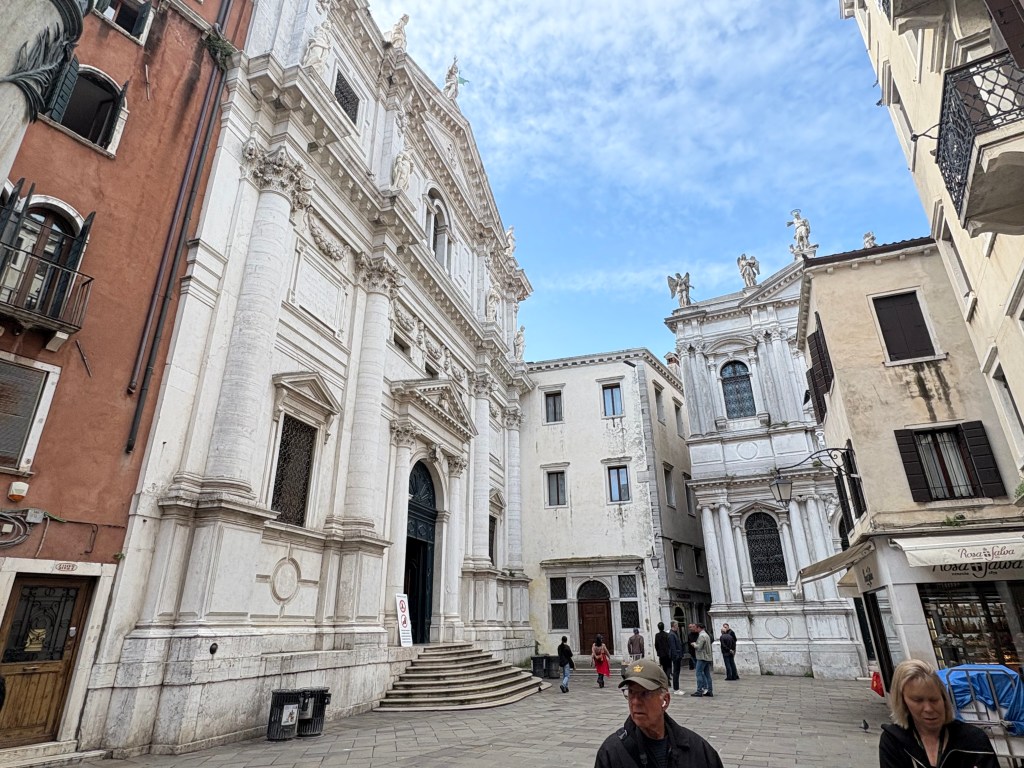
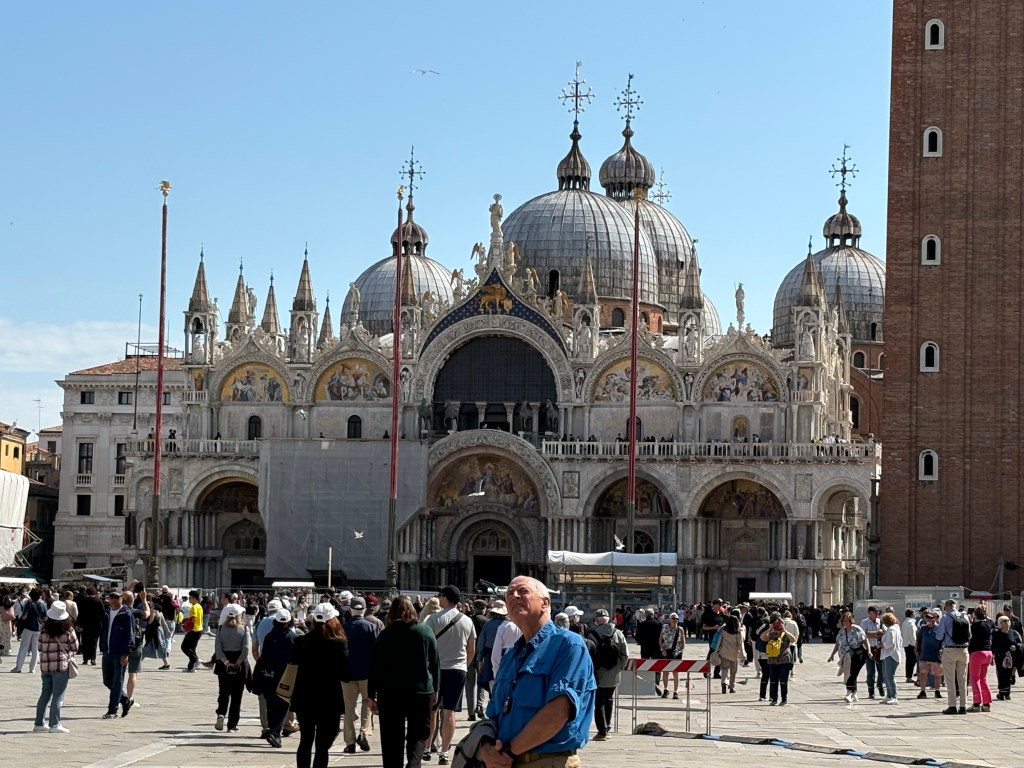
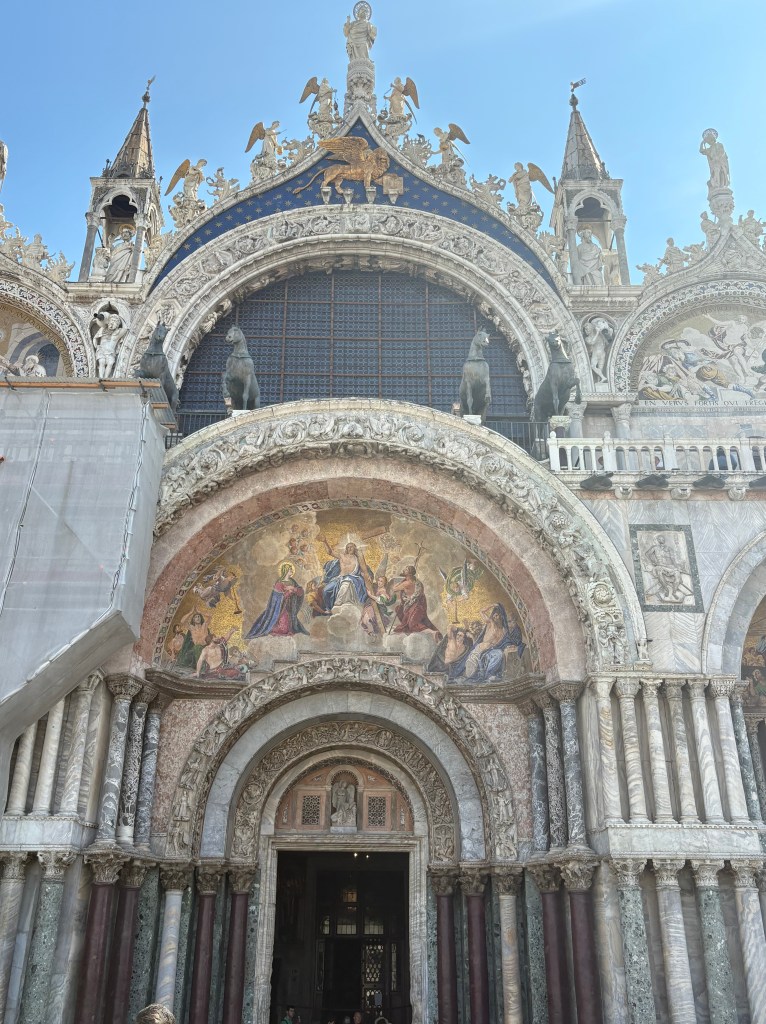
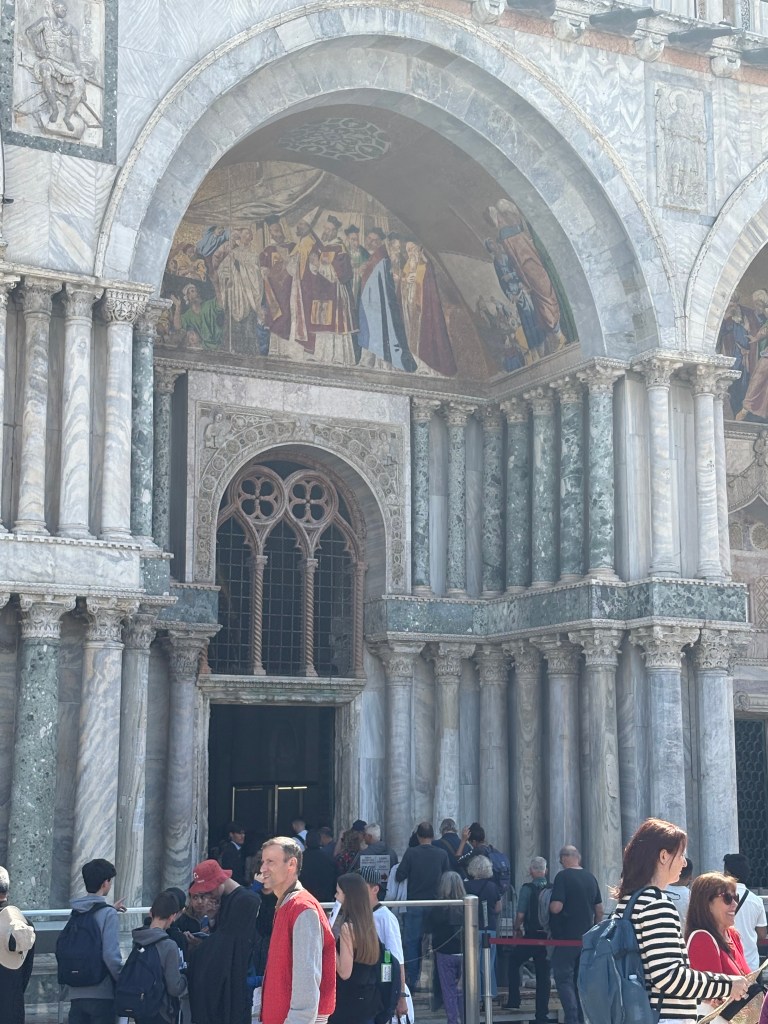
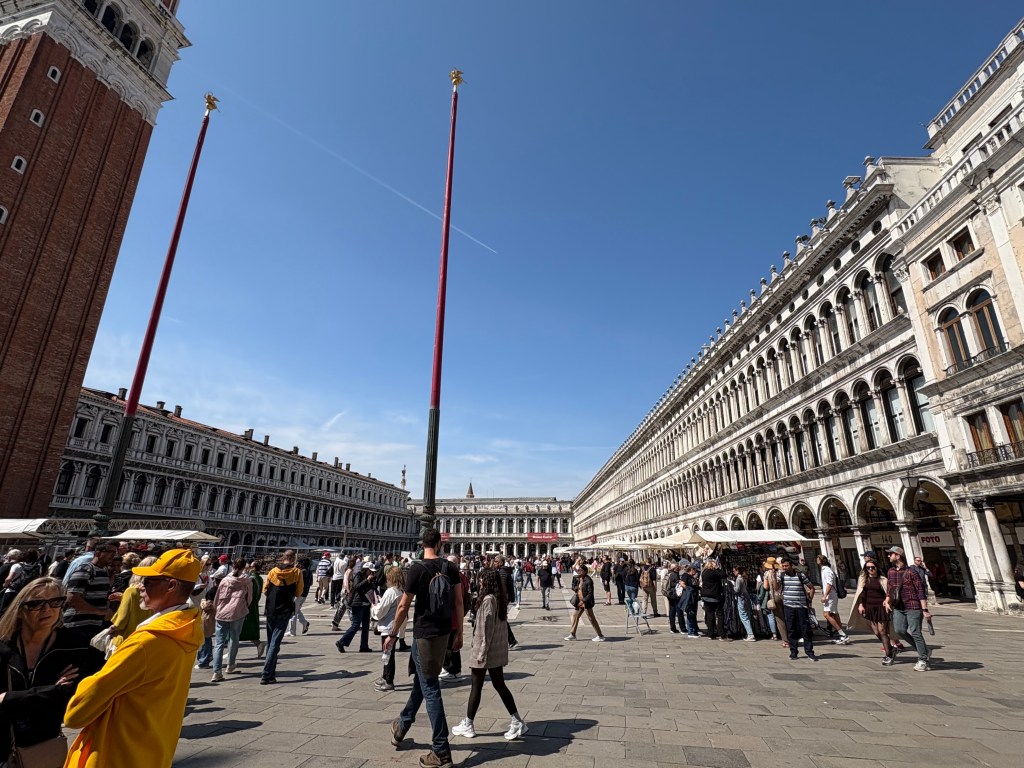
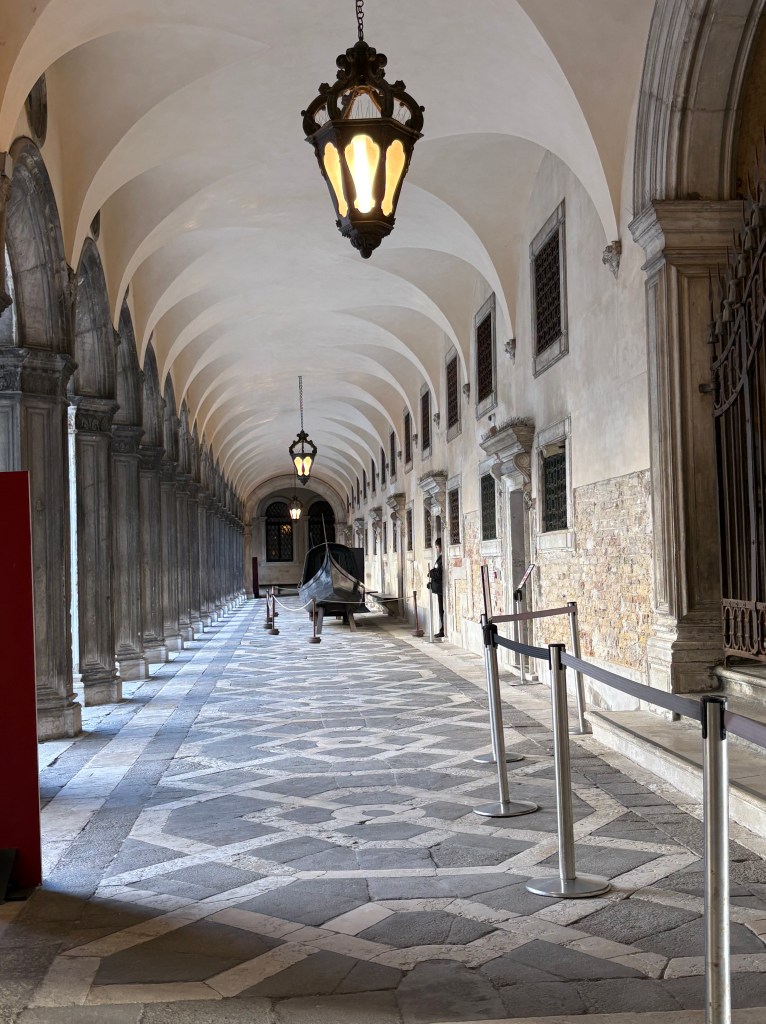
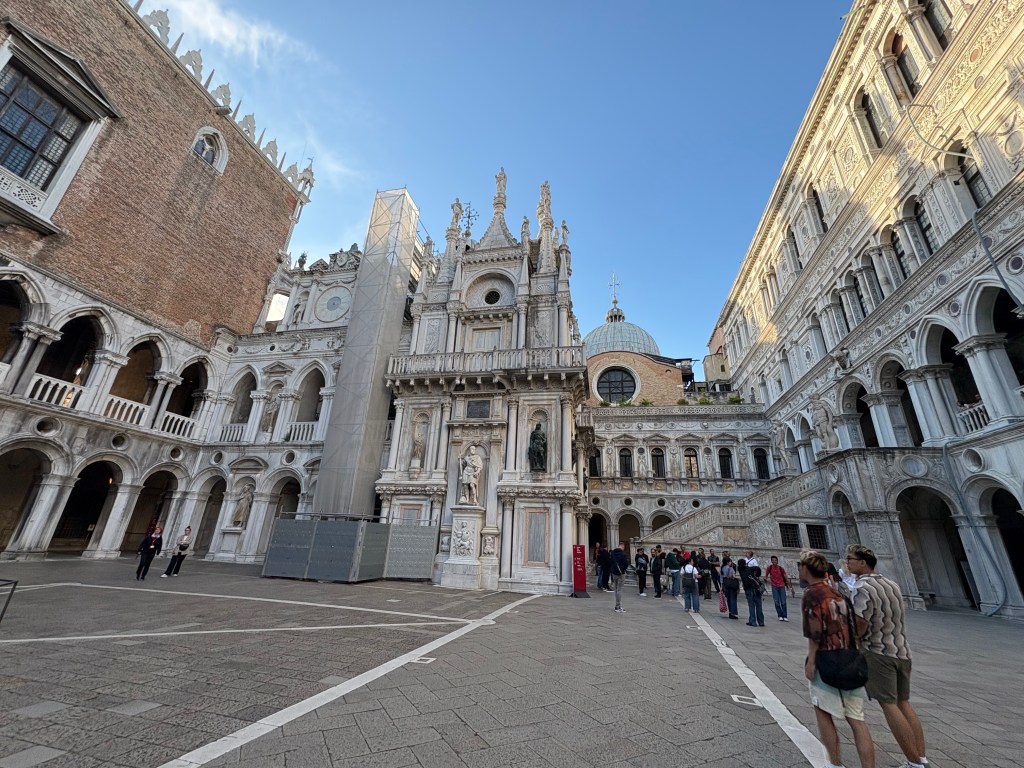
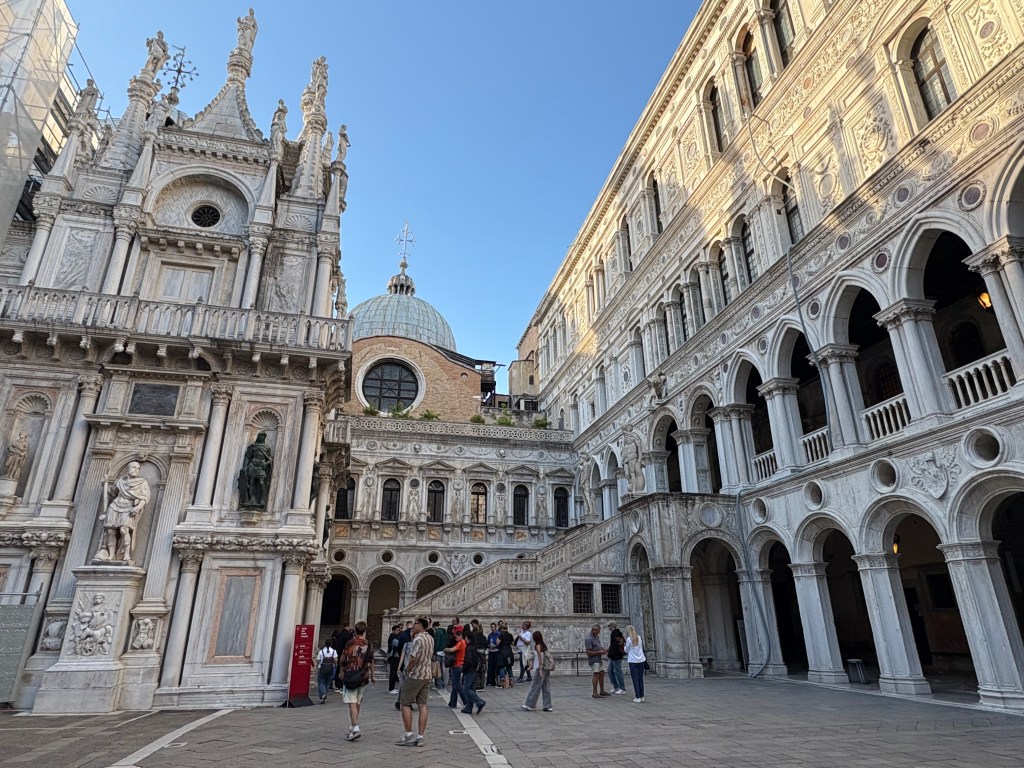
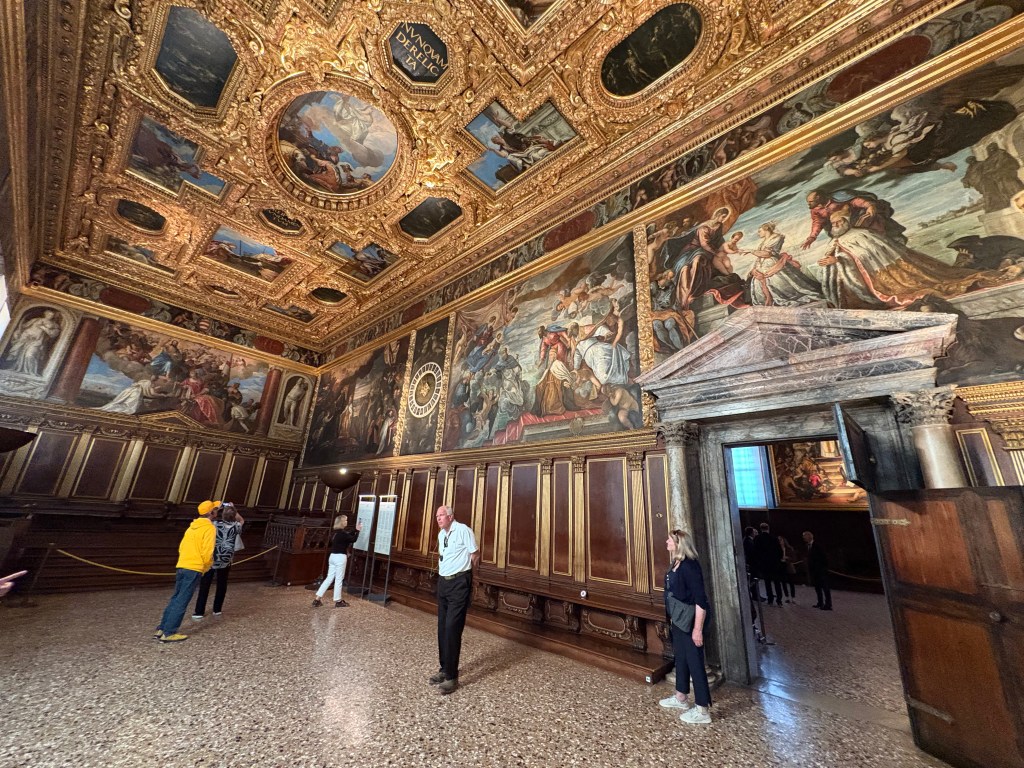
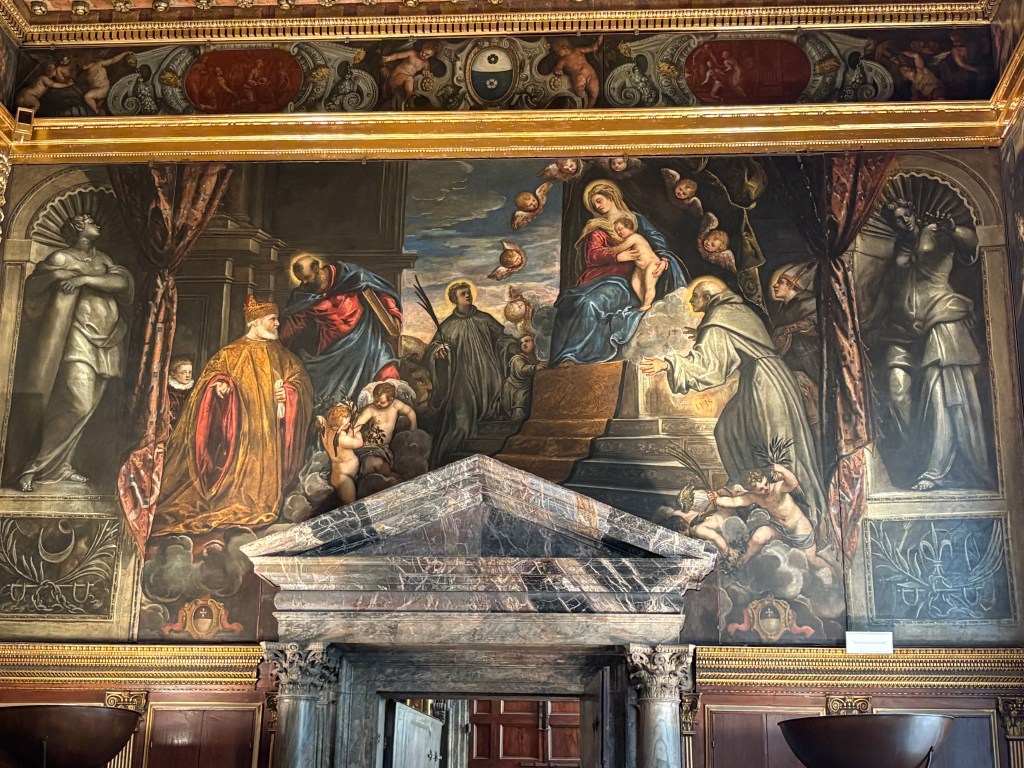
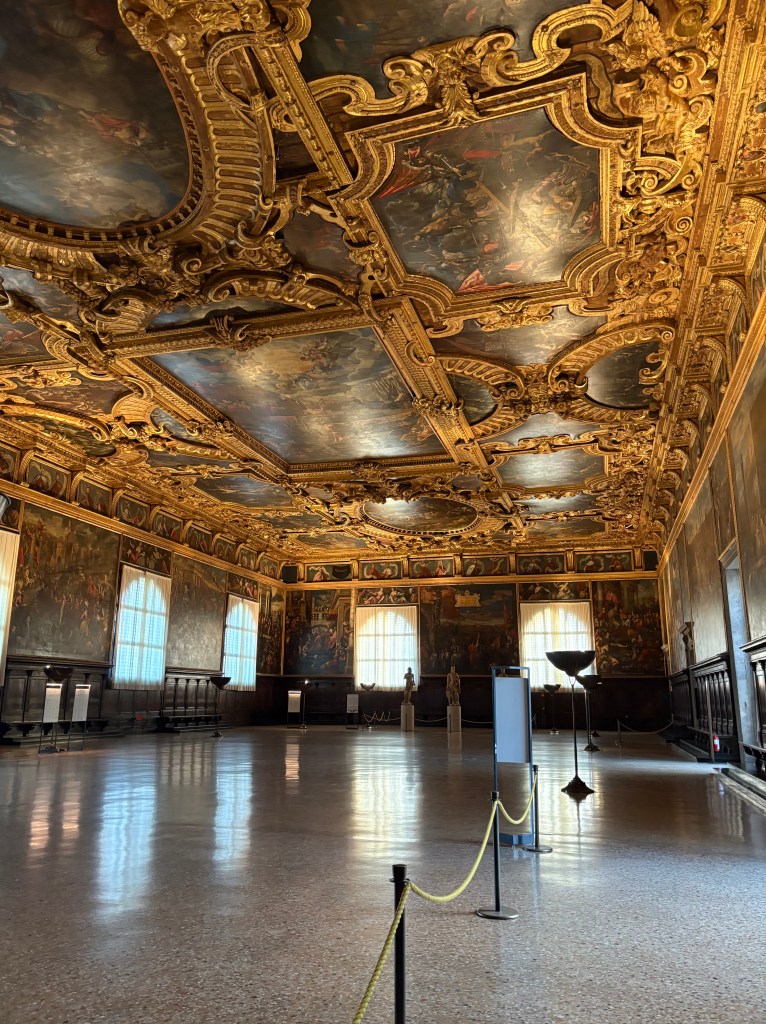
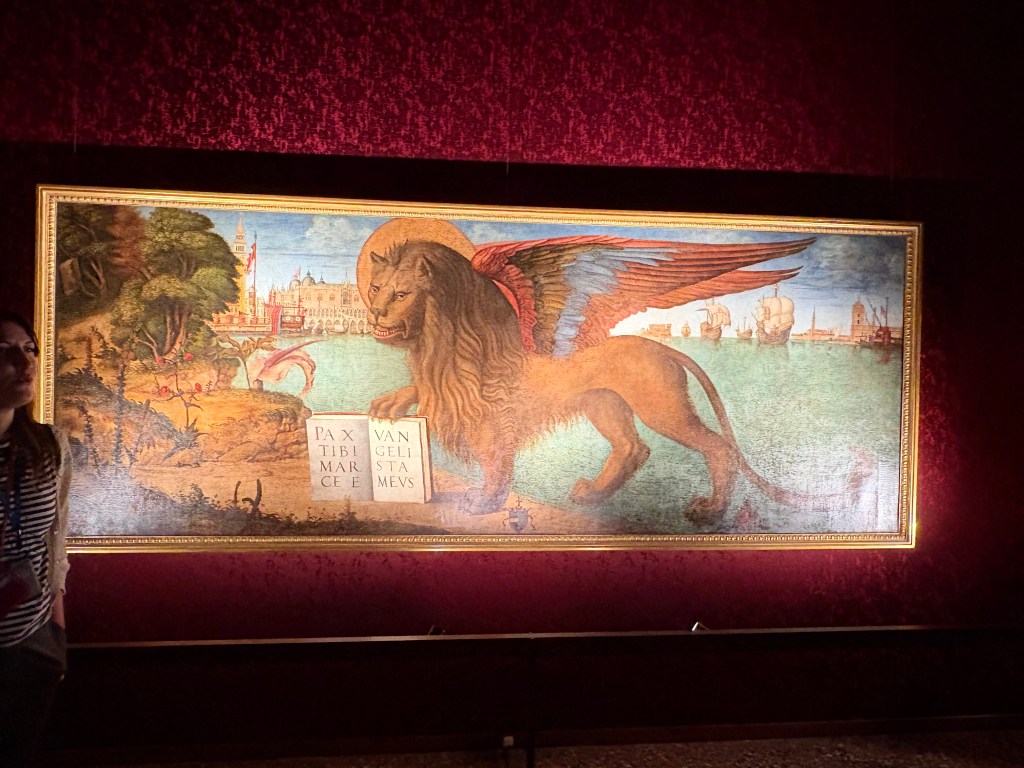
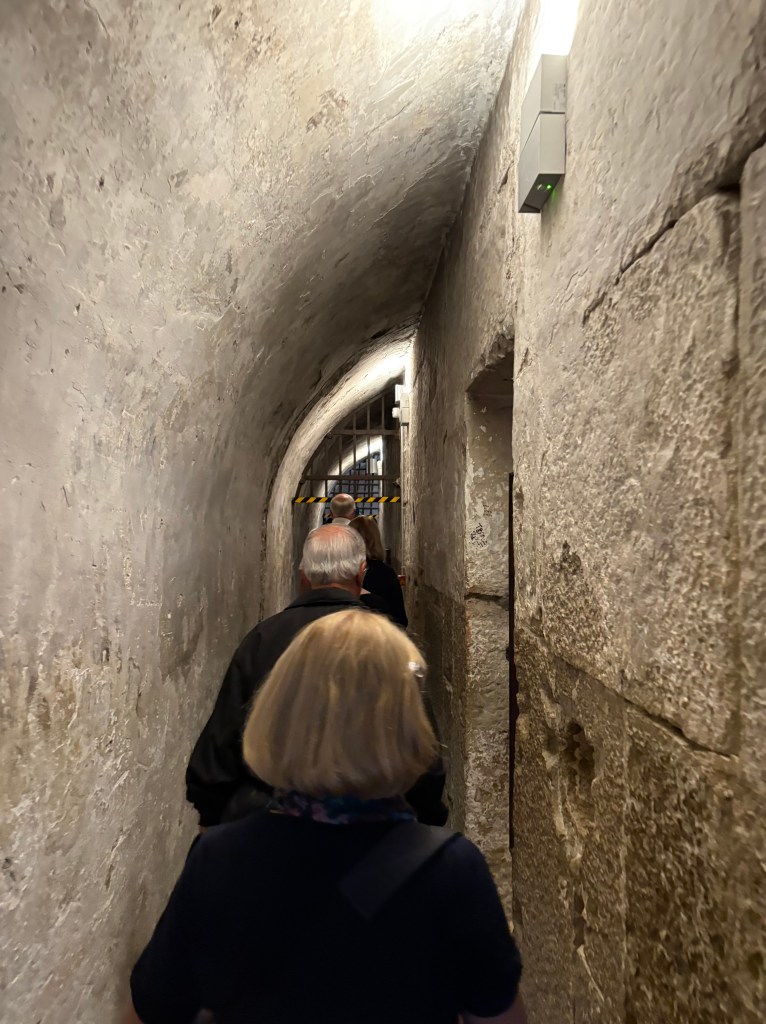
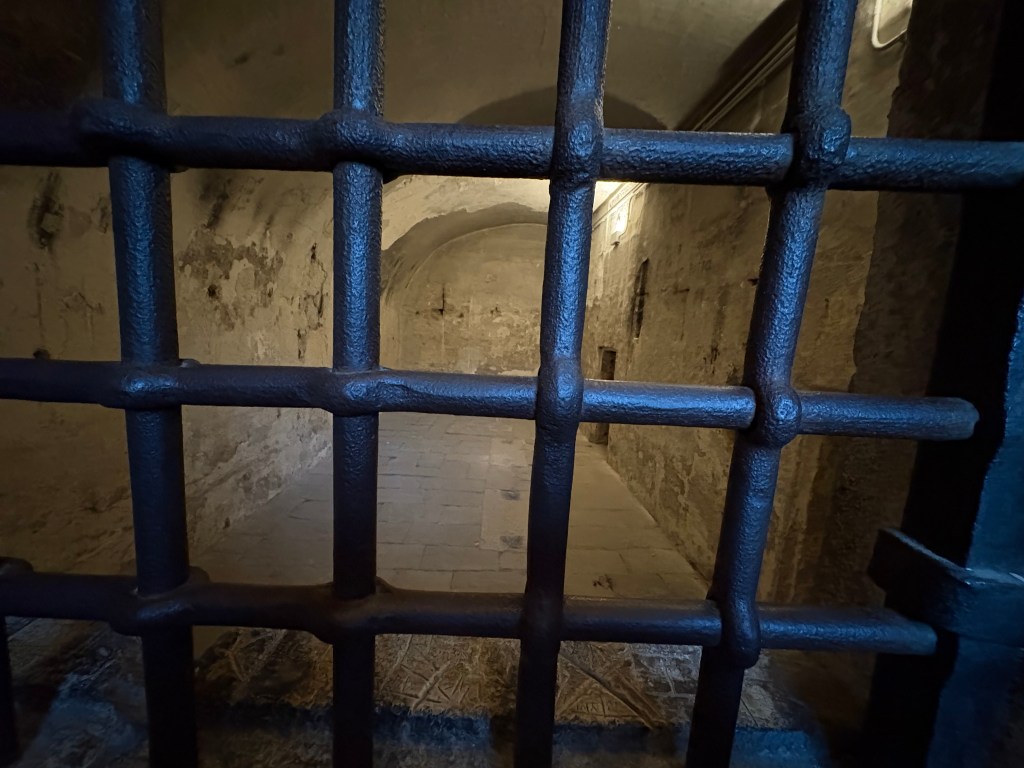
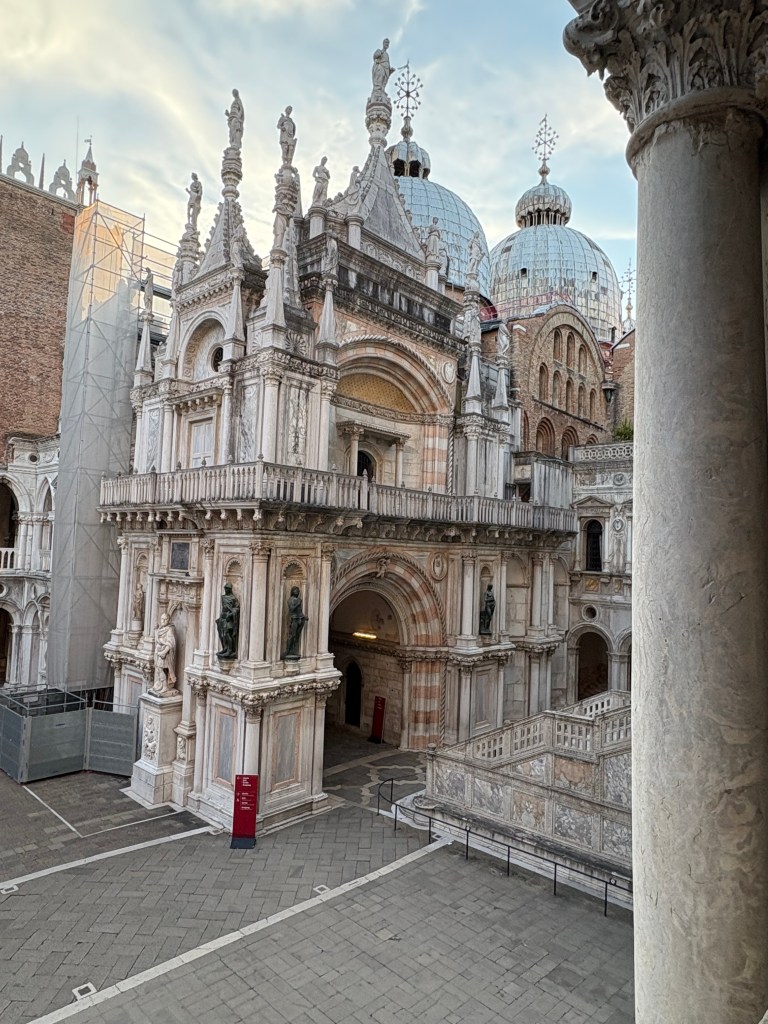
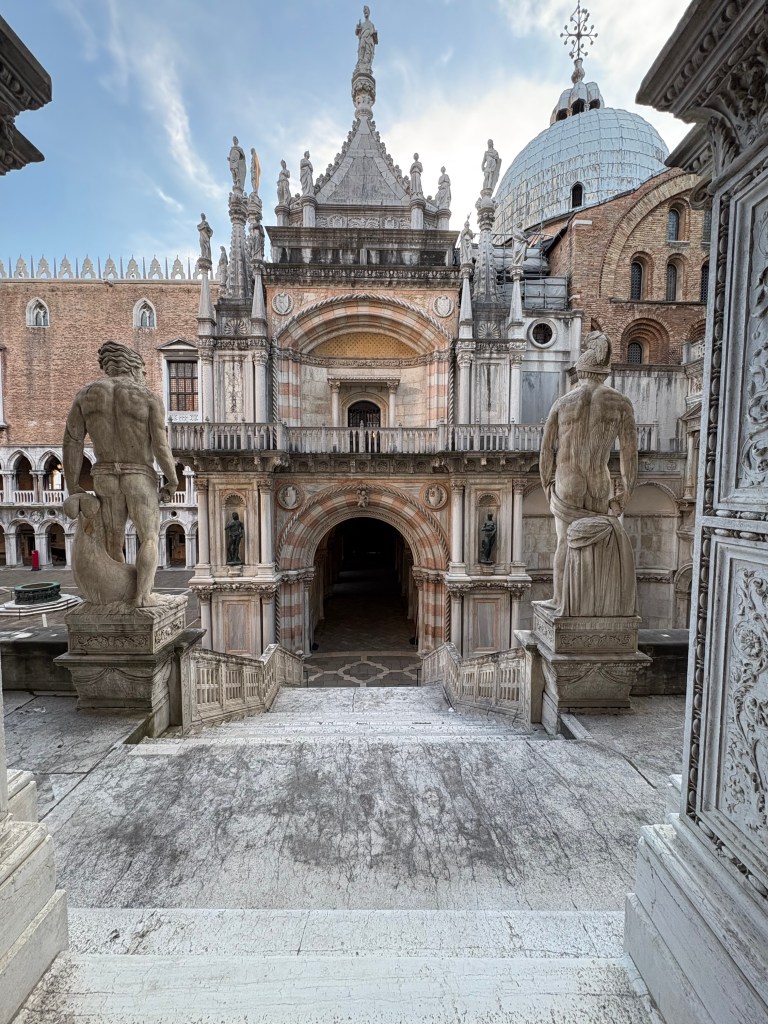
Day 13. Again after breakfast, we took a tour-guided walking tour through St. Mark’s Square and surrounding neighborhoods. The rest of the afternoon was free and while strolling the winding streets with countless bridges, we took in a last lunch with another couple from the tour group – tapas and wine and promises to stay in touch, for they were truly wonderful folks. Back to the hotel for a rest, we all joined together on the roof top terrace for a farewell cocktail and tapas reception. Then we were treated to a private, after-hours guided tour of the Doge Palace, including the legendary Bridge of Sighs, and the palace prison, a fabulous end to a great Tauck tour.


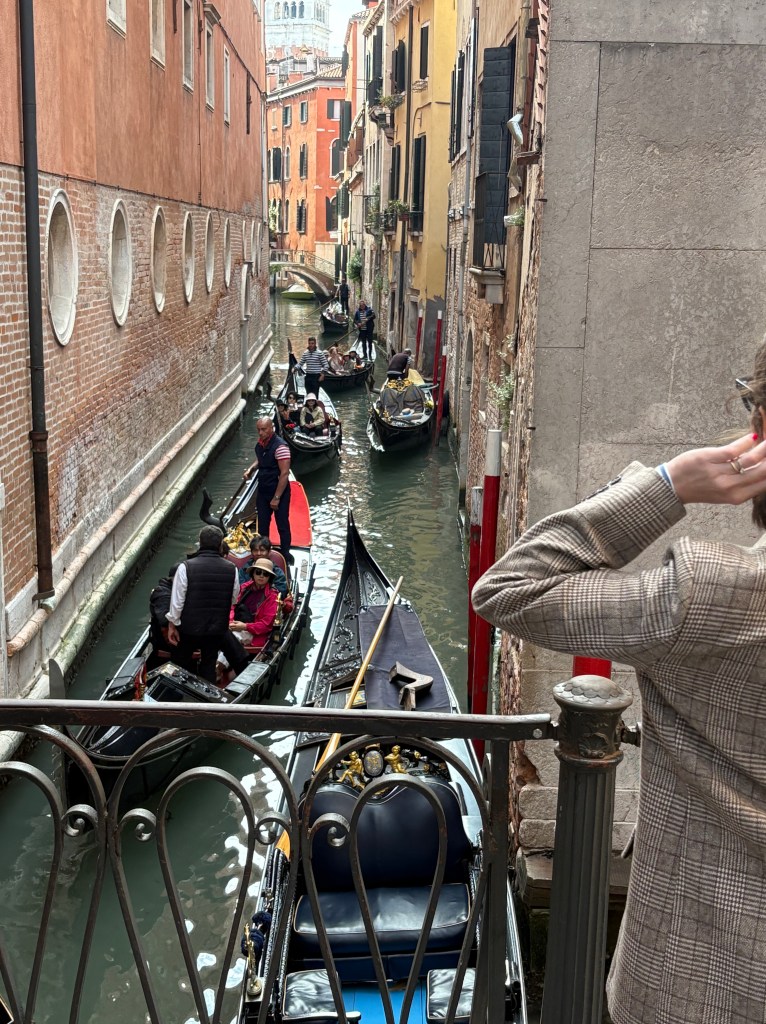
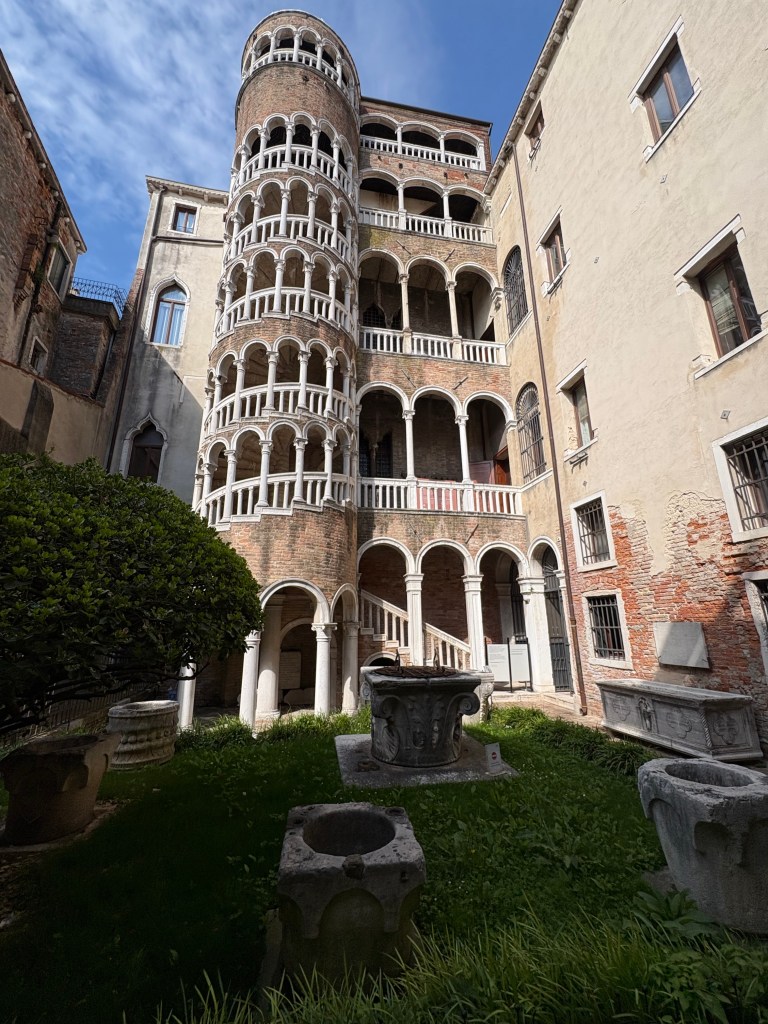
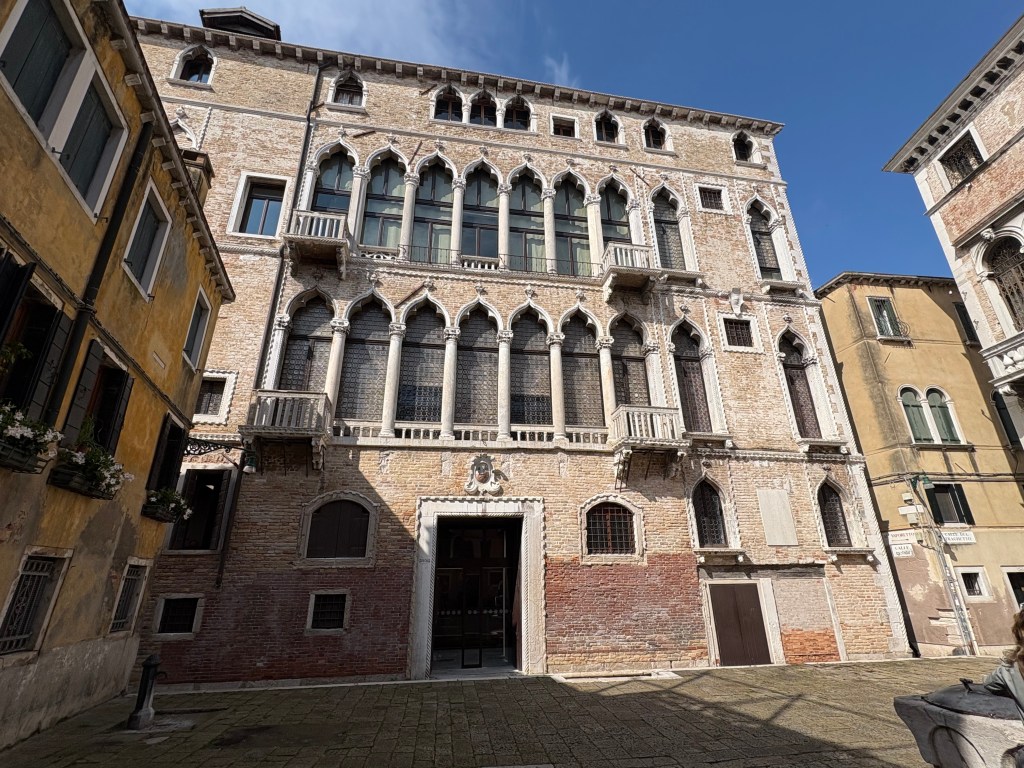
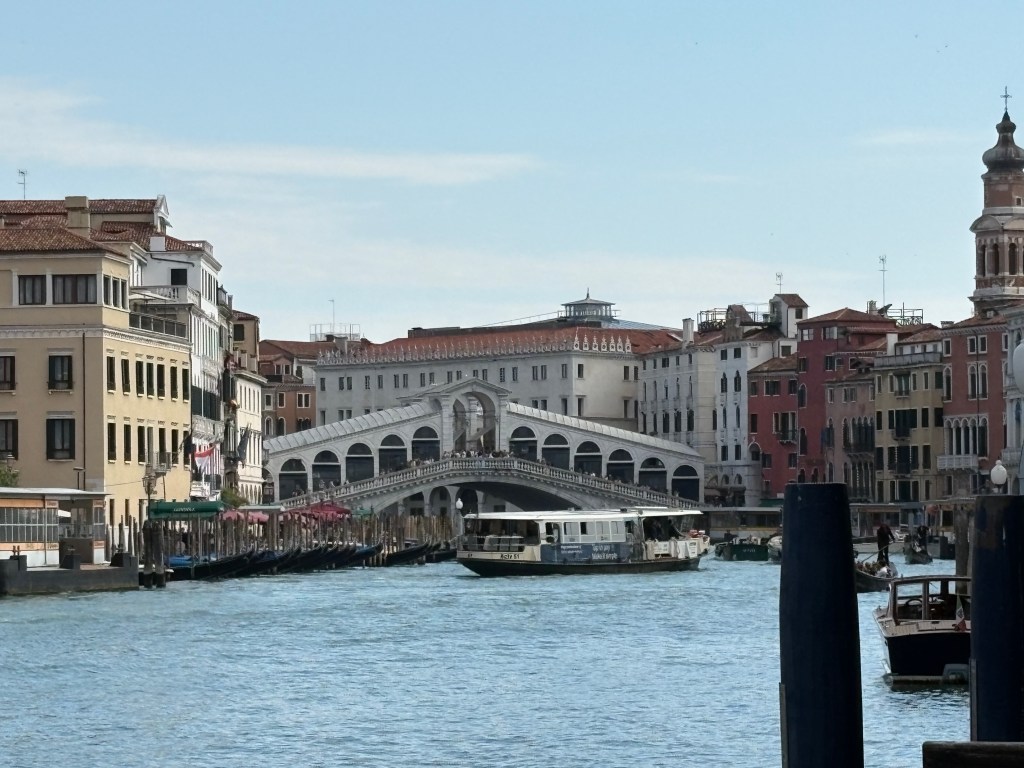








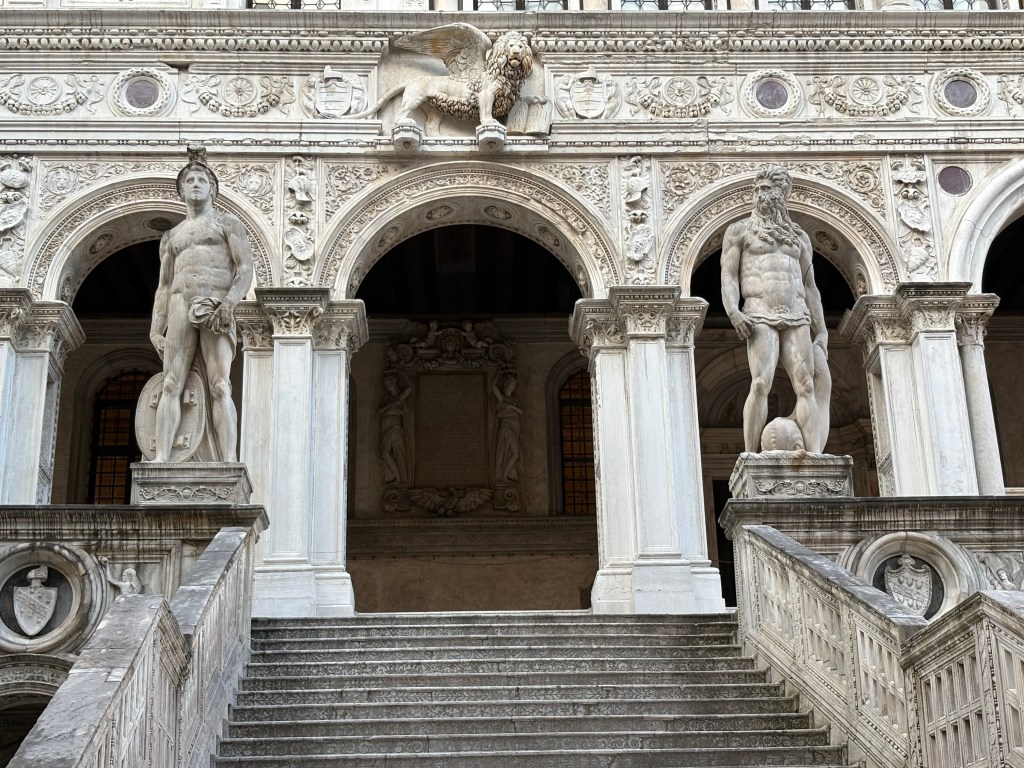
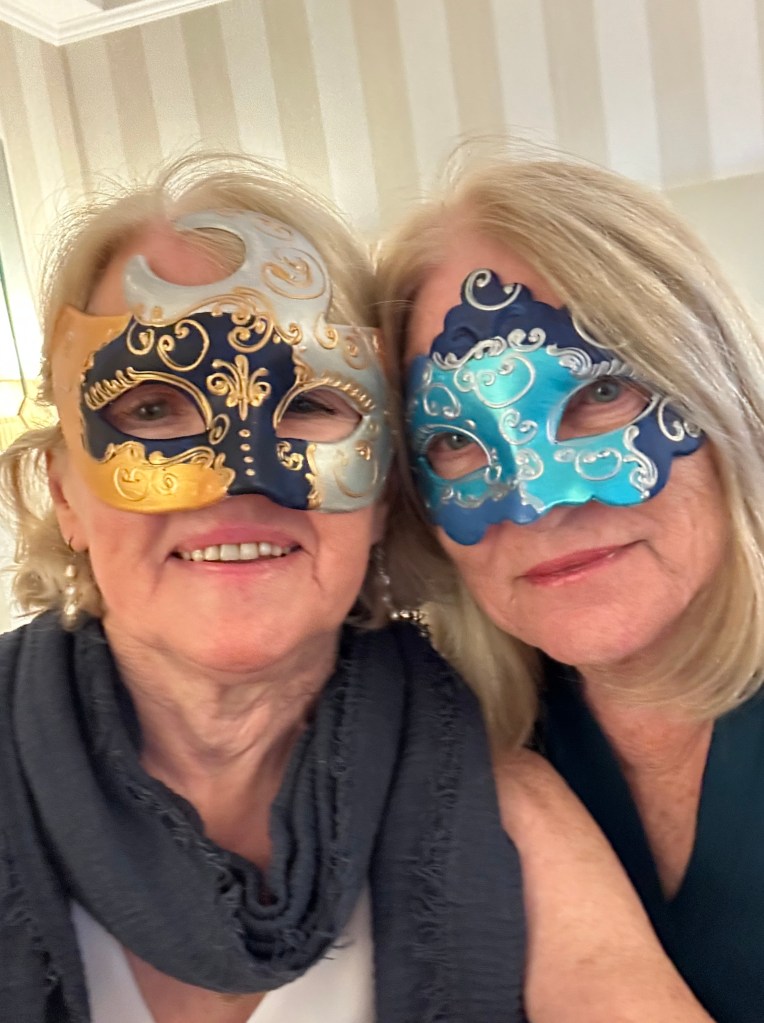
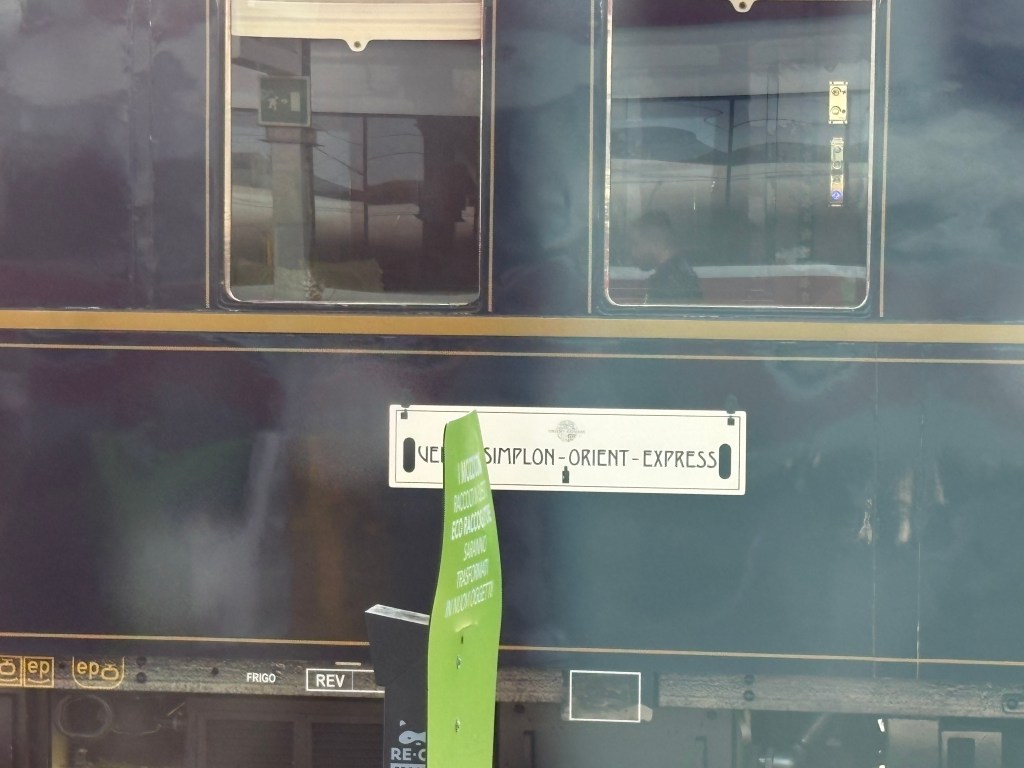
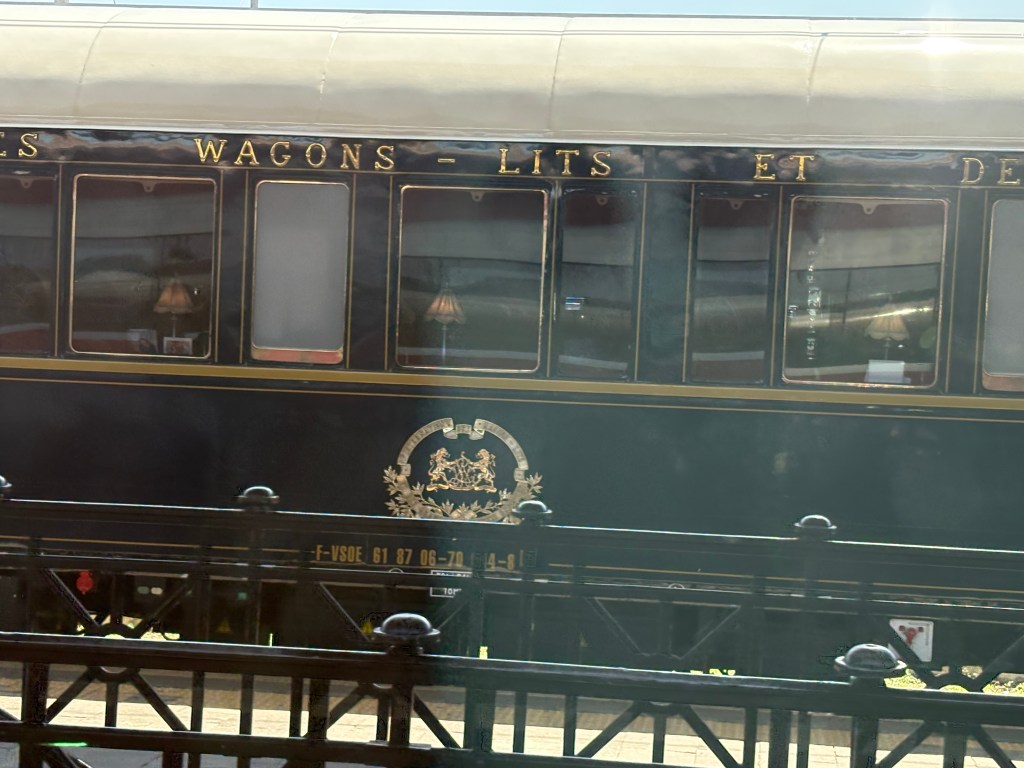
Day 14. Although others were headed back to the states, two fellow tour folks stayed for two more days in Venice and participated in a mask making class, which they later reported to us was great fun. G and I boarded a train to Milan, but not before being surveyed in the station by at least 5 groups of Italian students, who, as part of a class assignment, were to ask English-speaking tourists their names, ages, and their interests in Venice and Italy. We were pros by the 3rd set. And, we were excited to see the Venice Simplon-Orient Express train departing the station.

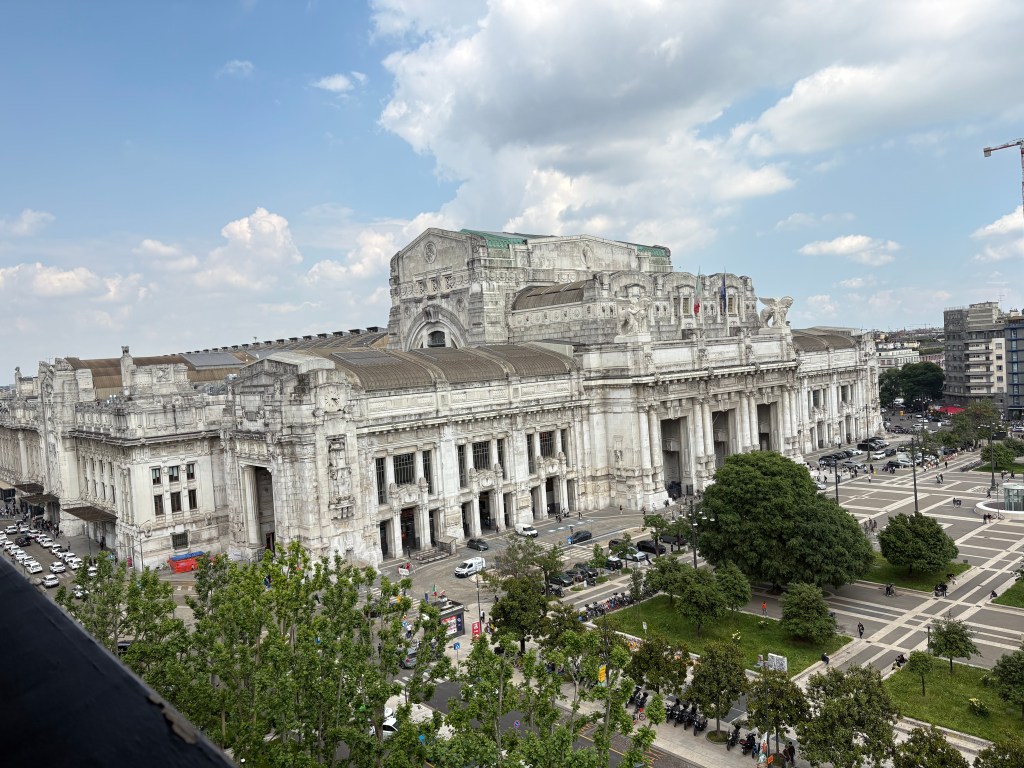
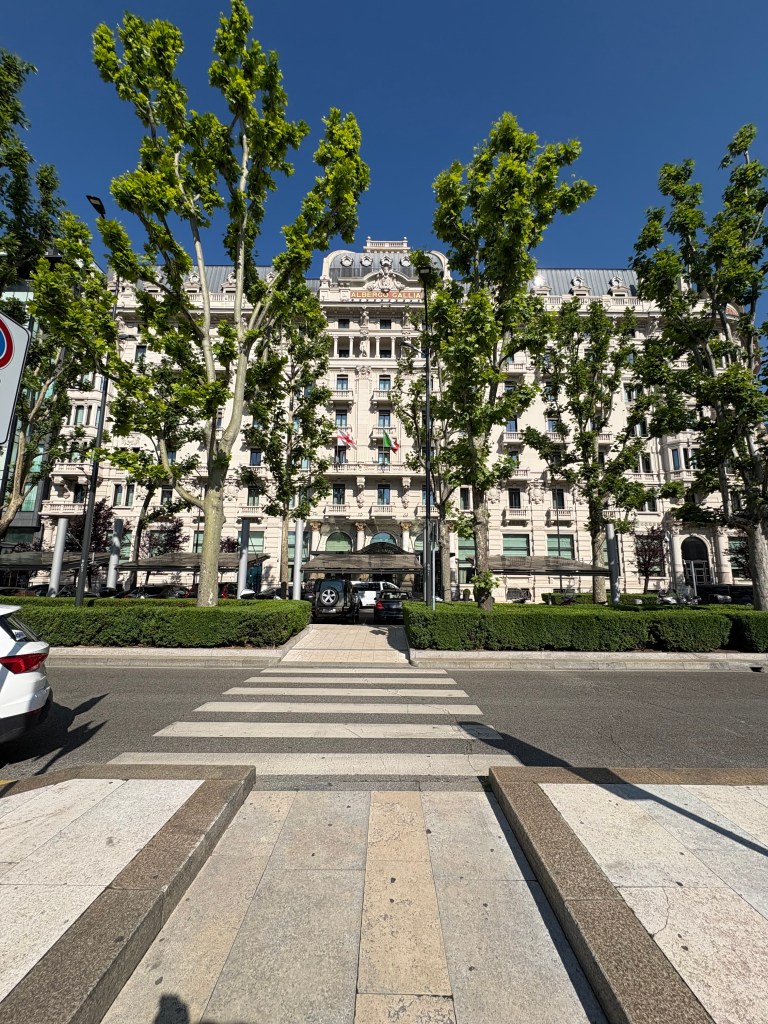
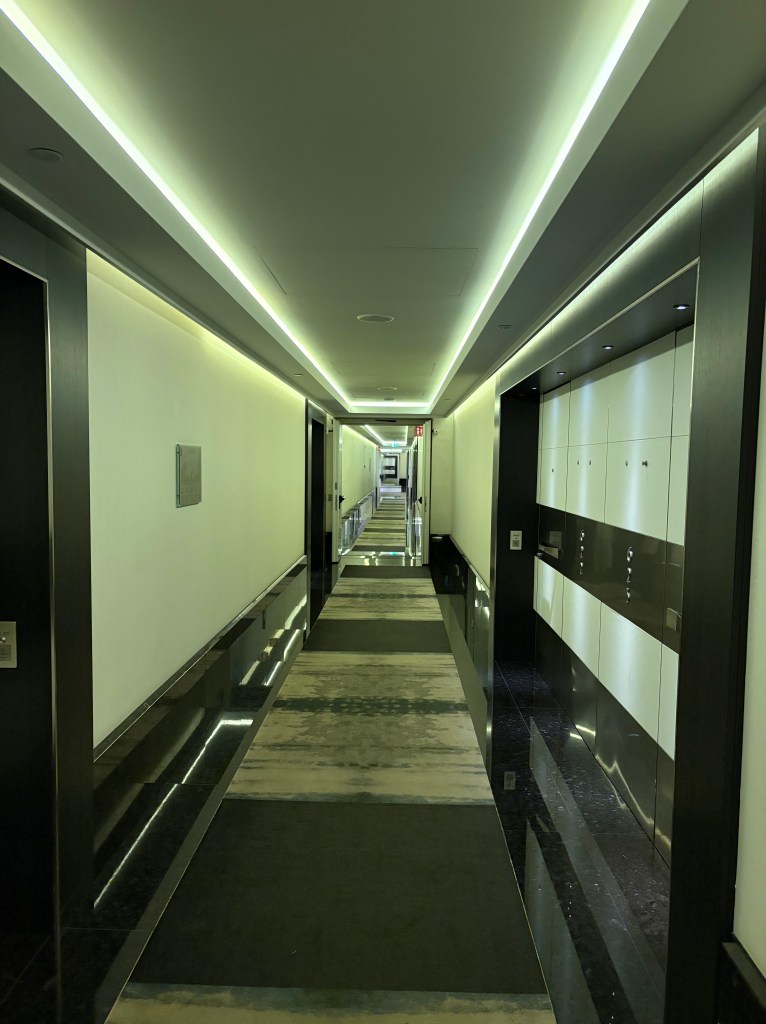
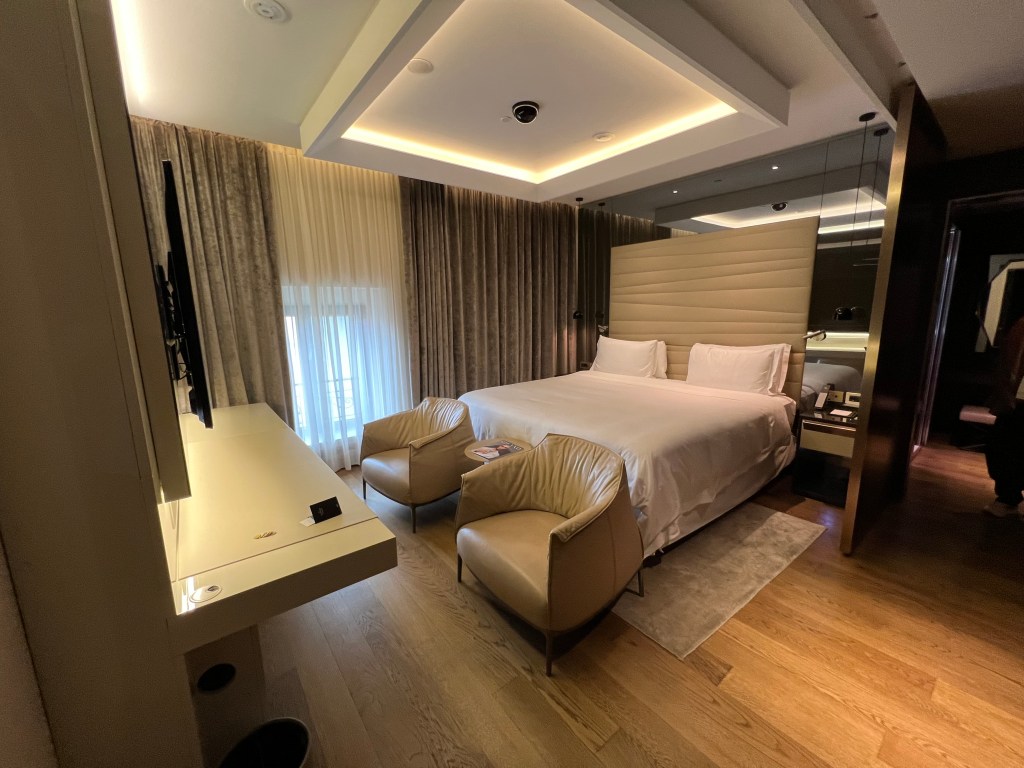
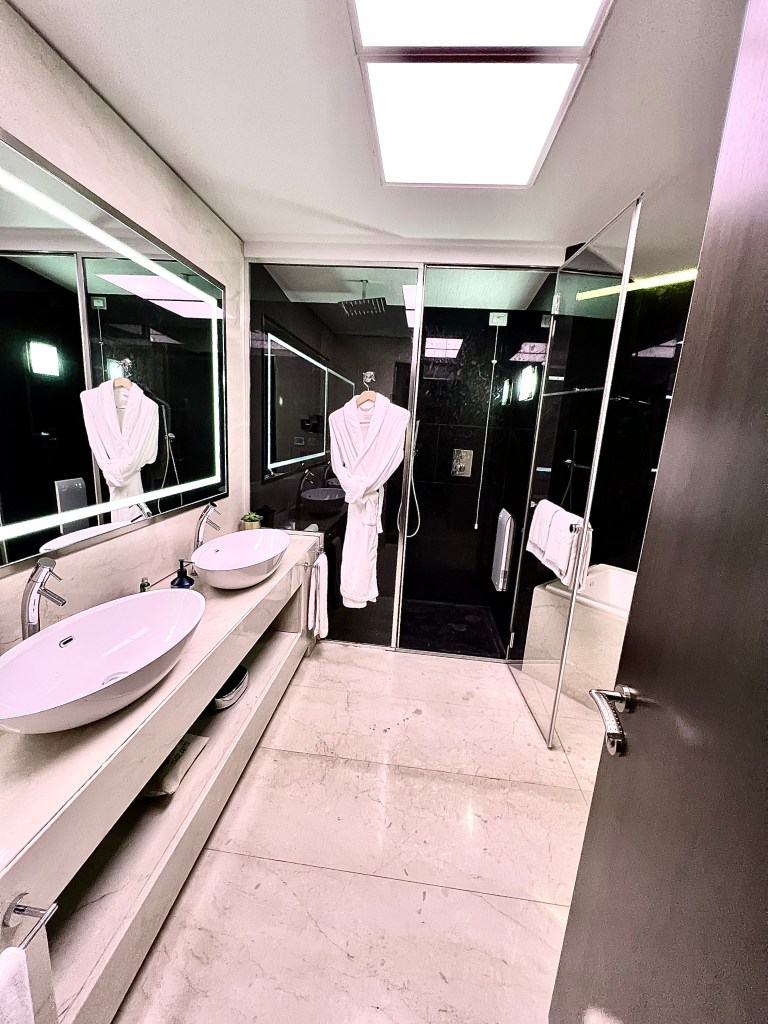
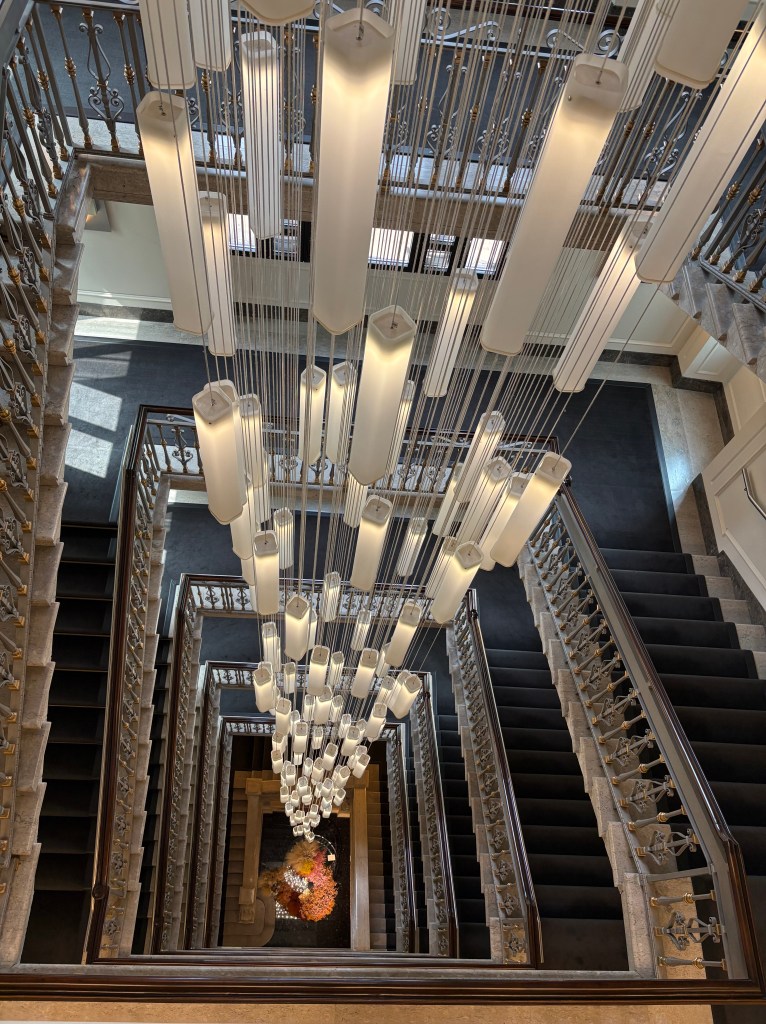
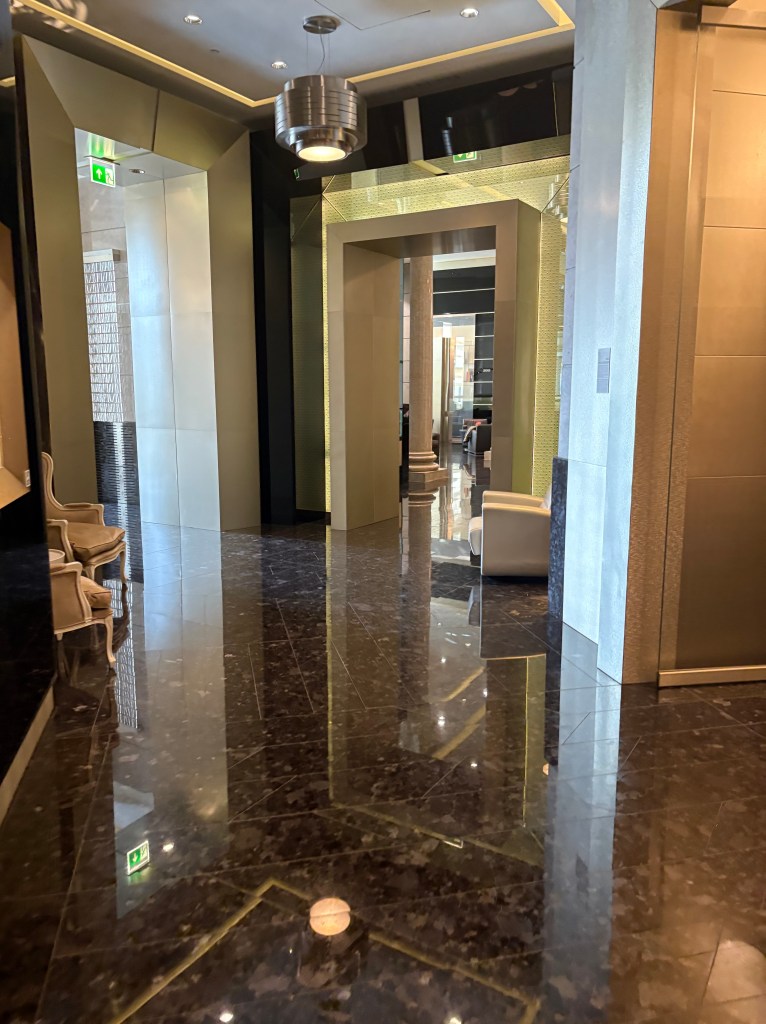
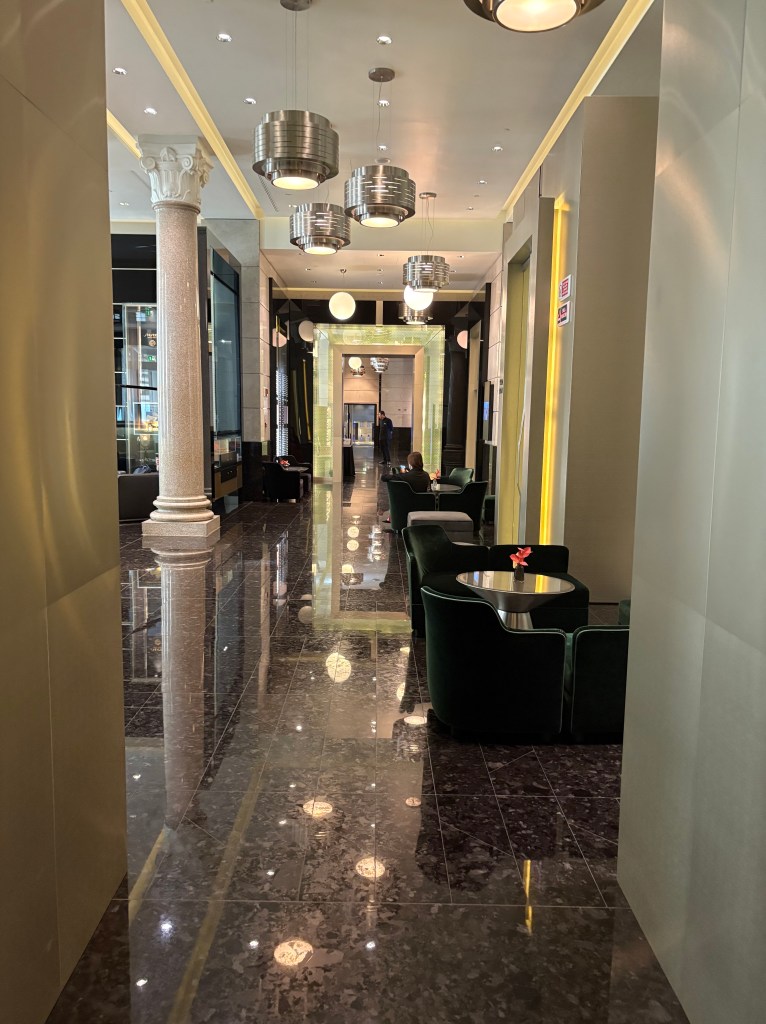
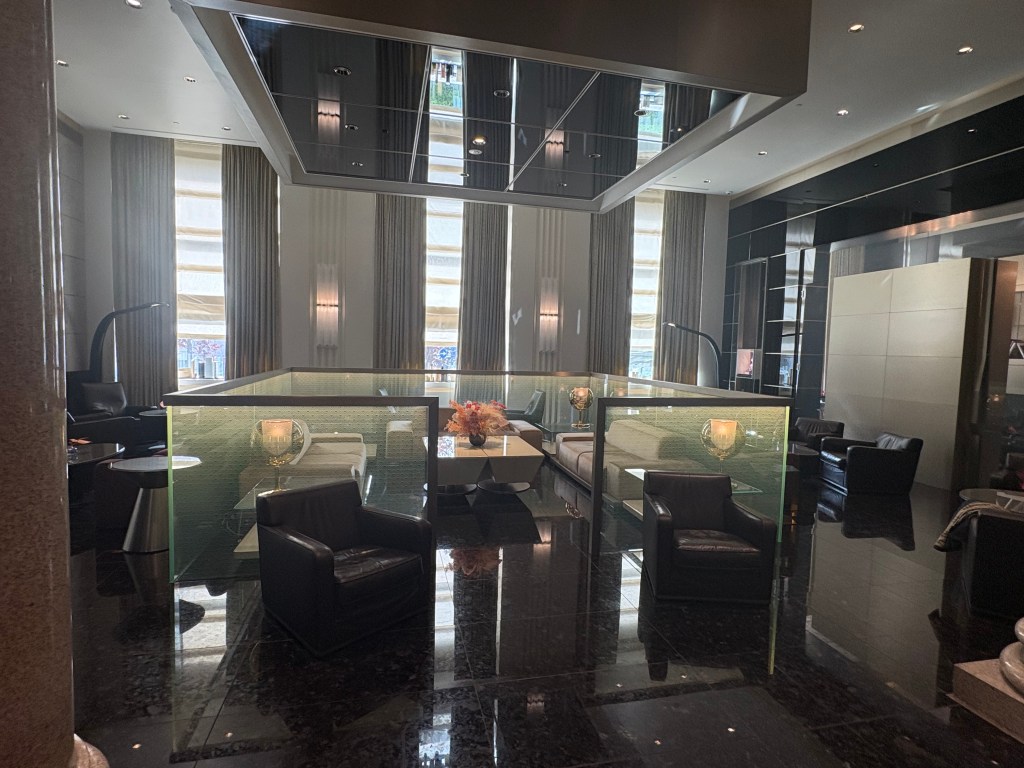
We arrived in Milan around noon and walked a two minute stretch to our hotel, the Excelsior Hotel Gallia, perhaps, one of the most elegant hotels we have ever stayed in. We had a cocktail on the terrace roof top restaurant before taking a pre-dinner nap. Then we walked a five-minute route to the restaurant chosen by our friends Federica and Lorenzo. We met Federica when renting a studio apartment in Paris in 2018 when we first arrived in France. Her parents owned the studio and when ironing out an internet issue, we got to know her whole family. Federica and we became quick friends and although she lives in Milan, we have stayed in touch. We promised that we would come to visit if we ever got to Italy and she was the reason we extended our trip before returning to Lille. A delight to see her and finally meet her husband, Lorenzo. We had a wonderful dinner which was over too soon and with many hugs, sadly parted company.



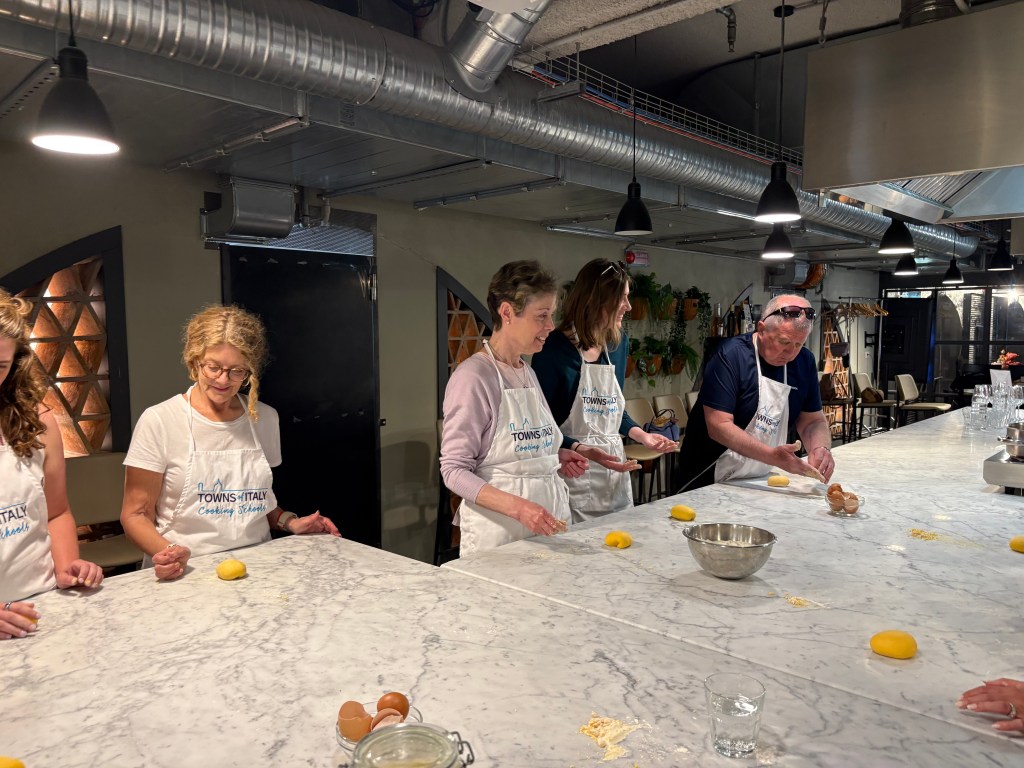
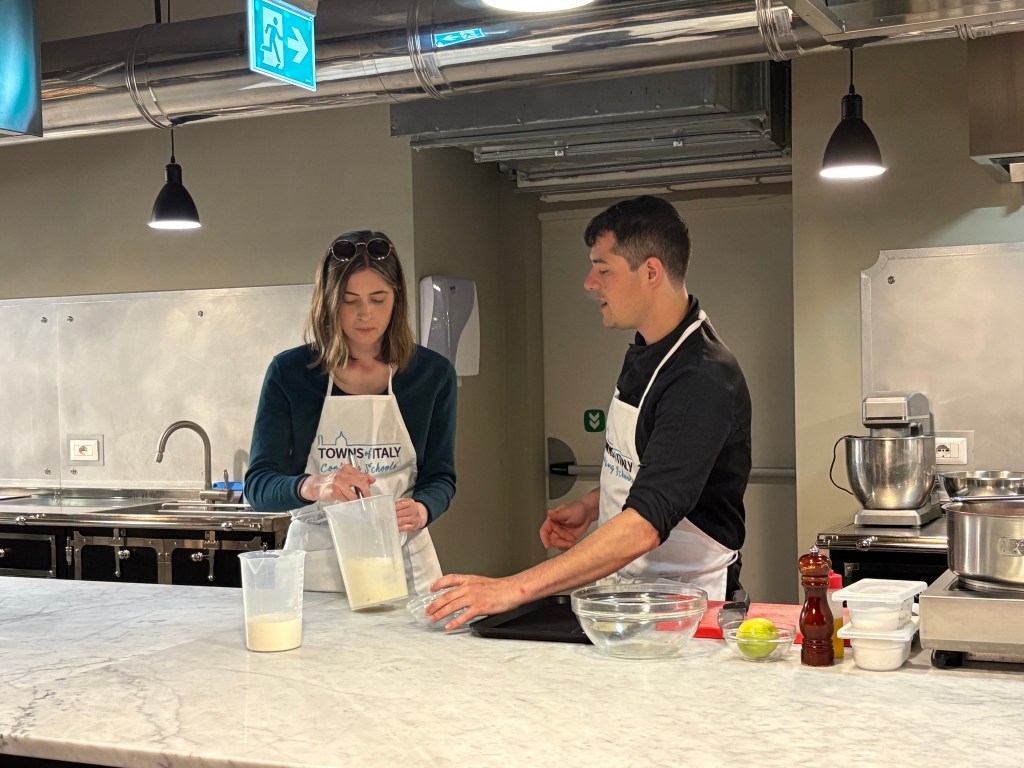
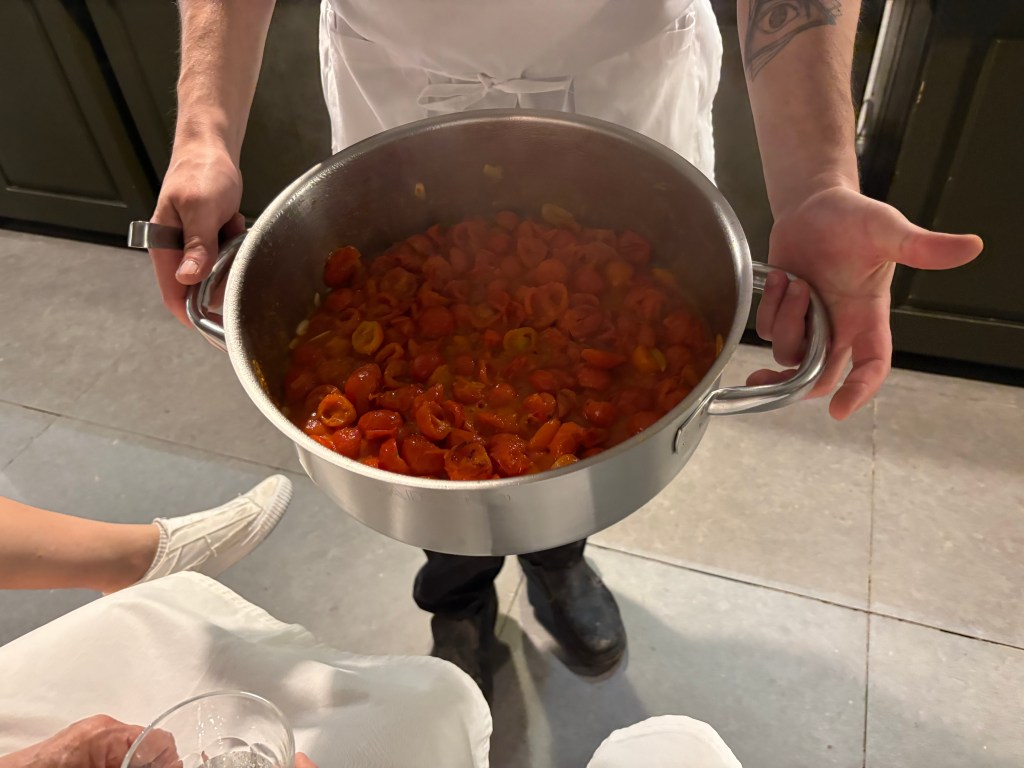
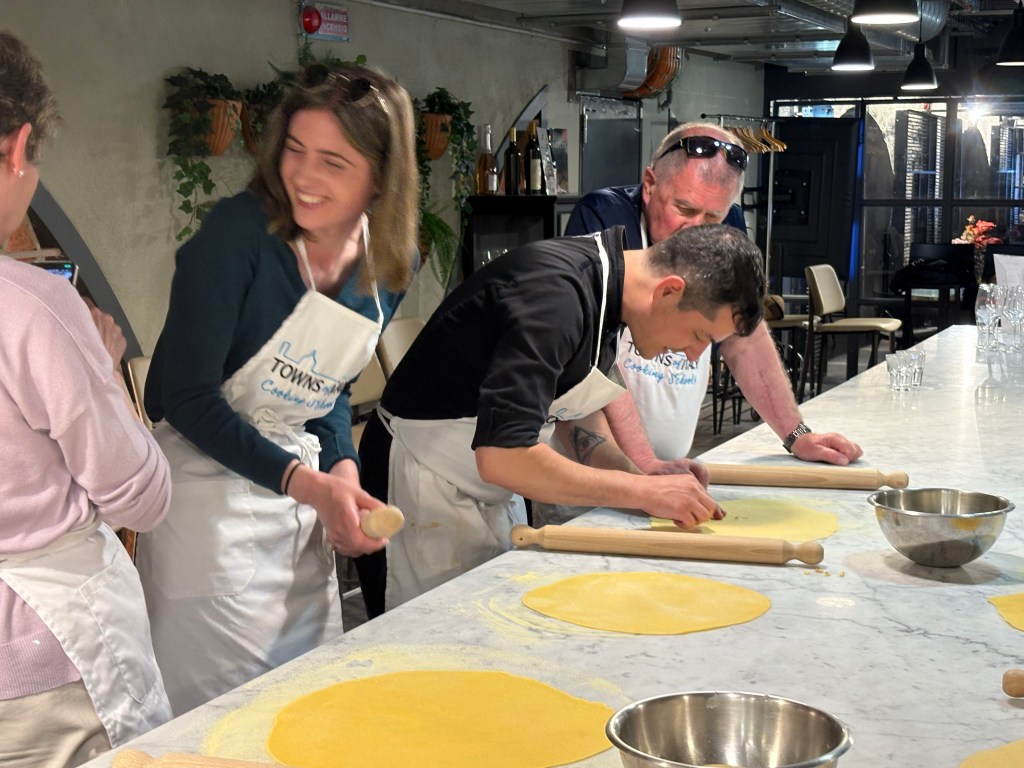
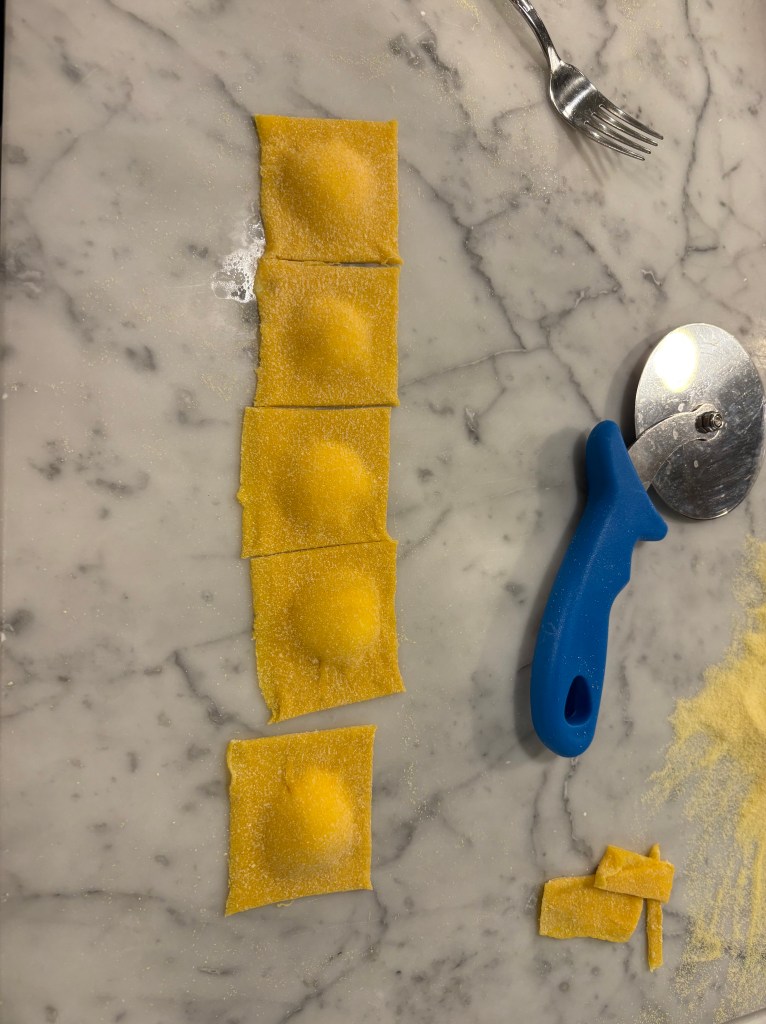
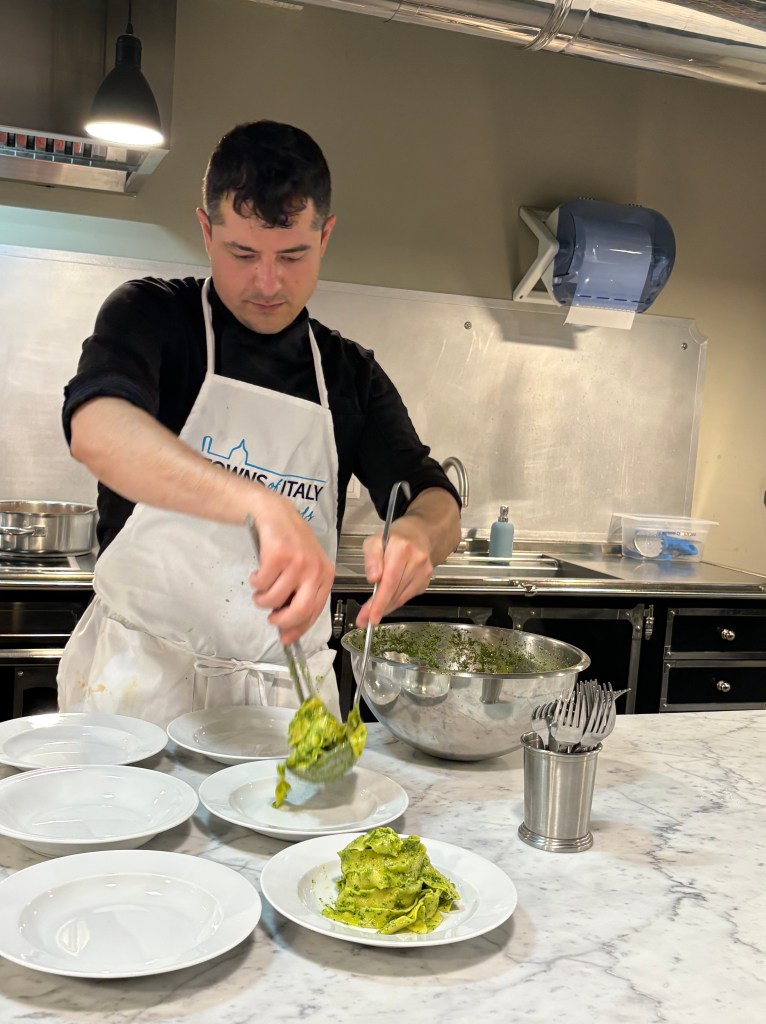
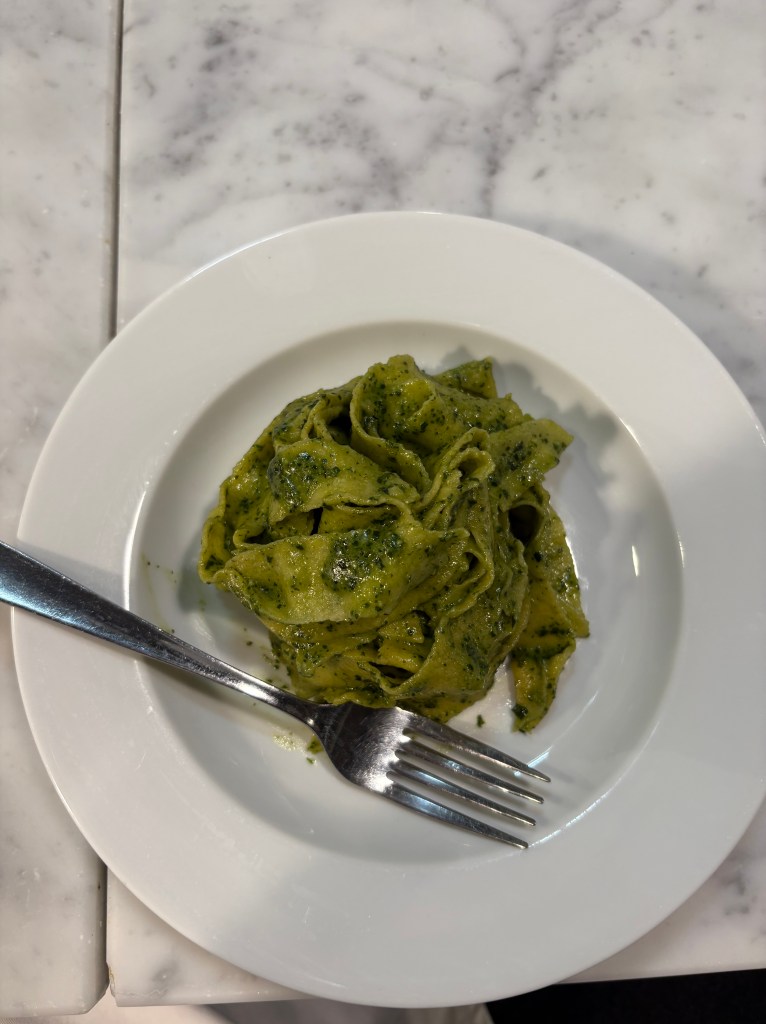
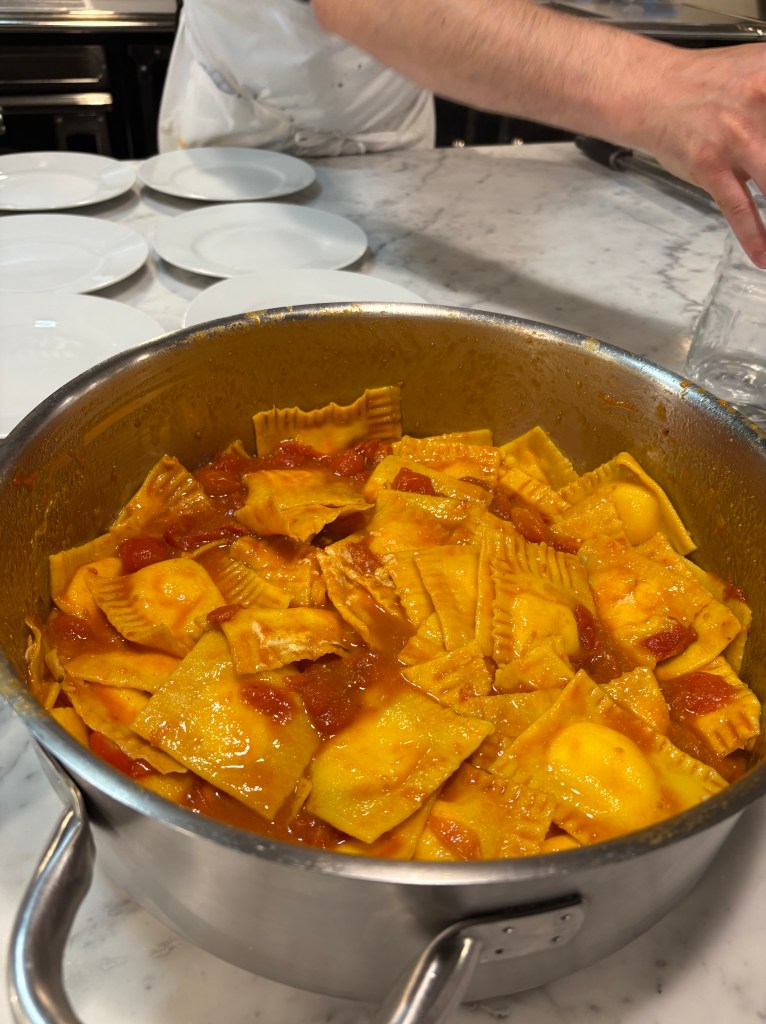
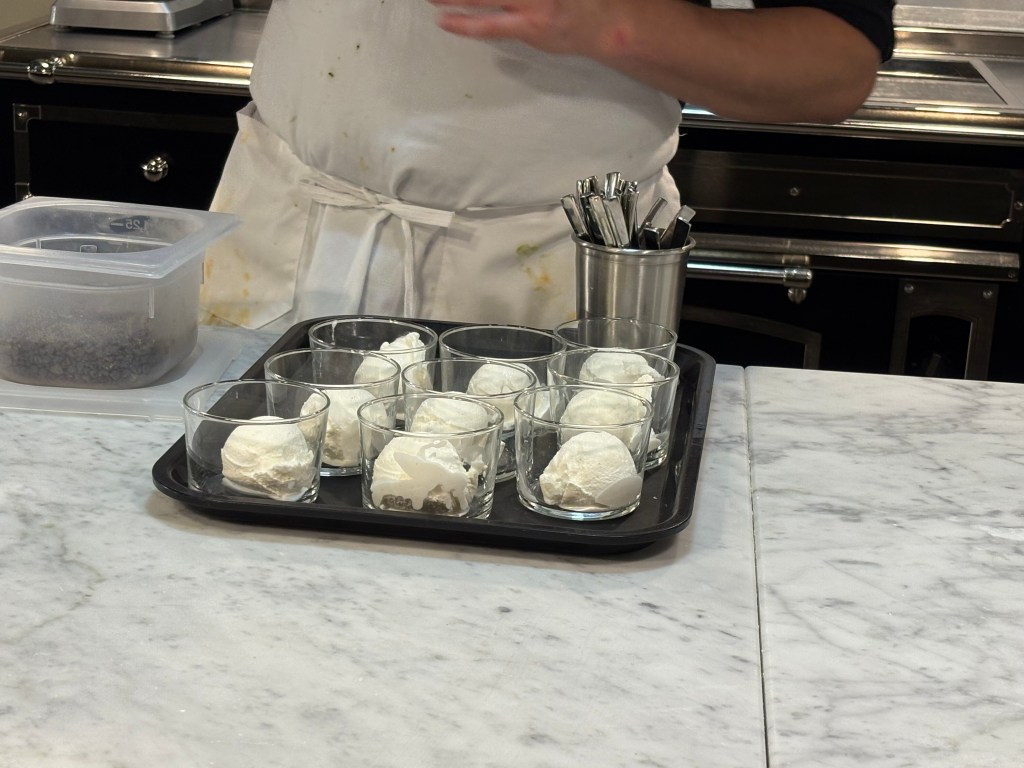
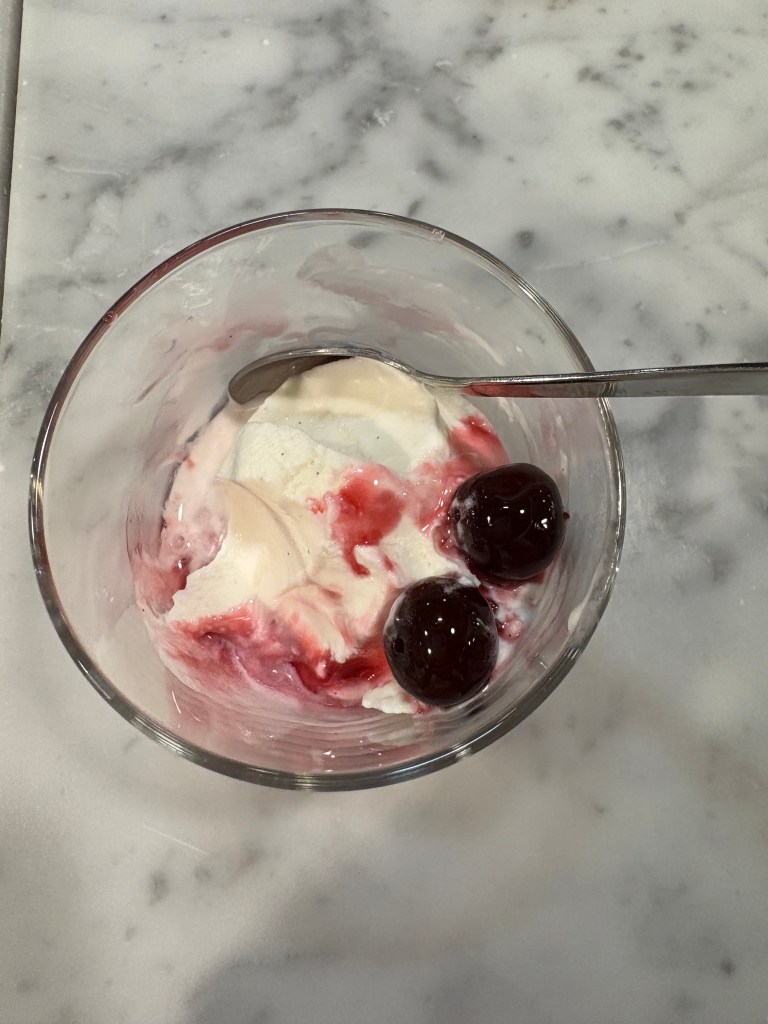
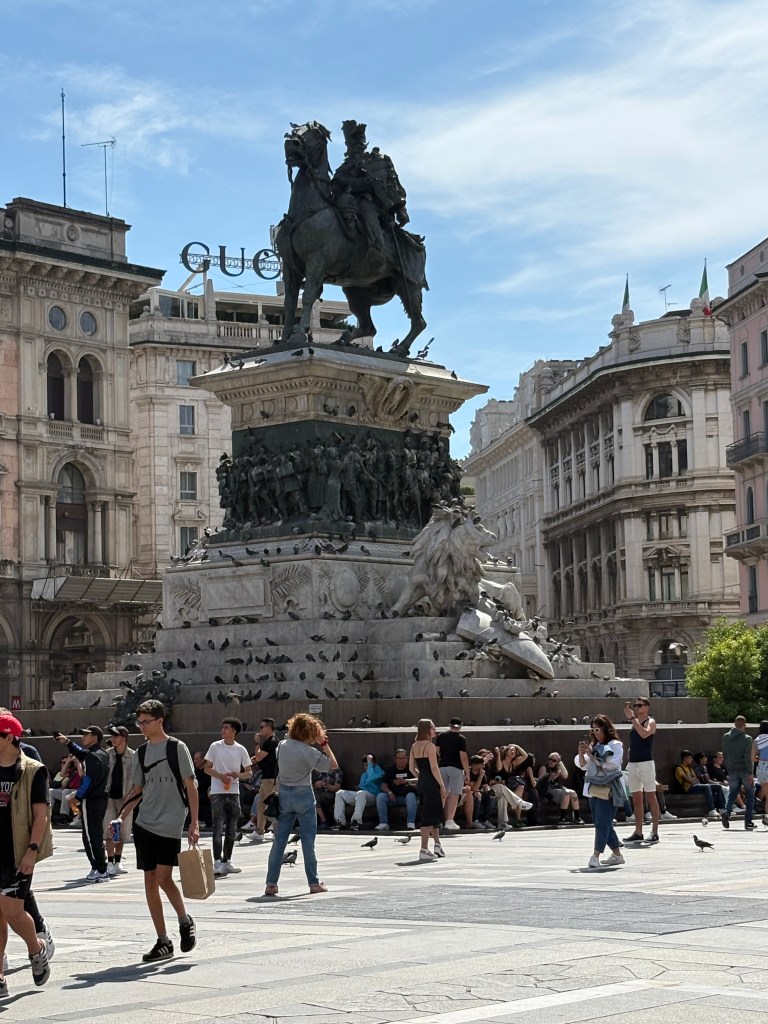
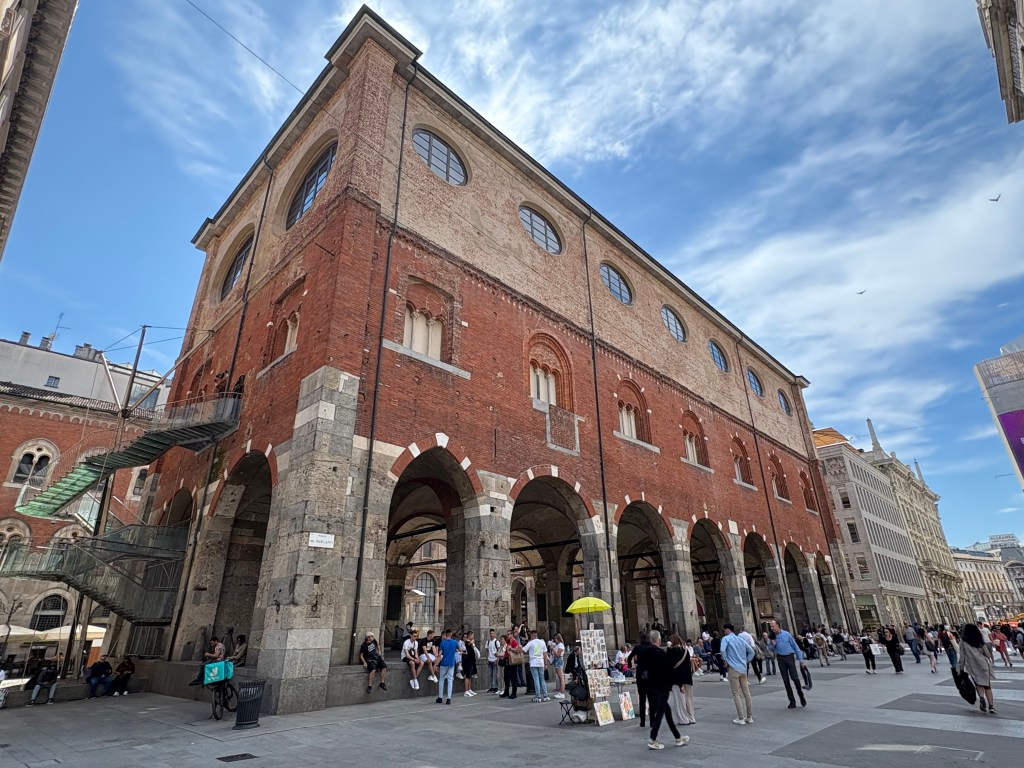
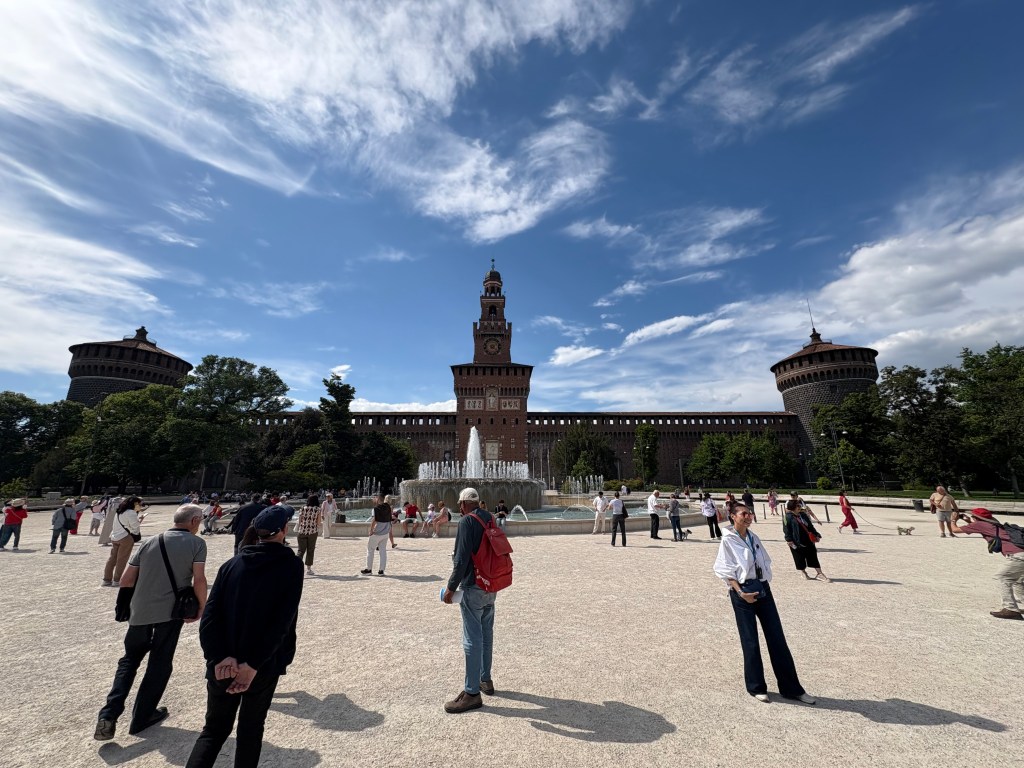
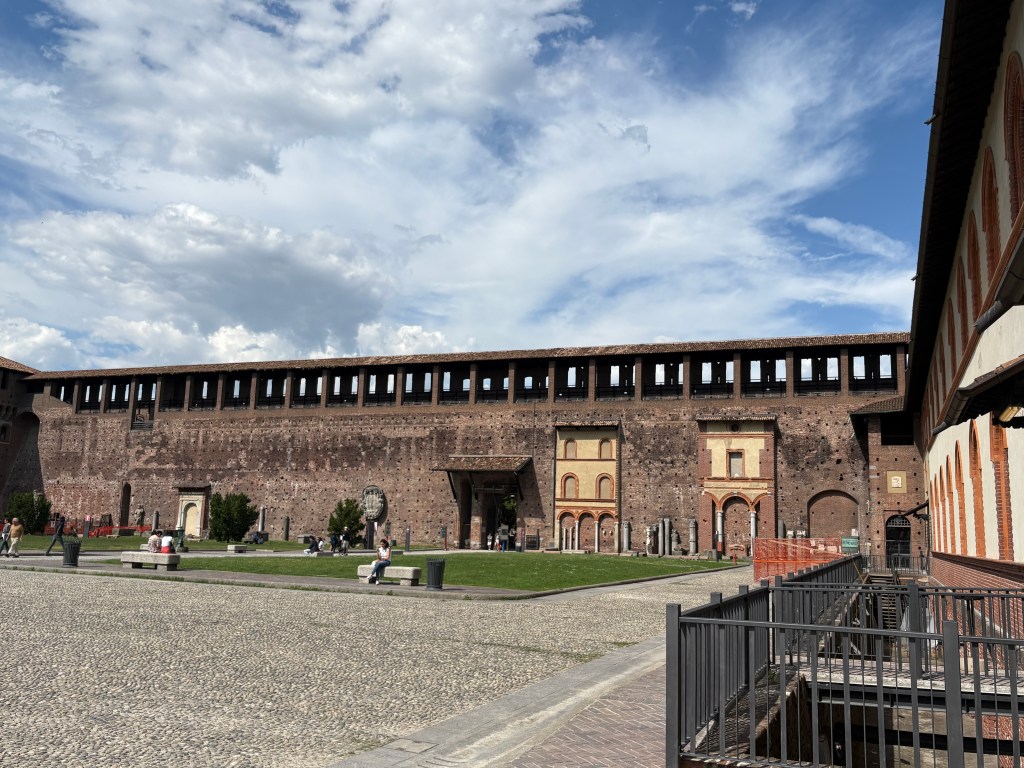
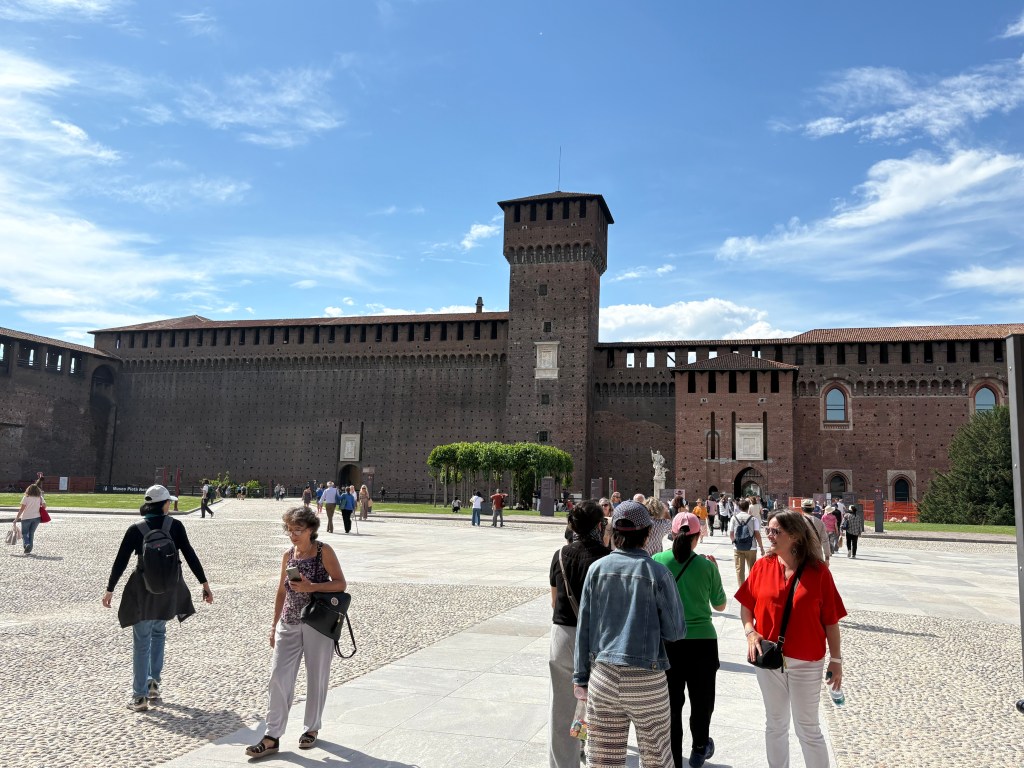
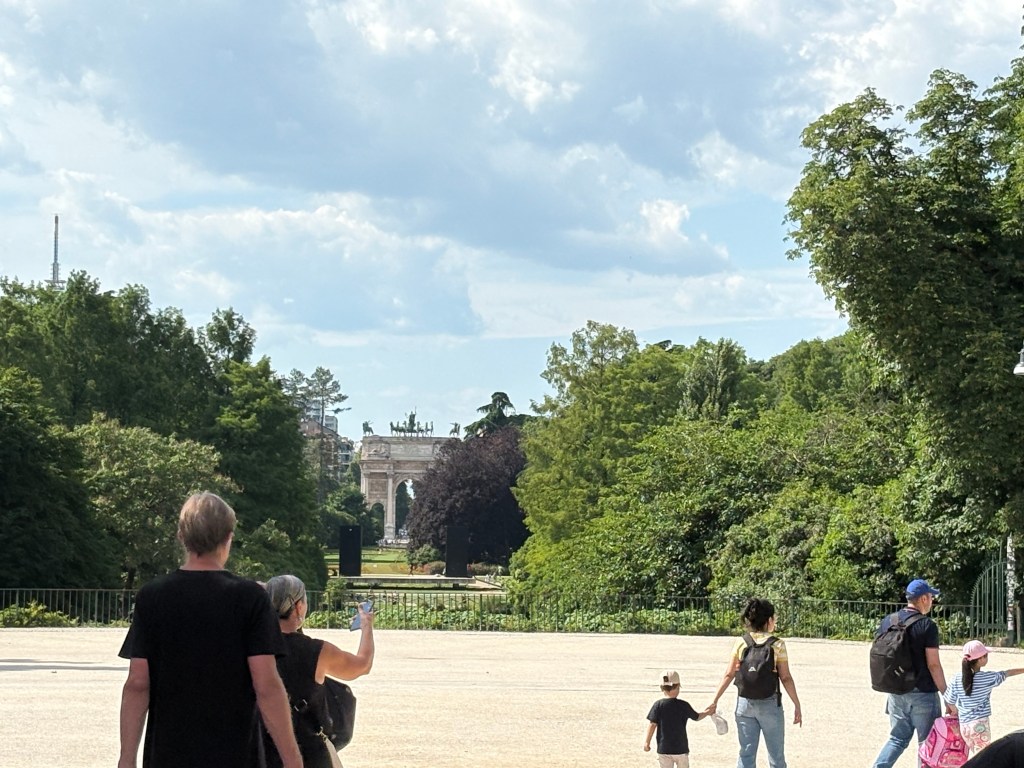
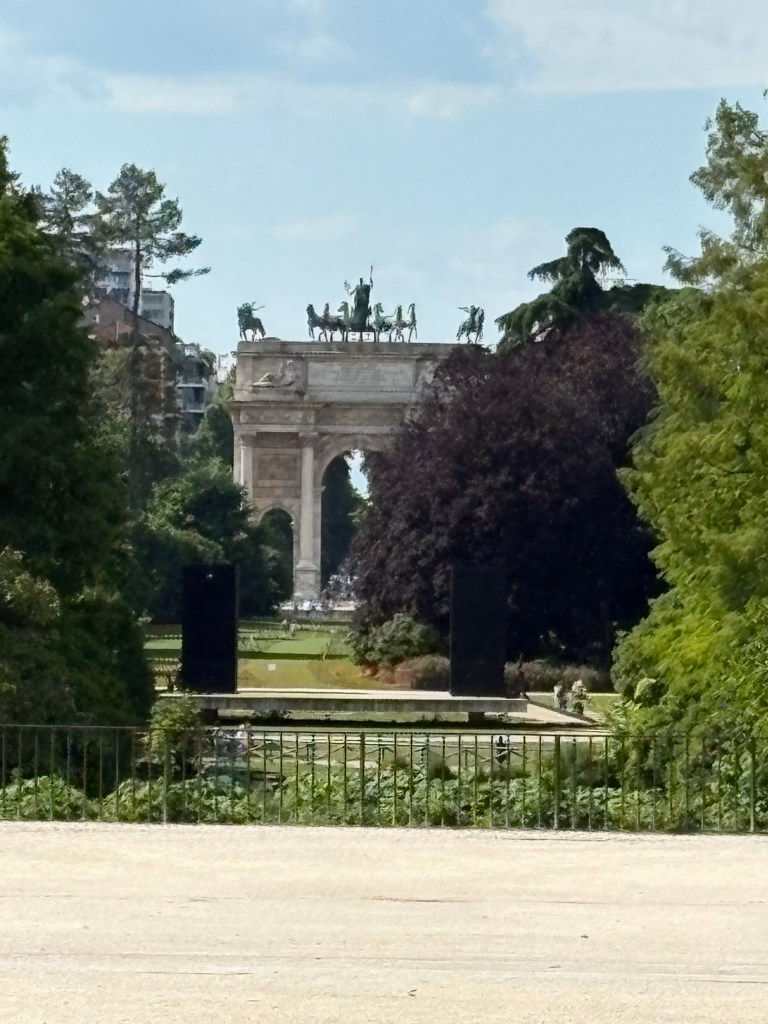
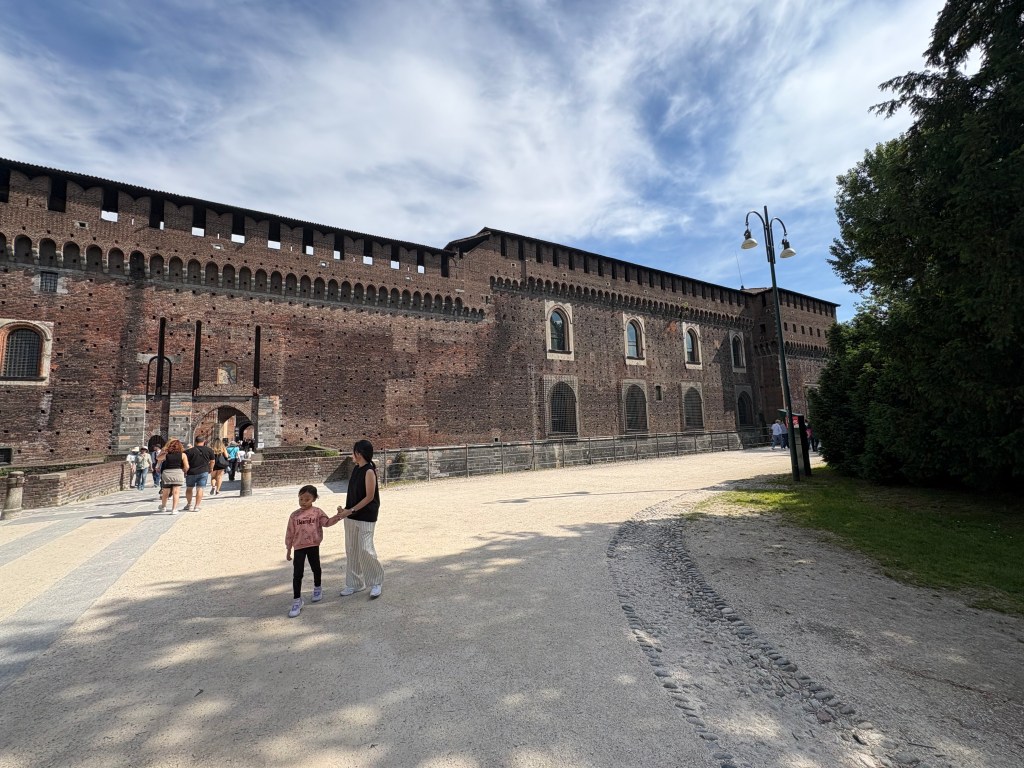
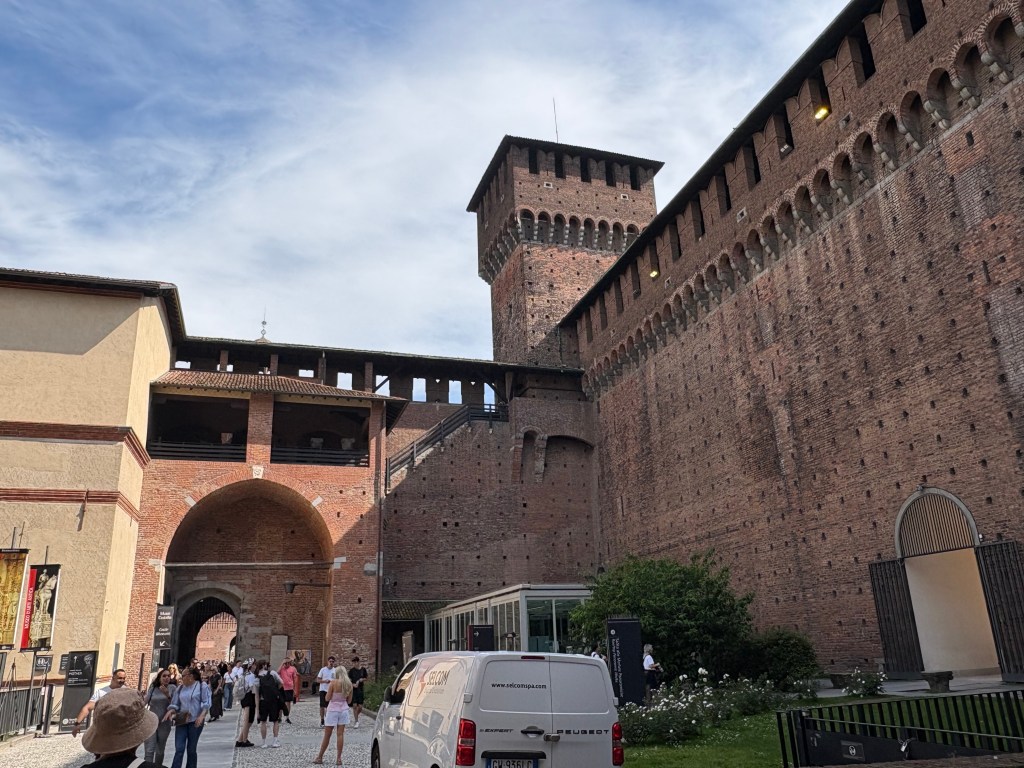
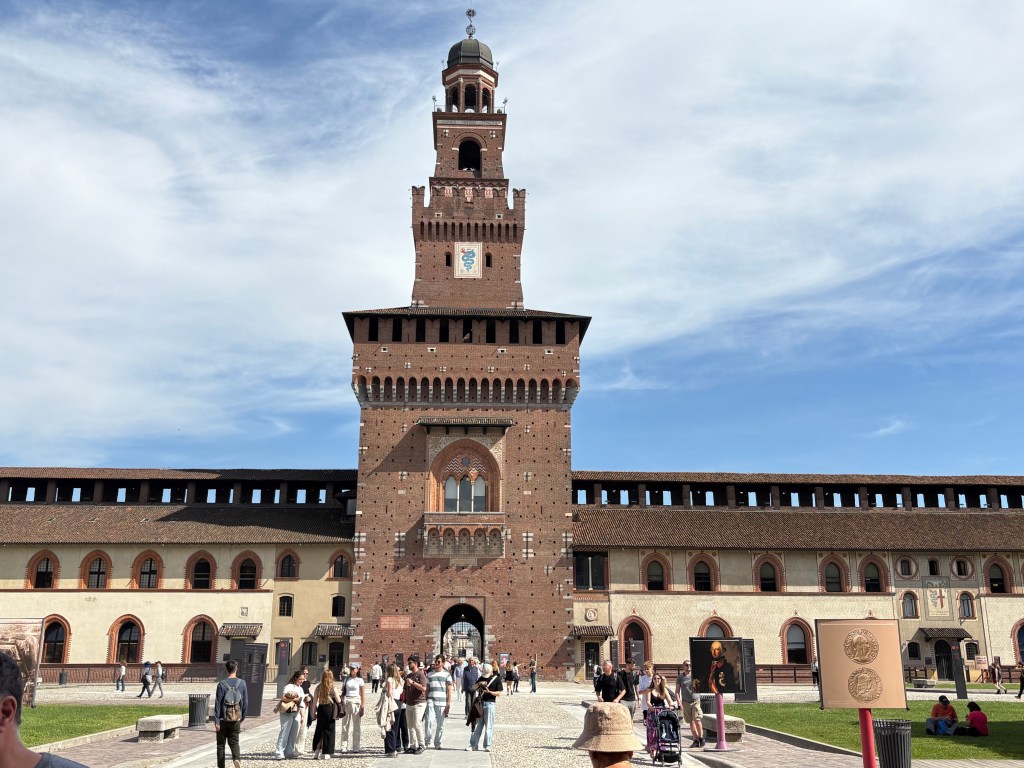
Day 15. The next day G and I participated in a cooking class at Towns of Italy – which has about 4 other city locations as well. A great class, nine people in all, hailing from the US, Canada and Hong Kong. We were taught how to make Tagliatelle with pesto, Ravioli with a lemon ricotta and finally a vanilla gelato topped with either cherries or chocolate. After the class, G and I took our own walk to the Galleria Vittorio Emanuele II, the Duomo Milano, the Piaza Mercanti, the Castle Sforzesco and gardens and had a nap before dining on the roof terrace of the hotel. It was a terrific finish to a long, wonderful trip but we were ready to go home.














Check out the next morning was quick, the flight to Paris was as well, followed by the train to Lille. We picked up a take out dinner en route to the apartment, at about 5 pm.
The rest of the month finished with the usual deceleration; unpacking, storing suitcases, laundry, food shopping, meeting up with friends for a catch up. We hope we didn’t bore you and that you enjoy the photos. We only have about two big trips a year; a spring and a fall trip. This trip was thoroughly enjoyable and we’re ready for a rest. See you next month !
 twokiddosoverseas.com
You must be logged in to post a comment.