Starting in Lille, it was clear that fall had arrived, as temperatures dropped and a few bouts of rain occurred. Then on the 3rd we left to begin our adventure in Kenya.
Spoiler Alert: This will be one LONG posting. Grab your coffee, take several breaks, and you might be done by the time you’ve moved on to some wine. And maybe the next century. There is so much that happened that it should make up for all of our inactive and mundane postings. We wish you could have experienced all that we did and saw, but hopefully the pictures will help convey at least a small percentage. We should mention that the photos you see in this month’s blog are from all of us on the trip – A&G, Caren, Bret, Deirdre, and Carolyn. Thank you all!
KENYA !!!! HERE WE COME !!! WHOO HOOO !!!
Clearly, we’ve all been exposed to books, movies, and media about Africa, and to be honest, it was by no means at the top of my list for places to see. But let me stress to you that absolutely nothing you get secondhand will in any way compare to the experience you have there in person. The raw beauty of both landscape and wildlife, the overwhelming expanse, the people, and, underlying it all, the overall serenity—a calmness —cannot be conveyed any other way than by personally experiencing it. You will hear our stories and see our pictures, but it will be a fraction of the impact we felt. National Geographic will certainly have better photos, authors like Karen Blixen have better stories, but here is ours, for what it’s worth.
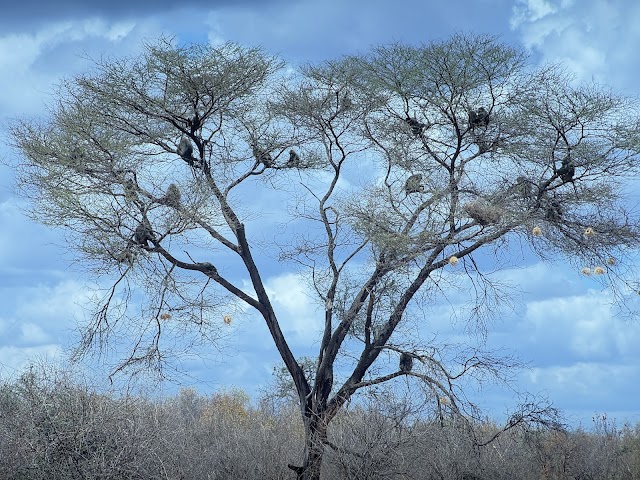
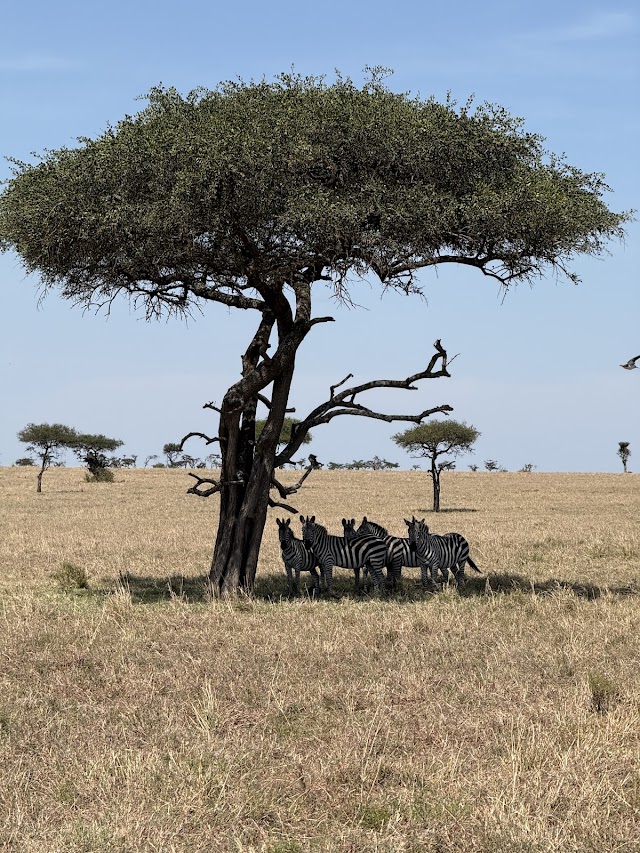
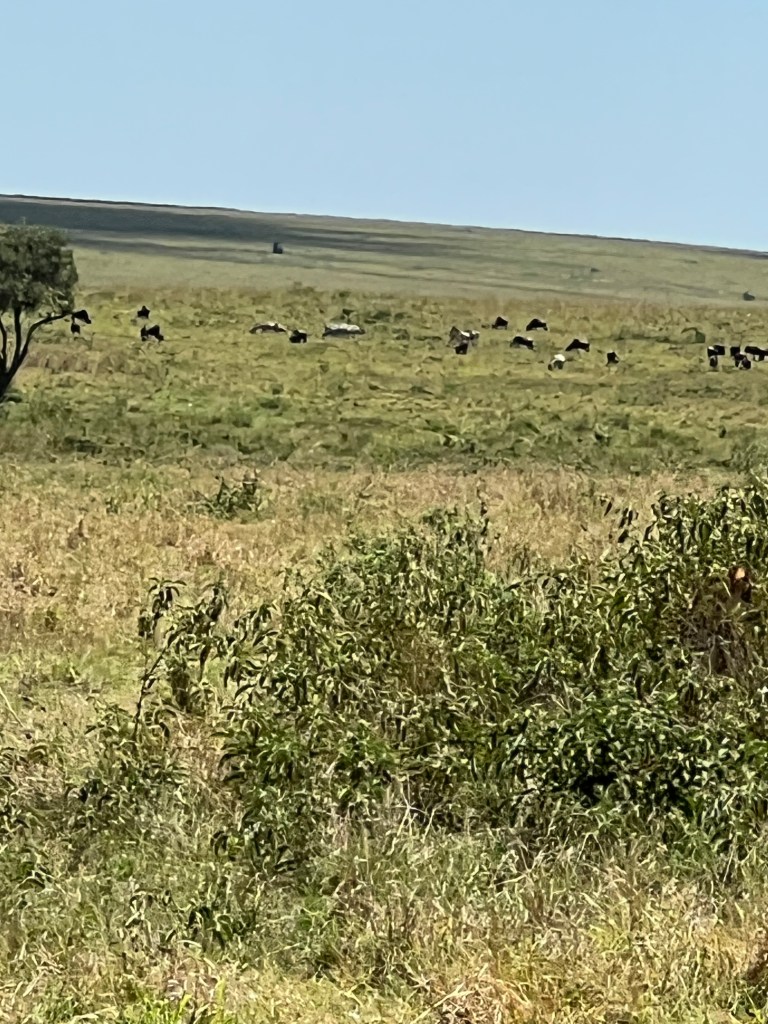
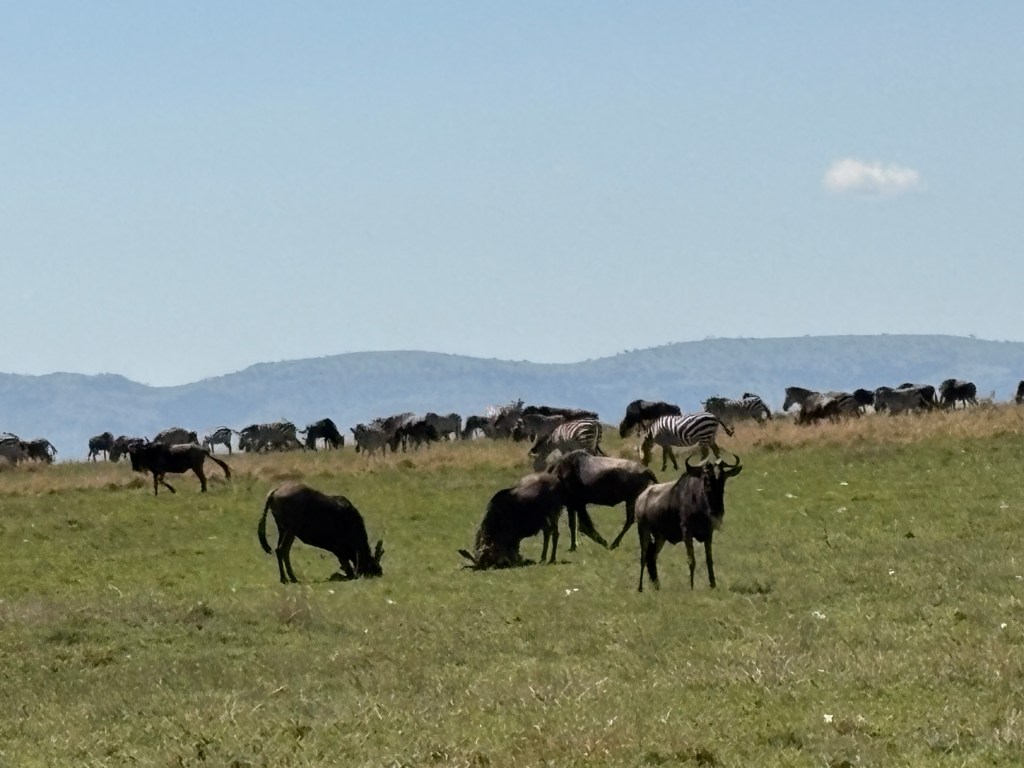

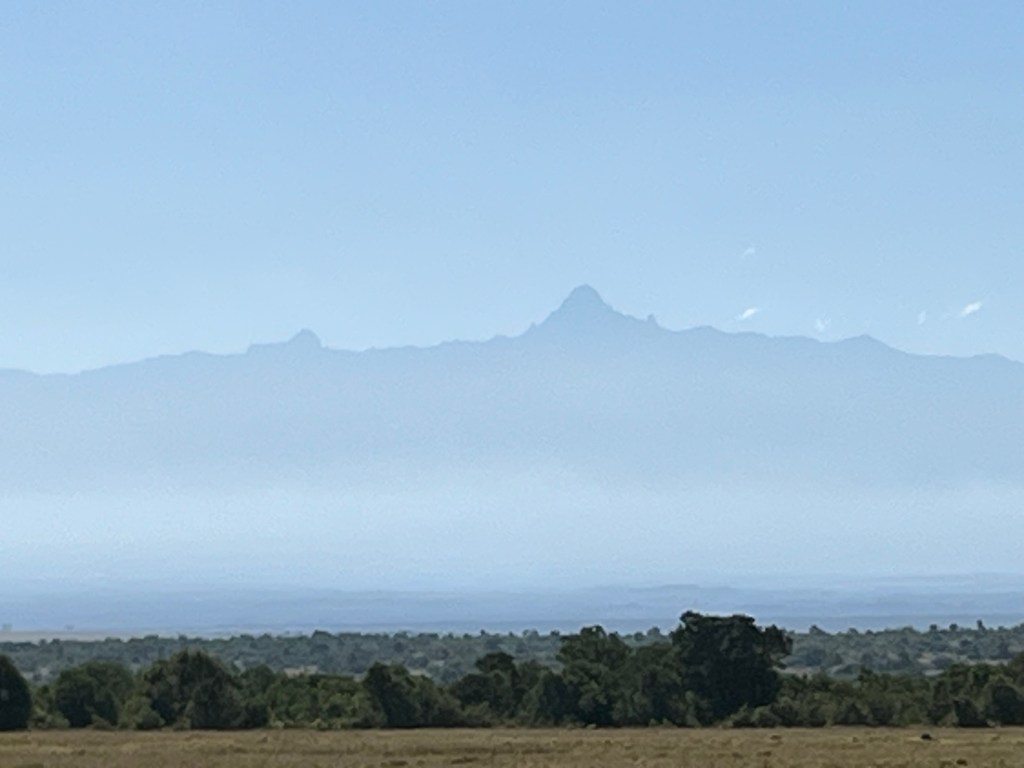

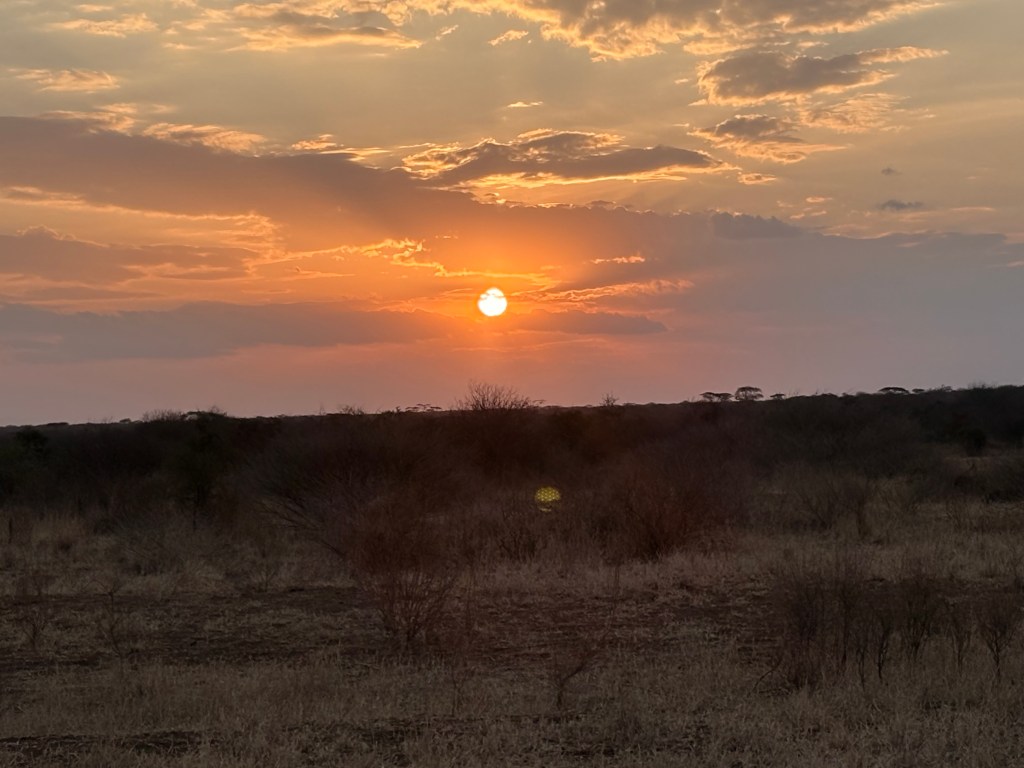
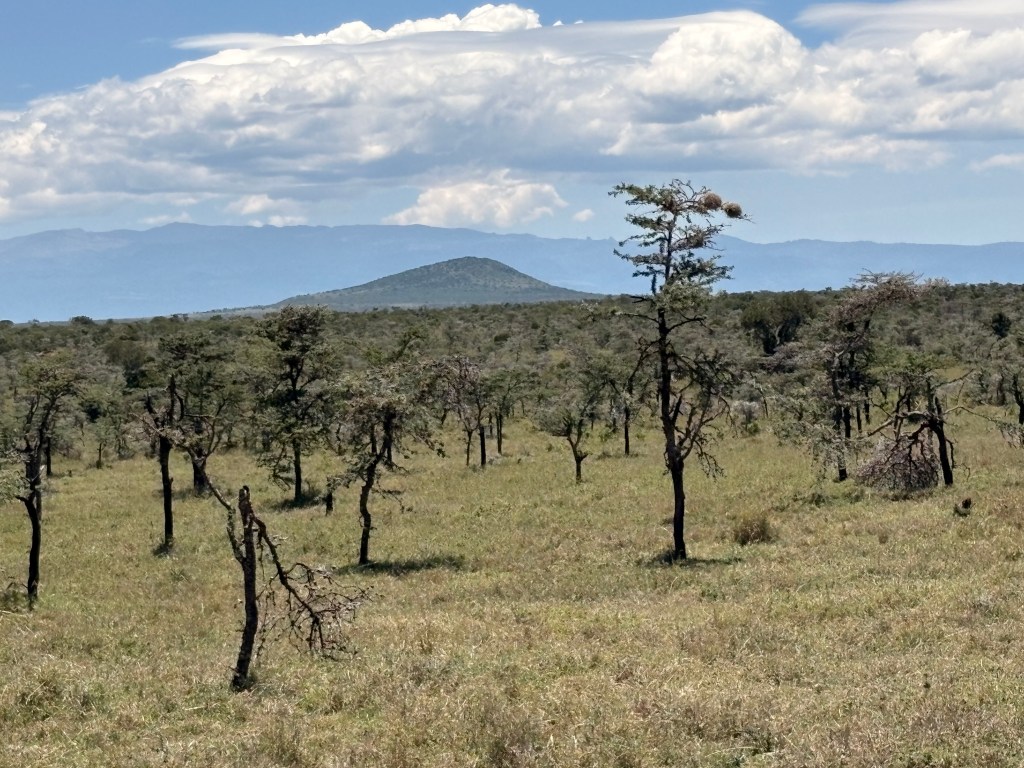
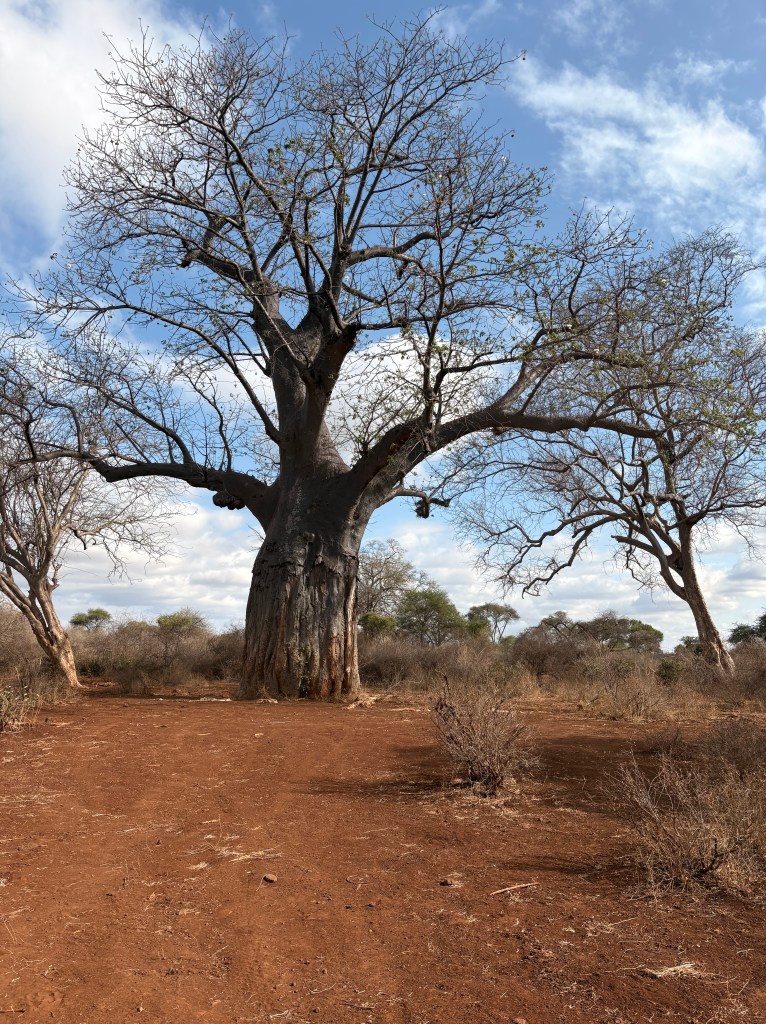
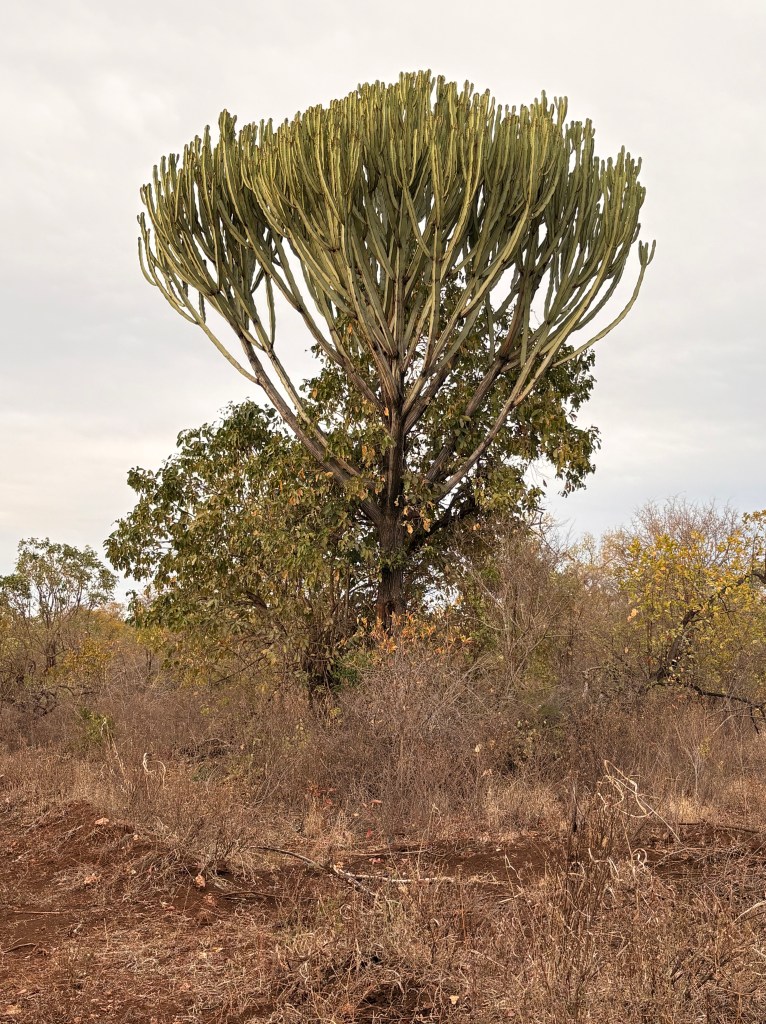


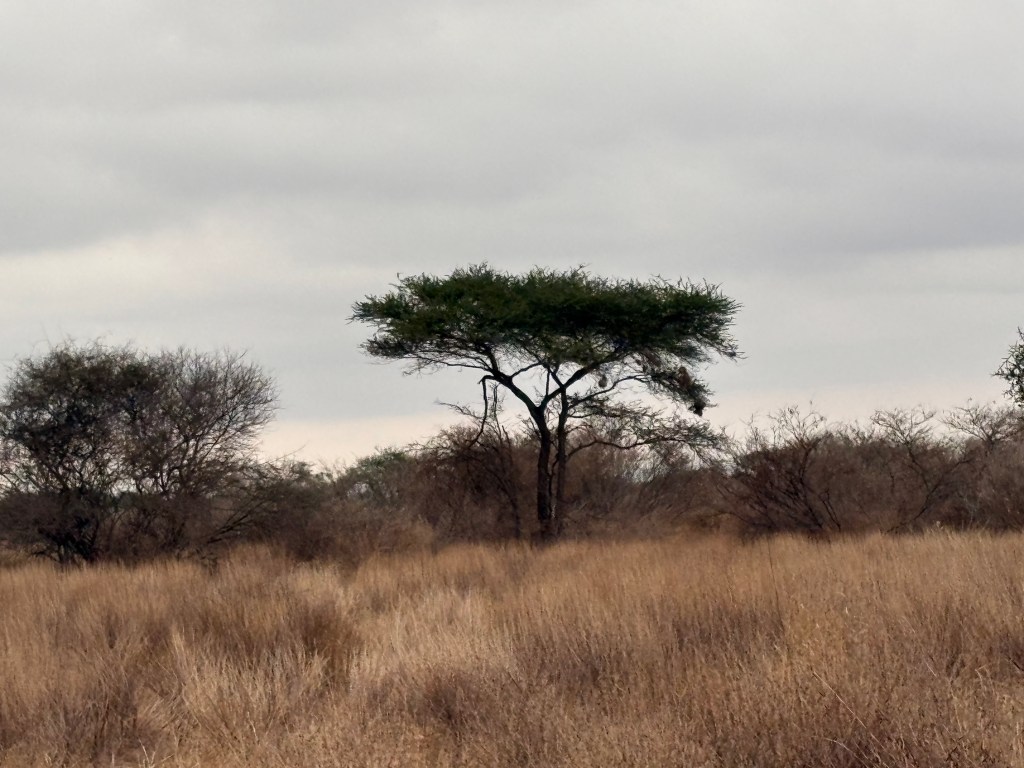

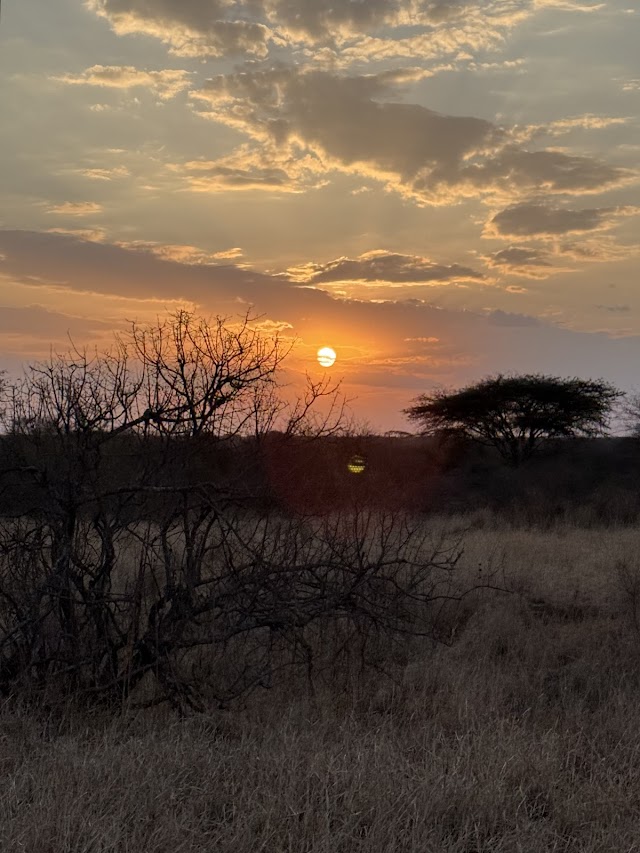
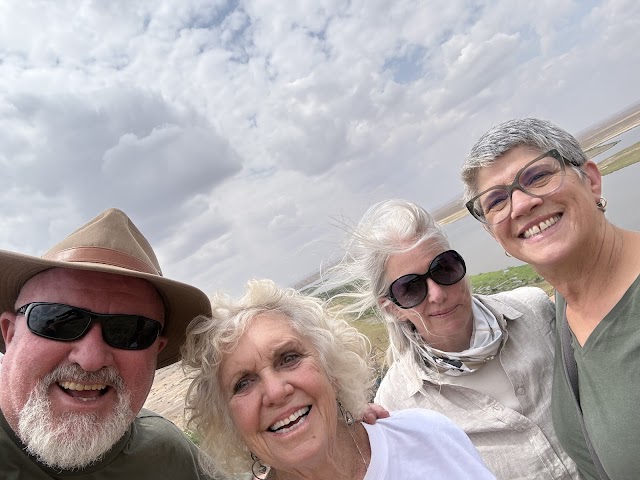
GETTING READY: Just preparing for the trip could fill a book. We’d never traveled or packed for a trip like this. Caren and Bret are our Lille friends who encouraged us to join them, with two other longtime friends, Deirdre and Carolyn. Caren was the coordinator who led us through the labyrinth of requirements. We got three vaccinations: Yellow Fever, Hepatitis B, and Tetanus. We were prescribed Malaria pills, which had to start before we entered Africa and finish well after our return, as well as medication for any diarrhea issues that we might experience (we did not). It’s interesting that you don’t need any of this to get into the country – you just can’t leave if you haven’t gotten it. Visas were required and obtained; many questions flew back and forth with the safari outfit – Gamewatchers. This company was recommended by a friend and colleague of Bret’s, Brad – a soon-to-retire employee of Gamewatchers Safari, and with his experience, Brad laid out this wonderful trip. Gamewatchers is known for being locally-based in Kenya, employing locally, and working with the community, with conservation as a shared goal.
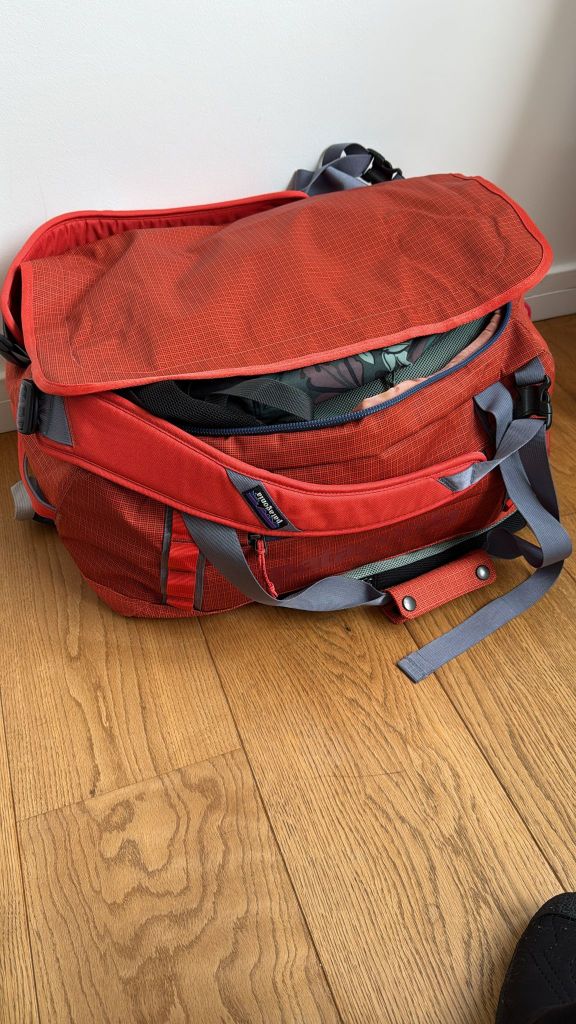
The long list of what was recommended to pack held very few items that we already possessed, which, given our amount of travels, was personally humbling. I type humbling, but my inside voice says ‘damn irritating’. First, we were required to have soft-sided duffel bags with no rolling wheeled framework. All of our luggage had a rolling frame since we’d moved away from backpacks in a nod to our aging requirements. Of course, there were no clothing pieces we had that would meet the climate we were to face. We needed light waterproof jackets, tropical light-weight shirts with long sleeves, and pants which could all be rolled up as needed, or in the case of pants, could be converted to shorts – all in specific colors. Excluded were white, black, blue, and vibrant colors. Some were attractive to mosquitoes or tsetse flies, or were irritating to the wildlife. As a result, we were basically in camouflage colors: khaki, muted greens, and grays. Colors that, of course, I had tons of (read that – ZERO). The above is a shot of the Patagonia luggage we bought.
The list seemed endless as we added insect repellent, heavier-duty sunblock, lip balms, headlamps, metal water bottles (no plastics are allowed), dust bandanas, and on it went. All the while, we had to keep an eye on the weight of the bags as we were allowed only one bag each, weighing no more than 15 kilograms. When I initially packed what I would ordinarily, my bag came in at a bit over 4 kilograms. When I fulfilled the list, it ended up weighing 9.5 kilograms. As we grew closer to our departure, some last-minute runs for equipment were necessary when we invariably overlooked something, or in one case, when our luggage scale fell apart. In defense of that, it was over 30 years old. All needs and requirements met, we threw in locally-made packages of caramels to thank the staff we would be meeting and grateful to get to know. Pretty sure that the local French chocolates would not travel well in the heat.
Rather than walking you through every day of our two-week trip (because it would sound repetitive even if it wasn’t, which in turn would bore you to death), this is a map of our route of camps:


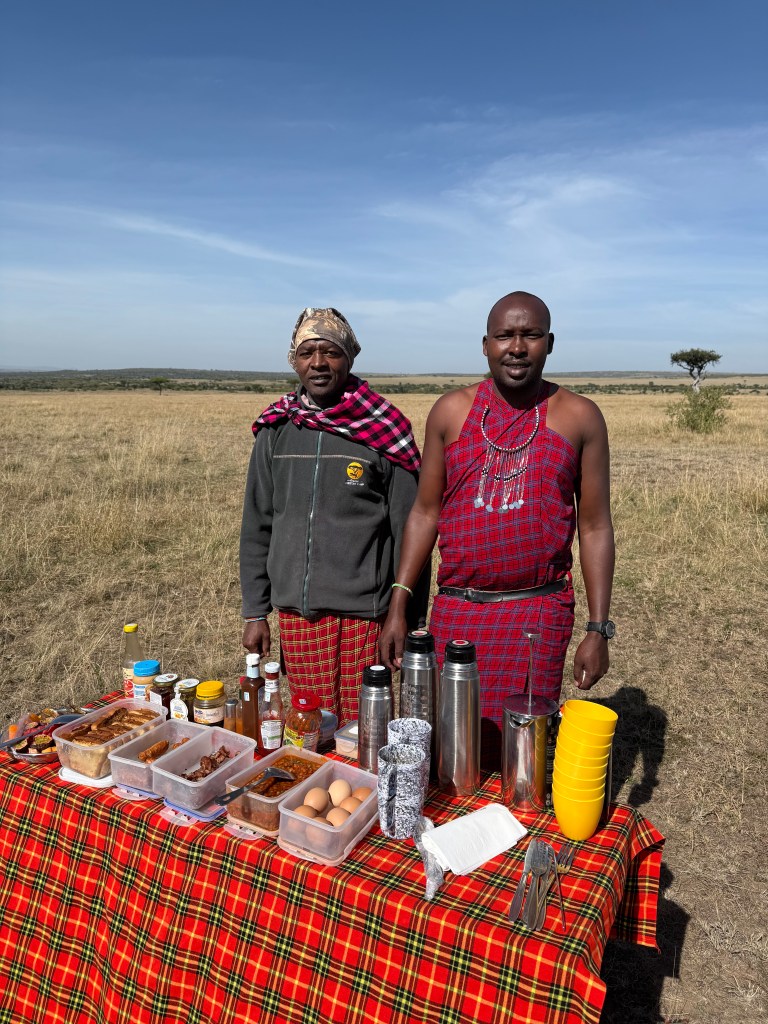
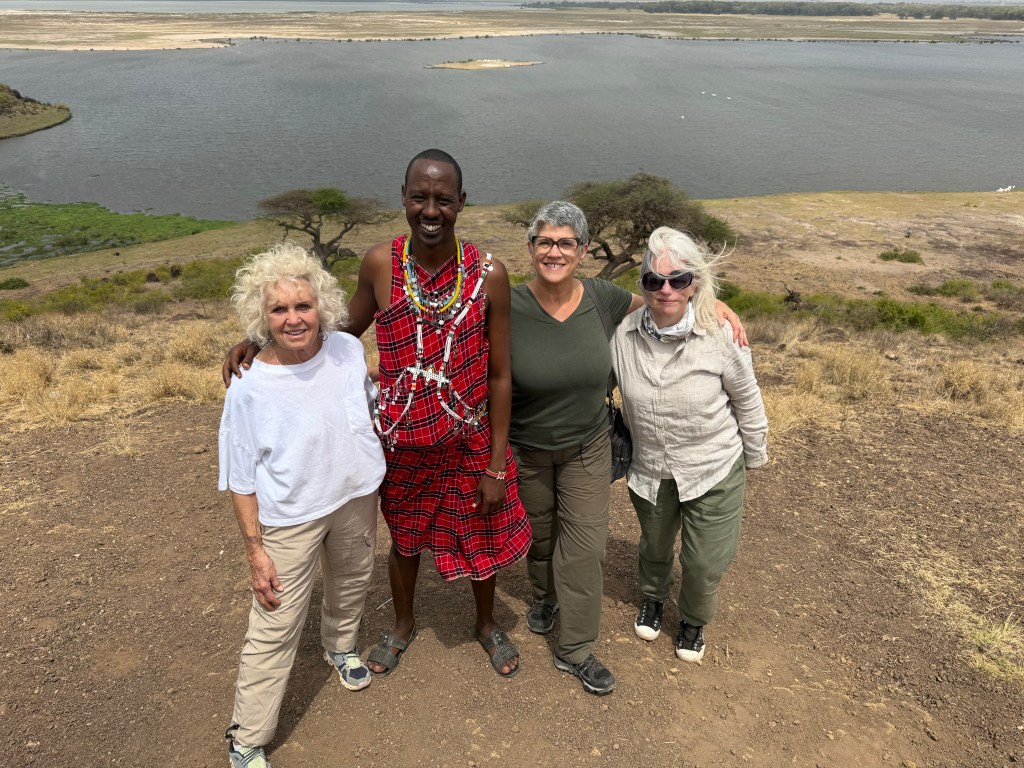
The routine was the same at every camp. Each camp had a manager we met, a goodly number of staff, a tent steward assigned to each of us, and a driver and a spotter who handled all our drives and put out a bush breakfast or lunch, or an evening drink. Every person we met was warm and incredible at their jobs. We found the Maasai are quick to smile, with a good sense of humor, and all eager to share their culture and land.
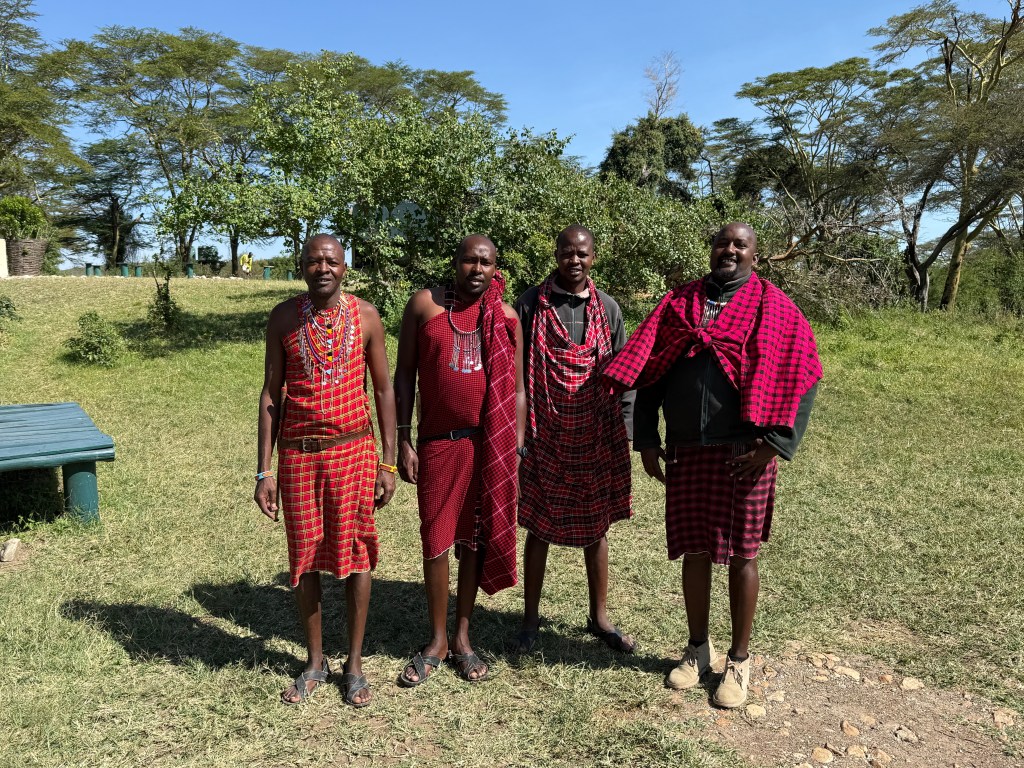


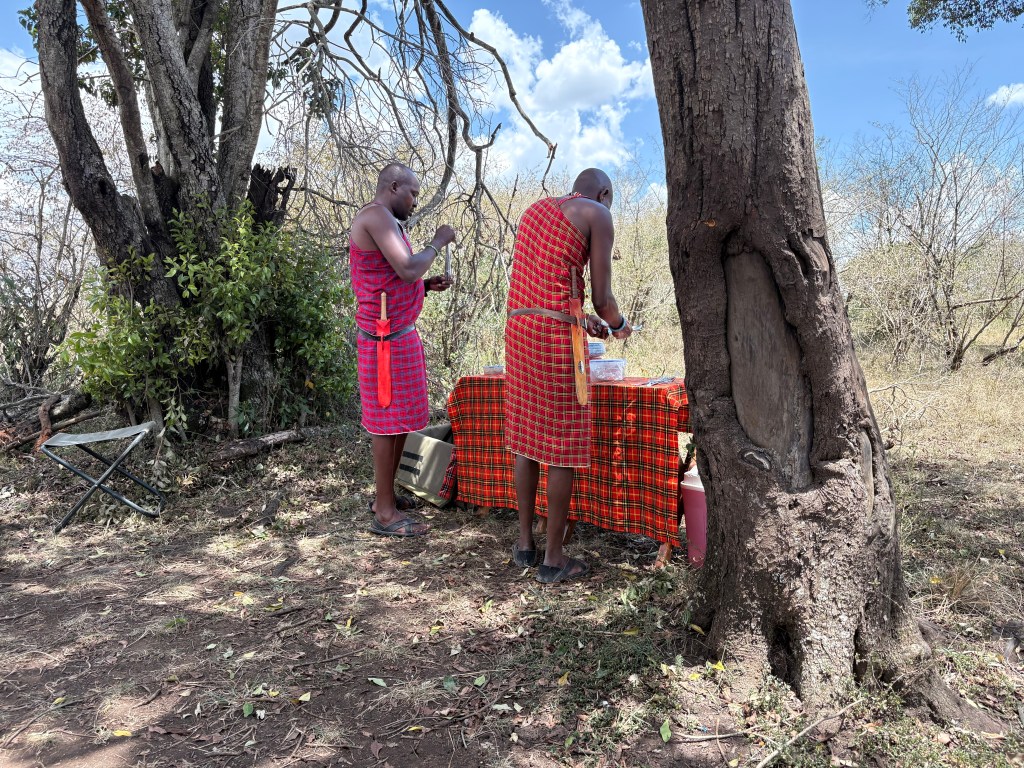
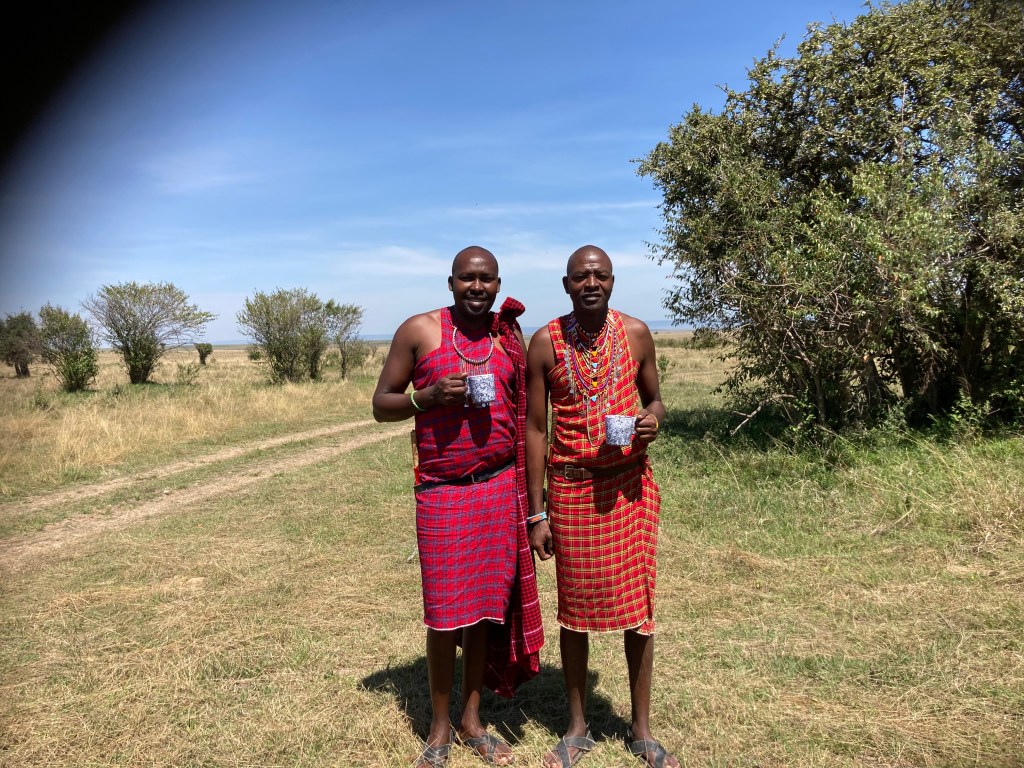


GETTING THERE: Finally, it was time. We started with a 1-hour train from Lille to Brussels-Midi to Brussels Airport and an overnight stay at an airport hotel. The next day, we took a 9.5 hour flight on Brussels Airlines, Brussels to Nairobi, which, despite being a very comfortable experience, was still quite fatiguing. Traveling as light as we regularly do, we never check in our bags, especially after previously having suffered the loss of luggage. Our luggage has always been light enough for us to lift and fit easily into airplane overhead bins. Reality Check hits you in the face – Failing to recognize the differences between our regular mode of operation and this current trip created a major misstep in deciding, as always, not to check in our luggage. Our age, plus the extra packing required aside from our normal bag weight, severely impacted our capacity to tote our bags, which became painfully obvious as we each struggled under the weight of our backpack duffel bags. We managed to drag our bags throughout the process, but immediately agreed that we would check them in on our return flight. So, after the flight and going through customs, the four of us met Carolyn, who had come in on another airline, also very late in the evening into Nairobi.
Next, we were driven to the Eka hotel on Mombasa Road and were warmly greeted by the staff, who plied us with the most refreshing orange drink (Africa is famous for its delicious fruit) and shared important information about our upcoming travel. Deirdre had arrived the day before and greeted us as well. Meeting both Deirdre and Carolyn for the first time, we were struck by the instant camaraderie that we felt. The entire group shared a common sense of humor. Deirdre, from Alaska, was quieter and clearly a seasoned traveler, often sharing stories from her adventures. Carolyn, from Oregon, was our Betty White—her questions and observations were hilarious, and she was as expressive and enthusiastic as a child. She was the only one who developed a texting relationship with someone in each camp. The Maasai came to call her Kokoi, an endearing Swahili word for grandma.
There are three areas that the jeep drives operate in Kenya – Conservancies, National Parks and National Reserves. Conservancies are pieces of land owned by and leased from local Maasai communities. They are located adjacent to national parks, which means the wildlife viewing is very similar to what you’d find in the parks. The conservancies are mainly committed to wildlife conservation and anyone who visits the area helps to support this vision.
The Porini group is a highly respected outfit that runs small, authentic, eco-friendly tented camps in exclusive wildlife conservancies. https://porinisafaricamps.com/ The conservancies only allow permitted vehicles into the area and control vehicle numbers and tourists in the area. They also maintain both the group size of the animal species and their health to sustain the balance needed of spatial needs for the inhabitants. The animals are protected from poachers and adverse invasive conditions such as over-tourism. The local communities receive a guaranteed income and are also employed as guides and drivers so there is a beneficial exchange between the organization and the populace. Profits go to build schools, promote the crafts and culture of the Maasai people, with the goal of educating visitors , in exchange for allowing their lands to be used for wildlife conservation. The camps are small, the jeep tours in custom-built Safari vehicles are limited, and the off-road allowances garner a close, non-threatening encounter with a wide variety of wildlife.


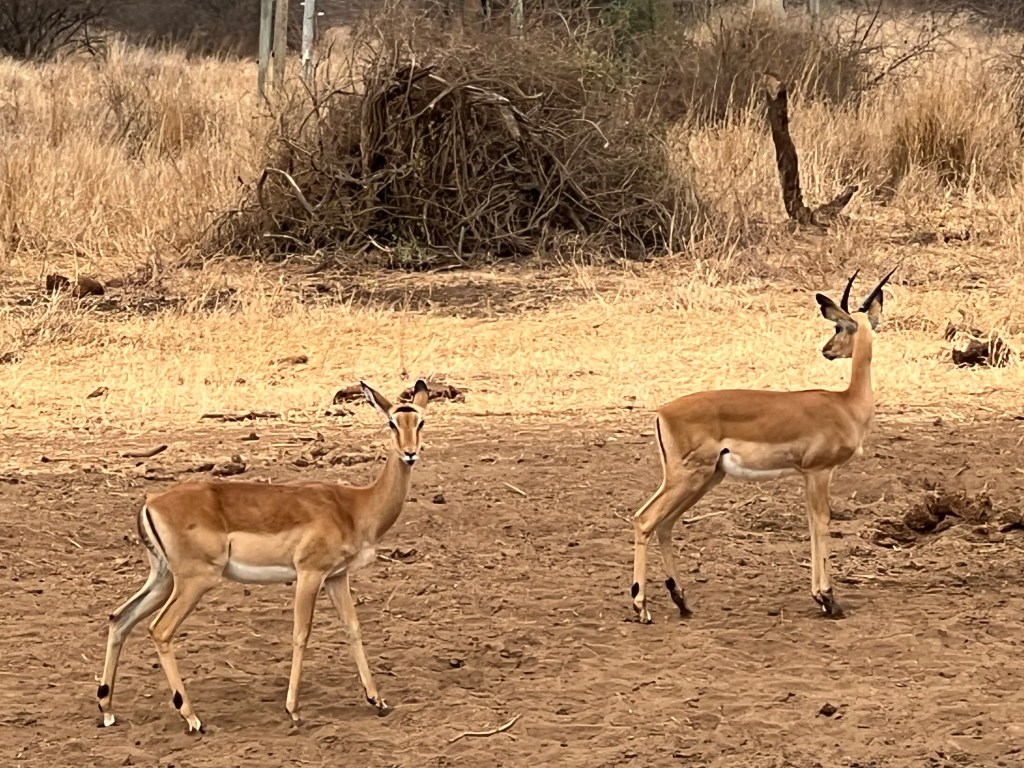

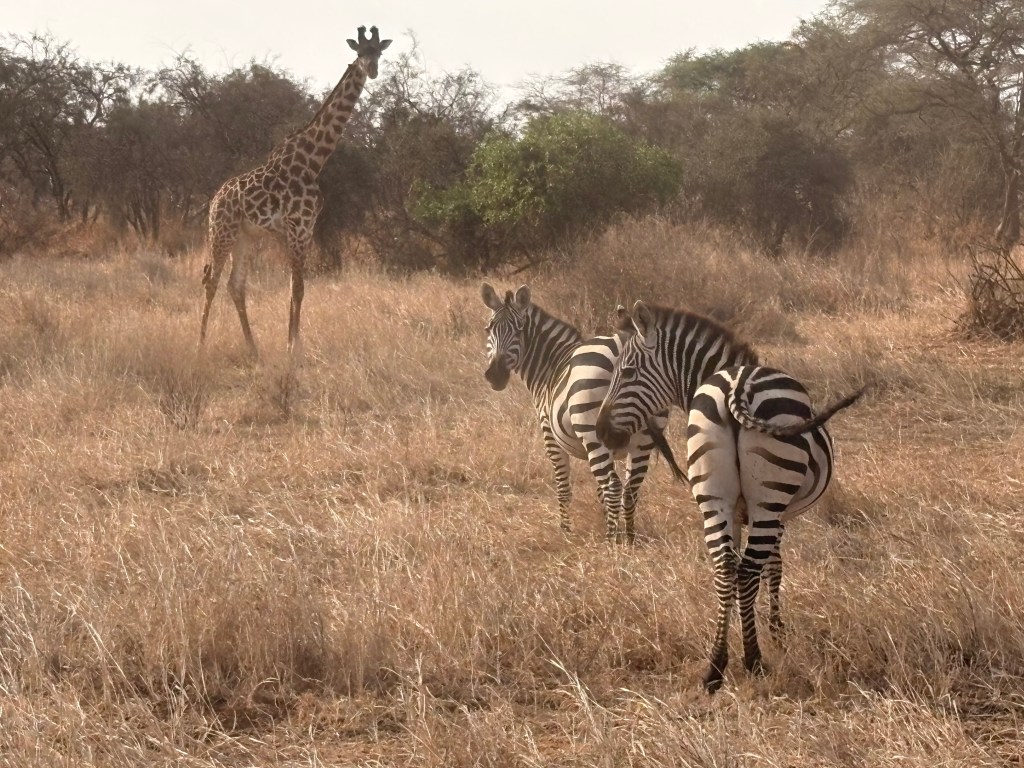
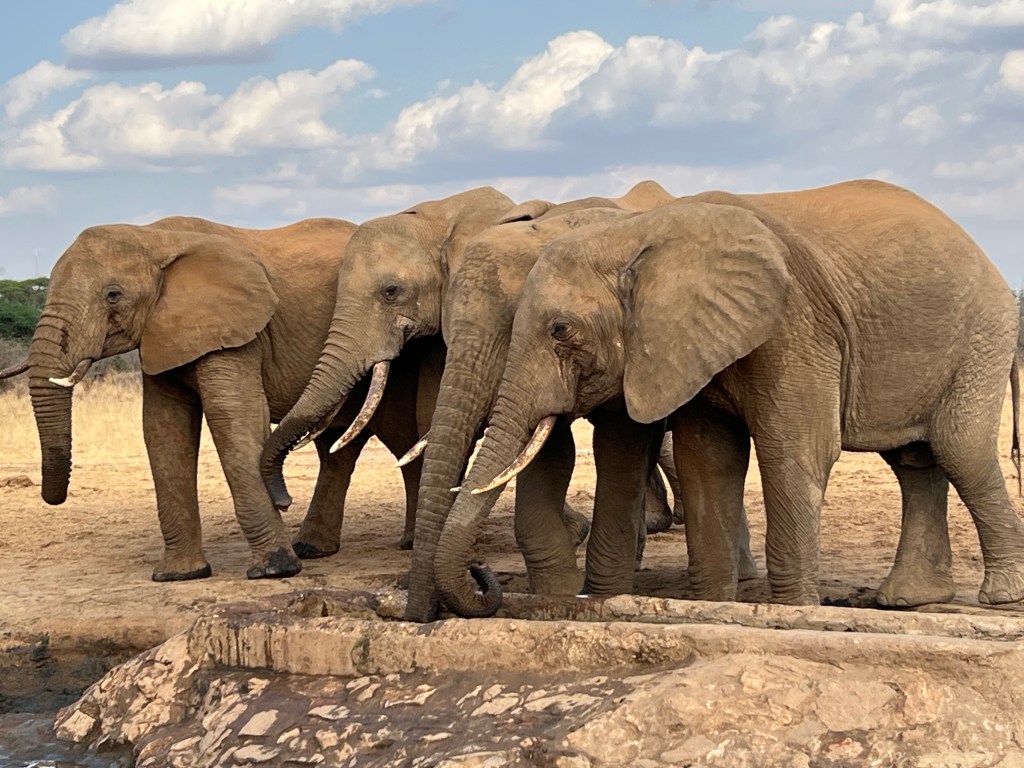


The second areas we became acquainted with were the National Parks and Reserves, outside of the conservancies. At a national park, you’ll get the classic bush safari experience, seeing a variety of big game animals in their unspoiled natural habitat. Due to their large size, national parks are home to much greater numbers of wildlife and offer more variety in terms of landscapes than you would find in a game reserve or conservancy. Game driving in national parks is only permitted on designated roads; you aren’t able to go off-roading to get closer to the wildlife. The more unconventional safari experiences typically aren’t permitted in national parks, so if you’re interested in night drives, walking safaris or horseback riding, you’ll have to make sure the one you visit allows the activities you’re looking to experience. National parks also tend to attract bigger crowds than private reserves and conservancies, as the number of visitors is not restricted.
Game reserves are privately owned pieces of land which aim to sustain large populations of wild animals. Game reserves are operated independently; this means you’ll have the freedom to take advantage of more unusual safari activities and experiences. You’ll be able to take night drives to see the nocturnal animals, explore the area on foot with a qualified guide, or ride through the region on horseback. Private game reserves are not open to the public like national parks are – only guests of the reserve are allowed on the property. This typically means smaller crowds and a more intimate safari experience.
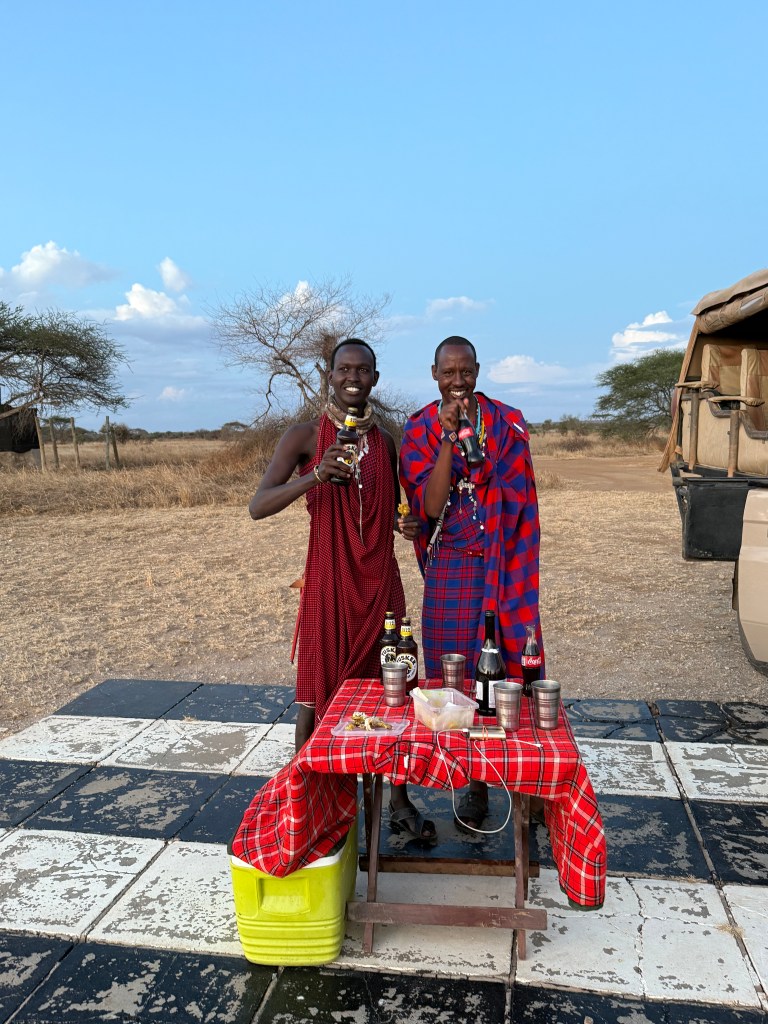
Our first camp was in the Selenkay Conservancy at the Porini Amboseli Camp. It is adjacent to the Amboseli National Park which we traveled through that day and the next. Early the morning after we arrived in Nairobi, we departed on a small domestic plane at Wilson Airport in Nairobi, on a flight to the conservancy, where we then traveled an hour by jeep to the camp. At the dirt-air strip – it was just that and nothing else, we were met by two Maasai employees. On each game drive, there were always two employees: one to drive and the other to act as a spotter for wildlife, although the drivers also did a good amount of spotting. Our driver was Daniel, our spotter was Gilbert – both highly entertaining and knowledgeable. We brought our hats and wore our dust bandanas, both of which turned out to be crucial to us on all of the game drives. The roads are dirt and rock, whirling about as we make our way through the landscape. On the television, in any series that had the characters riding in jeeps on rough roads, it always held a romantic picture. I can tell you that it is quickly dispelled when you take that kind of ride in reality. The dusty, jarring, bone-crunching ride is far from romantic, and anyone with back issues or spinal surgeries should absolutely NOT take this kind of vacation. Seriously.
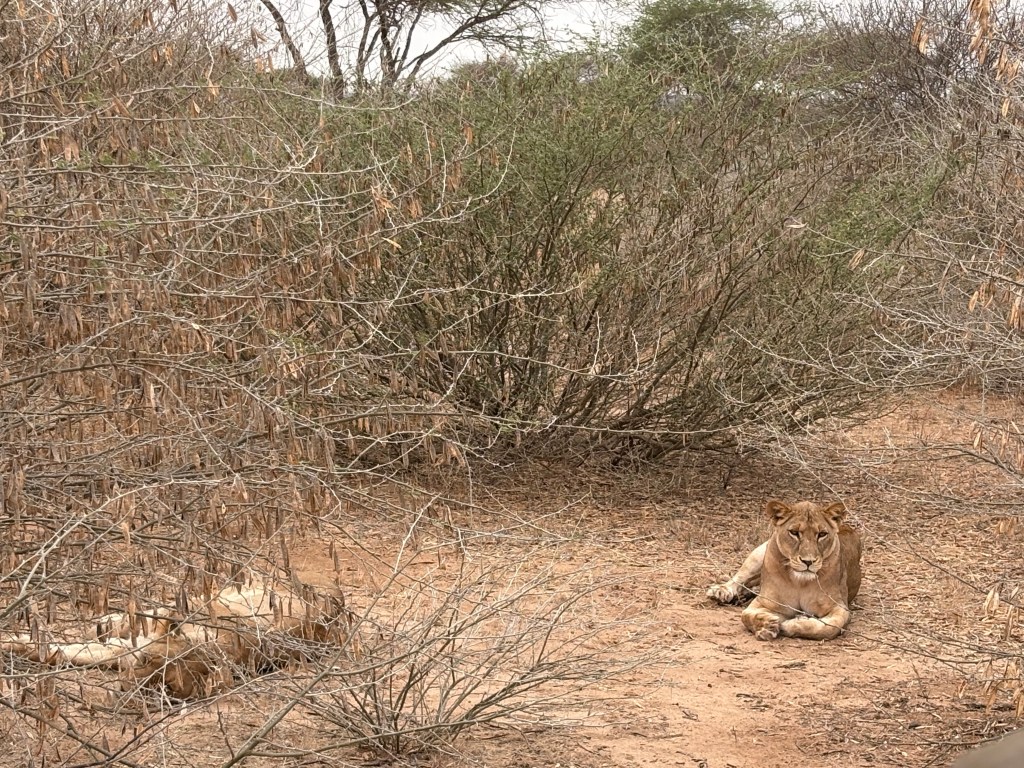
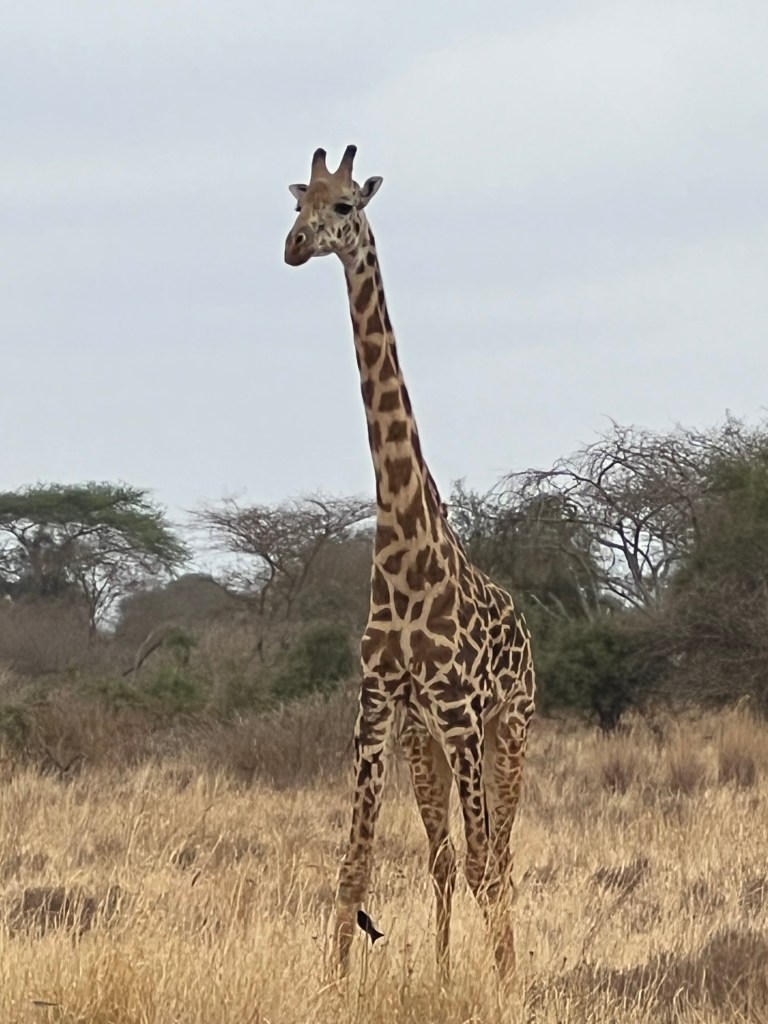
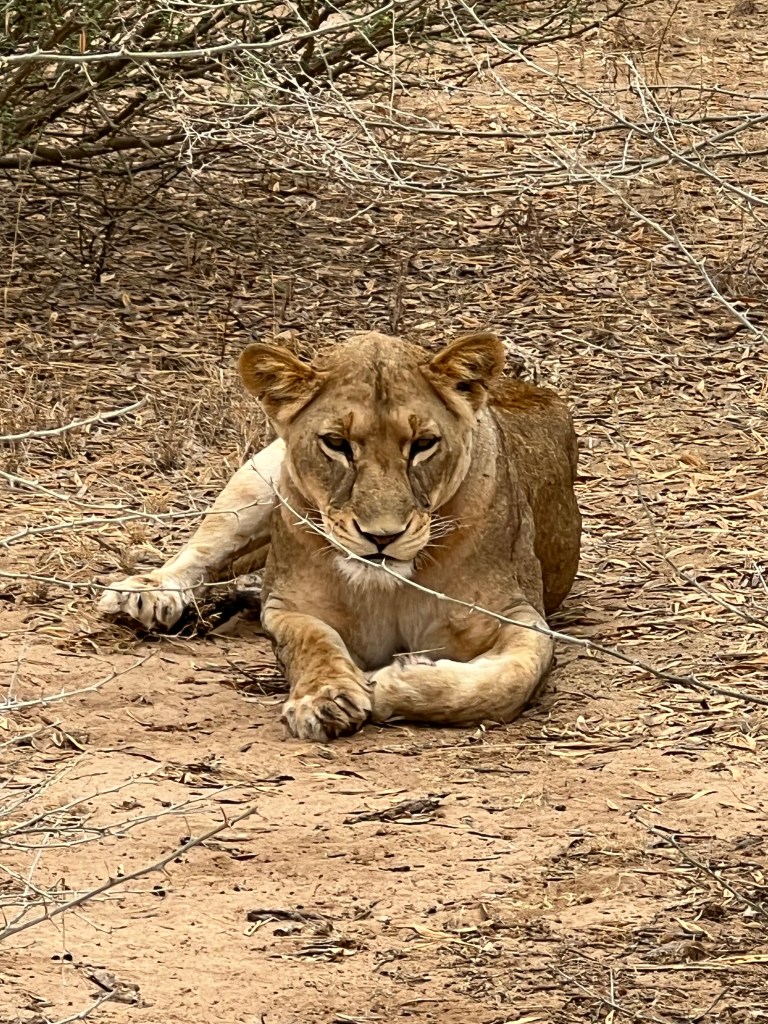
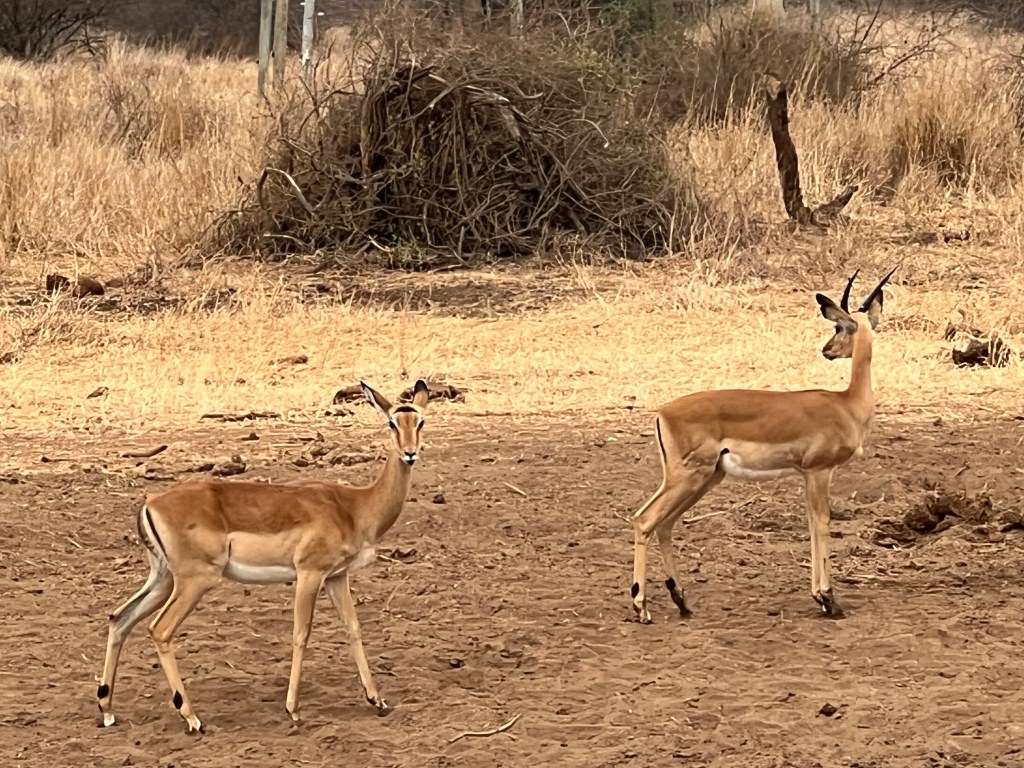
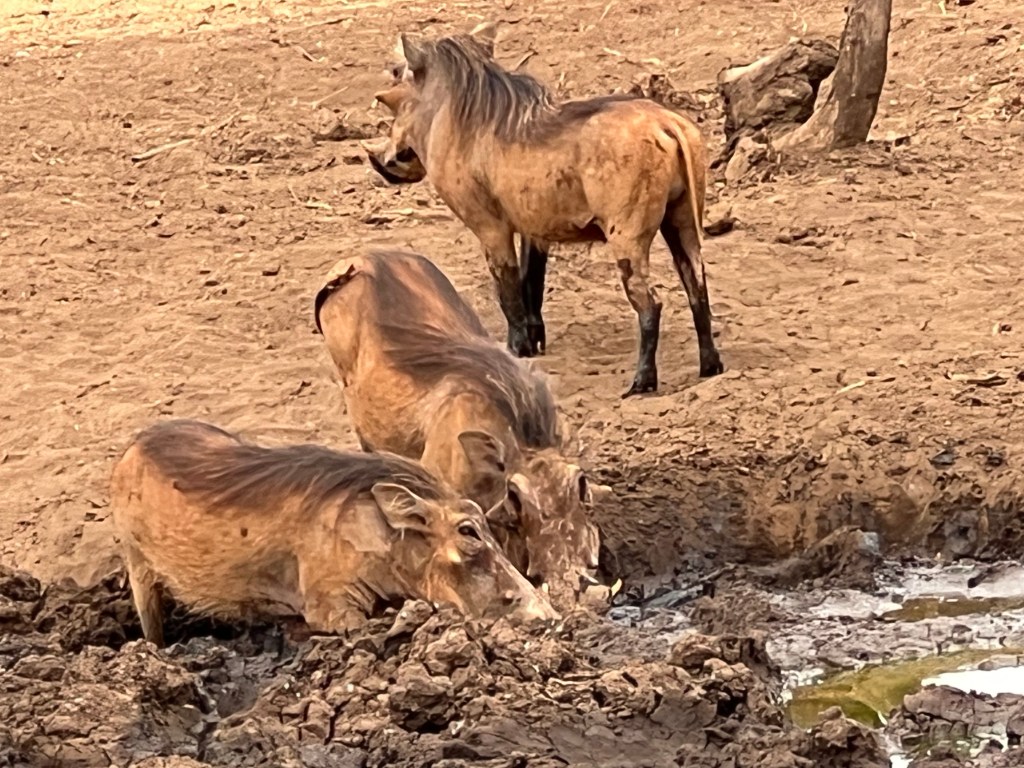
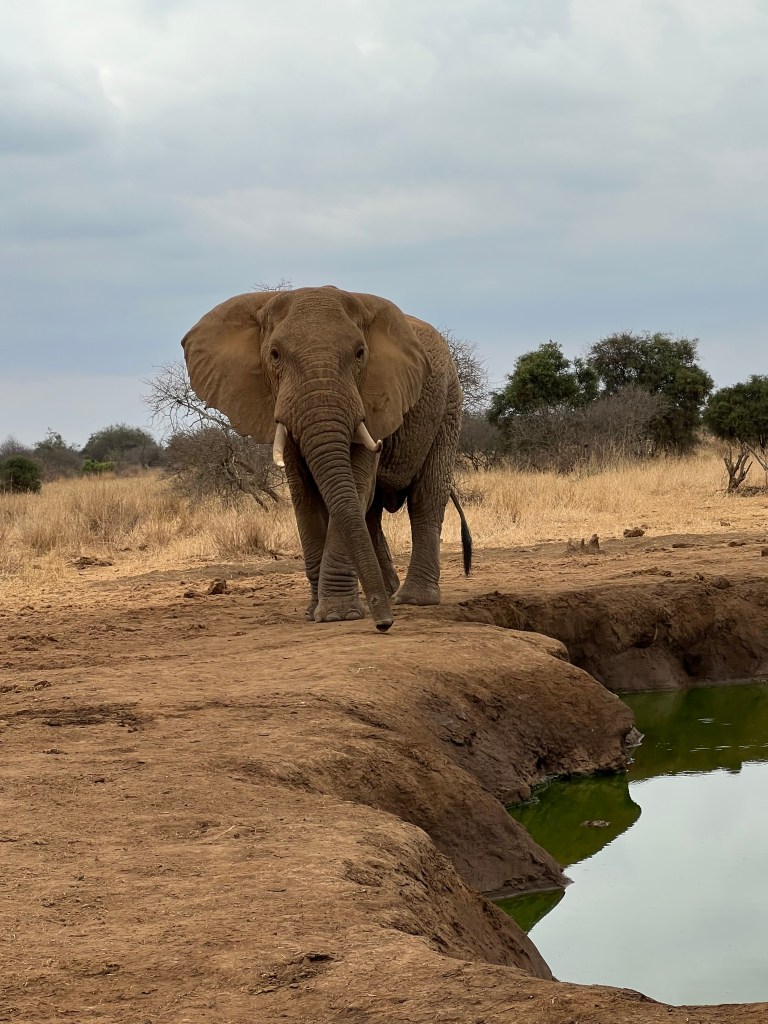
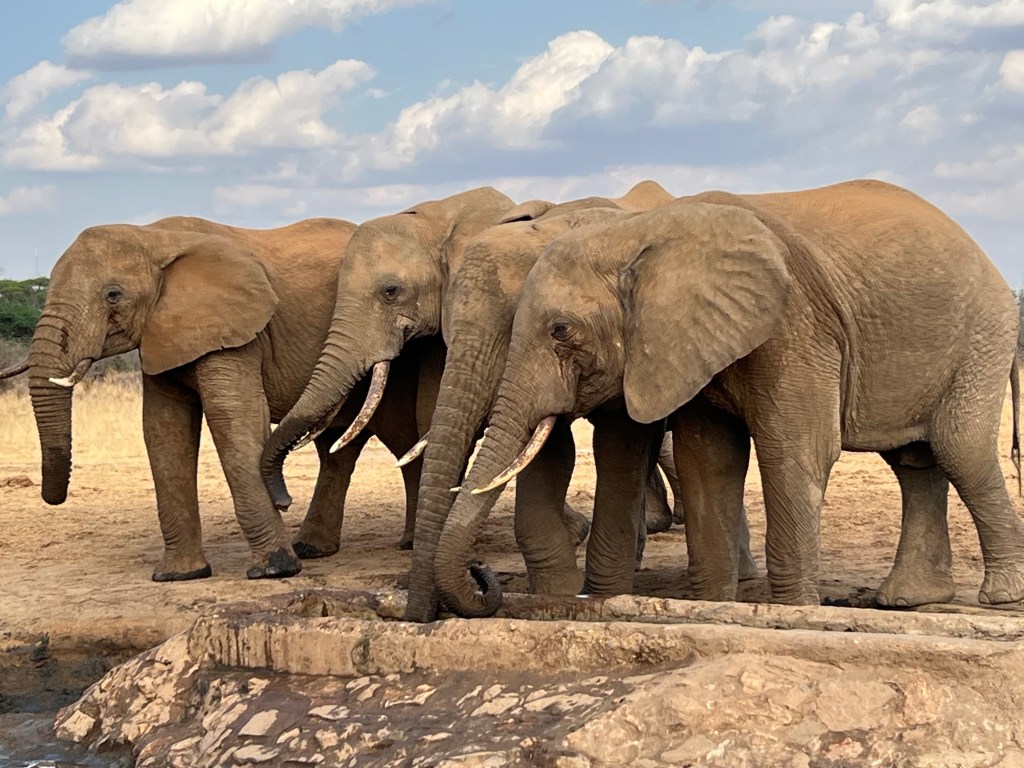
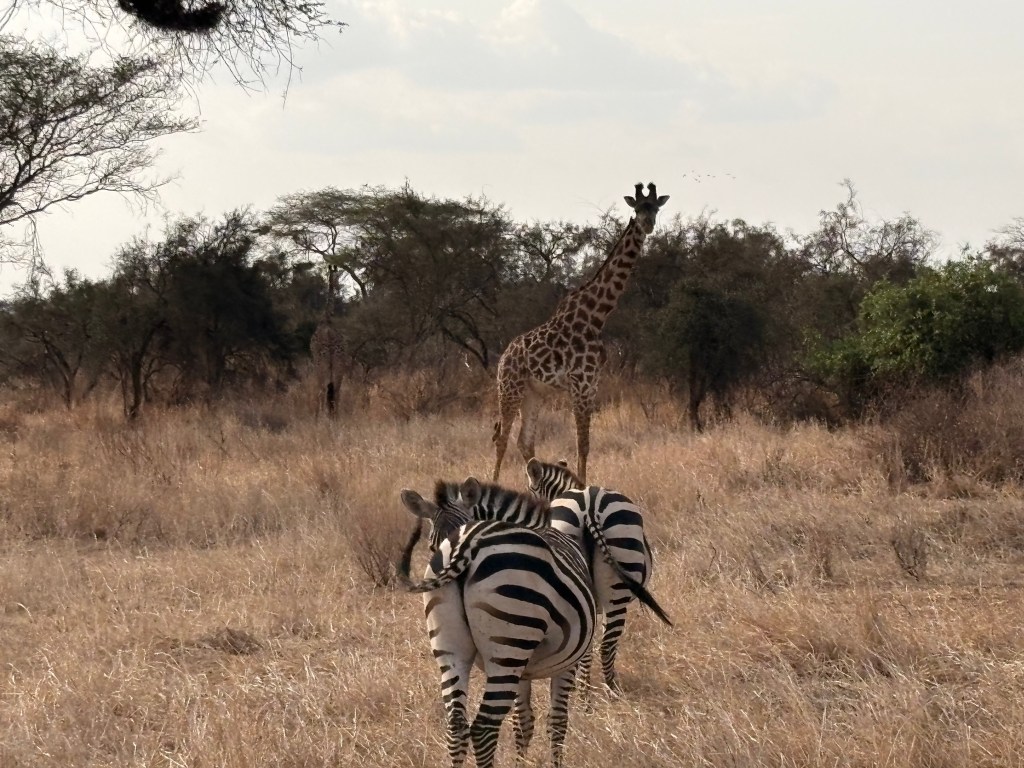
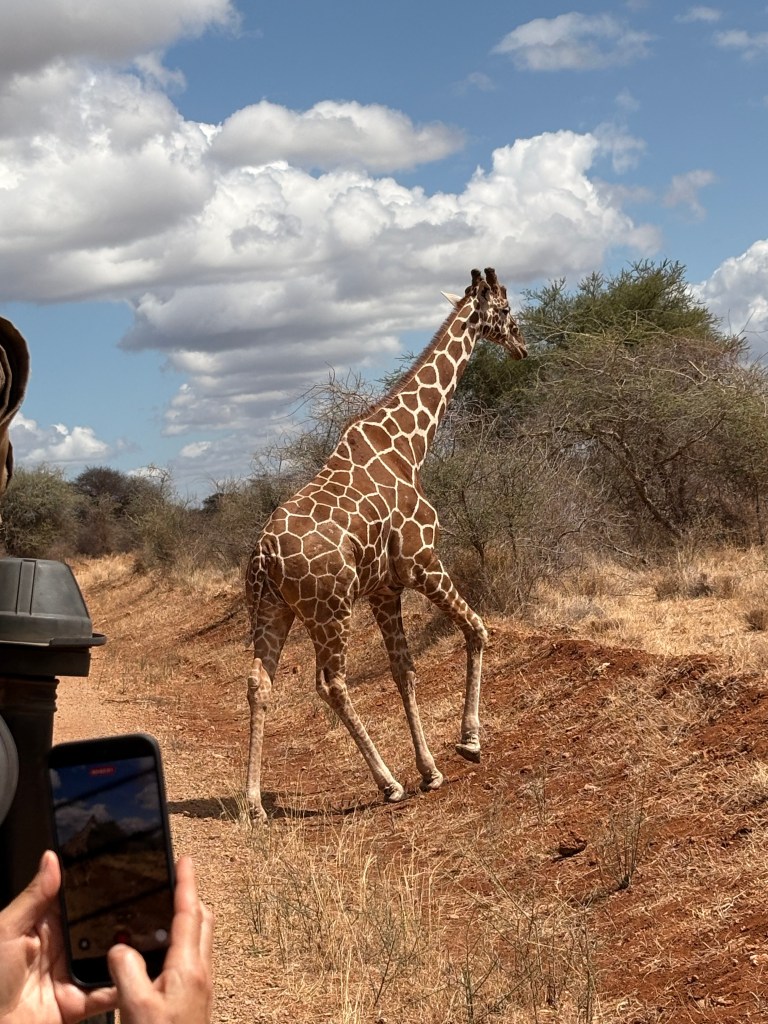
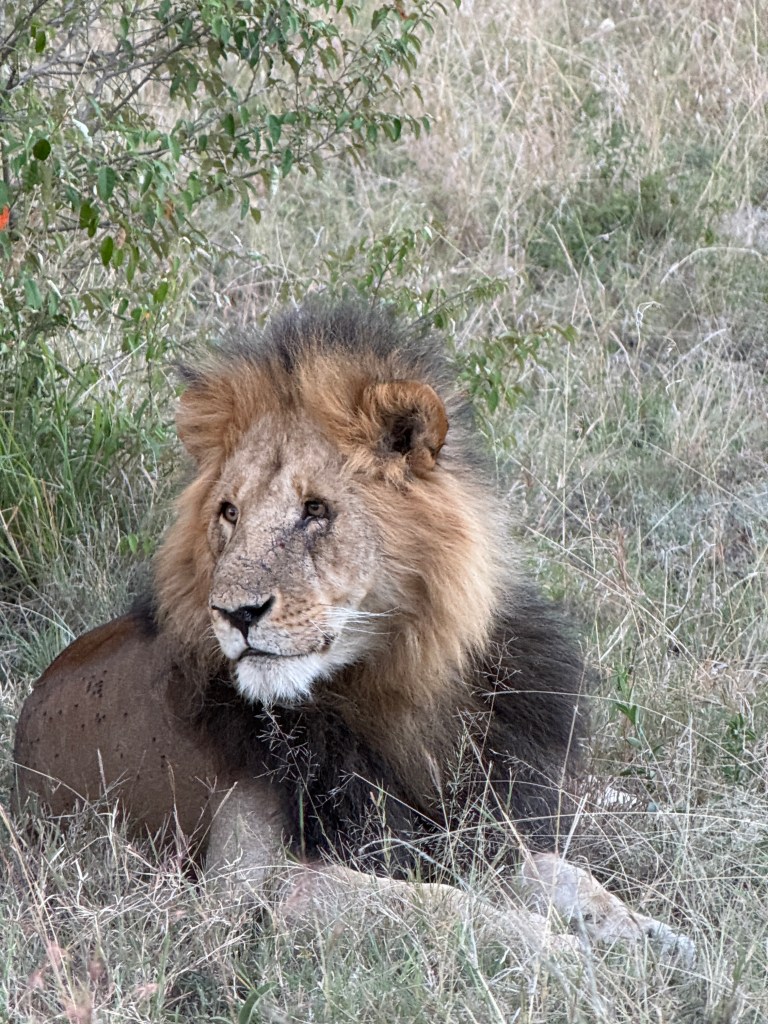
In that hour of riding through the Conservancy,, we were introduced to the luxury that the conservancy afforded – an off-road experience that allowed us to view the wildlife intimately. This truly showed the skills of the driver and spotter as they tracked the evidence of animals and the directions they were moving. Each is educated and put in a great amount of time before being certified for the drives. According to Daniel, we saw more than the average visitor sees, just in the drive to the camp. We saw giraffes, elephants, gazelles, pumas (warthogs), and even a couple of lions, taking their daytime rest, which were notoriously evasive. The closeness we obtained to the animals was incredibly surprising, and we learned that the guides knew the best times to close in on any group. Each animal group had their own triggers for dangerous responses and periods where they were most skittish. They also had a huge amount of comfort in the conservancy that is lacking in the wild. Regardless, any animal feeling threatened was still wild, and its response would be one of survival. It was our first introduction to a game drive, and it was incredibly educational. The drivers would also radio other conservancy jeeps of their sightings so they could get their guests a peek as well.


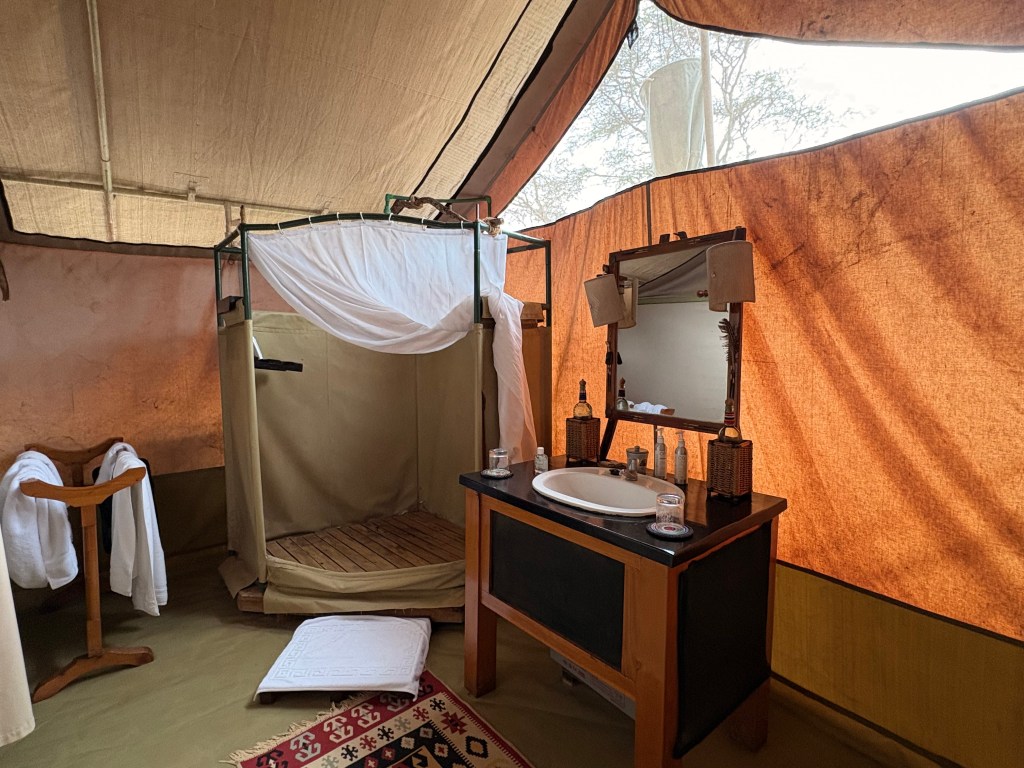
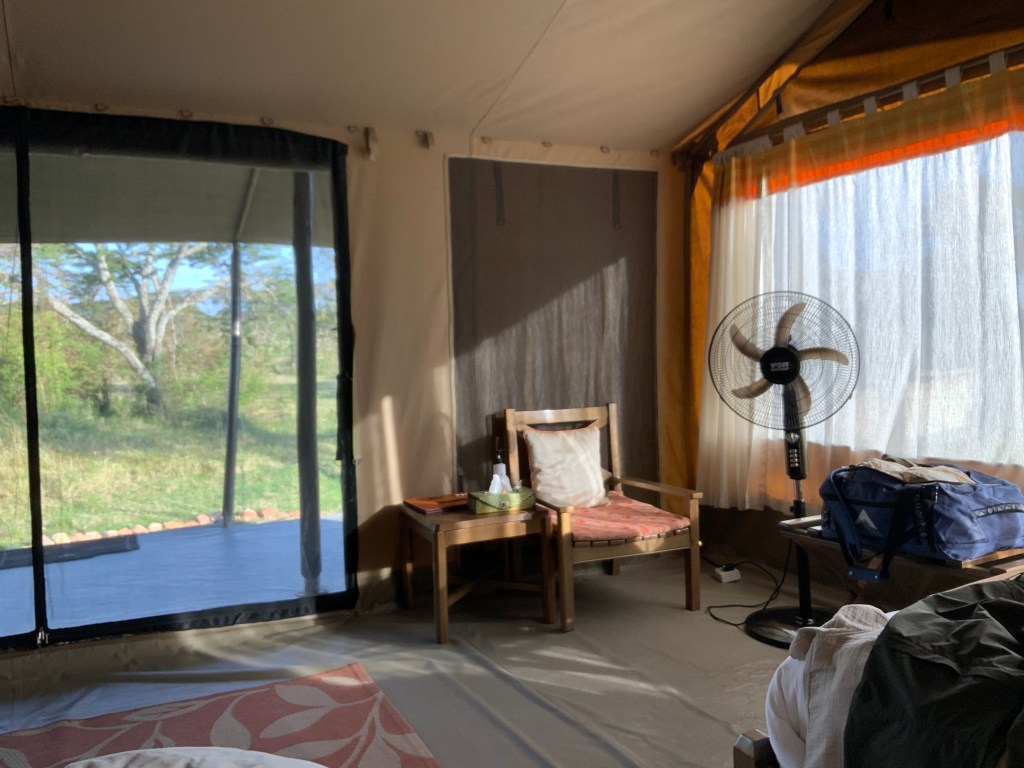
The camps were a cut above the rustic picture that most people have. The tents are large with a main bedroom and a spacious bathroom, with a sink and flushing toilet. Showers were achieved by way of a bucket. Employees would haul hot water to each tent at a requested time, pour that into a canvas bucket that was hoisted up to deliver the hot water by gravity. Inside the shower area, we were able to release the water for dousing the body, then cutting off the water flow to soap up, then reopening the flow so we were able to rinse off. Our bedroom had a double bed and a single bed, a dresser, and a closet. The tent had window openings in the canvas, which were screened, plus a double front door in the canvas, also screened. The ‘doors’ unzipped for entrance. Both doors and windows had a secondary solid canvas layer that they unfurled at night for privacy and to keep the warmth enclosed. It was like a hotel room made out of canvas – if the hotel room overlooked zebras, giraffes, and cape buffaloes at a watering hole. Pitchers of water were plentiful in the rooms since the running water was not for drinking. There were fans in each tent, and the beds were turned down each night with water bottles for the cooler nights.


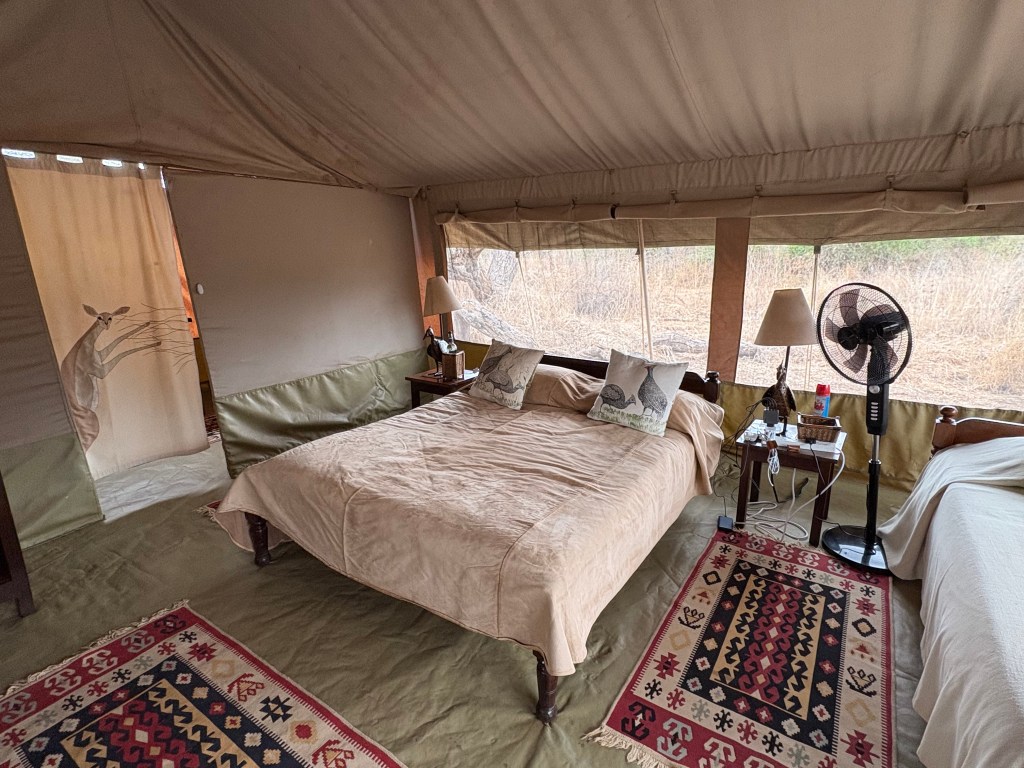
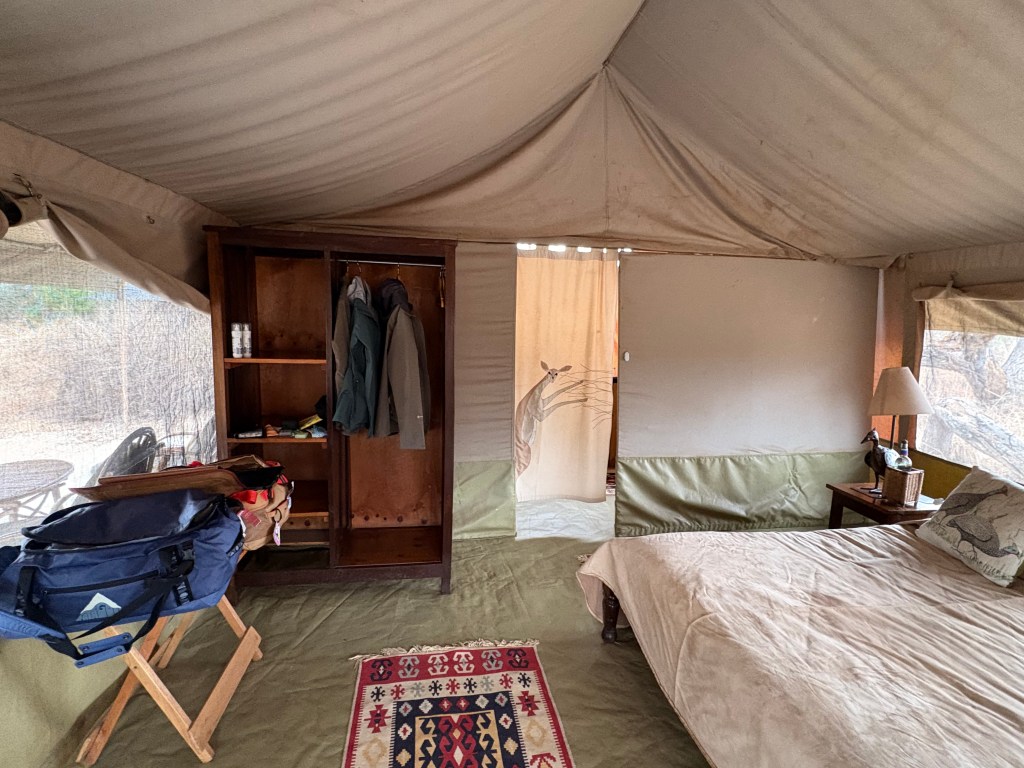
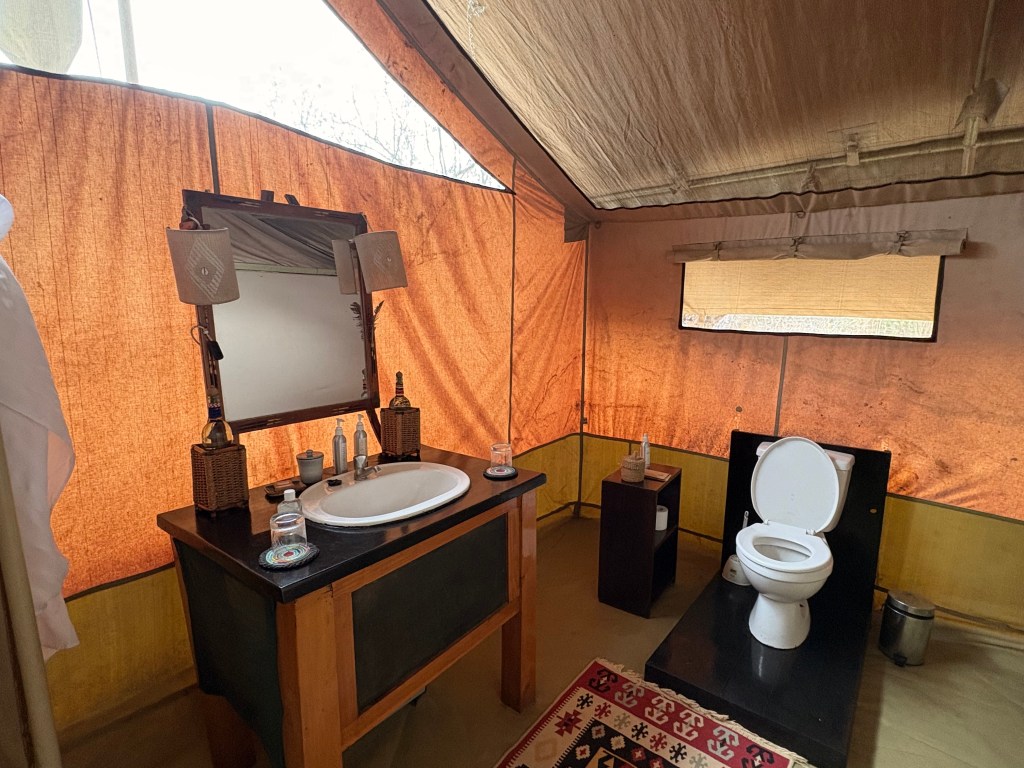
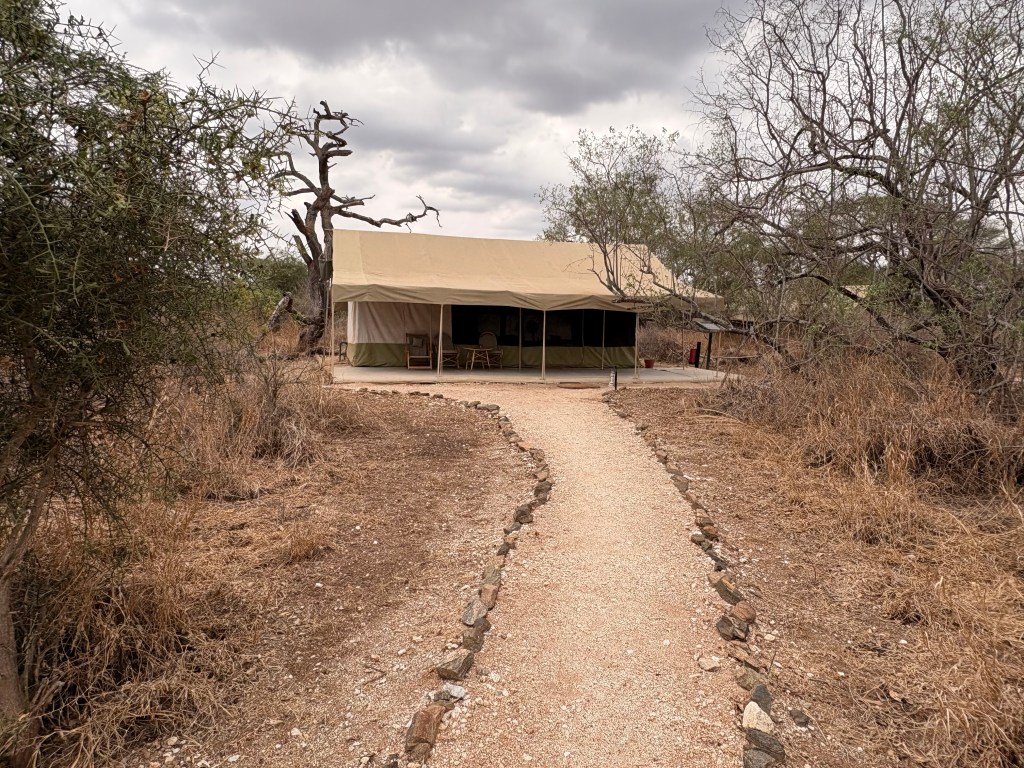



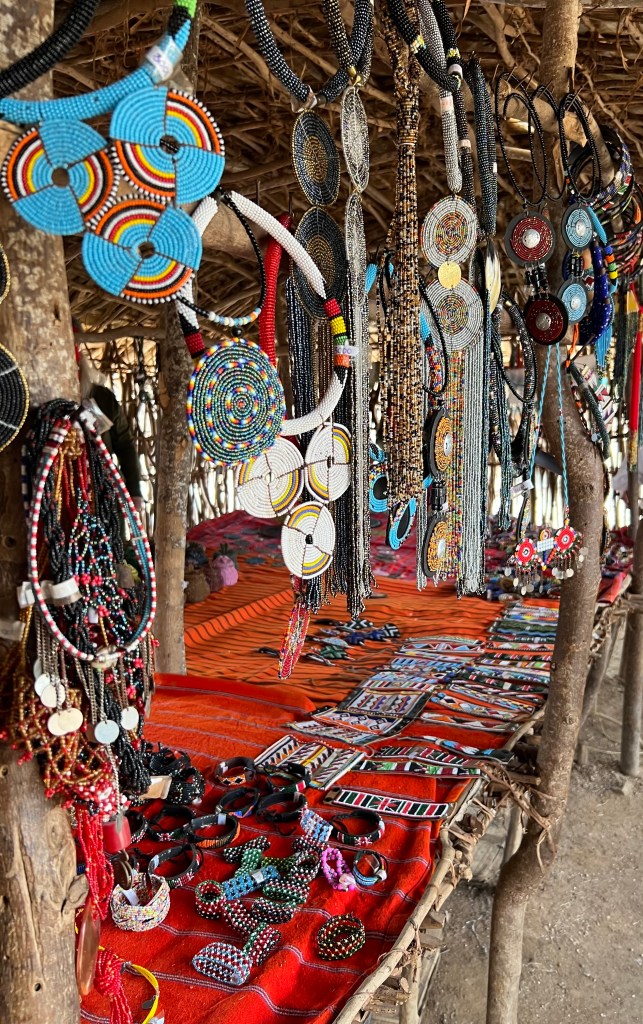
Upon arrival at the camp, we met the manager, Felix, who briefed us on what we were to expect during our stay. The camp was the only one of the four that we visited that had a small hut dedicated to showing the beadwork of the Maasai, also managed and sold by the Maasai. We learned that there were over 40 different Maasai tribes, and their beadwork was fabulous. We were assigned our tents, treated to breakfast, and taken out on another game drive. It was impressive how good all of the drivers and spotters were, and the amount of information that they knew. They took all questions seriously but were not above teasing us occasionally with obvious misinformation just to see our reactions. In another drive, Carolyn showed the driver a stick she’d picked up with what looked like a bundle of silk thread on it. When she asked him to identify it, he quickly replied that it was snake spit, but not to worry, it was not venomous. We were astounded and took pictures of this phenomenon. The next camp driver saw Carolyn’s picture and burst out laughing. He said it was an insect cocoon, and there was no such thing as snake spit. Yeah, we’re easy targets.
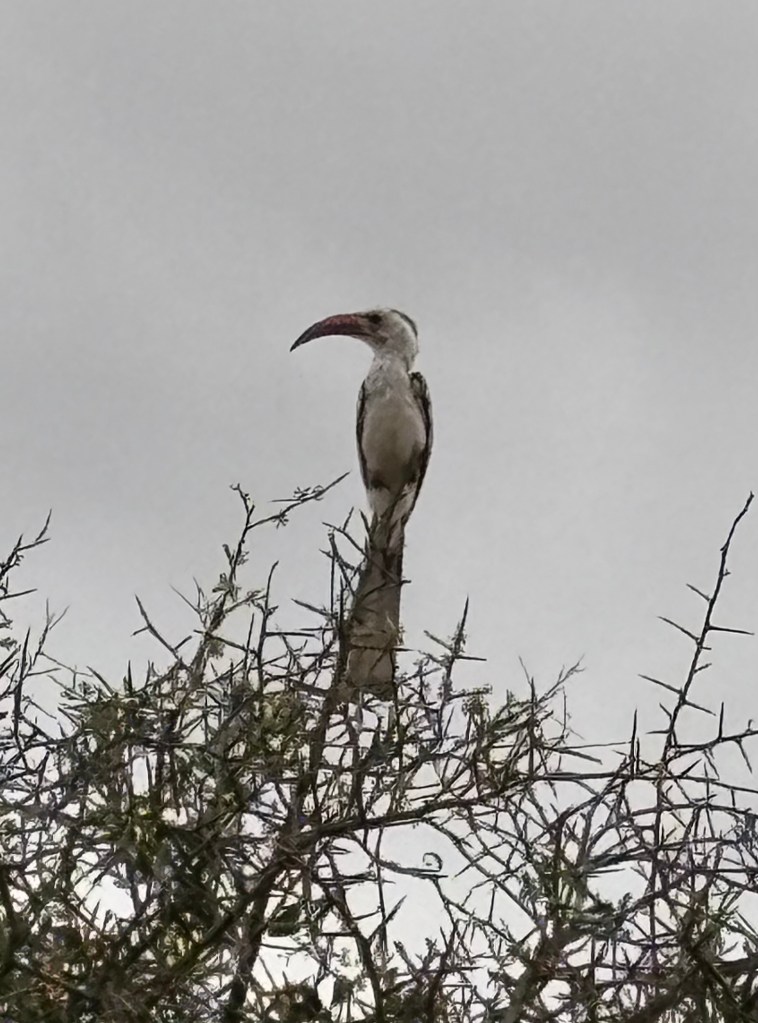
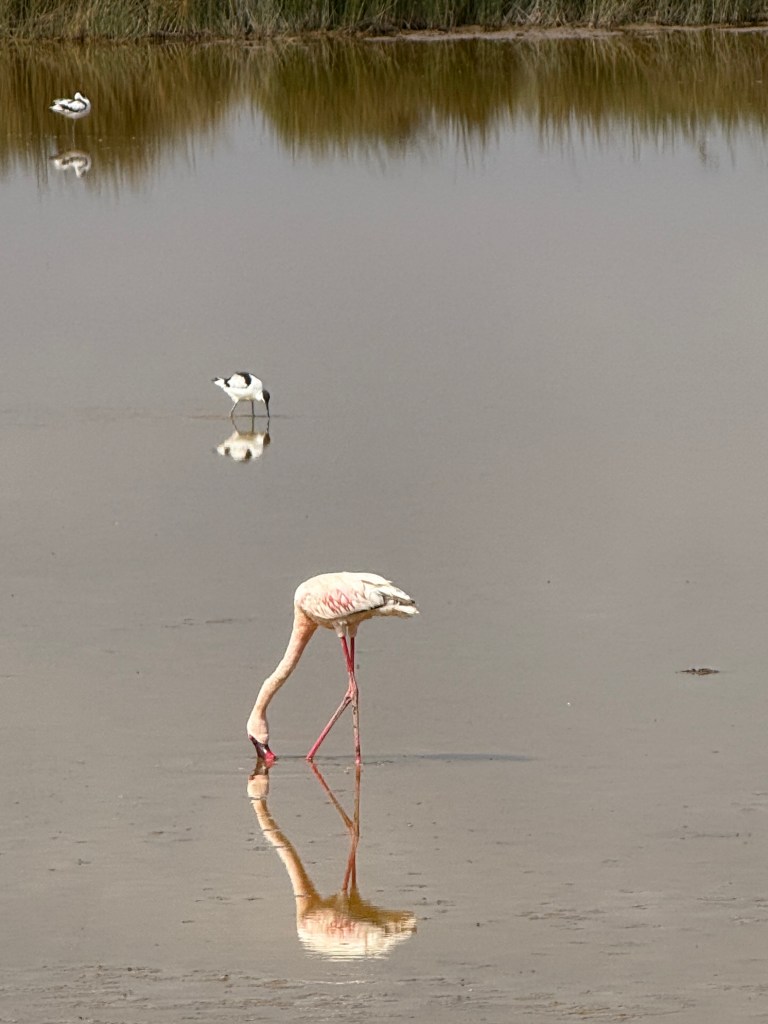
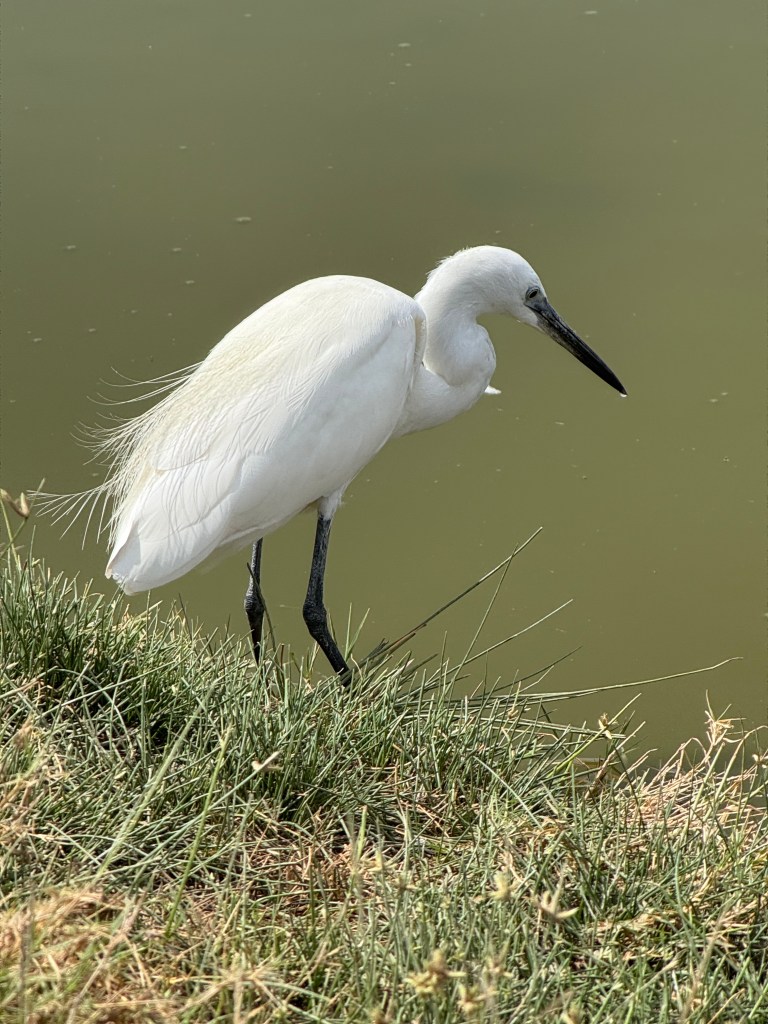
In this next drive we were told about the watering holes, which were conservancy-created in many areas for the wildlife, which in turn also allowed visitors to have more encounters. I was absolutely amazed at the number of beautiful birds we were seeing and hearing. We were told that there are over 400 species of birds in Kenya, which, for me, was just stunning. Then a search on the internet showed nearly 2,500 endemic or migratory species in Africa. The variety of sizes, colors, and sounds that we witnessed was incredible. There are some great books available, if you are at all curious. We encountered an avid birder in one of the camps who used Merlin, which I’ve mentioned in the past, but also reported her finds to eBird, which uses the information to track bird migration globally.
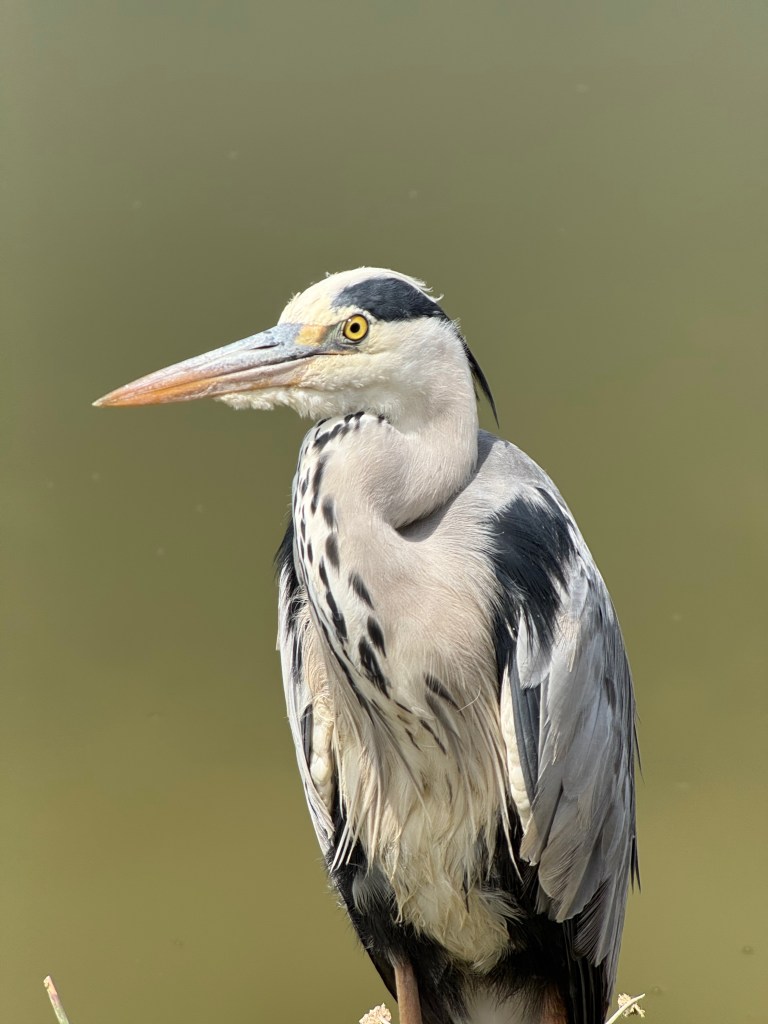
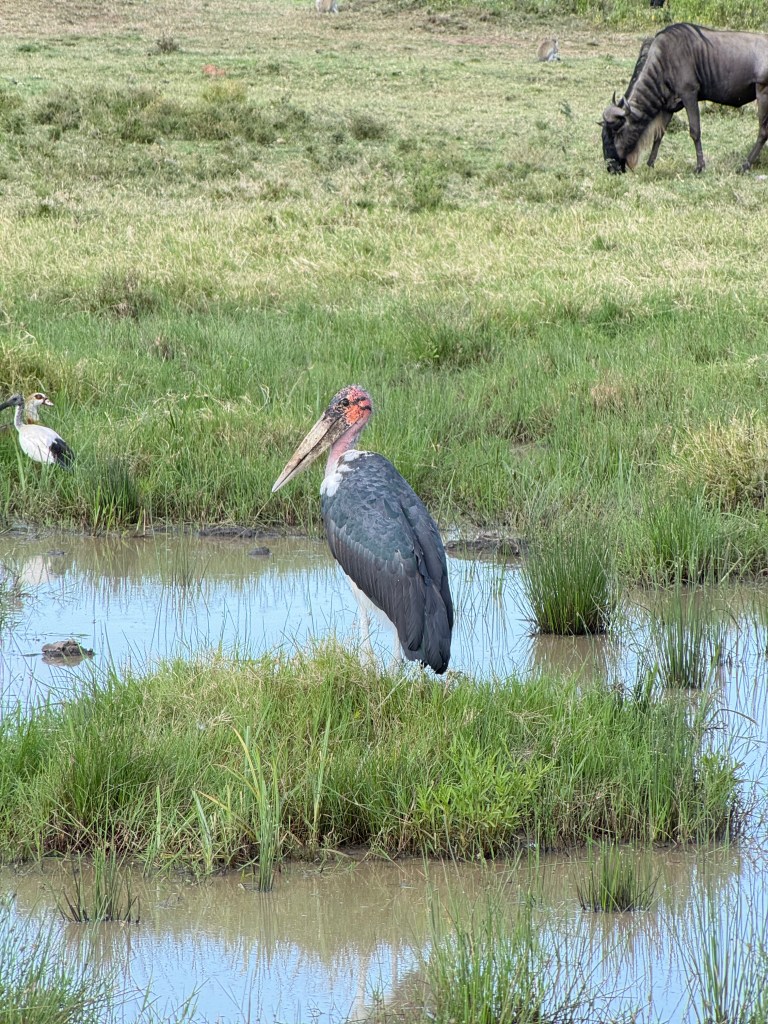

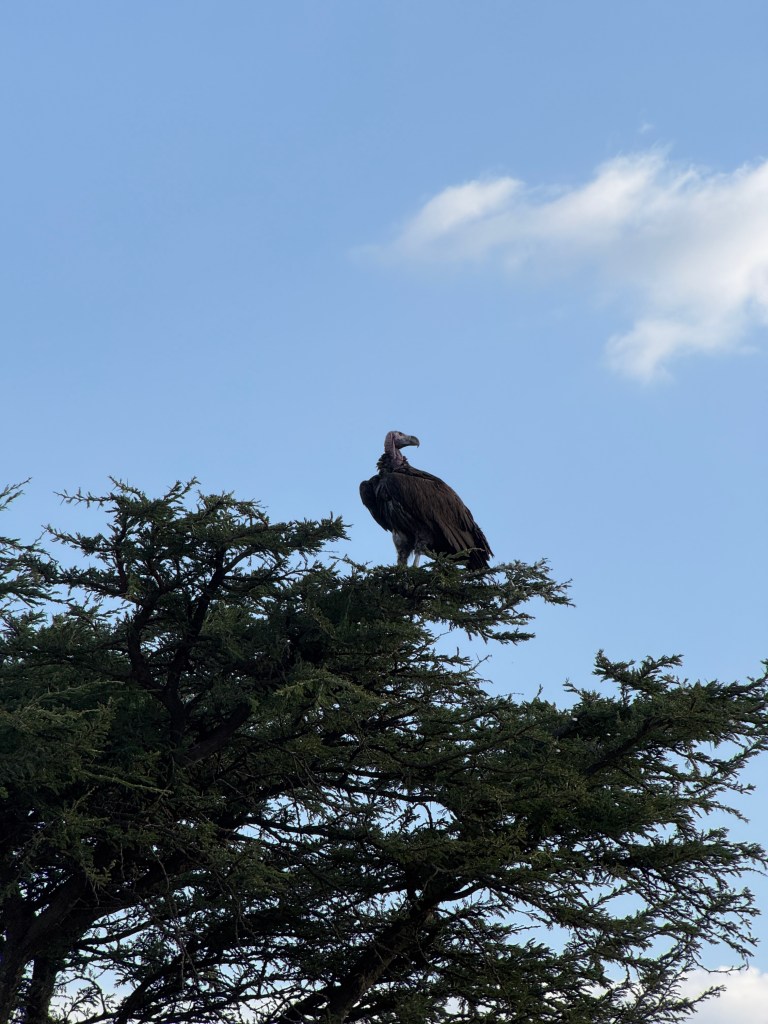
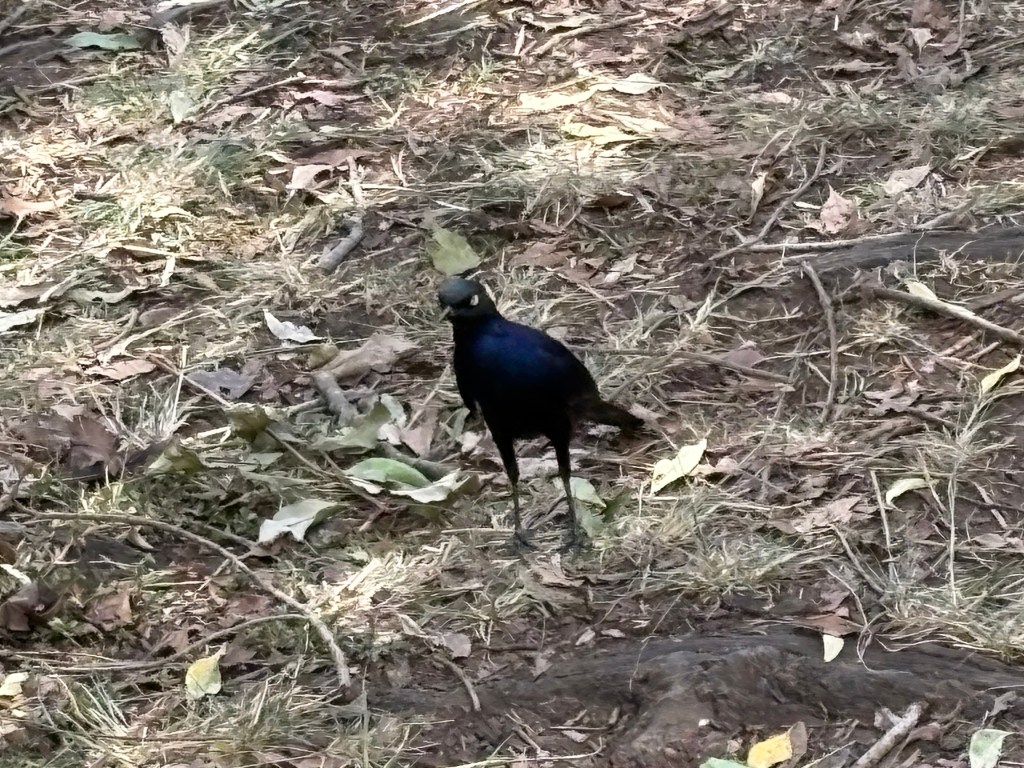
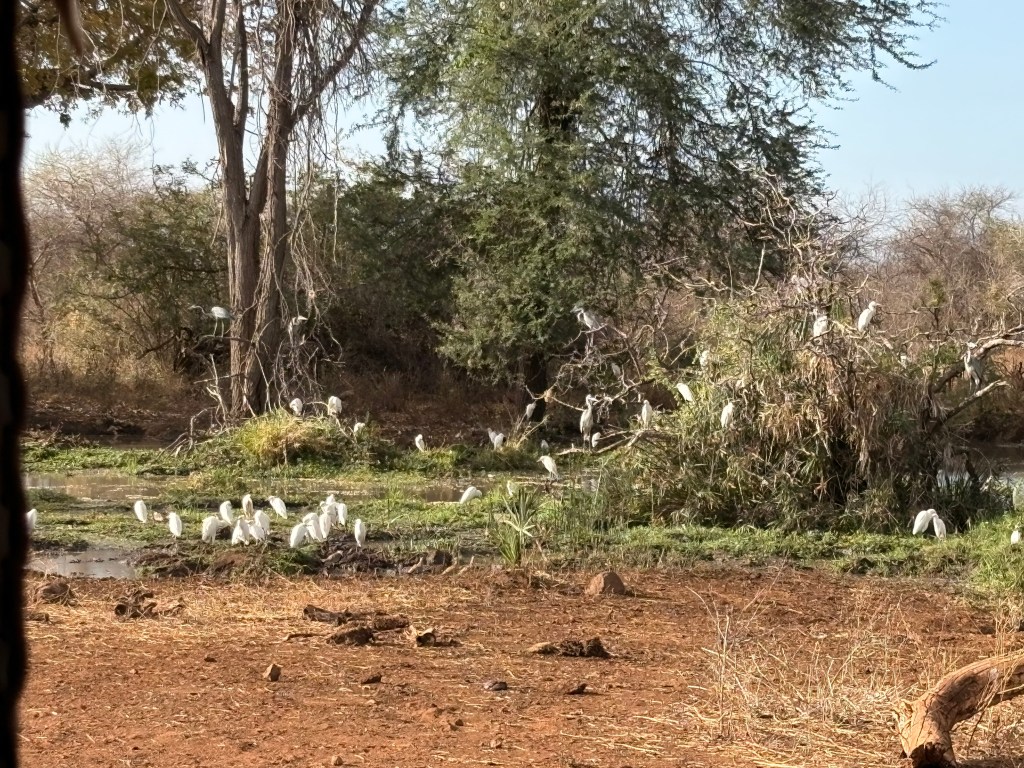
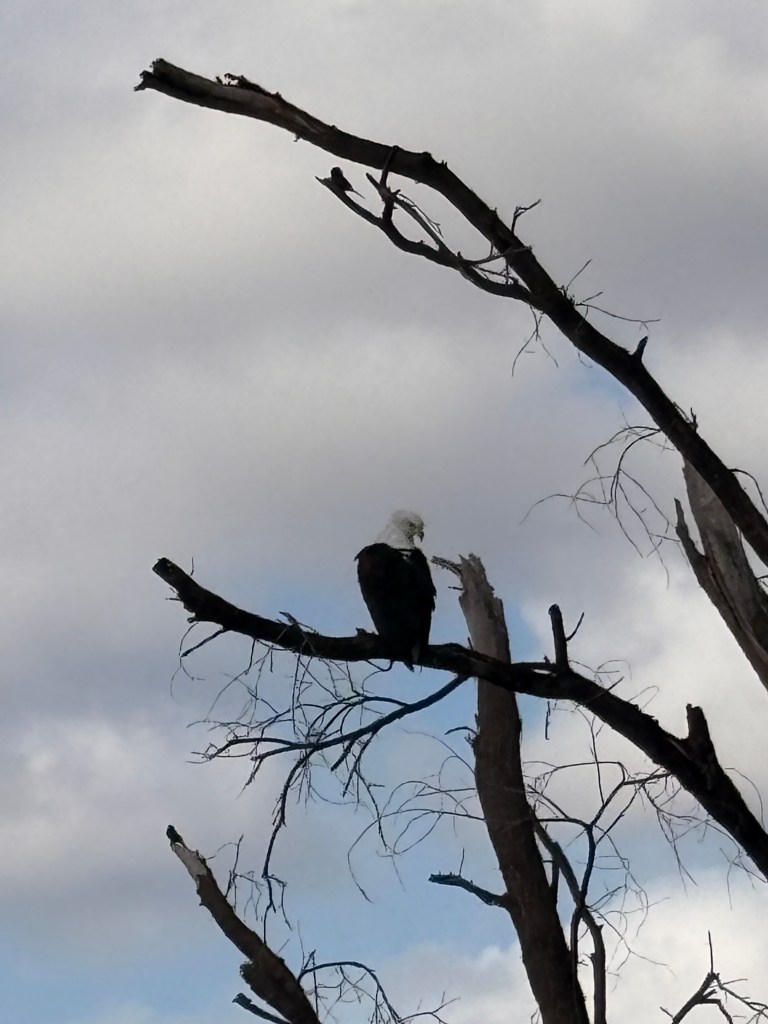


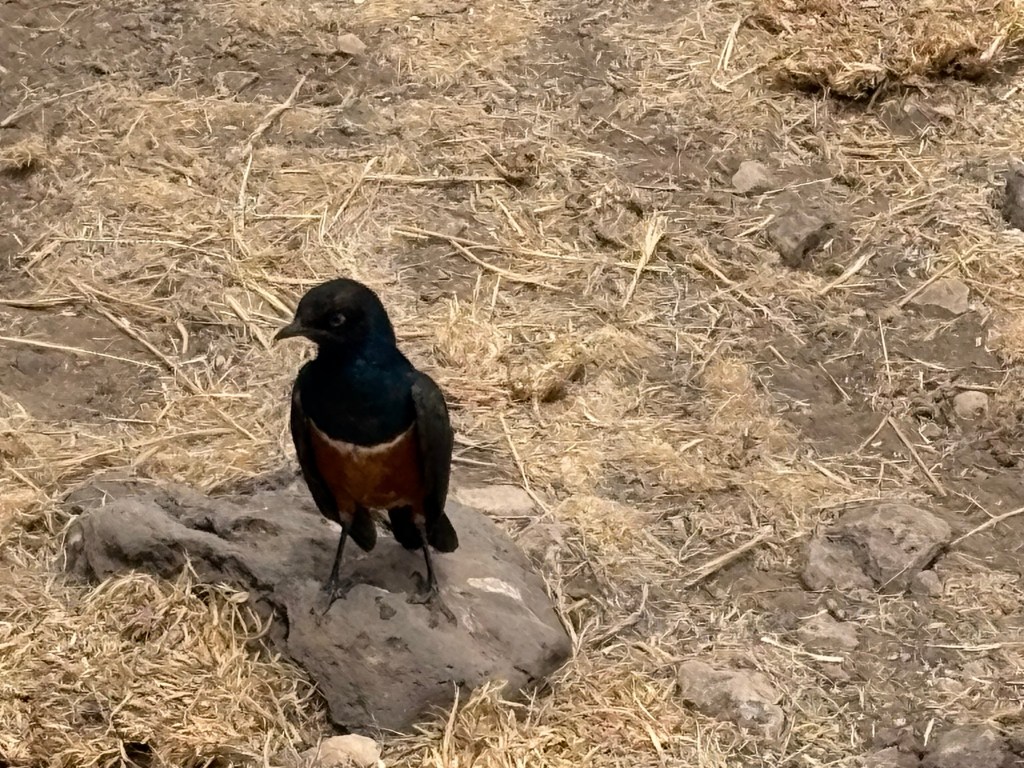
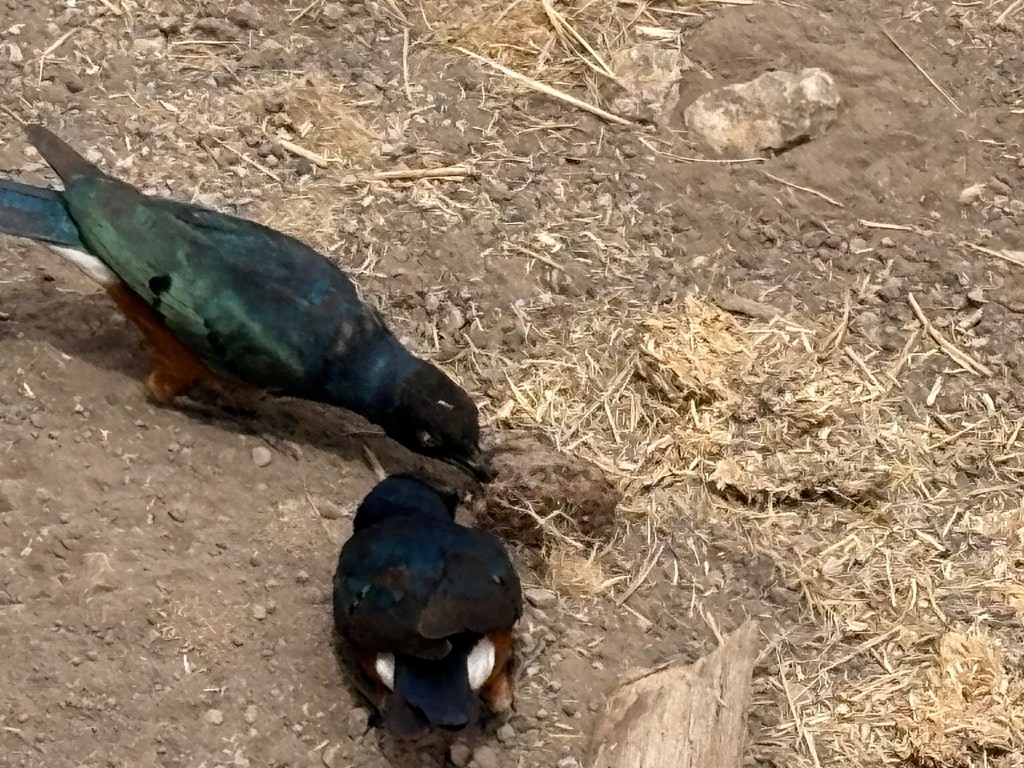

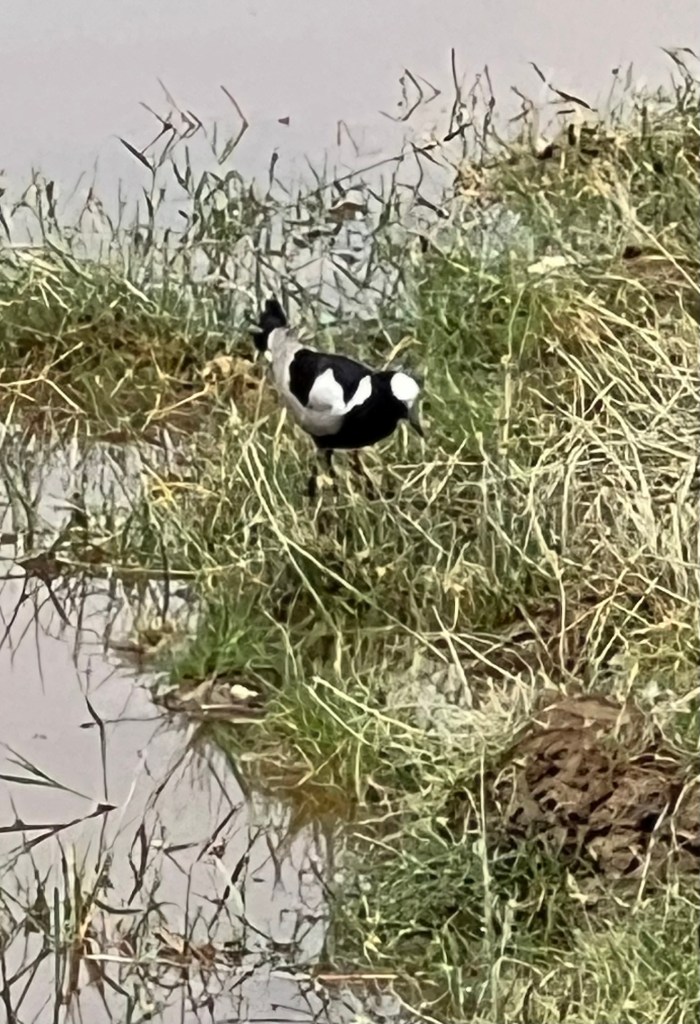
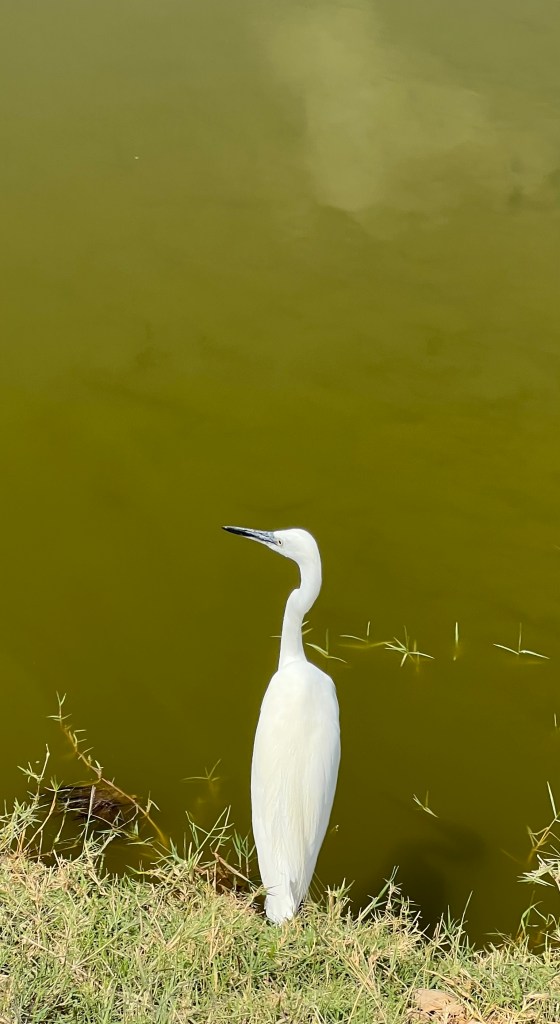
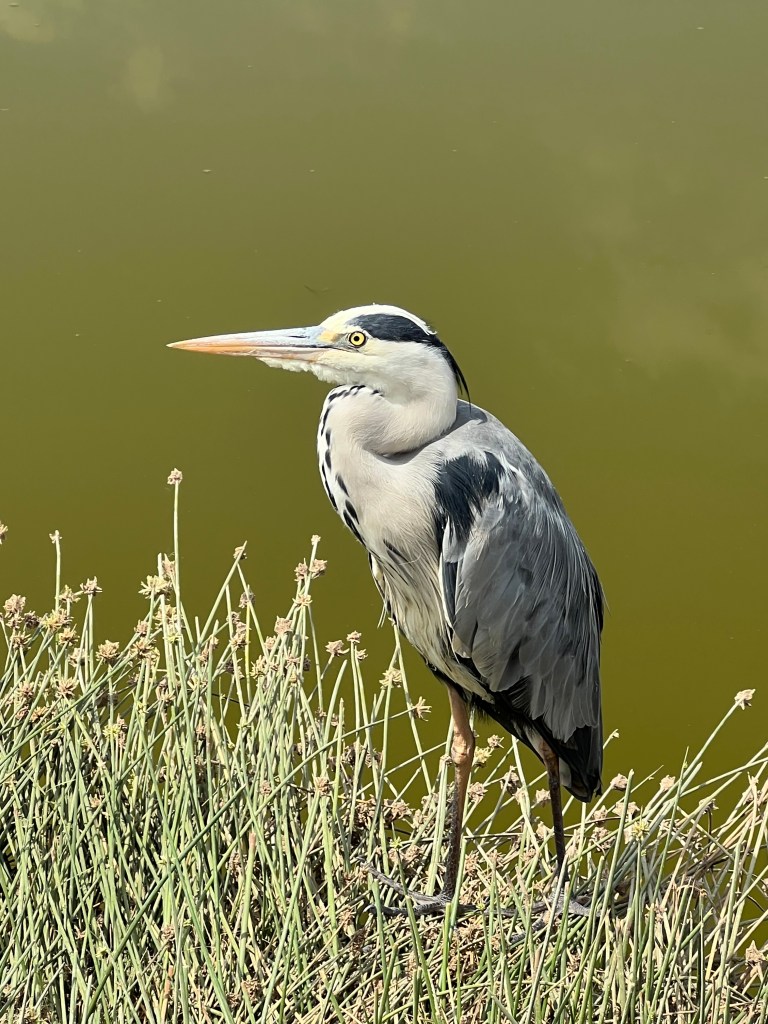
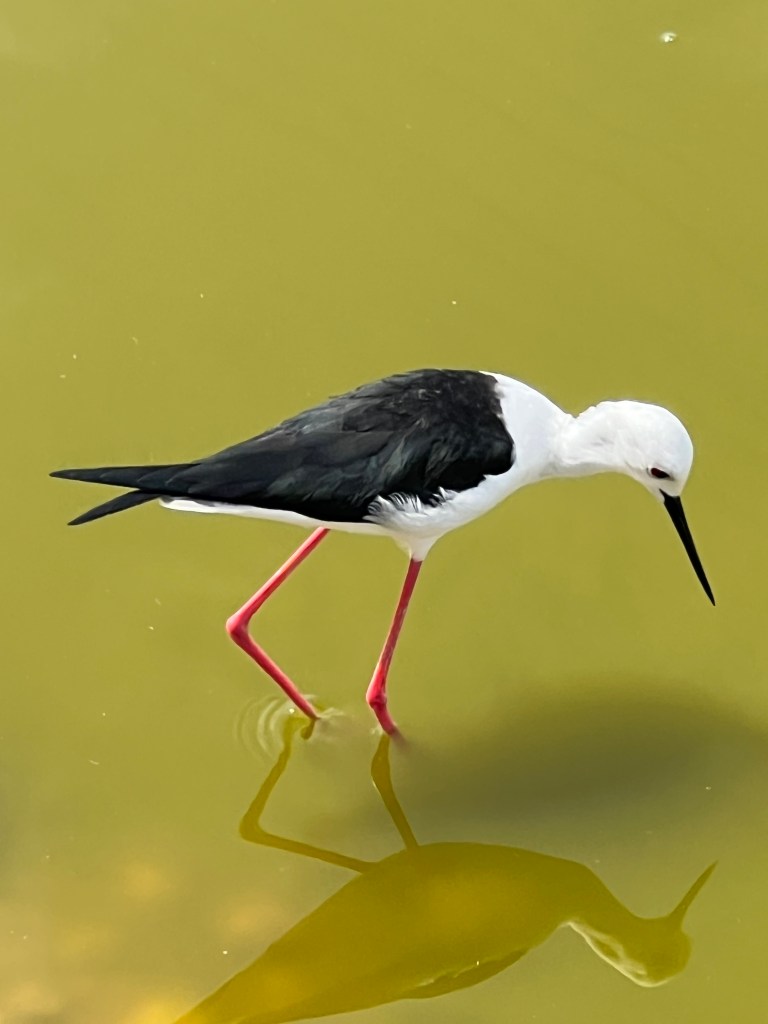
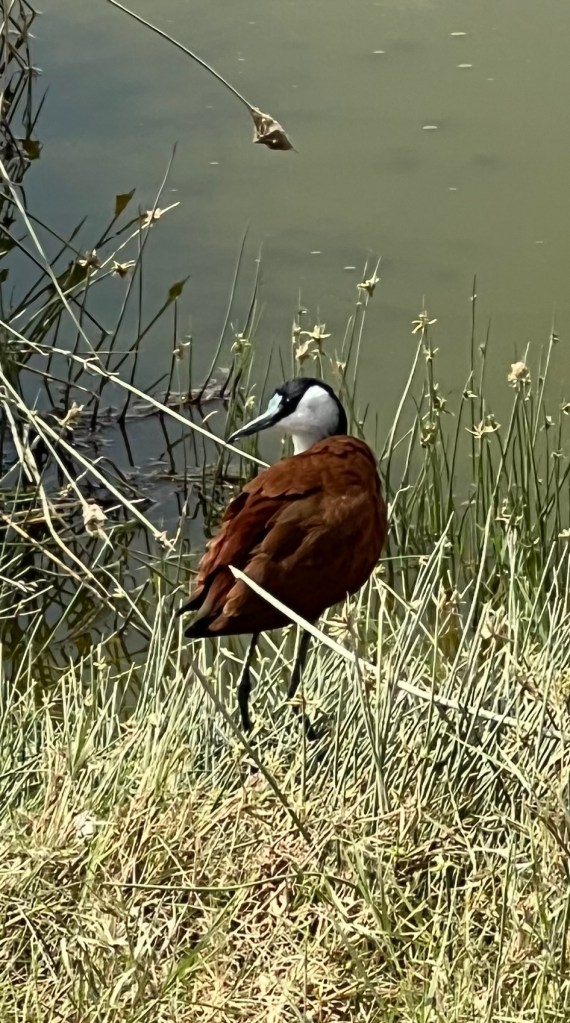

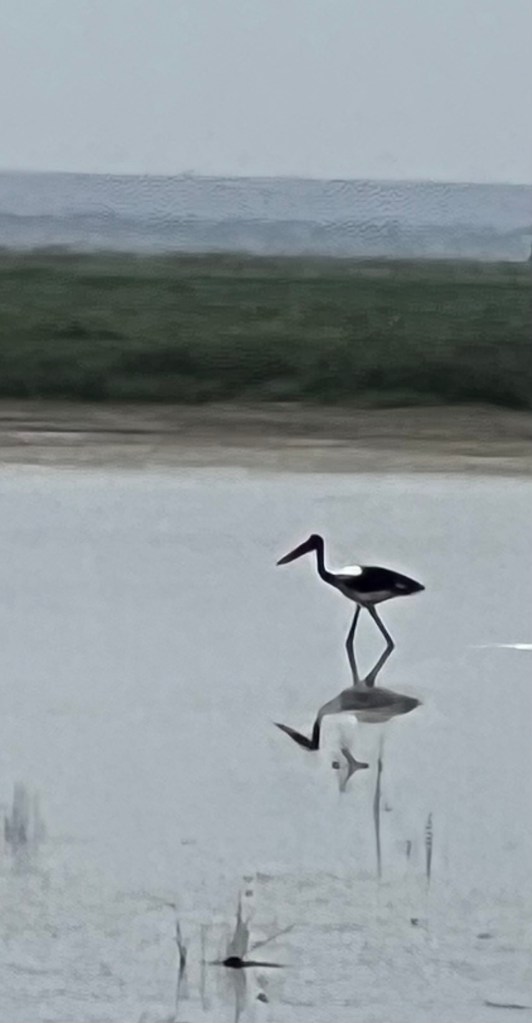
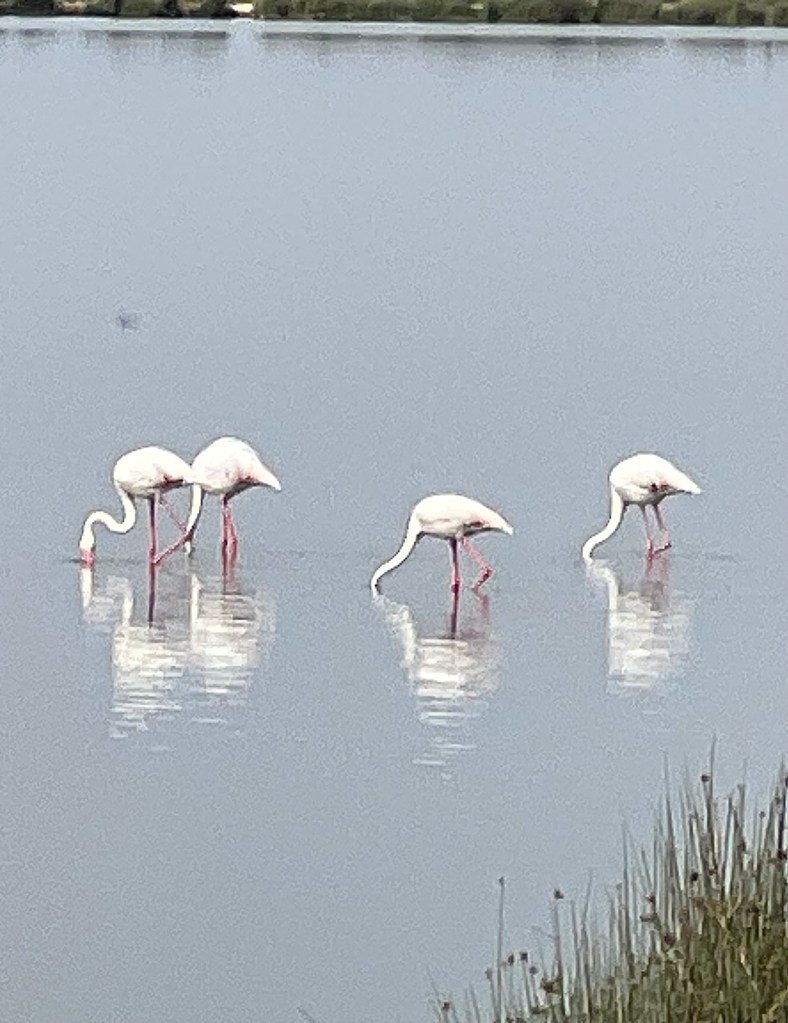
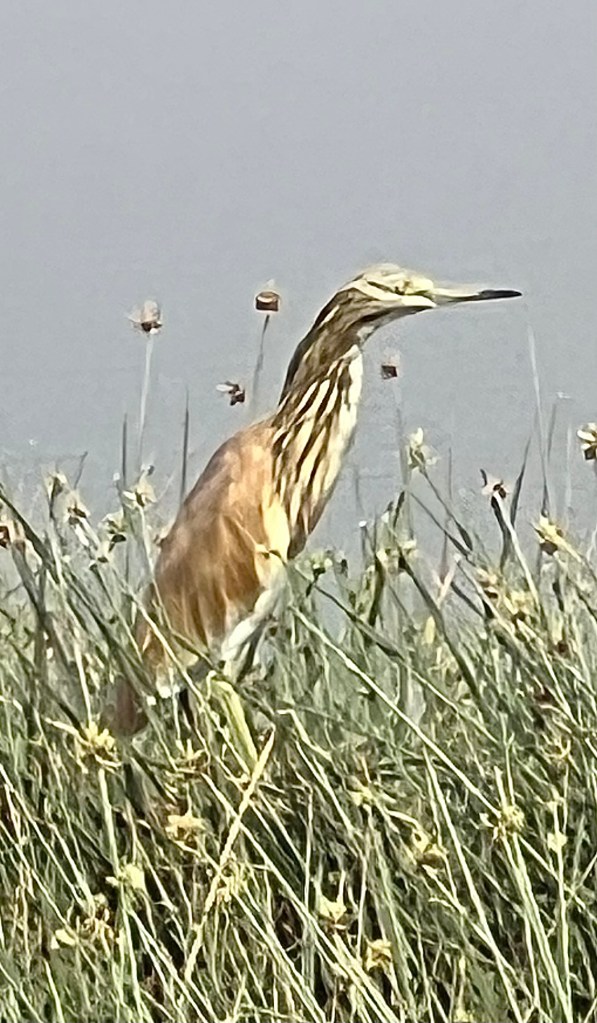
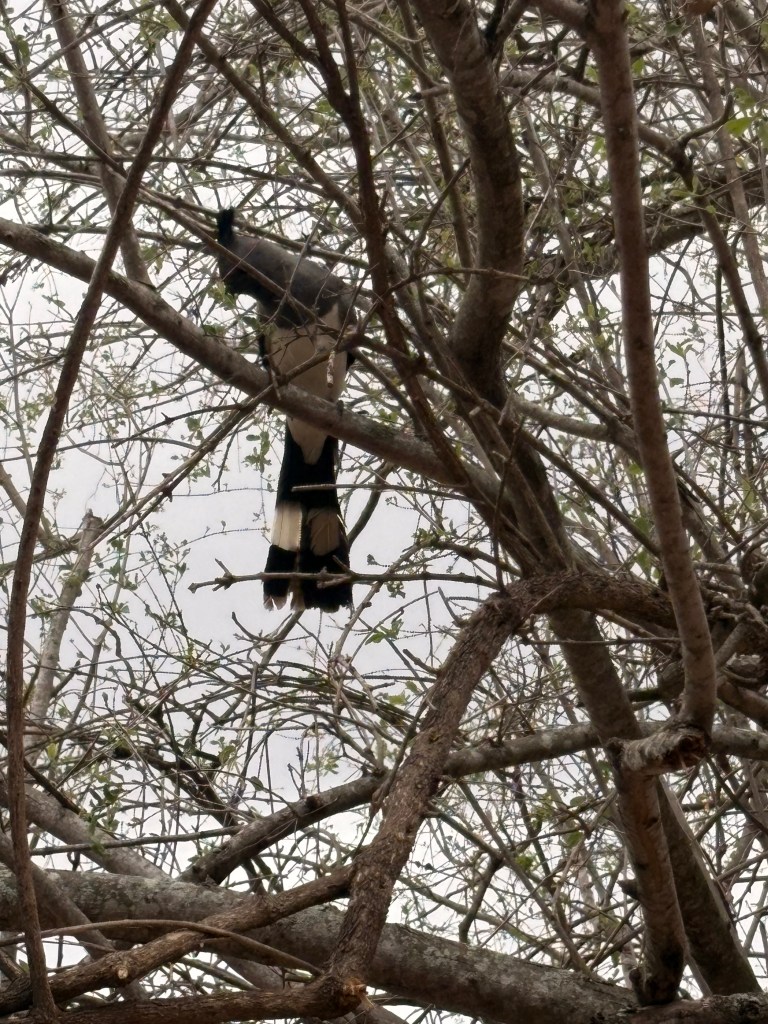
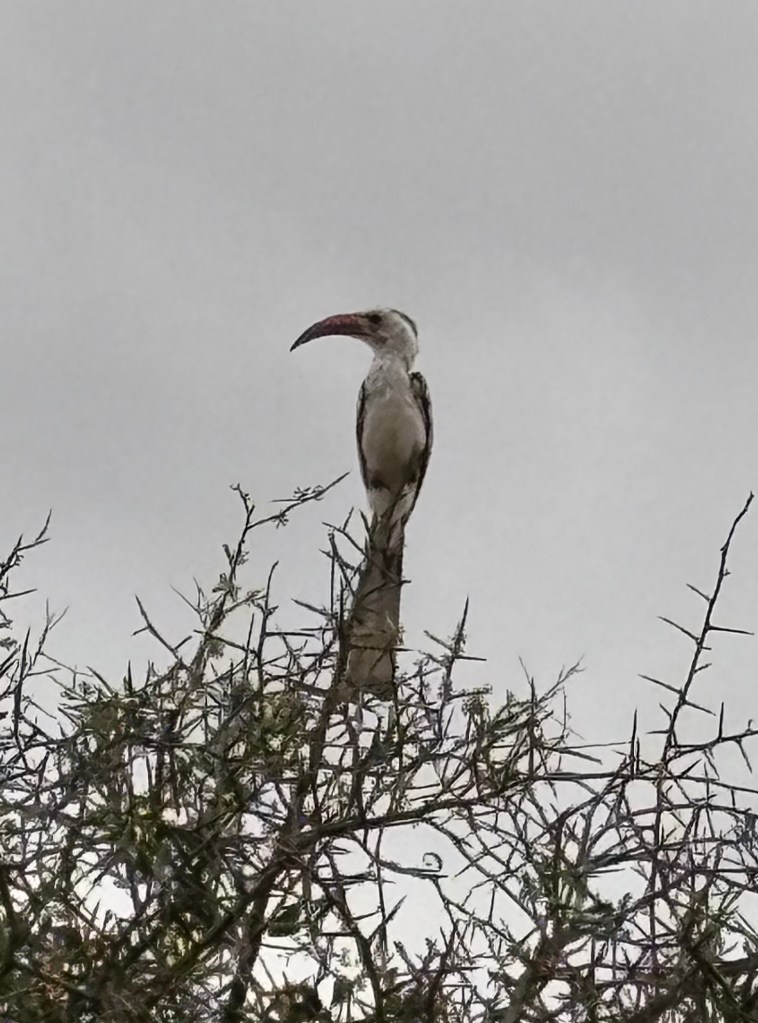
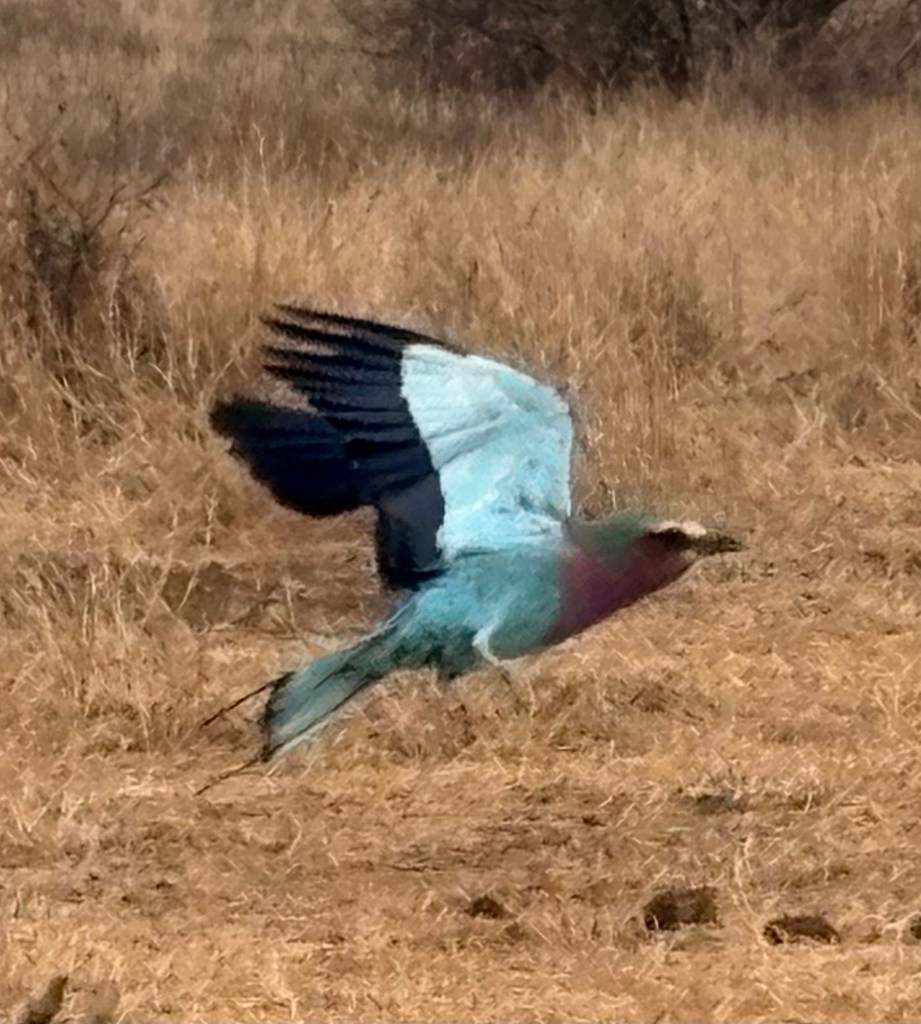
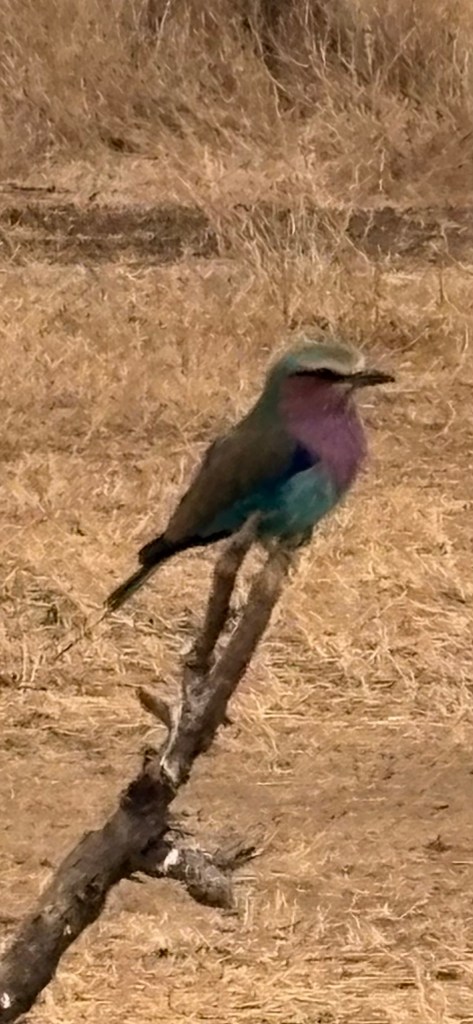
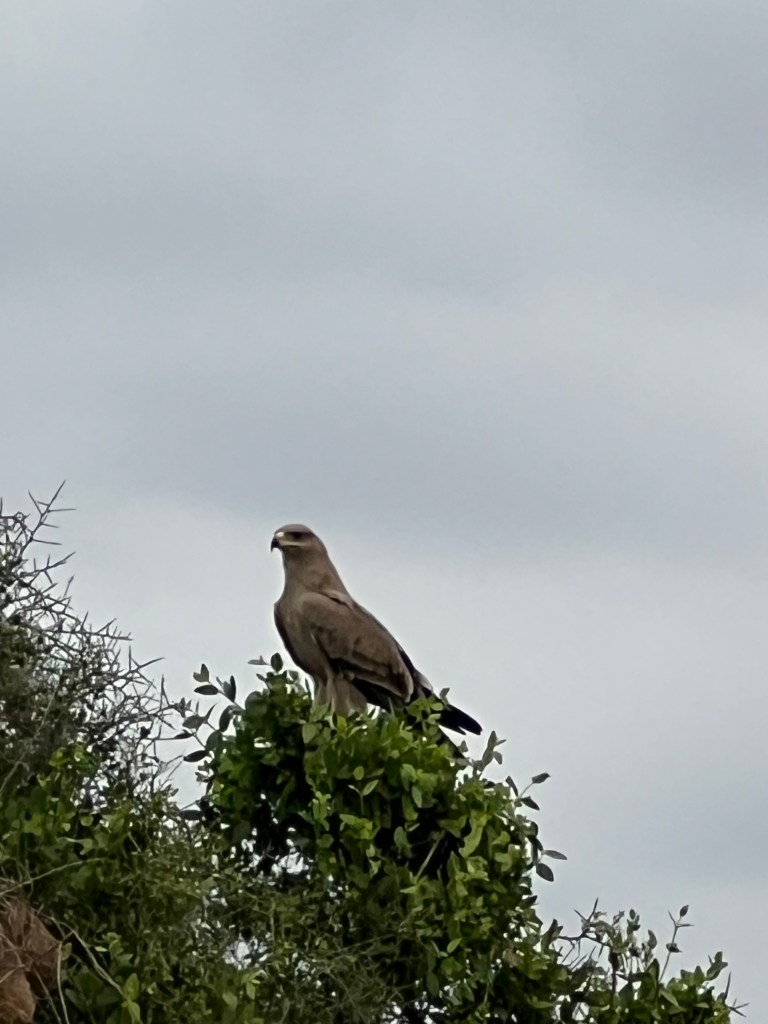
The jeep guides identified a huge variety of trees we passed, their medicinal qualities, what parts were consumed by which animals, which foliage was toxic, and even a tree whose toxic sap affected the bees’ honey, which was, in turn, not edible. Education even included the scat of different animals, which told the guides what had been in the area recently and where the animals were heading, even their ages. Our first full-morning drive was through Amboseli National Park, adjacent to the Conservancy.

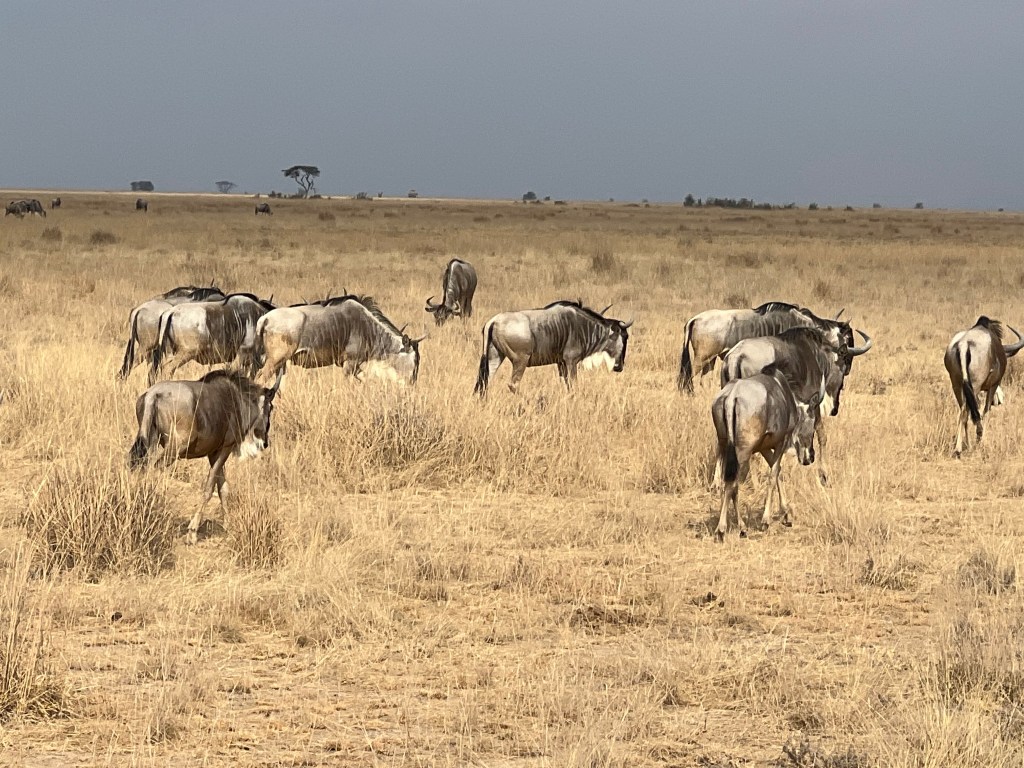
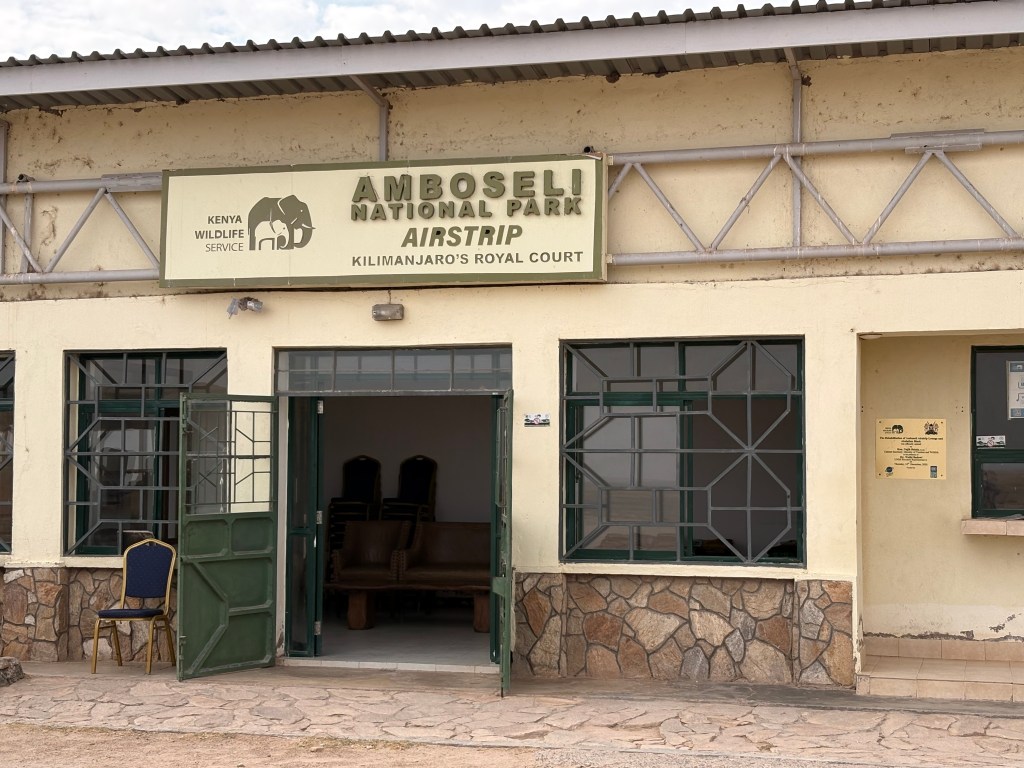


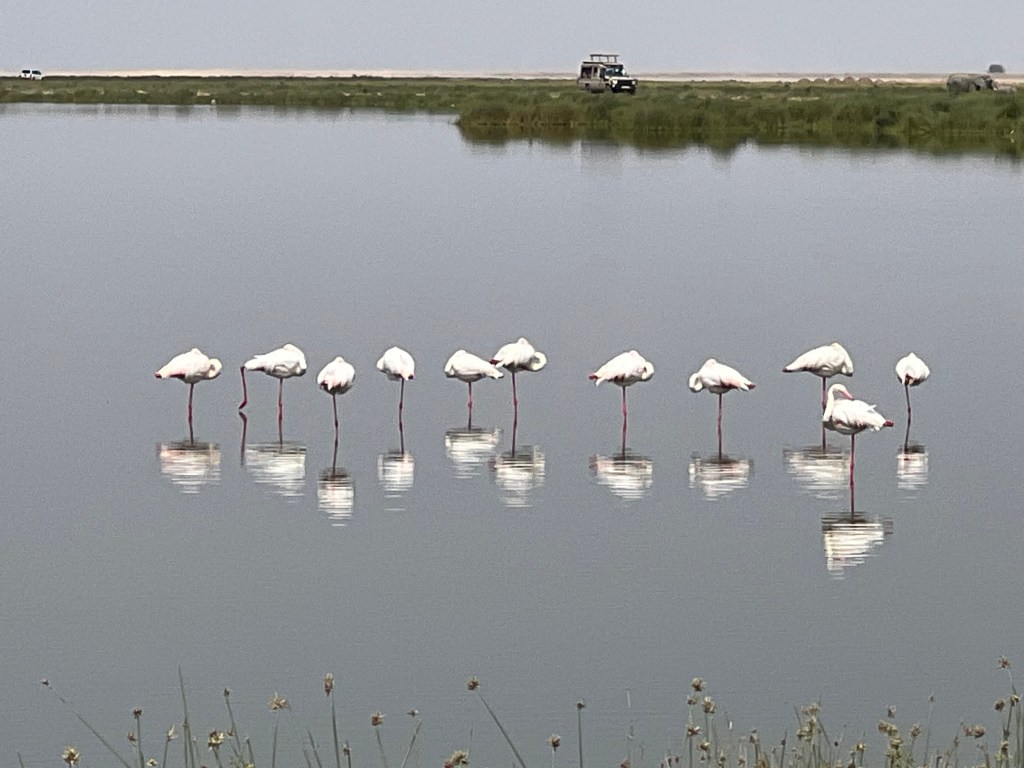


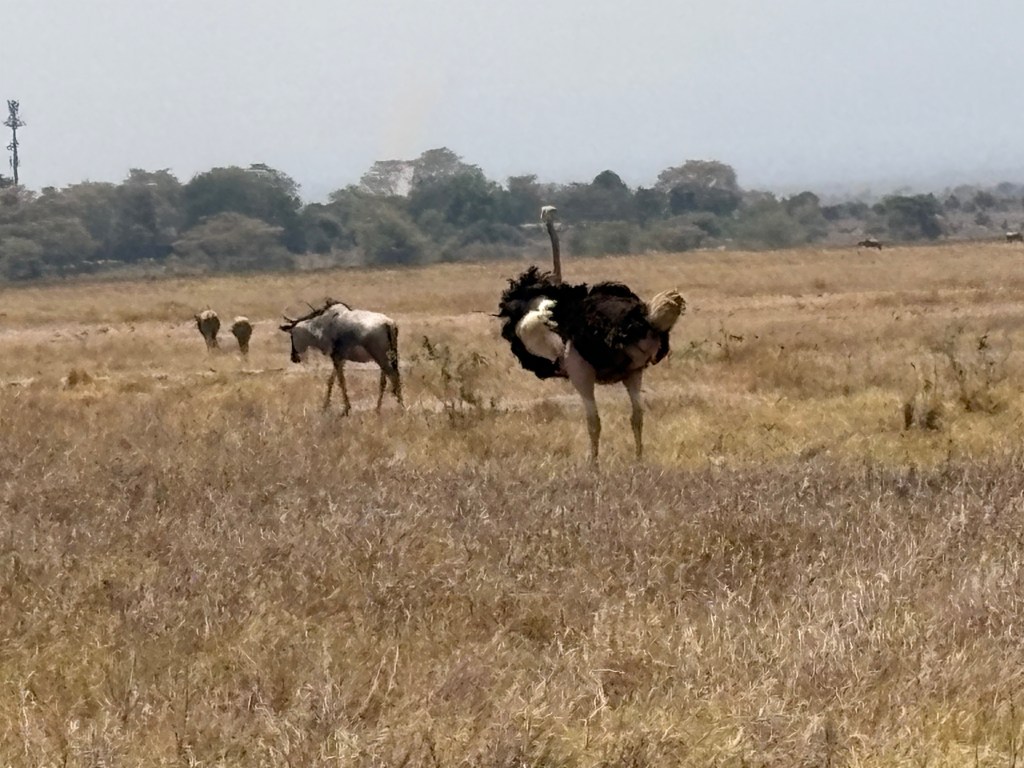

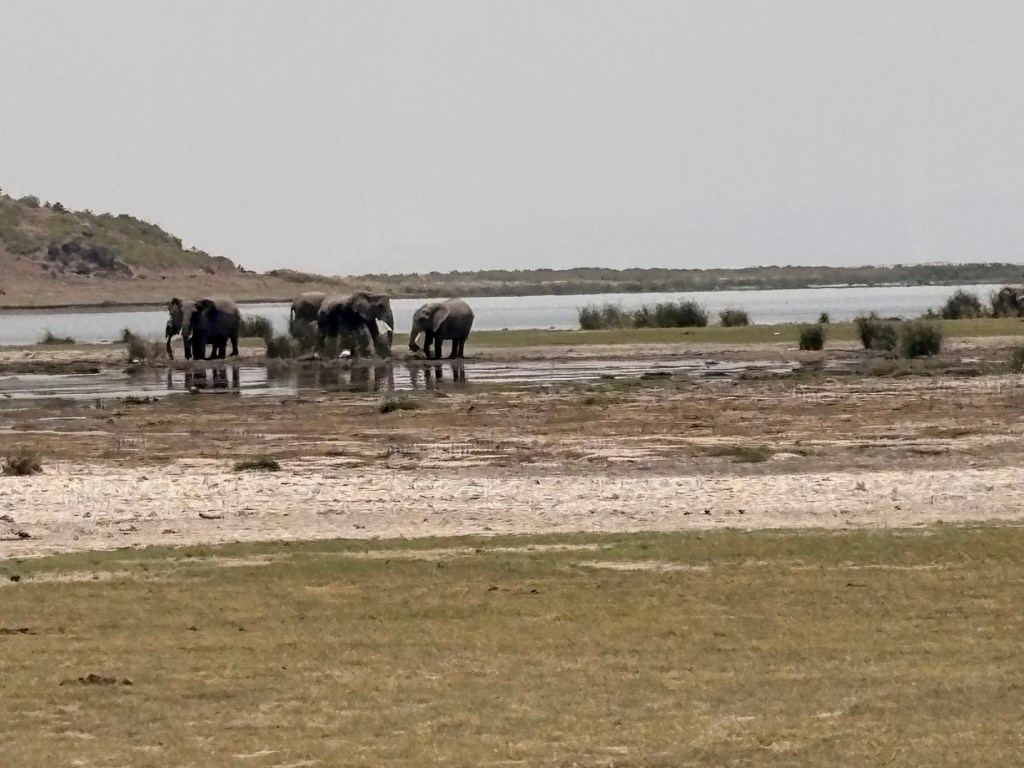


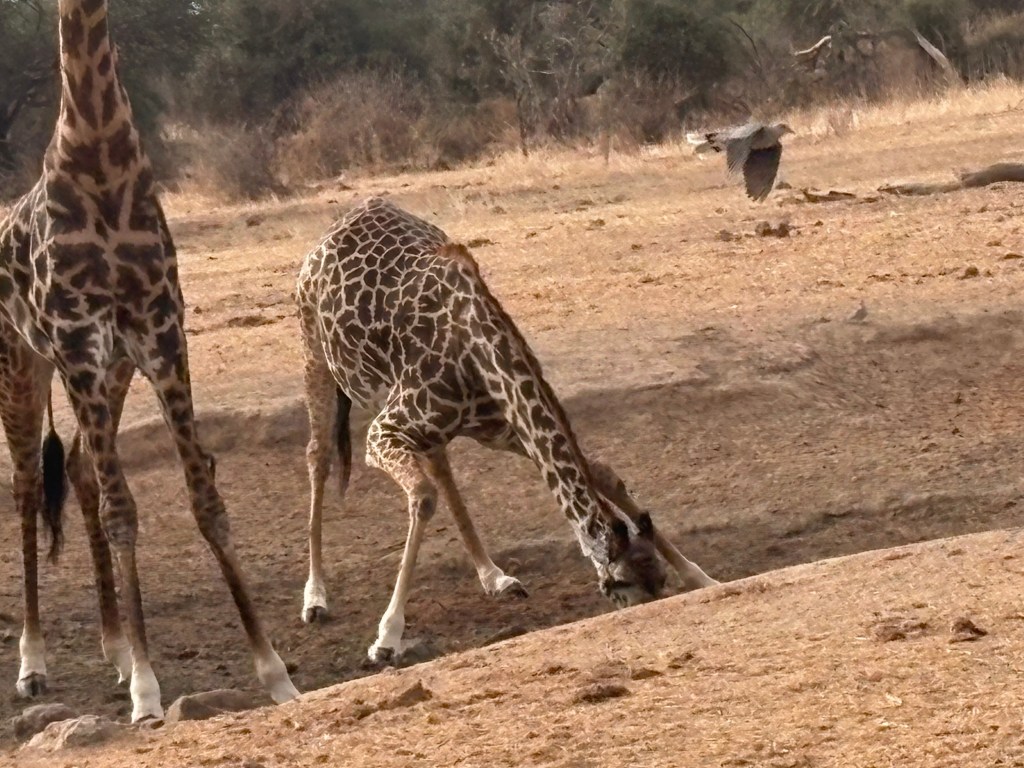
Returning to camp, we had lunch, a rest, and then another afternoon/evening (sundowner) game drive. We would ask the drivers and spotters if they ever tired of the constant game drives, and they all replied no, with huge grins. They explained to us that there is always something different in every drive. And indeed, each drive was.

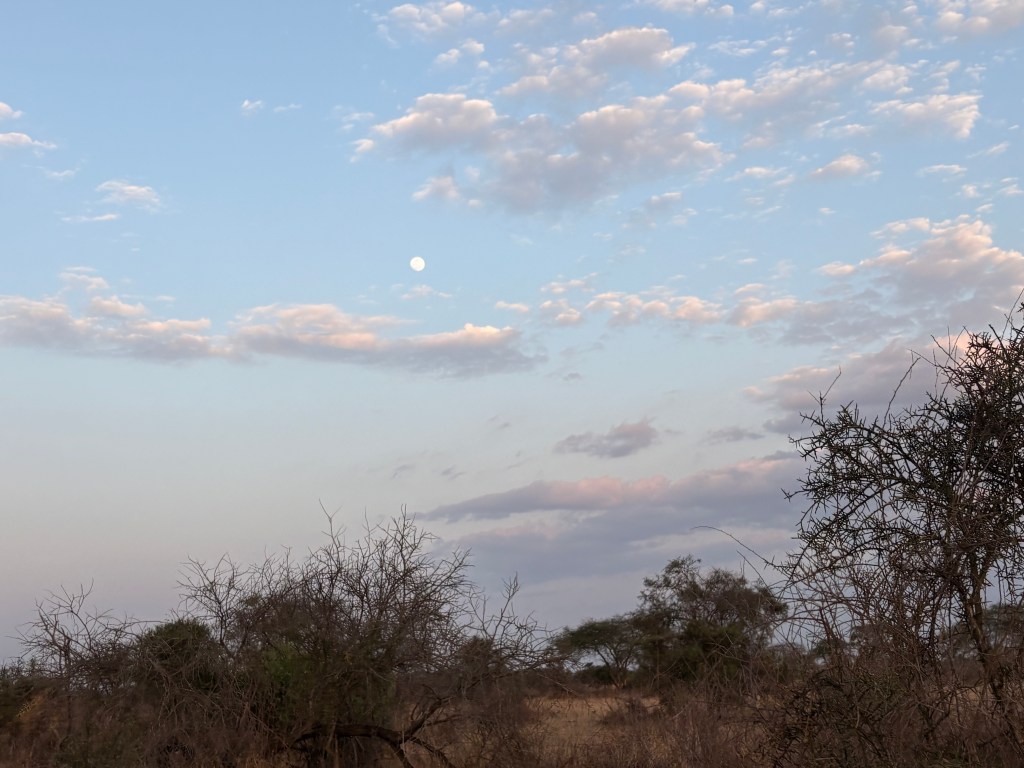
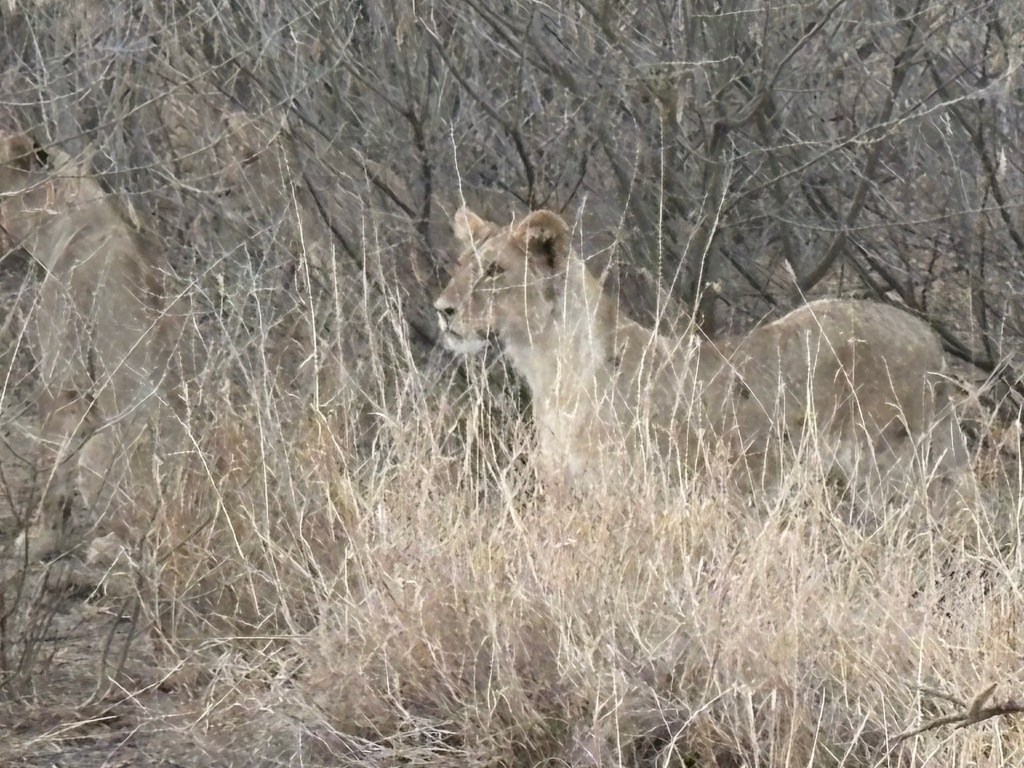
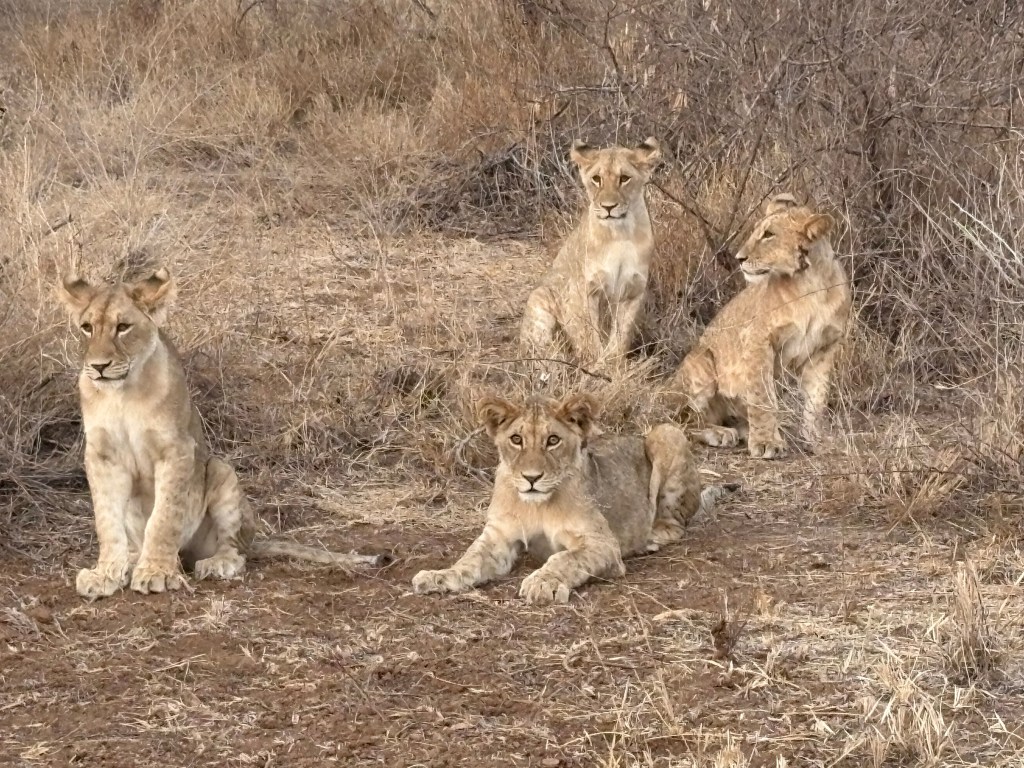



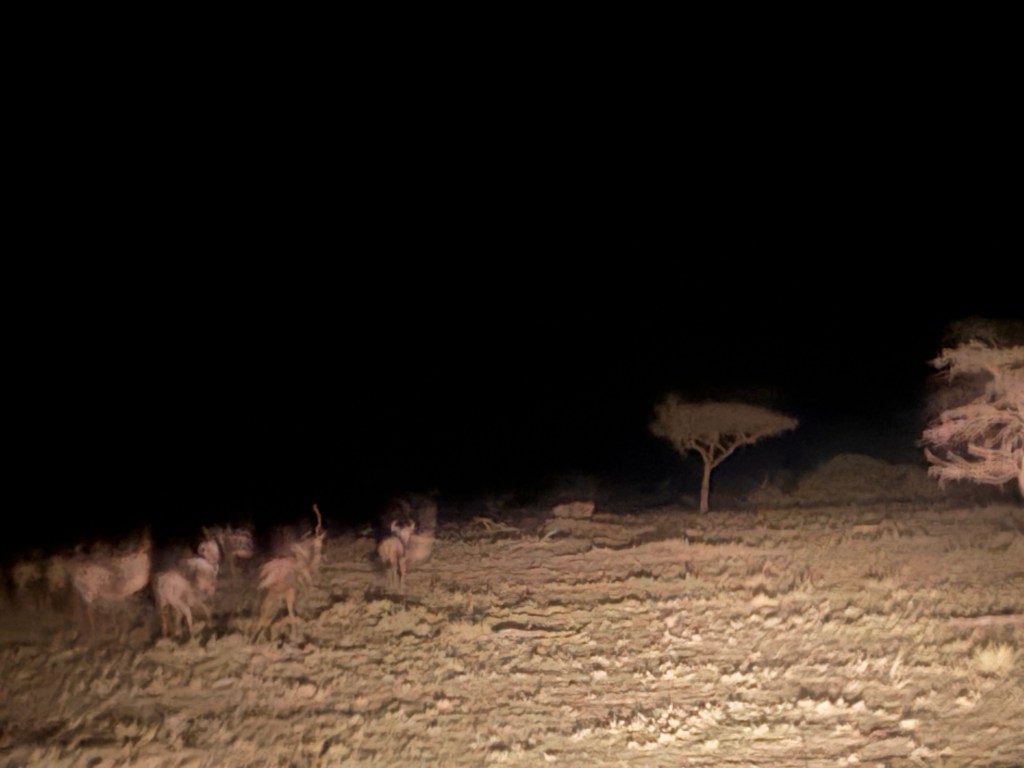
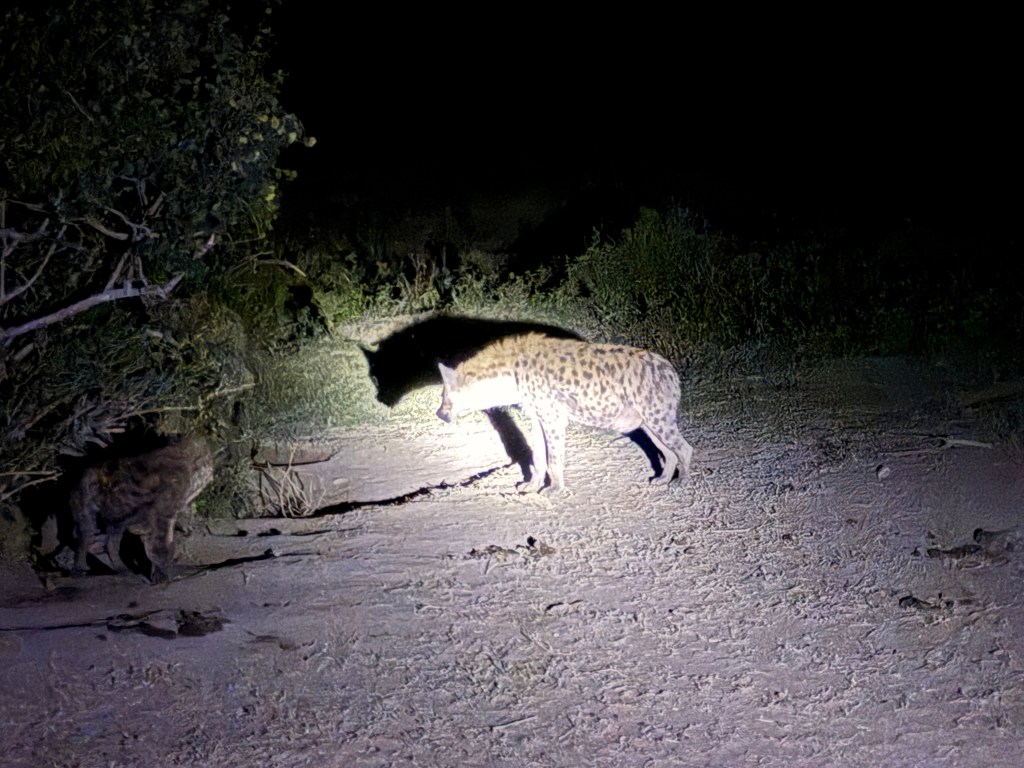
Each day ended with relaxing around a pit fire, then dinner, perhaps a nocturnal game drive for the creatures we wouldn’t see otherwise, before turning in for the night. We could always choose not to take any particular drive, and at some point or other, I believe each of us bowed out of at least one drive during the two weeks.
So each day would go, with the variety being in what we were fortunate to witness. At day’s end, we shared our photographs, our stories, and got to know each other as well as the variety of people we were meeting.
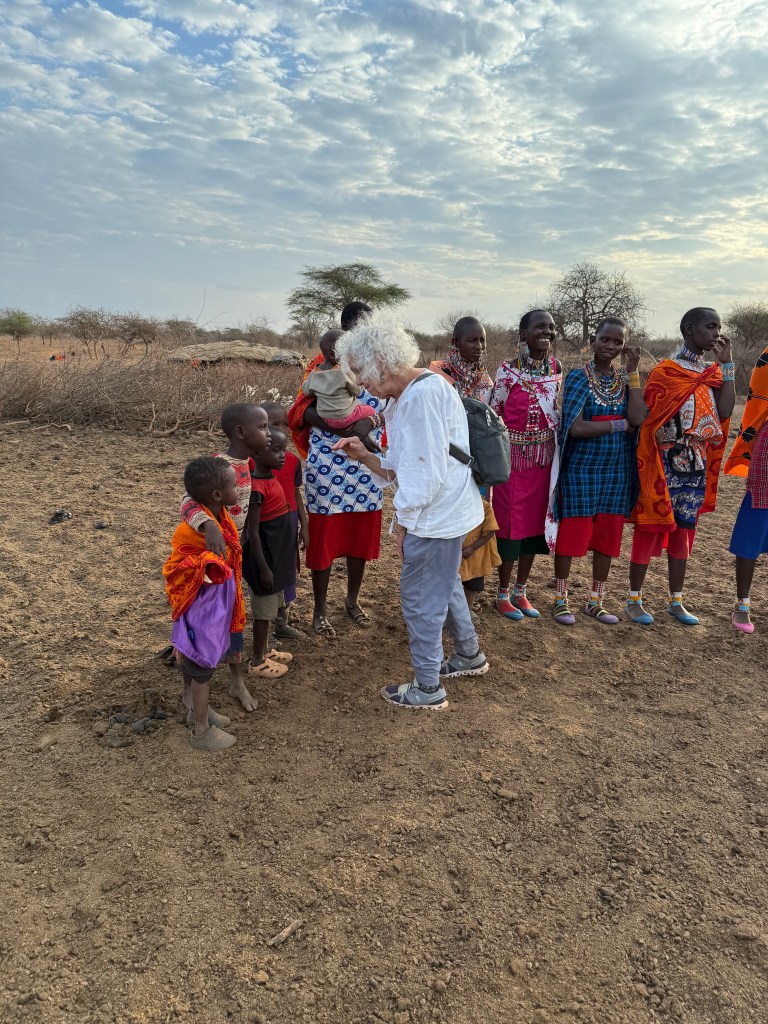
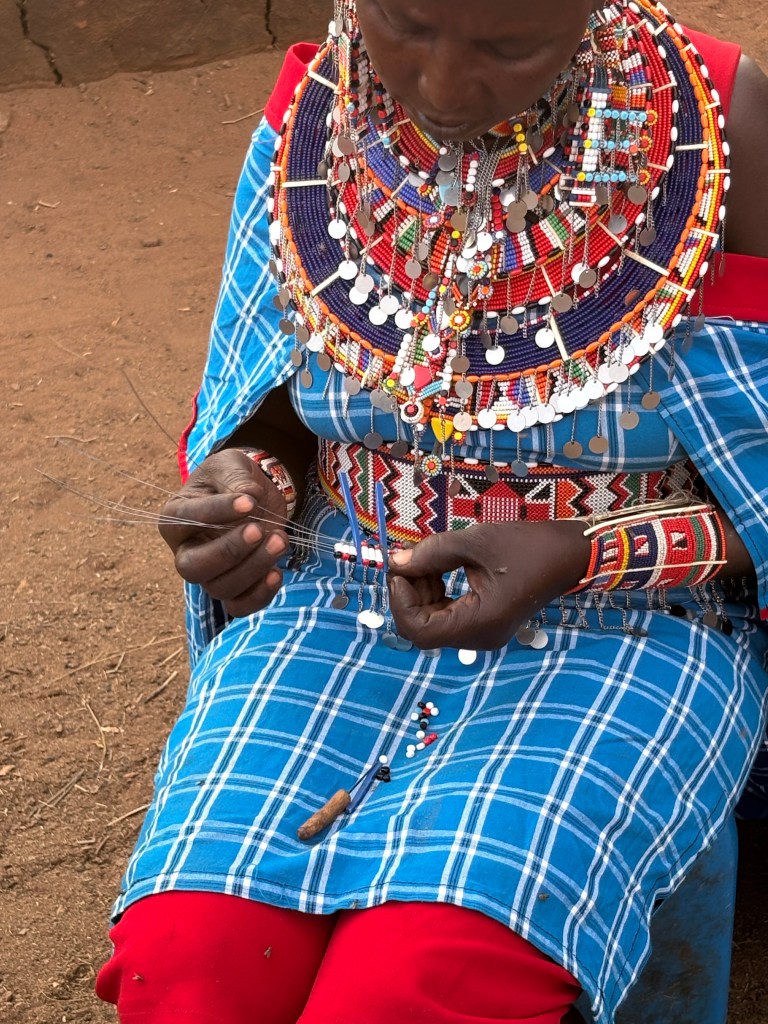
At our Amboseli camp, we had an excursion to one of the Maasai villages. We were met on the road before entering by a group of Maasai men, who introduced themselves and walked us into the village. We passed children playing, had their school pointed out, met women working on beading, and were given a tour of one of the huts which the women build from vegetation and cow dung. The men and boys tend to the livestock.

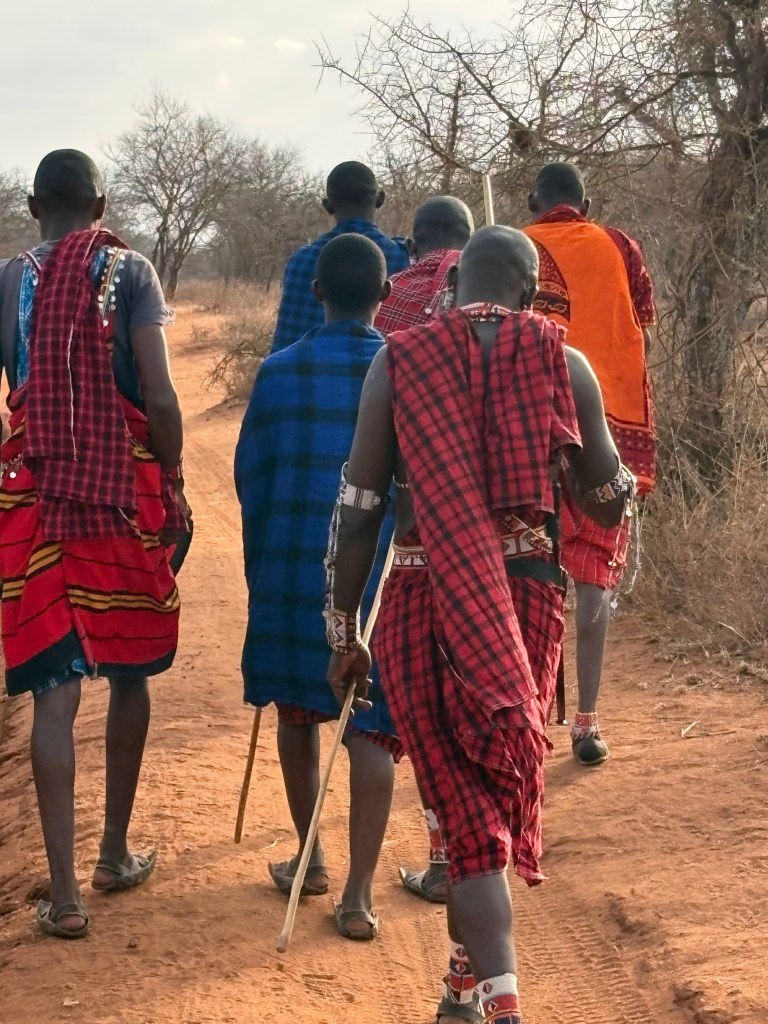
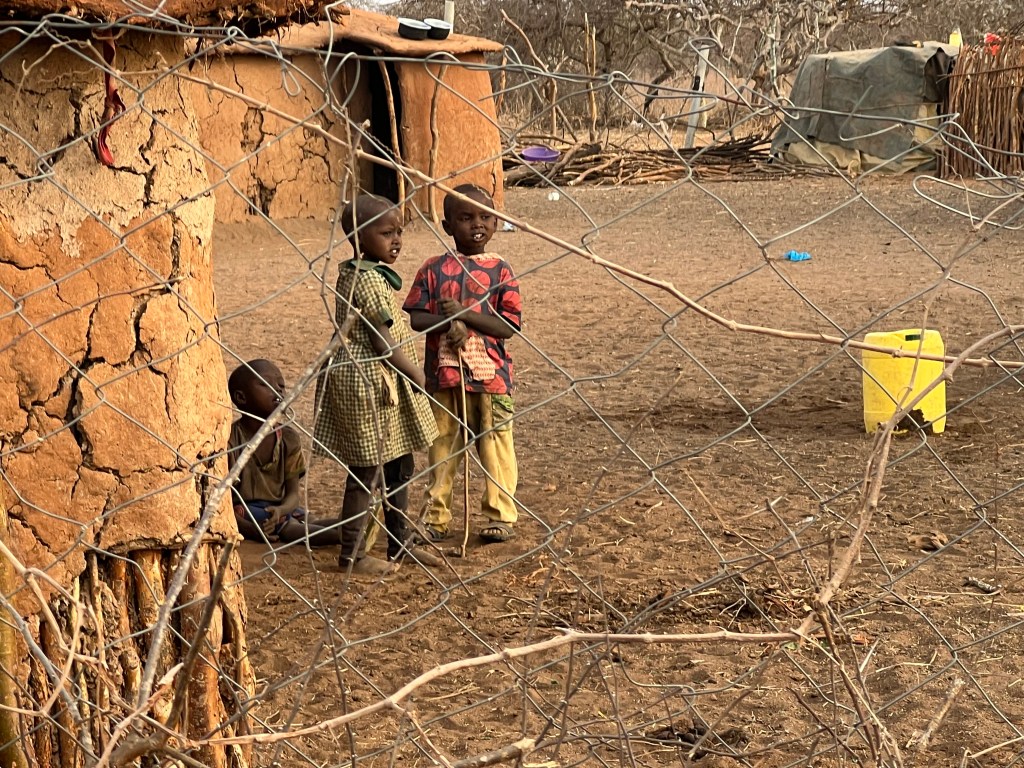

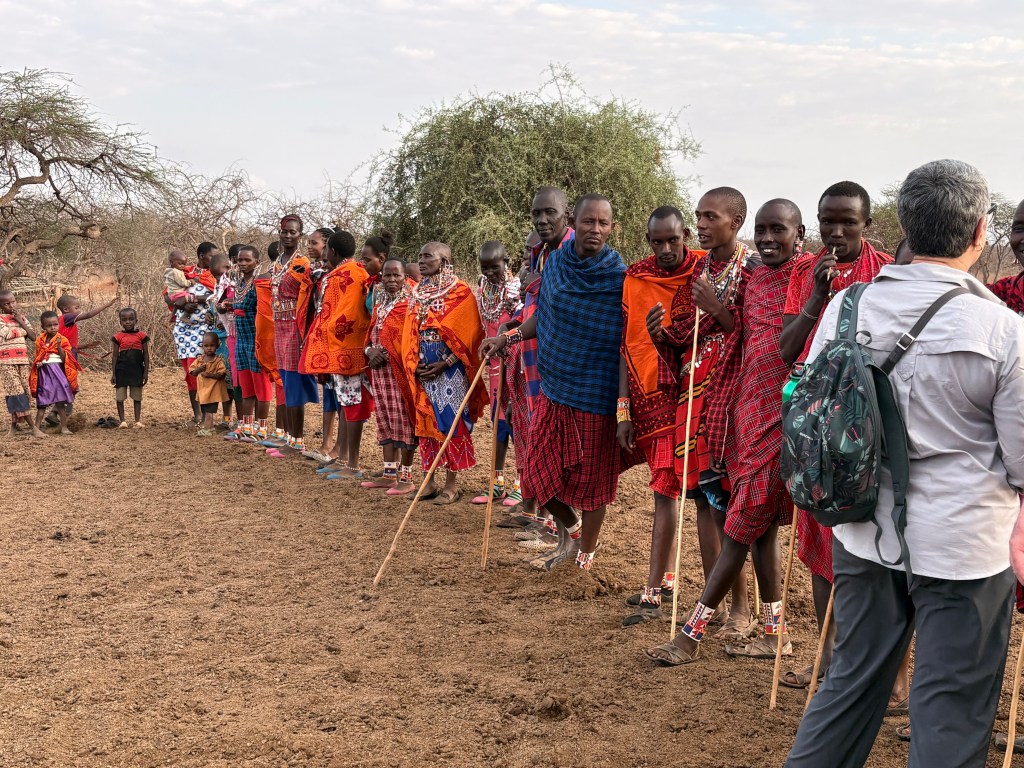
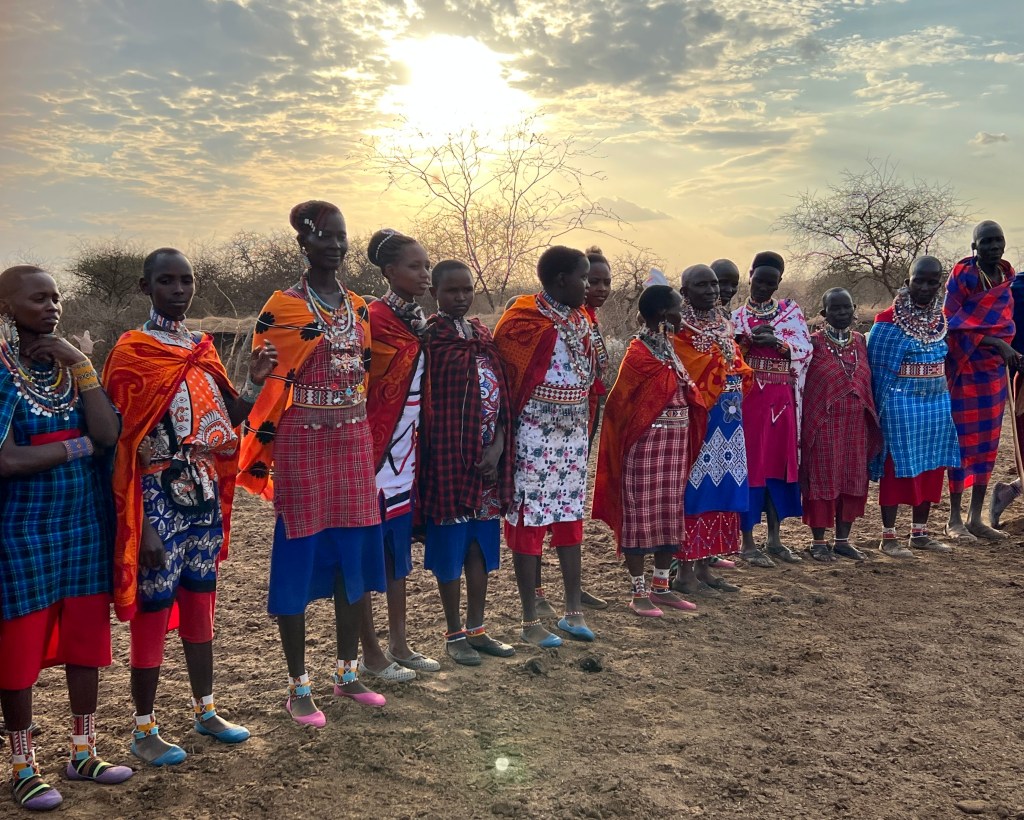
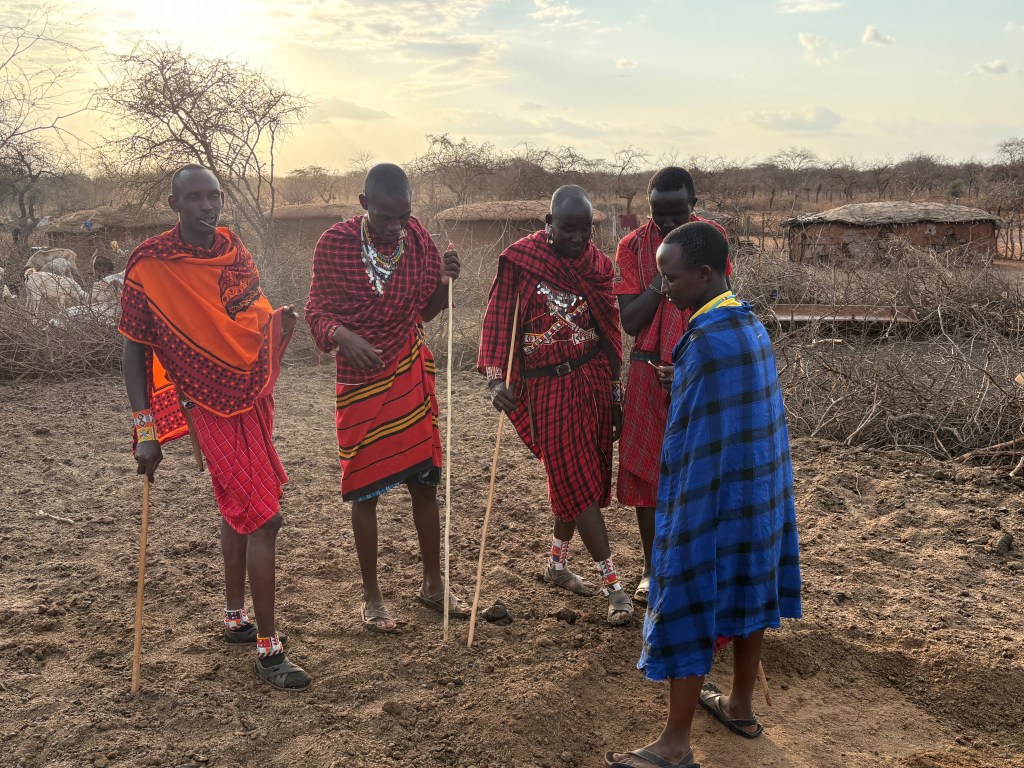
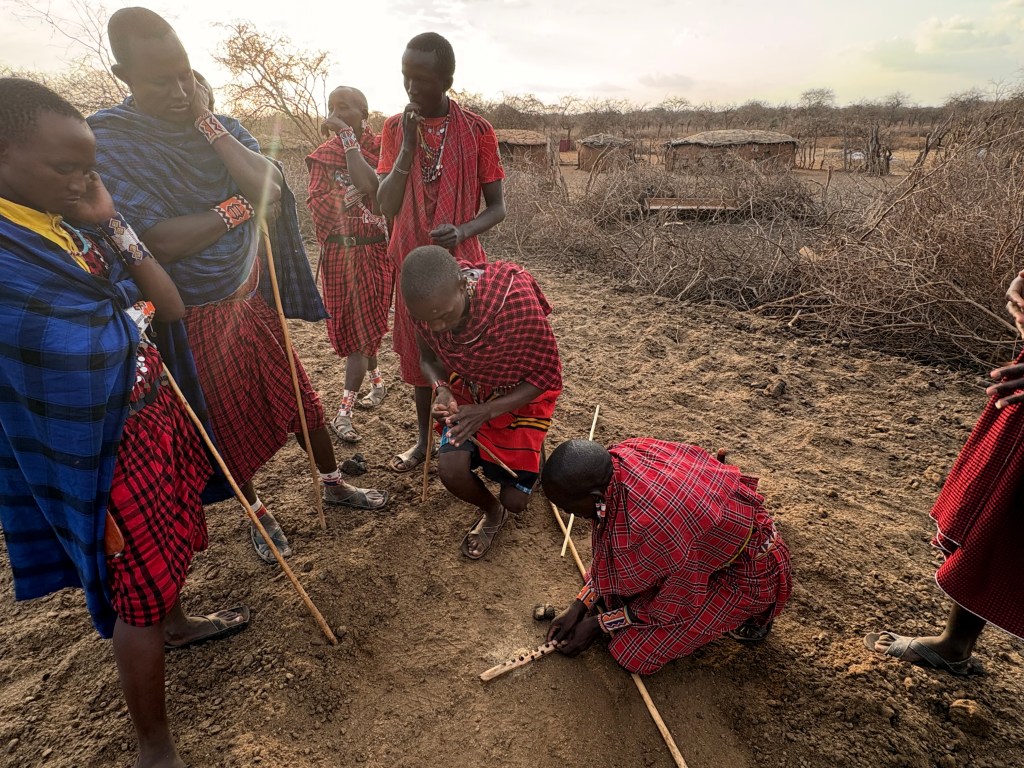
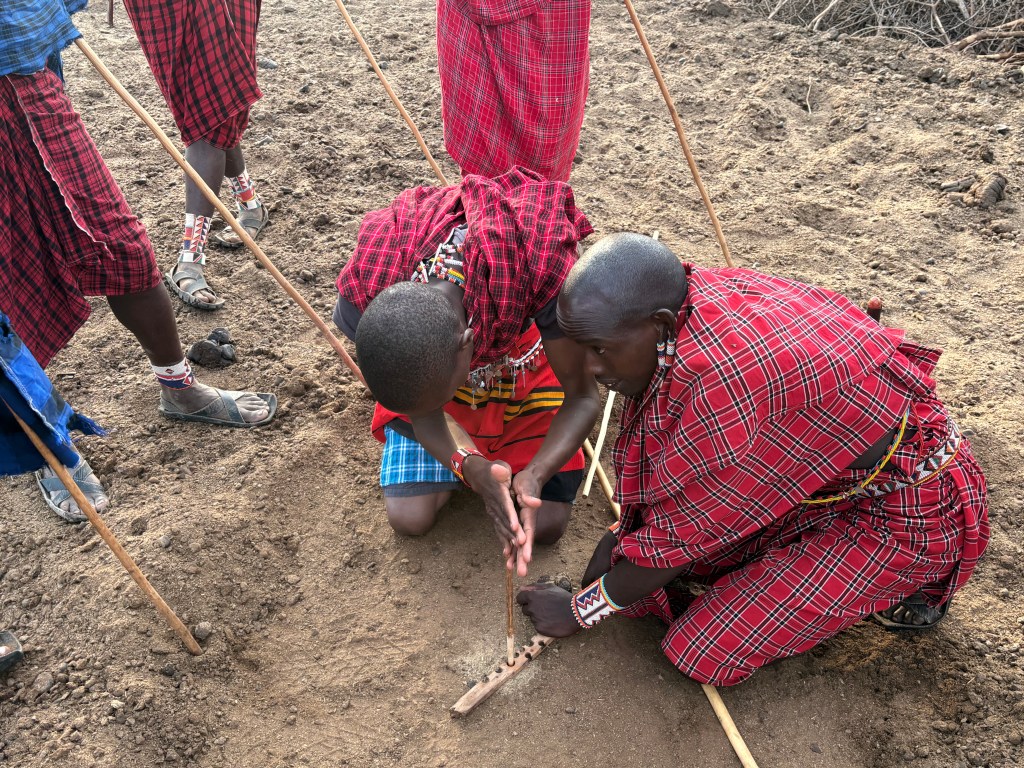
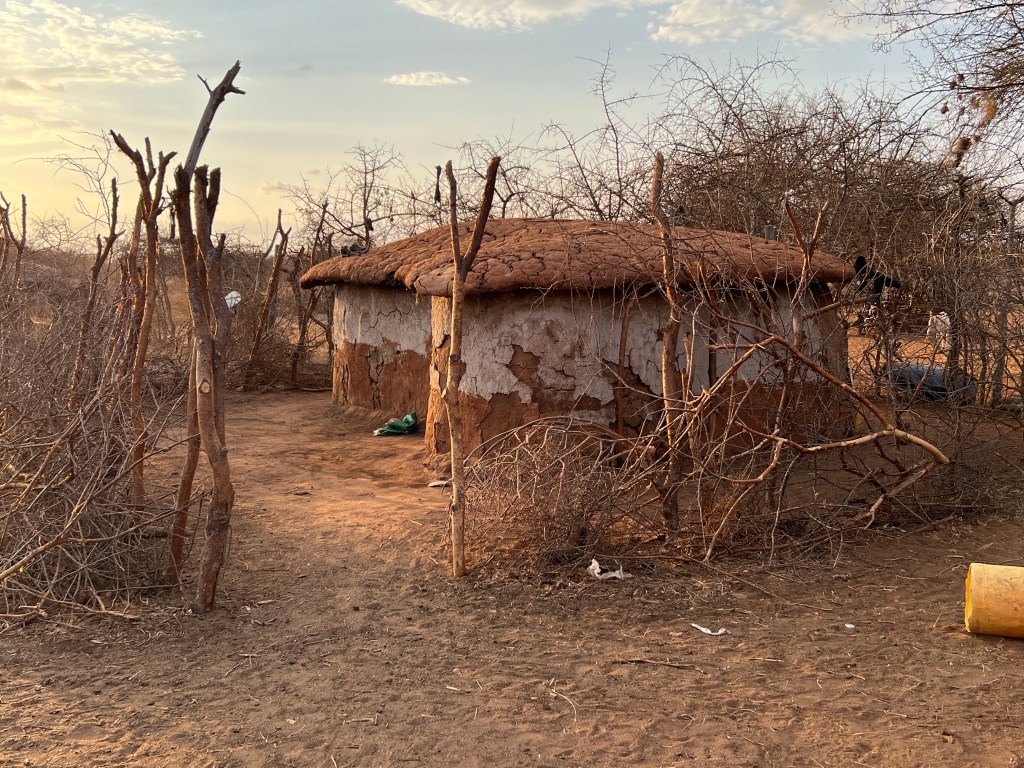
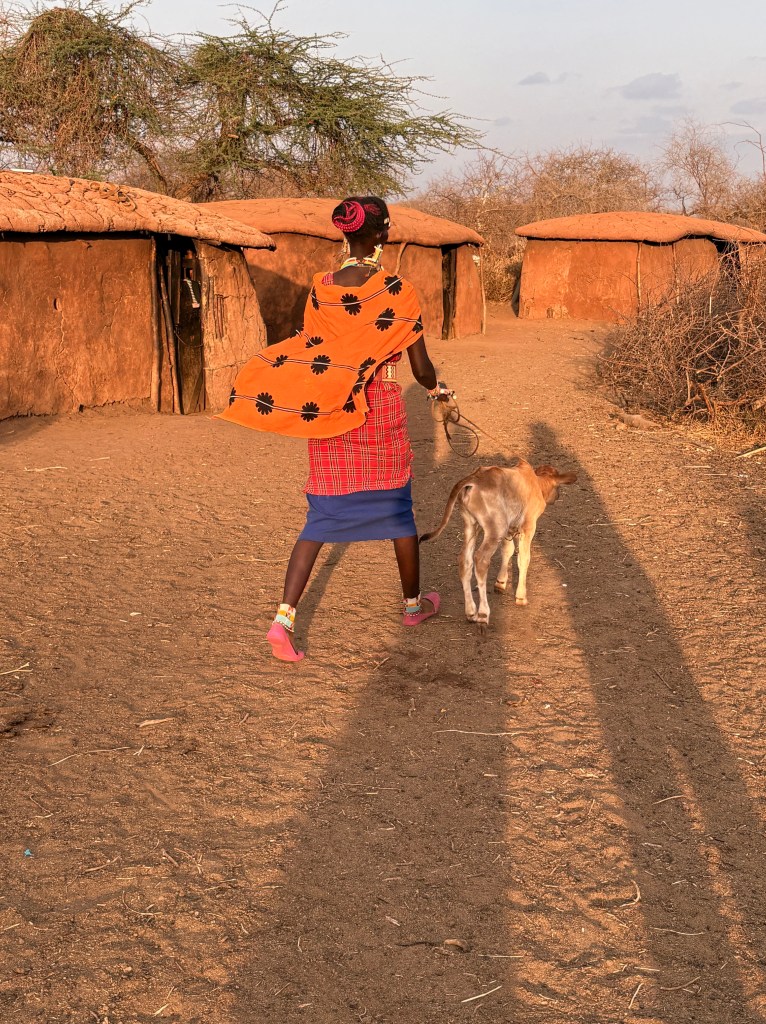
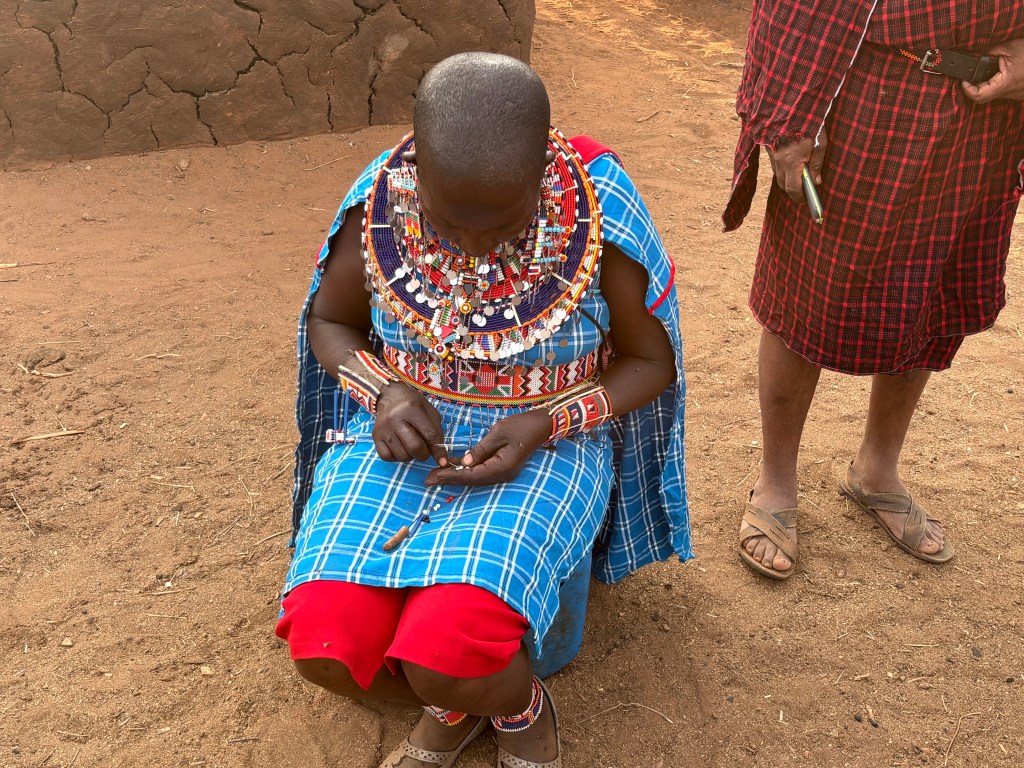


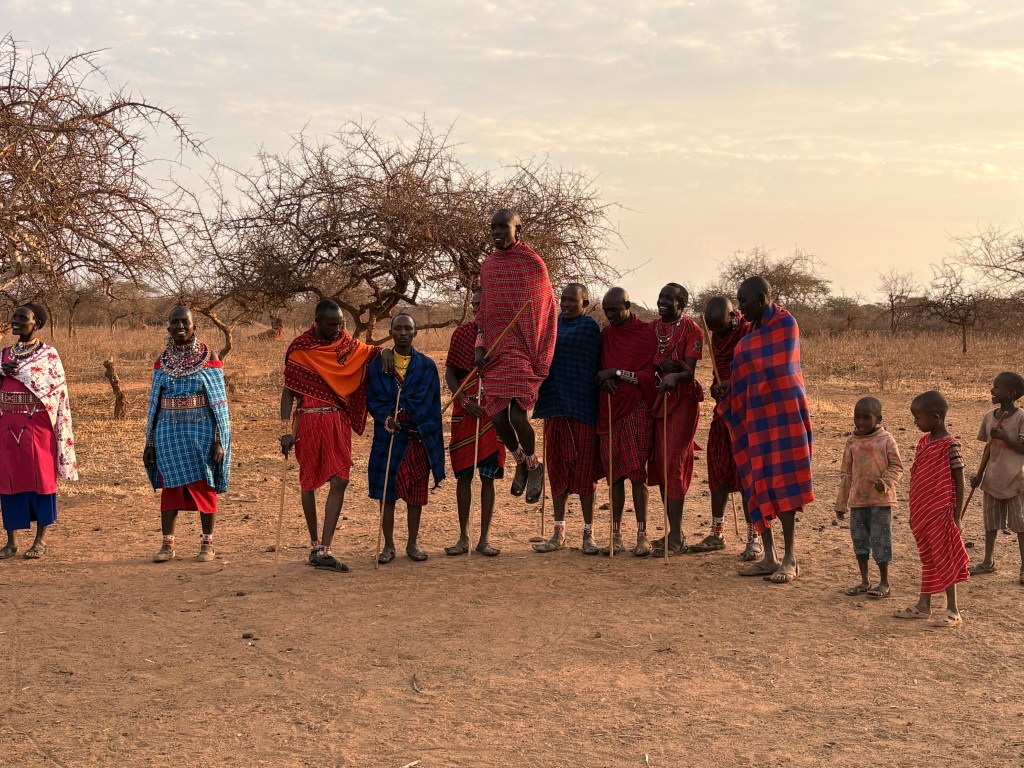
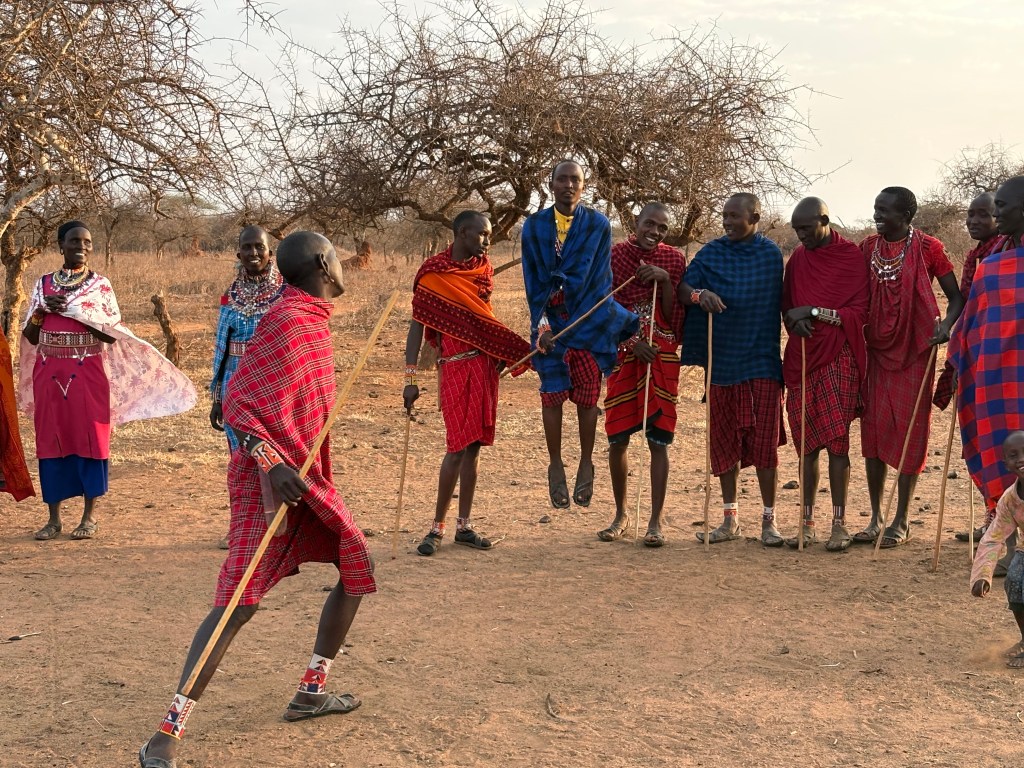
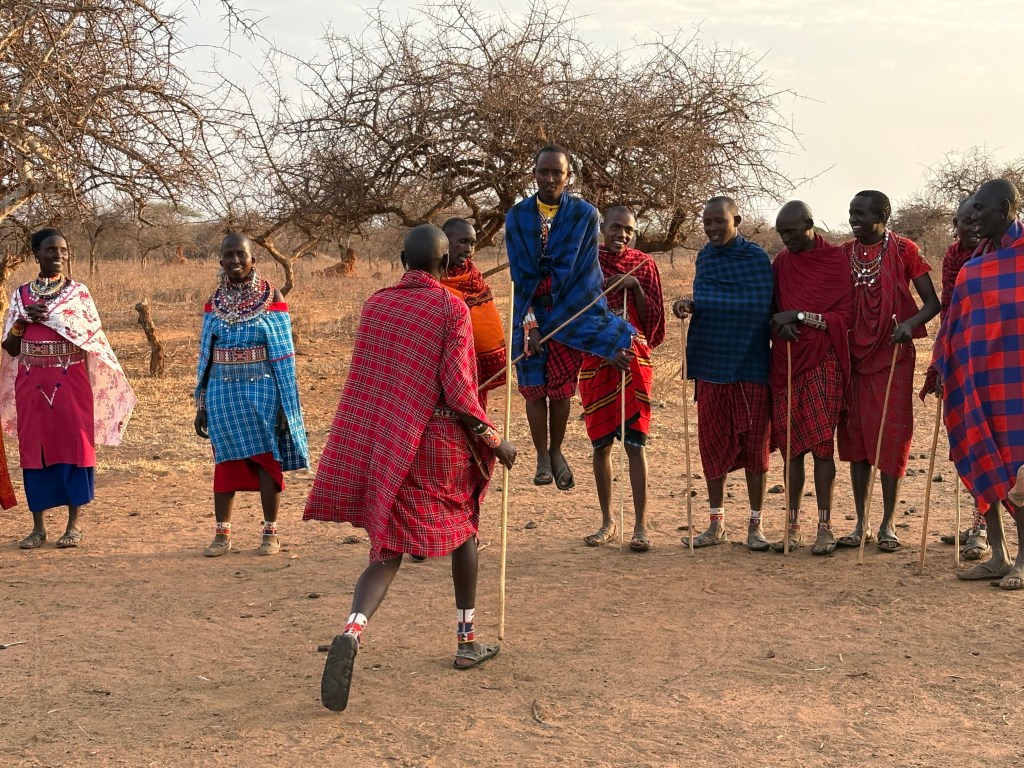
We were treated to the women singing while the boys held jumping contests. Status was gained by those who jumped the highest in competition to get the attention of the girls in the village. Those children who are chosen from the village to go to further schooling are selected based on their aptitudes.
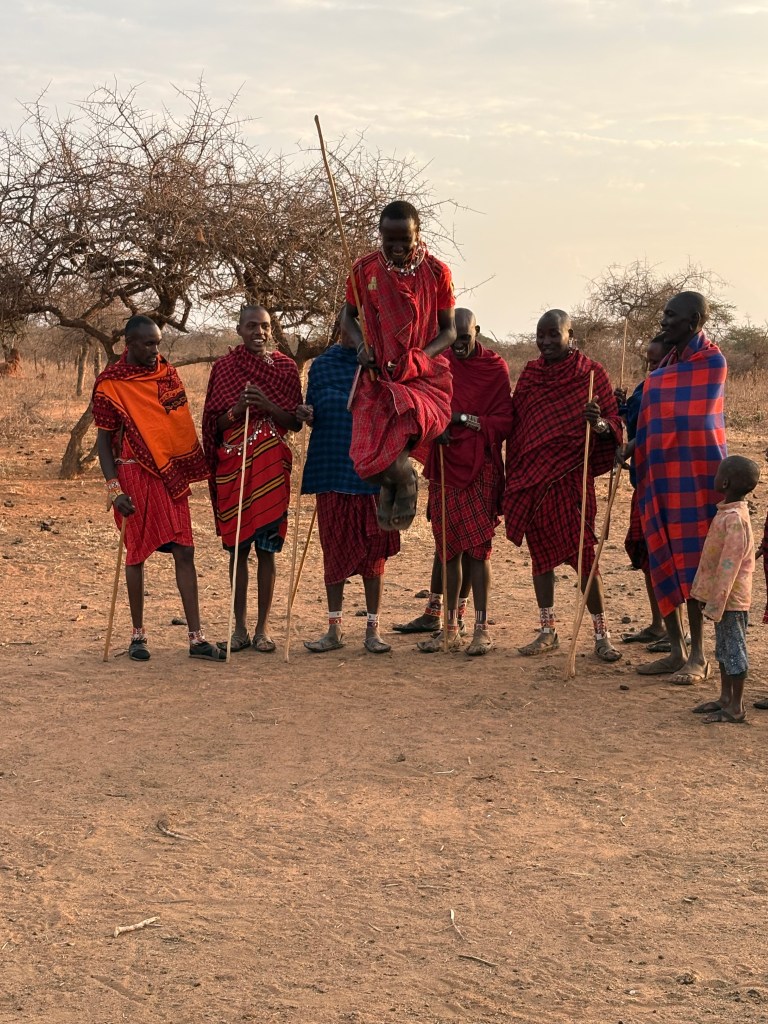
In an amazing story, Daniel told of how he came to be picked to go on with his education. He (at the age of 9) and another boy were watching their herd of livestock in the evening when a large animal loomed into view. Neither had ever seen an elephant before, and while the friend managed to run away in time, Daniel was snagged by the elephant’s tusk, which then proceeded to throw him high up in the tree. As he fell, the elephant stomped on him, then began to dig his grave, which is a curious behavior they do with the animals that they kill or for their own species that die. Daniel’s friend ran into the village to tell the elders of the ‘Big Mountain’ that had attacked them. Returning to the site, they heard Daniel calling out for help. The elephant was gone – Daniel’s legs were broken, along with several ribs. He was taken to two villages before being airlifted to a Nairobi hospital, where he spent the next year in surgeries and healing. There were many plates that had to be screwed into his legs and rehabilitation to walk again. Then, back in the village, he was elected to go on to University. Before leaving, his mother and a guide took him back to the site of the attack. The elephant was actually there, and the guide encouraged him to get out and greet him, but his mother begged him not to leave the jeep, so he chose to stay. But the elephant approached them and laid its trunk on the boy’s head. It was his recognition and his way of apologizing, before he left to return to the wild. The most incredible story we heard during our travels there.
We traveled in a variety of prop planes —single-, double-, and four-engine —and were able to see the landscape pretty clearly, if not in the clouds, along with some larger animals. We would jeep to an airstrip, take a prop plane to another airstrip, jeep to the next camp, or to the Wilson airport to switch to another plane before heading to another remote airstrip and jeep to the next camp.
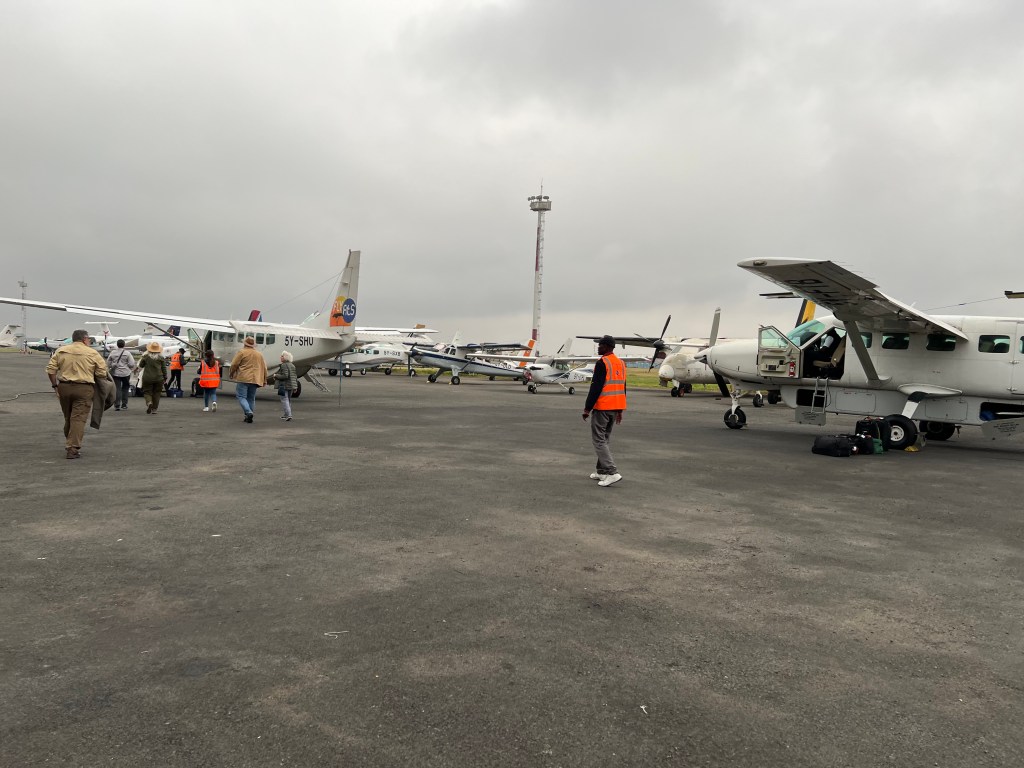
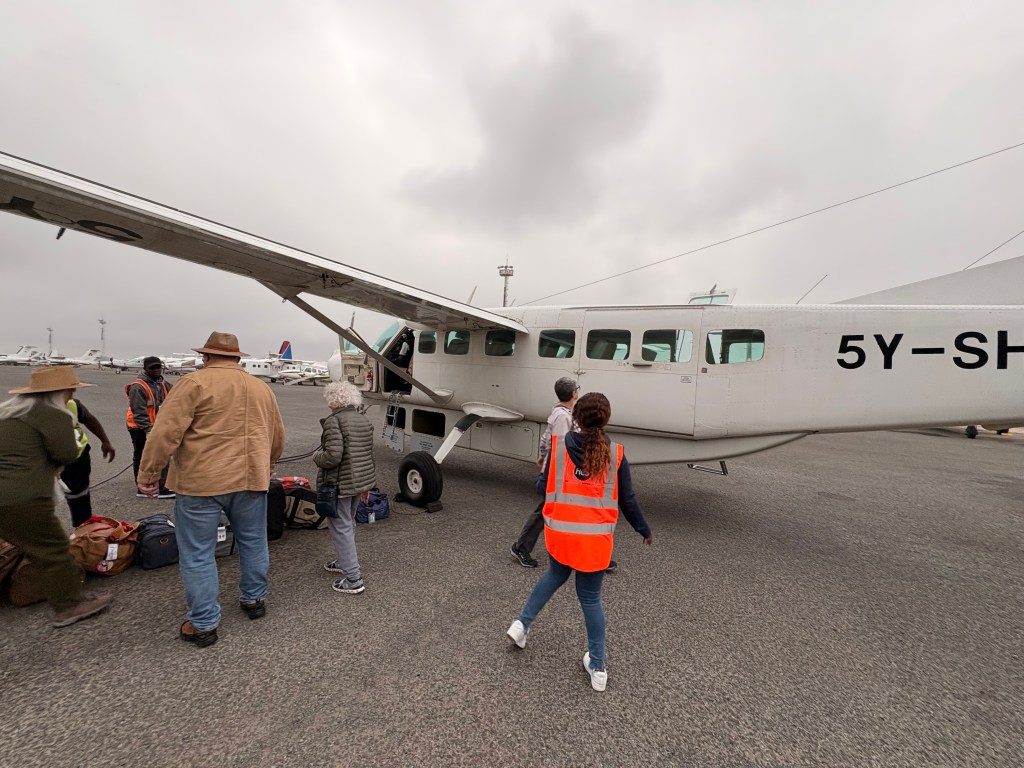
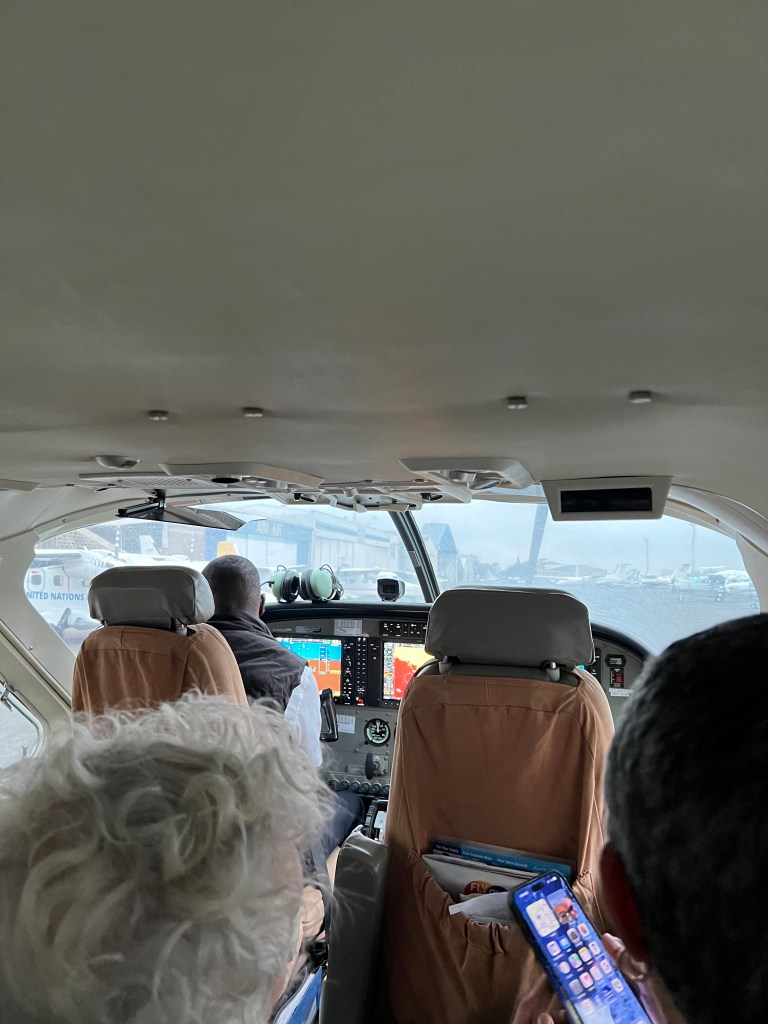
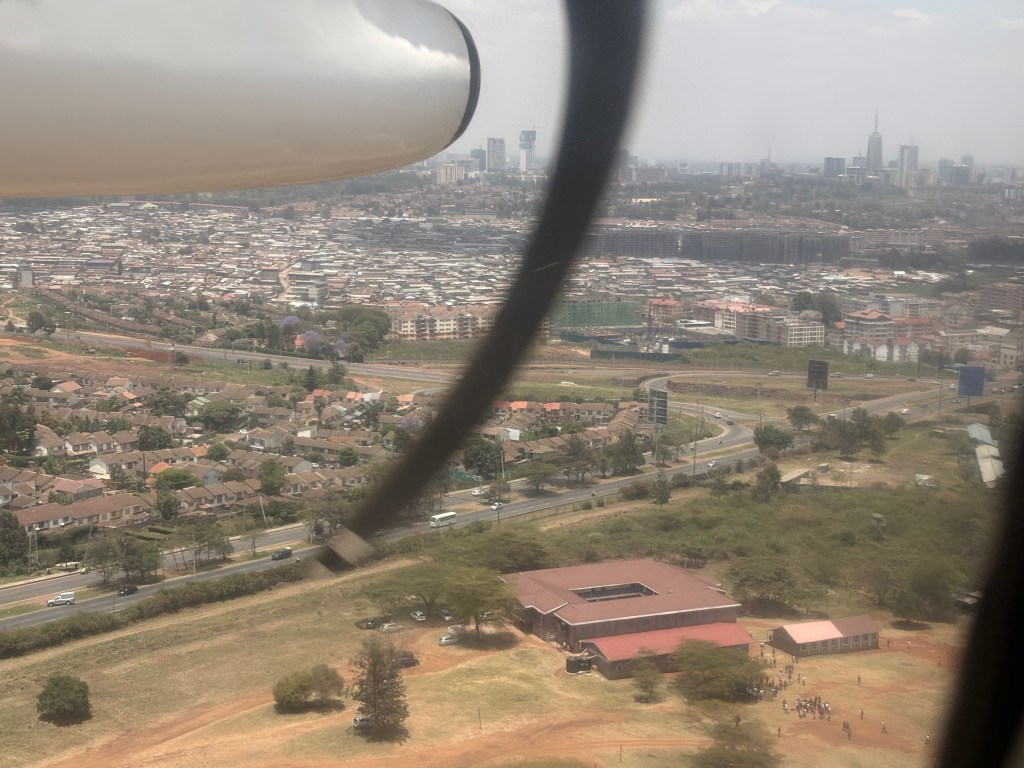
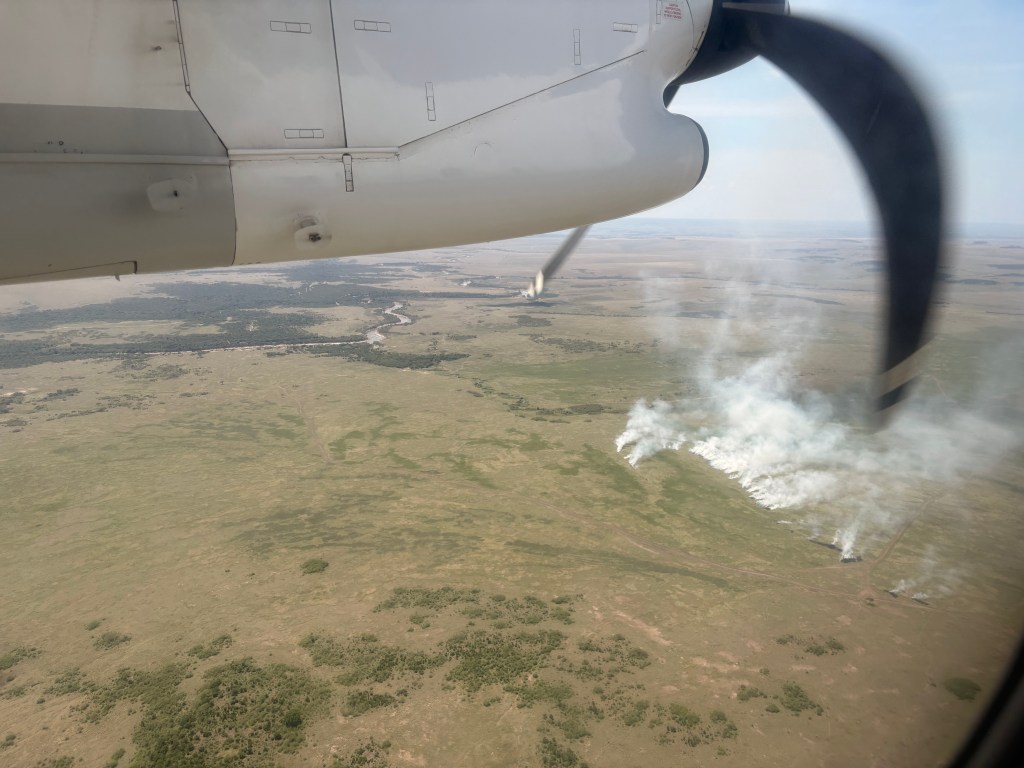
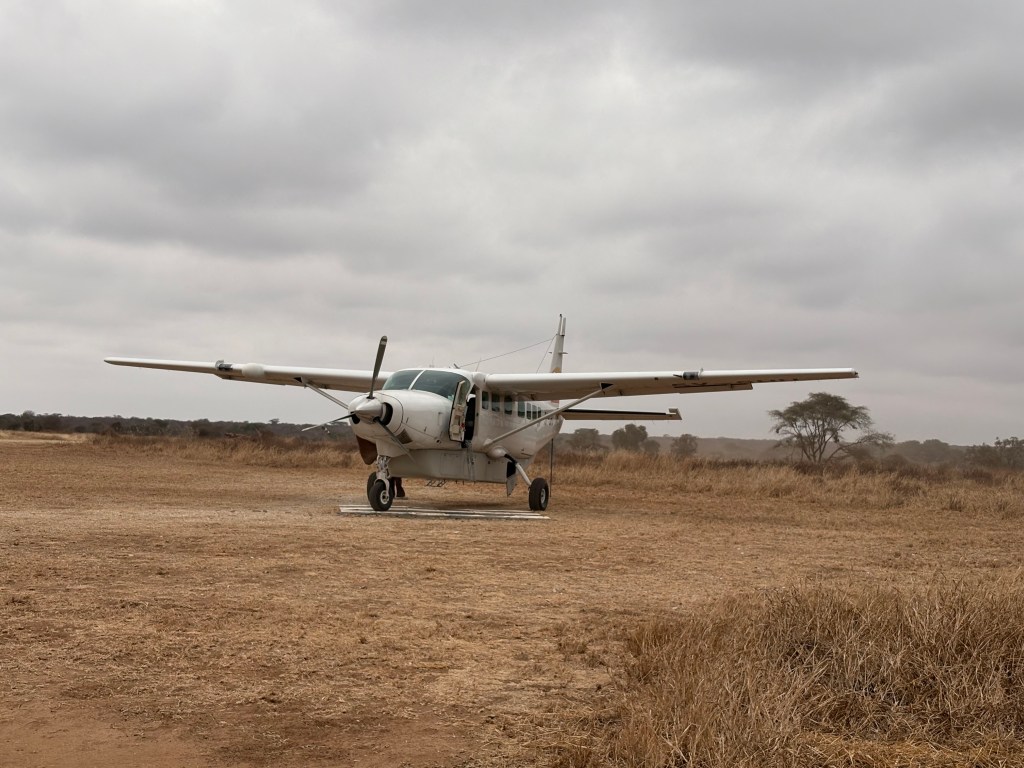
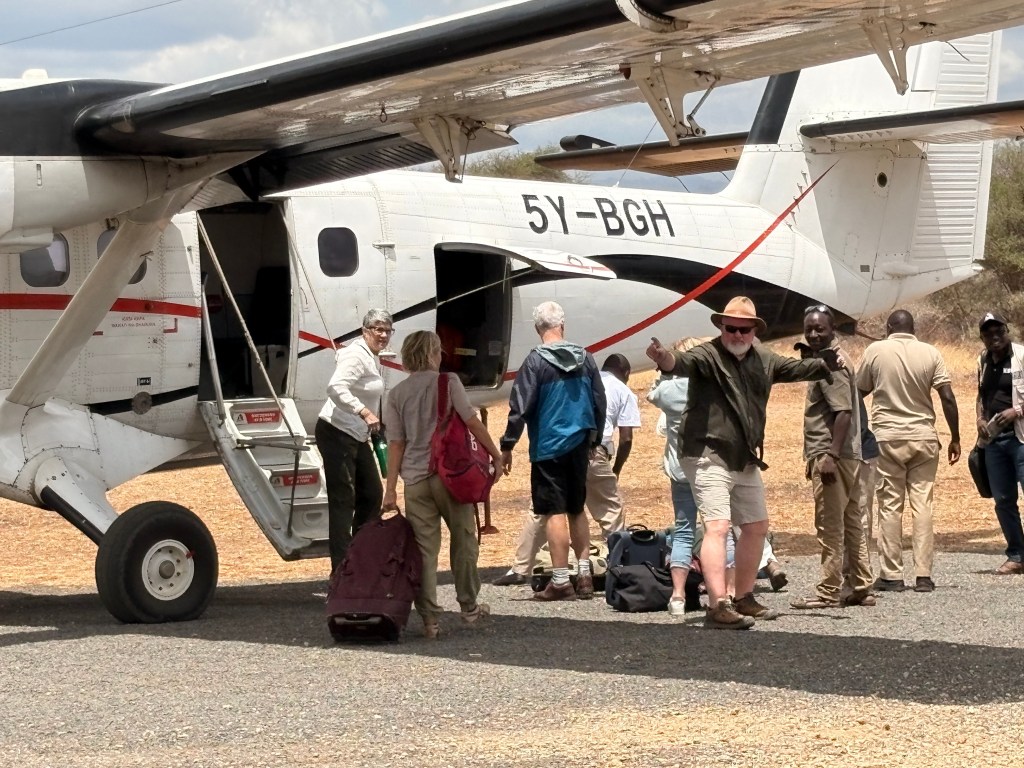
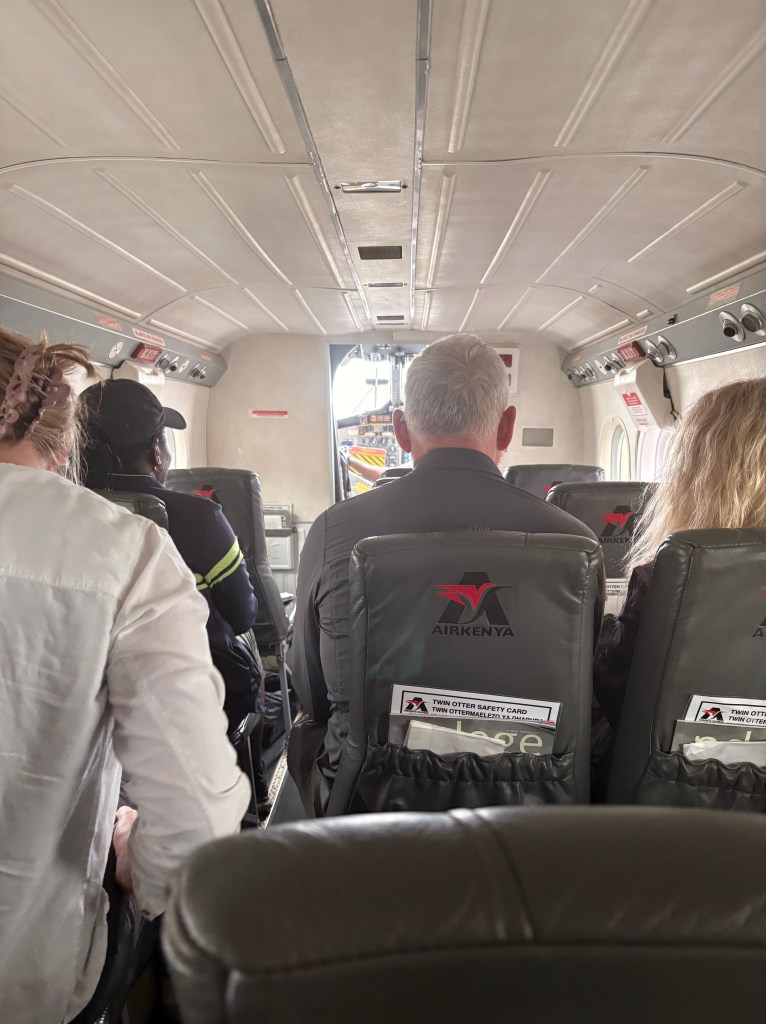
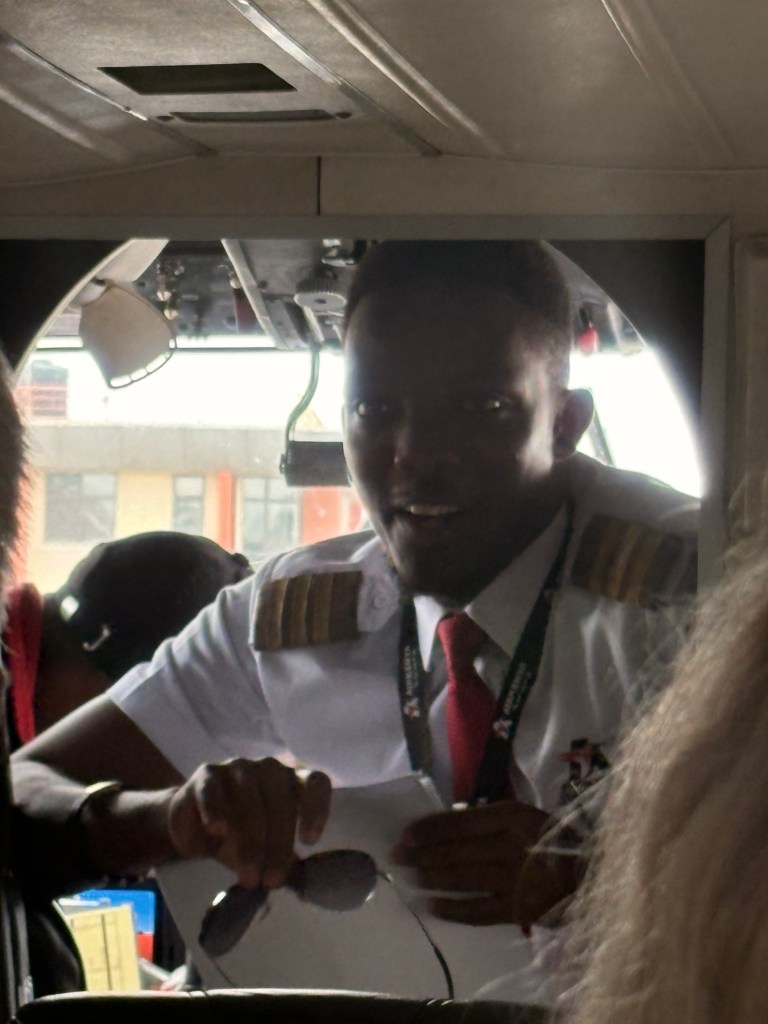
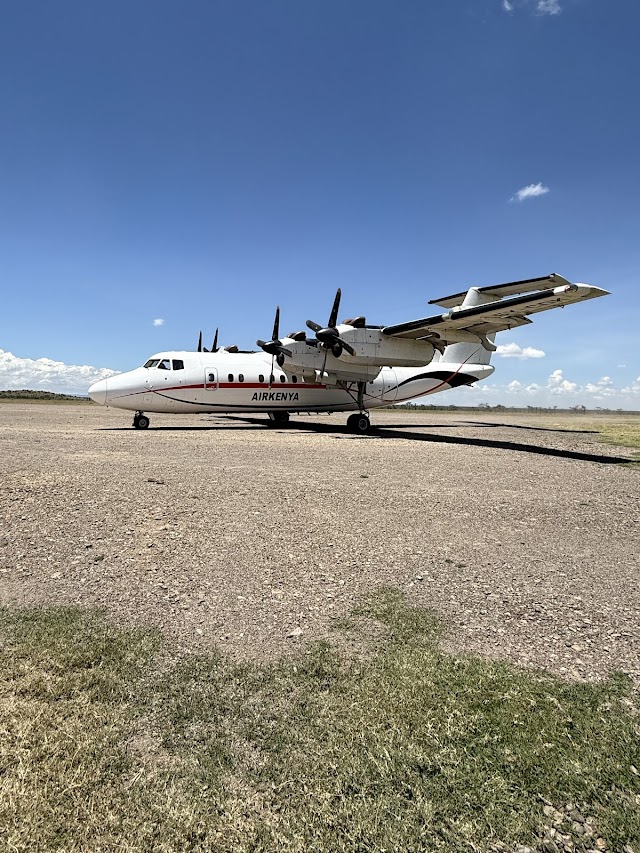
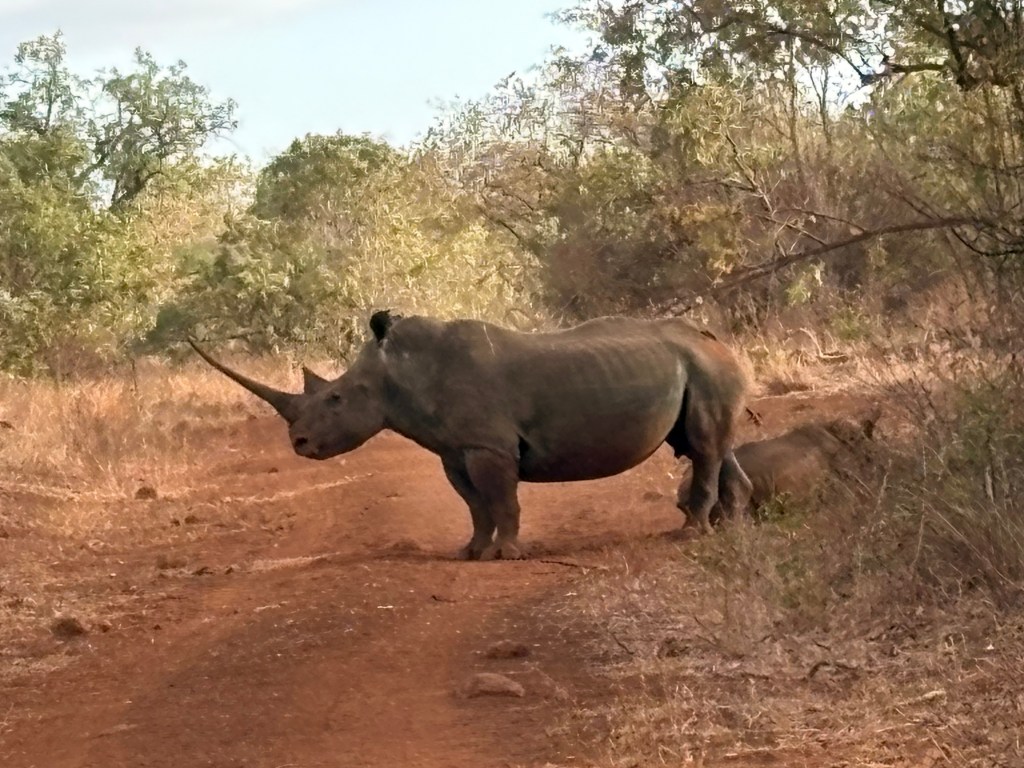
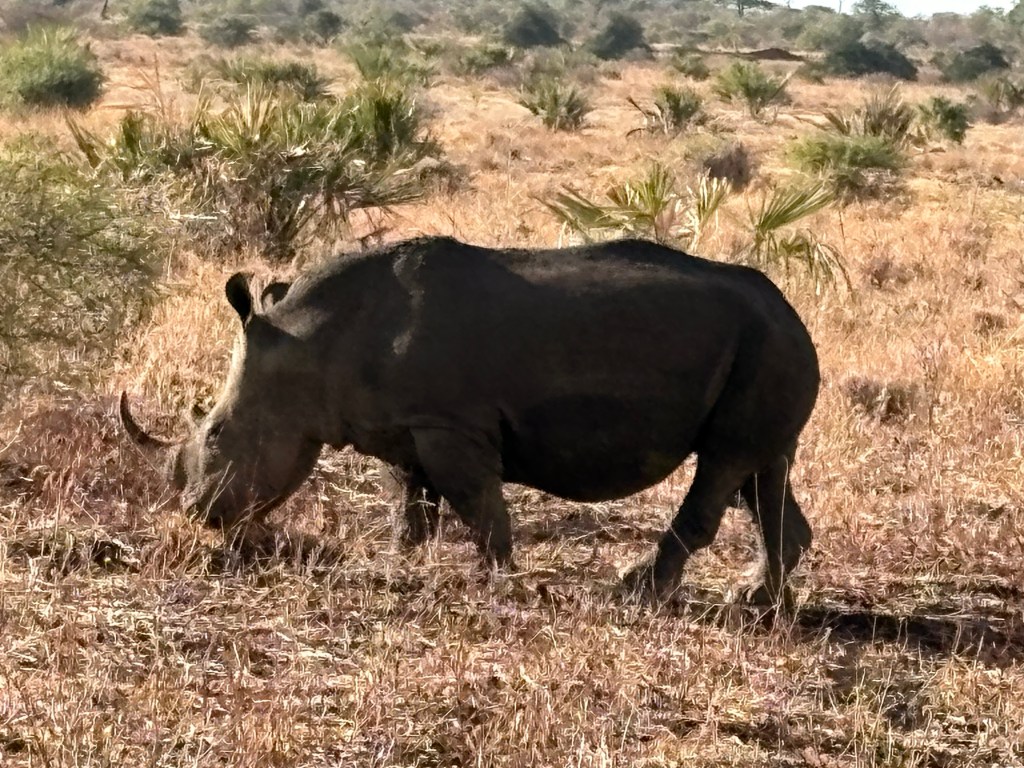
Our next camp was the Rhino River camp, situated in 60 acres of privately-owned wilderness right on the edge of the Meru National Park. Meru National Park is one of the most popular in Kenya due to its diverse scenery, less regularly-sighted animals, and its many rivers. The Park is next to the Rhino Sanctuary, one of the few places you can still see these incredible animals.




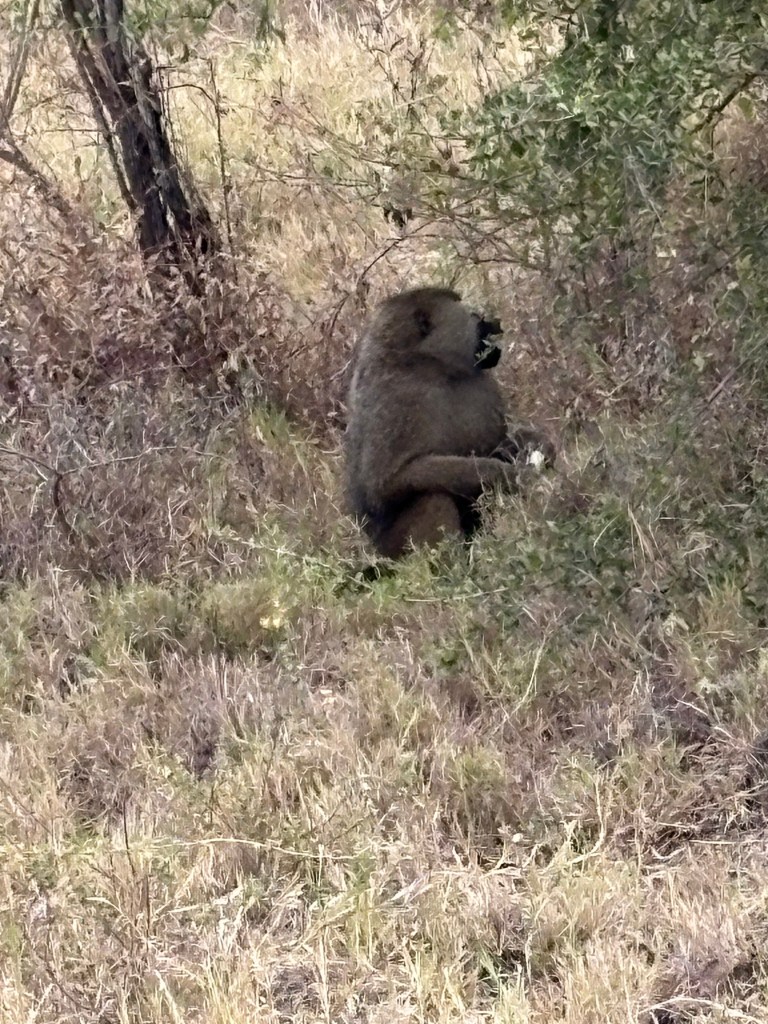
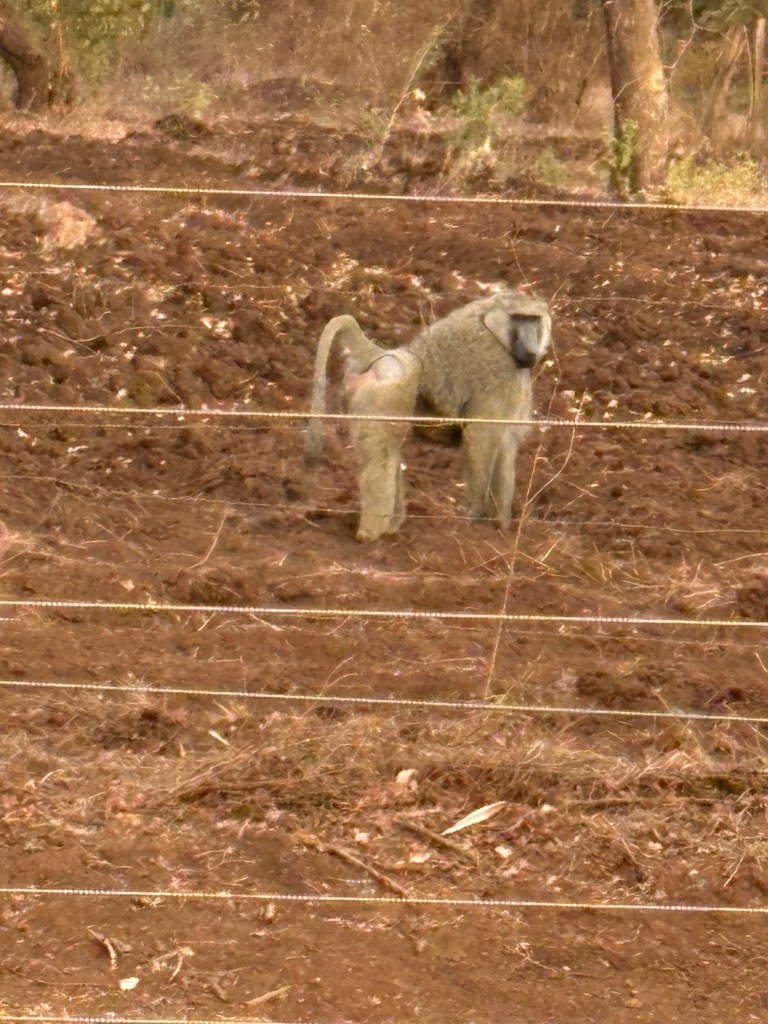
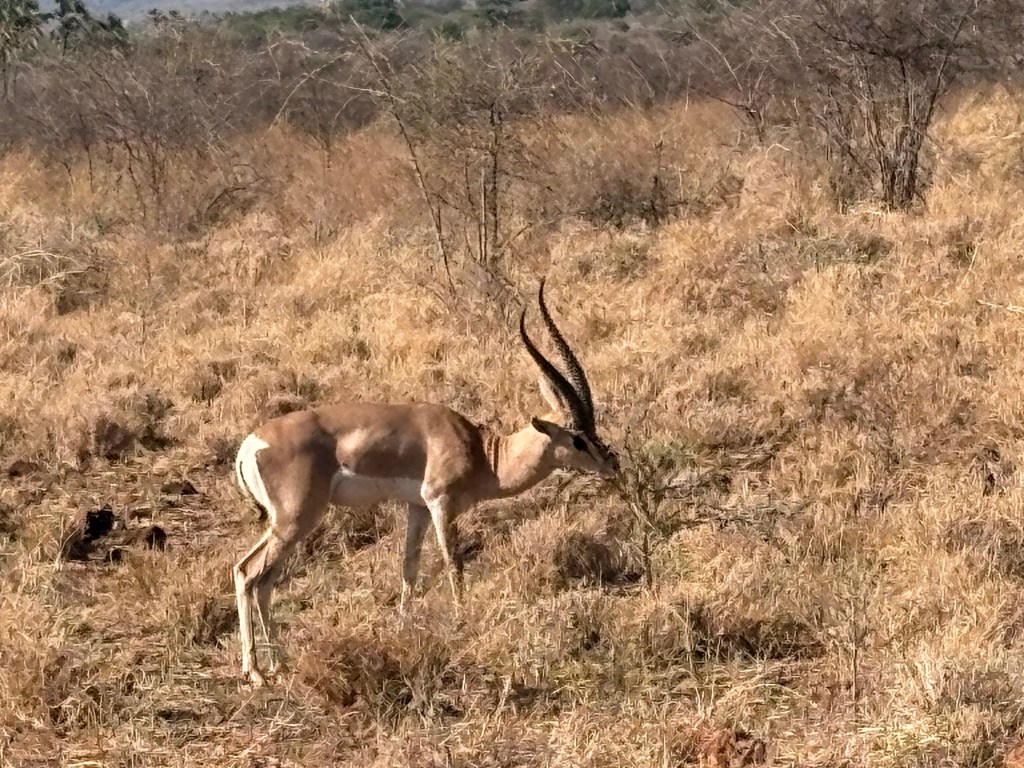
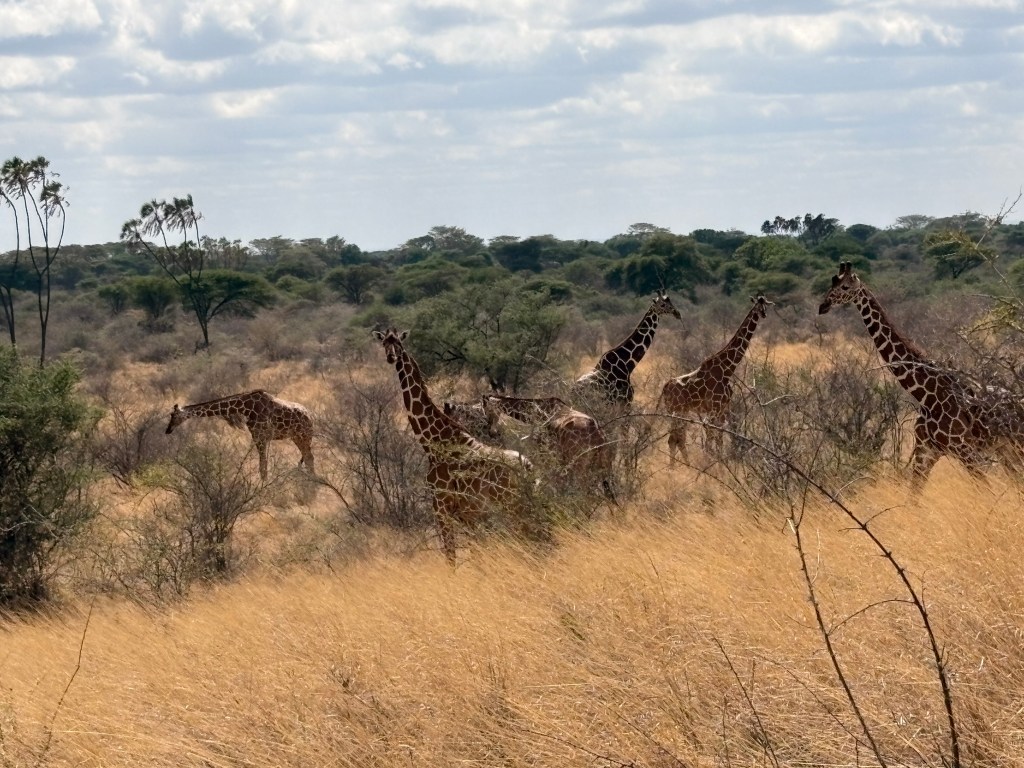
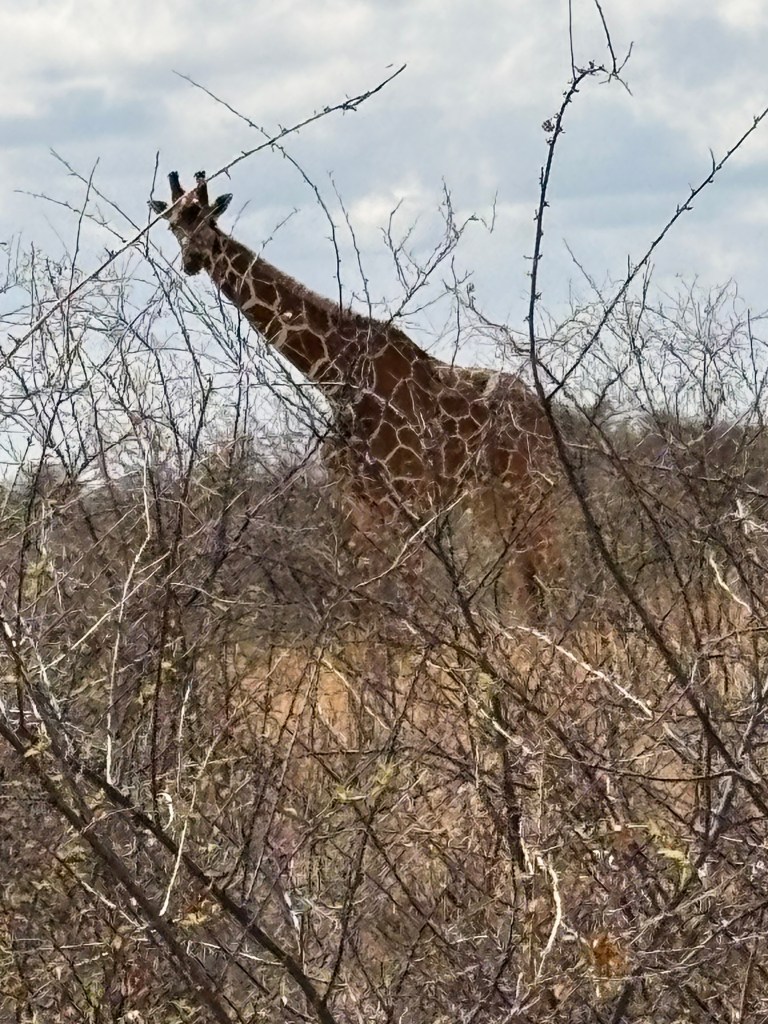
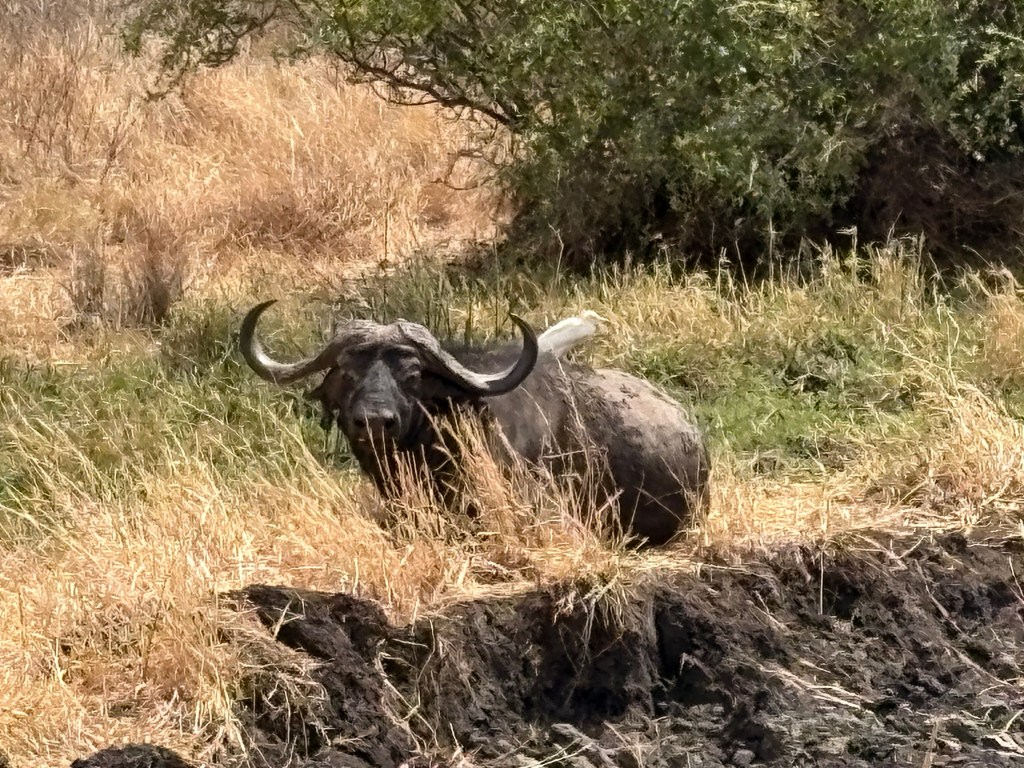



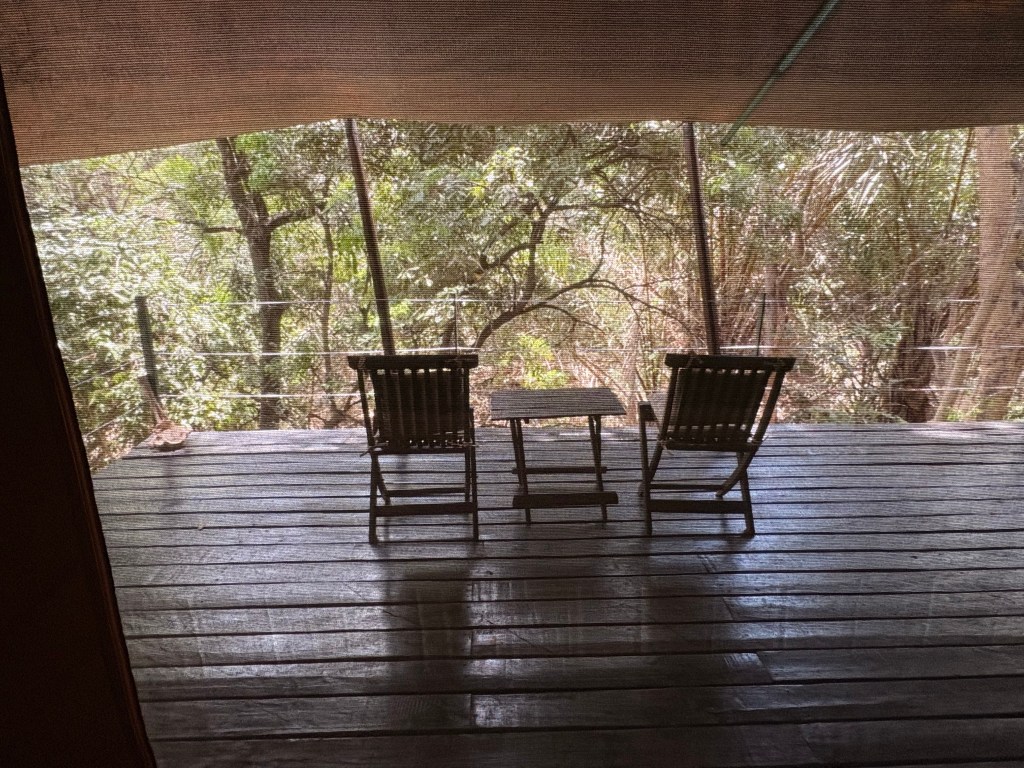
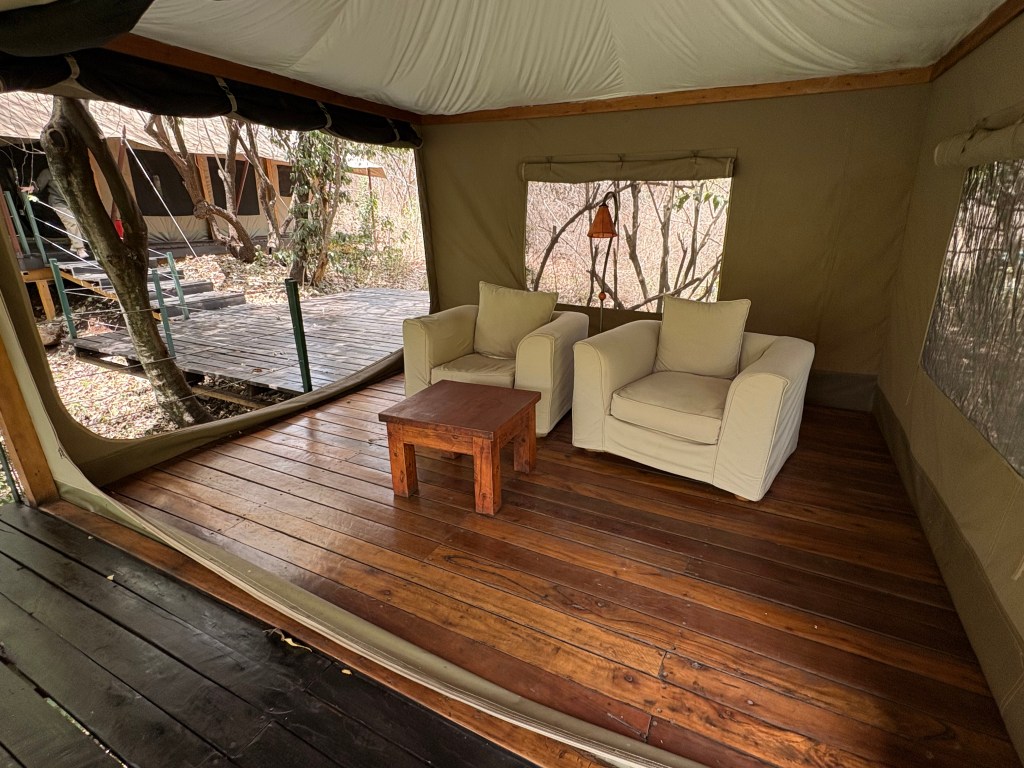
Of all four, this Rhino River Camp was the most luxurious camp. All camps but this one were built by Porini, working with the cooperation of the Maasai people. This camp was built by two Italian brothers and bought by Porini in 2019. The canvas tents were similar but had striking differences. There was running water, which included showers. The flooring was not tarp, but wood. Our tent had an adjacent tent with two easy chairs, a lamp, and a table. Both tents overlooked a steady stream, where you could even see the fish. I loved this camp for its setting alone. It was so tranquil that I chose to take only one jeep drive a day and, after showering, would sit in the adjacent tent, reading while sipping wine. They had a masseuse on staff (I absolutely took advantage of), a delightful young woman named Carolyn, who gave me a heavenly massage.





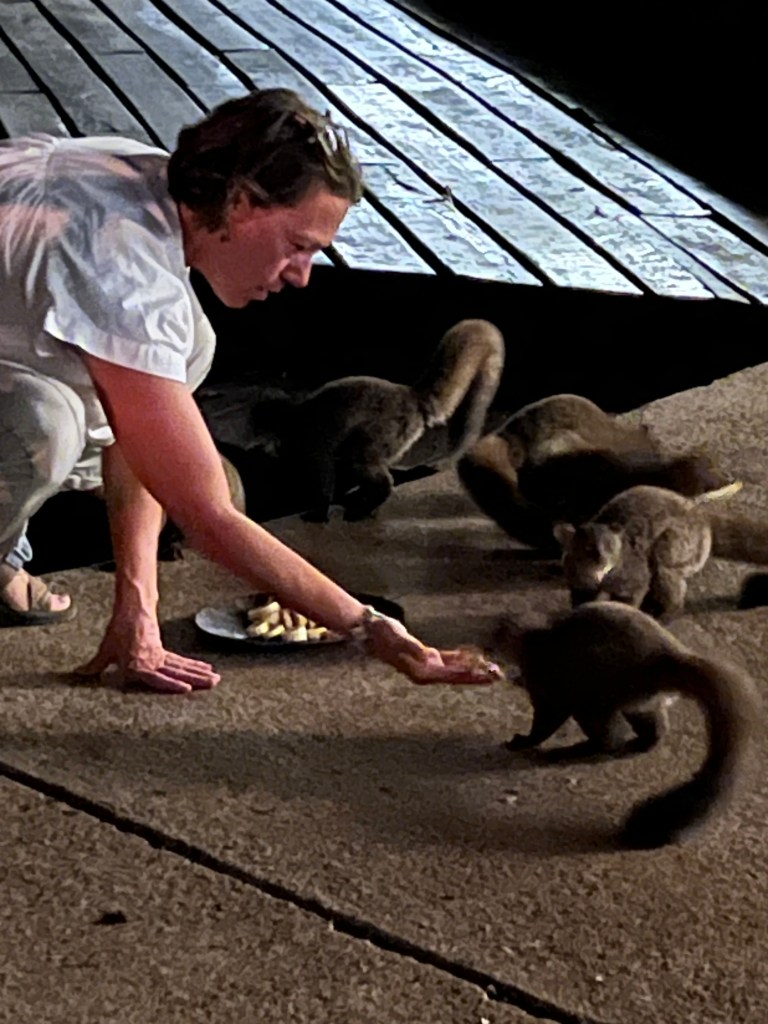
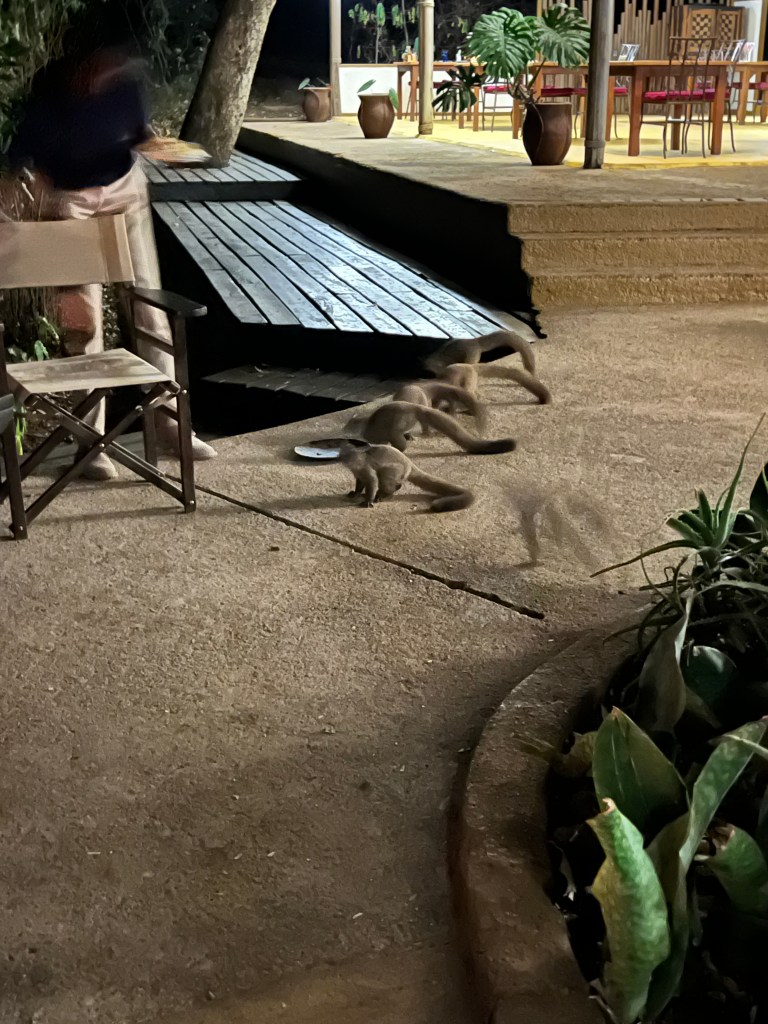
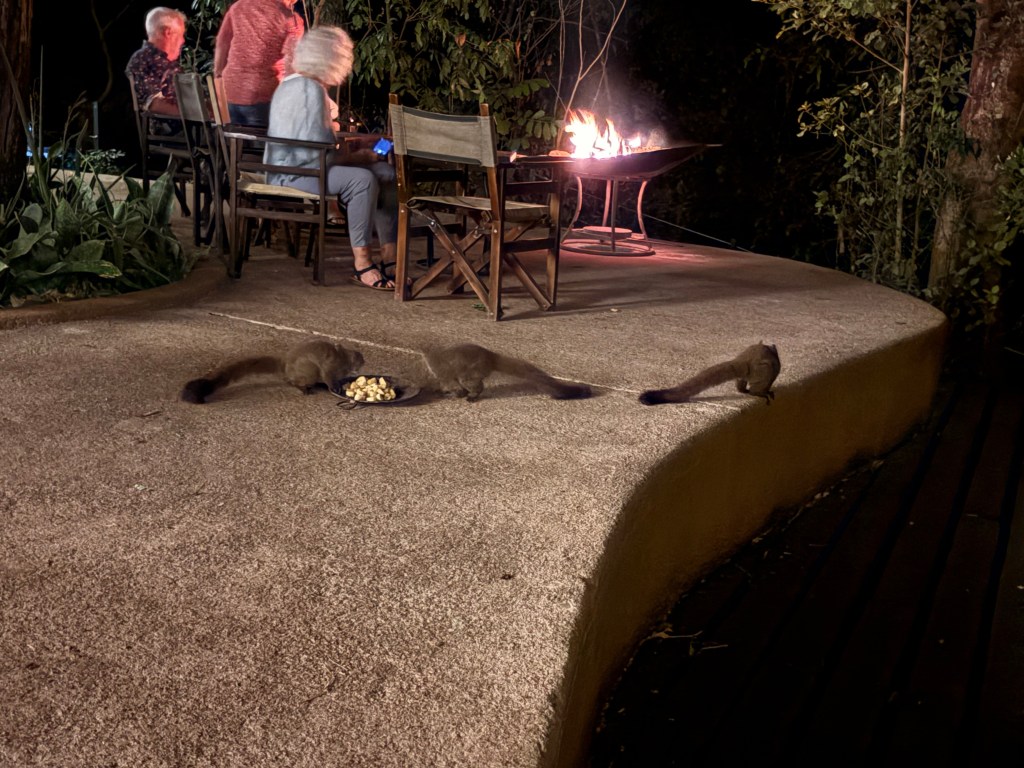
In the evenings, promptly at 7pm, the staff would put out a plate of sliced bananas, and a group of Galagos, or Bush Babies as they were called, would partake. These primates were about the size of a house cat, with a bushy tail, and guests could feed them by hand if they wanted. The staff feeds them even in the off-season, since they have grown accustomed to the treats.

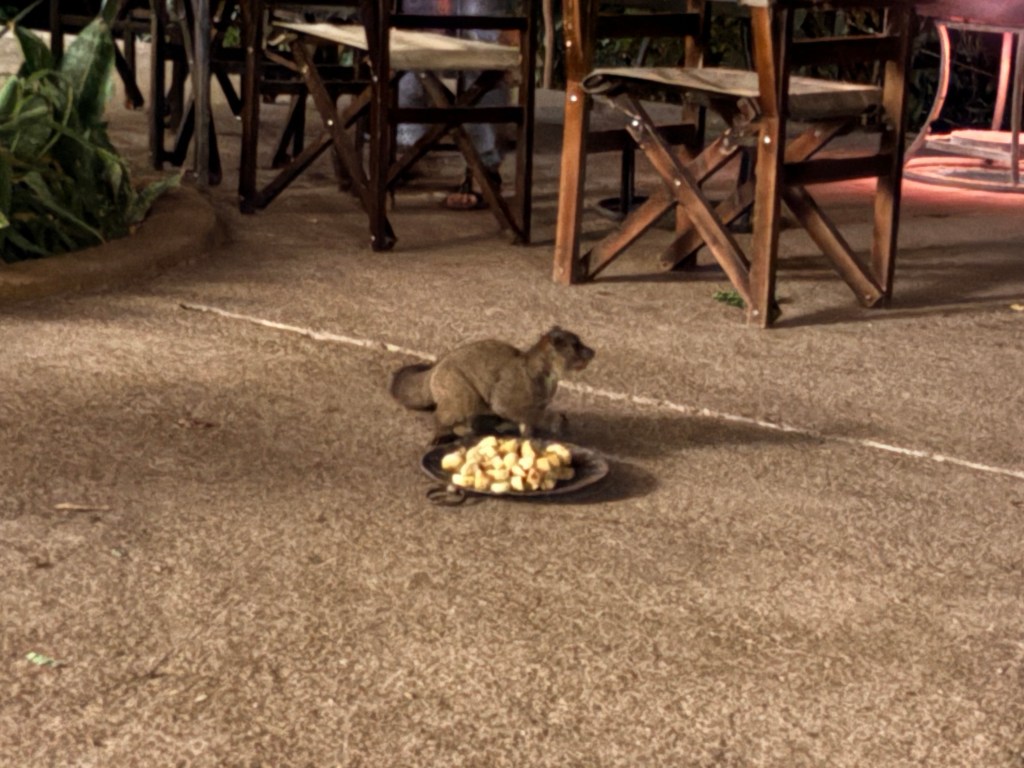
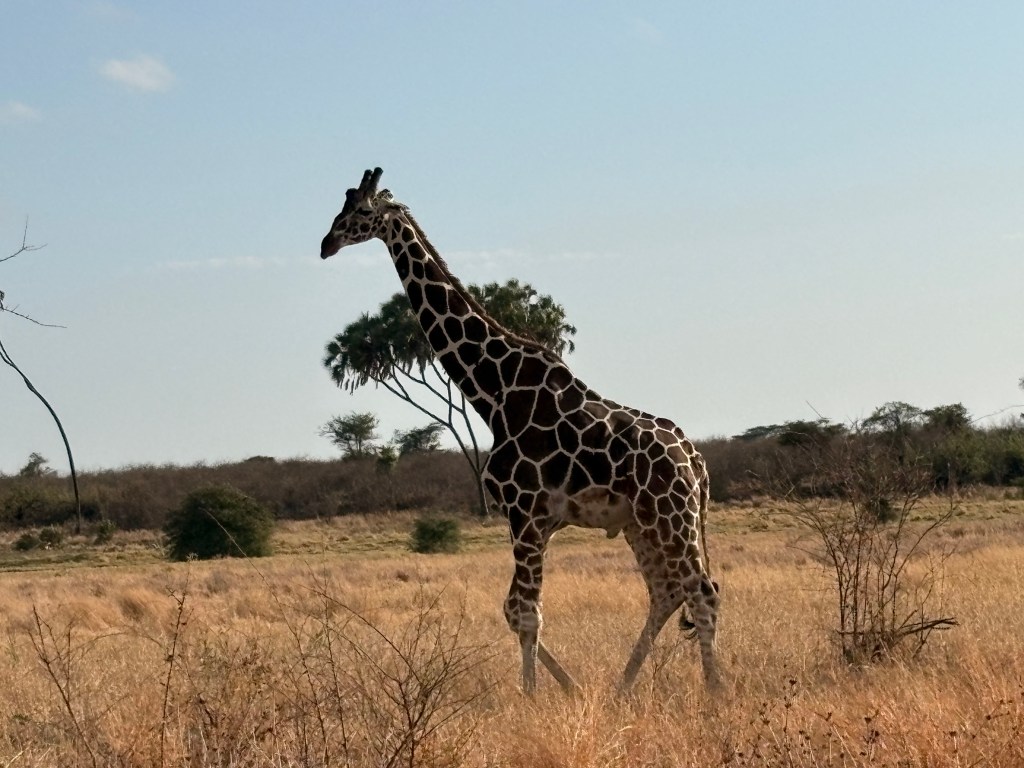
Our camp manager was a jovial man named Solomon, our driver was David (of the snake spit story), and the spotter was Jonathan. As a routine, we had an early morning drive, sometimes with a breakfast before leaving or a breakfast picnic on the road. After a rest back at the camp, we would have lunch and head back out for another drive, often leaving the conservancy for a trip to a national park. Jonathan also gave us a thorough guided walk through the camp’s surrounding forest for a closer examination of the foliage and birdlife, which was extremely pleasurable. On the drives in Meru National Park, the animals – elephants, hippos, buffalo, antelope, giraffe – were always incredible to see in their natural habitat. What surprised me the most was seeing large groups of different species all sharing and mingling. Anyone who saw The Lion King – it really was a “circle of life” experience, especially around the watering holes.
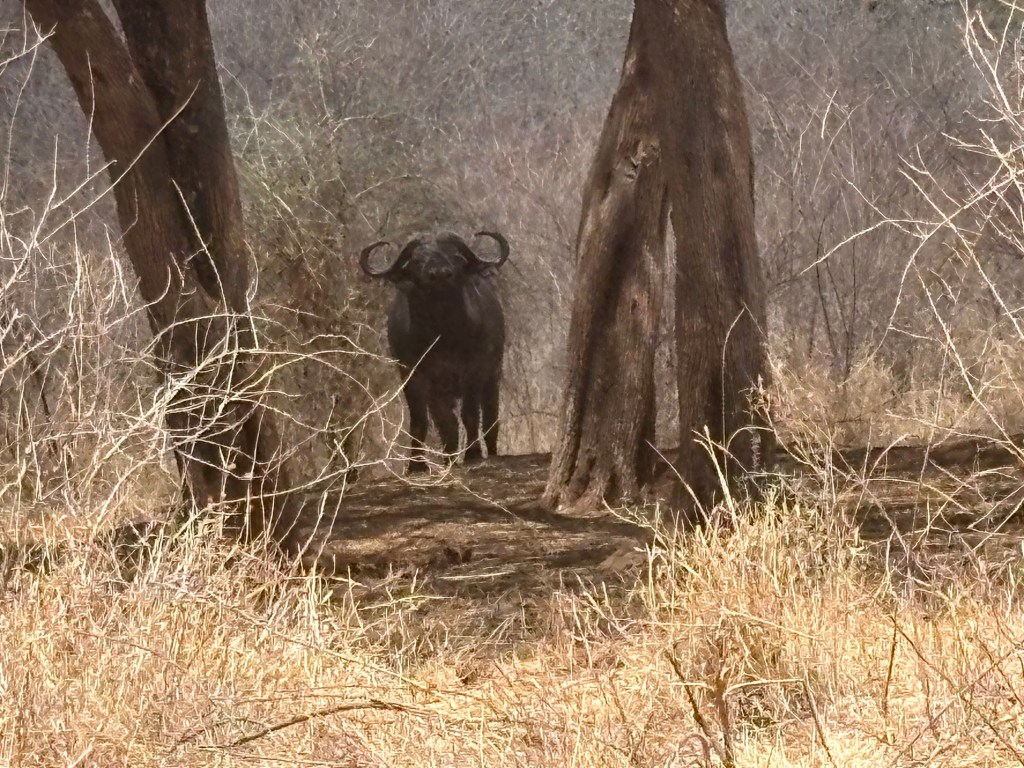
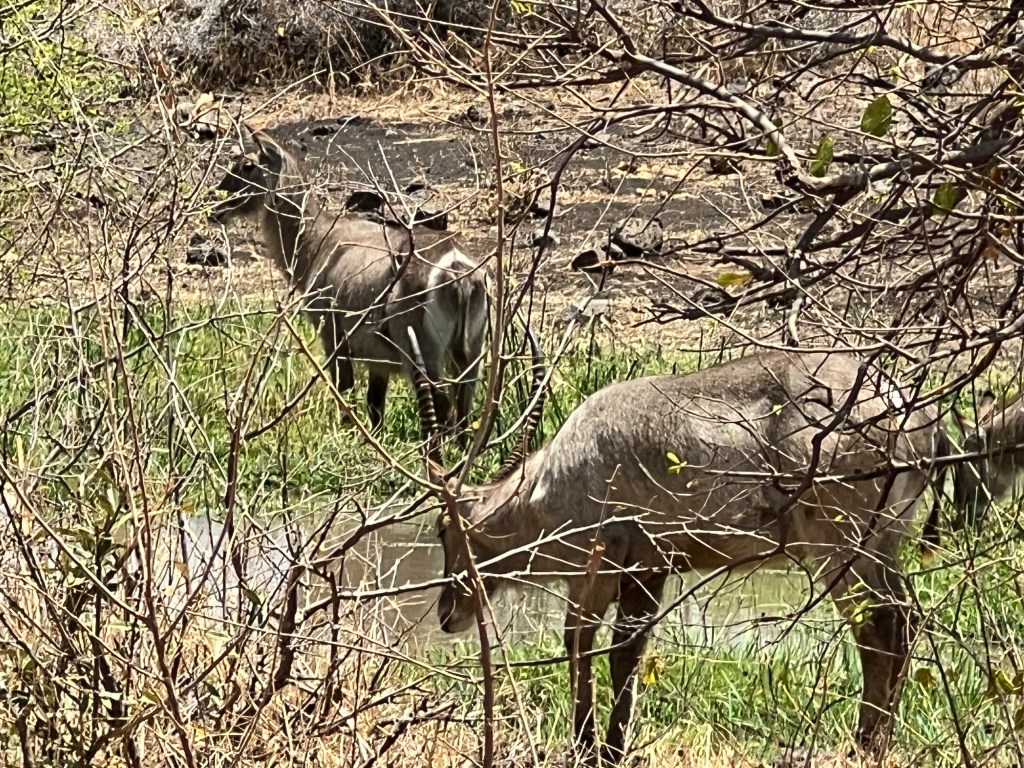
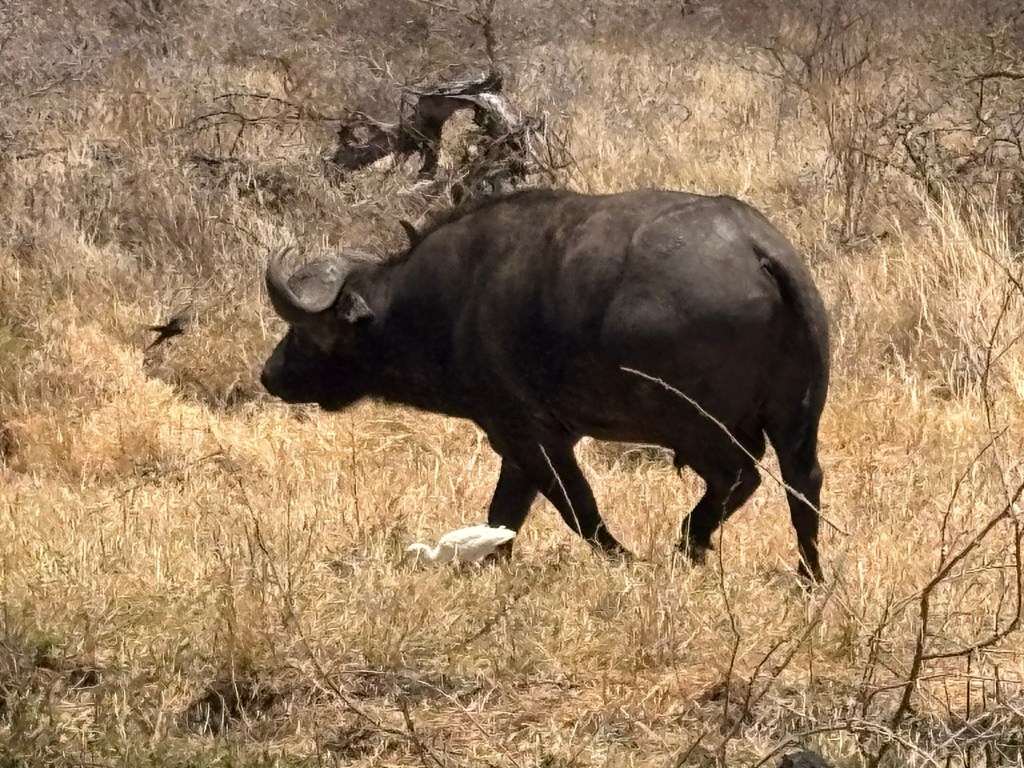

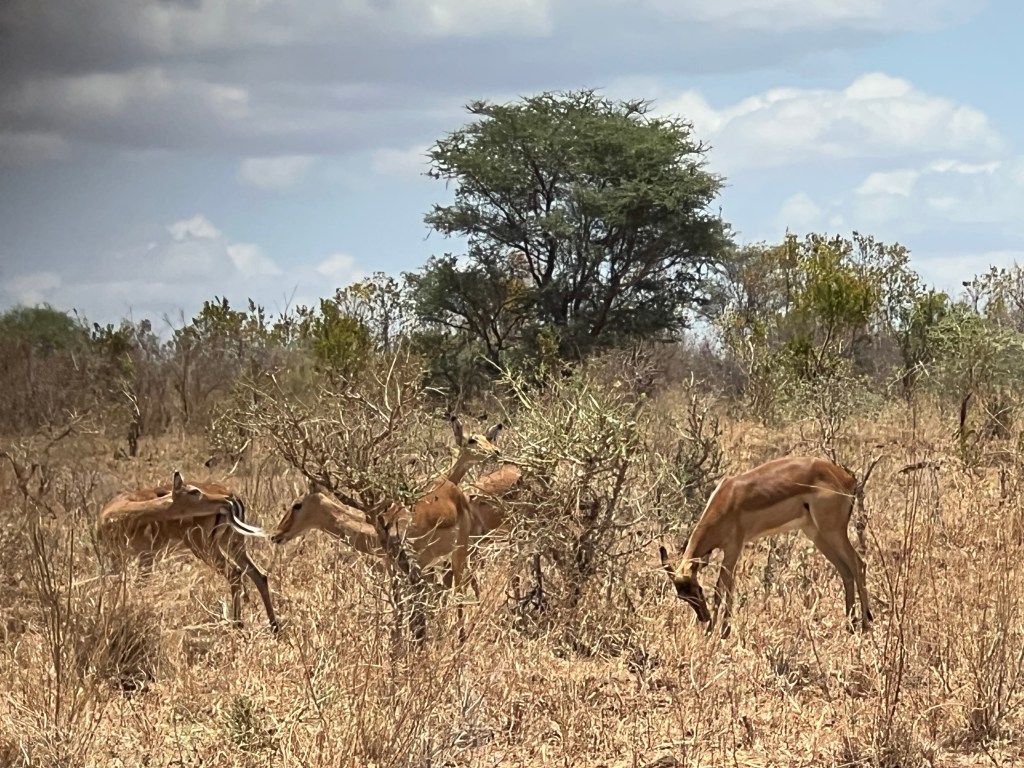
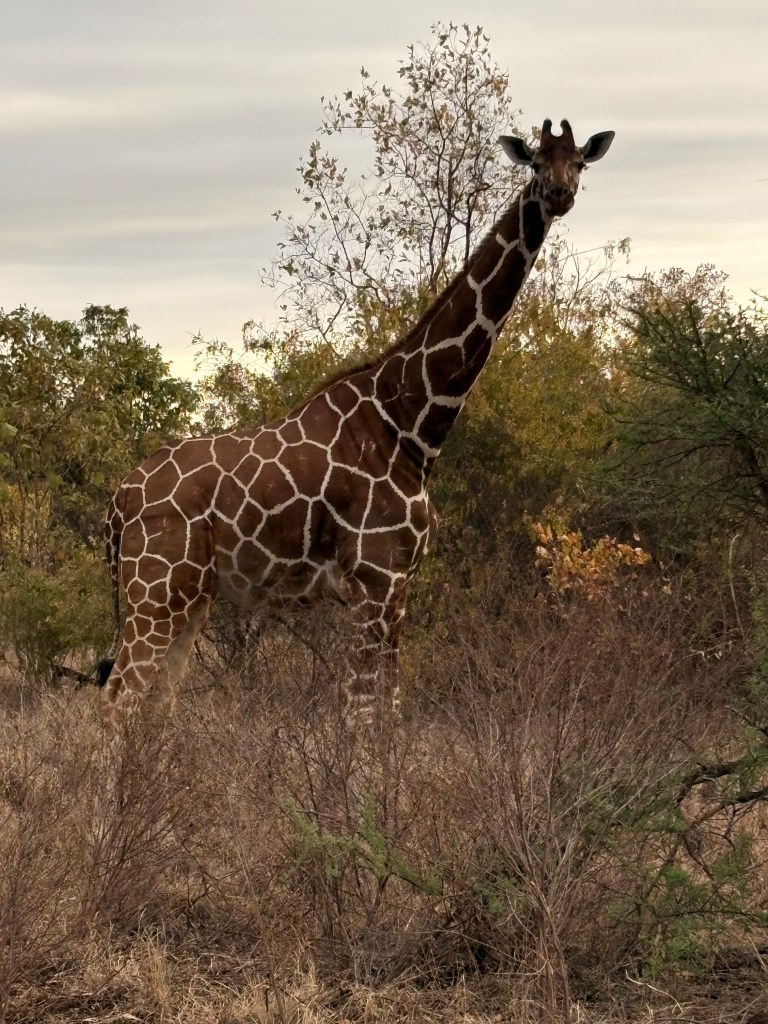
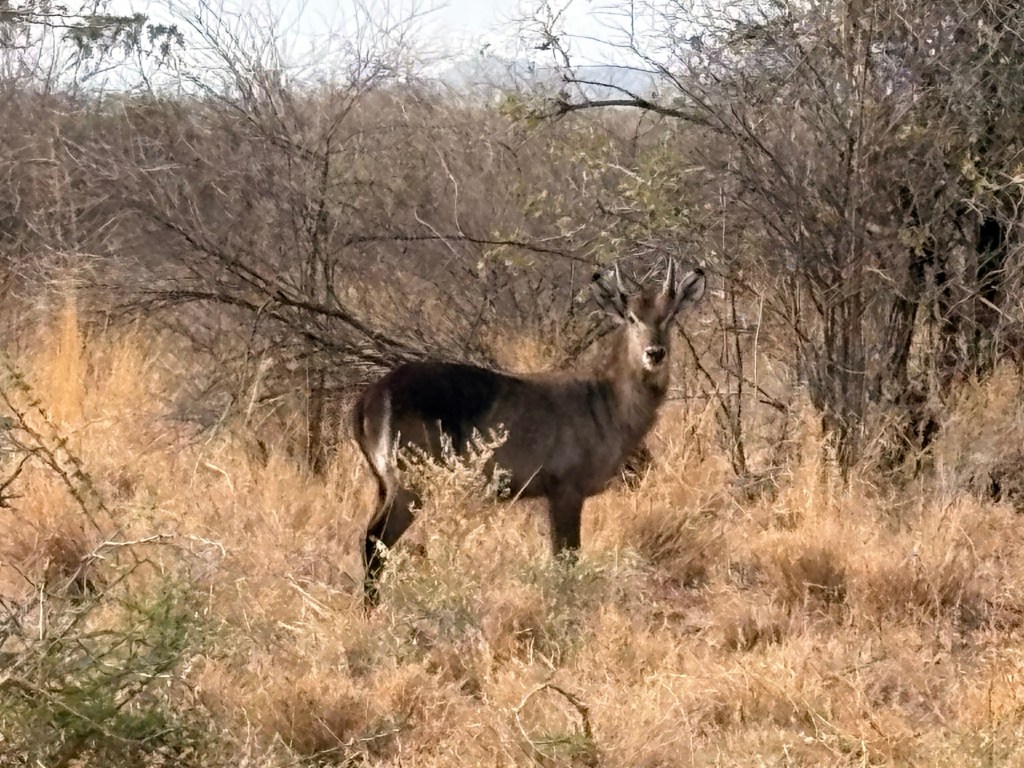
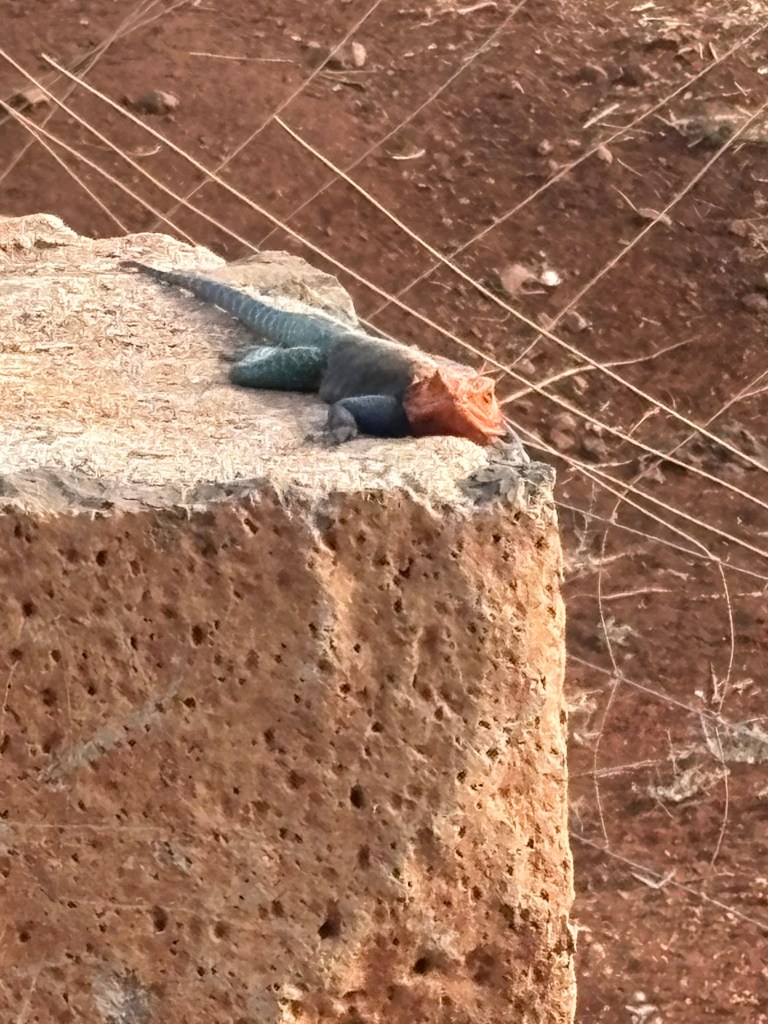
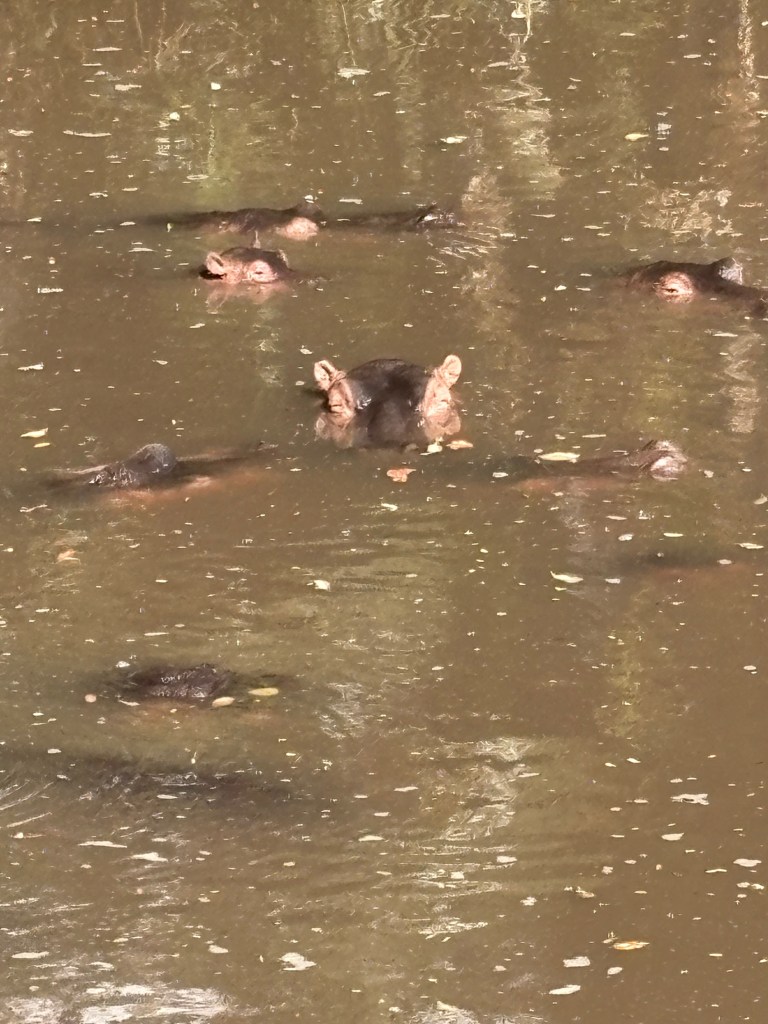

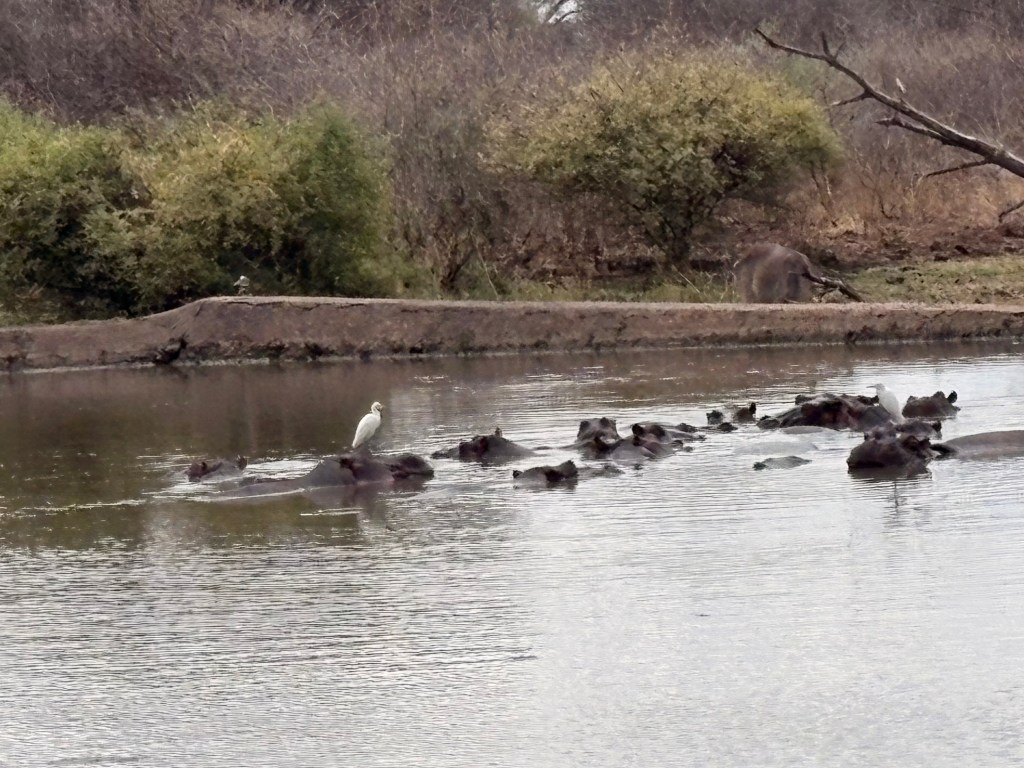
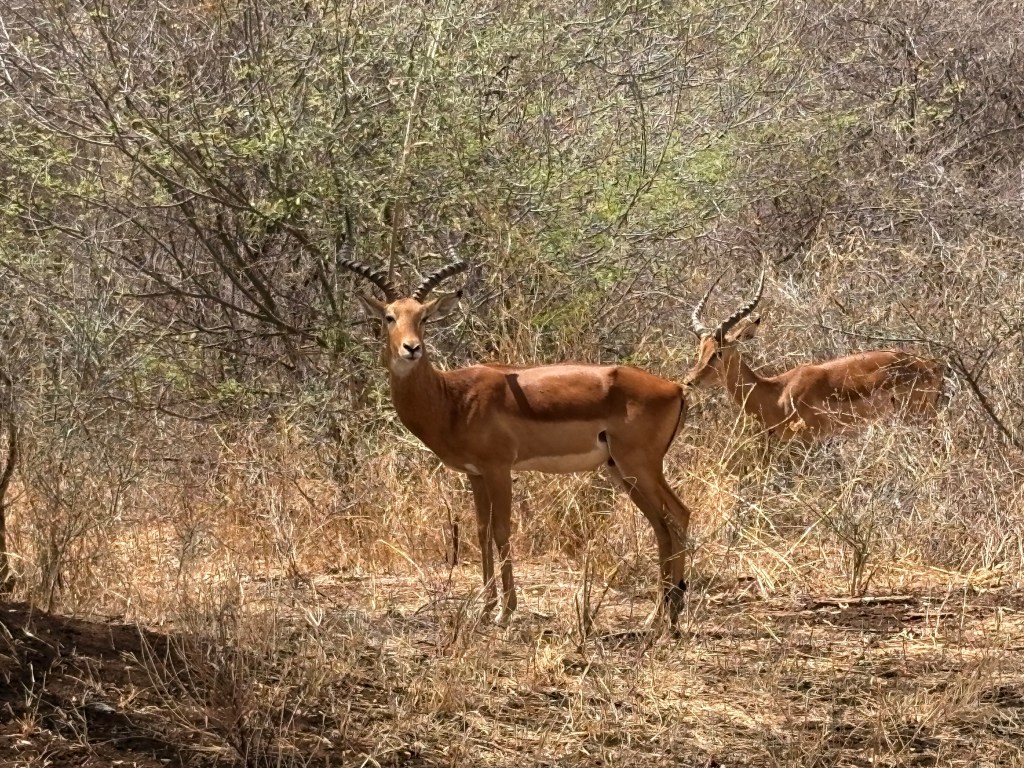
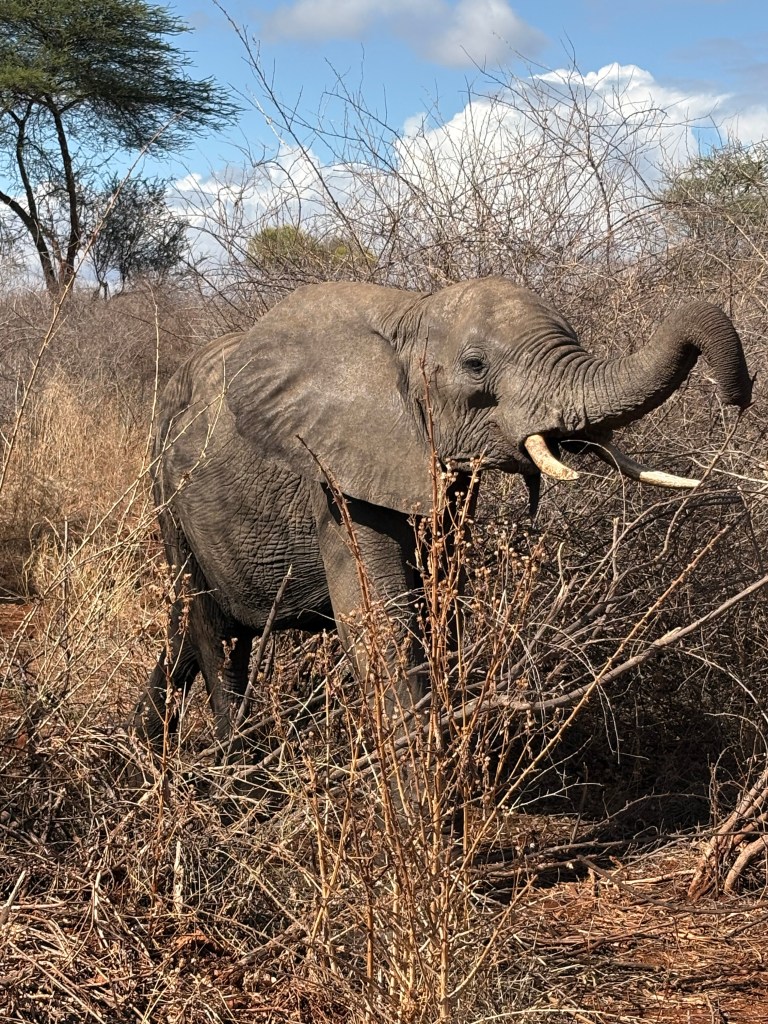
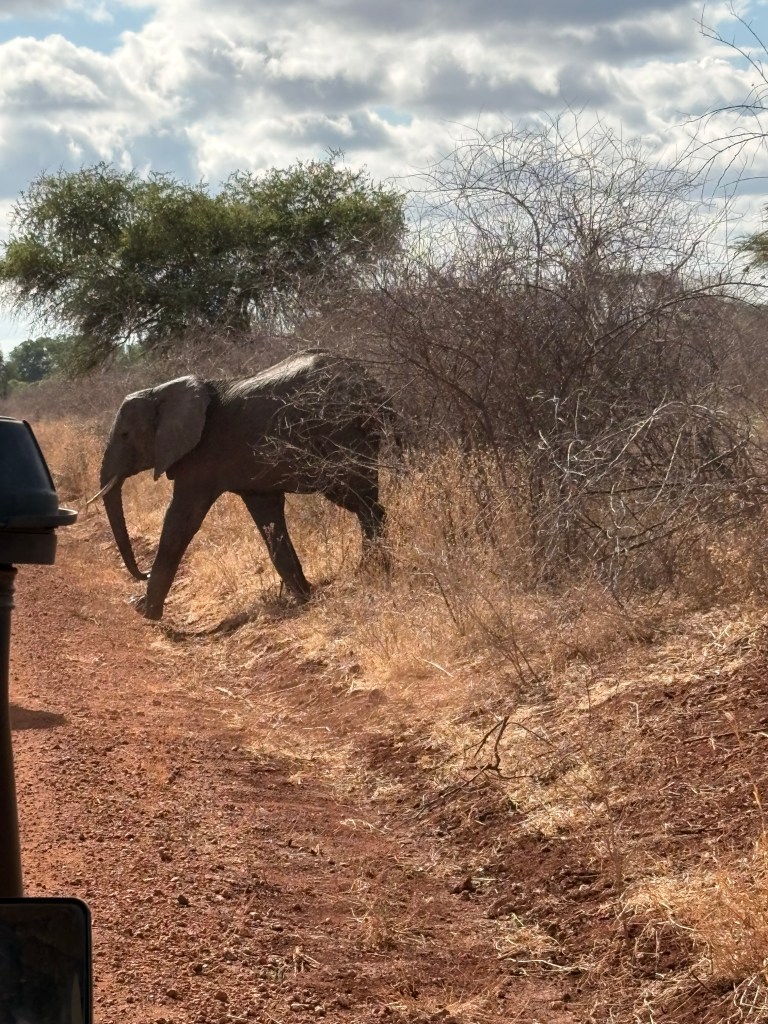
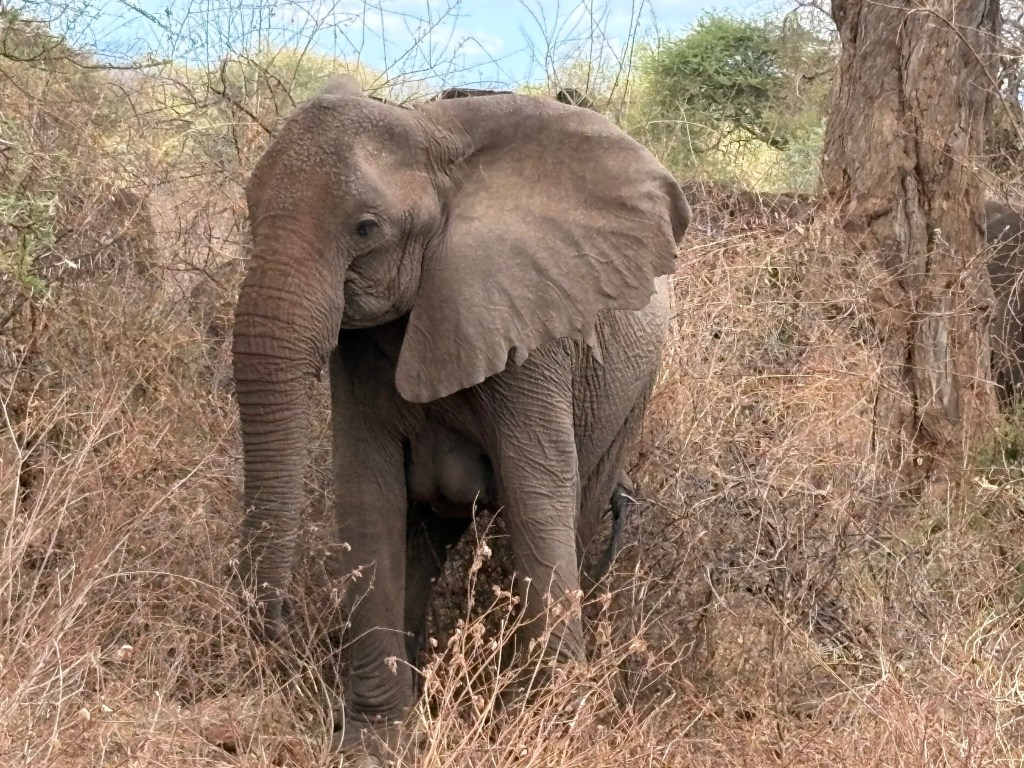
It was fascinating to see beneficial pairings between species. Animals are frequently paired together in their grazing for a reason. For example, the zebras hung out with the wildebeests because they were quicker to sense danger. The wildebeests don’t mind because they are generally bony and are not the prey, and escape more easily. It’s the meatier, slower zebras who get nabbed in attacks, but it’s beneficial for them to graze with another non-threatening animal who can give them a faster heads up. There are many birds that sit on top of a number of large animals, most notably elephants, because they also sense danger quickly, but in addition eat the parasites and insects that plague them – another beneficial alliance. There are birds that follow certain animals for the dung beetles in their scat. And yes, that’s A in the photo below, staying ‘very calm’ as the young elephant walks around the jeep.

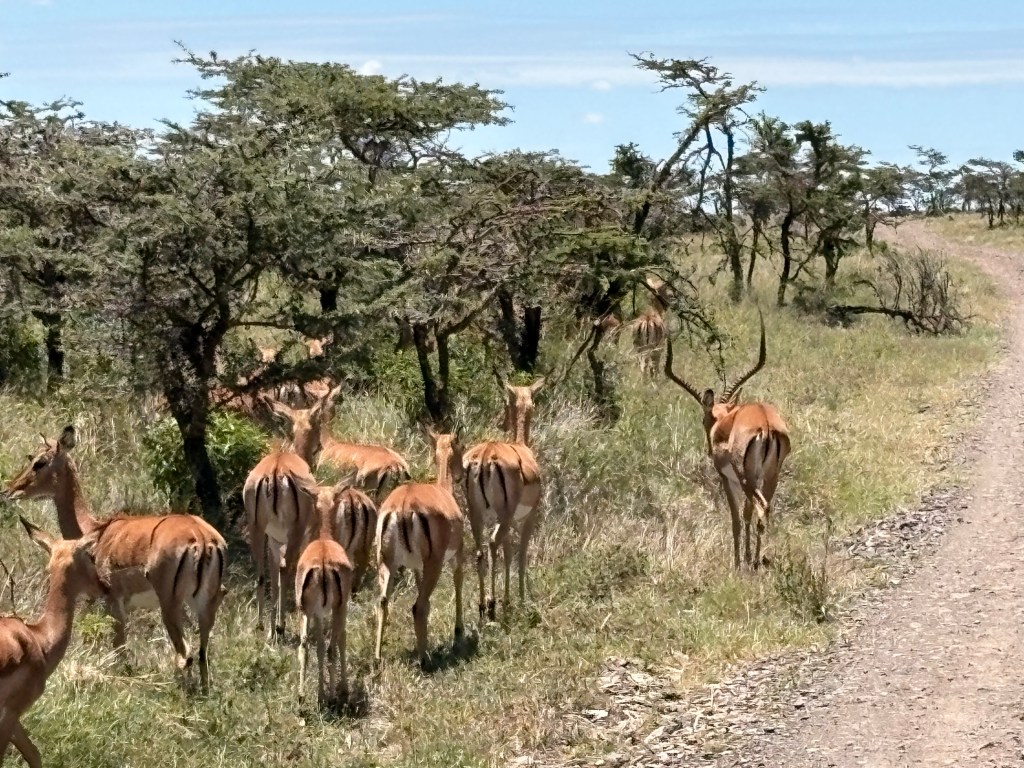

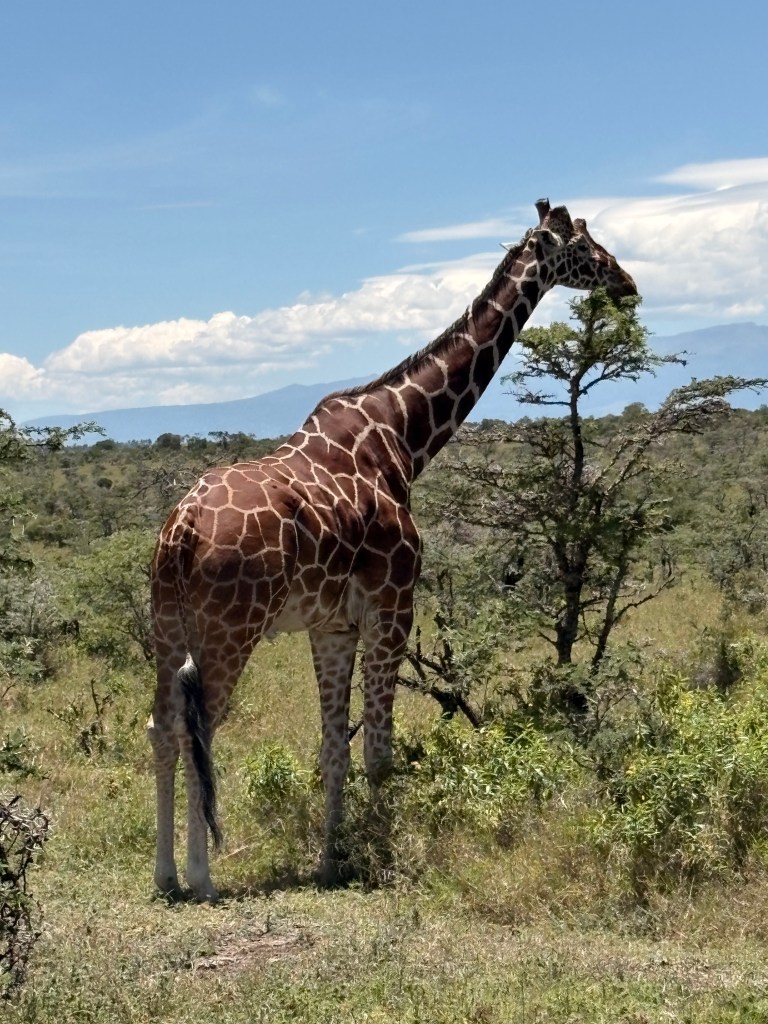
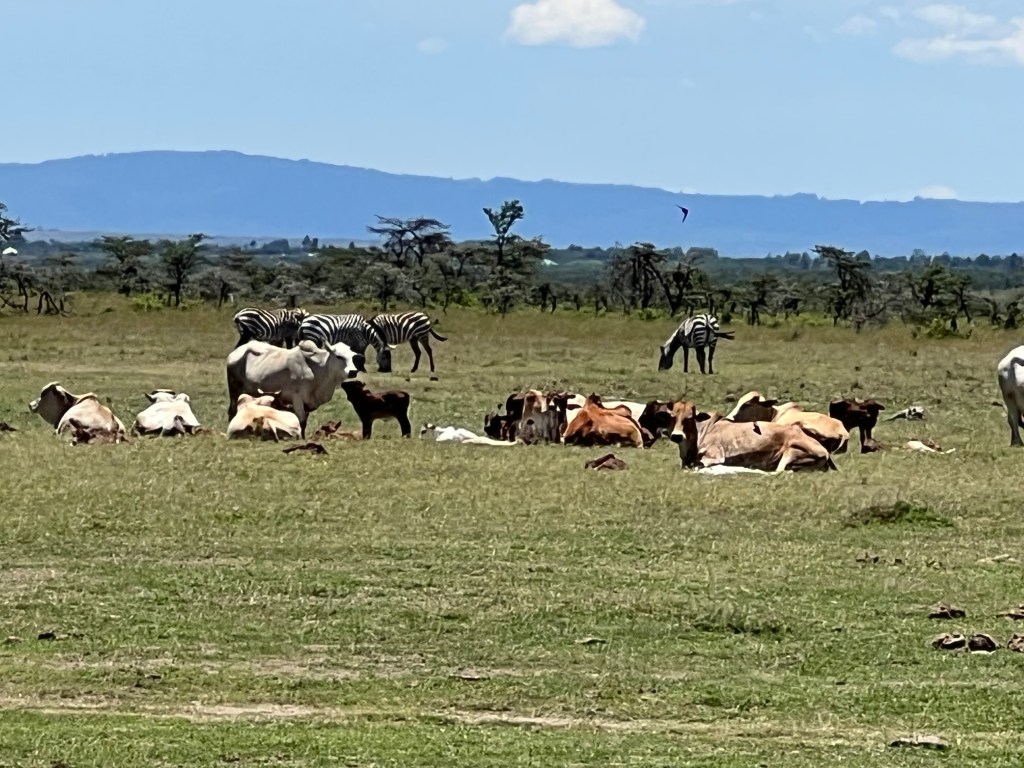
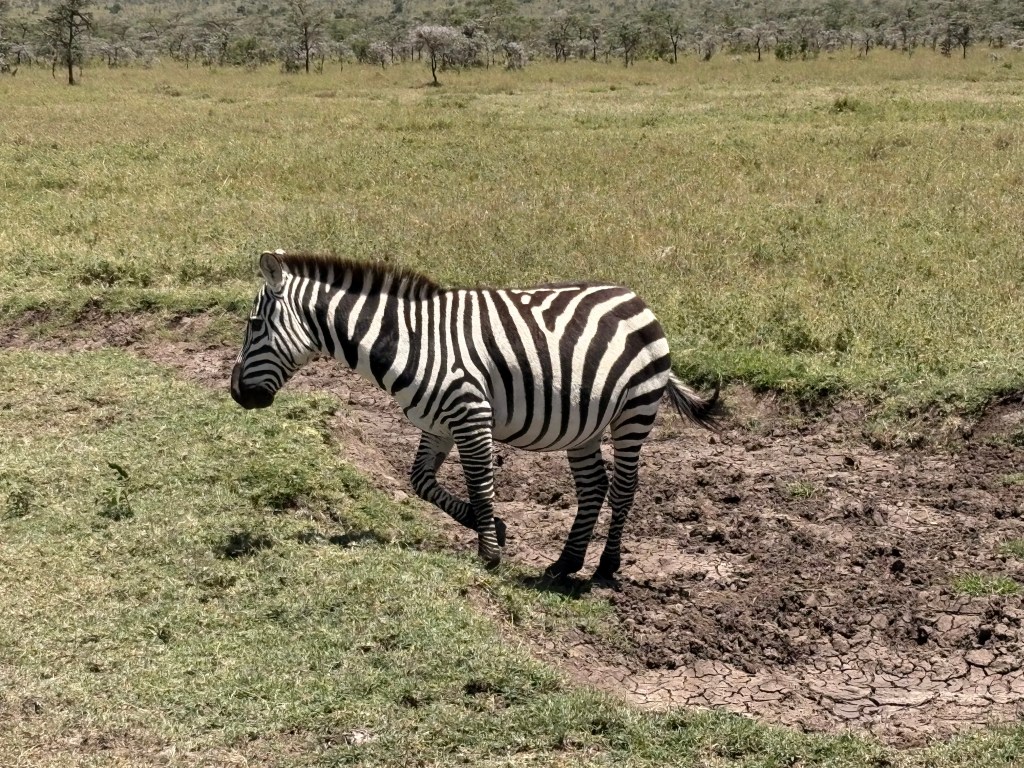


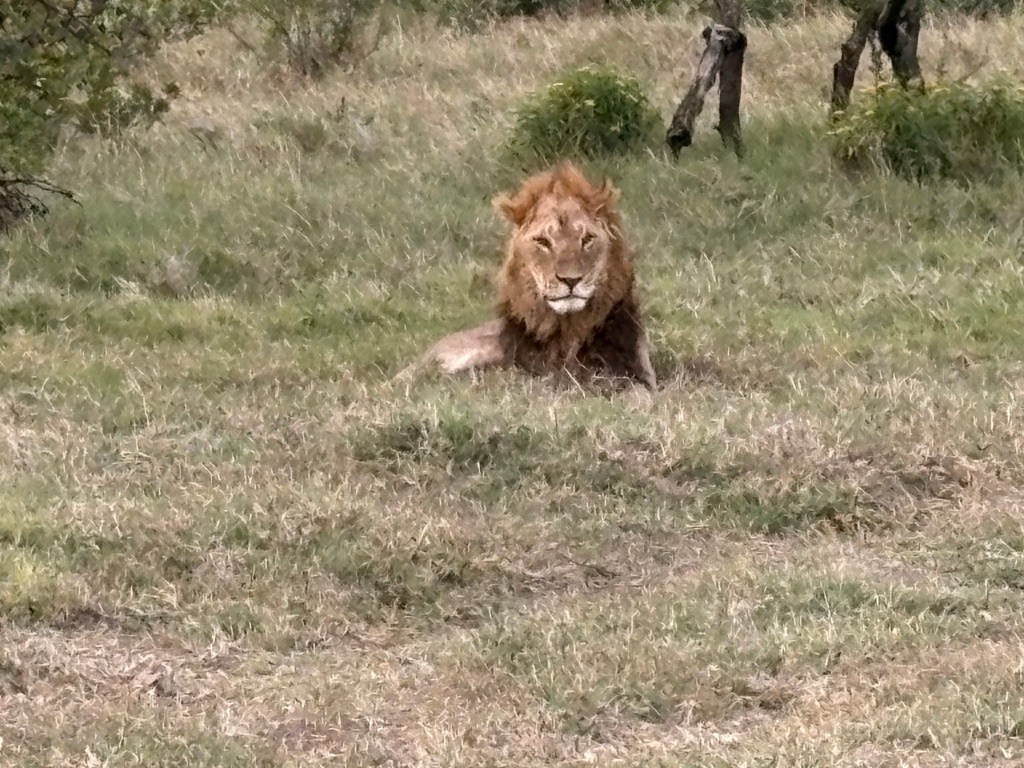


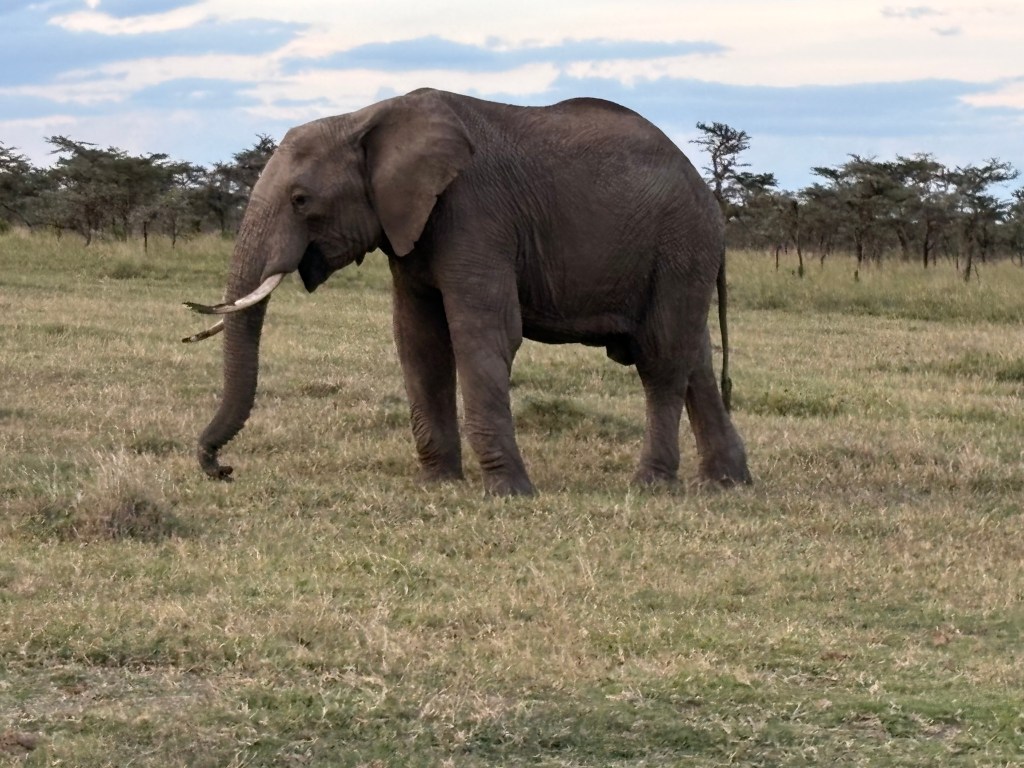
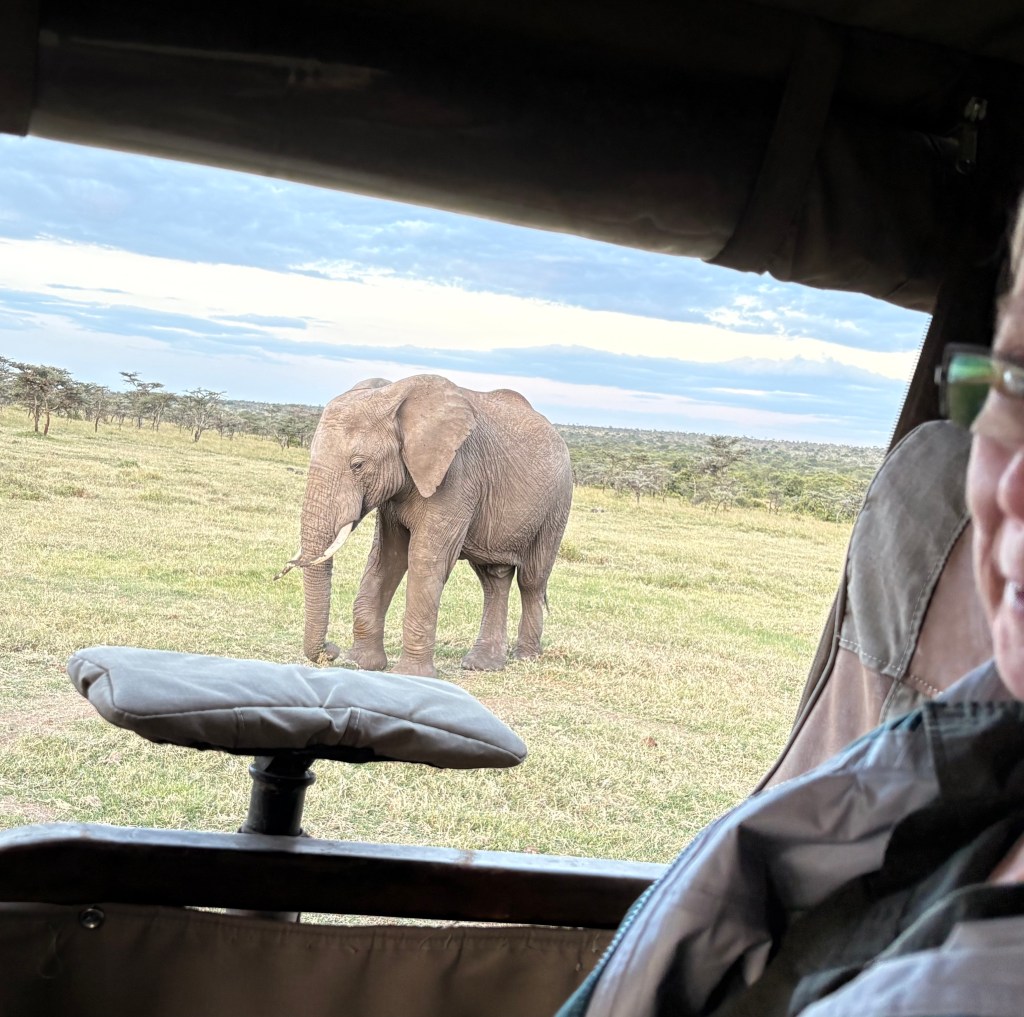
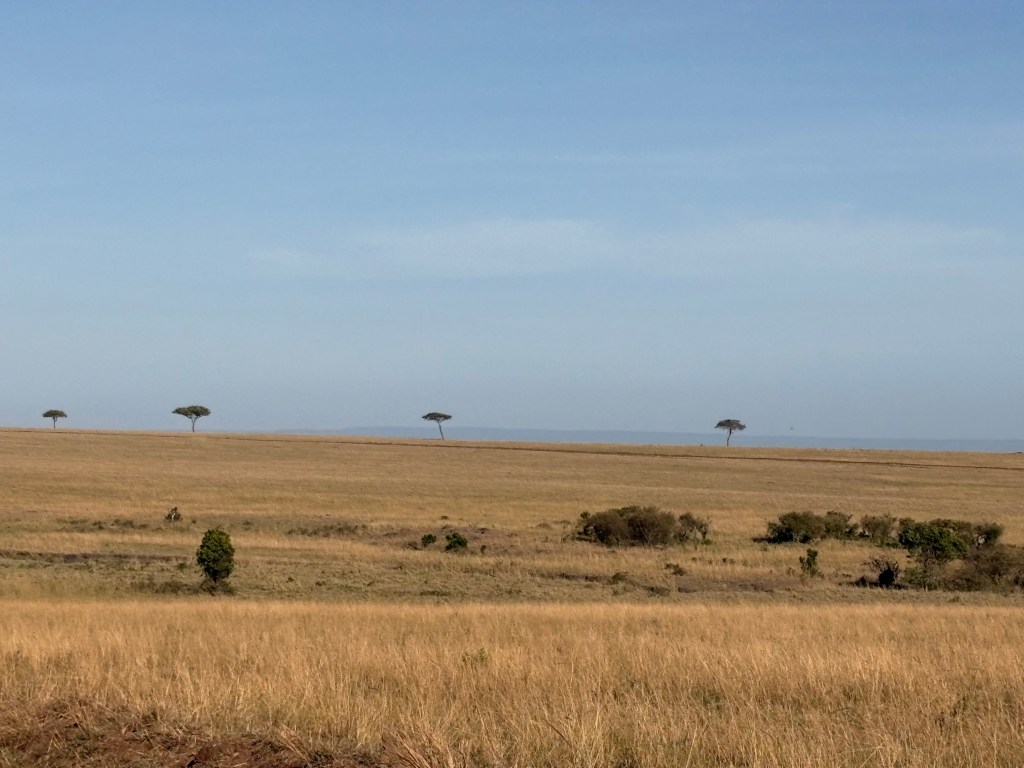
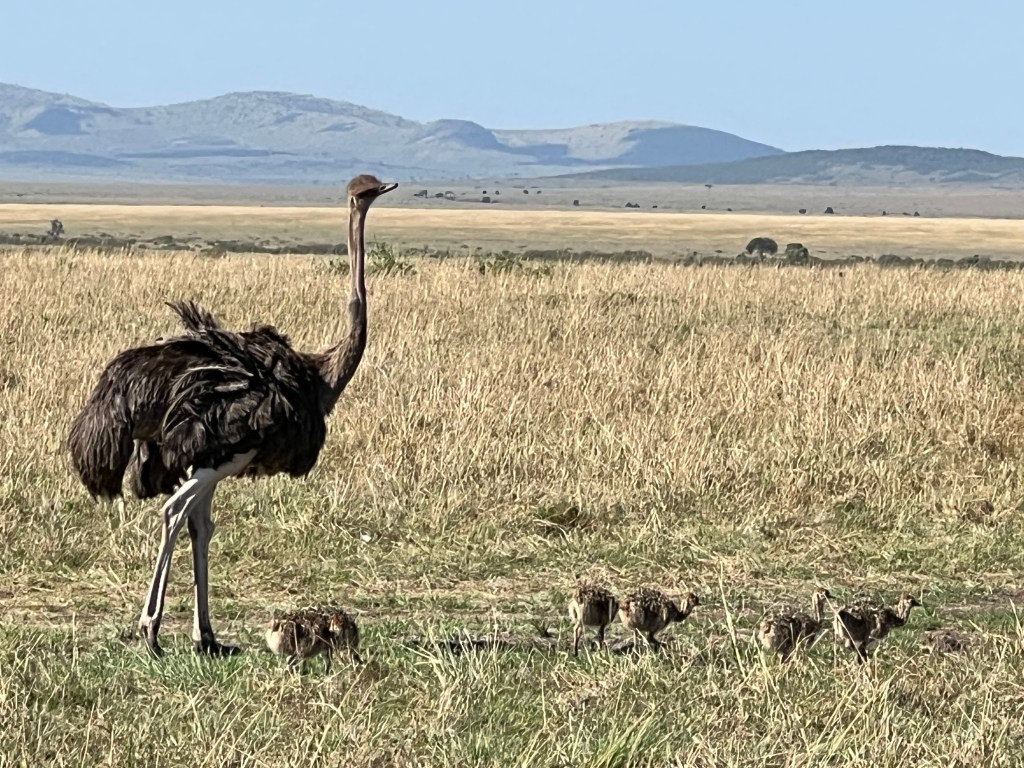
The Maasai Mara National Reserve, sharing the area with the Serengeti National Park in Tanzania, is vastly different in that the ‘on-road only’ restrictions (which, in view of some people’s bad behaviors, were absolutely necessary) meant very distant viewings of the wildlife, as well as a huge number of jeeps from a multitude of tourist safari companies all vying for a spot. The Reserve is widely known for the great migration of wildebeest which we were fortunate to witness the last weeks of their movement
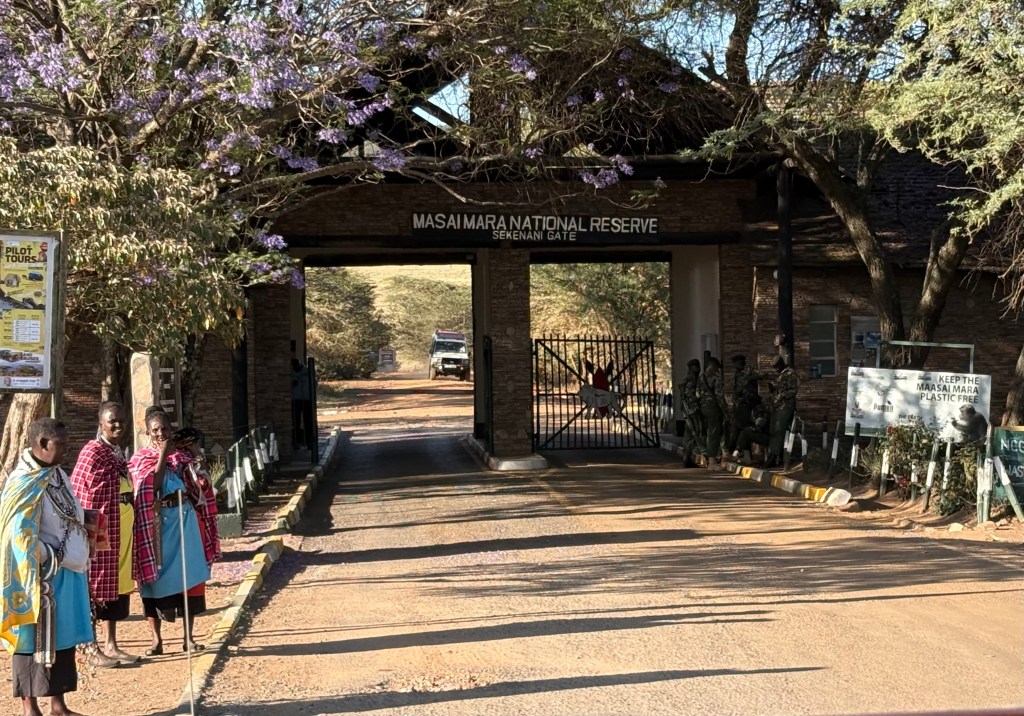

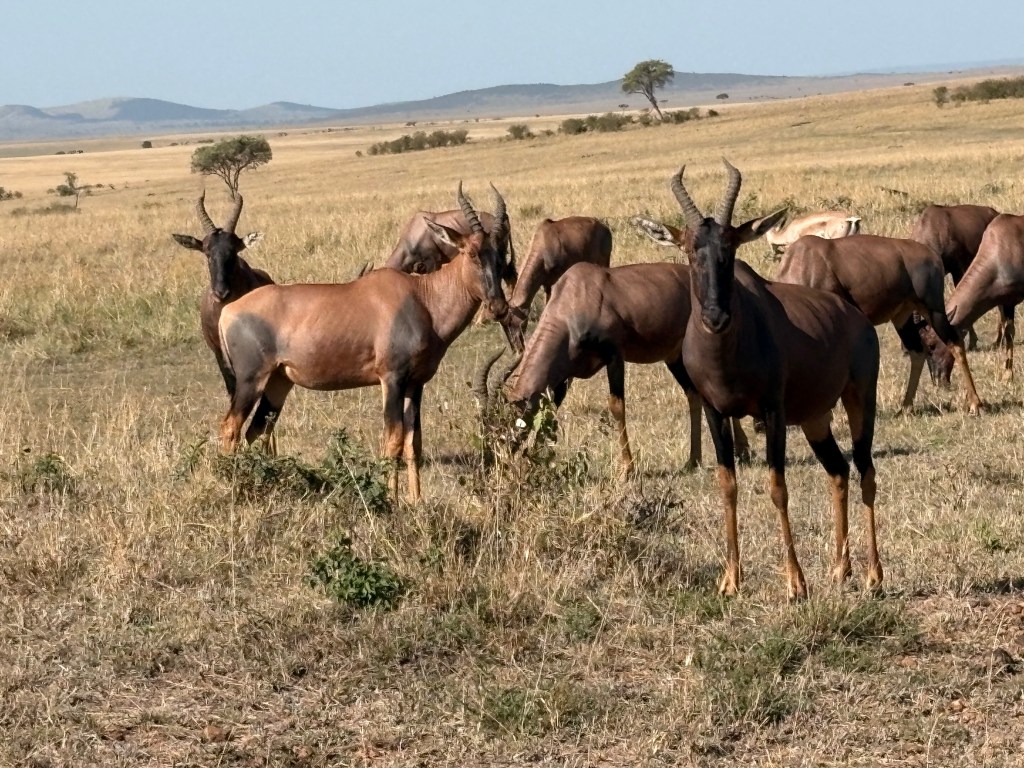
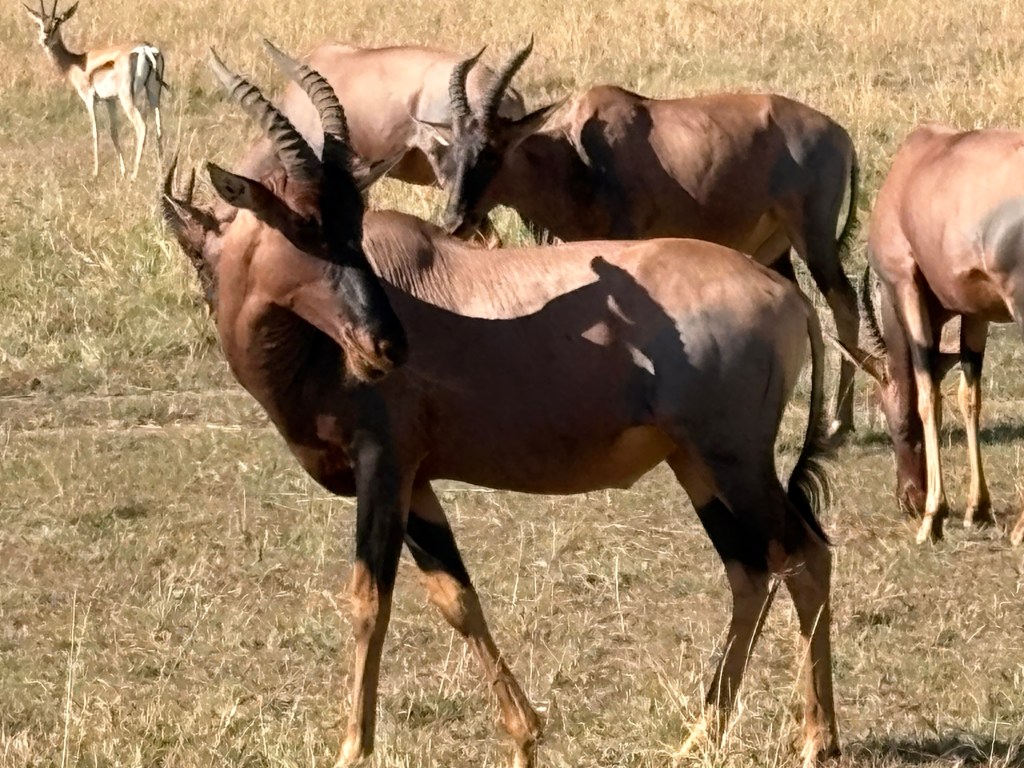
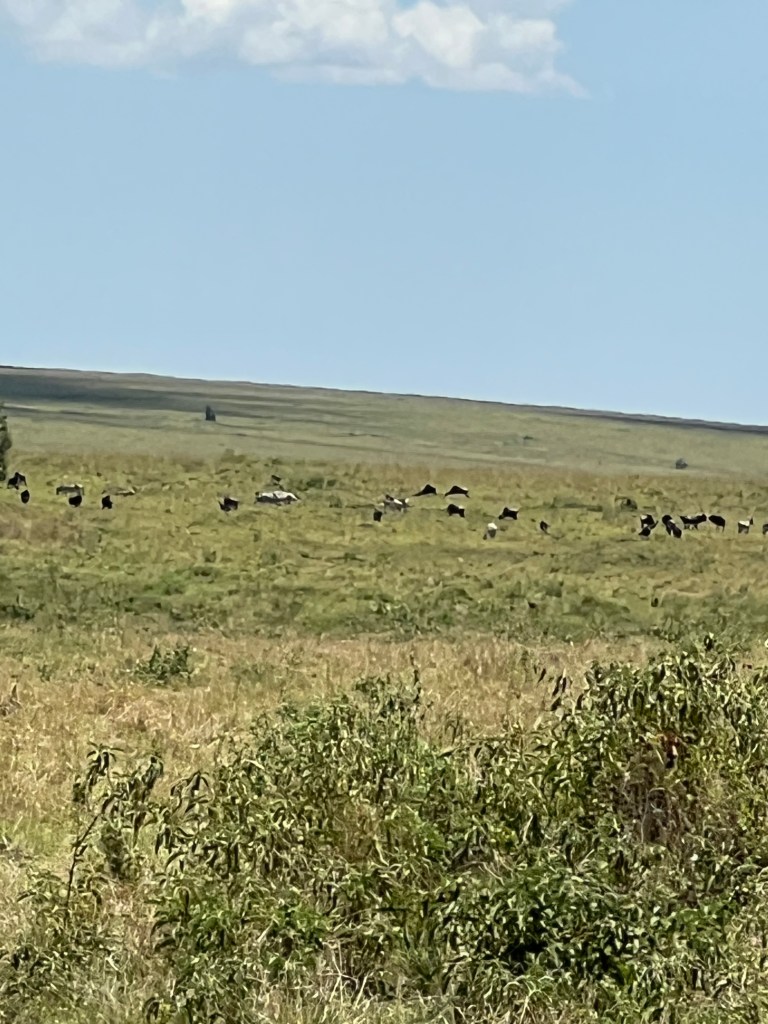

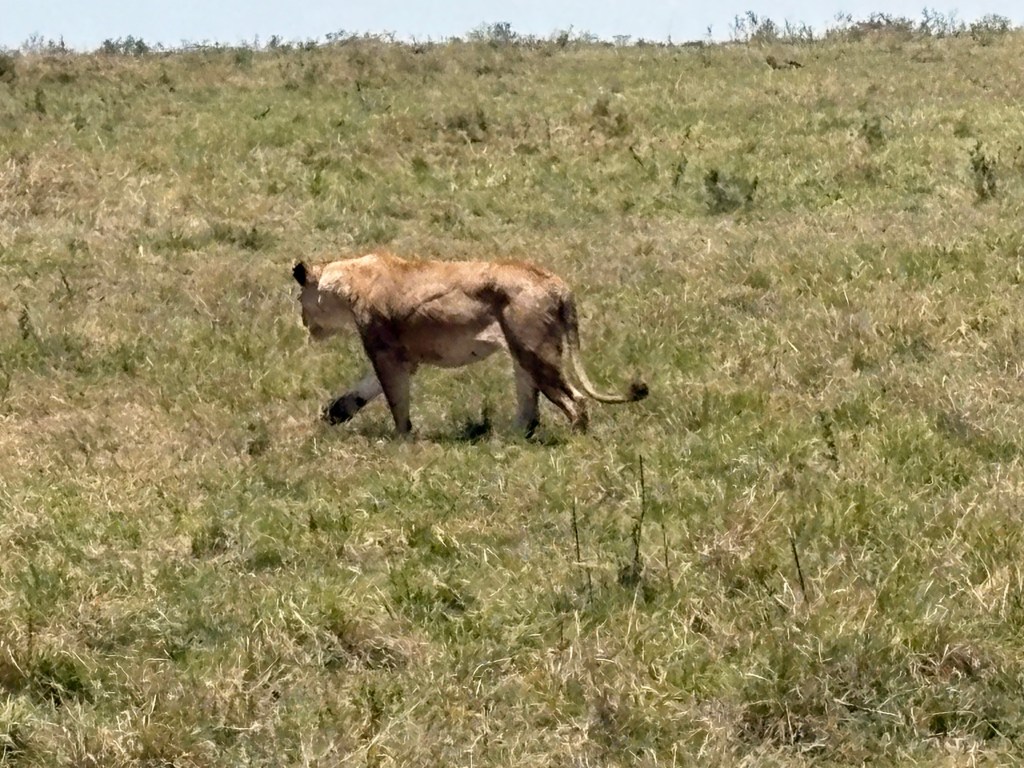
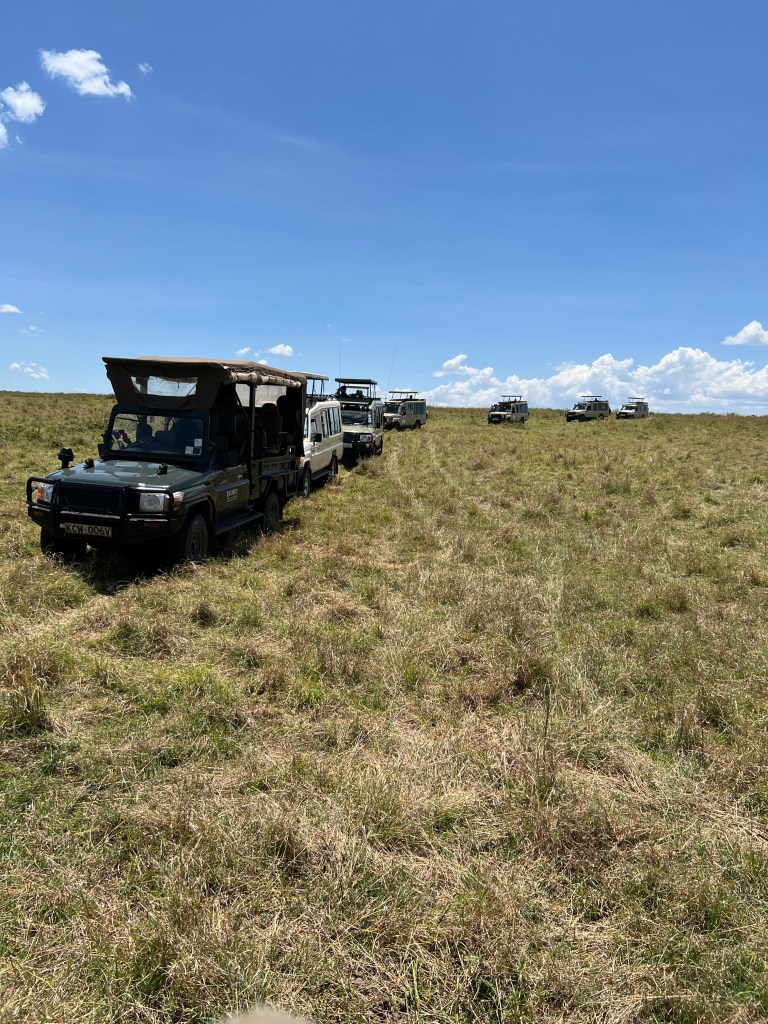
As a National Reserve, not a Conservancy, a convergence of vehicles congesting the road for a look at a possible animal hiding in a bush seemed just wrong. To me, it was rather like an overwhelming crowd of children overtaking a traveling ice cream truck. A frenzy of cameras, mobile phones, and jeeps clogged the two-lane dirt roads at any reported sighting. The wildlife variety was larger, but the crowds of tourists were daunting. At the rest/toilet stops, we saw people wearing all the colors they had specifically stated to avoid. One woman was wearing a flaming red ball gown of all things, but there were also multitudes of bright colors, white, black, and blue, which, as I covered earlier, were not prudent for jeep drives. The conservancy drives were quiet, close up, and conducted with pronounced respect for the wildlife. The National Park and Reserve participants, to me in any case, almost seemed to bring a circus atmosphere approach.
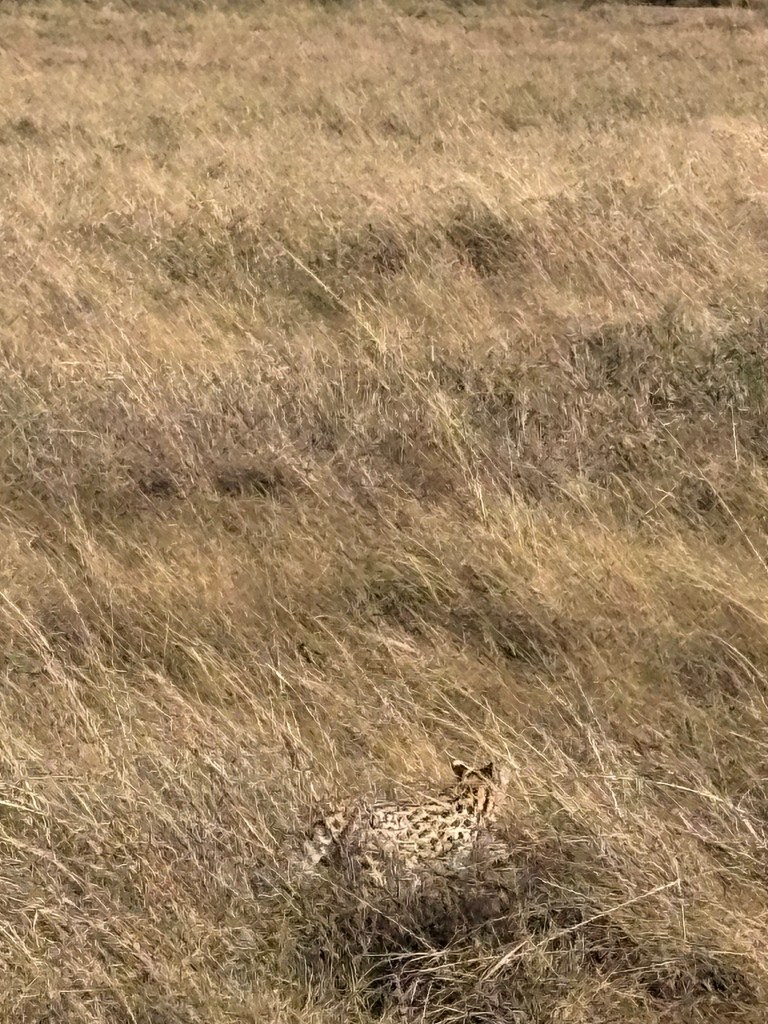

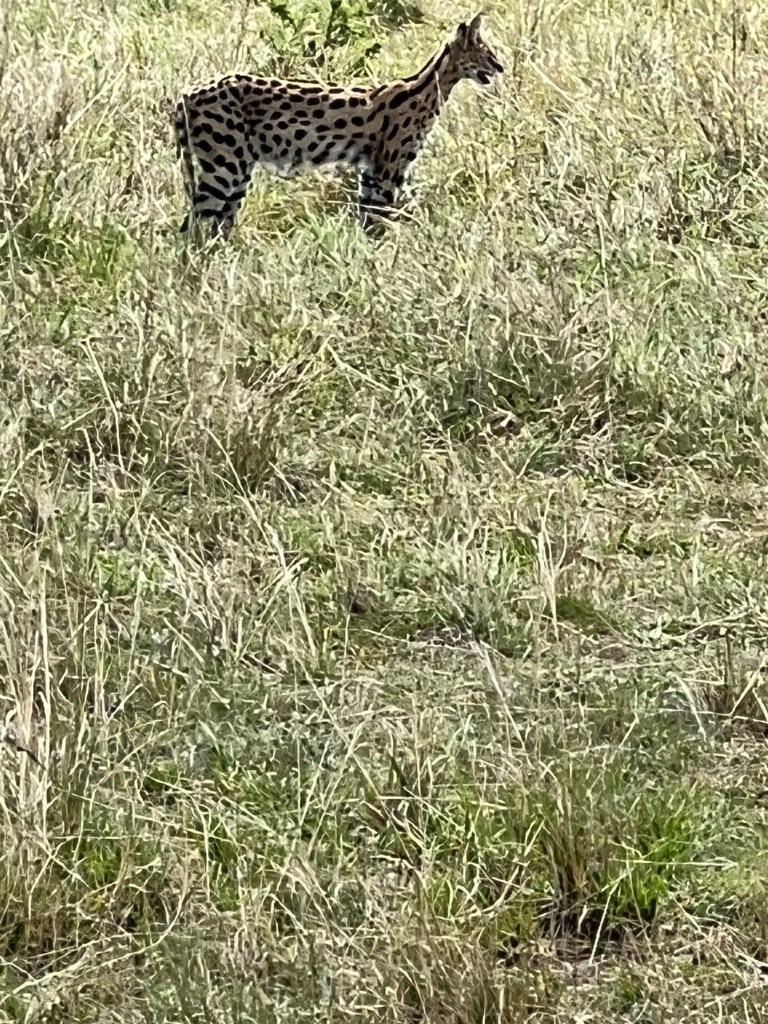
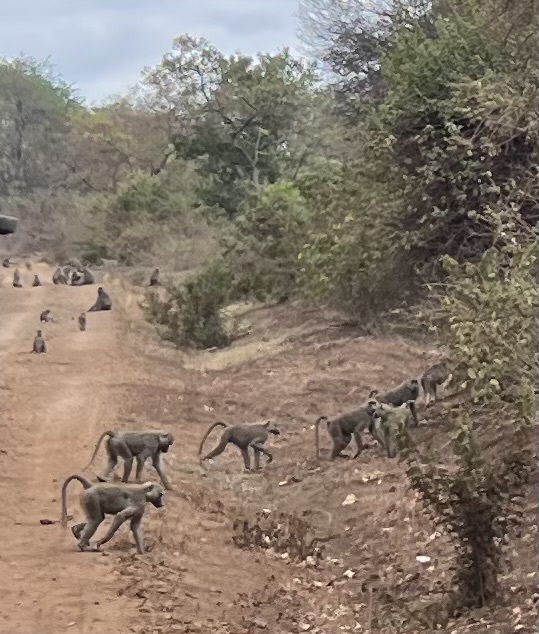
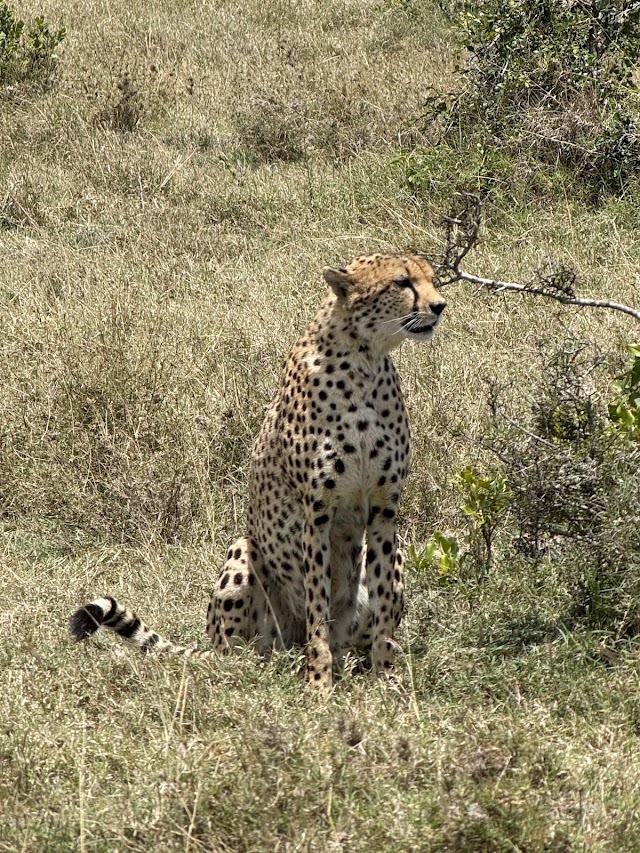
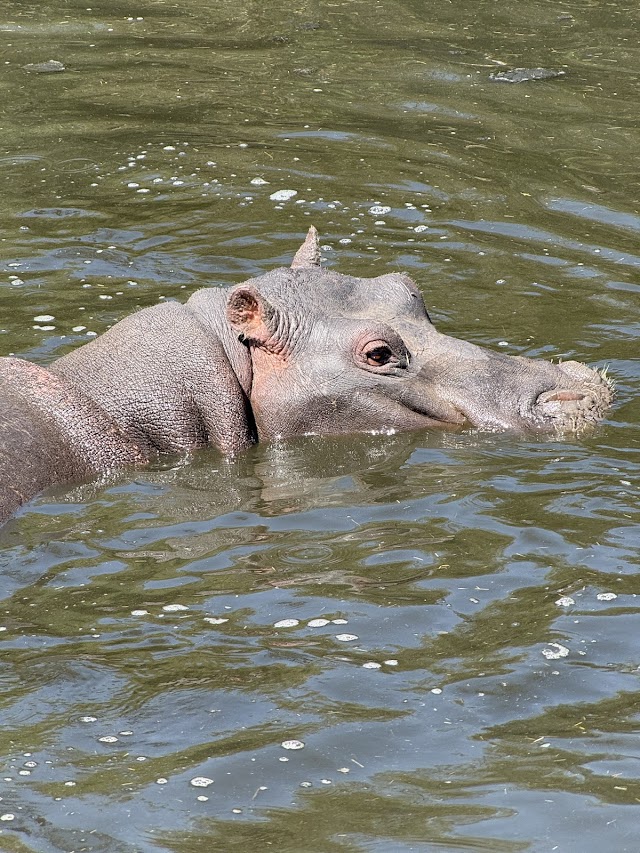
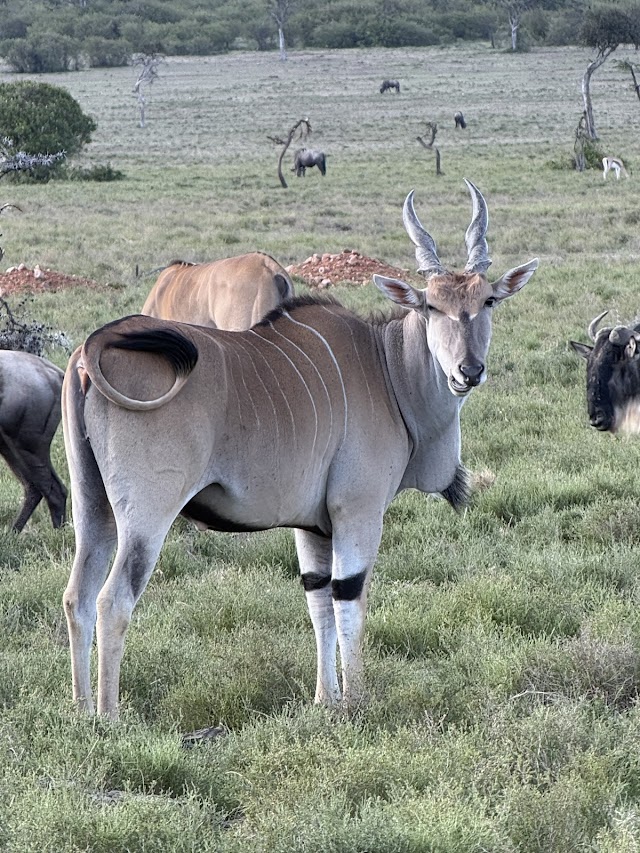
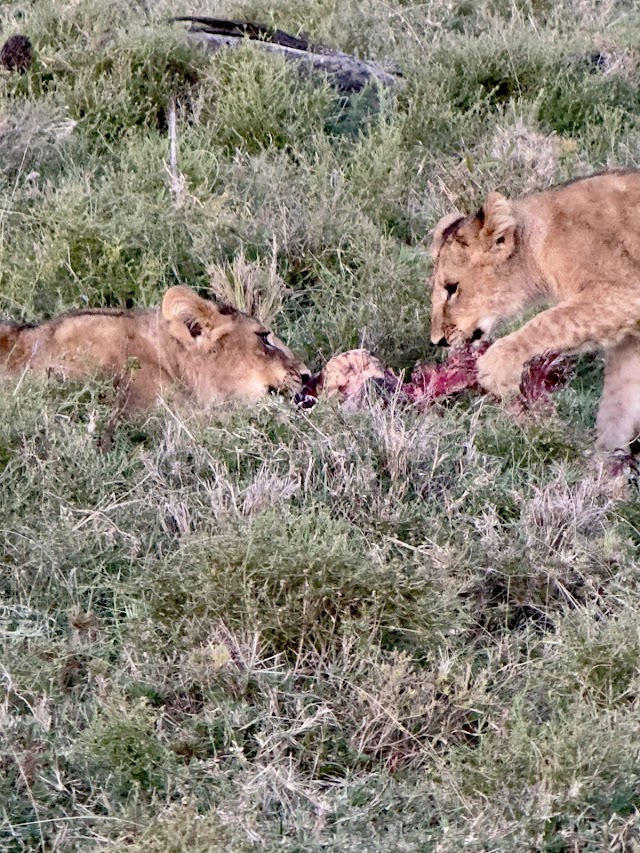
We caught a few animals mating (lions and also giraffes) and nearly witnessed a cheetah attack on a herd of zebras. After stalking and closing in, the cheetah decided the timing wasn’t right (or it was camera shy) and chose to lie down instead. There were a few times it was clear that an attack had been successful before our arrival, since the carcass isn’t devoured quickly; it takes two to three days. We did spot a jackal sprinting across the landscape with a newly acquired dinner – unclear on what that was exactly. By now, we had seen zebras, giraffes, hippos, cheetahs, jackals, a serval, hyenas, and a multitude of monkeys, baboons, and birds, not to mention termite towers as tall as some trees. But in every drive and at every camp, when we thought we’d seen everything, there would be something new and beautiful to view.


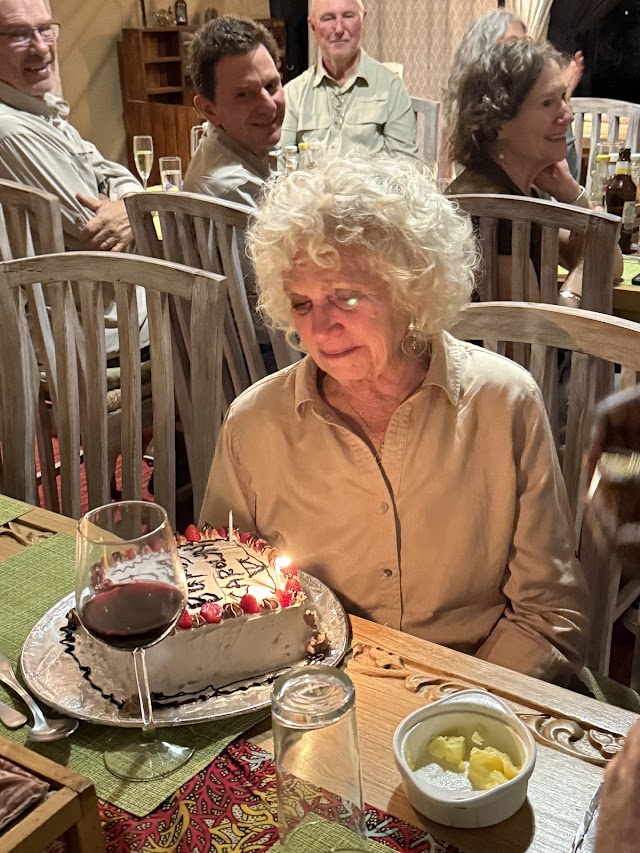
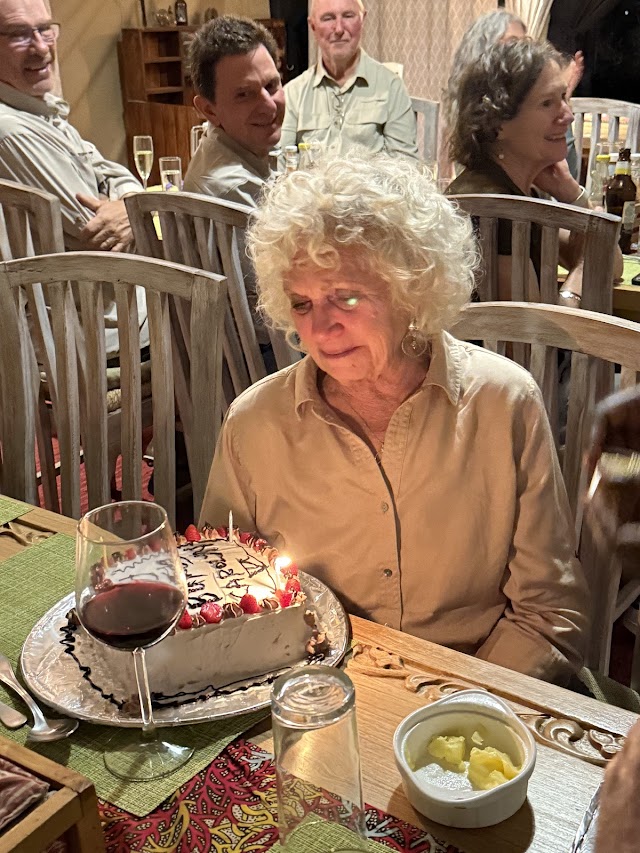
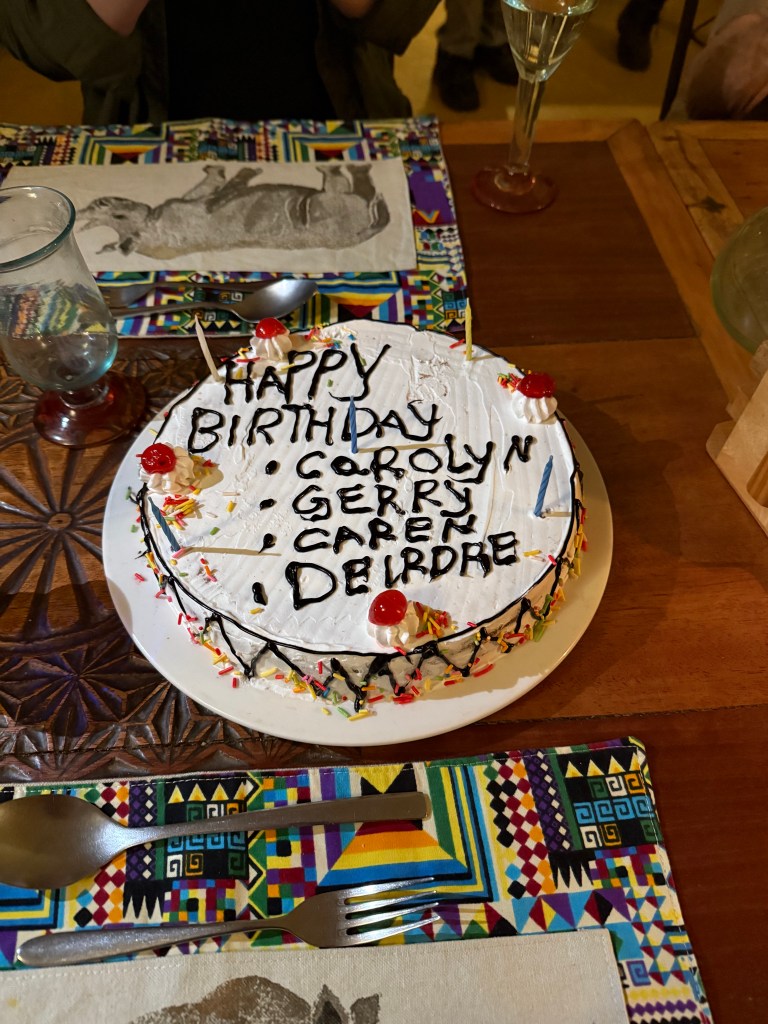
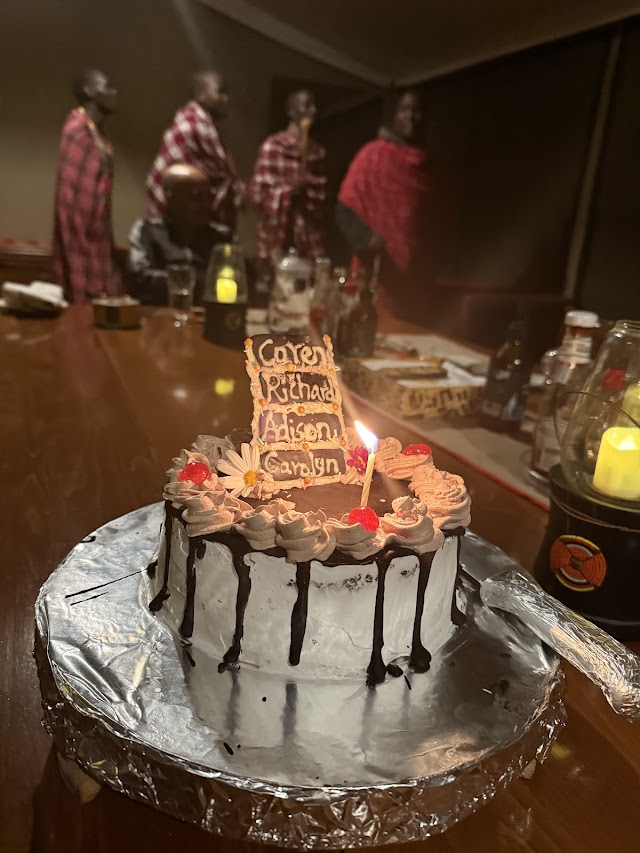
I should insert here that there were two of us celebrating birthdays on this trip. Carolyn and Caren were just a few days apart, and when the staff heard of this, they really went all out to help with the celebration. The first three camps gathered their staff after dinner to give a wonderful performance of Maasai warrior chants and dances. They made their way around the tables before presenting a candlelit cake at our table. It was clear that they were enjoying it as much as we were.

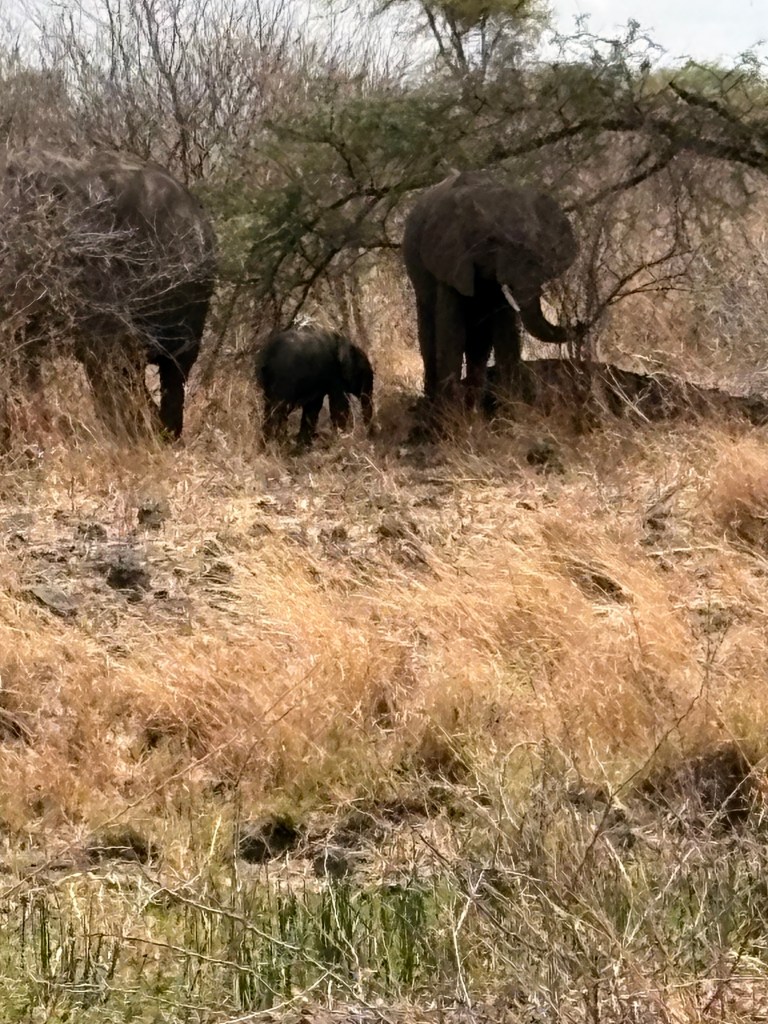
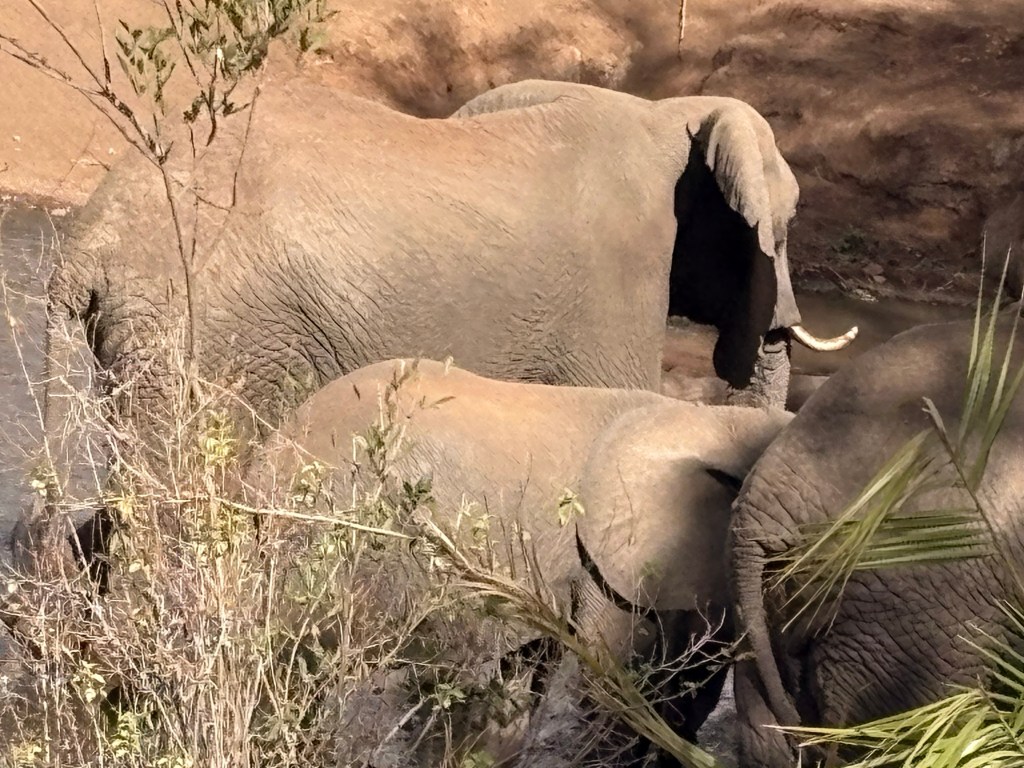
The third camp was the Porini Rhino camp, different from the other rhino camp as it was not based on a river site. It was located in the Ol Kinyei Conserancy, famous for lions, leopards, and wild dogs. The wildebeest migration was in process, which gave us the best view of this biannual event. The manager was a wonderful, engaging man named DG, the driver was Fred, and the spotter was Ben. The layout was typical of the other Porini camps, and we were back to bucket showers. In fact, during this camp stop, one night after we had turned in, we were startled awake hearing a huge racket at 2:30 am. It was so loud and so close, shaking the tent, that I was convinced something had landed inside our bathroom. There was always a whistle on the nightstand that the camp tour instructed us to use in emergencies. But lying quietly, we came to know that all the banging and ruckus was really outside. In about 5 minutes, the animal had moved on. In the morning, it was clear that an elephant had ripped off the shower bucket, emptying it of water. A pipe unrelated to our tent was broken; it had sat on and broken a tree, and its footprints showed it had walked through the camp, emptying the bird bath water before leaving. Apparently, such a rare occurrence that DG was unconvinced until he saw the trail of elephant prints. The photos below show a group of elephants walking outside of our tent, pretty close. It was a good thing we followed the strict camp rules, which stated that you do not leave your tent at night, ever.

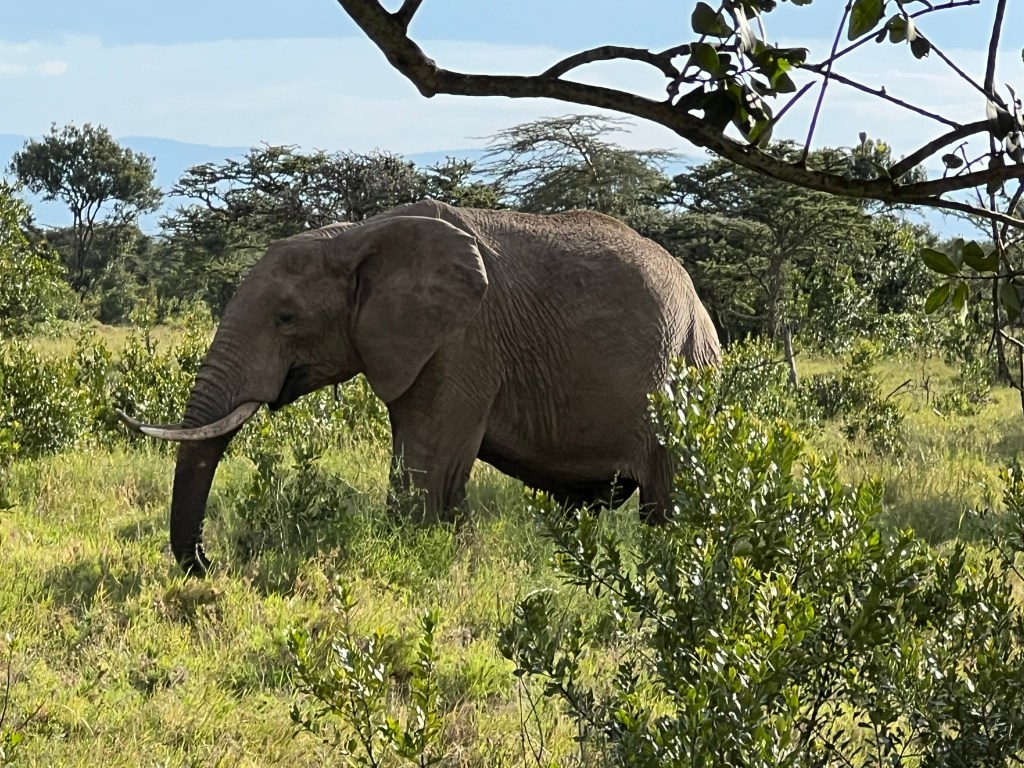
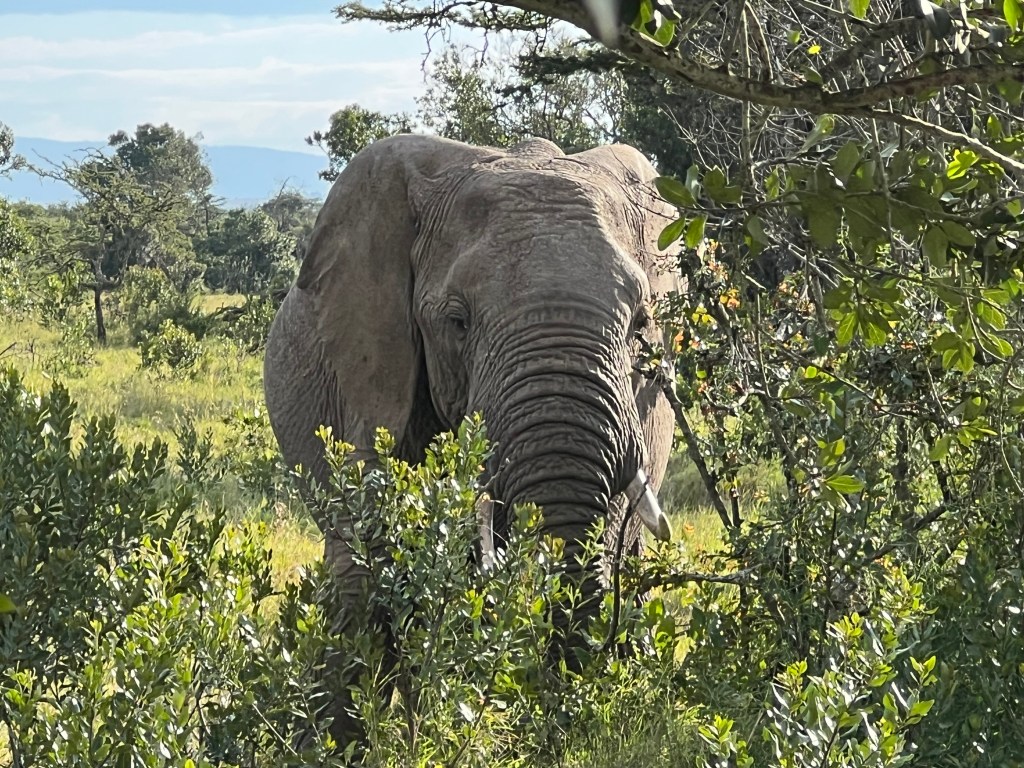

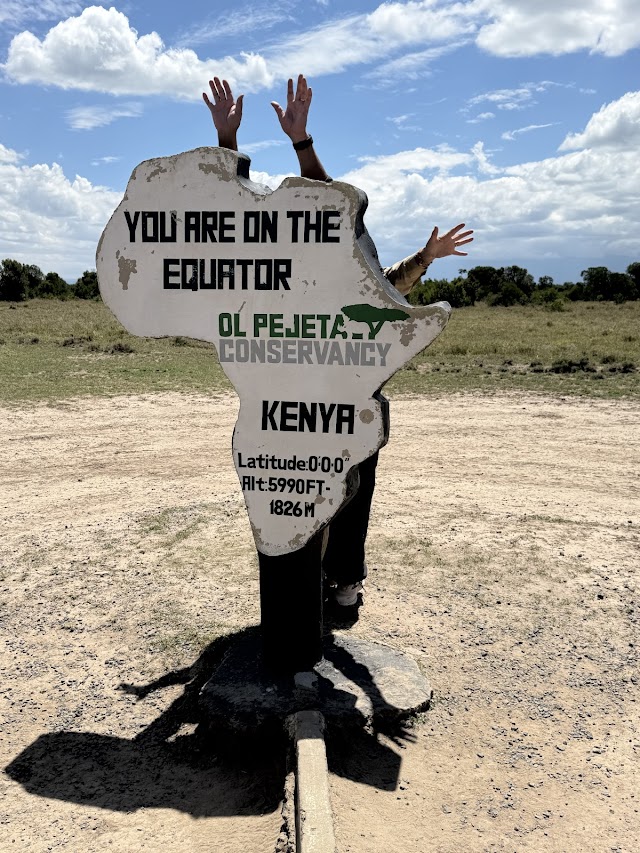
The third drive of the day was called ‘The Sundowner’, where we would be off-road to see the more nocturnal species, witness the incredible sunsets, while sipping champagne. It was on this sundowner drive at the Rhino Camp that G and I marveled at the clear 360-degree view of the African country. Anyone who has driven through Kansas will regale you with tales of the flat, endless landscape. However, standing still in the enormous space of pure African wild landscape, there are no words to describe its raw, breathtaking beauty. It made me feel the same when you view a night sky in an isolated place devoid of a light source. You are aware of just how small you are in the universe, insignificant in its vastness. One of our companions said that it had changed his life, and apparently, it is an oft-voiced sentiment from visitors. And yes, that’s a shot of us at the equator! (we are rather camera shy)

Our last camp was at the Porini Cheetah Camp, also in the Ol Kinyei and Naboisho Conservancies. We met John, the camp manager, Edward, our driver, and Jackson, our spotter. An added surprise was that the co-owners of the camp, Jui and Nirmalya Banerjee were on site, and it was a treat that they joined us at dinner with many tales of their own adventures.
Our tent had an unobstructed view of a large marsh, and we were able to relax on the porch, watching a multitude of wildlife wander by. One morning, we opened up our tent to encounter a young elephant not 10 feet away, munching on the bushes in front of our porch. We eyed each other quietly until he decided he’d rather have breakfast in private and wandered away.

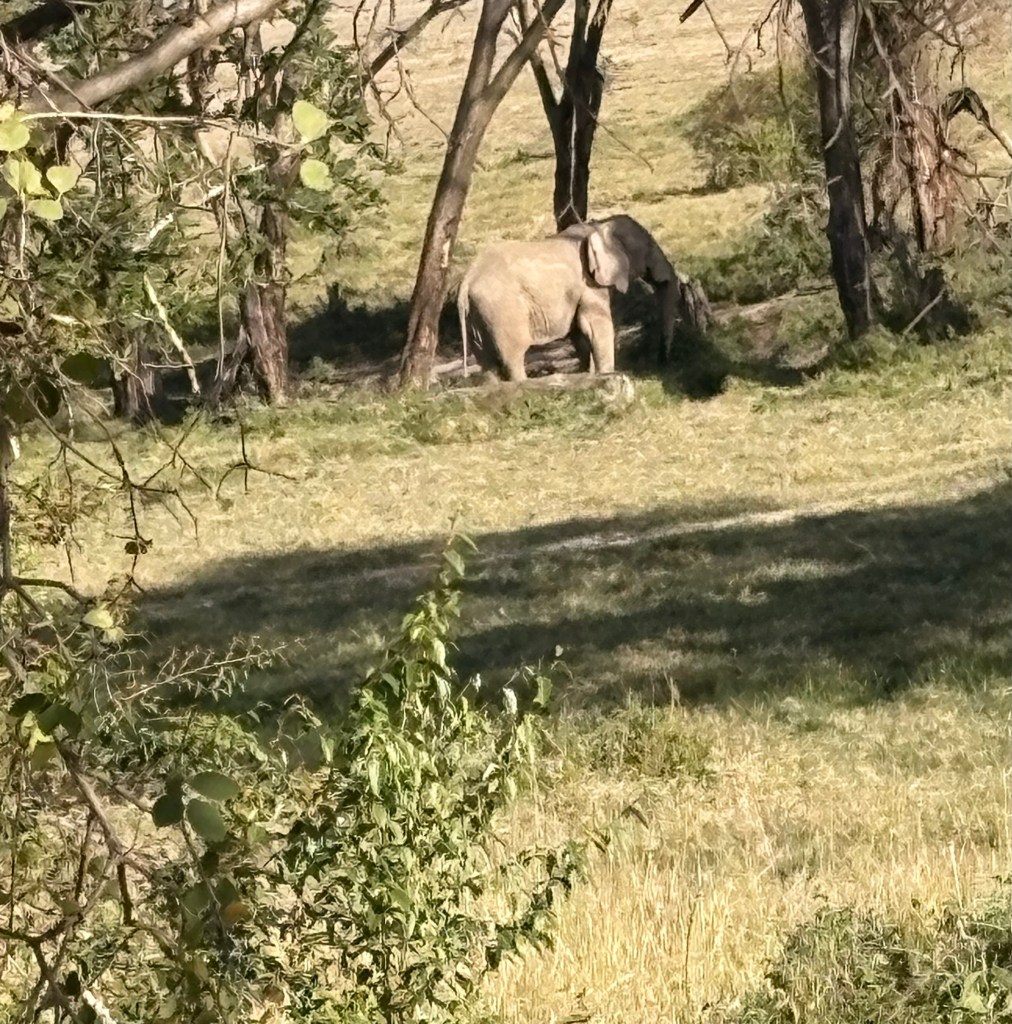

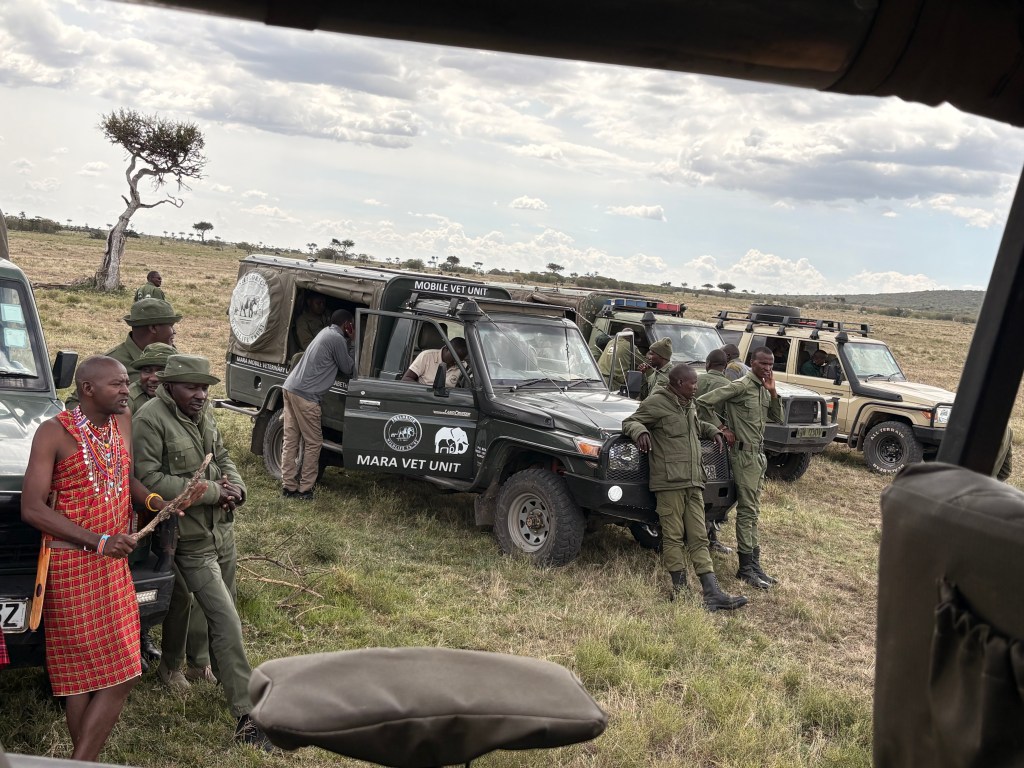
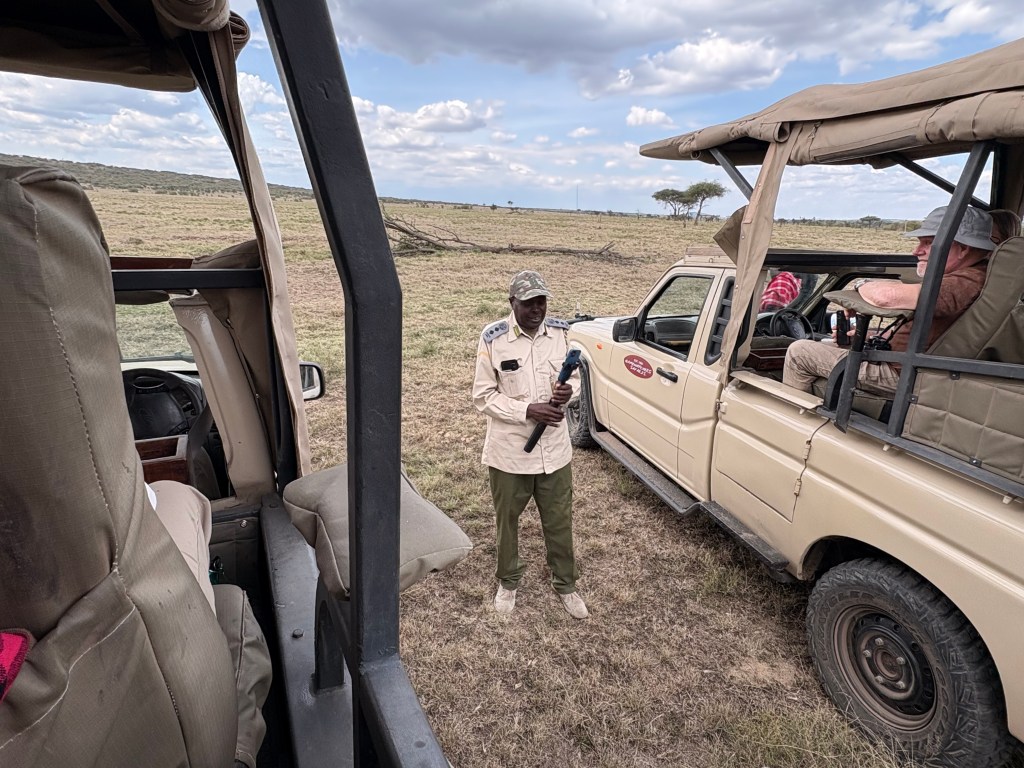
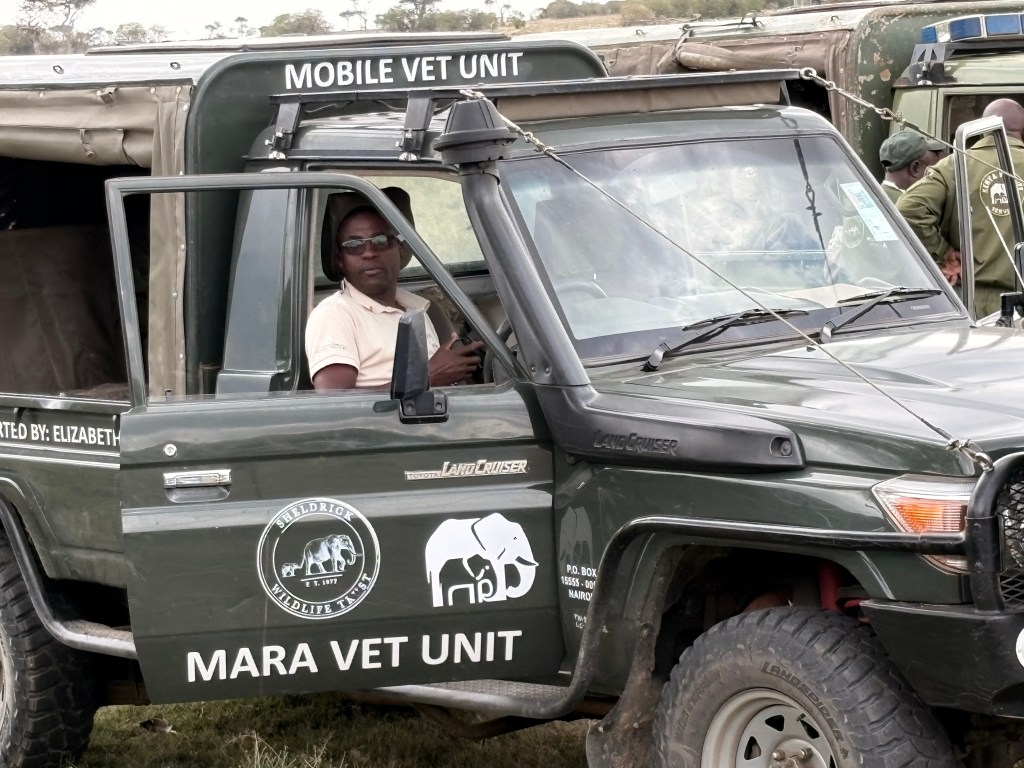
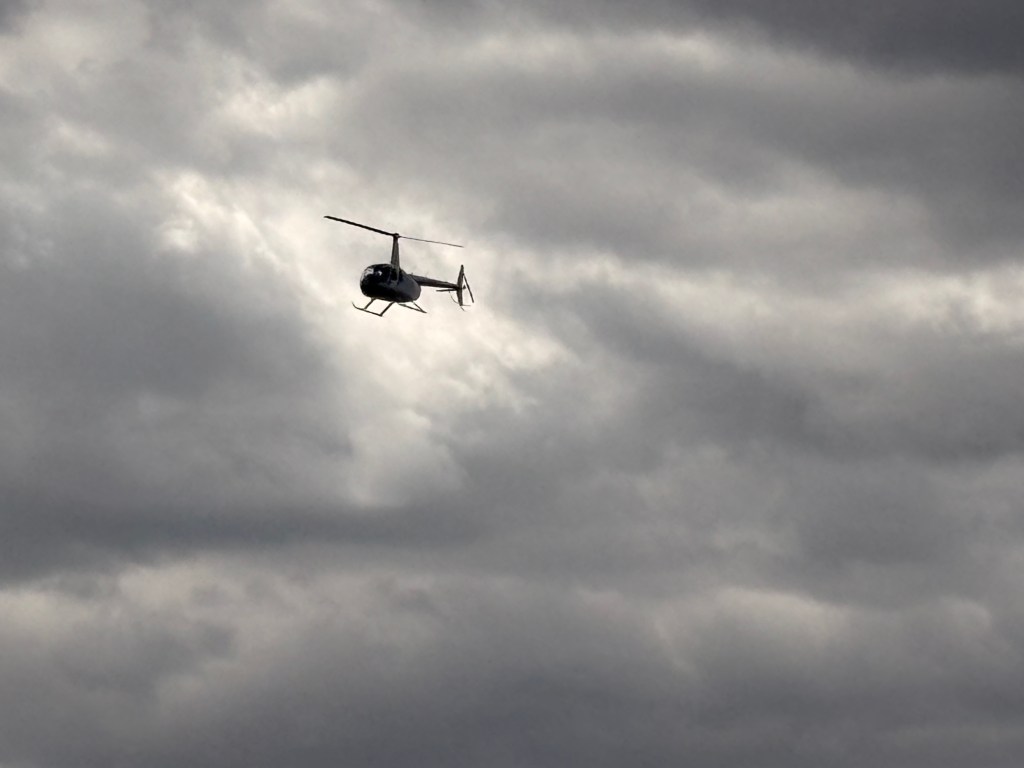
Here in Ol Kinyei Conservancy, we had, what I’d describe as our most exciting, and deeply rewarding activity. The Porini Camp was alerted to a 65-year old elephant, oldest in the Conservancy, that had been injured on its shoulder, likely by a blade from a village community member, who was trying to protect his home. The elephant’s injury had become infected and it was affecting its health. The Wildlife Service and Vet Units had been called in to shoot a tranquilizer into the elephant and safely treat and clean the infection. We, along with our other Porini Camp colleagues, were along for the tracking and treatment, and what an incredible experience it was. The Wildlife Service had to turn the elephant over twice while it was sedated to remove its collar. A short video summary of the well-managed, 2-hour sequenced operation, follows below.


Our trip ended at this camp, and our return route was the same as our coming, but in reverse. We had an early morning 40-minute drive to an airstrip for the one-hour flight to the Nairobi Wilson airport. This time we had a 7-hour layover that we spent in day-rooms at the Eka hotel, then a two-hour stint at the airport going through the mechanics, next a 9.5-hour, 10:30pm, overnight flight to Brussels (YES, we checked in our luggage!!), and a 1-hour trip from Brussels Airport to Lille. Getting home, before noon! After a long trip is always so sweet, even if we aren’t waking up to elephants eating bushes outside of our window.
As the month came to a close, we celebrated a personal milestone with a wonderful meal at our favorite restaurant around the corner, Sympa. It was on the 24th, seven years ago, that we moved into our apartment in Lille. The owners, Charles, Hugo and Alexandre, tried to ply us with champagne but having imbibed a few glasses of red wine, we smiled and declined. Only walking around the corner home but would still like to get there without hitting any posts.
Happy halloween to all – a distinctly American holiday that we sorely miss. See you next month !
 twokiddosoverseas.com
You must be logged in to post a comment.